
ALL |
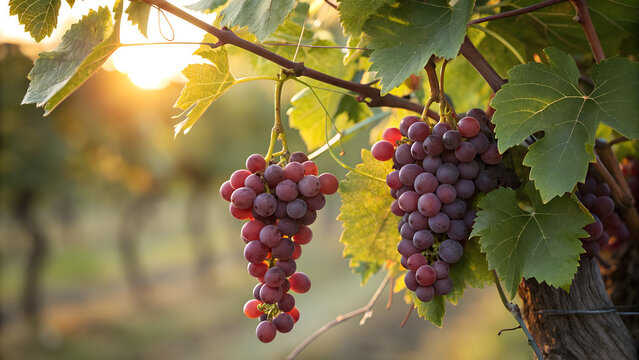
Under the right circumstances, in ideal climatic conditions, pinot noir can produce the richest, most velvet-smooth wines in the world. The best-of-the-best are acknowledged to come from the Cote d’Or in the Burgundy region of France (subject for a later article), but after years of trying, California and Oregon winemakers have finally figured out the nuances of this most difficult and finicky of grapes to grow.
Pinot noir has definitely found a home in California’s Russian river Valley, the Carneros area of Sonoma and Napa, the Santa Ynez Valley in Santa Barbara County, the Anderson Valley in Mendocino, San Benito, Monterey and the Arroyo Grande. In fact pinot noir is currently the 4th most widely planted red grape in California with over a 300 percent increase in acres planted since 1995, some of that increase attributed to the movie “Sideways.”
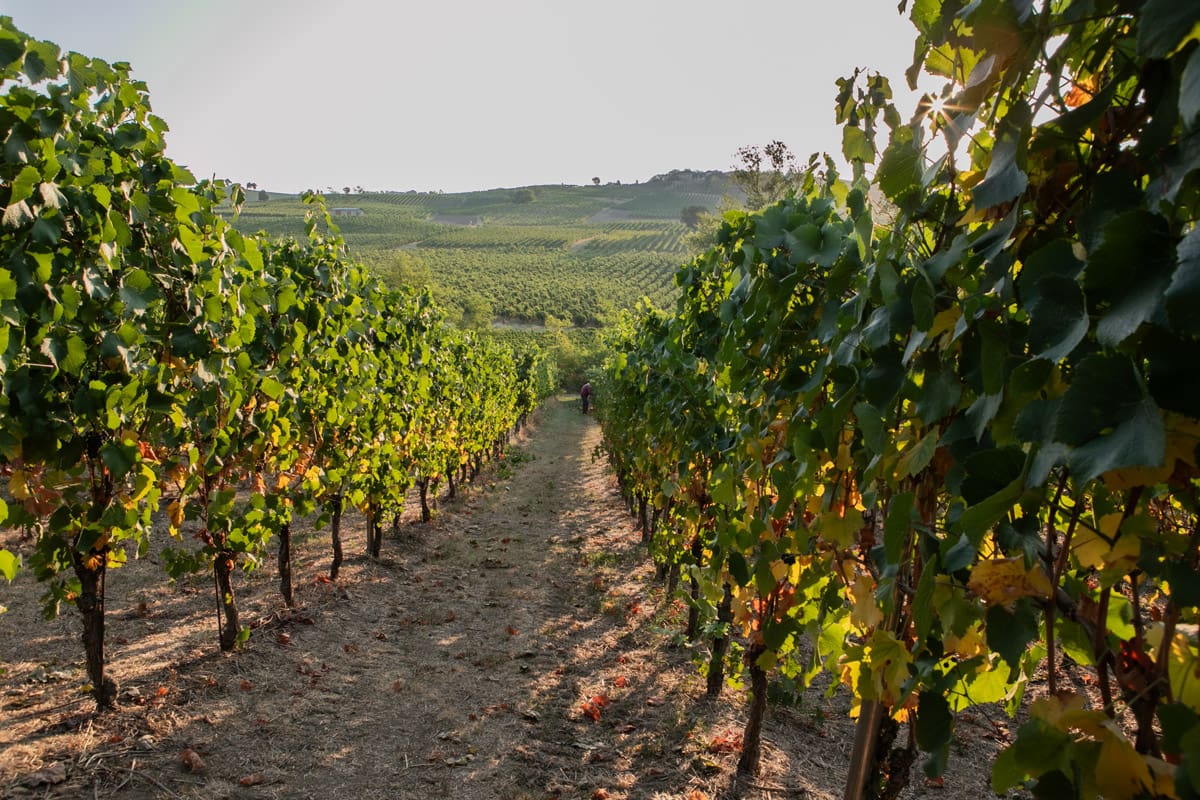
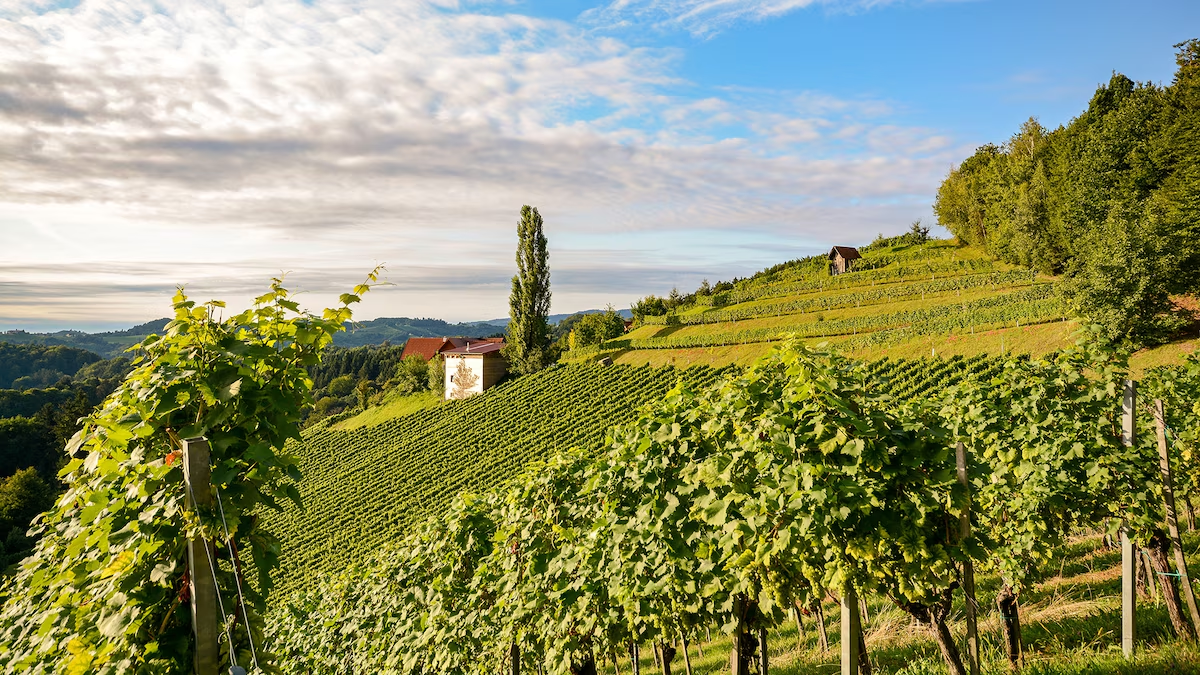
All of the major areas where pinot is grown in California have several things in common – fairly cool climate, relatively poor soil and a long growing season with plenty of sunshine.
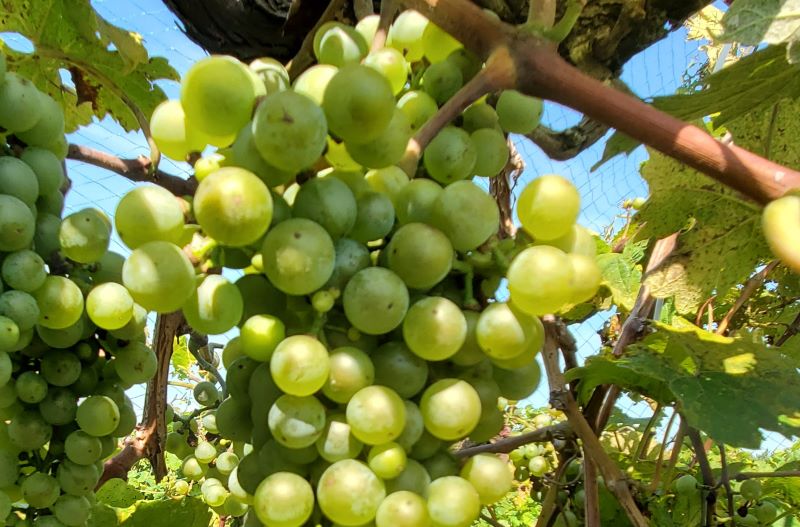
Pinot nor is not a deeply pigmented grape, so its wines are not particularly dark in color. It is relatively low in tannin, and so are the wines, unless the winemaker ages the wine in new oak or retains some of the stems during fermentation.
The most obvious characteristic of California pinot noir is a vivid, tart, forward fruit redolent of red or black cherries and red or black berries. Often there is a sweet, tomato-paste flavor with earthy aromas reminiscent of underbrush and mushrooms.
There are two basic styles of pinot noir – light to medium bodied wines that are very fruity (fruit bombs) with low tannins that generally sell for $10 to $20 a bottle and the medium to full-bodied wines that are more concentrated that sell for $20 and up. The more expensive wines sometimes can cost $35 and more, and may require some significant bottle age before they reach their ideal peak. Most pinots need to be consumed fairly young – one to six years after the vintage.
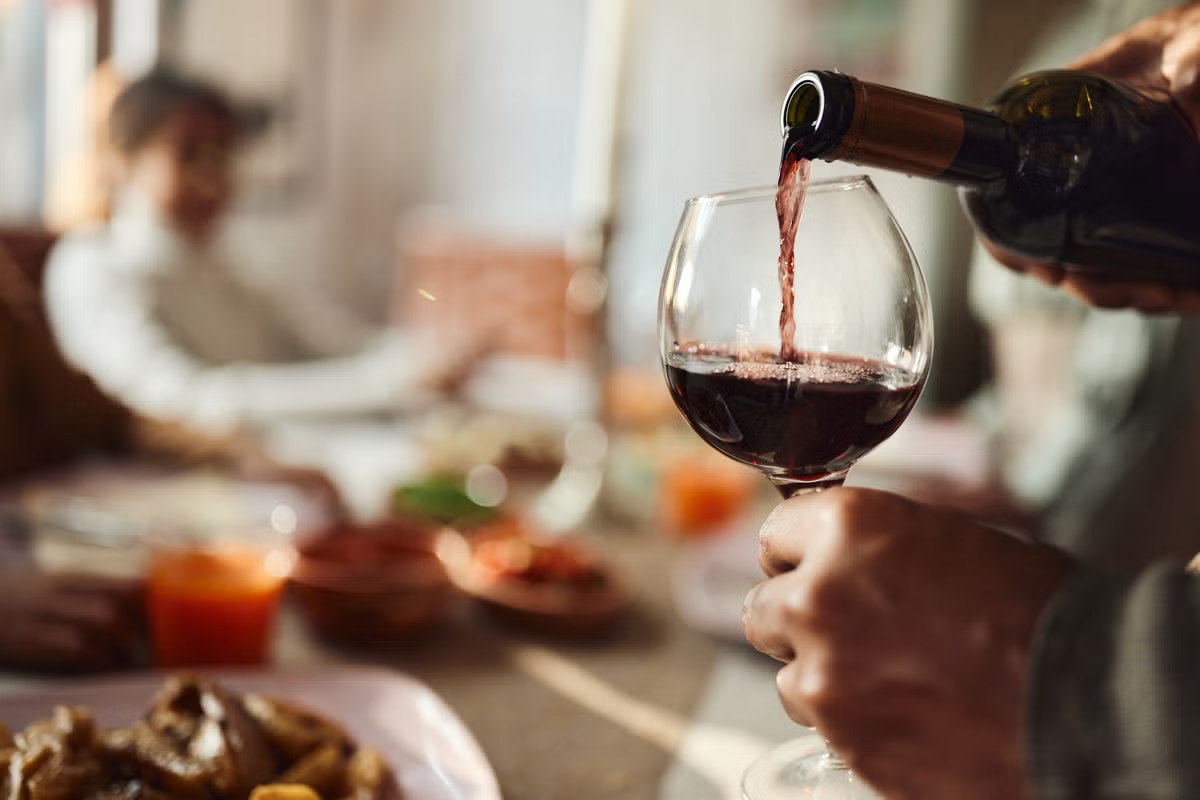
Pinot noir is the epitome of a food wine, and is ideal for restaurants because it goes well with a variety of foods. “Versatile,” and “flexible” are words used to describe this red wine’s ability to pair with salmon, ahi tuna, swordfish and other seafood, chicken, veal, pork, duck and game birds. If the wine has some significant body, it goes well with beef and lamb. The fish dish does need to be fairly flavorful because of the sauce or other ingredients that are friendly to red wine. The fruity styles can even pair well with spicy foods.
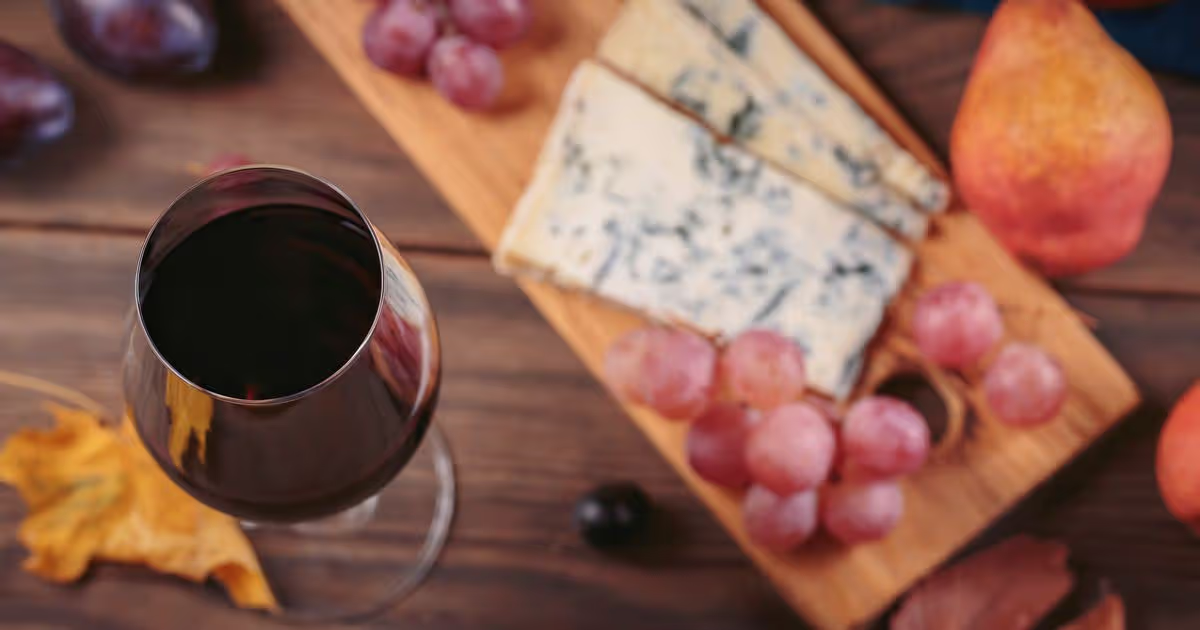
Try pinot noir with brie, aged goat and cheddar cheese, pesto, roasted garlic, onions, mushrooms, cinnamon, clove, star anise, ginger, pepper, mint, basil, tarragon, thyme, rosemary, oregano or Dijon mustard as bridge ingredients but don’t overwhelm the wine with dishes that are too powerful.
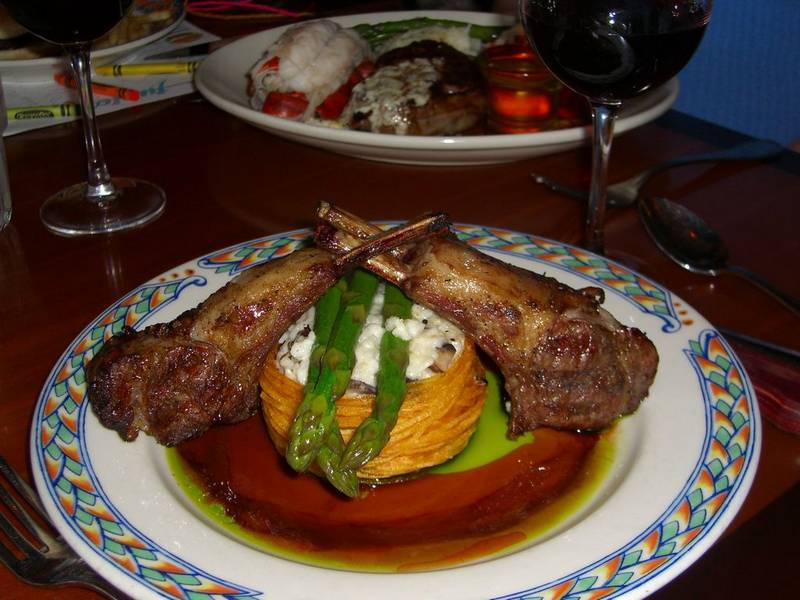
Rather than giving our readers a specific recipe this week, we have decided to relate to you a common food-and-wine-pairing issue and how it was solved while eating at the Riva Grill. The setting was a sit-down, white-tablecloth dinner with five people, all with different entrees and several appetizers. What wine do you serve that will pairs reasonably well with the following variety of food: crab chili relleno appetizer with sauce diablo and lime-sour cream; Dungeness crab cakes appetizer with tomato salad and green goddess dressing; pistachio crusted halibut with pesto risotto, mango-jicama relish and pomegranate syrup; braised Australian lamb chops with creamy mushroom risotto and a red-wine reduction sauce; traditional filet and lobster with garlic mashed potatoes; a bacon-wrapped filet with blue cheese butter and garlic mashed potatoes; and a traditional hamburger with the works and fries?
Most of the time this problem can only be solved with everyone ordering separate wines by the glass. This time, however, the conundrum was eliminated with one bottle of wine – the versatile pinot noir from California, specifically a medium-bodied Acacia 2005 Carneros with lots of ripe strawberries and raspberries and hints of earth and mushrooms.
The wine was fruity enough to pair well with the spicy chili relleno and the lack of tannin made it an ideal partner for the crab and fish dishes, including the halibut but only because of the pistachio crust and mango-jicama relish with pomegranate syrup. The wine had enough body to be an exquisite pairing with the both filet entrees and the lamb chops. The worrisome entrée was the lobster, but the drawn garlic butter dipping sauce did the trick.
Would the individual dishes have paired better with individual wines? Absolutely, but the pinot noir was absolutely the finest pairing possible with all of the dishes.
Bon appétit.
– Steve and Pamela Adams write a regular column for the Tahoe Daily Tribune’s Cuisine page. Steve is a history instructor at Lake Tahoe Community College and Pam is an assistant in a wine and food pairing class at the college. They can be e-mailed at sjawineman@aol.com.
Don’t forget Culinary Arts 131 (Wines of the Americas) this spring at Lake Tahoe Community College.