Key Takeaways
- Animal studies suggest that when sorbitol isn’t properly broken down in the gut, it can accumulate in the liver and may increase the risk of liver damage.
- Researchers found that a healthy gut microbiome plays a key role in processing sorbitol.
- There’s no clear evidence that sorbitol harms human liver health, but experts say frequent, high intake—especially from sugar-free foods—may be a concern for some people.
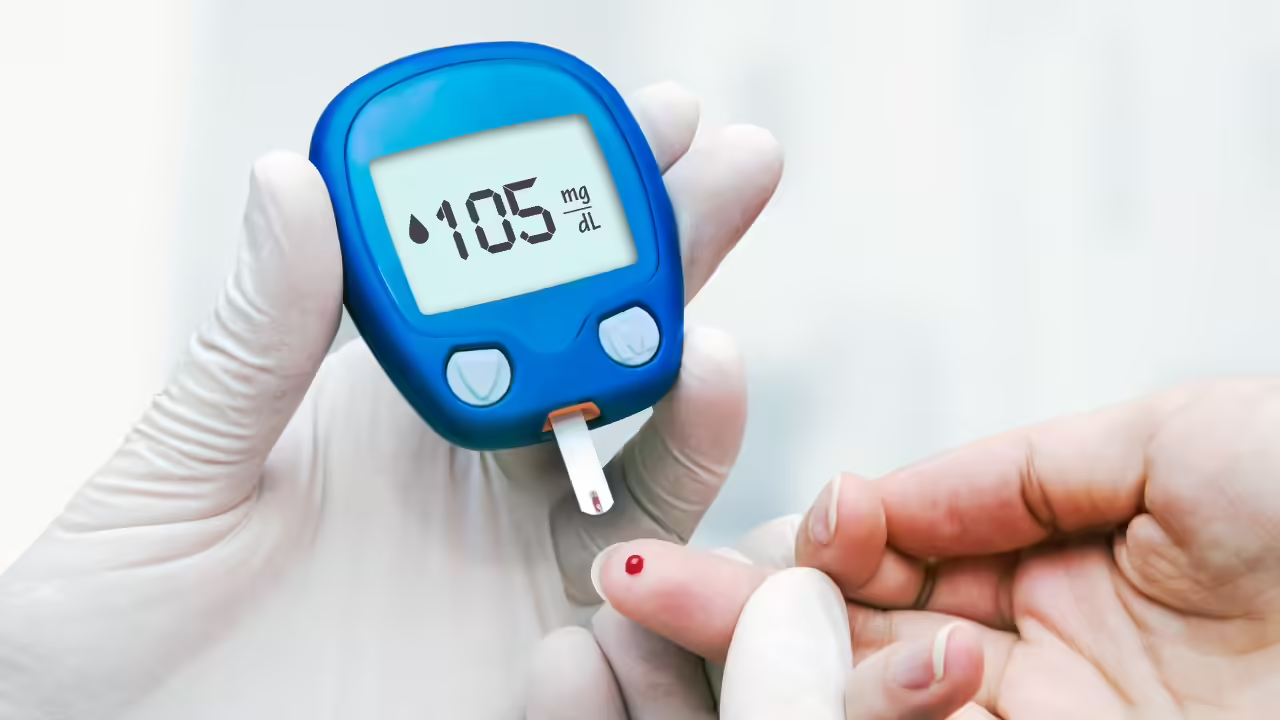
Sorbitol is a sugar alcohol commonly used to sweeten sugar-free candies and gum and is often marketed as a better option for people with diabetes. Sugar alcohols contain fewer calories and are slowly digested, helping prevent sharp spikes in blood sugar.
But animal research suggests that consuming large amounts of sorbitol may pose risks to liver health. More studies are needed to understand whether the same risks apply to humans.
How Sorbitol May Affect the Liver
In the study, researchers used zebrafish to show that a healthy gut microbiome can convert glucose into sorbitol and then break down the sugar alcohol. That process broke down when the fish had disrupted gut microbiomes.
“If you have bacteria that can’t degrade sorbitol and you eat a glucose-rich meal, the glucose gets converted into sorbitol, and there’s nowhere for it to go, so it accumulates. We saw it ending up in the liver and having a negative impact,” Gary Patti, PhD, lead author of the study and professor of chemistry, genetics, and medicine at WashU Medicine, told Verywell.
When sorbitol wasn’t cleared in the gut, it was instead converted into a form of fructose. Previous research has linked fructose to a higher risk of liver disease.
Although animal studies can’t be directly applied to humans, the role of the gut microbiome—and its ability to be modified—has been supported by human research, Patti said.
Should You Limit Sorbitol for Liver Health?
Previous animal studies have also raised concerns about sorbitol. A four-week mouse study published in 2022 found that sorbitol led to glucose intolerance (high blood sugar) and gut microbiome changes.
Other research suggests that disruptions to the gut microbiome may contribute to liver disease.
Studies in mice have also found that artificial sweeteners, including sugar alcohols, can alter gut bacteria and may increase the risk of metabolic dysfunction–associated steatotic liver disease (MASLD).
However, animal studies don’t automatically mean that sorbitol will have the same effect on humans.
“We don’t have human studies indicating an exact unsafe amount of sorbitol for human liver health. But regular, high intakes—especially from sugar-free foods—may raise risk,” Theresa Gentile, MS, RDN, CDN, a Brooklyn-based registered dietitian and a spokesperson for the Academy of Nutrition and Dietetics, told Verywell in an email.
Gentile added that most people who consume sorbitol occasionally don’t need to worry. However, people with type 2 diabetes, liver disease, or high triglycerides may want to be cautious with sugar-free foods that contain sorbitol and consider talking with a registered dietitian or healthcare provider about their individual risk.
What About Sorbitol in Fruits and Vegetables?
Sorbitol and other sugar alcohols are found in certain fruits and vegetables, not just sugar-free treats. However, unless you have a sorbitol intolerance, most people don’t need to avoid these foods.
Produce like bok choy, cherries, avocado, and apricots that naturally contain sorbitol also provide fiber and other beneficial nutrients, which make them important for a healthy diet, Ryanne Lachman, MS, RDN, an integrative registered dietitian at University Hospitals Connor Whole Health, told Verywell in an email.
Many fruits and vegetables contain less sorbitol than sugar-free desserts, she added. For instance, a small apple contains around 1.5 grams of sorbitol, whereas the same amount of diabetes-friendly sweets contains between 35 and 95 grams of sorbitol.
The nutrients in these fruits and vegetables also help support a healthy gut microbiome, which the new study showed is important for processing sorbitol and reducing the risks to liver health, Lachman said.
:max_bytes(150000):strip_icc():format(webp)/StephanieBrownnewheadshot-e5ca9ba2a404491384e9300a7871f190.jpg)