The North Coast wine industry is navigating a season marked by unpredictable weather, shifting market dynamics and ongoing challenges in both grape and bulk-wine sales.
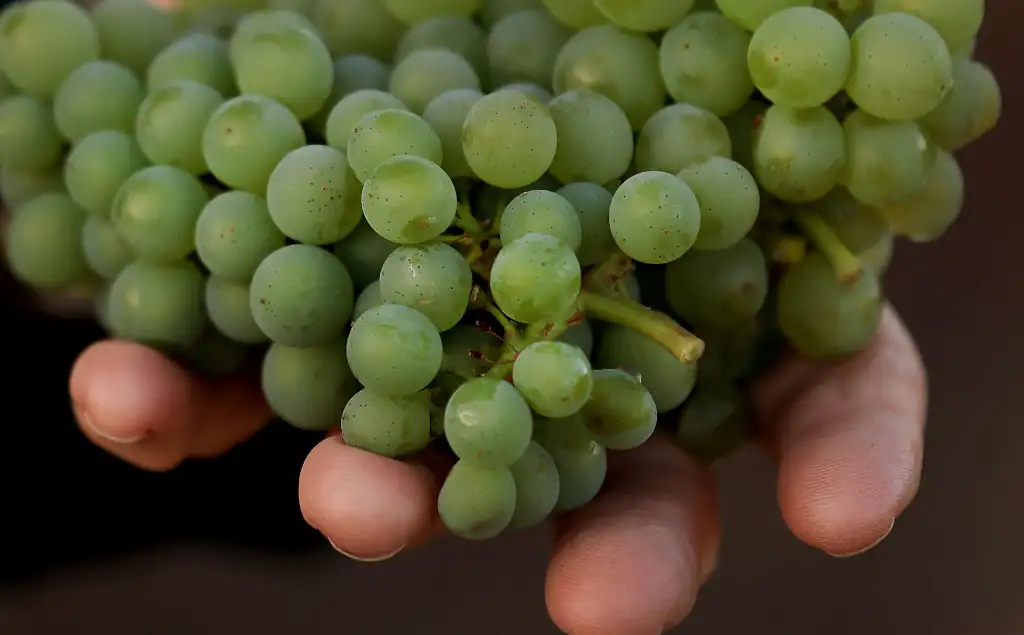
Christian Klier, North Coast grape broker for Novato-based Turrentine Brokerage, said this season’s march through harvest was slowed by cooler weather and drizzle the second week of September. Cool weather in June and July delayed the start of picking the first grapes until the arrival of hot August days. This has led to a reversal of typical ripening patterns, with white grapes coming into wineries before most red grapes and southern North Coast fruit coming in before northern areas of the appellation.
“I was just on the phone with a major winery, and they are shutting down (harvest) for the rest of the week. Pick back up next week,” Klier said Thursday.
Grapes in Lake and Mendocino counties have been ripening ahead of Napa and Sonoma for the second year in a row — a dynamic that has not favored Lake and Mendocino growers, he said.
“Any type of market activity has been really focused on Napa and Sonoma, because wineries have been very used to Napa and Sonoma (grapes) becoming ripe first, and then looking to Lake in Mendocino after that,” Klier said.
On top of that, a significant amount of fruit — and more than last season — remains without a purchase contract, especially in Lake and Mendocino. Earlier this season, Klier told the Journal that the firm estimated 6,000 to 8,000 tons of North Coast grapes weren’t harvested last year.
“Double the tons (are) uncontracted this year in Napa cabernet than I had at the same time last year,” Klier said.
For vineyards where the fruit doesn’t yet have a home, growers are taking the opportunity to remove underperforming vines — newly planted vines take at least three years to mature — as well as further putting off or foregoing significant farming work, a tactic called “mothballing.”
“We are recommending to growers who have been suffering … if you don’t have a contract for your grapes, it’s a pretty big gamble right now to spend all the money on the whole year of farming those grapes with no real prospects of selling that fruit. So older vineyards and vineyards that have been hard to ripen, even in up markets two or three years ago, we’re recommending to those growers that they pull their grapes out,” Klier said. “We’ve got to somehow find balance between demand and supply, and right now we’ve got more supply than we have demand.”
Glenn Proctor, a partner at San Rafael-based global wine and grape brokerage Ciatti Co., expects the size of the 2025 wine grape crop to be smaller than average in the North Coast and statewide, more based on market conditions that are leading to vine removals and mothballed vineyards.
Proctor said that while there is some activity in the bulk-wine market — where vintners sell excess wine made from grapes purchased under contract but not needed — bulk pricing per gallon is barely at break-even.
“It’s probably paying to get the grapes off the vine, and the small return past that,” Proctor said. “But the activity’s limited, meaning it’s one buyer, maybe two. But it’s not like there’s real activity.”
Demand for North Coast wine grape varieties in California’s North Coast have reversed this season, according to the brokers.
“Last year, when we could sell Chardonnay pretty much till the last berry was picked, we could not move any Cabernet. Last year, demand for Cabernet outside of Napa was non existent — no buyers. That is flip-flopped this year. So we’ve actually seen more sales in the North Coast on Cabernet than we have in Chardonnay,” Klier said. “This year they didn’t buy any Chardonnay, and now they’re trying to make up differences because they didn’t buy any Cabernet last year.”
It’s too early to tell, he said, whether this is a trend in which vintners are buying what they need for each variety every other year.
Proctor noted a sluggish market for white grapes.
“There’s still some Chardonnay and Sauvignon Blanc out there available, looking for a home. And we’re really not seeing, at least to this moment, a buyer that’s, ‘Oh, yeah, I’ll come in and buy it all up for this price.’ It’s a little harder to just to find that white (grape) buyer that’ll clean up some of the fruit that’s still left out there, which is a little different than last year.”
These shifts, the brokers say, reflect a market where buyers are “only going to buy what they need,” as Proctor put it. Overall demand remains well below typical levels for the region.
This season so far has seen only one significant wildfire, which can lead to concerns about smoke damage to grapes on the vine at the time. The Pickett Fire erupted Aug. 21 and burned 6,819 acres of Napa County northeast of Calistoga. County officials received estimates of smoke damage totaling $65 million. That would be about 6% of the billion-dollar value of Napa County grapes crushed last year, according to the annual state crush report.
The 2020 season, with its multiple major North Coast wildfires, saw tonnage crushed at wineries plummet by about one-third in Sonoma County and nearly half in Napa County, with some growers and vintners opting not to pick fruit and some rejections of fruit.
This year, the brokers are hearing that some vintners that had rejected potentially damaged fruit aren’t going out to look for other supply.
What vintners are looking for in deciding how much fruit to buy this season, which will come to market in bottles for white wines in one to two years and for reds in three or more years for higher-end wines, is whether consumers have returned to buying wine.
“We thought 2025 is going to be tough, and we kind of don’t expect, really, any market improvements … until we got to 2026. I think we’re still hoping for that, but it is a little concerning,” Proctor said. I have talked to a couple of larger wineries that are saying, ‘Hey, we think we’re getting near the bottom.’ But we’ve heard that before. We do feel that the only lever that we can turn is supply.”
It could be that the decline in wine sales may be nearing a bottom, according to Jon Moramarco, principal of BW166 and editor of the Gomberg Fredrikson Report.
“It’s looking like we’ve hit, the data would say, bottom over the last six to nine months,” Moramarco said, pointing to federal data on taxes paid for domestic and imported wine. “I’m a little hesitant to say that definitively, because we’re still seeing declines in under $11 (a bottle) wine. So I don’t know if we could say definitively that this is bottom, but it’s looking like we’re getting closer to that.”
He noted that higher-priced wines are more stable but still not yet growing.
“Everybody wants me to just say we’ve turned a corner,” Moramarco said. “I can’t say that right now.”