Key Takeaways
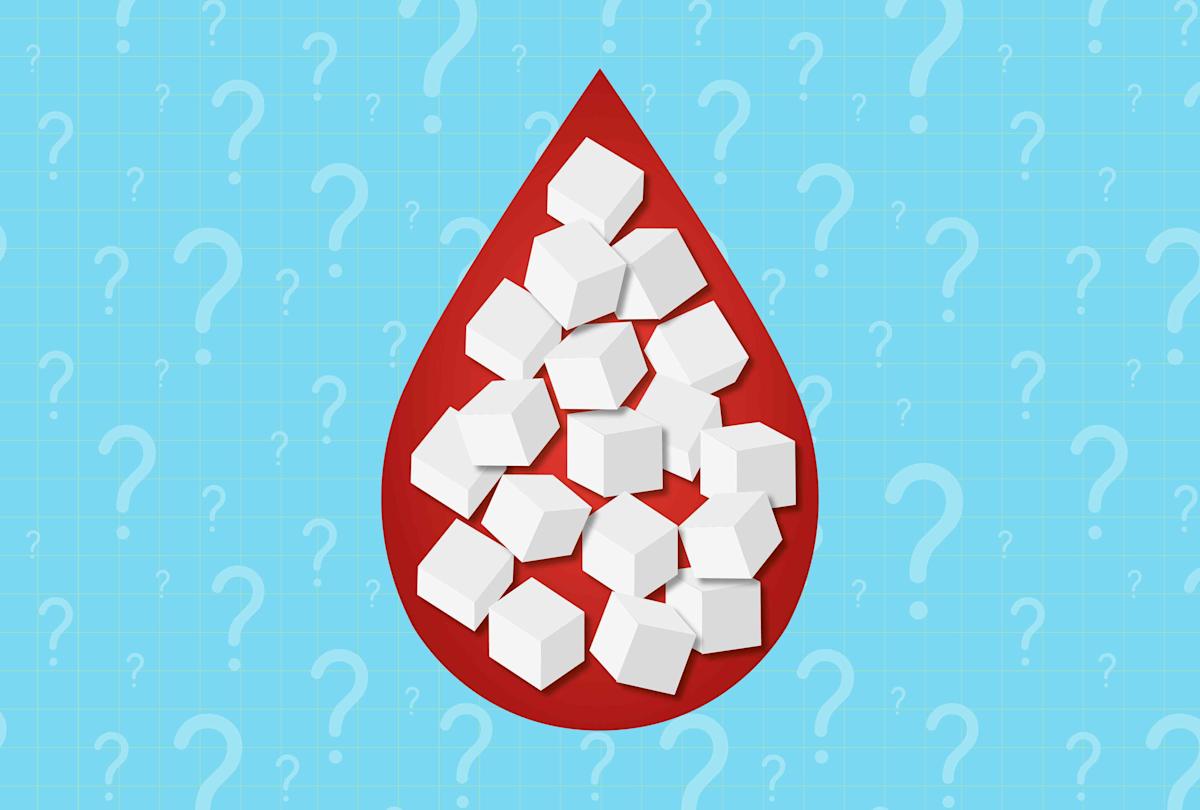
- Monk fruit does not raise blood sugar, making it a good alternative to regular sugar.
- Monk fruit is also calorie-free unlike regular sugar.
- Additives in monk fruit can cause digestive issues.
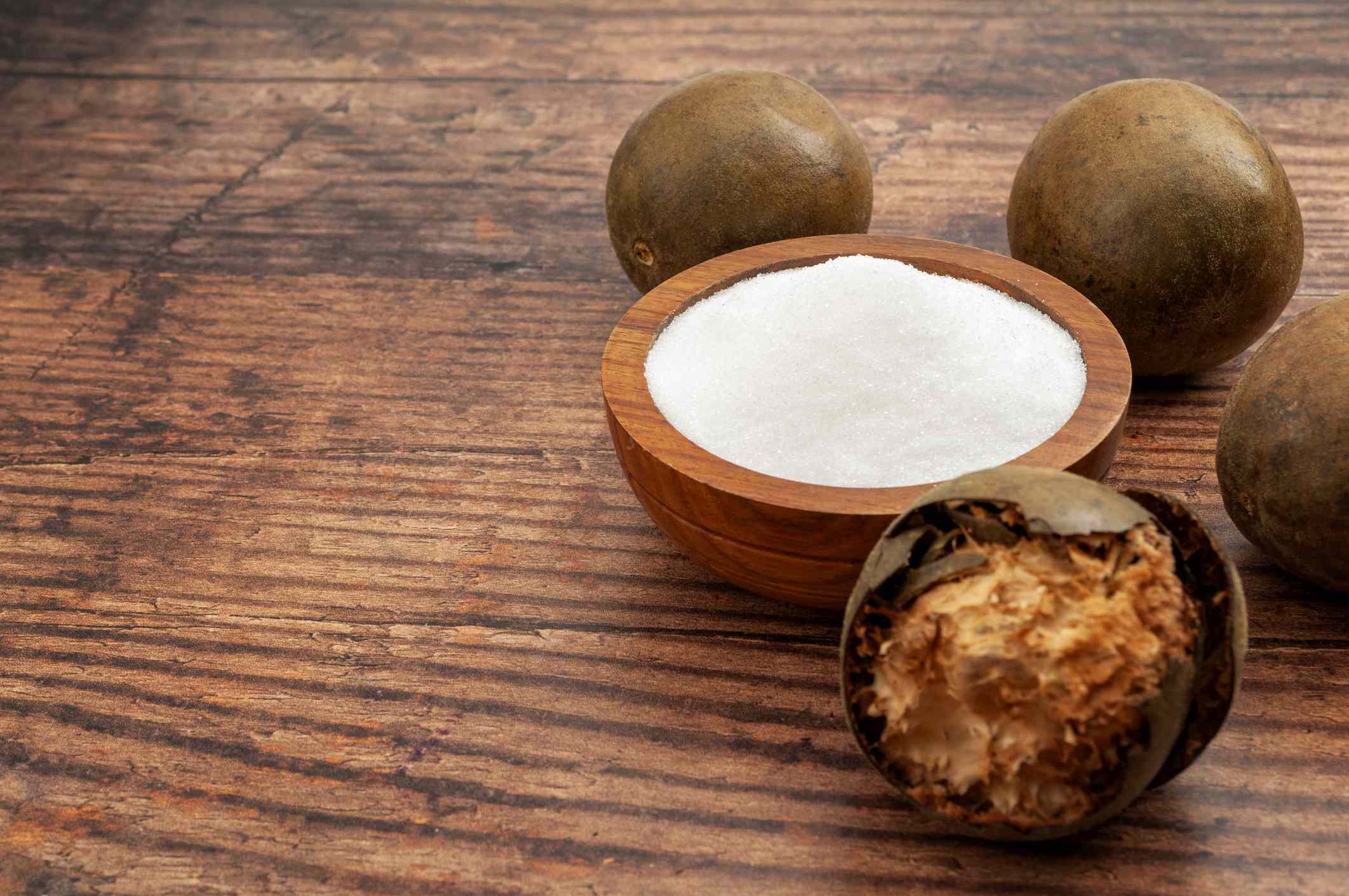
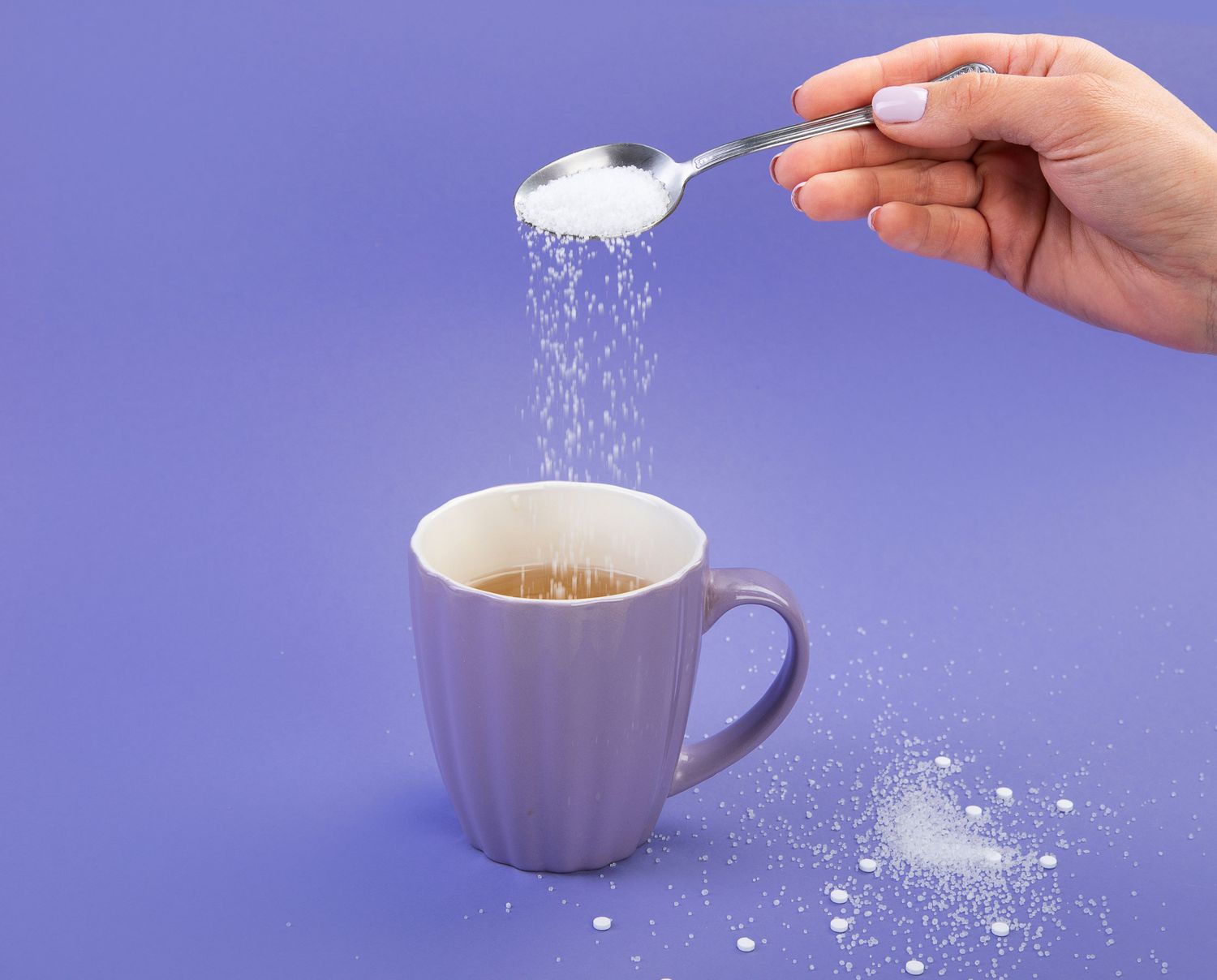
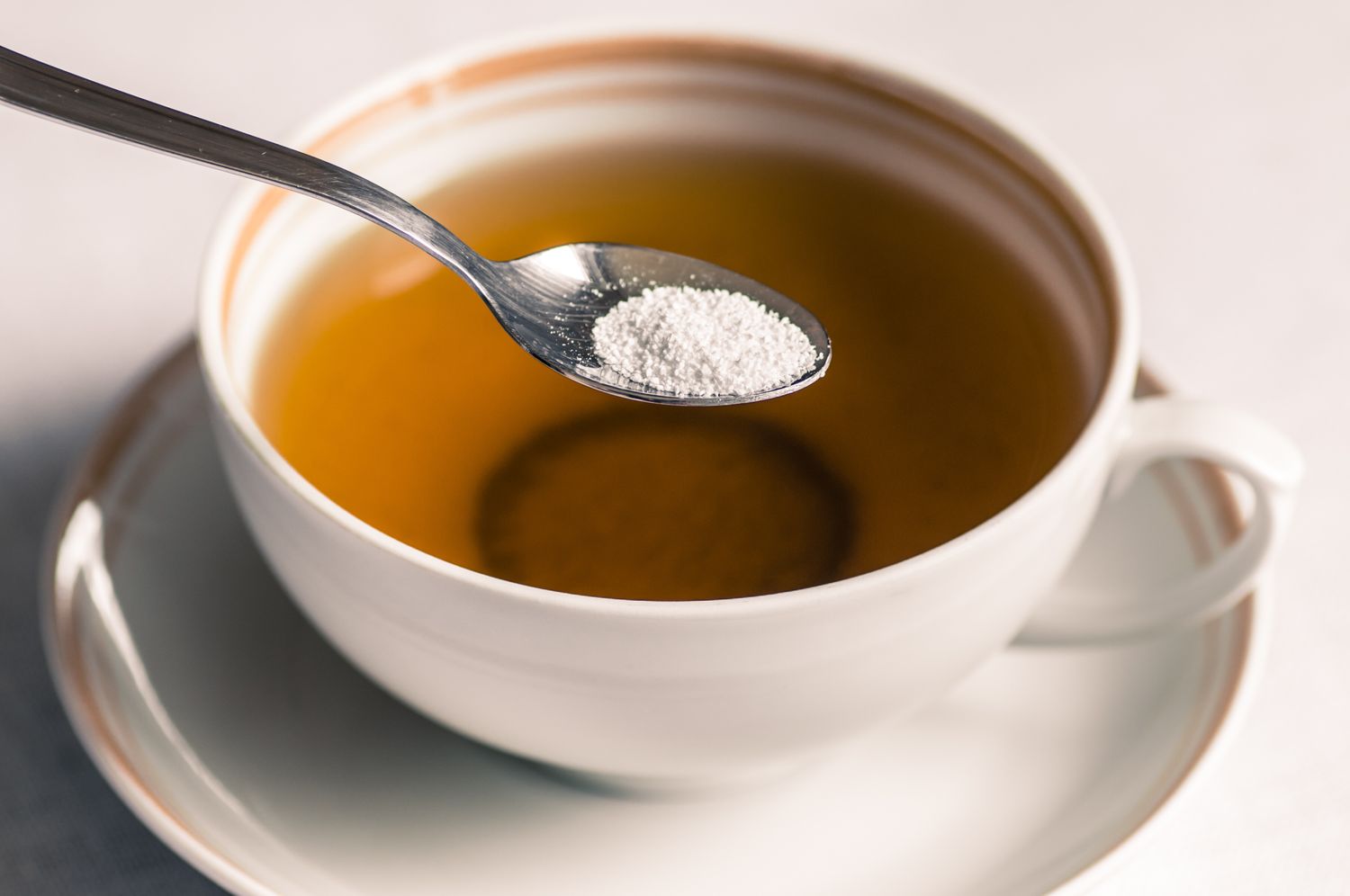
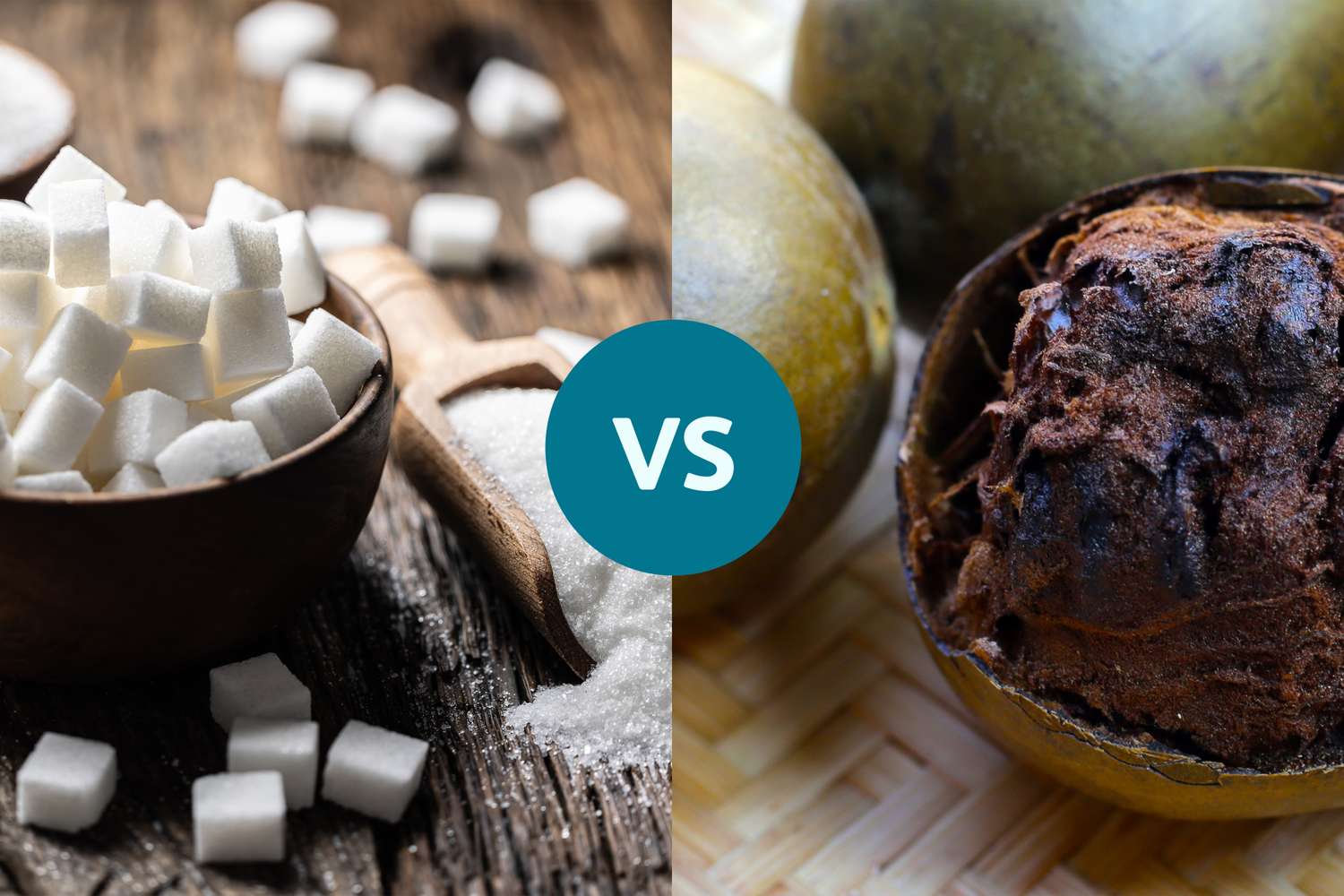
Monk fruit can be eaten whole, but it’s most often used as an extract to replace regular sugar. Swapping sugar for monk fruit may be helpful if you’re trying to manage your blood sugar levels.
Monk Fruit Does Not Raise Blood Sugar
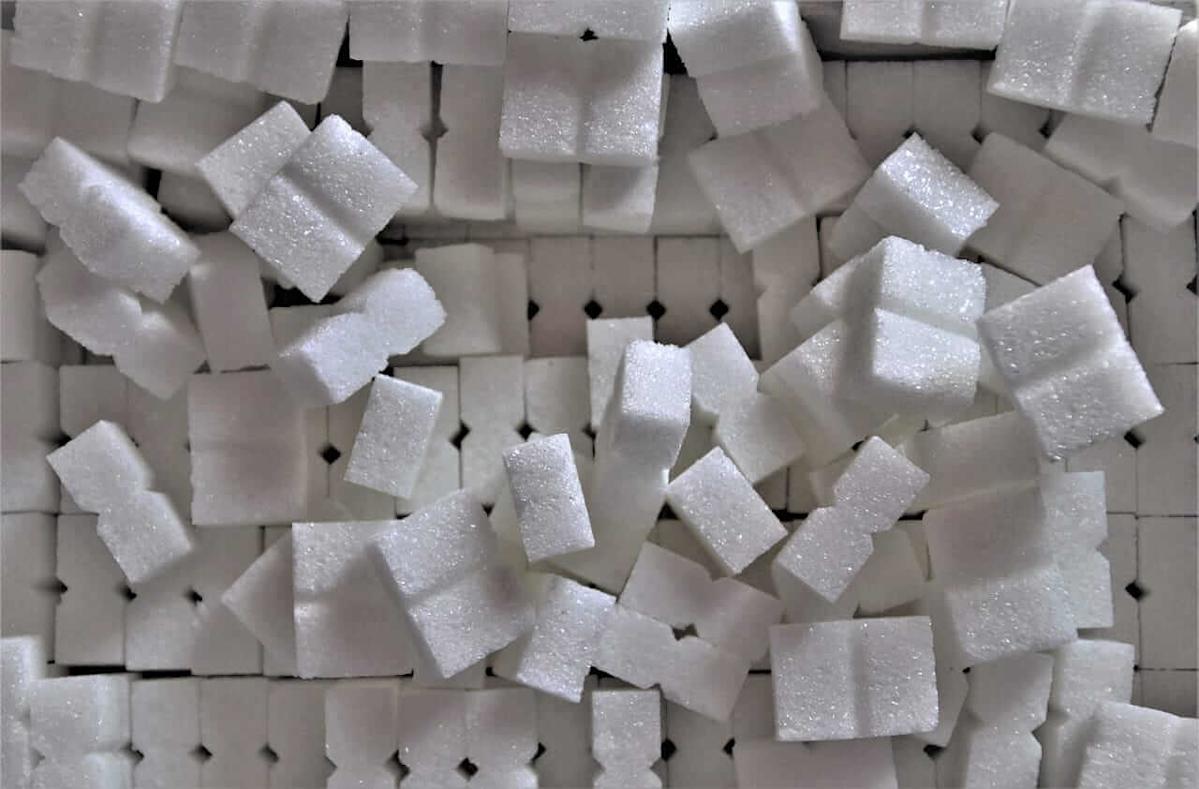
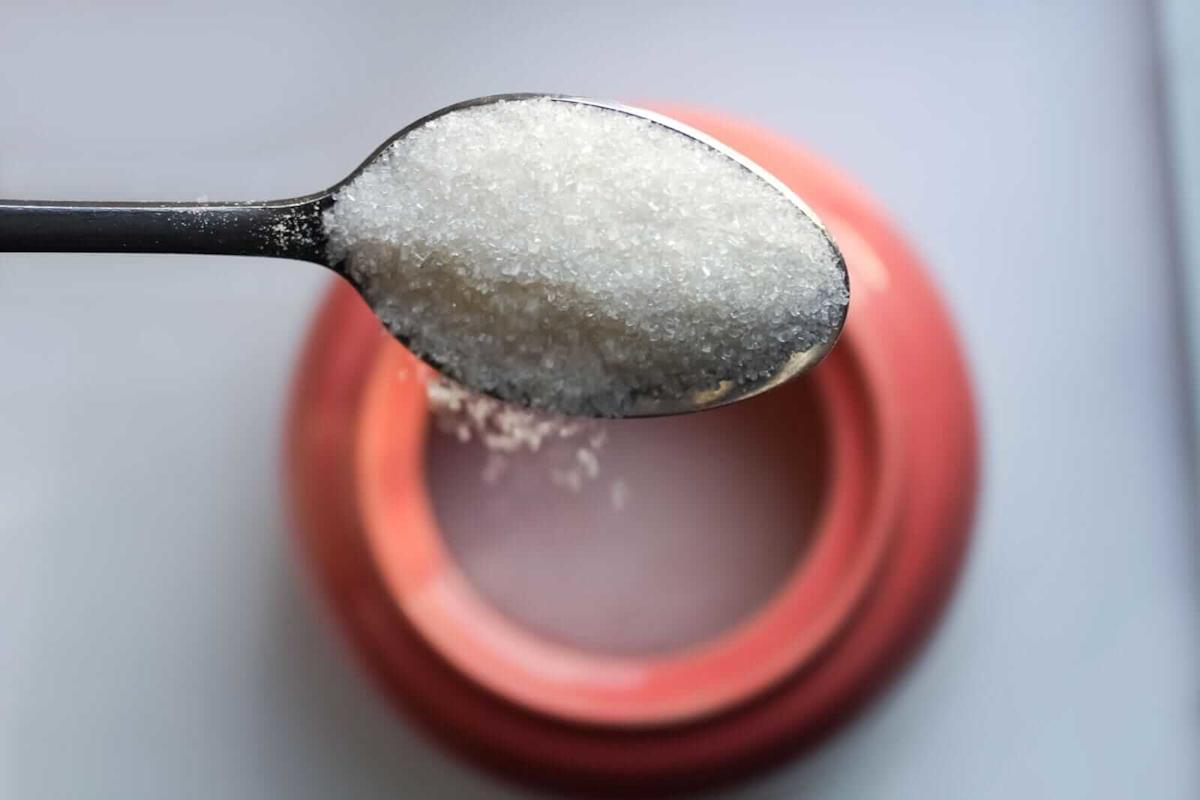
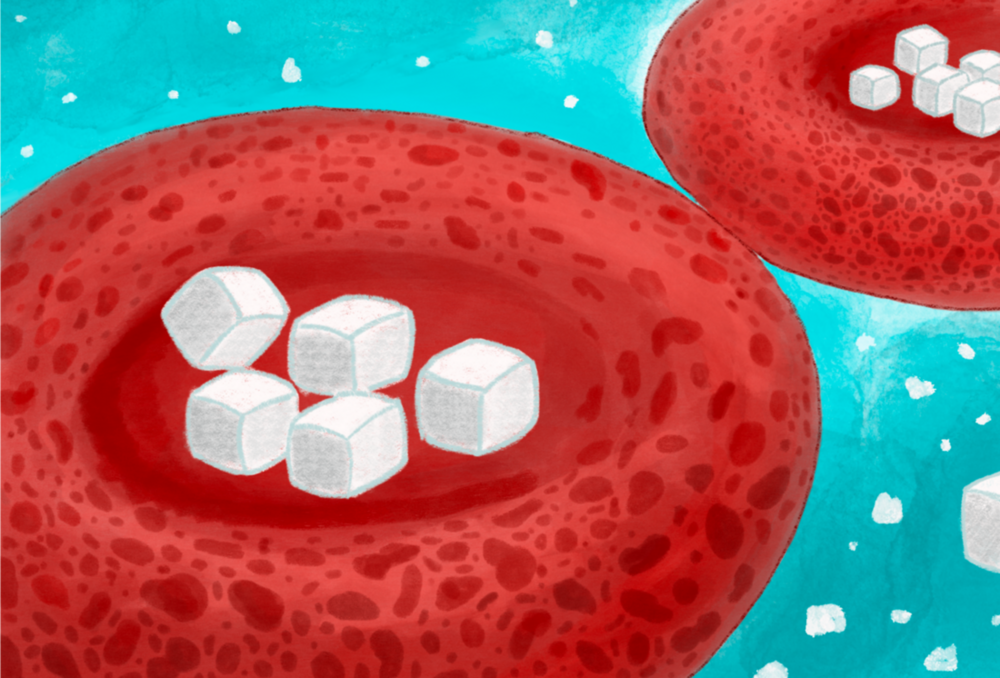
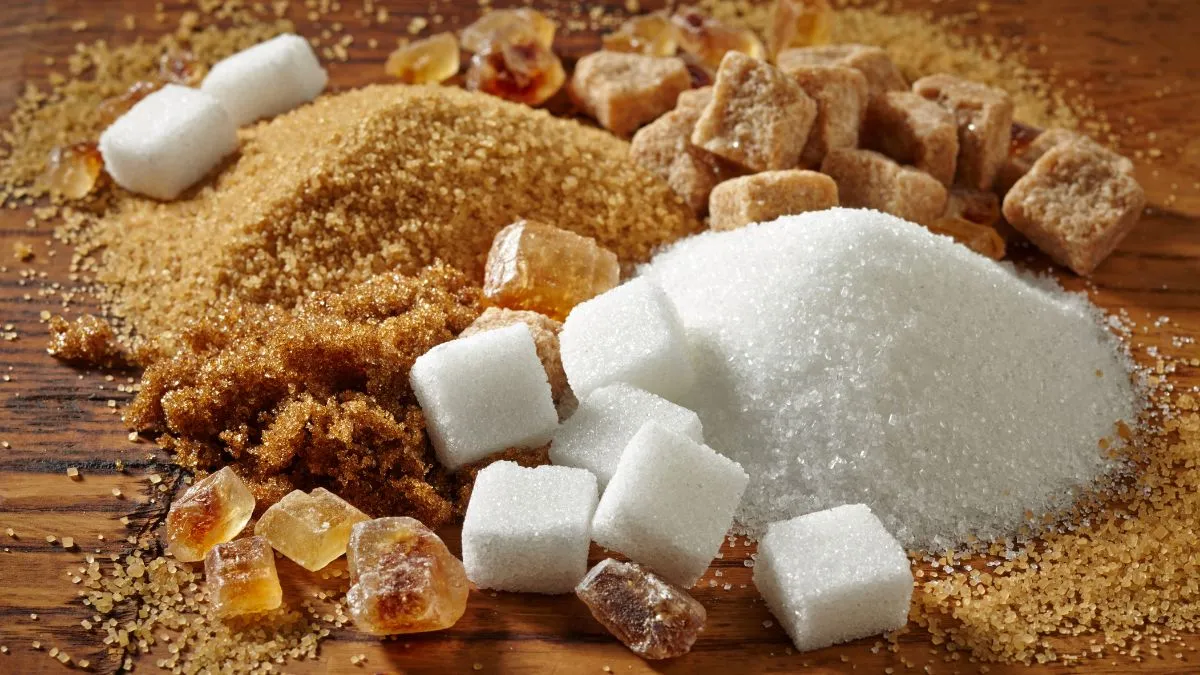
There are many downsides to eating too much sugar.
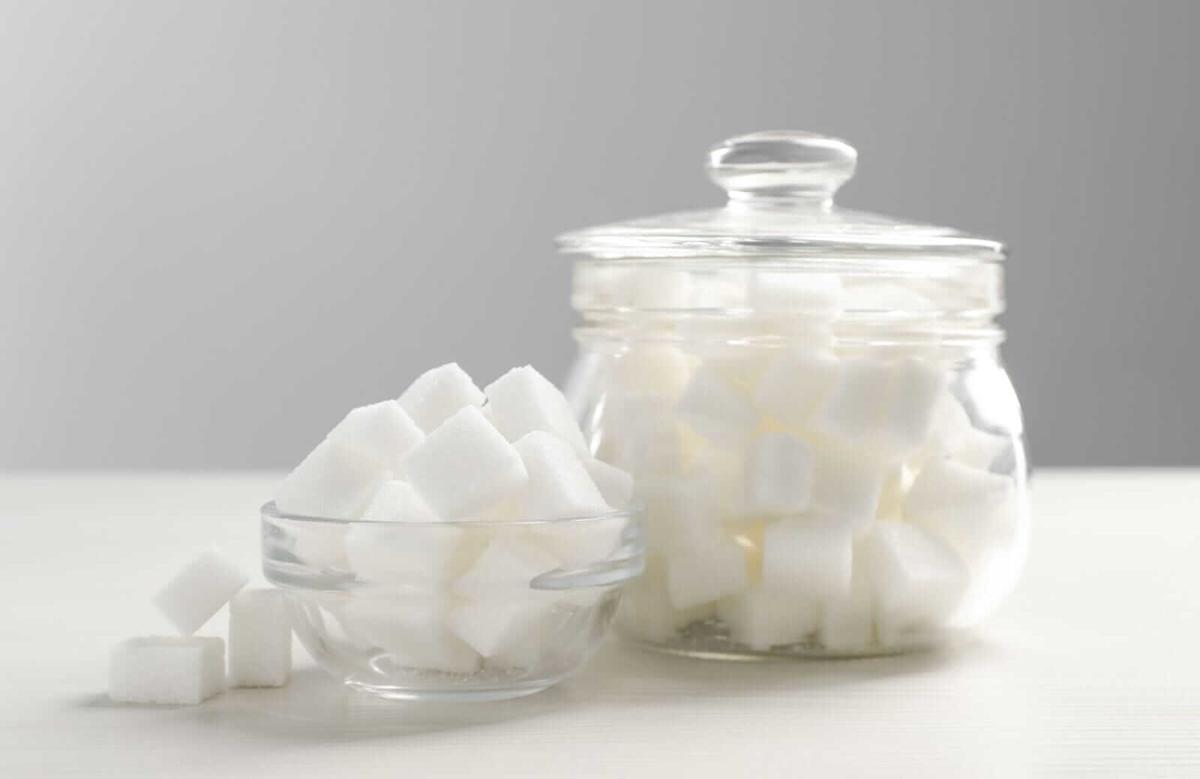
“Regular sugar raises blood glucose and insulin, adds calories, and, when over-consumed, is linked to weight gain and higher risk of diabetes and heart disease,” Kacie Vavrek, RD, a dietitian at The Ohio State University Wexner Medical Center, told Verywell.
“Monk fruit provides sweetness without calories or blood sugar spikes, making it a helpful alternative for reducing added sugar intake,” Vavrek added.
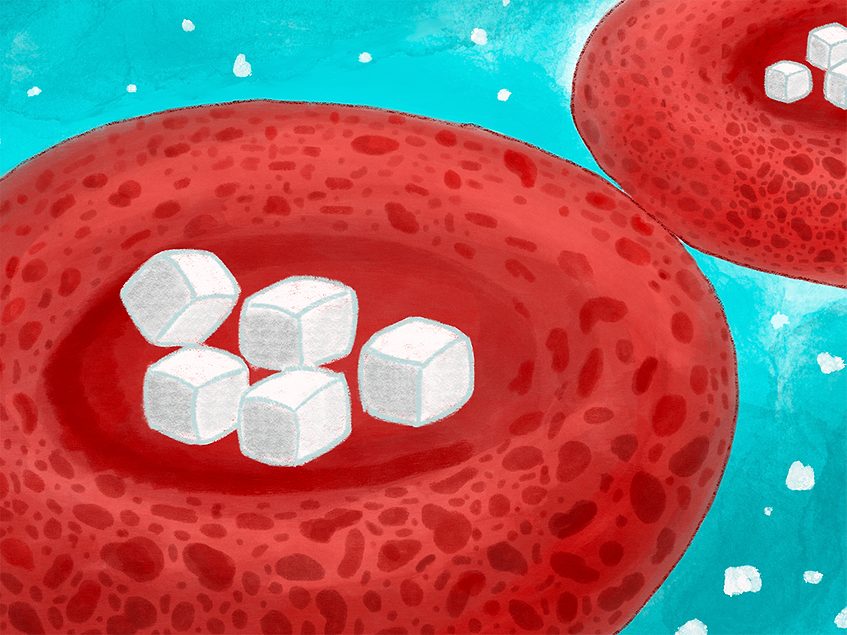
Monk fruit and regular sugar affect your blood sugar differently.
“Regular sugar is rapidly absorbed and causes a quick rise in blood glucose and insulin levels,” said Vavrek. “Monk fruit does not raise blood sugar or insulin because its sweetness comes from mogrosides, which are not metabolized like sugar.”
Monk Fruit Is Calorie-Free
Your body metabolizes monk fruit differently from sugar.
“Regular sugar is composed of sucrose, a carbohydrate that provides both sweetness and energy,” said Stephani Johnson, DCN, RDN, adjunct professor in the department of clinical and preventive nutrition sciences at Rutgers University School of Health Professions, told Verywell.
“In contrast, monk fruit derives its sweetness from mogrosides—compounds that the body cannot metabolize for energy—making it calorie-free,” Johnson added.
Monk Fruit Is Better for Oral Health
Also worth noting is that monk fruit may be a better choice for dental health.
“Sugar serves as a food source for oral bacteria, increasing the risk of dental cavities, while monk fruit does not promote bacterial growth and is considered cavity-friendly,” Johnson said.
Regular Sugar Is Better for Baking
That said, monk fruit may not beat regular sugar in every scenario.
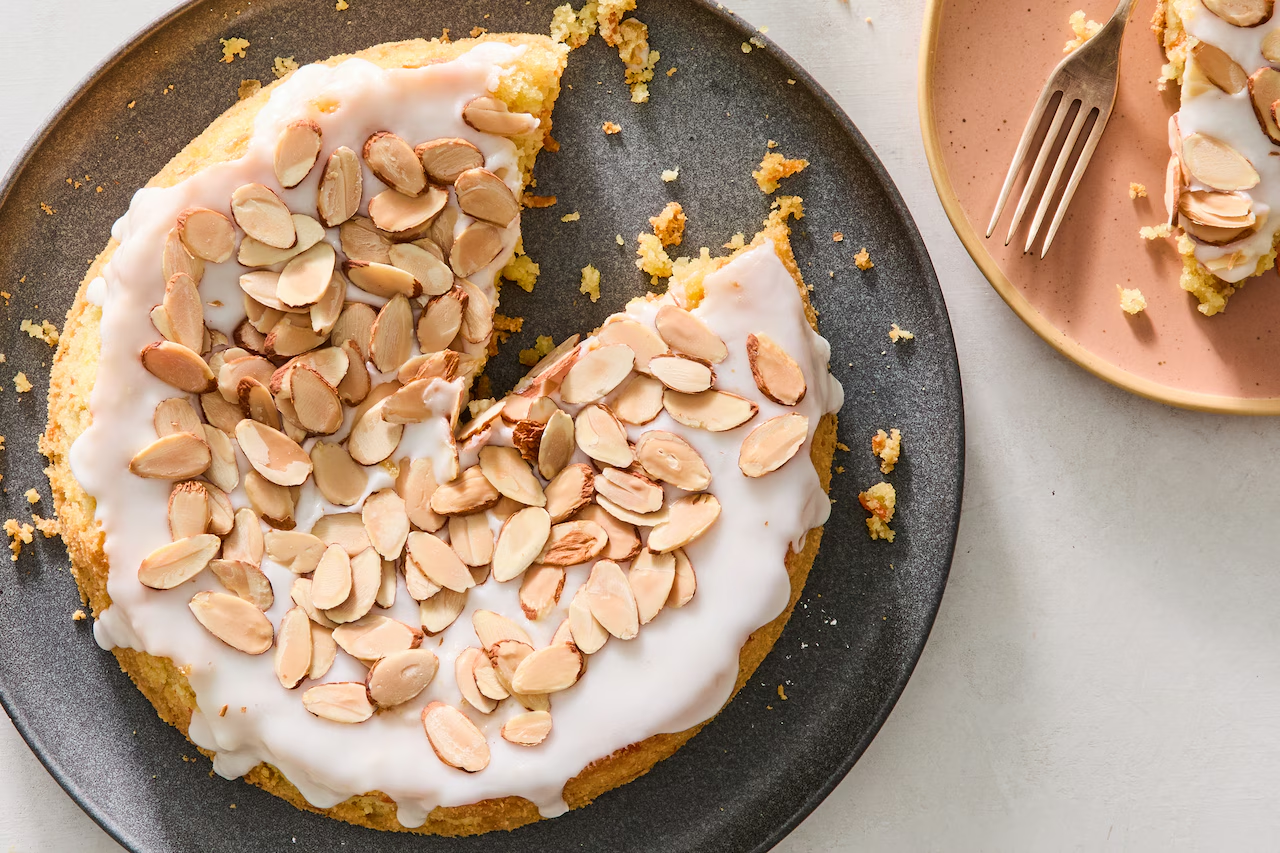
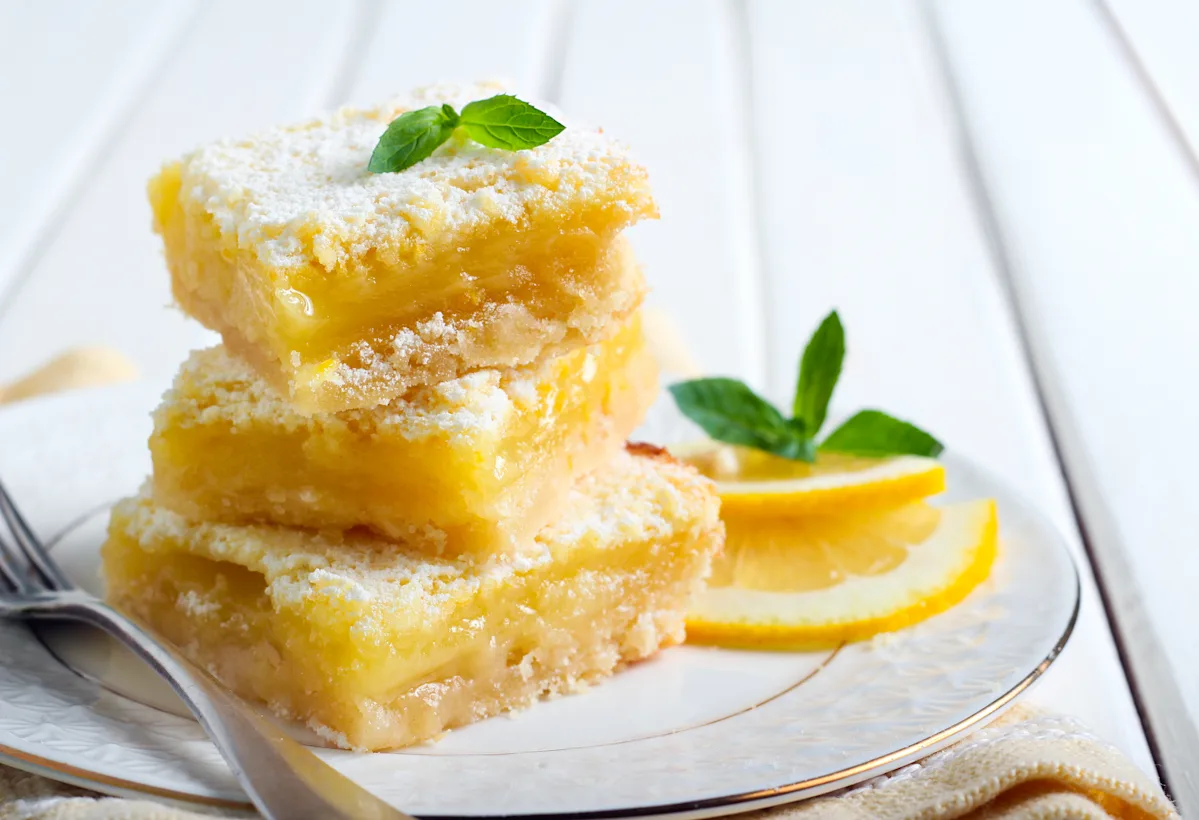
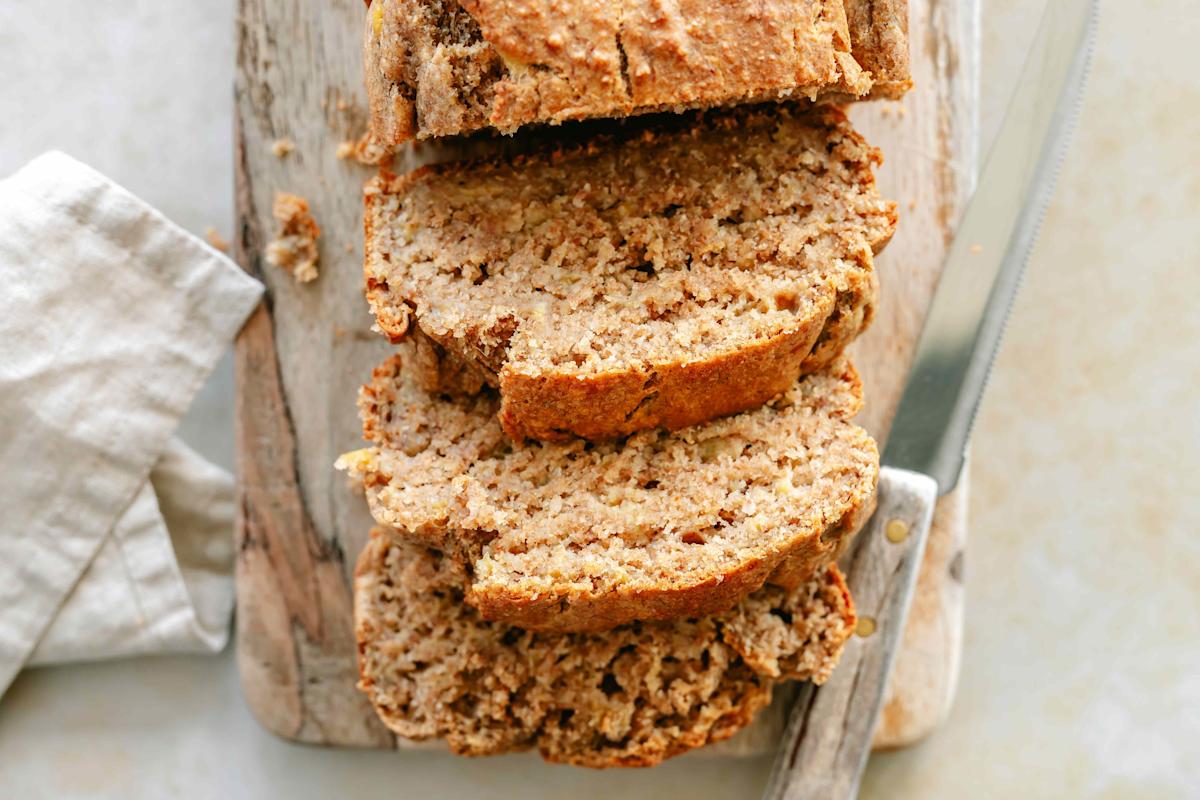
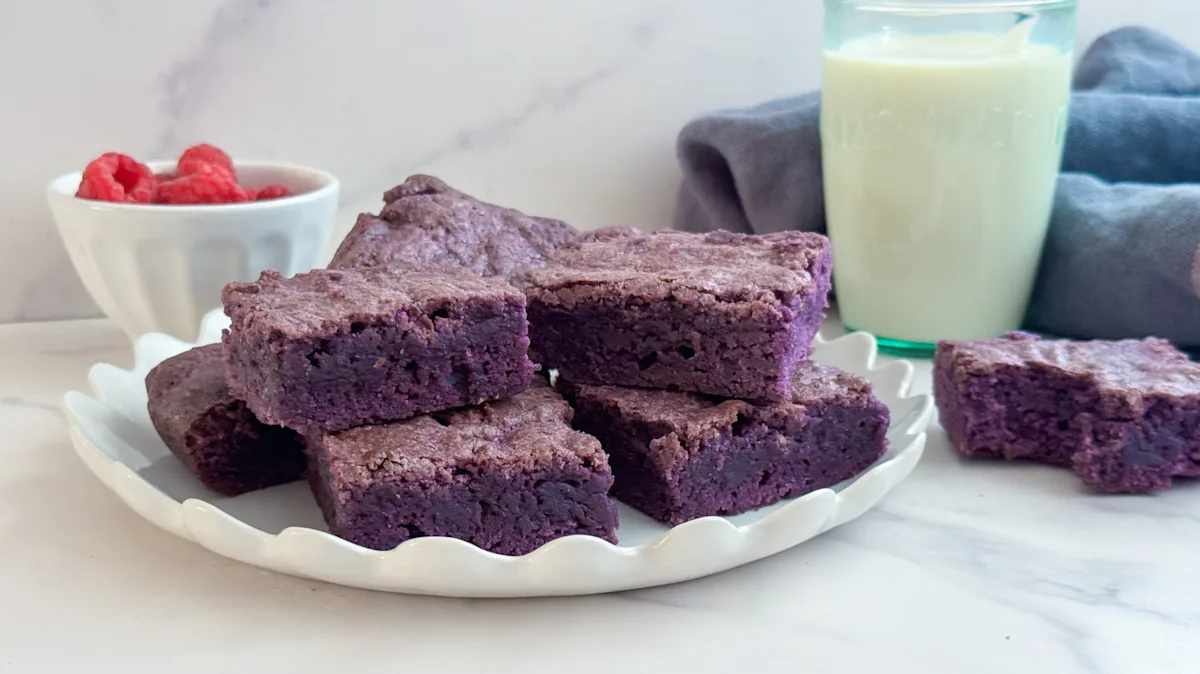
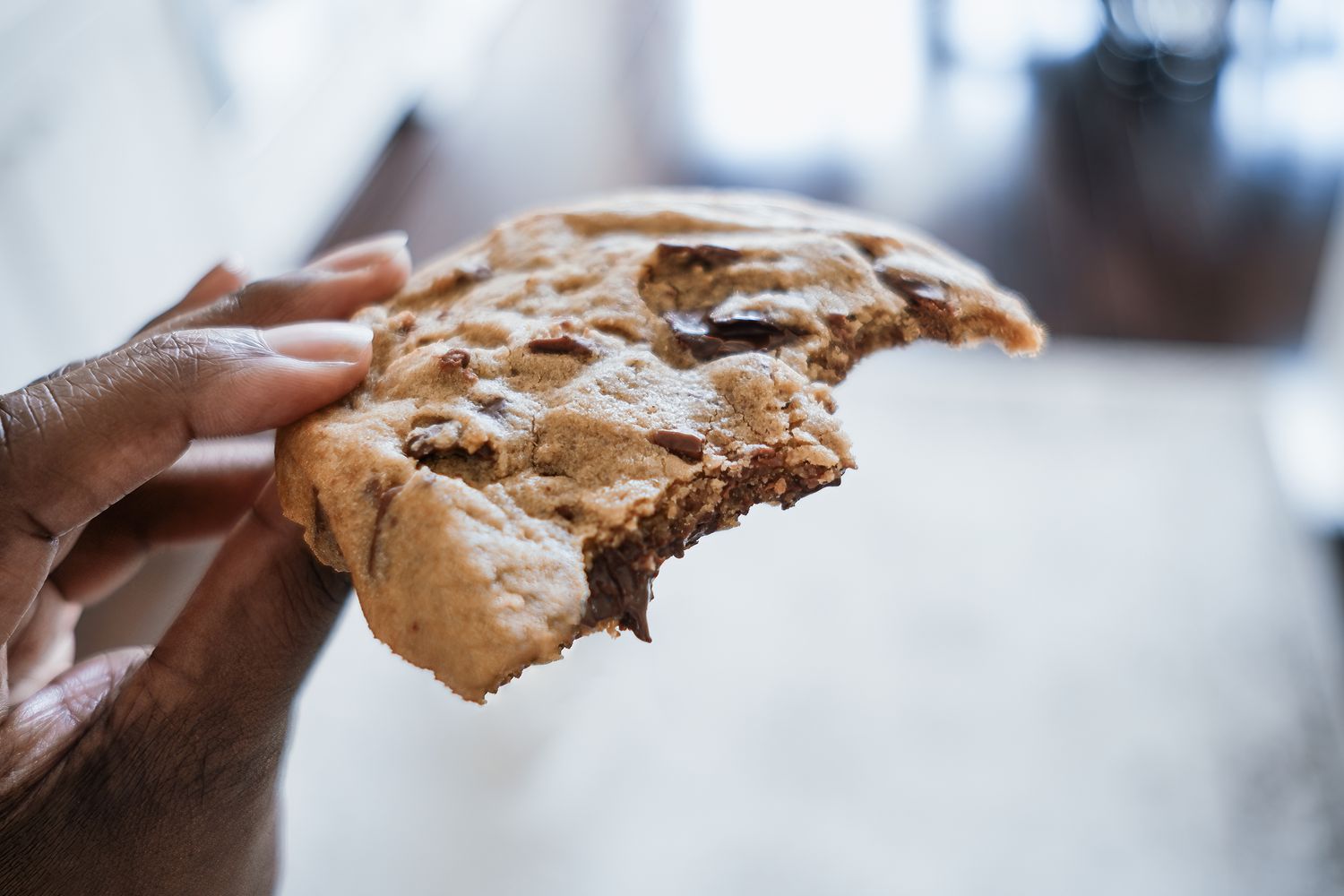
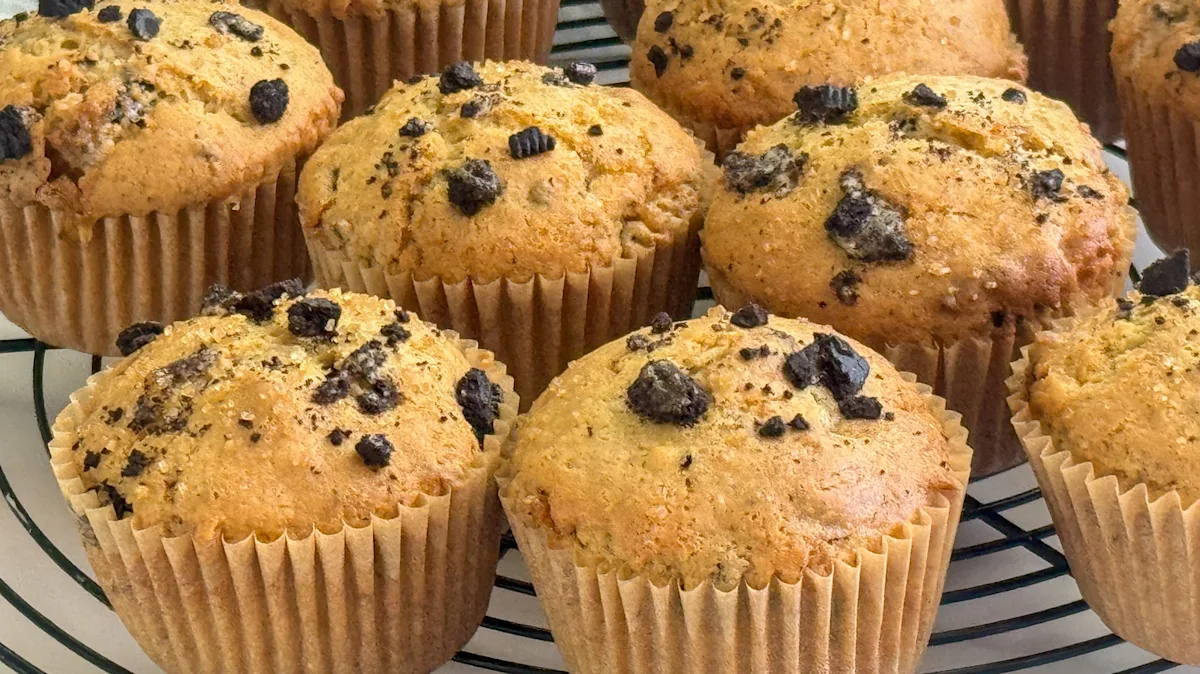
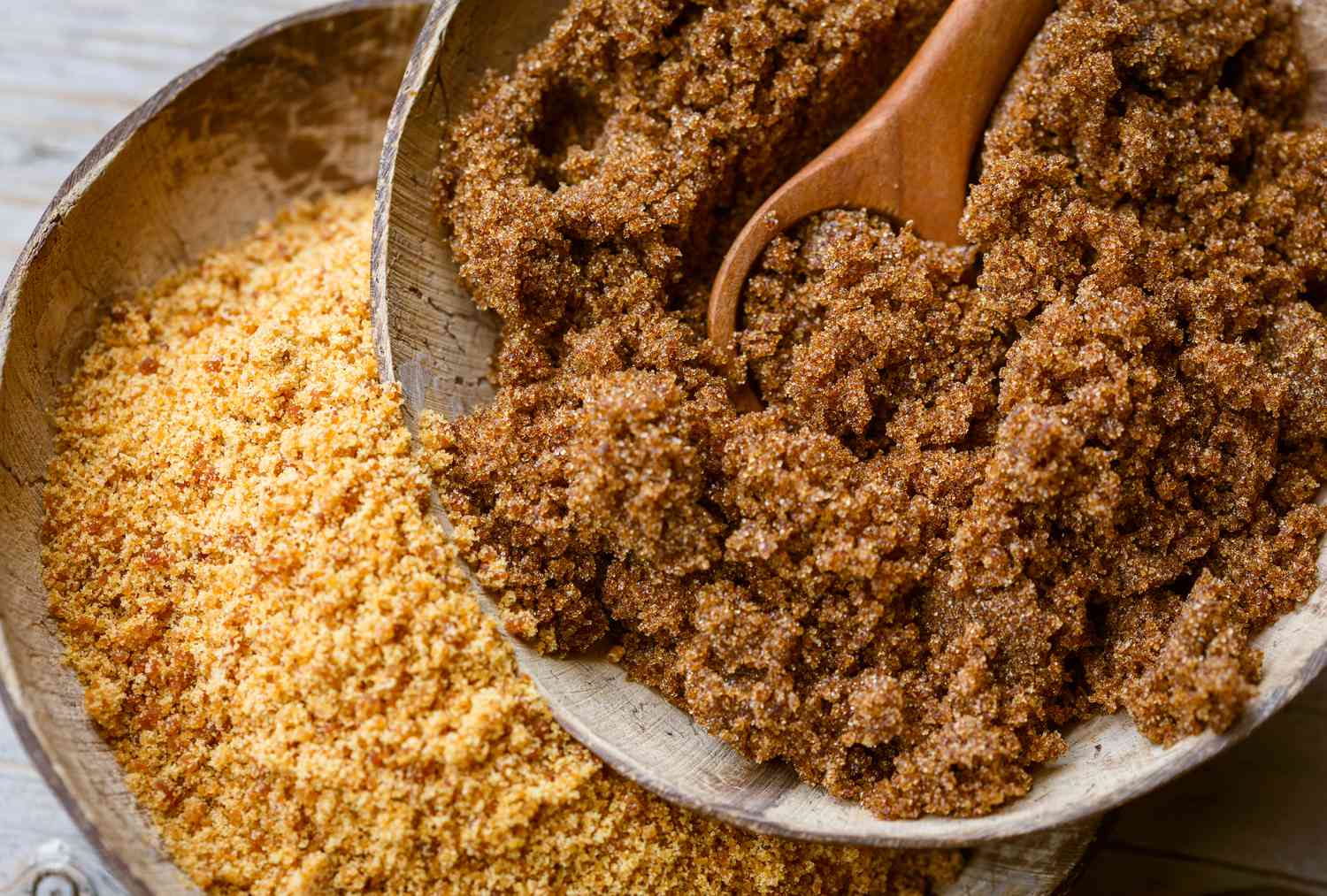
“Monk fruit is generally not an ideal substitute for sugar in baking,” Johnson said. “During baking, sugar caramelizes, contributes to browning, and provides bulk and structure to baked goods, functions that monk fruit cannot replicate.”
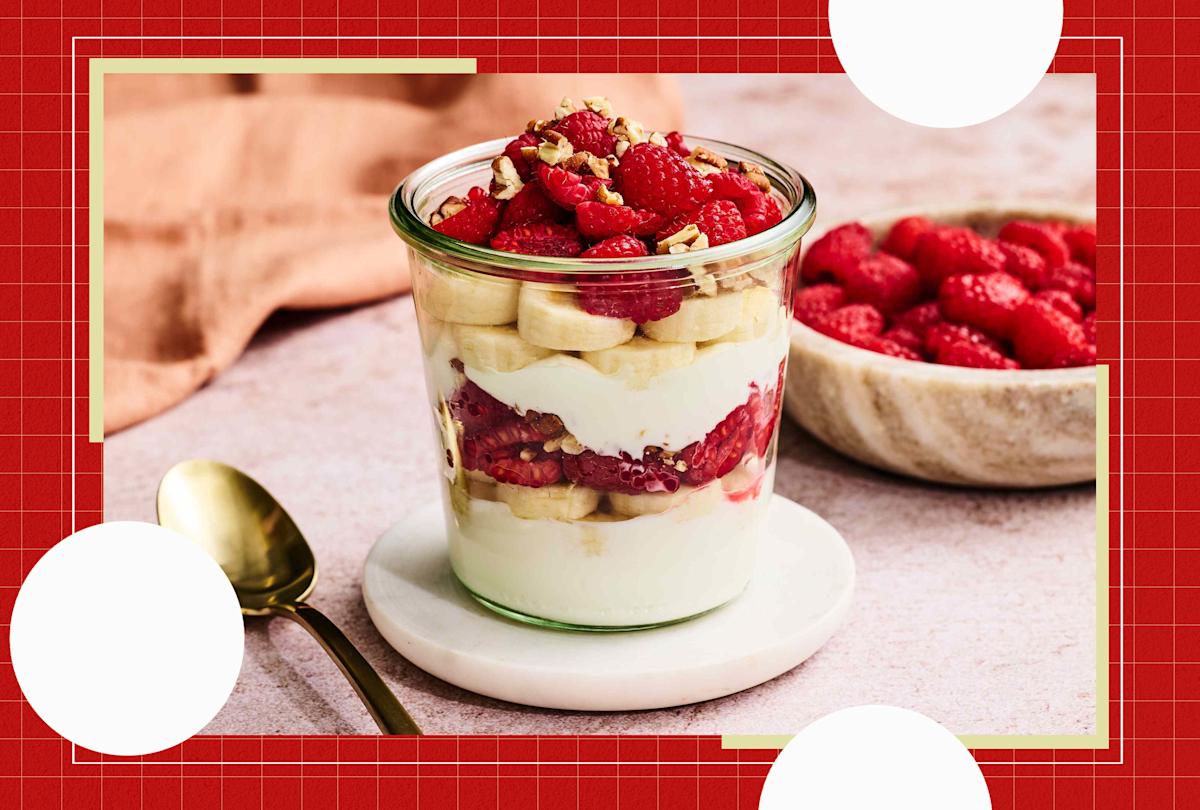
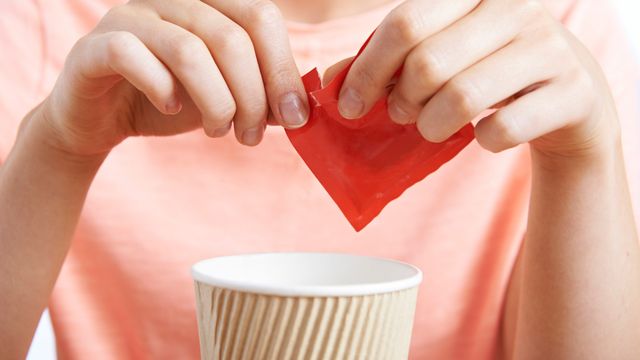
You may be able to modify some recipes to use monk fruit in place of sugar. “Monk fruit tends to perform best in recipes where sugar’s structural role is minimal, such as in sweetening coffee, whipped cream, sauces, and some savory dishes,” Johnson added.
Monk Fruit Can Cause Digestive Issues
Though monk fruit can be a healthier alternative to table sugar, certain additives commonly found in monk fruit may cause digestive issues.
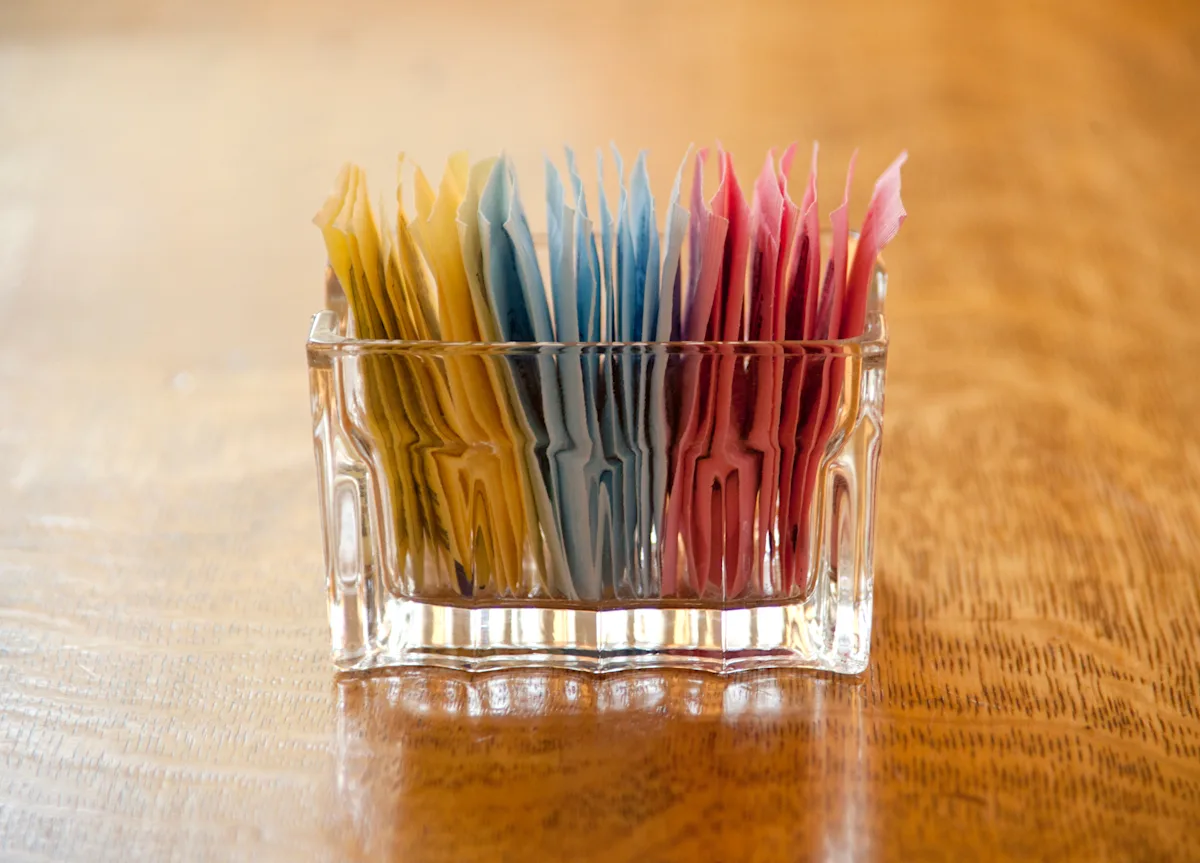
“Monk fruit is approximately 150 to 200 times sweeter than sugar. Because monk fruit extract is significantly sweeter than sugar, bulking agents are often added to make it more comparable to sugar in volume and texture,” Johnson said.
“Additives such as erythritol—a sugar alcohol that provides a granular consistency similar to table sugar—are commonly used to increase volume without adding calories. Chicory root fiber is also sometimes included as a bulking agent,” she added.
Both chicory root fiber and erythritol are poorly digested. “When consumed in large amounts, they may cause gastrointestinal discomfort, including gas, bloating, and diarrhea,” Johnson said.
Monk Fruit May Still Contain Additives That Spike Blood Sugar
Some other additives commonly used in monk fruit products, called dextrose and maltodextrin, contain carbohydrates. They may, as a result, impact blood sugar—which could minimize the impact of switching from regular sugar to monk fruit.
“For this reason, consumers should review ingredient lists and nutrition labels to identify potential nutrition and digestive considerations,” Johnson said.
:max_bytes(150000):strip_icc():format(webp)/maggieoneill-16204cf3e01b424bbbd66733f6fb4668.jpeg)