The St. Louis-based digital health startup SweetSpot has forged a partnership with CCS, a Florida-based chronic care management platform, in an effort to help patients with diabetes better manage the condition.
The partnership, announced by both companies Tuesday morning, connects a rising health care startup with an established provider of clinical solutions and home-delivered medical supplies for people managing chronic conditions.
Keep up with local business news and trends
Subscribe to the St. Louis Business newsletter to get the latest insights sent to your inbox every morning.
We will never send spam or annoying emails. Unsubscribe anytime.
“The problem that we’re all trying to solve is that the model of care for diabetes is broken,” says Stephen Von Rump, CEO and founder of Aegis Digital Health, which does business as SweetSpot. “It’s broken in several ways. Patients are not improving at the rate that they should be, and this is especially concerning in the wake of the fact that we have all this incredible technology now.”
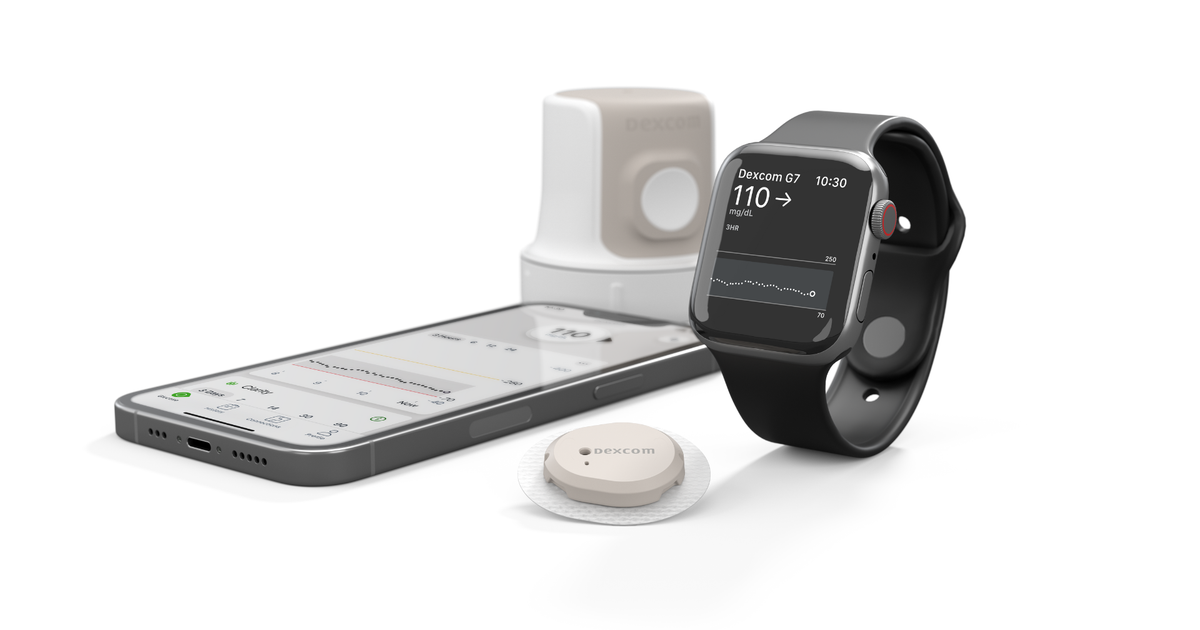
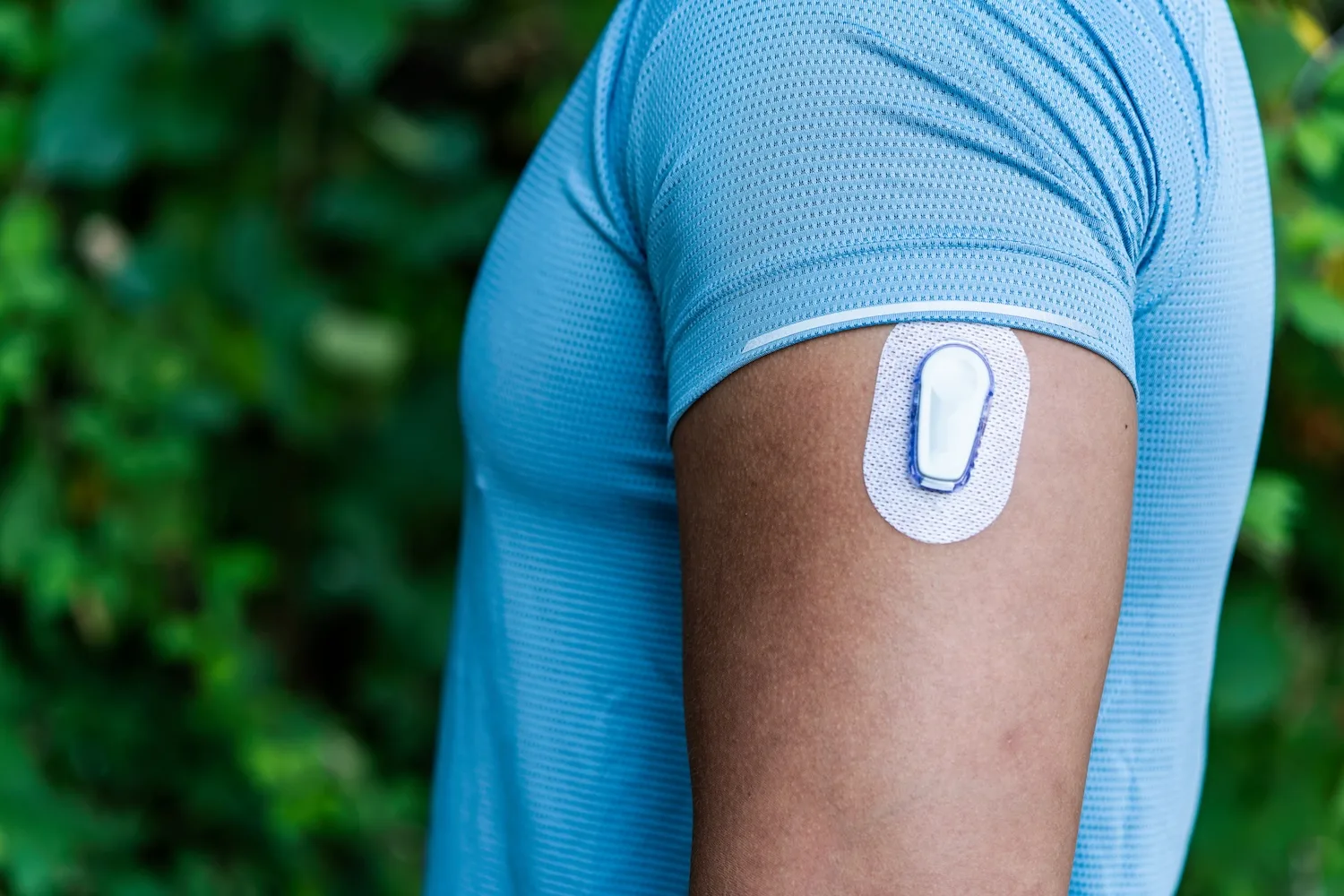
Von Rump says devices such as insulin pumps and continuous glucose monitors are generating vast amounts of data, some of it in real time, theoretically leading to better managed care and outcomes for the patients who use them. “Yet, with all this technology, patients aren’t getting better, certainly not at the rate that they should be,” he says.
The partnership between SweetSpot and CCS is meant to address what Von Rump describes as a “lack of continuum of care.”
Both companies attack this problem, but from different starting points. CCS brings a more than 30-year heritage as a supplier and distributor of devices that manage diabetes, which has evolved into a platform that helps people stay on their prescribed care, says CEO Tony Vahedian.
“These devices, while they may seem simple, people got to learn how to use them. Then you have to coach them,” he says. Vahedian adds it’s critical that diabetes patients actually continue to use the medical device they’ve been prescribed, something he calls “adherence.”
“[Continuious glucose monitor] adherence is a big gap out there in health care, and that’s one of the reasons we were interested in what SweetSpot was doing,” he says.
SweetSpot is similarly focused on keeping patients engaged with the therapy their endocrinologist has prescribed, but approaches it from the “back end,” Von Rump says. He explains the SweetSpot platform can gather data from any device designed to aid patients with diabetes, with a clinical team from the company actively monitoring the data to track when something looks awry.
SweetSpot clinicians can then contact a patient and find out what happened, even if that’s just a matter of the device someone is using no longer uploading data.
“Another reason that it happens, and this is quite common, is a patient says, ‘Oh, you know, I never did get around to reordering my sensors for my [continuous glucose monitor], and so I just haven’t used it in a week, and just haven’t gotten around to do it,’” Von Rump says.
In that case, he explains, they encourage the patient to contact their supplier and order the component to get their device working again.
“Maybe they will, maybe they won’t. Now with this partnership when that happens, that will trigger a communication from our team to [CCS], saying, ‘This patient needs supplies, and you need to reach out to them and take care of that,’” Von Rump says. “We’re still missing that connection between what they do in the front end and what we do in the rest of the chain. And that’s exactly what this pilot agreement, this partnership, is intended to address.”
Both companies see immense value in working together to bridge this major gap for diabetes patients and their endocrinologist health care providers, who are often overburdened with patient flow, Vahedian says.
“We are a bit of a release valve, not only for them, but for that patient where there’s just these interim moments that life happens and we’re there to help,” he says. “It’s a unique way to deal with diabetes. You don’t see partnerships like this very often that bring together more of a delivery mechanism with a technology mechanism.”
Vahedian explains the new partnership won’t cannibalize customers between the two companies as CCS mostly contracts with payers, such as insurance providers, and medical device manufacturers, whereas SweetSpot primarily contracts directly with endocrinologists.
Von Rump, for his part, is excited for what the collaboration means for his budding startup, which won the backing from Arch Grants in 2023 and a follow-on Growth Grant last year. Working with an “established partner” in the space lends credibility to what he’s building, he says.
“We benefit from the fact that CCS is going to now be introducing us to their customers, private practices specifically, with a far greater national reach than we could ever hope to achieve at our stage, on our own sales and marketing resources that we have,” Von Rump says.
And that helps as SweetSpot continues to raise money from investors who care about the company’s top line growth and future sales pipeline, he says. “This obviously could have a huge impact on the sales funnel for SweetSpot, and that’s obviously attractive to investors,” Von Rump says.
It also helps to link into an existing company in the medical space that has already developed an artificial intelligence tool, an area investors like to see, he adds. CCS’s PropheSee can predict when a patient is at risk of falling out of adherence to their prescribed care so the company can intervene to keep them on the plan.
“It’s all about AI. [Investors] want to know how we’re going to deploy AI going forward to expand our market, make our product better, and also ultimately make ourselves more efficient internally and get to profitability,” Von Rump says. “This begins to hint at that because CCS already has at least one tool in that arsenal.”
For all their excitement about the partnership, Von Rump and Vahedian says it comes with a learning curve.
“I think we are both genuinely excited about what we find out there, because it is a little bit of OK, well it’s great on paper, but when you get out into the wild, we’ll see what happens,” Vahedian says.
Von Rump says this isn’t the first durable medical equipment supplier they’ve talked about partnering with. What sealed the deal was CCS’ willingness to jump into problems and take an entrepreneurial approach to potential solutions, which he says created an alignment of values.
“What really got us serious about them, and them serious about us, is that they understand this problem better than most, and they’re already doing something about it, developing PropheSee being one example,” he says. “They’re trying to become more of a continuum of care organization to the patient and to the provider, not just a ‘here’s your device and here’s your supplies’ one.”