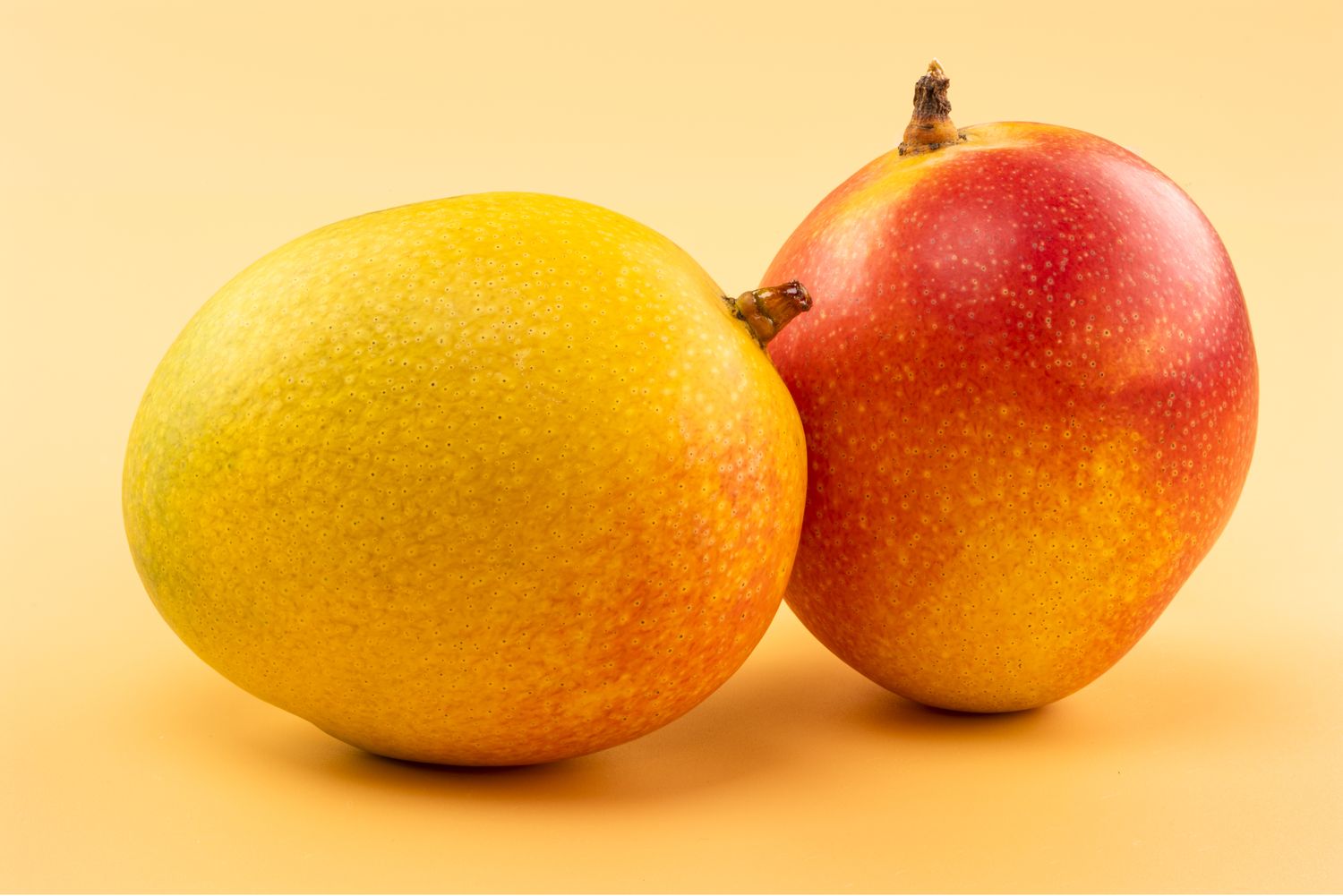
Key Takeaways
- Most of the carbohydrates in mangoes come from sugar.
- While eating mangoes can cause a rise in blood sugar, the fiber content and antioxidants found in the fruit ensure that it’s not as detrimental to overall blood glucose levels as other high-sugar food options.
- Eating mangoes in moderation is key to avoiding large blood sugar spikes and, over time, may contribute to better blood sugar regulation.
Mango contains natural sugars, which can lead to a rise in blood sugar. That said, the surge will vary significantly due to other nutrients found in the fruit, including fiber and antioxidants.
How Mangoes Can Affect Blood Sugar
When you consume carbohydrates, your digestive process breaks them down into glucose, which your cells use for energy.
- Once broken down, glucose will enter the bloodstream.
- The more sugar or carbohydrates a food contains, the higher the levels of glucose that make it into the bloodstream.
- Mangoes provide almost 23 grams of sugar per cup of cubed fruit, but they are also high in fiber at 2.6 grams per cup.
- Since most of the carbohydrates from mangoes are sugars, a rise in blood sugar can occur after consuming the fruit.
However, because fiber also plays a role in how the body breaks down and uses glucose, those spikes may not be as significant as one might think:
- Action of fiber: Dietary fiber creates a gel-like substance in the stomach and intestines. This causes your body’s digestive system to slow down, leading to a more gradual release of sugar into the bloodstream. Because a mango contains both fiber and sugar, it can increase blood sugar, but not as quickly as sugary foods that don’t contain fiber.
- Glycemic index: These factors place mangoes at the lower end of the glycemic index, a 0-100 rating given to foods based on their effect on blood sugar. Mango sits at 41 to 60.
- Moderation: This makes mangoes safe to eat for people who do not want to experience spikes in blood sugar, with one caveat: moderation is key.
Mango Antioxidants and Blood Sugar
Some antioxidants have the power to increase insulin sensitivity, which is the process by which insulin regulates blood sugar levels. Antioxidants in mangoes can aid in reducing significant blood sugar spikes.
What Is the Nutritional Content of Mangoes?
Mangoes are highly nutritious, containing several vitamins and minerals the body needs for various functions.
For example, a 1-cup serving of mango provides 20% of your daily copper needs and 18% of your daily value (DV) of folate. Daily value is a reference number for the amount of a nutrient a typical person should consume each day.
The other nutrients found in 1 cup of cubed raw mango include:
- Protein: 1.4 grams
- Vitamin C: 67% of your DV
- Vitamins A and E: 10% of your DV
- Potassium and vitamin K: 6% of your DV
- Vitamin B6: 15% of your DV
- Niacin: 7% of your DV
- Riboflavin: 5% of your DV
- Thiamine and magnesium: 4% of your DV
Mango is also low in calories at only 99 per serving, and offers a small but beneficial 1.4 grams of protein.
Can You Eat Mangoes Safely If You Have Diabetes?
Mangoes are generally a safe fruit to eat for people watching their blood sugar, or those who have to limit their intake of sugar- or carbohydrate-heavy foods, such as those living with diabetes.
That said, because there is still a significant amount of sugar in mangoes, it’s essential to eat them in moderation, with consideration of other carbohydrates in your diet.
If you have diabetes and are unsure how much mango is best for you or how to fit it into your overall daily eating plan, consult a healthcare provider or a registered dietitian nutritionist (RD/RDN).
Some studies suggest that eating 280 grams of mango (about 1 3/4 cup of cubed fruit) each day can actually aid in blood sugar regulation, as well as reduce blood pressure.
Mangoes and Overall Health
Since mangoes are packed with nutrition, they offer several health benefits, including:
- Improved immunity
- Anti-cancer effects
- Reduced inflammation that could lead to cardiovascular disease and neurodegenerative disorders
:max_bytes(150000):strip_icc():format(webp)/VerywellBioPicAngelicaBottaro-203f7e803ab444b2b5c13b4252d11159.JPG)