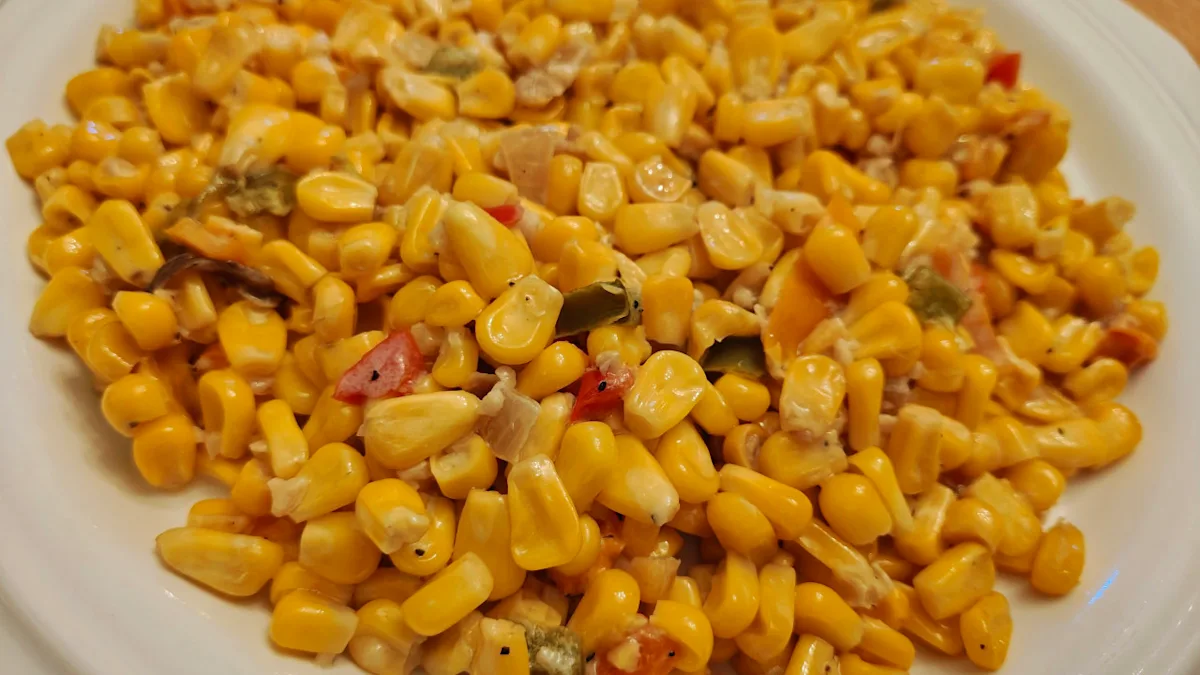
I was born and raised in Louisiana, and when winter comes around and Mardi Gras approaches, my kitchen naturally shifts toward dishes that feel comforting and familiar. Gumbo simmers, red beans go in the Crock-Pot and the side dishes start pulling just as much weight as the main event. One of the most beloved, for me, is maque choux.
If you grew up anywhere near Cajun or Creole cooking, there’s a good chance you’ve seen a version of this corn-based dish on a family table, at a fish fry or next to a pot of étouffée. I grew up eating it in different forms—sometimes sweeter, sometimes creamier, sometimes smoky—depending on who was cooking and what they were serving it with.
Traditionally, maque choux is a summer dish when corn is fresh and abundant, but it’s one I crave year-round, especially during Mardi Gras season, and I know I’m not alone in that. Over time, I’ve started using frozen corn so I can make it whenever homesickness hits or when I want a taste of Louisiana comfort outside of fresh corn season.
I live in Pennsylvania now, and when I serve maque choux, I often get some questions. What exactly is it? How is it different from succotash? And how do you even say the name? I love sharing my heritage through food, so I’m always happy to explain.
Whether you grew up eating it or are discovering it for the first time, maque choux is one of those recipes that you will instantly love. It’s unpretentious and unforgettable once you’ve had it done right, and I can teach you how to make it (and make it your own) with a bag of frozen corn.
Related: Al Roker’s New Orleans-Style Shrimp Moves a Classic Dish to the Grill
What Is Maque Choux?

Courtesy Angel Albring
(Courtesy Angel Albring)
Maque choux is a traditional Louisiana side dish made primarily from corn that’s slowly cooked with onions, peppers and fat until tender, creamy and flavorful. It is often described as a hybrid between a sautéed vegetable dish and a light stew, depending on how it is prepared and finished.
The dish varies by cook, but in Cajun homes, maque choux tends to be simpler and more rustic, including just the veggies and bacon grease. In Creole kitchens, it often includes bits of meat, such as ham, sausage or bacon, tomatoes, cream or additional seasonings, like Tony’s Chacheres. An example can be seen in the video below, shared by content creator @goudeaulthyme.
Maque choux traces its roots to Native American cooking, and the dish was later shaped by French Acadian settlers and the agricultural rhythms of South Louisiana when the Acadians began to settle in the area in the 1700s. Over time, the recipe evolved, picking up regional variations and personal flourishes, from the simple bacon-greased corn cooked with onions and pepper, to versions enriched with cream, tomatoes or okra. Some cooks even turn it a into heartier one-pan meals by adding shrimp, crawfish or sausage.
Maque choux is rich, slightly sweet, savory and aromatic, and can hold its own next to grilled meats and fried fish. In many Louisiana kitchens, it is not uncommon for it to be served as a light main dish with a piece of cornbread on the side. Typically, if you’re serving it as a main, the maque choux will include some form of meat with the corn, like sausage or bacon.
Related: I Tried 10 Cornbread Mixes and the Winner Tasted Just Like Homemade
How Do You Pronounce Maque Choux?
If you’ve ever hesitated before saying “maque choux” out loud, you’re not alone. The spelling looks intimidating! The “maque” is pronounced like “mock,” while “choux” sounds like “shoe,” and the words often blend into a single smooth phrase.
Related: I Tried 14 Popular Microwave Popcorn Brands and the Winner Won by a Landslide
What Does Maque Choux Mean in English?
The phrase “maque choux” doesn’t have a literal translation into modern English. The name likely comes from a blend of French and Native American languages, reflecting the layered cultural history of Louisiana.
In practice, the name refers less to specific ingredients and more to the method of cooking them. Vegetables are cooked down slowly and stewed until softened. Over time, the term became attached specifically to the preparation of corn slowly cooked with onions, bell peppers and fat.
Related: I Tried 20 Popular Salted Butters To Find the Absolute Best
What Is the Difference Between Succotash and Maque Choux?
Succotash and maque choux are often confused, and at a glance, the comparison makes sense. Both feature corn as the main ingredient and both trace their roots to Native American cooking traditions.
Succotash is built around corn and lima beans, often lightly cooked and finished simply with butter and herbs. The beans and corn are distinct and fresh, not slow-cooked in animal fat.
Maque choux is more layered and aromatic. It relies on onions, peppers and sometimes celery, and the vegetables are cooked slowly until they begin to soften and meld together. Beans are not traditional in maque choux, and the dish leans richer than succotash because it uses bacon grease and it is sometimes finished with cream.
Related: The Genius Garlic-Peeling Trick We Wish We’d Known About Sooner
Ingredients for Maque Choux

Courtesy Angel Albring
(Courtesy Angel Albring)
You’ll find that there are a lot of variations on this dish, but there are some non-negotiables for a traditional maque choux. Many people use fresh corn, but I use frozen. Either way, you need corn, onion, garlic, bell peppers (I use yellow, red, green and orange, some people only use one or two types), bacon grease and butter (some people only use one or the other, but I use both), salt, pepper and Cajun seasoning.
I also use a bit of chicken broth (less than 1/4 cup) and the same amount of heavy cream. Some people don’t use these ingredients, but I like how they make the corn rich and creamy.
Additionally, I will often add bacon to the corn if I’m serving it as a main meal with cornbread, but if it’s a side dish, I skip the bacon chunks. Some people add ham or sausage.
As for measurements, it’s really all about how much you want to make and how much you enjoy seasoning and garlic. I use four cloves of garlic, or about two tablespoons of jarlic (if you want to make things even simpler) and half an onion for my typical maque choux. When using frozen corn, I typically use a one-pound bag. For this recipe, I doubled everything because I knew I’d want extra for lunches throughout the week.
Related: The Genius Frozen Vegetable Trick We Wish We’d Known About Sooner
How To Make Maque Choux
Making maque choux begins by building a slow, fragrant base. Warm the bacon grease and butter in a wide skillet or heavy pot. Sauté the onions, garlic, peppers and celery (if using) for about 5-10 minutes, until they are soft.

Courtesy Angel Albring
(Courtesy Angel Albring)
Once the aromatics are tender, add the corn. If using fresh corn, put it all in at once. If you’re using frozen corn, only put in half the bag to start and cook for about five minutes. Add the broth and cream and give everything a good stir, then add the rest of the corn.

Courtesy Angel Albring
(Courtesy Angel Albring)
Lower the heat, cover the pan and cook the corn slowly, stirring occasionally. At this stage, add the seasoning and tomatoes (if you’re using them). The goal is to create a dish that’s tender, glossy and cohesive, not soupy or dry.

Courtesy Angel Albring
(Courtesy Angel Albring)
Related: The Viral McDonald’s Iced Tea Ordering Hack We Wish We’d Known About Sooner
4 Tips for Making Maque Choux
Ready to get cooking? Here are a few things to keep in mind.
1. Keep an eye on the corn
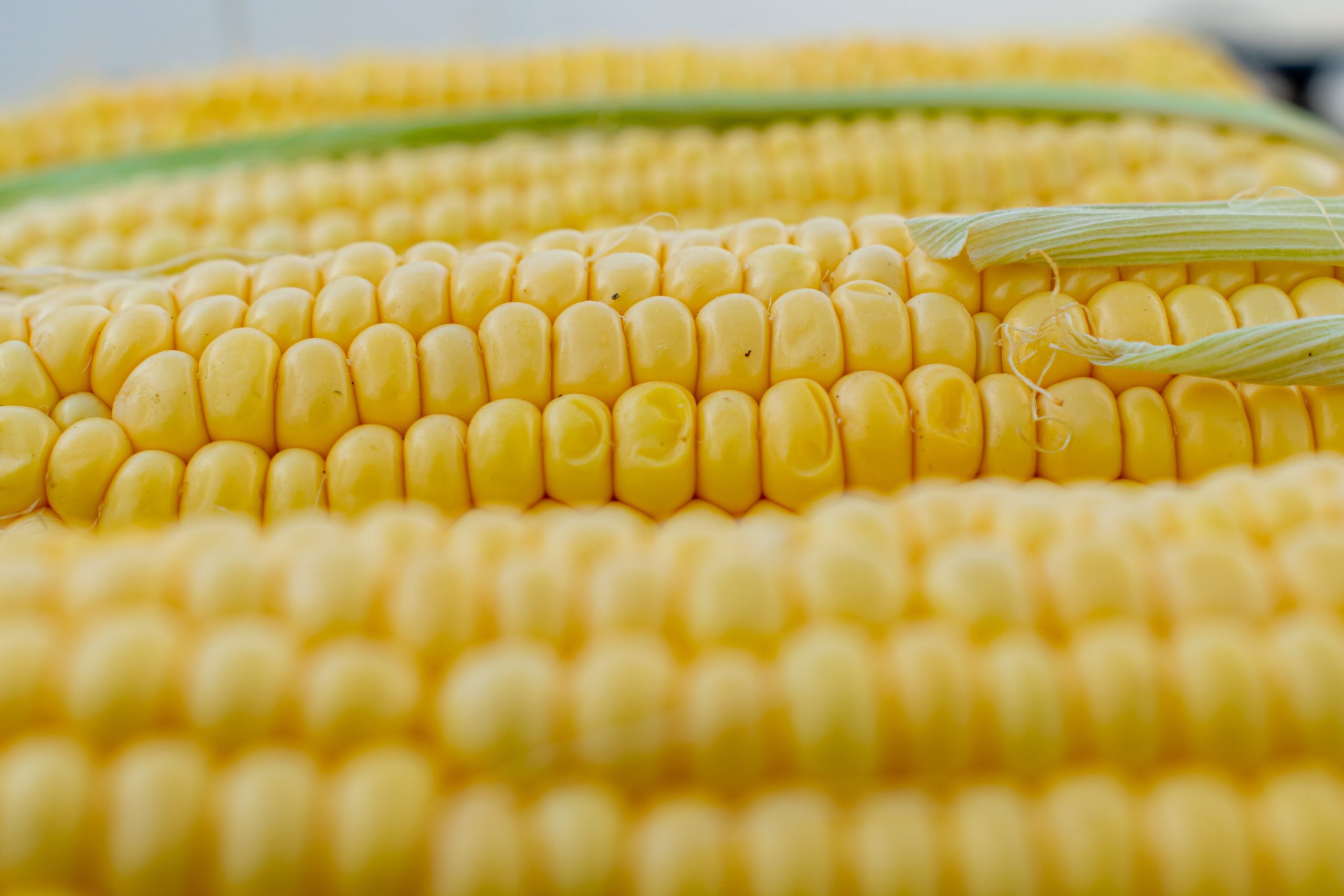
If using frozen corn, you can allow it to thaw completely, but that isn’t always necessary. Just be aware that frozen corn will release moisture, so be prepared to adjust the cream and broth amounts. Canned corn works in a pinch, but lacks the sweetness and texture that make maque choux shine.
2. Make some swaps if you need to
You can use any onions you have on hand, but yellow onions are often recommended. For a lighter version, milk can replace cream without sacrificing too much richness.
3. Heat thing up
Heat lovers can add cayenne, chopped jalapeño or a few dashes of hot sauce, though moderation is key. The dish should remain balanced, not fiery.
4. Reheat it right
Maque choux stores well in the refrigerator for several days. Reheat it gently on the stovetop or in the microwave. A splash of milk or broth helps restore its creamy consistency. Leftovers are excellent spooned over rice or tucked into omelets.
Above all, treat maque choux as a living recipe. Adjust it, personalize it and let it become part of your own food tradition.
Up Next:
Related: The Genius King Cake Hack We Wish We’d Known About Sooner
This story was originally published by Parade on Feb 16, 2026, where it first appeared in the Food & Drink section. Add Parade as a Preferred Source by clicking here.