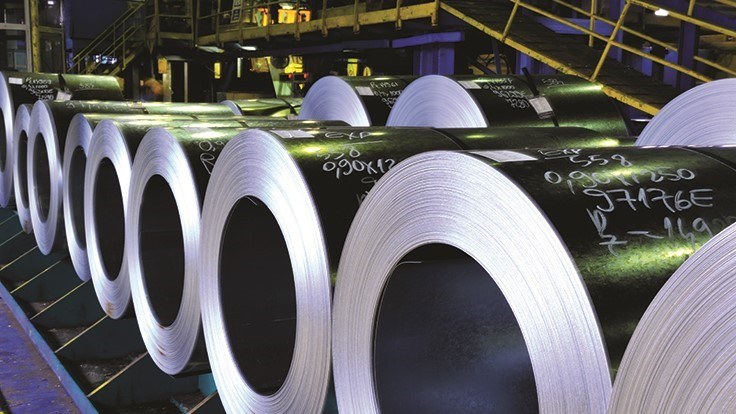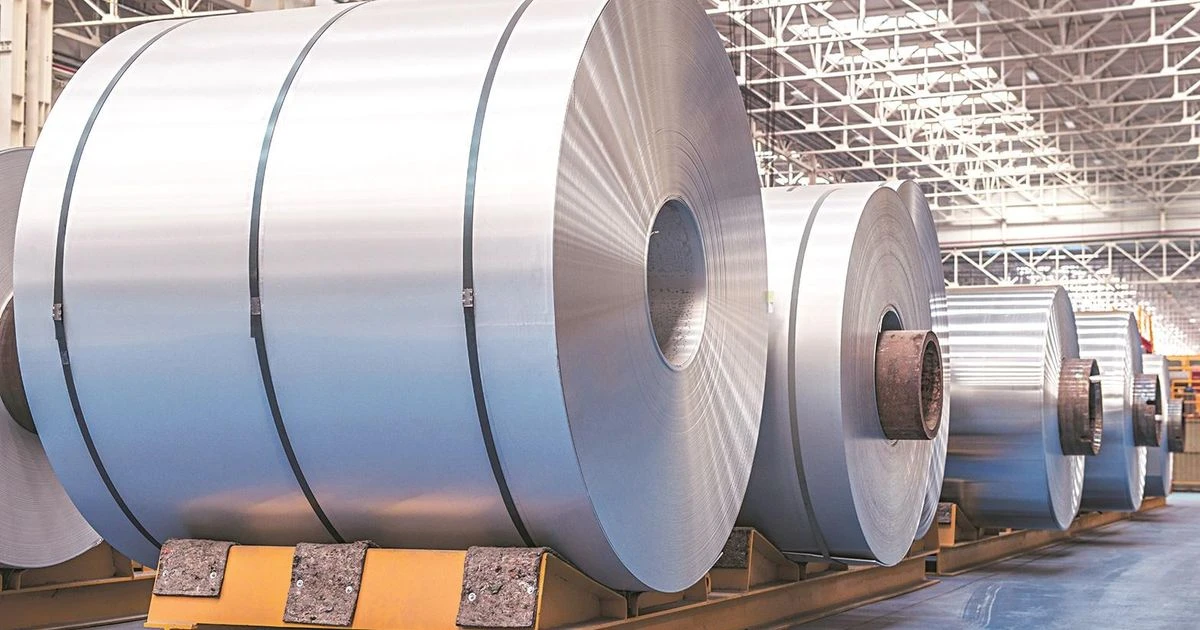
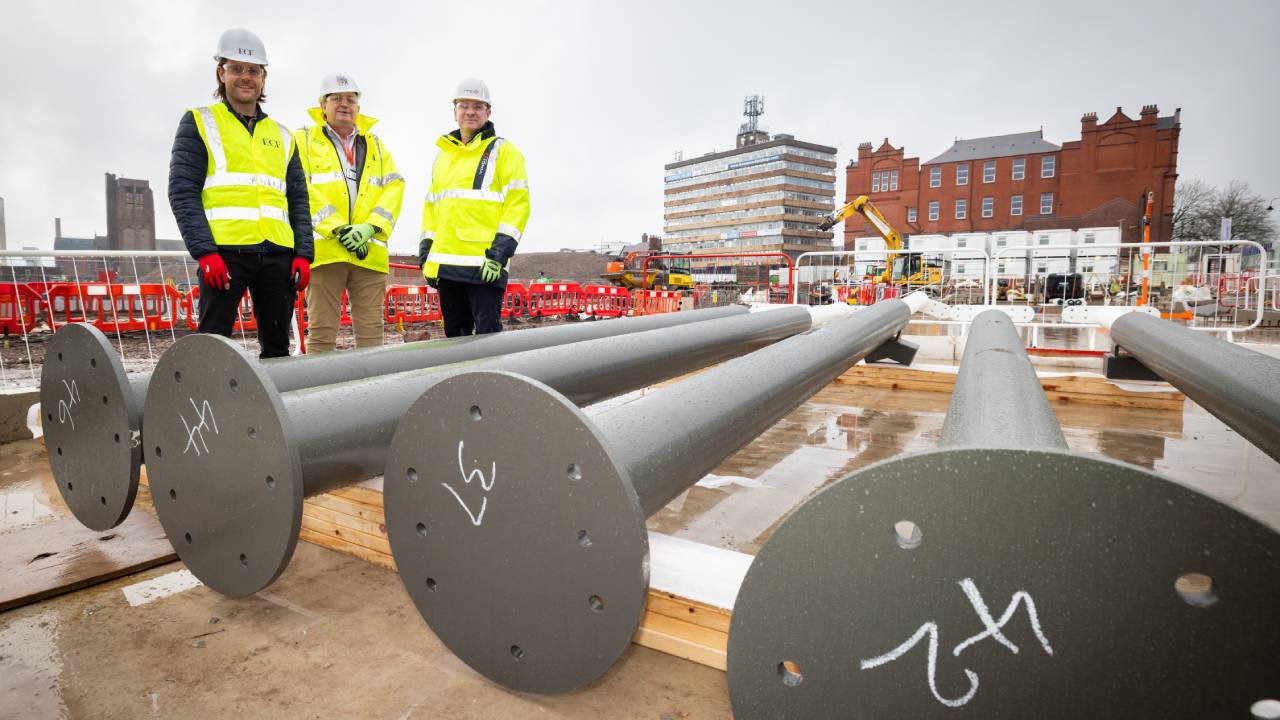

A landmark moment has been reached in the development of the new St Helens Transport Interchange with the arrival of the first batch of low carbon steelwork.
Construction will begin almost immediately, with the material, transported by ship and road from Italy, deployed across multiple structural elements of the new development.
These include the main Transport Interchange building along with architectural concourse canopies to provide weather protection for passengers.
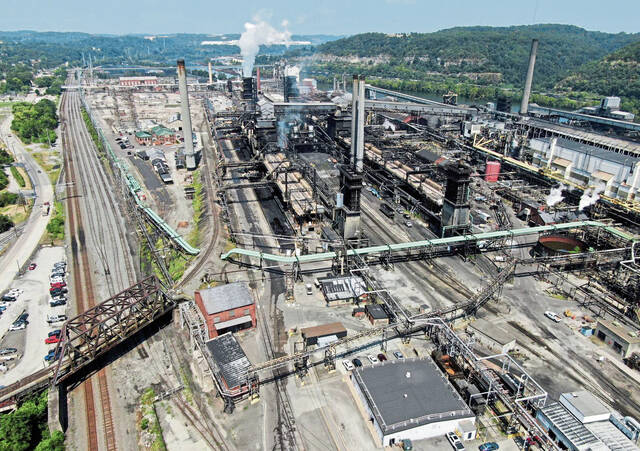
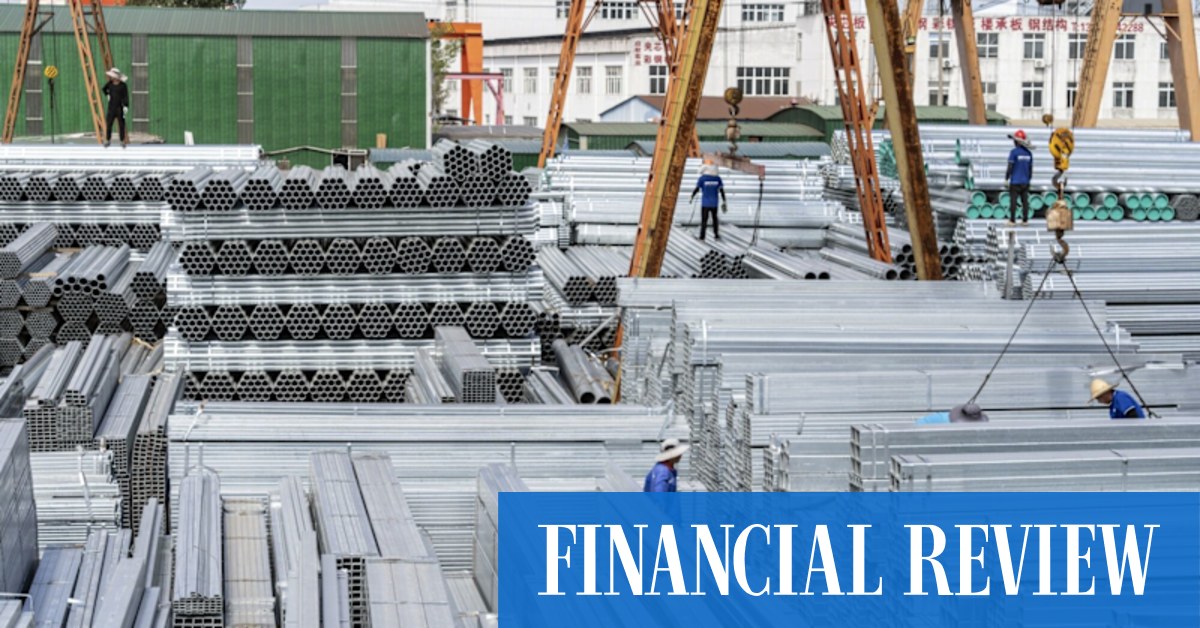
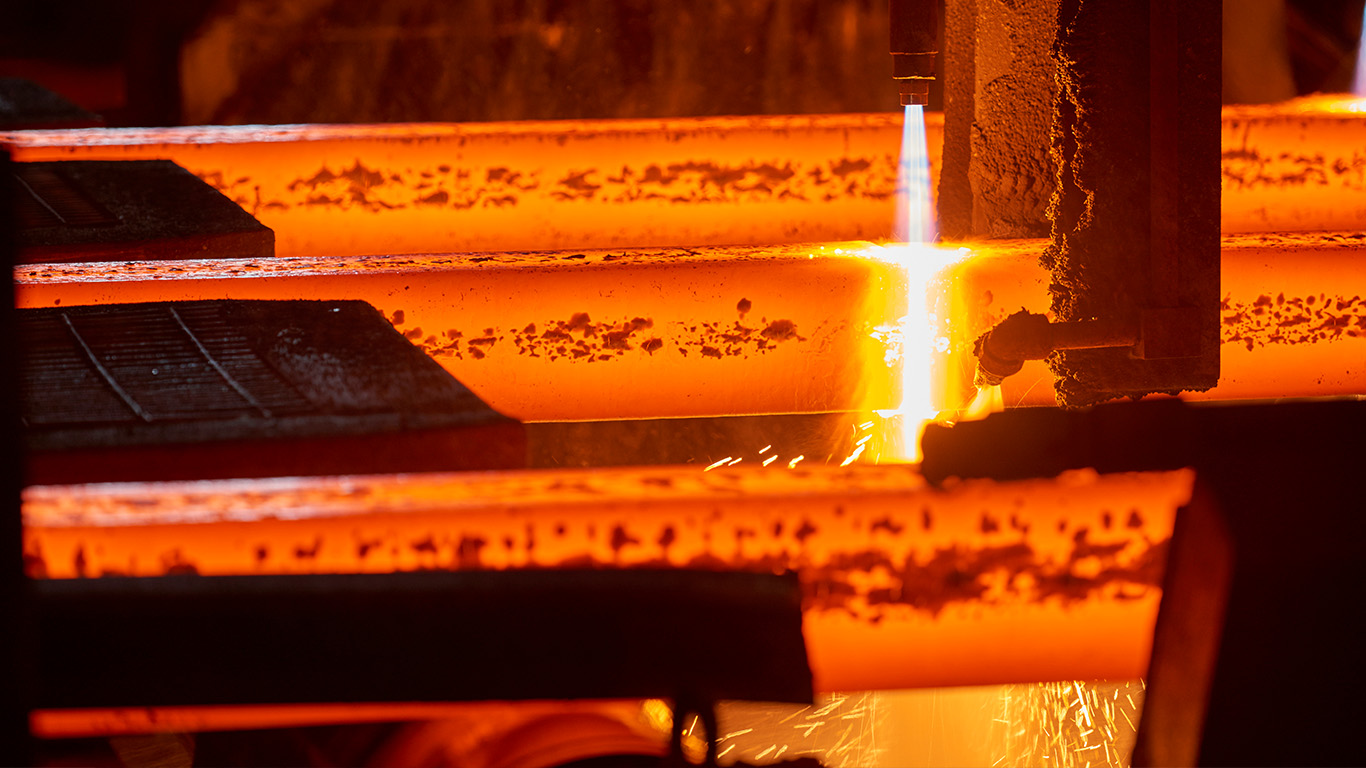
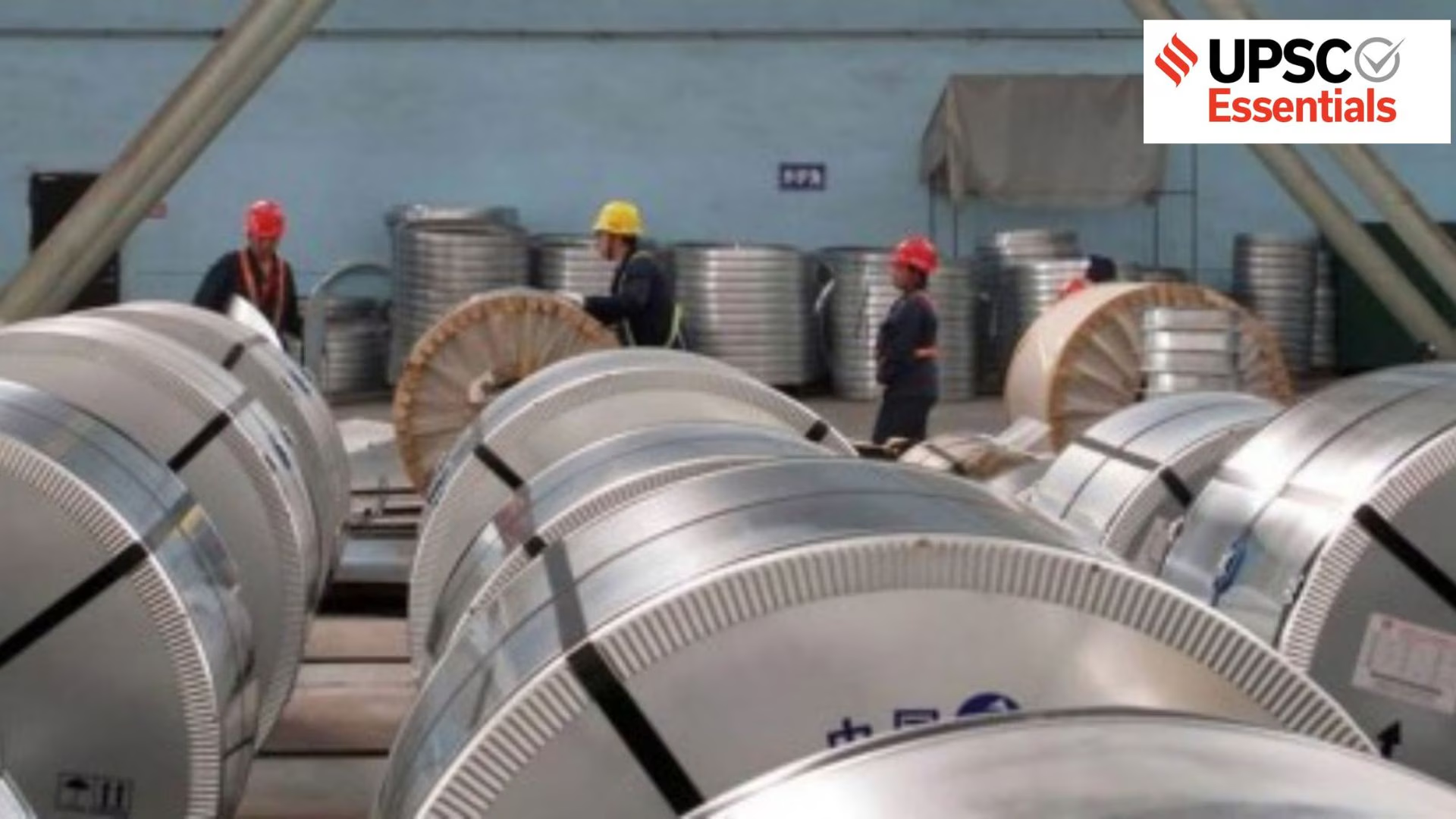
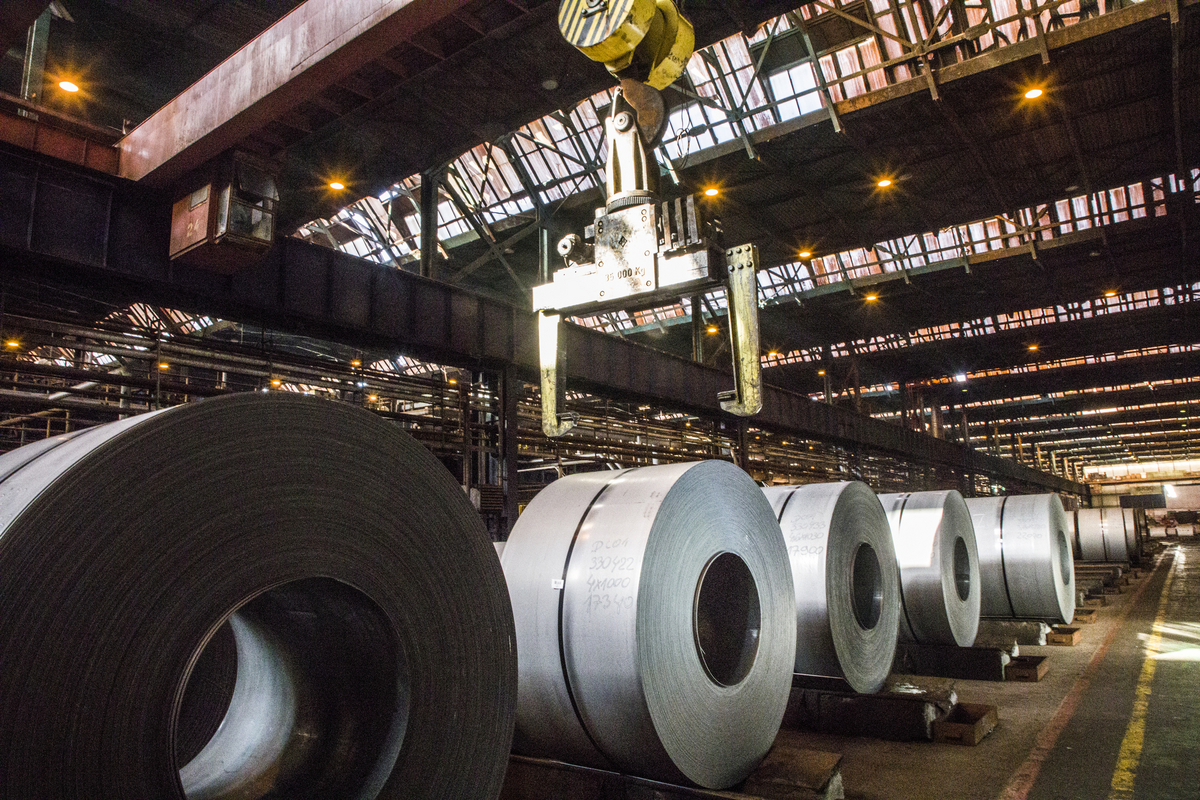
Also known as carbon neutral or green steel, the product is a metal alloy composed of iron and carbon, with a carbon content typically 60-75 per cent lower than traditional blast furnace steel.
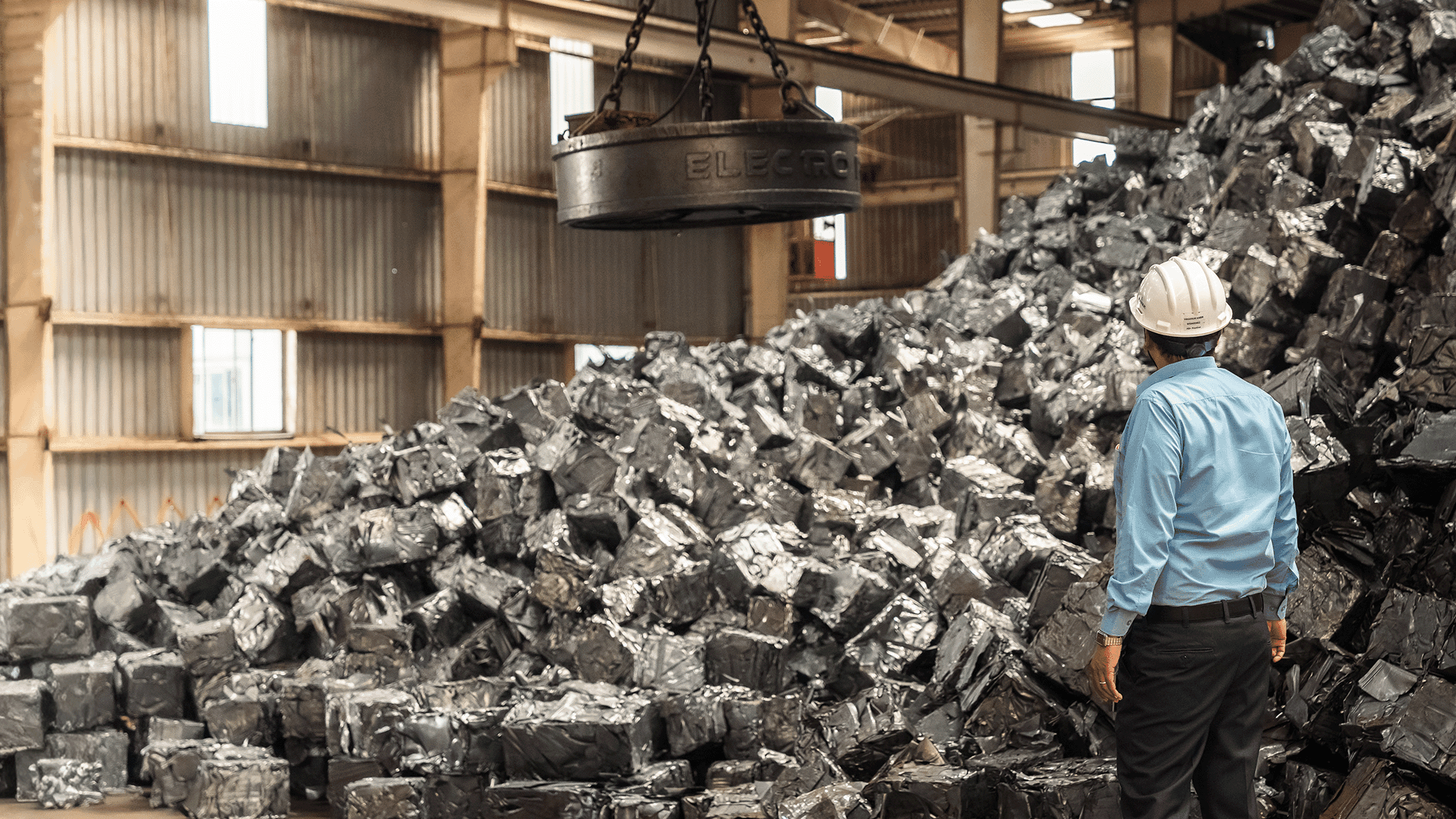
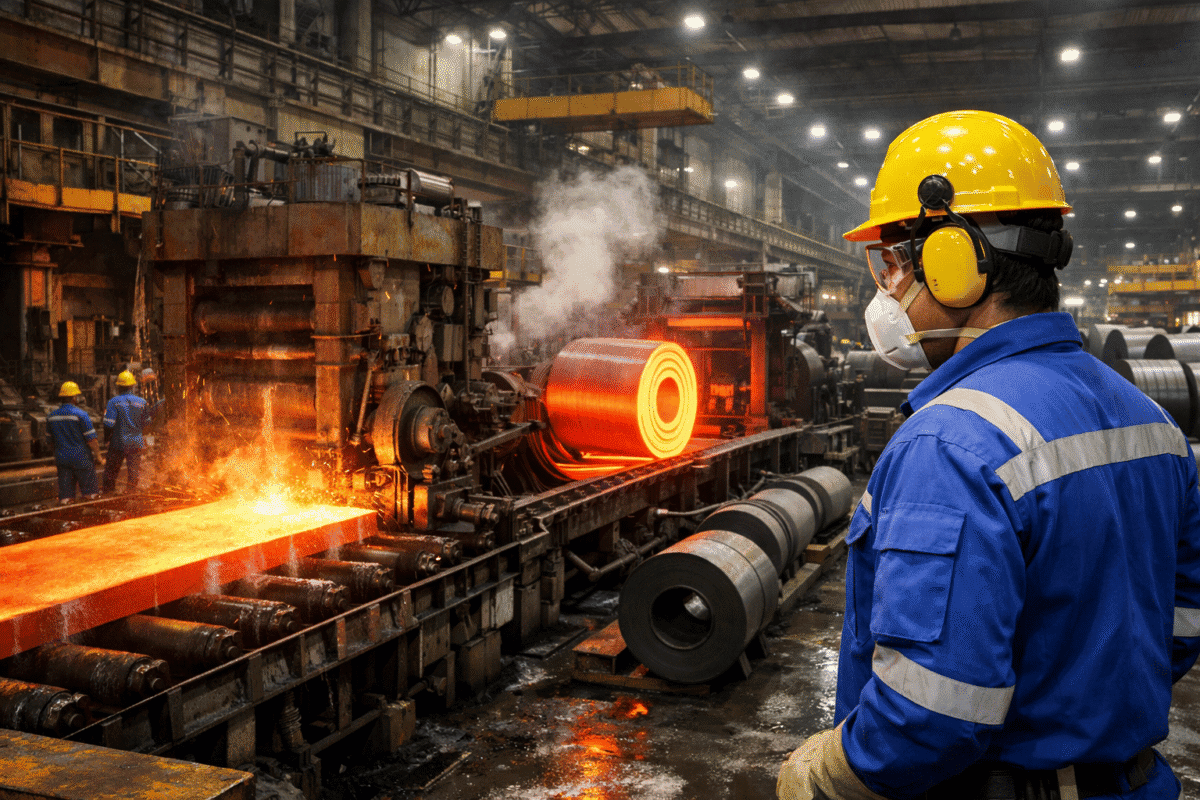
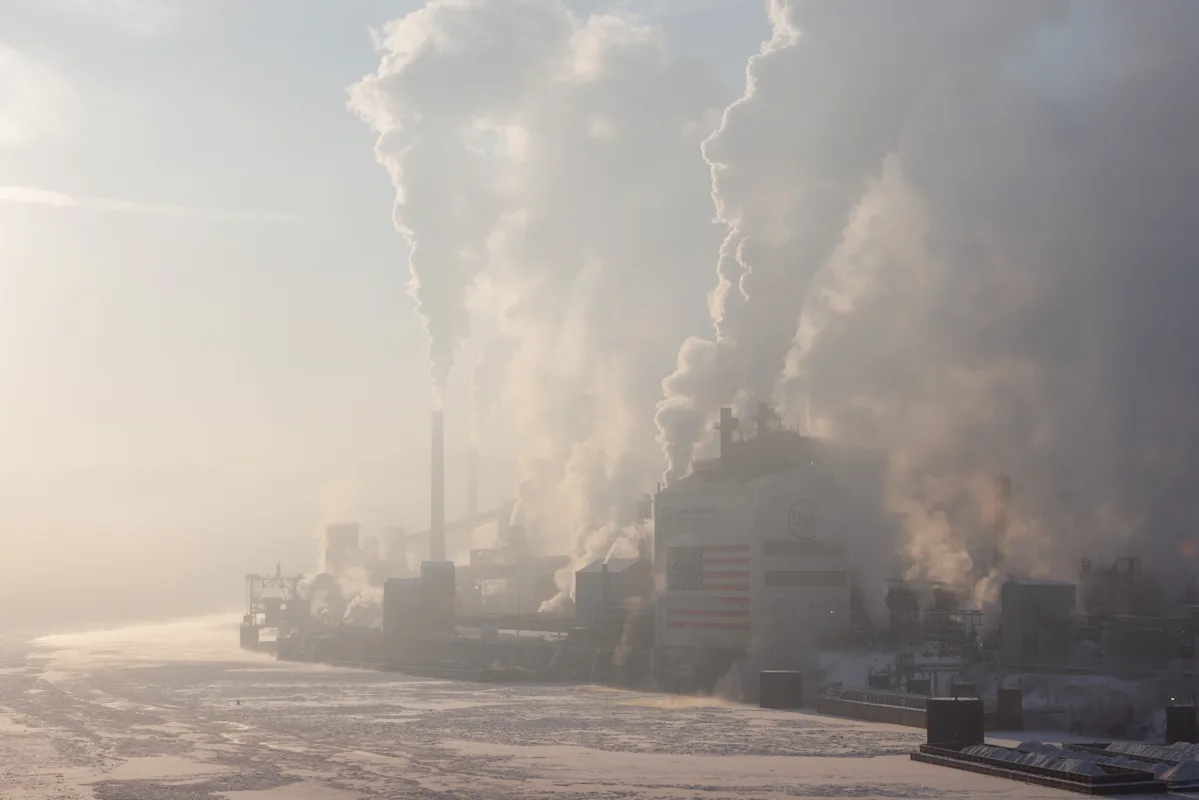
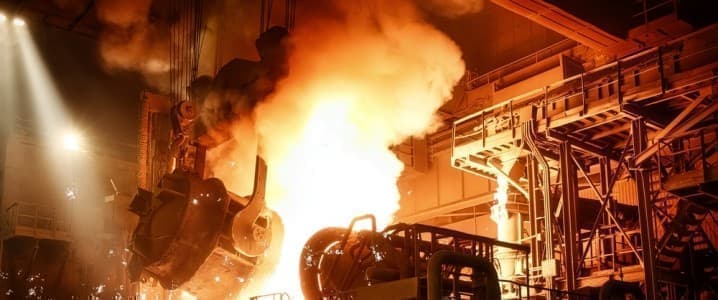
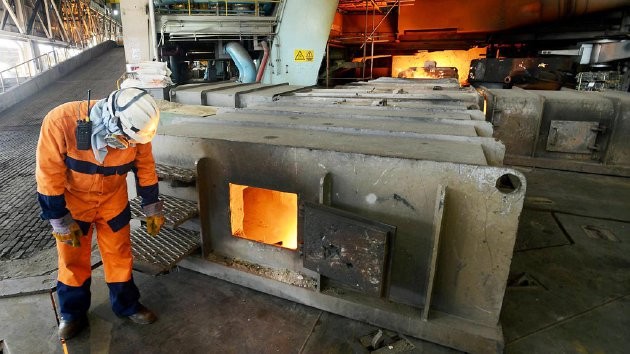
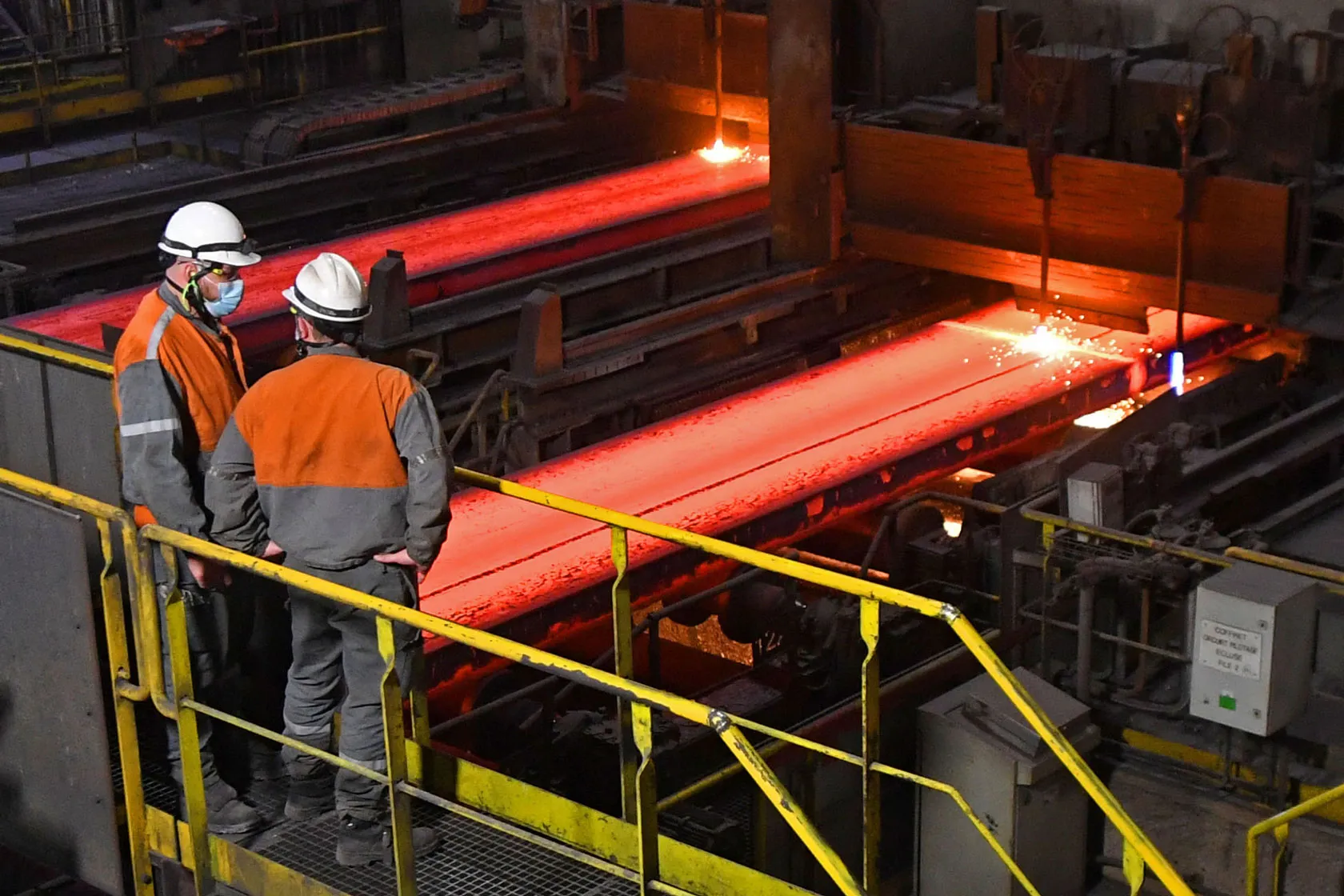
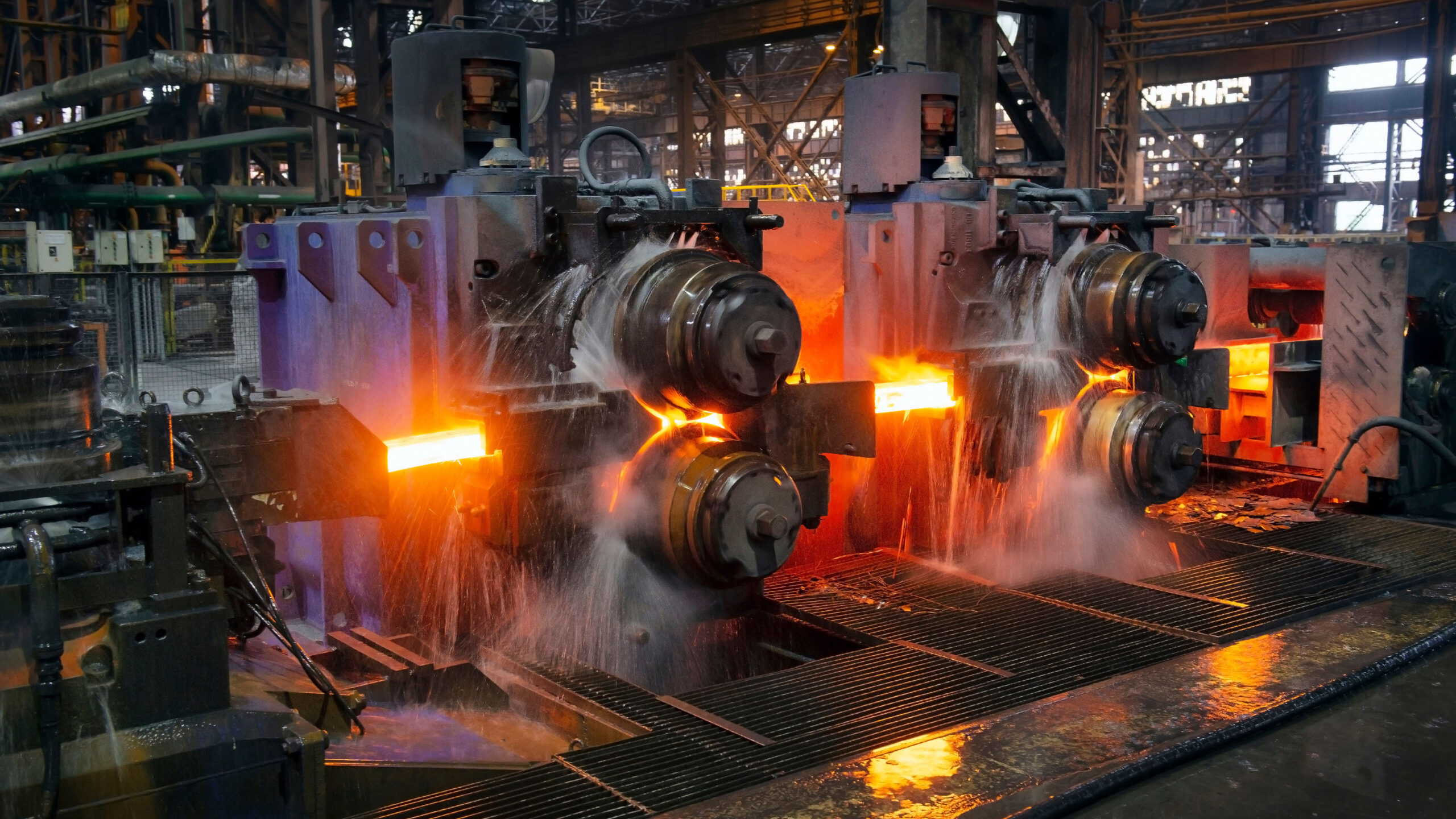
The reduced carbon is a result of how it is manufactured and the source material, which involves electric arc furnace technology turning recycled scrap metal into construction-grade material with significantly lower emissions than traditional blast furnace methods.
Councillor Richard McCauley, cabinet member for regeneration at St Helens Borough Council, said: “This is a moment we have eagerly anticipated, and people will literally now start to see the future take shape on site. The choice of low-carbon steel offers many environmental and practical advantages, including increased corrosion resistance for longevity, and a lower price point compared to traditional steel options. It means a win-win-win for St Helens and further demonstrates the Council’s commitment to our Climate Action Plan.”
Matt Whiteley, senior development manager at ECF, added: “Low-carbon steel is part of our tangible commitment to environmental responsibility that runs through everything we are doing, with the sustainable material set to form the backbone of the new Transport Interchange. Globally, about 1.5 billion tonnes of steel is produced annually.
“There is a significant carbon saving, even with the cross border transportation from Italy taken into account. The shift toward low-carbon alternatives in major infrastructure projects like the St Helens Transport Interchange represents a crucial step in reducing the built environment’s carbon footprint.”