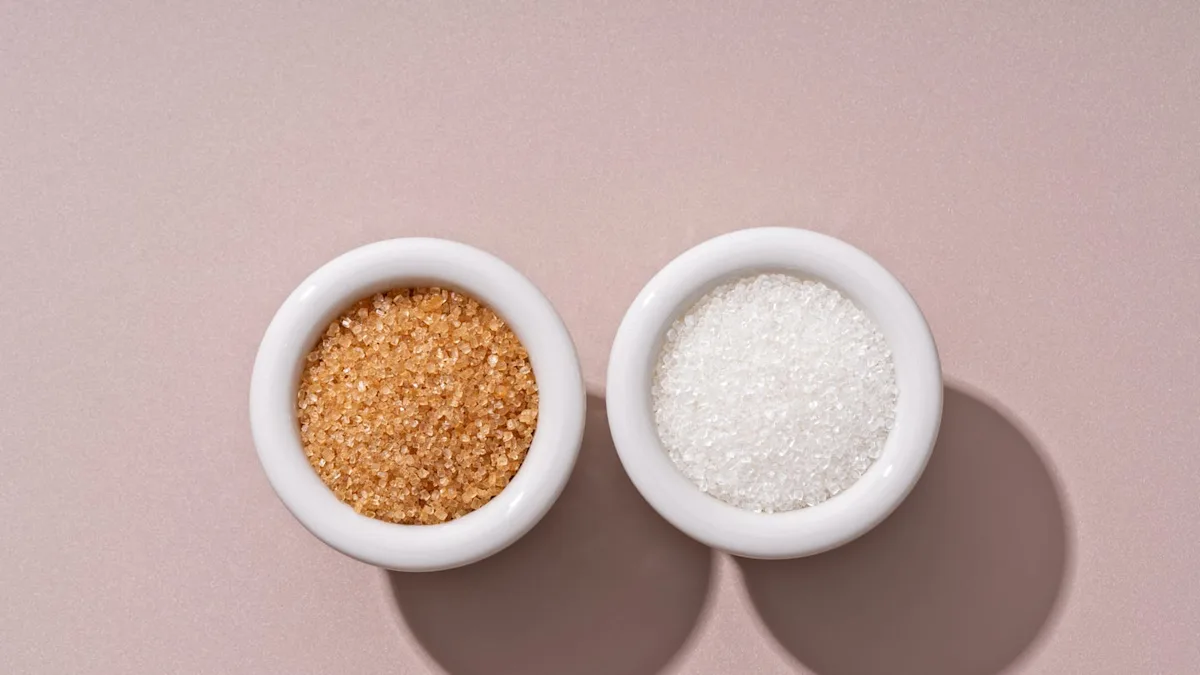

When you pick up a low-sugar or low-calorie food, chances are it contains an artificial or plant-derived sweetener. Marketed as healthier swaps for sugar, these compounds aren’t just neutral stand-ins—they interact with the body in complex ways that go far beyond cutting calories.
With ordinary sugar, enzymes in the small intestine split it into glucose and fructose, and the glucose rapidly enters the bloodstream. “Glucose is the brain’s preferred fuel source,” says Marion Nestle, a professor of nutrition at New York University. “It’s only excess sugar intake that causes problems,” because the hormones that maintain glucose levels can’t handle large amounts without being secreted excessively, which disrupts metabolism.
Too much sugar can raise disease risk through weight gain, inflammation, and insulin resistance. That’s why health experts often encourage cutting back—and why so many people turn to substitutes. But researchers are learning that these substitutes are “not inert,” says Susie Swithers, a professor of behavioral neuroscience at Purdue University. “They don’t just wash through us.”
Sweeteners can change more than taste. Evidence suggests they can affect weight, gut microbiome, and metabolism. The catch: it’s hard to pin down which sweetener does what. Many studies group them together or mix healthy people and those with chronic conditions, as well as longtime sweetener users with those who’ve barely had any, says Yanina Pepino, a nutrition professor at the University of Illinois Urbana-Champaign.
So, we broke them apart. Here’s how four of the most common sugar substitutes move through the body—and what that could mean for your health.