
Certain fruits contain relatively few carbohydrates (carbs) and can be a healthy part of a keto, low-sugar, or diabetes-friendly diet without spiking blood sugar.
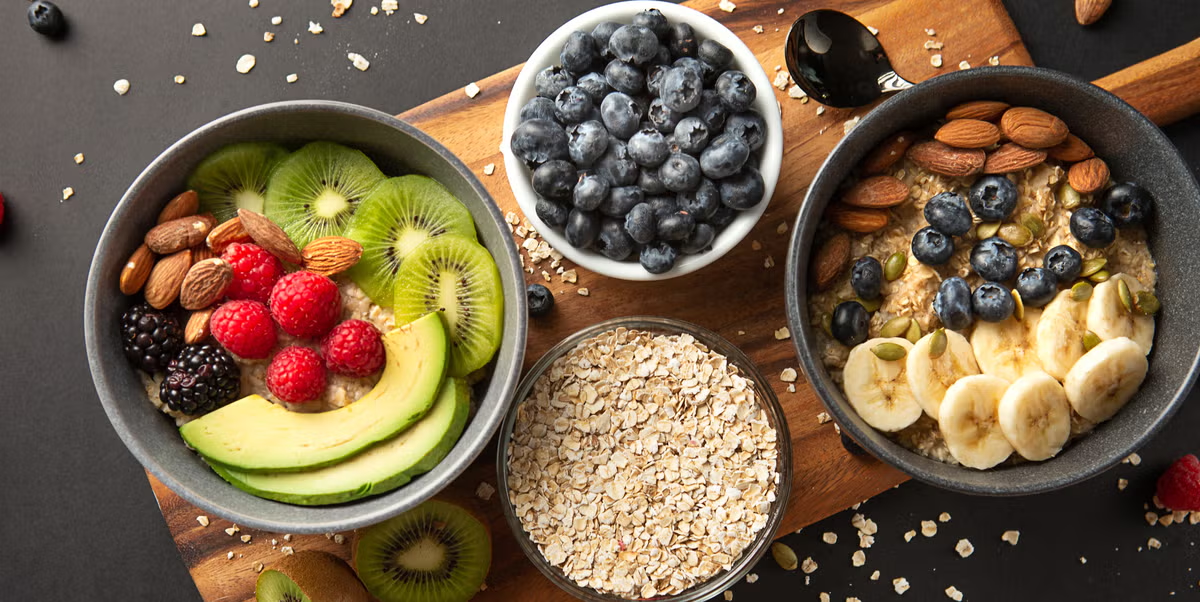
1. Raspberries
stokaji / Getty Images
Serving: 10 raspberries
Total carbs: 2.26
Net carbs: 1.02 g
Raspberries are low-carb, high-fiber fruits that contain antioxidants and vitamin C. They are especially beneficial for people with diabetes because they don’t spike blood sugar.
2. Kiwifruit
Sviatlana Zhornava / Getty Images
Serving: 1 kiwifruit
Total carbs: 10.5 g
Net carbs: 8.25 g
Although they’re not the lowest-carb fruit on the list, kiwis still have a relatively low carb content for a fruit, while being packed with vitamin C, E, folate, potassium, and antioxidants.
In one study, researchers found that eating two kiwis with breakfast over seven weeks helps lower blood pressure, signifying that, like other fruits, kiwi can benefit cardiovascular health.
3. Strawberries
byanikona / 500px / Getty Images
Serving: 1 cup of whole strawberries
Total carbs: 11.1 g
Net carbs: 8.22 g
Strawberries are full of vitamin C and antioxidants that support the immune system and heart health. They are also relatively low in carbohydrates, making them a suitable snack, breakfast addition, or dessert replacement for people on low-carb diets.
4. Cranberries
Cyndi Monaghan / Getty Images
Serving: 1 cup of whole cranberries
Total carbs: 12 g
Net carbs: 8.4 g
Raw cranberries (as opposed to dried cranberries, which contain significantly more carbs) are a low-carb fruit. However, raw cranberries have a very tart, sour flavor that some people may not enjoy.
5. Coconut
Zakharova_Natalia / Getty Images
Serving: 1 cup of fresh coconut
Total carbs: 12.9 g
Net carbs: 5.25 g
Fresh, unsweetened coconut is high in fiber, meaning it has relatively few net carbs. If you buy packaged coconut, be sure to check the nutrition label to ensure it does not contain any added sugar.
6. Blackberries
alvarez / Getty Images
Serving: 1 cup
Total carbs: 13.8 g
Net carbs: 6.17 g
Blackberries are another berry with low net carbs due to their high fiber content. They also contain high levels of antioxidants, particularly anthocyanins, which have been linked to improved brain health, cognitive performance, and heart health.
7. Gooseberries
bhofack2 / Getty Images
Serving: 1 cup of gooseberries
Total carbs: 15.3 g
Net carbs: 8.85 g
Gooseberries are a good lower-carb alternative to grapes because they have a similar texture, with a lower carbohydrate profile.
Understanding Net Carbs
Unexpected Fruits to Include
Technically speaking, fruits are seed-bearing plants. Many foods that are typically thought of as vegetables are actually fruits, including the following:
- Olives: 1 cup contains 5.18 g of carbs
- Zucchini: 1 cup of raw zucchini contains 3.53 g of carbs
- Tomatoes: 1 whole tomato contains 5.05 g of carbs
- Avocado: 1 whole avocado contains 17.1 g of carbs (but 3.6 net carbs)
- Cucumber: 1 regular-sized cucumber contains 5.9 g of carbs
Fruits to Avoid on a Low-Carb Diet
If you’re following a low-carb diet, you might want to limit how much you eat of the following high-sugar fruits:
- Apricots
- Cantaloupe
- Dates
- Dried fruit
- Lychee
- Pineapple
- Ripe plantains
However, it’s important to remember that fruit of any kind can be part of a healthy, balanced diet. Although some fruits naturally contain more sugar than others, fruit also contains essential vitamins and nutrients like vitamin C, E, potassium, magnesium, antioxidants, and more.
Diets high in fruit, regardless of their carb status, have been associated with many health benefits, such as:
- Blood sugar management
- Decreased risk of colon cancer
- Decreased risk of pancreatic diseases
- Improve mental health
- Lower blood pressure
- Reduced risk of cardiovascular diseases
:max_bytes(150000):strip_icc():format(webp)/headshotverwell-1334973c32f9429493c7979e6384b8ff.jpg)