The Indiana Certified Crop Adviser panel includes Gene Flaningam, Flaningam Ag Consulting, Vincennes; Carl Joern, Pioneer, Lafayette; Greg Kneubuhler, G&K Concepts, Fort Wayne; and Dan Quinn, Purdue University Extension corn specialist, West Lafayette.
I want to gain more knowledge about corn rootworms so I can make informed seed and input choices next year. Should I do a root dig for larvae? Put sticky traps in soybean fields looking for rootworm beetles? Do I need an agronomist to help me?
Flaningam: Western corn rootworms and northern corn rootworms are the predominant species in Indiana. The western corn rootworms can express a state of extended diapause, where the rootworm eggs lie dormant in the soil for two winters before hatching. With current BT traits and seed treatments, corn rootworms have not been a great concern in southern Indiana. Central Indiana may have higher populations. Use sticky traps to monitor adult beetle activity. This information will aid in making management decisions for corn the following year.
Joern: The most effective way to make informed decisions for next year is to monitor populations across multiple life stages, rather than relying on a single scouting method.
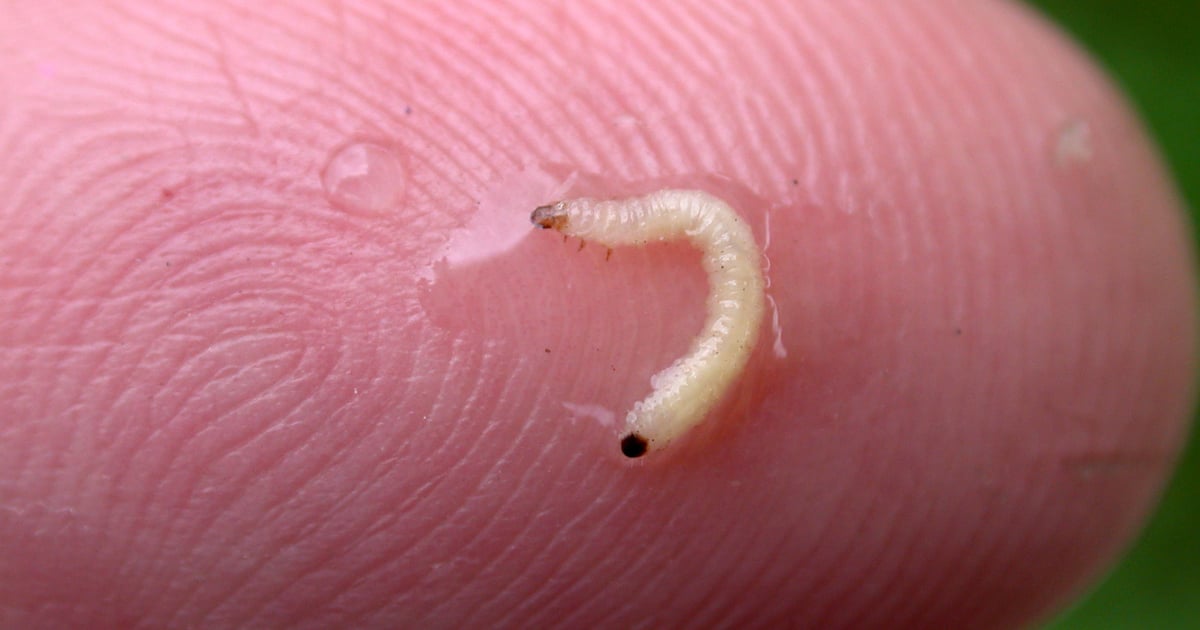
Digging roots during early-to-mid-July can confirm whether larvae are actively feeding, especially if you’re seeing lodging or goose-necked corn. However, root digs are best for diagnosing current-year injury, not forecasting next year’s pressure.
Monitoring adult corn rootworm beetles later in the season provides the most valuable information for planning seed and input choices. High beetle populations indicate a greater likelihood of egg laying and larval pressure the following year. Scouting should begin at silking and continue weekly through grain fill, with extra attention paid to continuous corn and late-silking fields that can attract migrating beetles.
Sticky traps can be part of an adult scouting program, but visual counts on plants are often just as effective when done consistently. Monitoring soybean fields for rotation-adapted western corn rootworm is also important, especially if volunteer corn is present.
Working with an agronomist or crop consultant can help you interpret scouting results and select the right combination of rotation, traits and inputs. No single tactic provides complete control, so informed decisions are critical.
Kneubuhler: First, dig roots and assess feeding damage earlier in the summer. Then, perform rootworm beetle counts later in the summer. Digging roots is typically your best indicator. Do this in late June through July and wash the soil off the roots. You can evaluate them by a scoring scale based on how many nodes are eaten or destroyed. This is where involving an agronomist can help you evaluate them. A visual in the field can simply be looking for lodged corn as well.
Secondly, scouting for rootworm beetles can be helpful. Walk your fields starting around VT and gauge beetles per plant. If you have 0.5 to 1.0 beetles per plant, you have high risk. Sticky traps near your fields can be a bit of an indicator but are difficult to really gauge true pressure.
Quinn: Routinely scout your fields and dig for larvae if you expect an issue. You can also use sticky traps to help identify pressure levels of rootworms. An agronomist or entomologist can help you identify rootworms correctly and determine if populations and thresholds are met to justify management practice implementation. In addition, targeting continuous corn fields would be a good place to start to identify any potential issues. Purdue University has a great guide and information to help.