Feb. 22, 2026, 5:01 a.m. CT

Many people learned of the famous Silk Road in their school’s history, literature or social studies text books.
Traveler and trader Marco Polo described and popularized the ancient trade route within his circa 1300 book commonly known as “The Travels of Marco Polo.” Marco Polo described some of the route’s hazards, varying cultures and customs, cities and many major trade items.
Whenever considering the Silk Road, we likely think of various spices, porcelain, gunpowder and (of course) silk textiles. Eastern merchants along this ancient trade route also sold and traded cotton, woolen and hemp textiles and finished products, such as garments and carpets, in exchange for glassware and other western items.
The route’s namesake textile was an expensive luxury item; however, many other commodities and textiles became widely used by an emerging, affluent, merchant class and other less wealthy citizens of Europe and the western world. Included among these commodities were cotton textiles and products.

Taming cotton
In the present day, and especially within our region, cotton plants (Gossypium hirsutum) are a frequent site, and cotton products are so widespread that these amazing plants and their many uses are often taken for granted.
Greater than 90 percent of global cotton production is devoted to cultivars of G. hirsutum that was perhaps first domesticated in Mexico and is commonly referred to as upland cotton.
Evidence related to cotton domestication rivals or surpasses that of many historically, culturally and economically important plants — such as wheat from ancestral, wild emmer, goatgrass and einkorn and corn from ancestral teosinte plants — and also has its own unique surprises!
Wild or feral cotton plants occur in warm temperate and tropical regions, and ancestral species are found in both old world and new world countries. The cotton Marco Polo was familiar with and encountered during his travels had ancestral origins in the Indus Valley region of India and Pakistan, and its cultivation spread northward to China.
In Polo’s time and location, cotton plants also were cultivated in Egypt and other parts of Africa, Turkey and the Fertile Crescent region. In the new world, some of the first archeological evidence of cotton cultivation and use is from Peru. Cotton cultivation and regional textile trades spread to other parts of South and Central America, Mexico and the southwestern United States among various prehistoric and historic peoples.

Exact timing of cotton domestication is unknown but estimates range from 7,000–5,000 BCE. Oldest archaeological examples of cotton cultivation and use are cotton seeds and threads found with copper beads discovered in Pakistan and determined to be 6,000 to 7,000 years old as well as discovery of ancient textile remains from approximately 6,000 B.C.E. in Peru.
Interestingly, these and other discoveries provide evidence that cotton plants were concurrently and independently domesticated in at least four different regions or countries around the globe: India, Mexico, Peru and Sudan. This widely separated, multiple domestication example of similar ancestral plants is unique among crop plants.
Ancient cotton versus modern
Ancestral and wild type cotton plants were taller, more branched, with shorter, less white fibers and later flowering, and they had a distinct seed dormancy requirement compared to their shorter, less branched, white-fibered, earlier flowering, seed-dormancy-lacking, domesticated progeny.

Major domestication and cultivation efforts seemingly focused upon increasing and improving the number, color, length and strength of the cotton plant’s boll fibers. Ancestral, feral, or wild-type cotton plants had looser clusters of short, light-tan fibers. Later plants were selected for tighter, denser bolls and longer, stronger white fibers.
Selection for longer and stronger fibers coincided with development of more advanced weaving techniques and higher textile thread counts.
‘Squares’ and other features of cotton
Although fibers surrounding seeds is not exclusive to cotton, the single-celled trichomes or fibers of cotton are some of the longest — averaging 1–1.25 inches — and most conspicuous of the plant kingdom. The fibers form a short, fuzzy tomentum (a covering of wooly, hair-like cells) and a longer, looser, fiber covering referred to as the cotton’s lint.
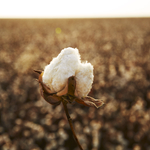
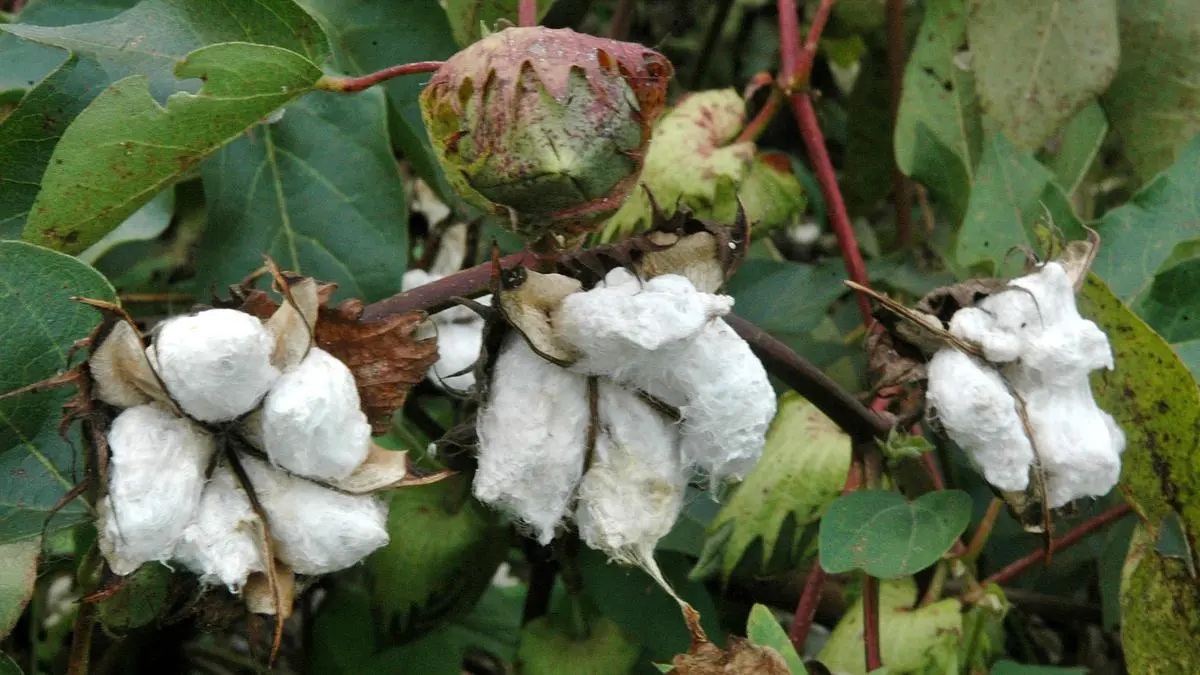
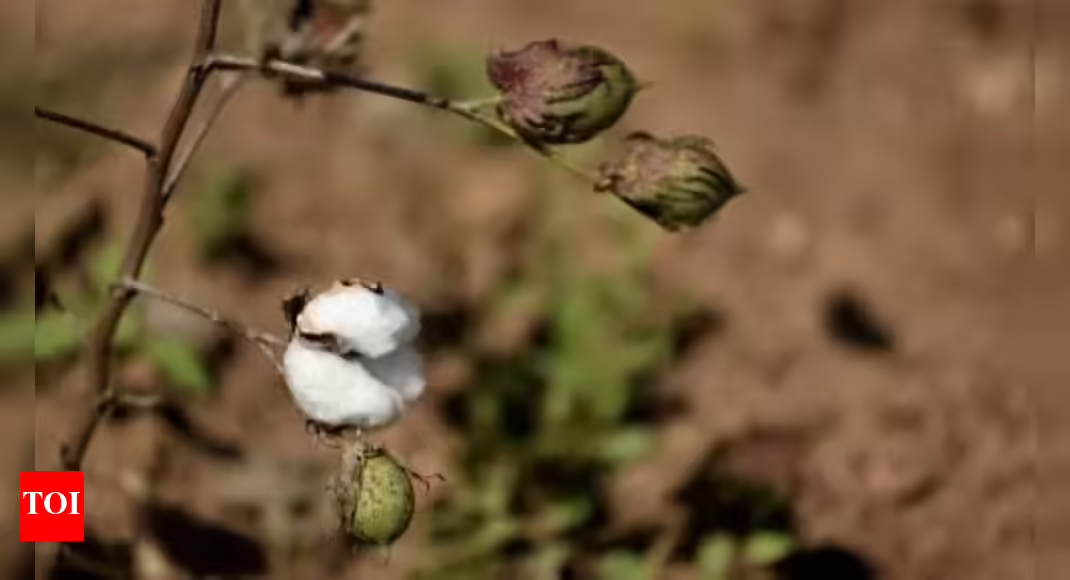
Cotton seeds develop within a capsule fruit commonly referred to as the cotton boll. The boll expands, matures and desiccates during cold, autumnal temperatures. This causes the dried capsule to split open into three to five hard, sharply beaked sections referred to as burrs or locks, exposing the loosely attached, fiber-covered cotton seeds.
Slender, toothed, basal flower bracts usually dry and remain attached to the cotton boll. Most modern cotton plants are relatively short at 3-4 feet and have gland-dotted, three to-five-lobed, broad, palmate leaves.
Developing flower buds are referred to as “squares,” and the squares open to reveal large white to yellow corollas (which are petals) that transition with age to pinkish-purple colors. Flowering periods of most cotton cultivars is brief and usually occurs during peak summer months.

A better name for the Silk Road?
Cotton is the world’s leading fiber crop and, besides its global role in textile and clothing industries, has many additional uses. Cotton seeds and hulls are processed into high-protein feed primarily used by beef and dairy cattle producers.
However, because the seeds contain potentially toxic gossypol compounds, the ruminant animals’ feed consumption should be closely regulated. Cottonseed oil is used in the restaurant industry and as a component of mayonnaise, margarine, and other food products. Also, the seed oil is sometimes processed into biofuels.
Cottonseed meal is a nitrogen rich fertilizer and cotton cellulose is a component of many varnishes and plastics. The short seed fibers — linters — are used in high quality paper, and the linters are also used in manufacture of durable paper currency. Cotton is a familiar part of bandages, gauze, cotton swabs, coffee filters, natural ropes and twines, and many other items.
As we have discussed, cotton has a long, interesting history and plethora of uses. As a closing thought, perhaps in the march of history, the Silk Road should actually have been named the Cotton Road!

Jim Goetze is a retired professor of biology and former chairperson of the Natural Sciences Department of Laredo College with an avid interest in all aspects of the natural world. He can be contacted at gonorthtxnature@gmail.com.