

Garmin has outlined a way it could introduce blood glucose monitoring to its watches, and in theory it could even come to some of today’s Garmin watch models.
A patent for this concept was filed earlier this month with the United States Patent and Trademark Office, explaining how glycated haemoglobin (HbA1c) can be monitored using a PPG sensor.
This is a Photoplethysmography sensor, found on the back of most fitness trackers. It uses a series of, typically, red and green LEDs and light sensors.
The LEDs fire light into the wrist while the light sensors record the level of reflected light. It’s otherwise used to discern a person’s heart rate and rhythm, and blood oxygenation. Blood glucose monitoring is the latest frontier for this relatively humble piece of technology.
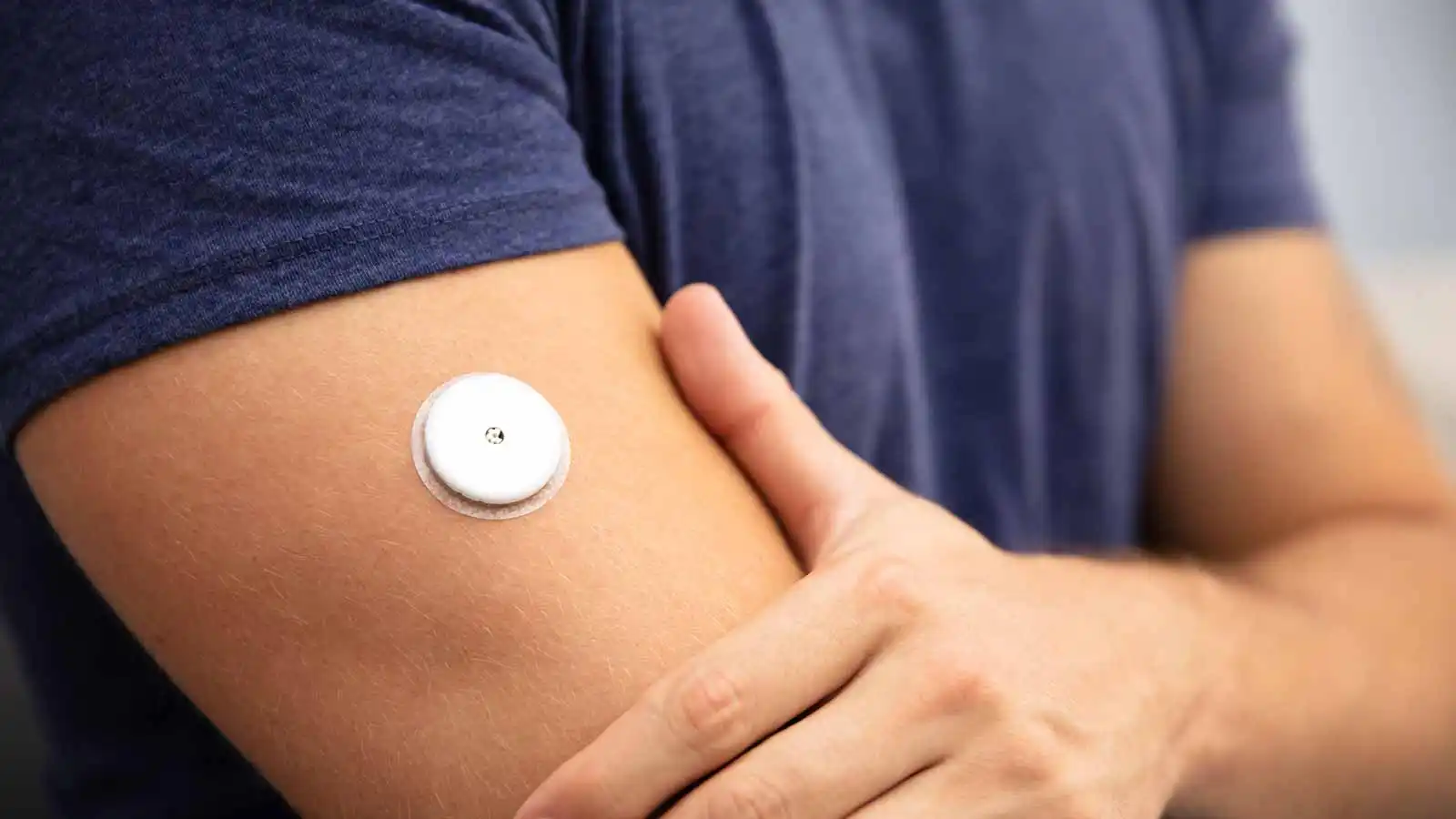
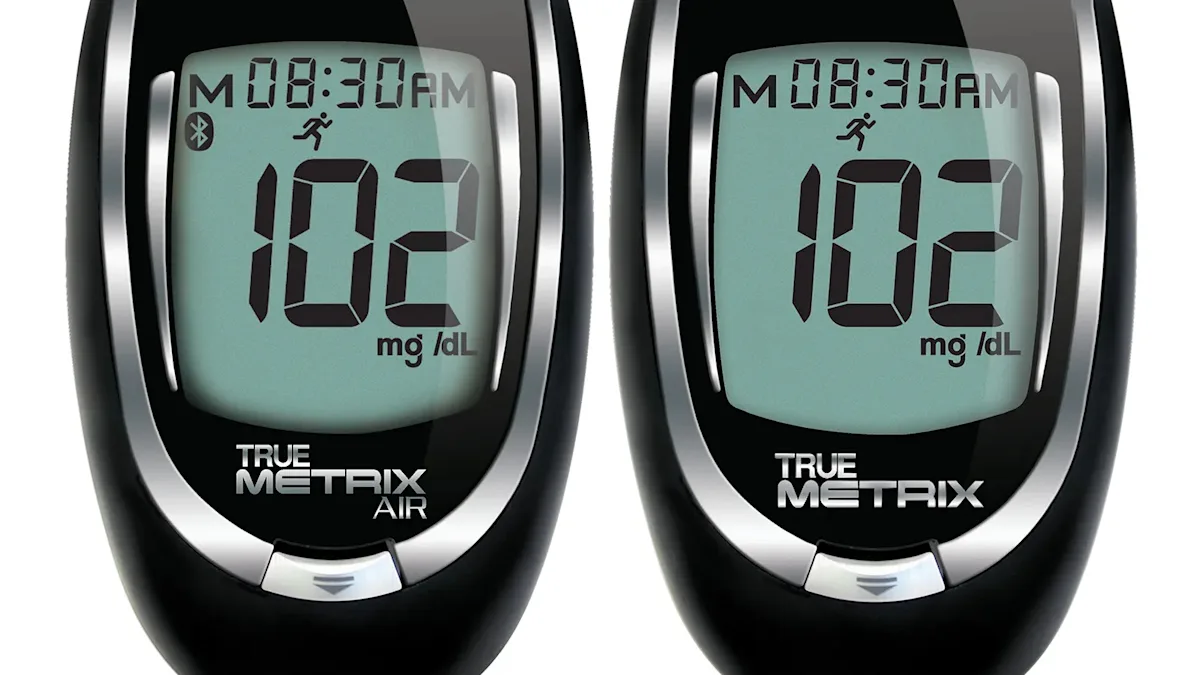
It’s subject to the same kind of limitations we’ve seen in Samsung and Apple’s own in-development takes on this idea. PPG blood glucose monitoring is usually not designed to output the kind of exact readings you’d get from a blood glucose patch. Garmin instead deals in looking for evidence of trends in blood glucose over time.
It’s a hunt for changes in blood glucose, not exact numbers.
PPG-based blood glucose is an imperfect solution, then, but its limitations are offset by the sheer desirability of non-invasive blood sugar monitoring.
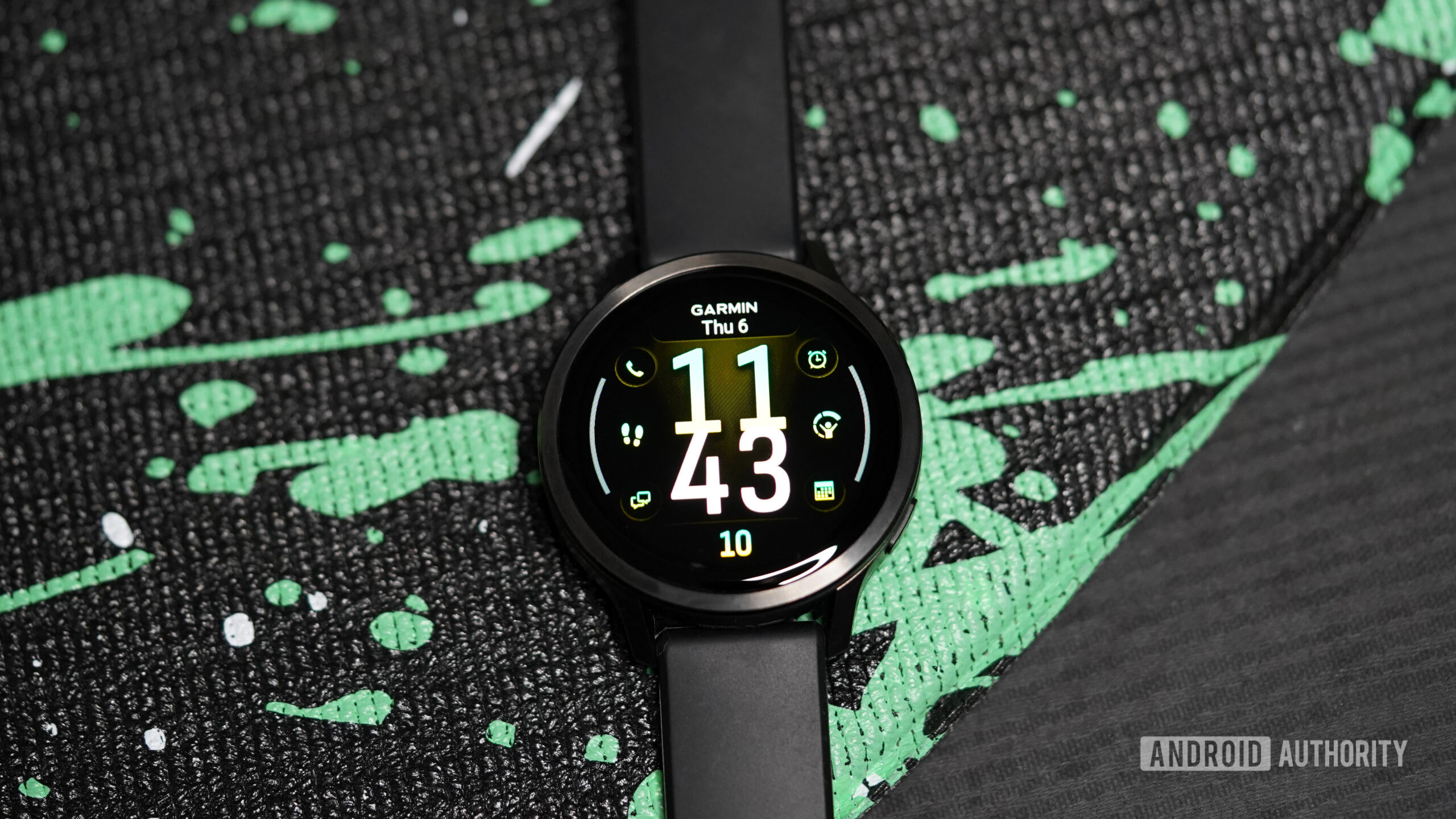
Today’s Garmin watches have PPG sensors already, but it’s unclear whether they wold be capable of the feats outlined in the patent’s diagrams. A Garmin Fenix 8’s LEDs flash green and red, but the diagrams in the filing show three LEDs with three different colours, and four total colours across two diagrams.
An analysis of the reflected light from these LEDs is then used to determine relative levels of oxyhemoglobin, deoxyhemoglobin and glycated hemoglobin.
The usual caveat remains for all of this. Patents may outline feasible technology but it’s far from a guarantee a company has any intention to make a product that uses it, or that is it being actively developed.
Such a feature could be used to beef up Garmin’s Connect+ platform, though. It costs $6.99 a month but is currently stymied by the fact most Garmin watches already provide more features than most people realistically need. And the company sensibly decided suddenly paywalling features users already had access too was a step too far.