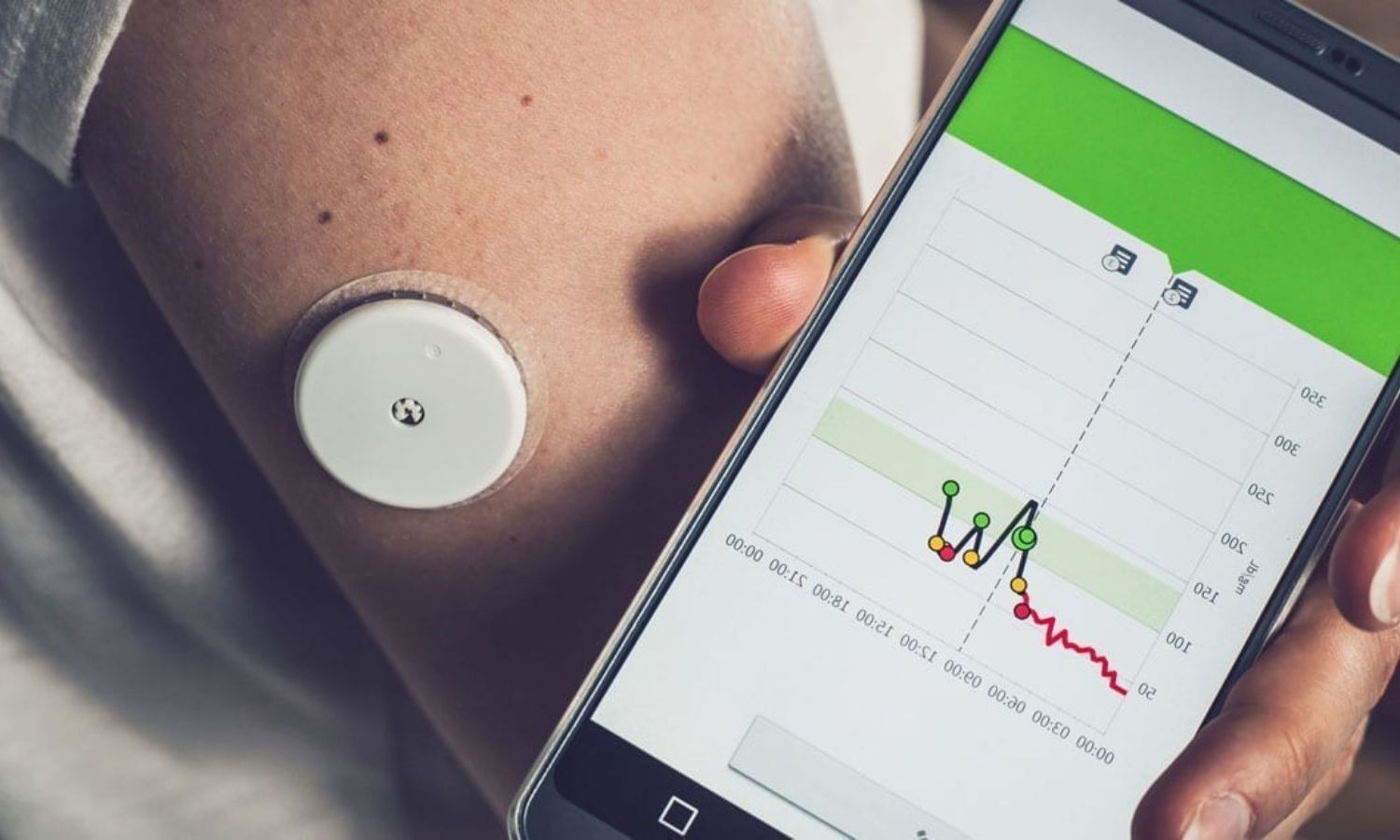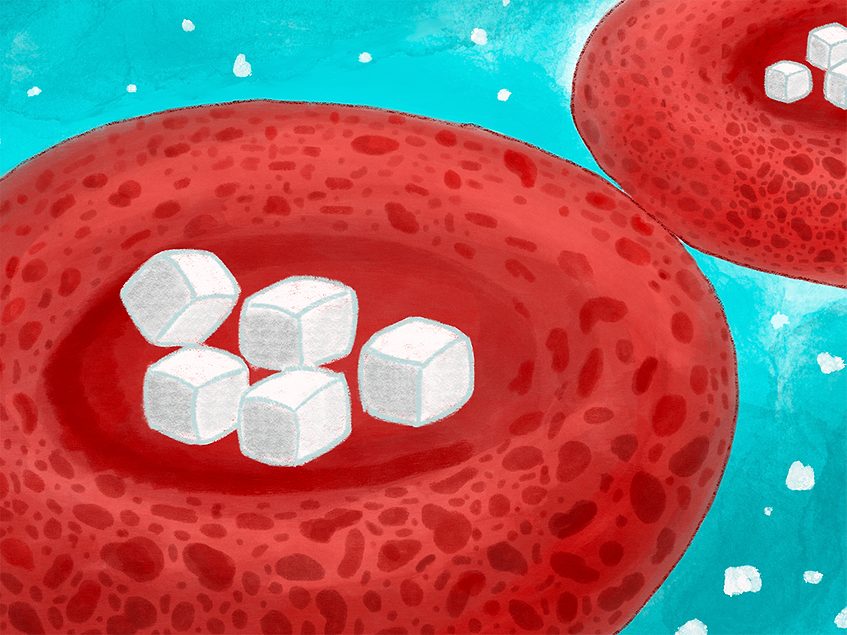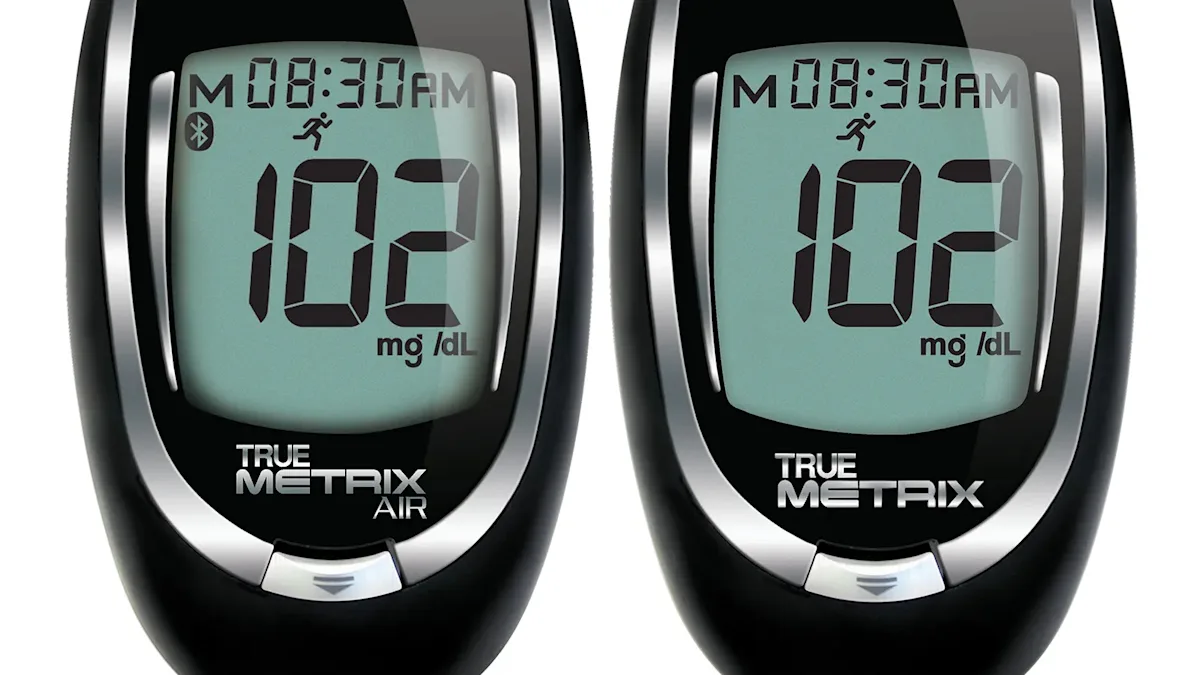
Your morning routine can have a big impact on blood sugar. Glucose (blood sugar) levels rise when you wake up due to natural hormone shifts that help you feel alert, but certain habits can make that rise even higher. Here are the most common morning mistakes according to dietitians, and what to do instead.
Coffee on an empty stomach may add to your body’s natural morning rise in blood glucose for some people.
“Glucose levels are especially sensitive in the mornings because of normal hormonal shifts that occur as your body prepares to wake,” Laura Isaacson, MS, RD, CDCES, CSOWM, FAND, CD, senior director of clinical dietetics at Vida Health, told Health.
Cortisol is a stress hormone that helps you wake up and naturally increases in the morning. Cortisol signals your liver to release stored glucose into the bloodstream, but caffeine can intensify the effect. For people with insulin resistance (a condition where cells don’t respond efficiently to insulin), glucose may remain elevated longer than normal.
What to do instead: Have your coffee with or after protein-rich foods, such as eggs, Greek yogurt, nuts, or even try mixing protein powder in your coffee.
A pastry or even plain toast may seem convenient, but refined carbohydrates digest quickly.
“When you eat mostly refined carbohydrates on their own, they digest quickly and cause a rapid rise in blood glucose, followed by a crash,” Jessica Crandall Snyder, RDN, registered dietitian and medical advisor to FuturHealth, told Health. “That swing can trigger fatigue, cravings, and a cycle of inconsistent energy.”
Refined carbs are low in fiber, which is found in foods like whole grains, fruits, vegetables, beans, nuts, and seeds. “Fiber is one of our most powerful tools for stabilizing blood sugar,” Snyder added.
Protein and healthy fats also slow the rate at which carbohydrates enter the bloodstream, helping limit blood sugar spikes.
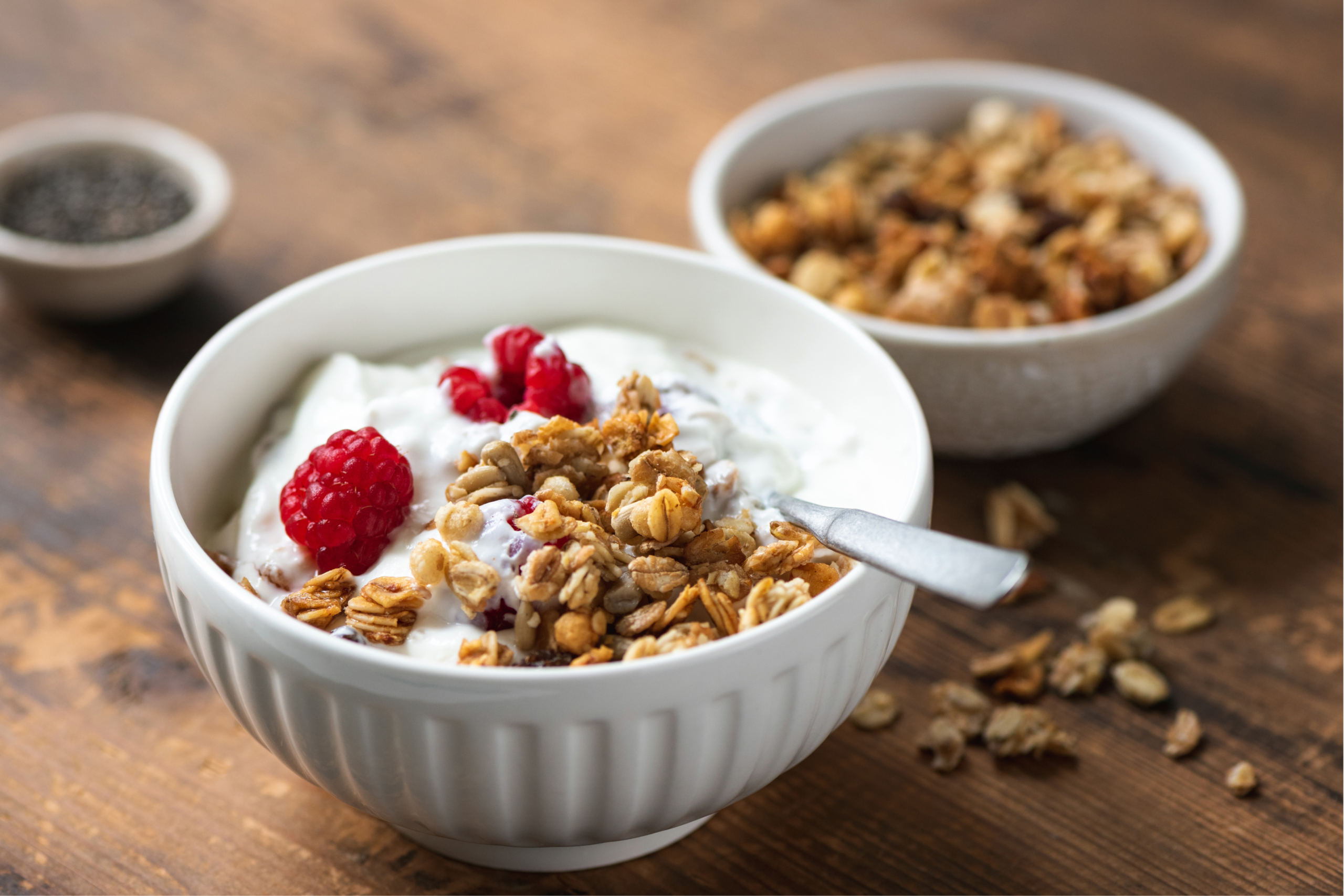
What to do instead: Avoid refined carbs and instead try to include protein, fiber, and healthy fats in your meal, like eggs with berries, Greek yogurt with nuts and seeds, or oatmeal topped with nut butter and added protein.
For some people, skipping breakfast as part of intermittent fasting (a structured eating pattern that limits food to certain hours of the day) works well. But it’s not ideal for everyone.
Research suggests that extended fasting can increase cortisol secretion and alter its daily rhythm, so stress hormone levels may stay elevated longer, increasing blood sugar levels. Plus, if you wait to eat until you’re overly hungry, you are more likely to overeat or notice increased cravings throughout the day.
Isaacson added that some individuals should be extra cautious. “People with insulin resistance, type 2 diabetes, or anyone who notices energy crashes or overeating later in the day should be especially cautious about skipping breakfast,” she said.
What to do instead: If skipping breakfast leaves you feeling tired or increases cravings, try eating no more than one to two hours after waking. If you’re intermittent fasting, make sure your first meal is nutrient-dense with enough protein, fiber, and healthy fats.
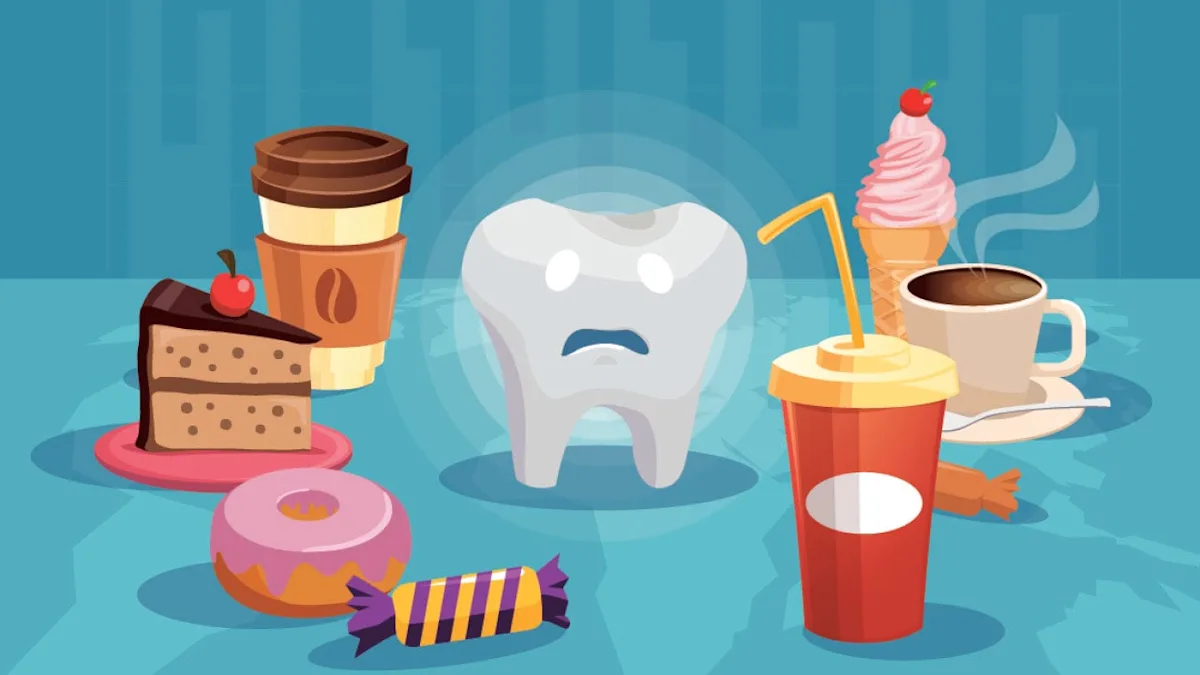
That flavored latte or blended coffee drink can have more than a day’s worth of added sugar first thing in the morning. “Sweetened coffee drinks, juice-heavy smoothies, or other sugary beverages can spike blood sugar quickly because they’re absorbed fast,” Lauren Twigge, MCN, RD, told Health. Liquids digest rapidly and typically lack fiber, which means glucose enters the bloodstream quickly.
Lumpkin added that smoothies made mostly from fruit without protein, fiber, or fat can also cause large spikes.
What to do instead: Choose unsweetened or sugar-free beverages without sugary syrups. Opt for milk instead of sweetened creamers to add protein to your coffee drinks. If making a smoothie, include protein (Greek yogurt or protein powder), plus healthy fats and fiber from nut butter, chia seeds, or flaxseed.
Rushed mornings can lead to skipped meals or make it that much more likely you’ll reach for a refined grab-and-go option. Planning so you have healthy breakfasts ready to go in the fridge makes it that much easier to prioritize fiber and protein.
What to do instead: Set aside time to prep simple meals like egg bites or overnight oats.
Checking emails or scrolling before moving your body may contribute to higher glucose levels, especially if you’re snacking on a pastry or muffin at the same time.
“Being sedentary can contribute to higher morning glucose levels because active muscles use glucose for energy,” Isaacson explained. “Even a short amount of activity, such as a 10 to 15-minute walk, light stretching, or a few squats, can significantly improve your glucose levels.”
What to do instead: Incorporate light movement within the first hour of waking. A short walk after breakfast or a few minutes of bodyweight exercises can set the tone for the rest of the day.