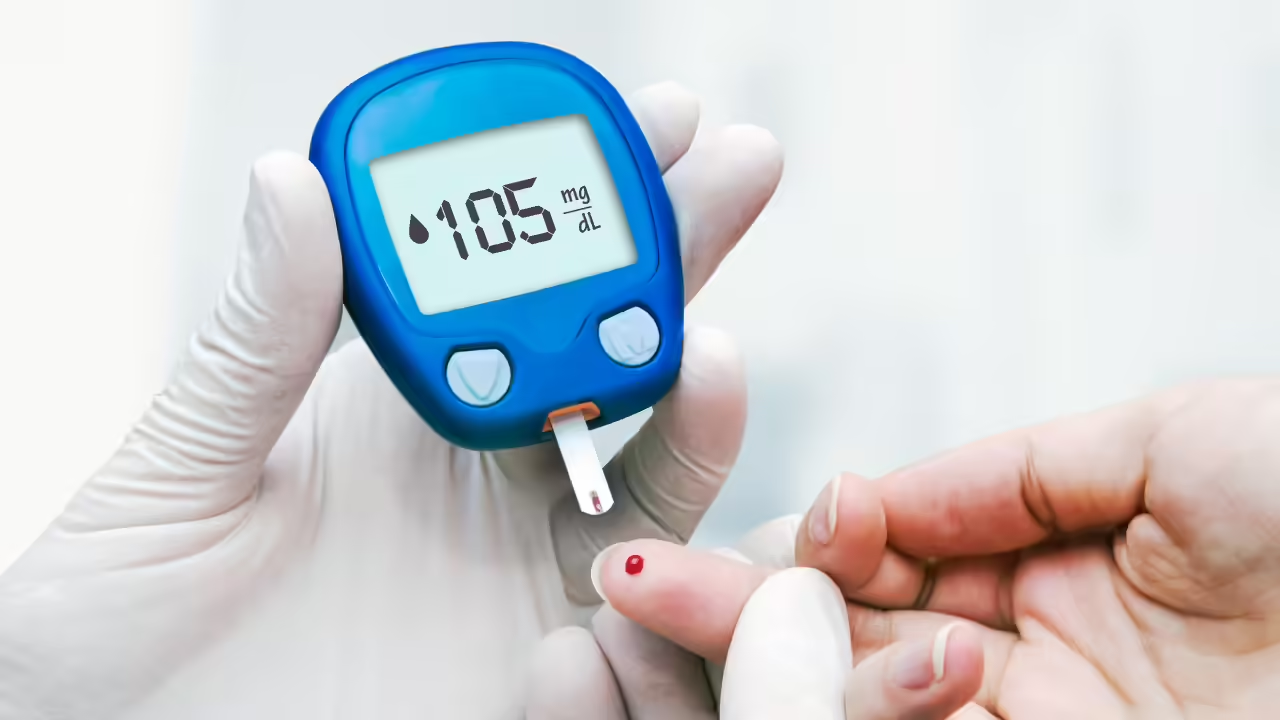

Blood sugar levels that are consistently high in the morning can happen for a variety of reasons. Habits such as poor-quality sleep, intense evening exercise, nighttime snacks or alcohol, and skipping dinner can all contribute to high morning blood sugar, as can insulin timing and type.
1. Eating Late-Night Snacks
Snacking in the evening doesn’t just impact your nighttime blood sugar. At night, digestion slows, and the effects of a snack on blood sugar can last into the morning.
This is especially the case for high-carb snacks. If you’re hungry later in the evening, reaching for a low-carb snack with fat, protein, and fiber will have less of an impact on your blood sugar levels at night and in the morning.
2. Not Getting a Good Night’s Sleep
High-quality sleep is also important for blood sugar levels, research suggests.
One study of people with diabetes found that blood sugar after eating breakfast was higher in those with poor sleep or who went to sleep after midnight.
Another study using continuous glucose monitoring found that people who consistently went to sleep after midnight or who did not get enough sleep had greater variability in blood sugar readings, regardless of whether they had diabetes.
Establishing a healthy sleep routine with consistent sleep times may help with your morning blood sugar.
3. Experiencing Chronic Stress
Chronic stress increases the levels of cortisol, the body’s stress hormone. Cortisol has many effects on the body, including on blood sugar metabolism. Cortisol tells the liver to increase glucose production and decreases the uptake of blood sugar by the body. This results in higher blood sugar levels and contributes to insulin resistance.
The Dawn Phenomenon
Cortisol levels normally rise at night, along with other hormones. This helps keep blood sugar levels up in the fasting state and provides energy to wake up in the morning. But people with diabetes can experience what’s called the dawn phenomenon, where blood sugar levels rise in the morning without the appropriate amount of or response to insulin to keep them in check.
Anything that increases cortisol levels, like chronic stress and poor sleep, can worsen morning blood sugar levels.
4. Not Getting the Right Timing or Dose of Insulin
Another common cause of high morning blood sugar is related to insulin:
- Insulin type and timing: There are several types of basal insulin, and the type and timing can result in high morning blood sugar levels.
- Insulin dose: Not getting enough basal insulin can lead to high morning blood sugar. Less commonly, a dose that is too high can also cause morning blood sugar to be high due to the Somogyi effect.
The Somogyi Effect
If your blood sugar gets low at night, your body compensates by making more blood sugar. The result is a high fasting blood sugar in the morning. This might happen if you take too much bolus insulin or if your basal insulin dose is too high. This phenomenon, called the Somogyi effect, is named after its discoverer, chemist Michael Somogyi.
5. Skipping Dinner
It may not seem obvious, but skipping dinner can actually lead to high morning blood sugar. This is because of the Somogyi effect. Skipping dinner can lead to overnight hypoglycemia (low blood sugar) that your body reacts to by increasing the blood sugar.
6. Exercising in the Evening
Another cause of the Somogyi effect is intense late-afternoon or nighttime exercise. The effects of exercise can last for hours and can lead to low blood sugar overnight. The body’s process to compensate can leave you with high morning blood sugar levels.
Eating a snack along with exercise or changing the time of your exercise to the morning can help keep your morning blood sugar in check.
7. Drinking Alcohol
Drinking alcohol, particularly without also eating food with it, can lead to blood sugar drops hours later. This can trigger the Somogyi effect, in which the body compensates by releasing hormones to raise blood sugar overnight.
To prevent this, limit alcohol and always pair it with a snack containing carbohydrates. Also, be aware that alcohol can impair your senses and make it harder to detect dangerously low blood sugar.
What to Do About High Morning Blood Sugar
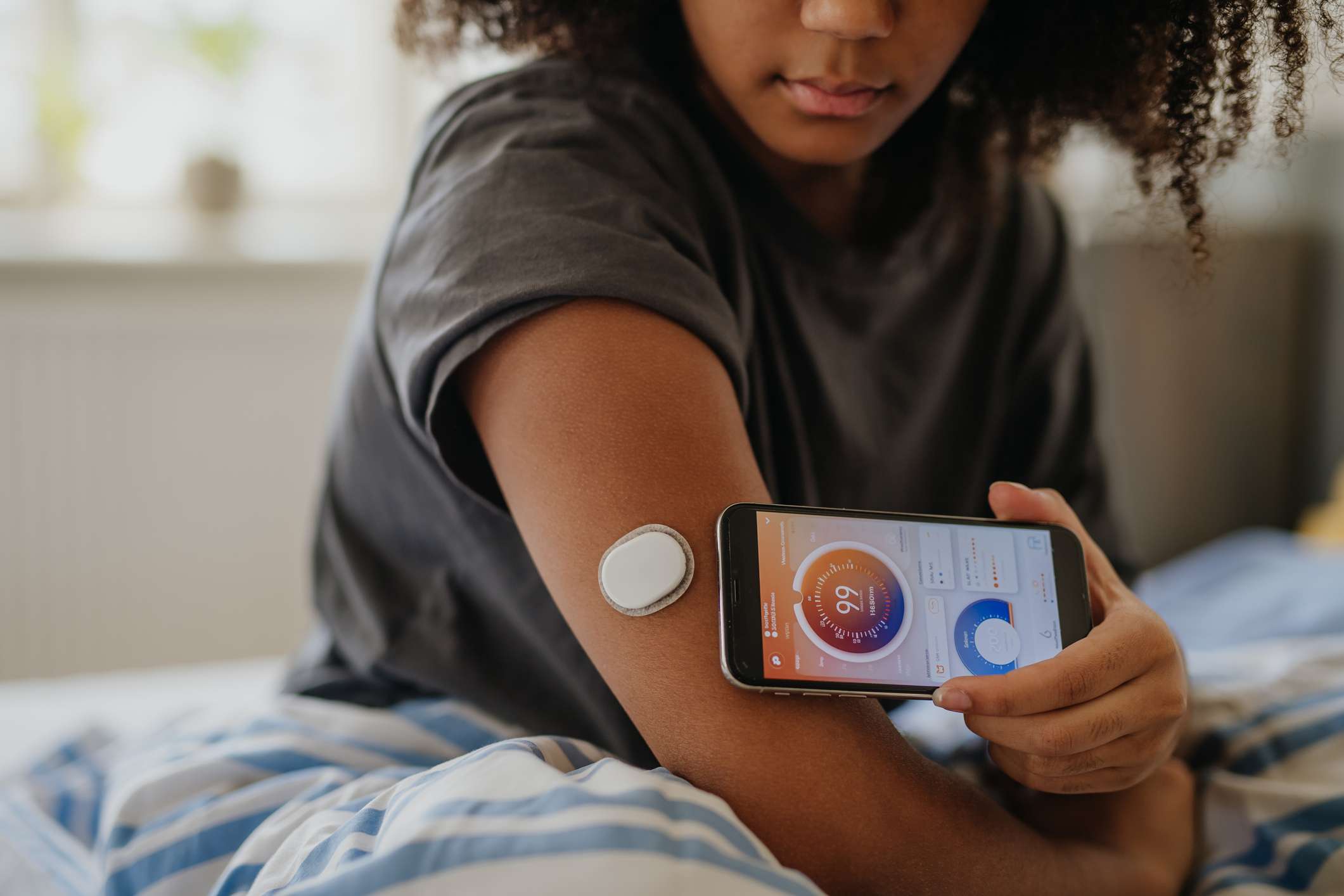
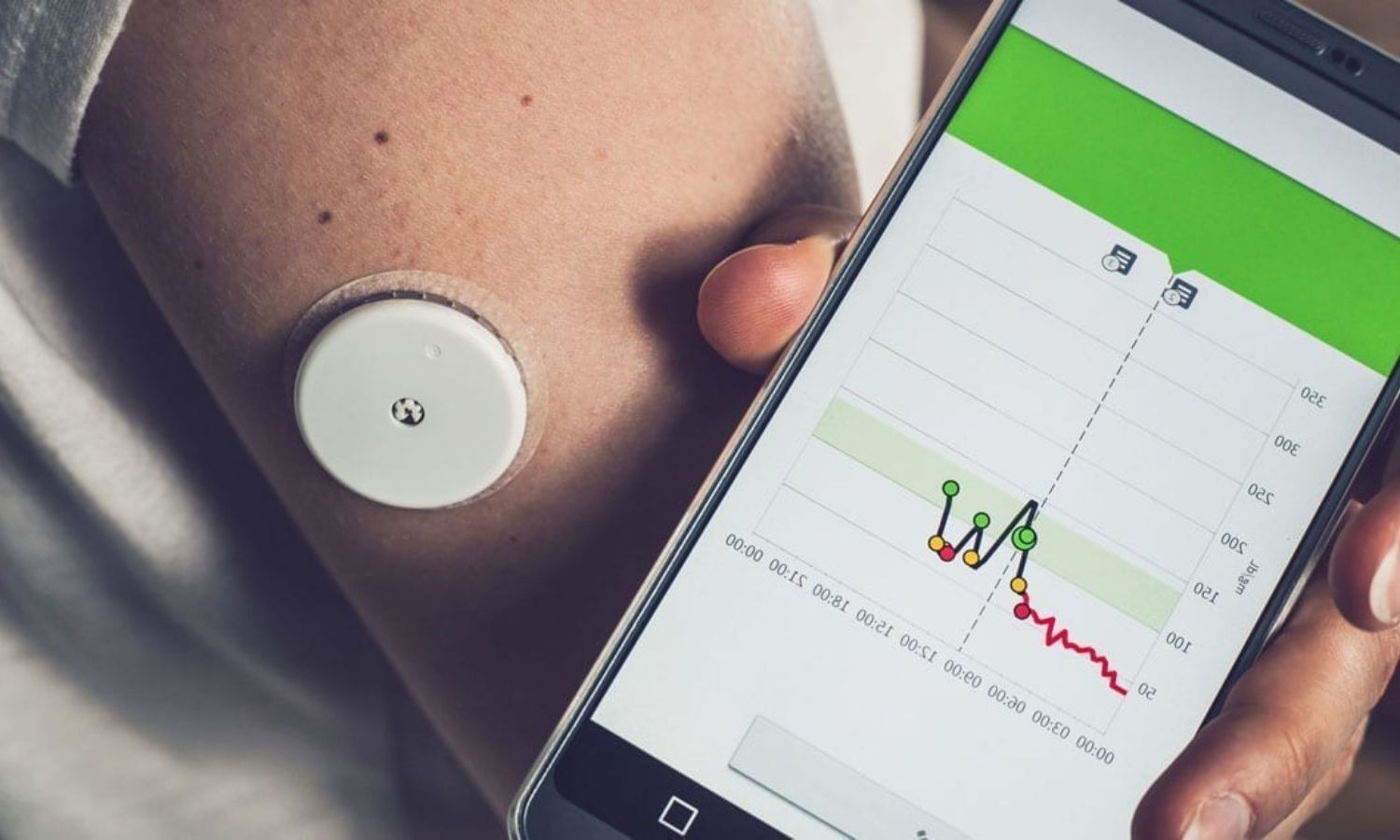
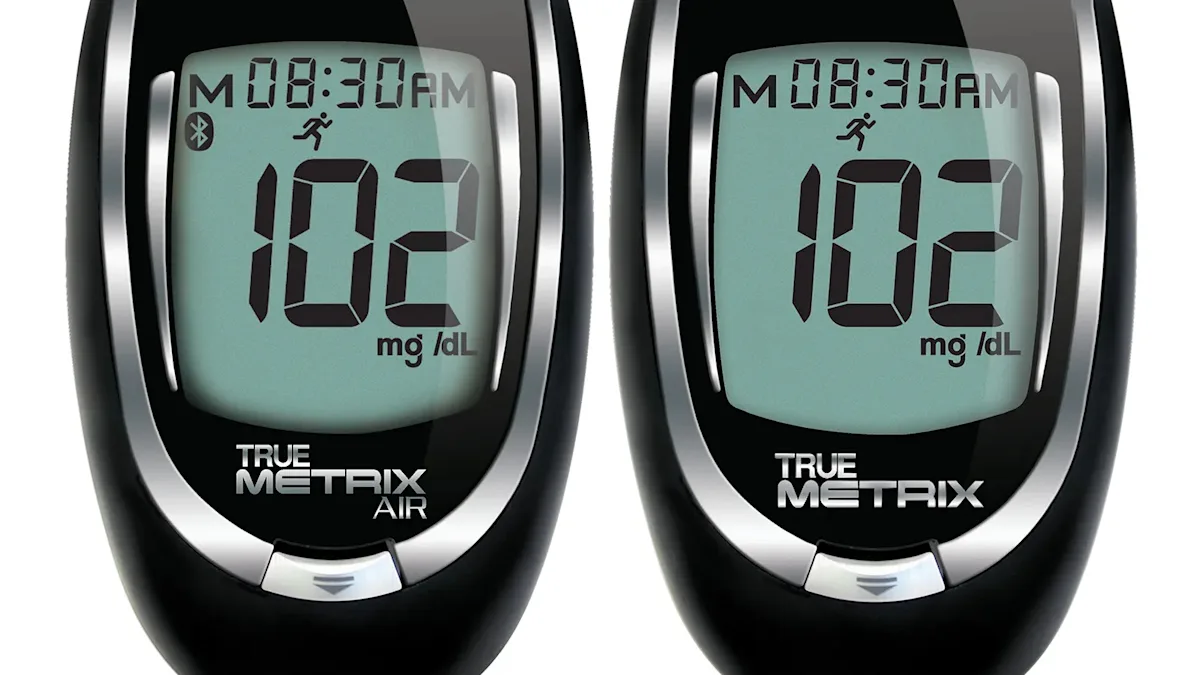
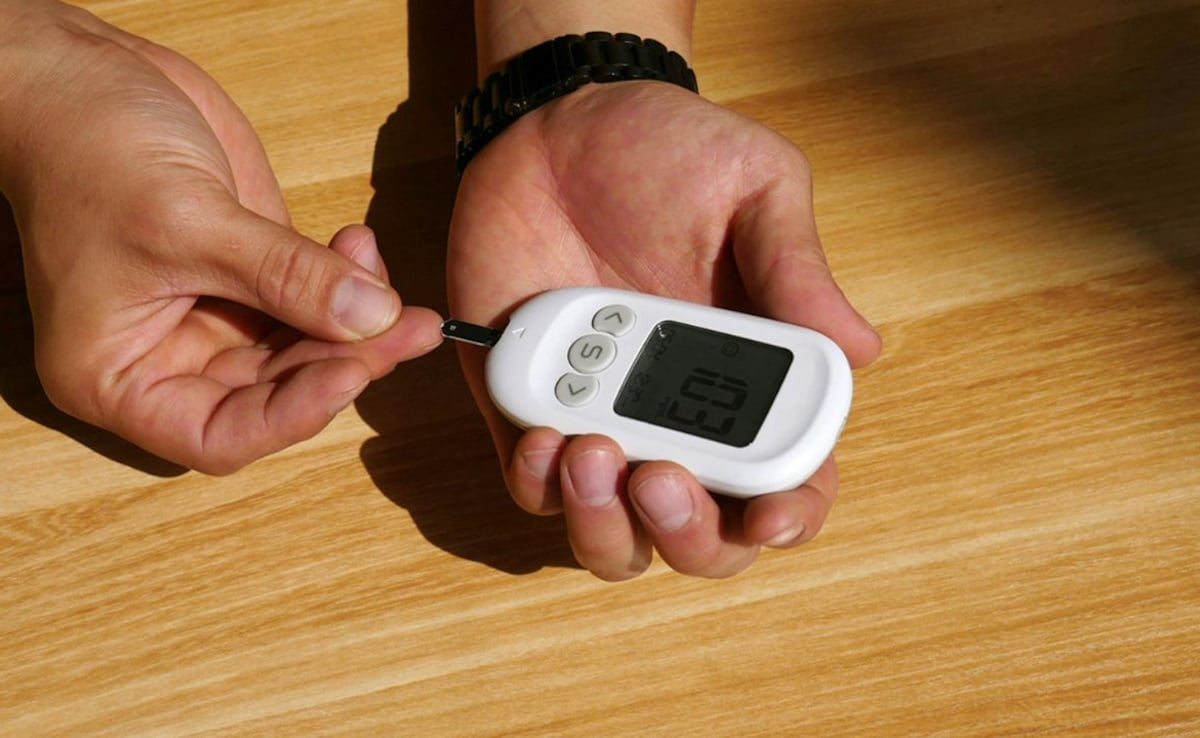
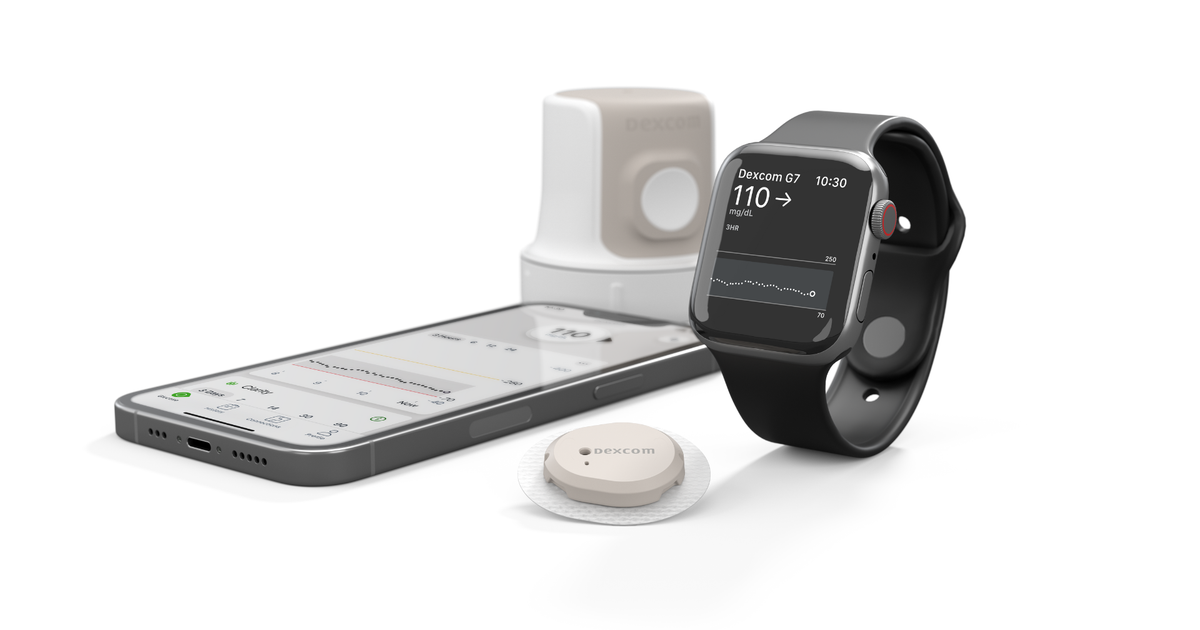
If your blood sugar is consistently high in the morning, it’s important to figure out why. You can help narrow down the cause by checking your blood sugar at bedtime and overnight and considering any habits that could be contributing. A continuous glucose monitor can help by checking your blood sugar all night long.
Having high blood sugar at bedtime suggests you aren’t getting enough insulin for the amount of carbohydrates you are consuming. On the other hand, a normal bedtime blood sugar that rises overnight could be explained by the dawn phenomenon or a basal insulin timing issue.
Your healthcare provider can help narrow down the cause and make recommendations to keep your blood sugar at healthier levels throughout the day and night.
:max_bytes(150000):strip_icc():format(webp)/1000x1000pixjpg-f61393eb490a4aeba57e413c255b93af.jpg)