For most adults, a blood test is unpleasant but usually easy to handle. The experience is very different for newborn babies, especially those born early. Even a small medical procedure can feel very intense for such young patients.
In a recent review, experts report that a simple sugar solution called sucrose may help ease pain in babies during common hospital procedures.

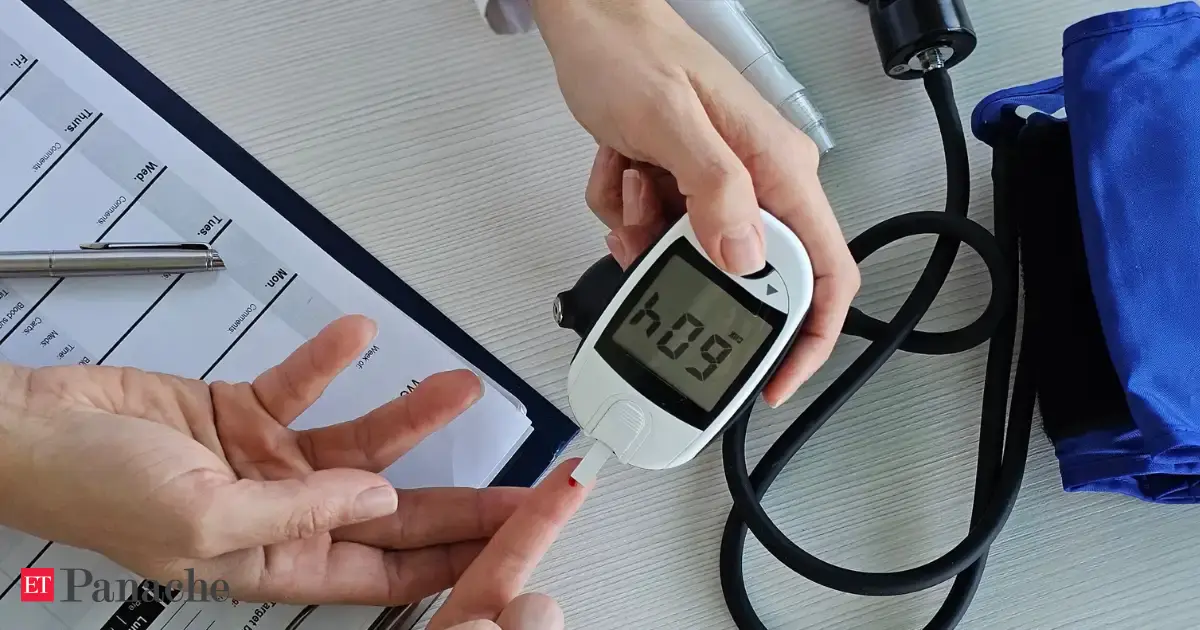
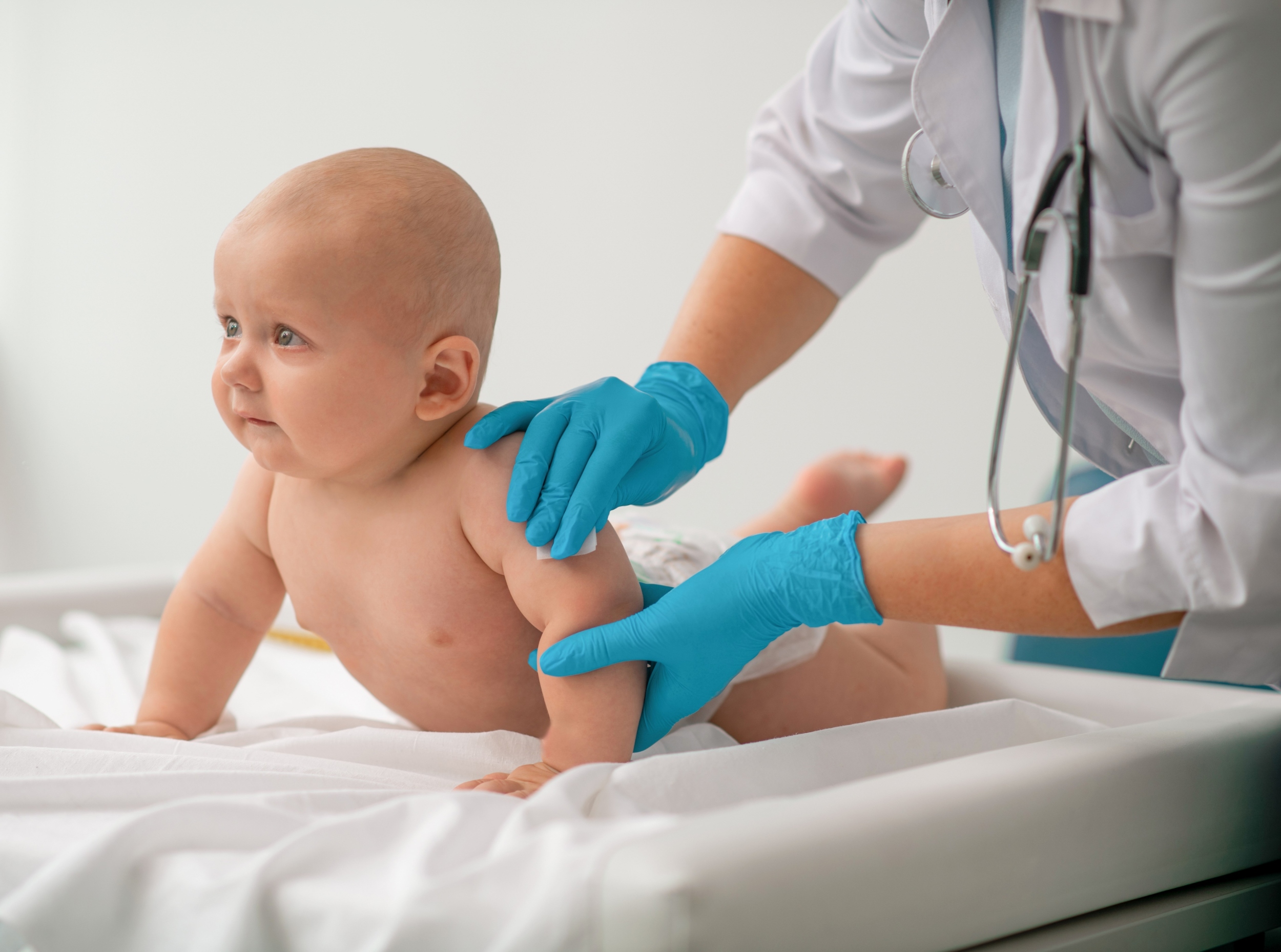
Doctors often carry out procedures such as venepuncture on newborns. This procedure involves drawing a small amount of blood with a needle for medical testing.
Many babies in hospitals experience this several times, particularly babies receiving care in neonatal intensive care units.
The review found that giving a tiny amount of sucrose in a baby’s mouth shortly before the procedure can reduce pain and make the experience more comfortable.
Pain in newborn babies
Newborn babies often need medical tests soon after birth. Some babies, especially those born early, stay in neonatal intensive care units where doctors watch their health very carefully.
During this time, doctors and nurses may need to carry out several procedures that use needles.
Newborn babies do not handle pain the same way older children or adults do. Their bodies are still developing, so even small procedures can feel very painful.
If babies go through repeated pain without proper relief, it can affect their comfort and may also influence their growth and brain development.
Because of this, doctors and nurses try to find safe ways to reduce pain during these procedures. Simple and safe pain relief methods that work well in hospitals are very important for newborn care.
Sugar helps babies during tests
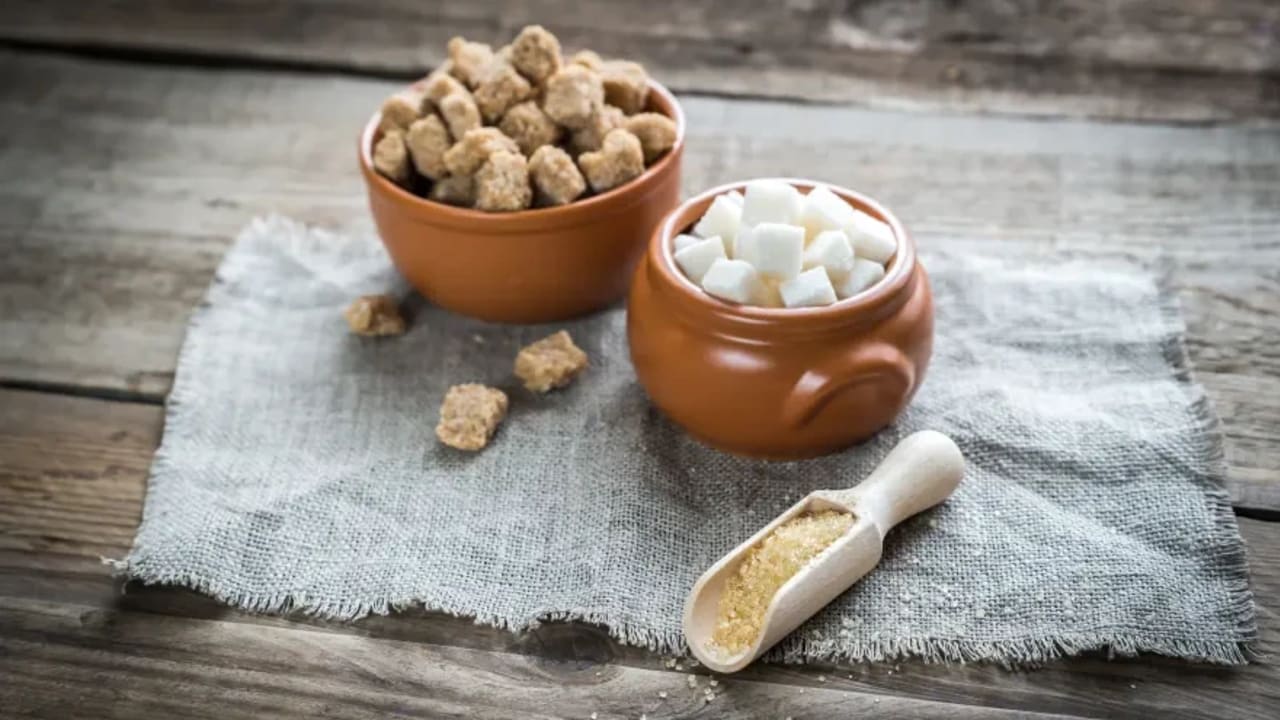
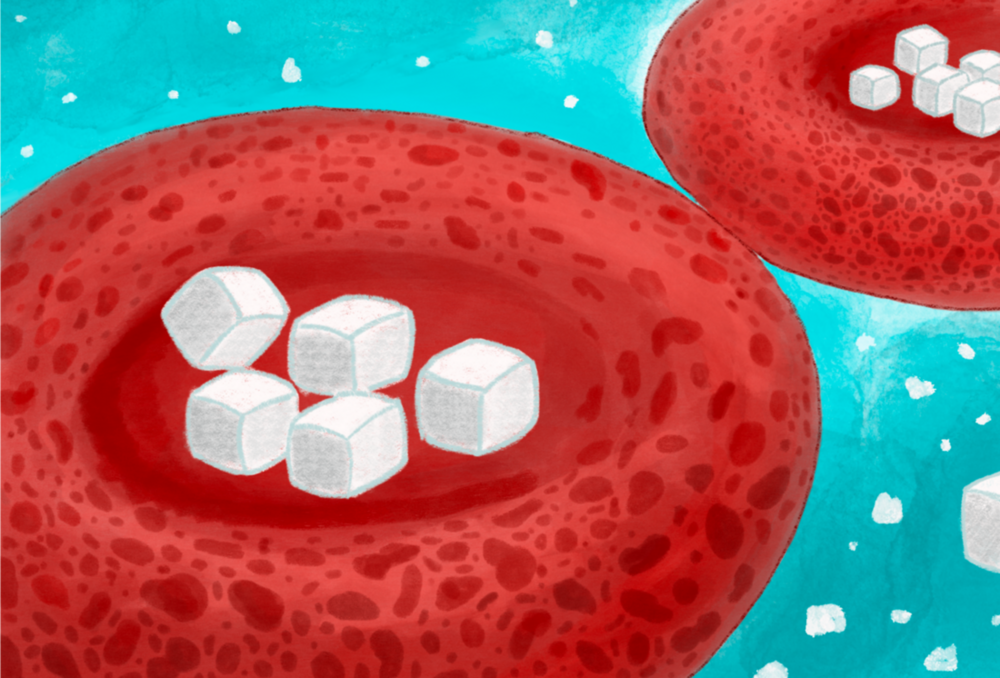
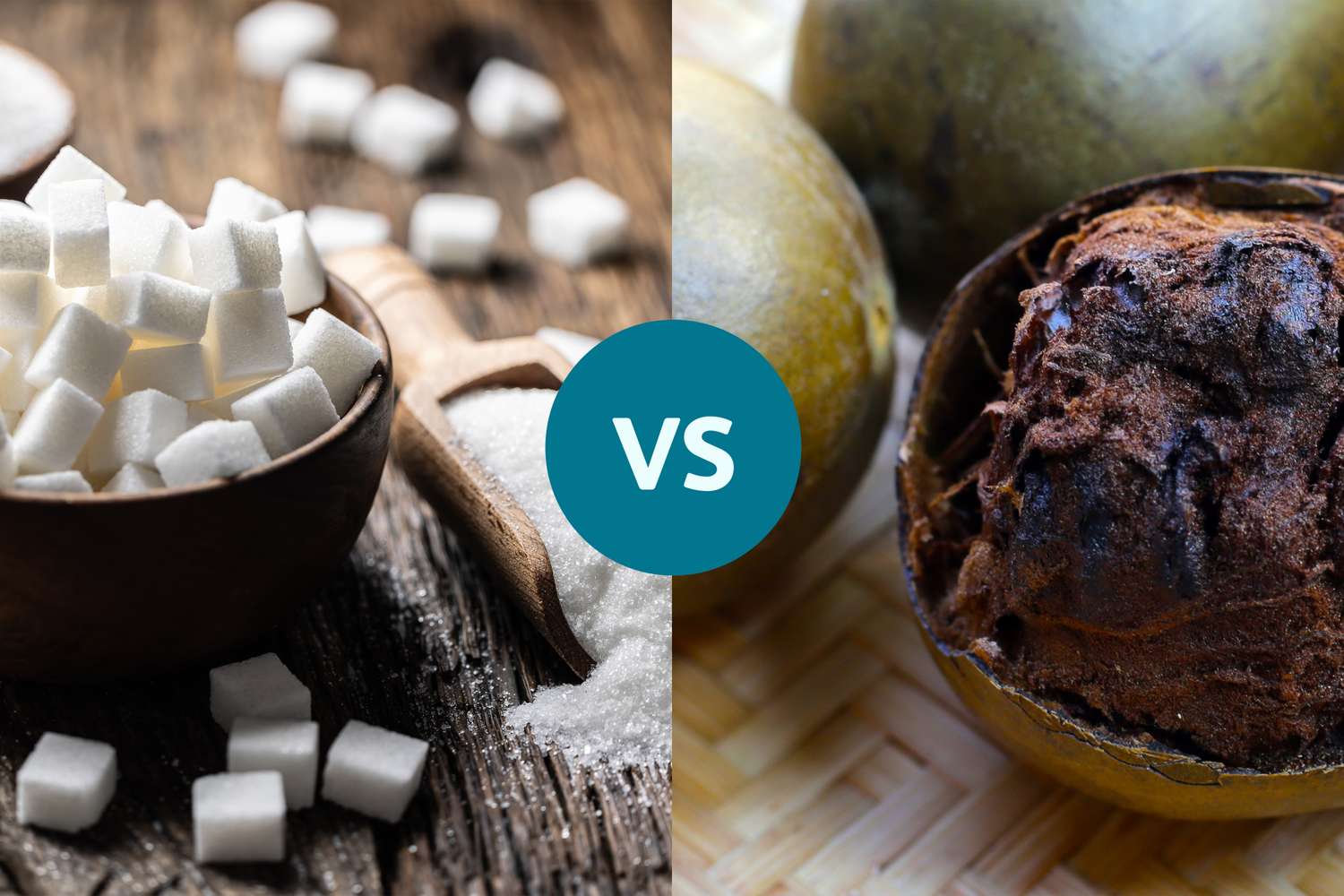
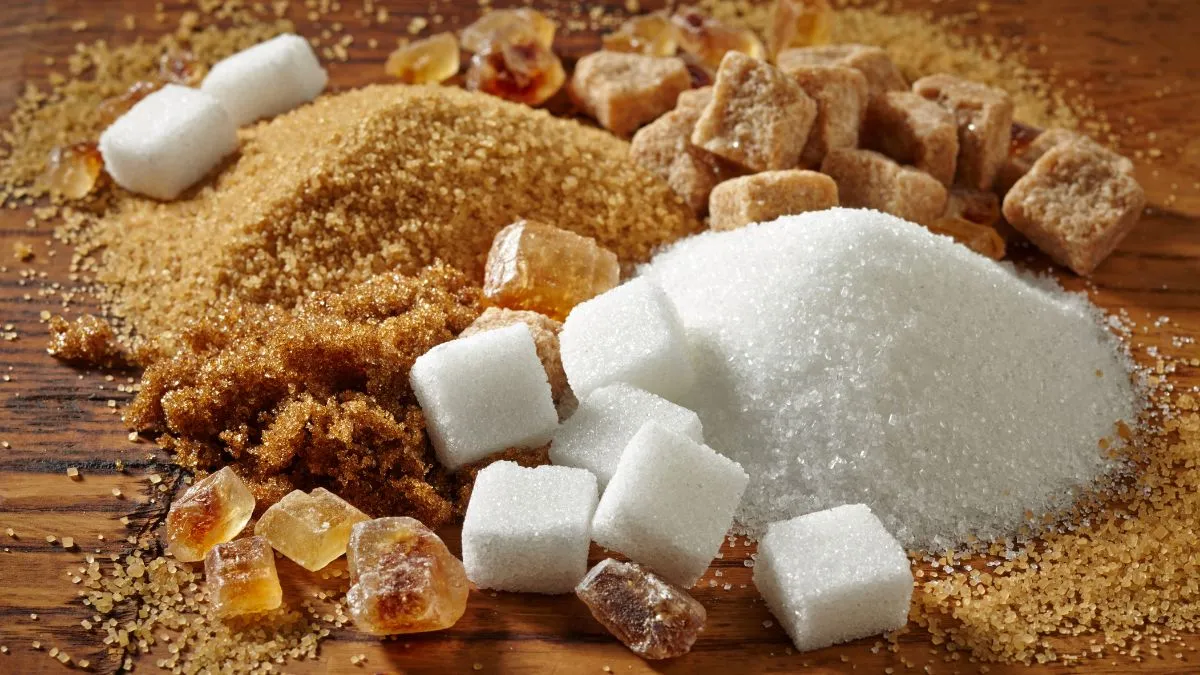
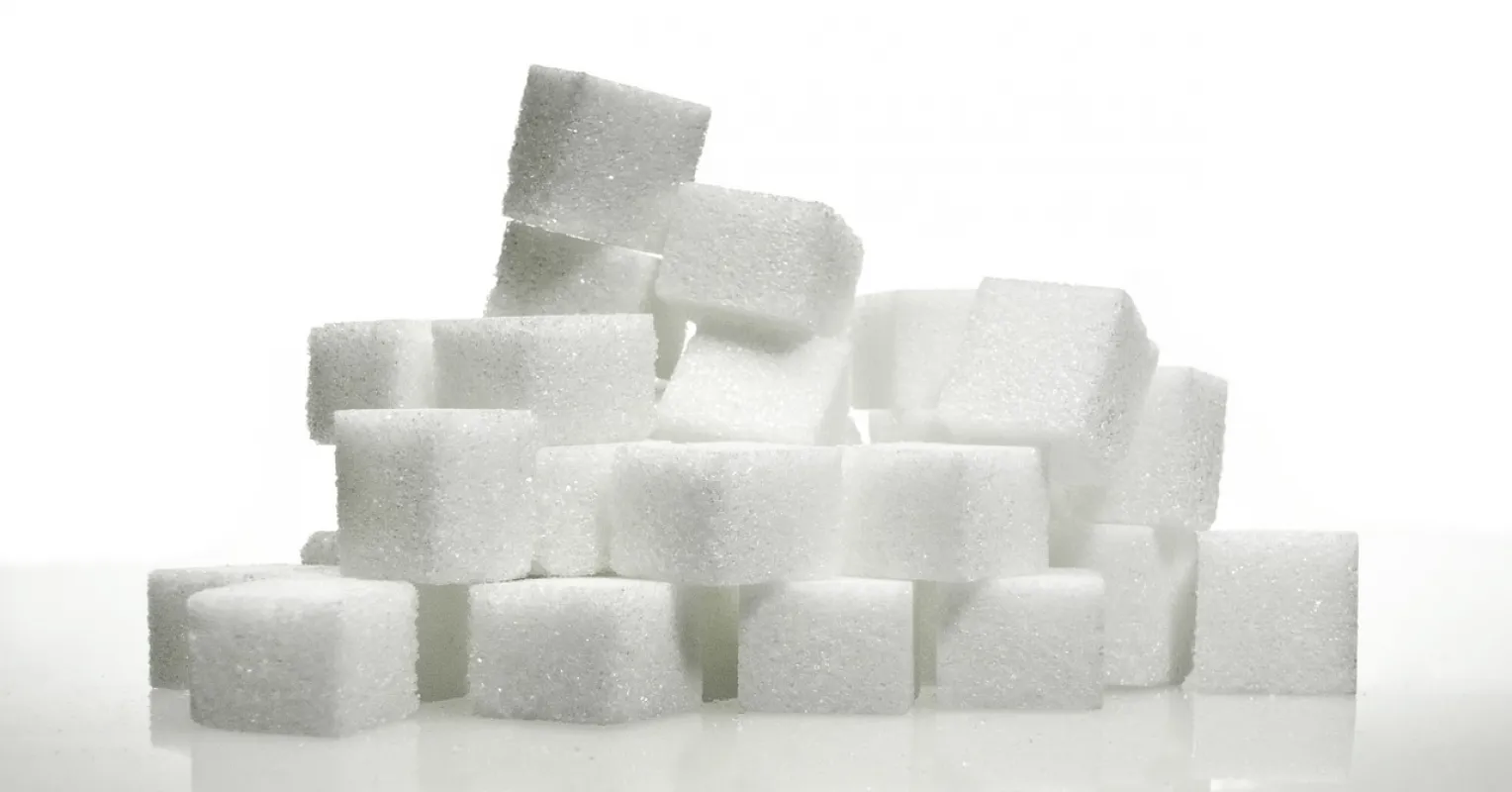
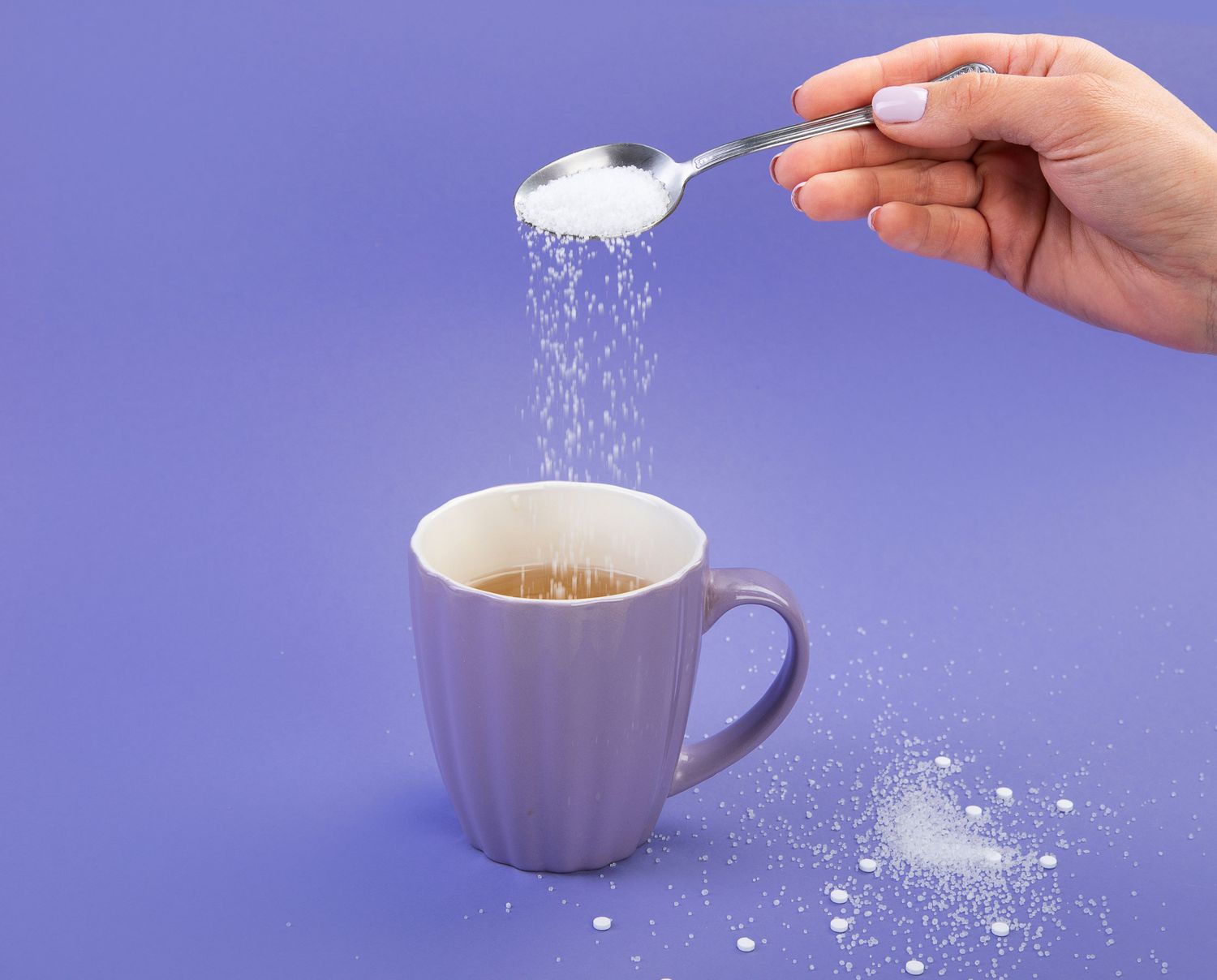
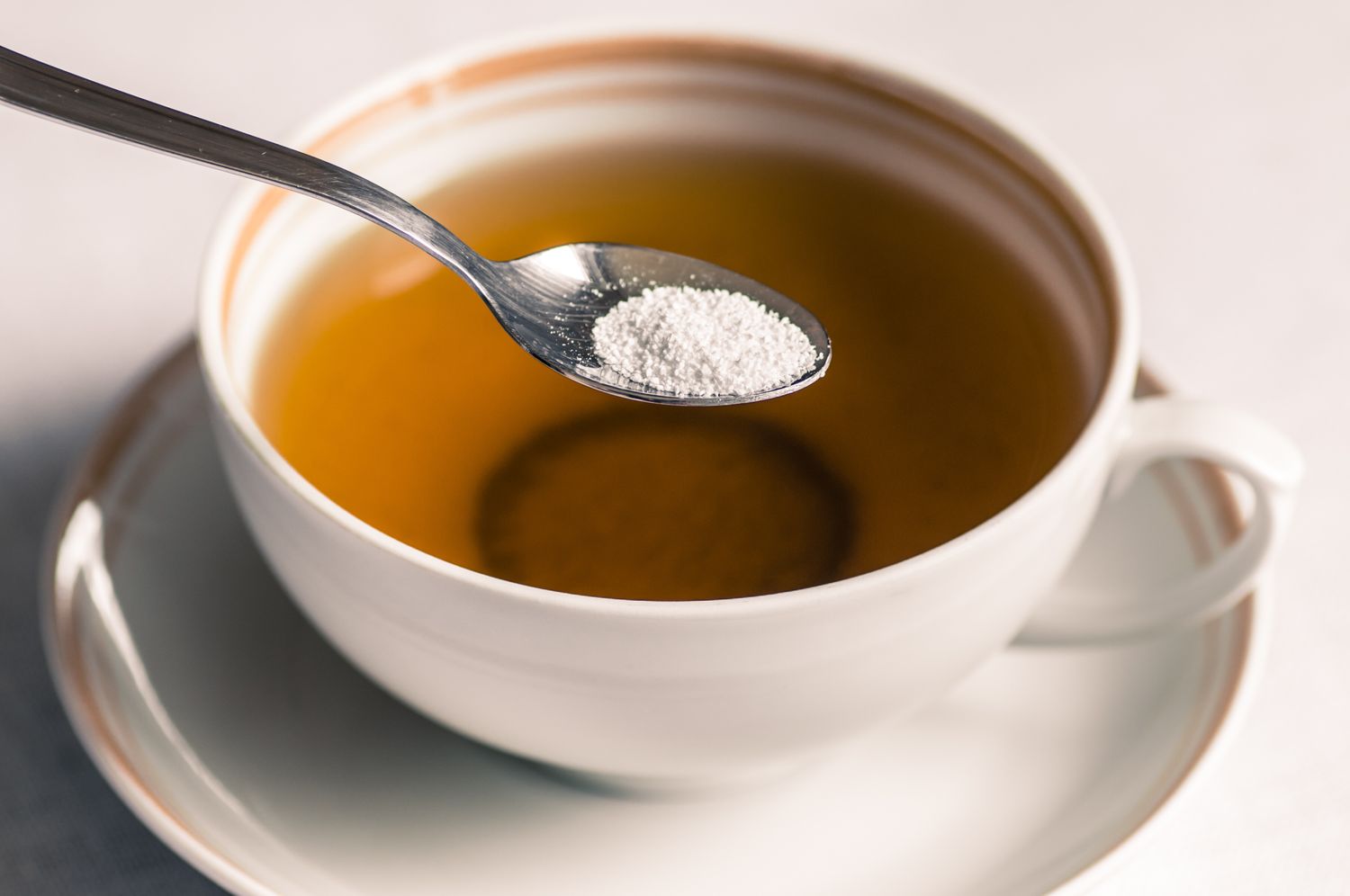
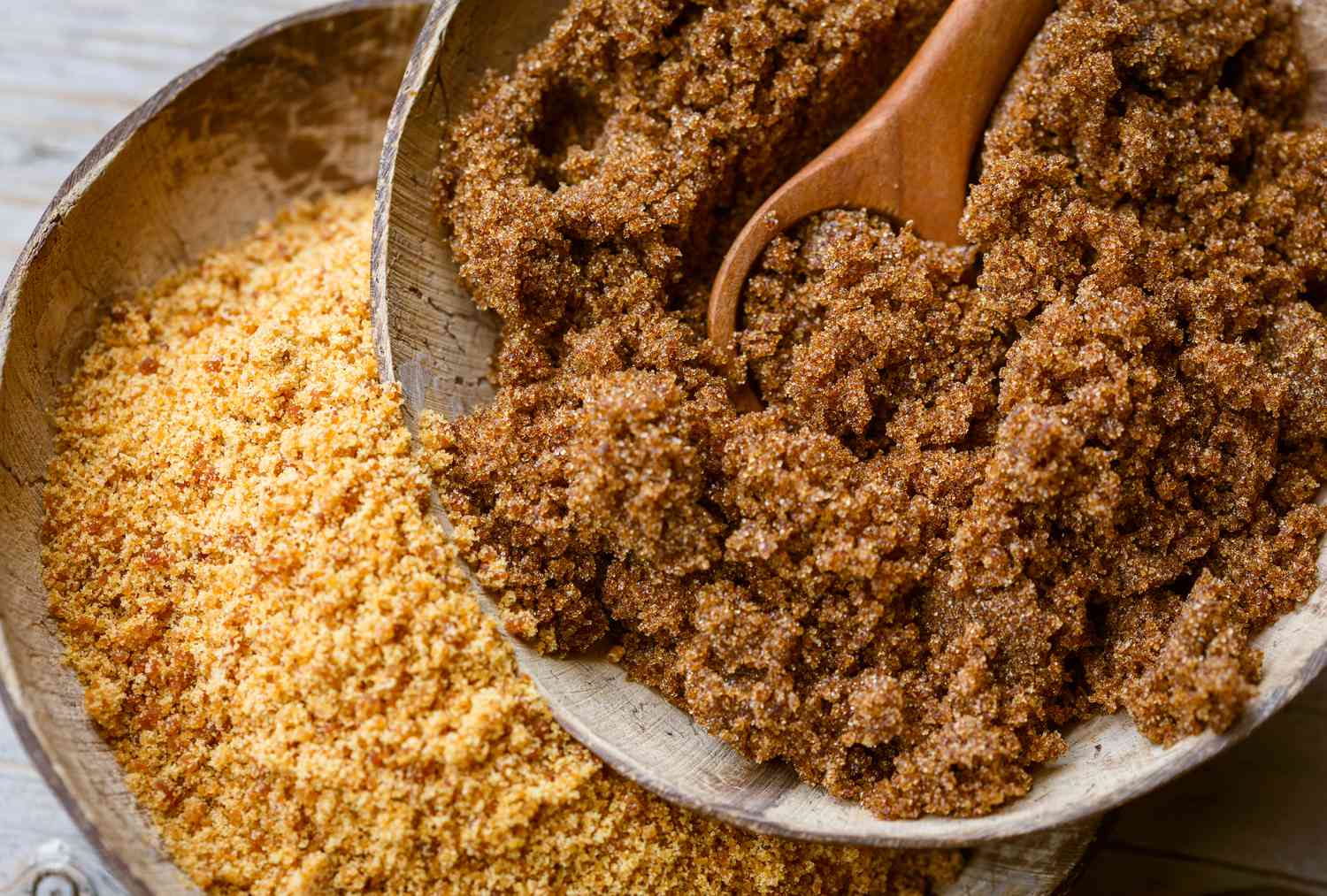
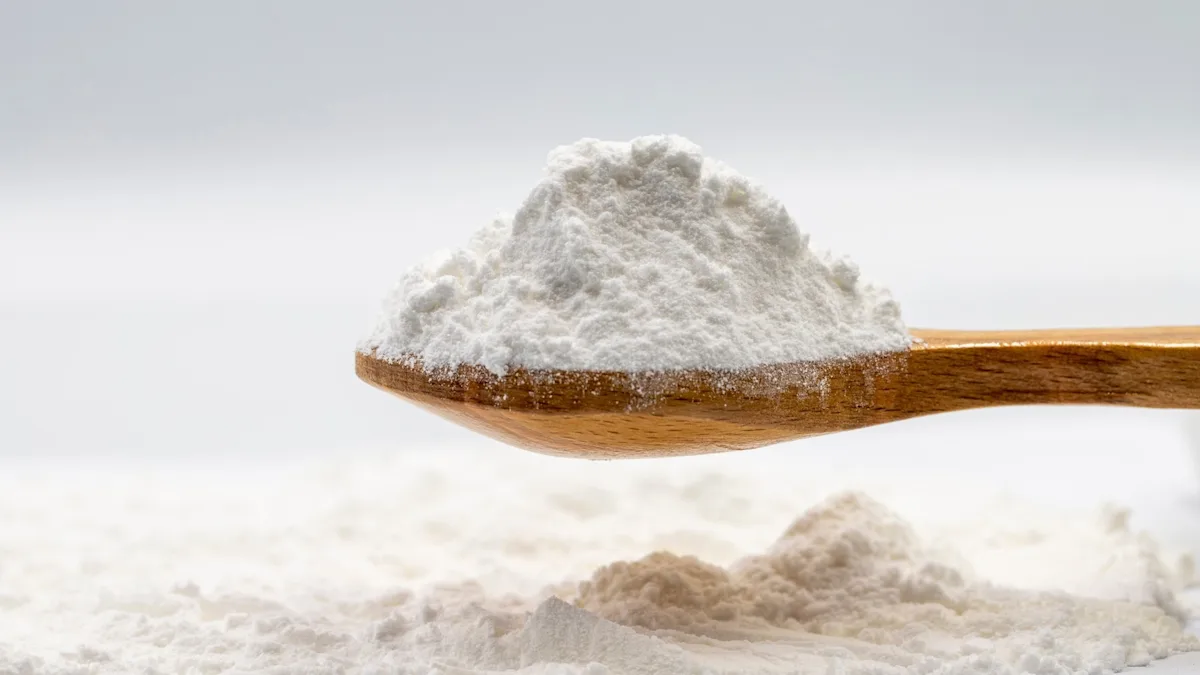
Sucrose is a type of sugar. In some hospitals, doctors give a few drops of a sucrose solution to a baby just before a needle procedure. The sweet taste can soothe the baby and help reduce pain.
Hospitals have used this method for many years because it is simple and low cost. Still, researchers wanted stronger scientific proof to understand how well it works during certain procedures such as venepuncture.
To find clearer answers, the Cochrane review examined results from many studies. Researchers looked closely at whether sucrose actually helps babies feel less pain during blood tests and other similar medical procedures.
Large review of clinical trials
The researchers examined 29 clinical trials that included more than 2,700 babies. These babies were either preterm or full-term and needed venepuncture while in hospital.
The studies compared babies who received sucrose with babies who received no treatment, water, or standard care.
The results showed that sucrose probably reduces pain during and immediately after the needle procedure. The effect became even stronger when babies also used non-nutritive sucking, such as sucking on a pacifier or dummy.
“Newborn babies undergo frequent needle procedures in hospital without any pain relief or comforting measures, even though older children and adults rarely have these procedures done without pain care,” said study lead author Mariana Bueno from the University of Toronto.
“The evidence shows that a small amount of sucrose given just before the procedure is a simple, fast and effective way to reduce that pain. Our review helps clinicians use this evidence more confidently and consistently in practice.”
A low-cost, safe intervention
One important finding from the review is that the small amounts of sucrose used for pain relief did not cause immediate side effects in the babies included in the studies.
This makes sucrose a useful option in hospitals because it is safe, low-cost, and easy to administer.
However, the studies mainly looked at short-term effects. The researchers say more studies are needed to understand whether repeated use over long periods could have any long-term effects on babies who stay in neonatal care for extended time.
“Parents may be surprised to learn that something as simple as a few drops of sugar solution can make a real difference to their baby’s comfort during blood tests,” said co-author Ligyana Candido from the University of Ottawa.
“This is a low-cost, safe intervention that works within minutes, and it can be especially helpful when other comforting methods like skin-to-skin contact or breastfeeding aren’t possible.”
Hospitals need clear guidelines
Even though many hospitals already use sucrose, the review found that medical staff often give it in different ways. Some hospitals use different doses, while others give it at different times before the procedure.
“What stood out to me when doing this review was the wide variation in how sucrose was given to newborns,” Bueno added.
Because of this variation, researchers believe hospitals should create clearer medical guidelines. Doctors and nurses should treat sucrose like other medications. Medical staff should record when it is given, how much is used, and why it is used.
“To ensure safety and clinical consistency, sucrose must be administered under formal medication protocols that define specific timing and dosage for painful procedures,” said study co-author Jiale Hu from Virginia Commonwealth University.
The study is published in the journal Cochrane Database of Systematic Reviews.
—–
Like what you read? Subscribe to our newsletter for engaging articles, exclusive content, and the latest updates.
Check us out on EarthSnap, a free app brought to you by Eric Ralls and Earth.com.
—–