
Credit: cristianoalessandro / Getty Images
Key Takeaways
-
Once dismissed after the movie Sideways, Merlot is quietly regaining prestige as top producers from Napa to Bordeaux and Bolgheri showcase its depth, structure, and elegance.
-
Winemakers are challenging perceptions through blind tastings and by planting Merlot on Napa’s best soils rather than treating it as secondary to Cabernet Sauvignon.
-
From Château Lafite Rothschild’s new Merlot-dominant Anseillan to La Côte Lascombes in Margaux, even Bordeaux’s Cabernet strongholds are reaffirming Merlot’s place among the world’s great wines.
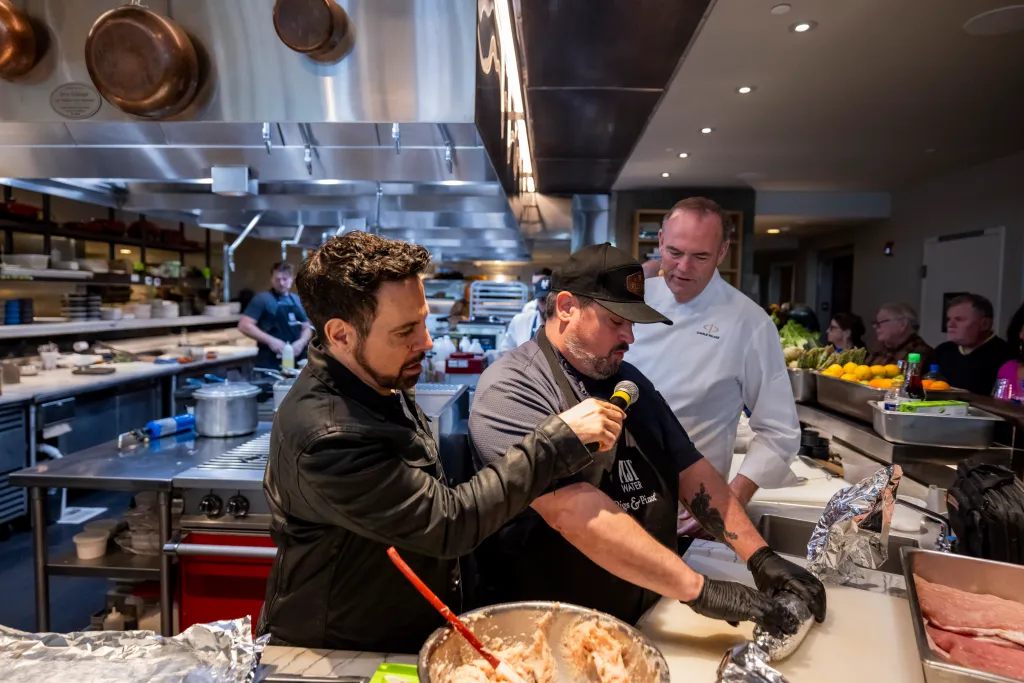
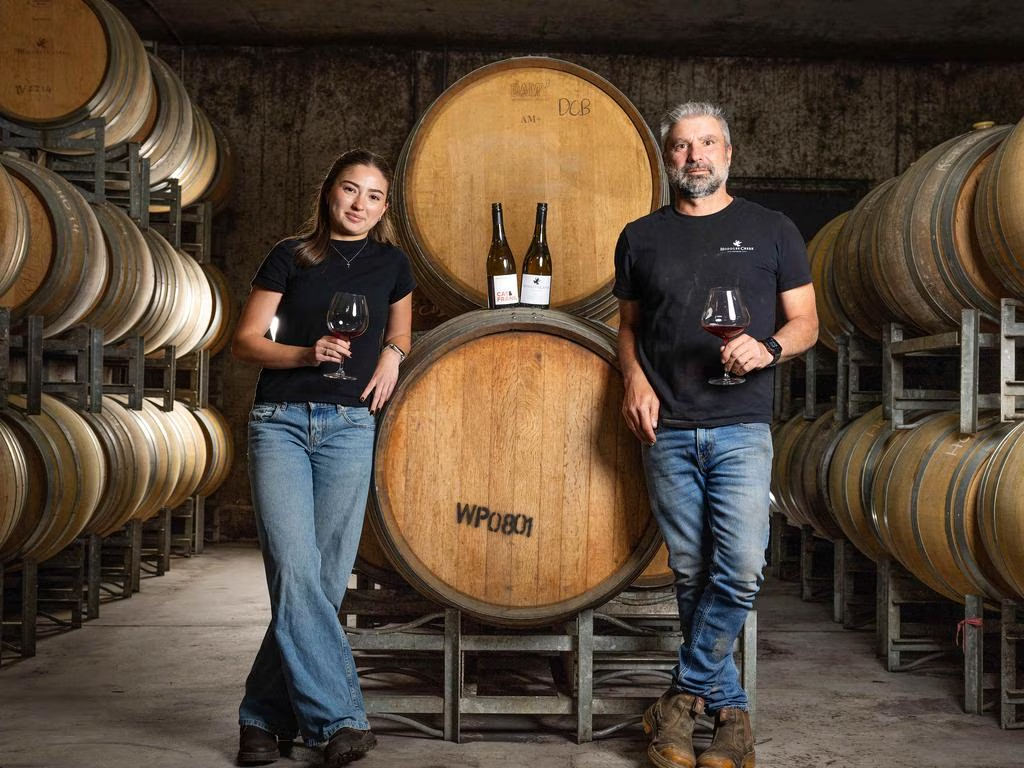
In 2004, a single line of movie dialogue did what no harvest failure or market crash could: it nearly killed an entire category. After Sideways, Merlot became shorthand for everything unsophisticated about American wine culture, and the industry largely obliged. Twenty years later, serious producers are making the counterargument. At Sullivan Rutherford Estate in Napa, winemaker Jeff Cole makes it one blind tasting at a time.
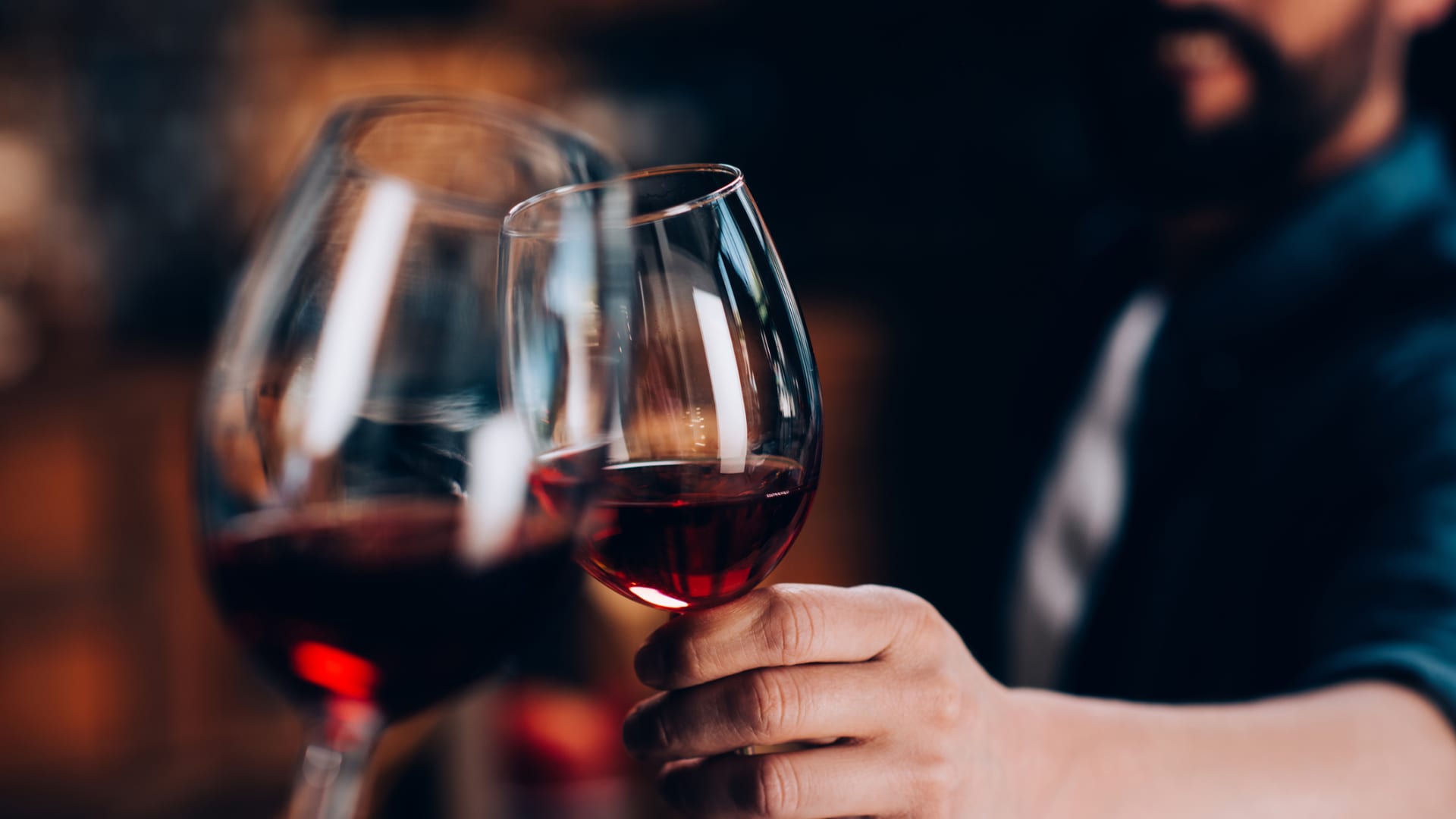
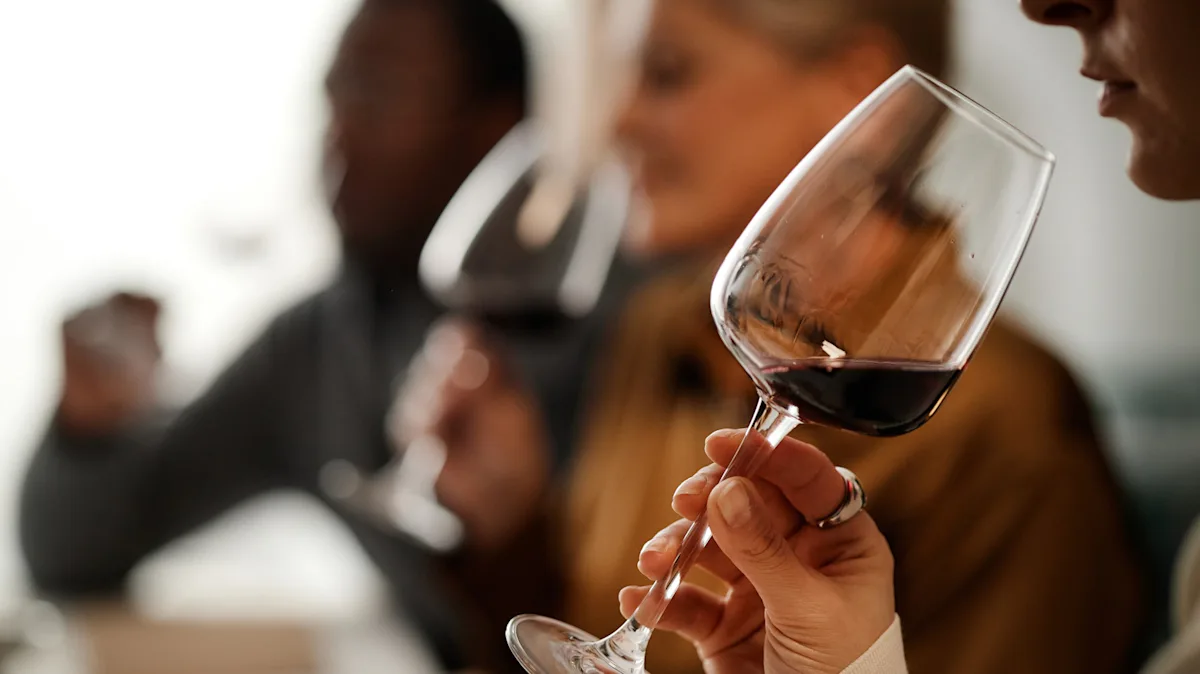
Three anonymous glasses of 2018 Merlot sit on the table — one from Bordeaux’s Pomerol, one from Tuscany’s Bolgheri, one from the vineyards at Rutherford Estate. He doesn’t say which is which. But his point is profound: Merlot should be evaluated among the places where it has long been iconic. No speech about “saving” the grape, no apology for a category that lost its footing. Instead, Cole asks tasters to start where most arguments about wine should: with what’s in the glass. Only after they’ve talked about structure, fruit, and tannin does he reveal the labels.
What Cole is really doing is reminding people that America’s complicated relationship with Merlot is largely America’s problem. Elsewhere, the grape has never needed rehabilitation.
Related: Tired of Pricey Cabernet? These 17 Washington Reds Are Worth Your Attention
Some of the most coveted red wines in the world
In Pomerol, Pétrus is planted entirely to Merlot on a plateau of blue clay. It has long been considered one of the most profound wines on earth: silky, layered, almost otherworldly in concentration. Across the Right Bank, Château Angélus and Château Cheval Blanc have built their identities around Merlot-dominant blends of remarkable depth and aging potential. And in Italy’s Bolgheri, Merlot and Masseto have become essentially synonymous: a 100% Merlot bottling that commands prices rivaling Bordeaux’s finest and helped define the Super-Tuscan category on the world stage.

Credit: Cavan Images / Getty Images
Perhaps the most telling signal that Merlot’s moment is arriving again comes from an unexpected direction. Even the Cabernet-centric estates of Bordeaux’s Left Bank — long standard-bearers for Cabernet Sauvignon — are now turning their attention to the grape.
Château Lafite Rothschild, the first growth whose Pauillac terroir is synonymous with Cabernet dominance, quietly introduced Anseillan with the 2018 vintage: a Merlot-dominant blend and the house’s first entirely new wine in more than a century. Meanwhile, at Château Lascombes in Margaux, director Axel Heinz — who spent more than fifteen years building Masseto into one of Italy’s most revered bottles — arrived in 2023 and quickly isolated a single block of 60-year-old Merlot to produce La Côte Lascombes, a 100% Merlot bottling launched with the 2022 vintage and priced above the estate’s grand vin. That the man who spent nearly two decades overseeing Bolgheri’s most celebrated Merlot has brought that same conviction to the Left Bank is no coincidence. It is, as Cole might put it, a palate-training exercise on a global scale.
Move over, Cabernet: Merlot’s quiet rehabilitation in the U.S.
Back in Rutherford, Sullivan’s approach is rooted in a frank diagnosis of how the category got into trouble in the first place.
“By and large, the best soils in Napa have been planted with Cabernet,” says Cole. “While the least favorable soils were planted with everything else, including Merlot. So by default, Merlot wasn’t given a chance to excel.”
Sullivan’s answer has been to invert that logic entirely, having recently replaced eight acres of Cabernet with Merlot and purchased more land for additional Merlot plantings. He’s also standing by its premium quality, with a price of over $300.
“We’re making an excellent bottle of wine, and we’re not going to handicap it by giving in to what the market thinks Merlot should be,” says Cole. “If you’re producing excellence, you need to charge excellence.”
““By and large, the best soils in Napa have been planted with Cabernet. While the least favorable soils were planted with everything else, including Merlot. So by default, Merlot wasn’t given a chance to excel.””
Jeff Cole, winemaker, Sullivan Rutherford Estate in Napa
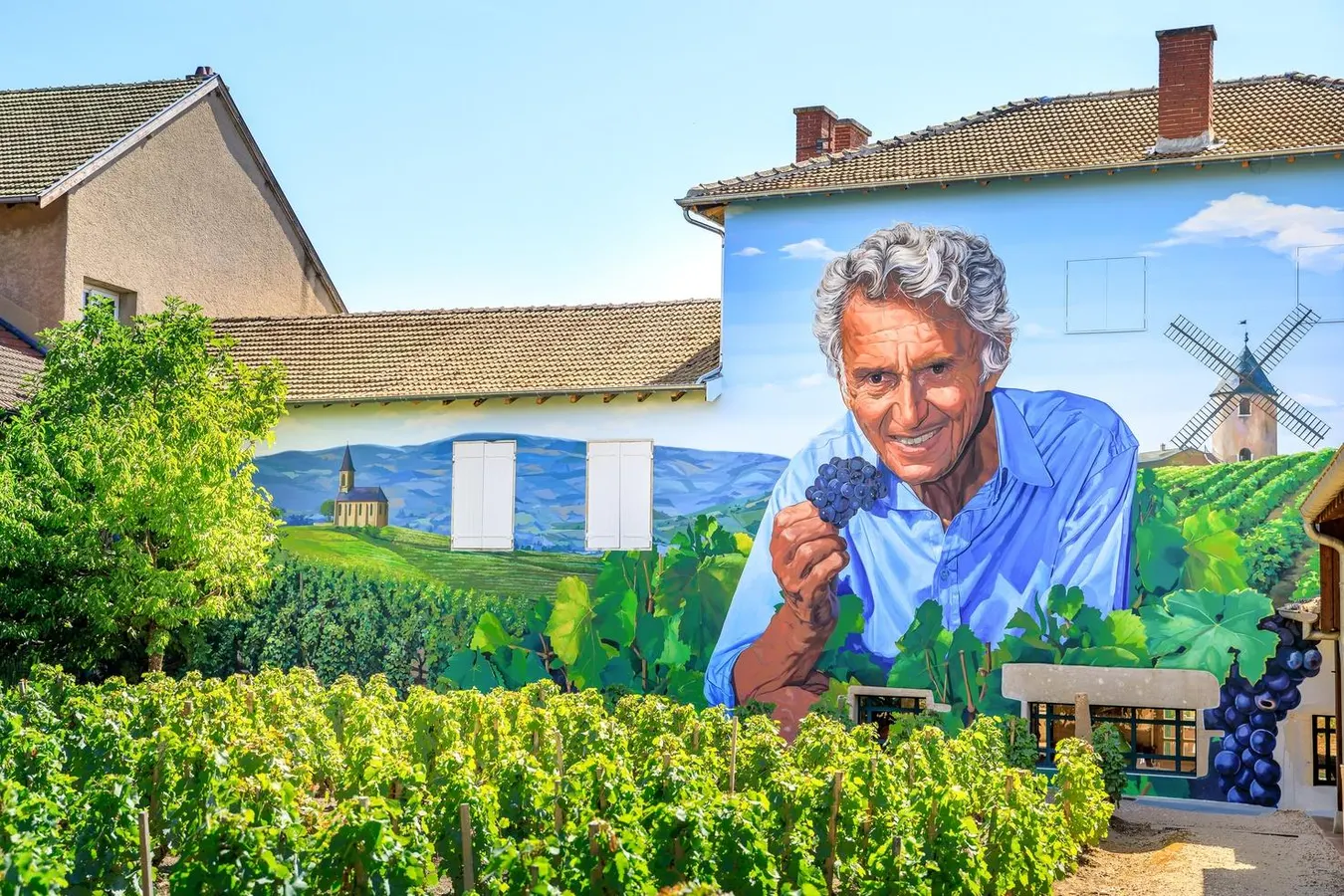
Sullivan is a useful lens, but the broader story of Merlot’s quiet rehabilitation runs deeper than one estate — and it stands on the shoulders of those who came before. Dan Duckhorn of Duckhorn Vineyards, who passed away on Wednesday, February 25, was among the first to argue that Napa Merlot deserved to be taken seriously. Long before the category had cachet, he built an identity around it at a time when few others would, earning him a reputation as the valley’s original champion of the grape.
“Duckhorn stayed committed to Merlot when few believed and invested in its potential here,” says Joshua Lowell, general manager at Sullivan. “His work inspired us to explore just how far Merlot can go, and challenge long-held assumptions by elevating Merlot to its rightful place among Napa Valley’s most serious wines.”
The producers making that same argument today owe him a debt that is difficult to overstate.
Across Napa, producers from Whitehall Lane in Rutherford and PlumpJack in Oakville to Matthiasson in the Oak Knoll District and Barnett Vineyards of Spring Mountain District are treating the grape with a similar level of seriousness.
The economics tell their own story. Napa’s 2024 crop report shows Merlot ranking third in total value among all varieties in the valley (10,921 tons from 3,515 bearing acres) and commanding a higher average price per ton than Chardonnay despite the white grape having more than 2,100 additional bearing acres. The grape never actually left. It just stopped being fashionable to take seriously.

Credit: Photo by Jak Wonderly for Sullivan Rutherford Estate
At Whitehall Lane, winemaker Jason Moulton frames the case for quality Merlot around fundamentals that apply anywhere the grape is grown well.
“You really do have to start with a great site,” says Moulton. “And the farming needs to be just as impeccable as the terroir in order to ensure that all that pure red fruit is balanced with the savory character that has made it such a serious wine elsewhere.”
The payoff, he argues, is a wine that fills a real need at the table.
“Really well-balanced Merlot offers a sense of discovery that many consumers and collectors are especially interested in right now,” he says.
Steve Matthiasson of Matthiasson Wines echoes Moulton on the primacy of site, adding that the type of “Goldilocks” location Merlot needs to unlock its true potential must be well-drained, but not excessively stressful, and cooler than most people assume. When those conditions align, he describes Napa Merlot at its best, offering, “an understated version of Cab-like power, but with fruits, flavors, and texture that delivers more of a caress. But a firm caress, not overly soft.”
According to Matthiasson, when the site falls short, there’s no recovery. “There is nothing that can be done in the cellar to boost up a weak Merlot,” he says.
A shift in consumer perception
That sentiment resonates with the people on the other side of the transaction. Steven McDonald is a master sommelier and wine director for Pappas Bros. Steakhouse in Houston and Dallas. From the vantage point of an award-winning steakhouse, where guests are often ready to be challenged, he has watched consumer attitudes toward Merlot evolve.
“The biggest misconception about Merlot is that the grape is only capable of making simple wines,” he says. “However, when it’s grown in the soils and climates that give the best expressions, the wines can be transformative.”
McDonald’s benchmark list for skeptics includes Château Pétrus, Le Pin, Masseto, and, notably, J.O. Sullivan Founder’s Reserve Merlot.
That last inclusion is the kind of validation that suggests the blind tasting Cole sets up in Rutherford may be working on a larger scale than one winery. Merlot’s problem was never structural. It was perceptual. The grape has been making the case all along. Drinkers only need to listen.
Read the original article on Food & Wine