The biggest news of the week, the
U.S. and Israel attacking Iran,
has been the big mover on the grains market this week.
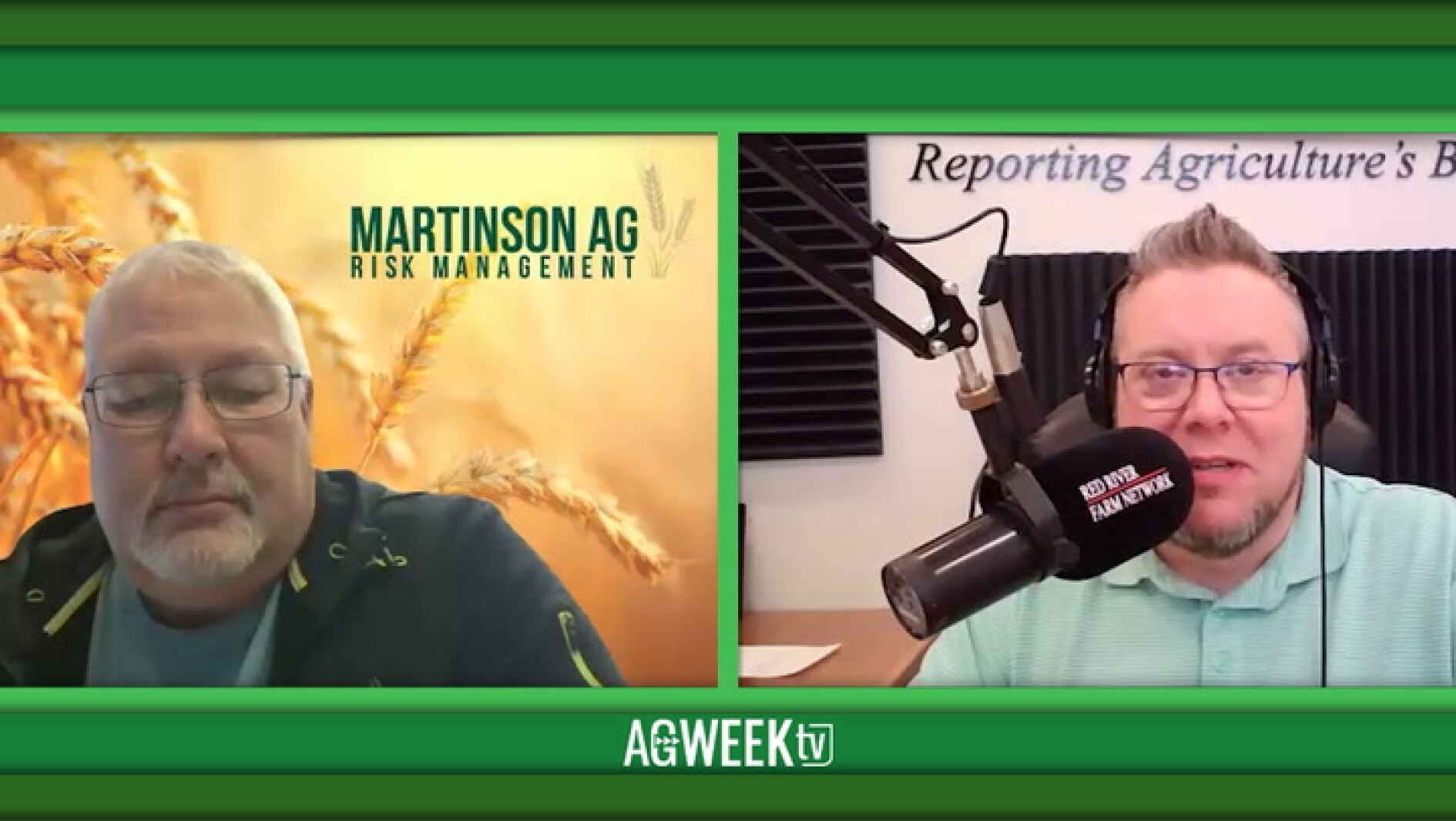
That’s especially true as it relates to the effect the attacks are having on crude oil and fertilizer prices, according to Randy Martinson, president of Martinson Ag Risk Management. He discussed the impact seen this week with Jamie Dickerman of the Red River Farm Network on Friday, March 6, during the Agweek Market Wrap.
While it seemed a de-escalation might be seen in market volatility during the week, crude oil made another jump on Thursday and was showing an increase of over $5 on Friday morning.
The crude oil surge was lifting wheat, corn and soybeans to finish out the week on Friday higher. Some reasoning behind a crude oil price increase is that OPEC production cuts were made because of the logistics of trying to move the shipments.
“I mean, they can’t get vessels through the Persian Gulf, through the Strait of Hormuz, and that is causing a little bit of reduction in the pumping of the crude oil, and that really has brought a lot of support into the marketplace,” Martinson said.
On top of that, fertilizer costs shot up following the conflict. Coupling that with a continued strength in corn exports has given support to an expected shift to soybean acres to be planted this spring. Martinson noted that around 25% of the world’s fertilizer and 20% of the world’s crude oil runs through that passage.
“So all that has an impact on what’s going on with the marketplace,” Martinson said.
These shifts are likely to cause the USDA to shift some numbers in upcoming reports. But the changes may be modest, according to Martinson.
Adding more fuel to the grains is what appears to be deteriorated conditions in South America. Brazil’s heavy rains delayed corn and soybean harvest, lowering projections and quality. Meanwhile, the safrihna corn crop is being delayed from planting.
Other news this week included talk that U.S. Secretary of Treasury Scott Bessent and a top trade negotiator from China are expected to meet next week. That could signal that President Trump and China’s President Xi Jinping are still on for an April meeting. That offers some support to the markets that are looking for hope of more trade certainty, namely the soybean market.
Putting more pressure on corn is the continued strength in exports.
“I mean, we’re far ahead of last year’s case, far ahead of expectations. We’re only halfway through the marketing here for corn, too,” Martinson said.
He expects we are about 100 million bushels too low on export projections. He feels the ethanol projections are closer, but could be in need of a 50-million-bushel increase.
Wheat has been in the background for years, but is now leading the rally. That has to do partially with events around the world, but also with weather conditions in the southern United States that are weighing on those crops.
While the grains are seeing some gains, livestock appear to have hit their top for now.
“It still looks like there’s some concerns out there,” Martinson said of the beef market. “And part of it is, you know, crude oil prices are running. That’s taking away disposable income for the average consumer.”
An increase to the gas budget could mean a cut to the beef buying budget. The stock market has also taken a tumble.
“I was hoping we could make a test of the old contract highs, but this market is looking tired right now, and it’s looking like it’s going to struggle to try to get there,” Martinson said.
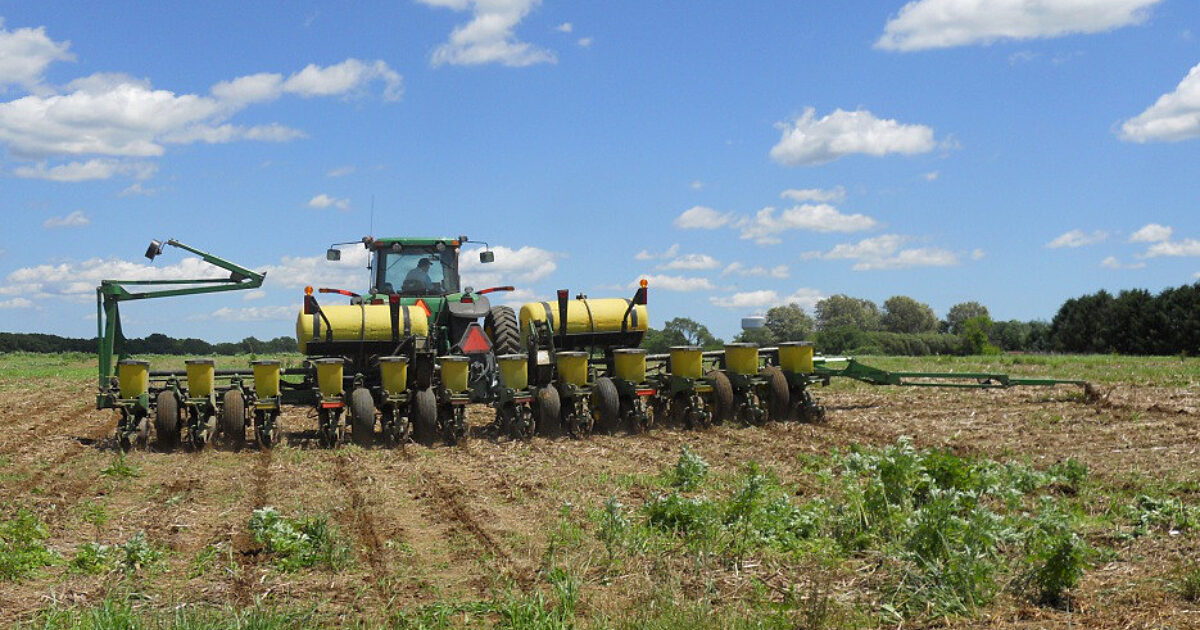
Looking ahead, Martinson is watching for the planted acres report to come out at the end of the month. Those surveys from USDA are out now and, if completed, will tell a story of what farmers expect to plant this spring.
A World Agriculture Supply and Demand Estimates report is to come out on Tuesday, but is not expected to be a big mover of the markets. The prospective planting report is likely to hold far more weight at the end of the month.
(The Agweek Market Wrap is sponsored by Gateway Building Systems.)

Michael Johnson is the news editor for Agweek. He lives in rural Deer Creek, Minn., where he is starting to homestead with his two children and wife.
You can reach Michael at mjohnson@agweek.com or 218-640-2312.