
Reviewed by Dietitian Mandy Enright, M.S., RDN, RYT

Credit: Getty Images. EatingWell Design.
Key Points
-
Chocolate can be a part of a diabetes meal plan when chosen wisely.
-
Choose dark chocolate with at least 70% cocoa most of the time.
-
Eat dark chocolate with a protein source for the best blood sugar response.
About 40 million Americans—12% of the U.S. population—have diabetes, 38 million of them having type 2 diabetes. People with diabetes are often advised to limit their consumption of sweets to help manage their blood sugar levels. But a crucial component of a healthy eating pattern is that it’s enjoyable so you can stick with it for the long haul, which means that occasionally including a dessert or sweet snack can be a smart move—and this includes chocolate. But choosing which chocolate is best for blood sugar can be confusing with all the extras that are added to it—like nuts, dried fruit, caramel and other ooey-gooey additions.
If you have diabetes and want to know how to incorporate chocolate into your eating plan, read on to find out all of the details.
How Chocolate Affects Your Blood Sugar
Chocolates are made with cocoa, cocoa butter, added sugar and milk or dairy solids, so eating this food may cause your blood sugars to elevate more quickly than foods with more fiber and protein or less added sugar.
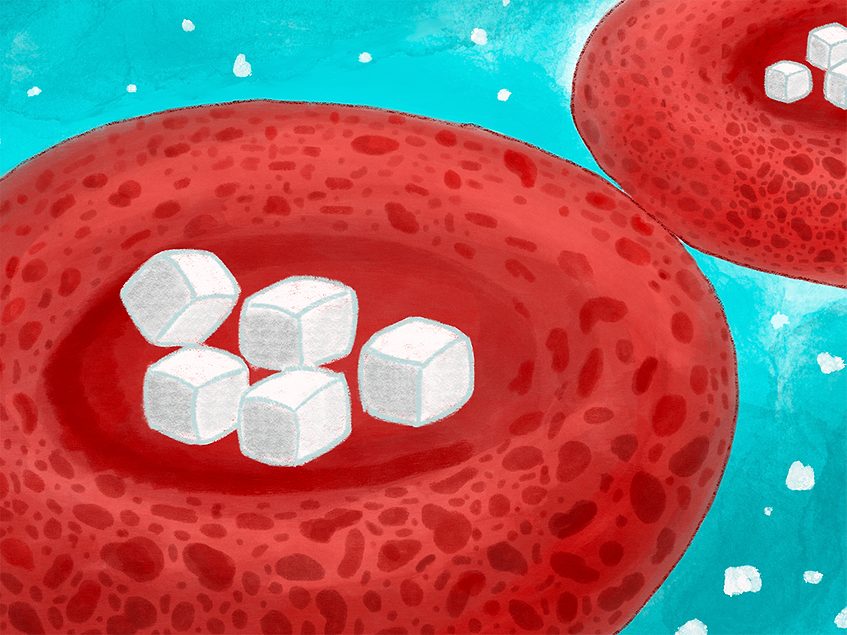
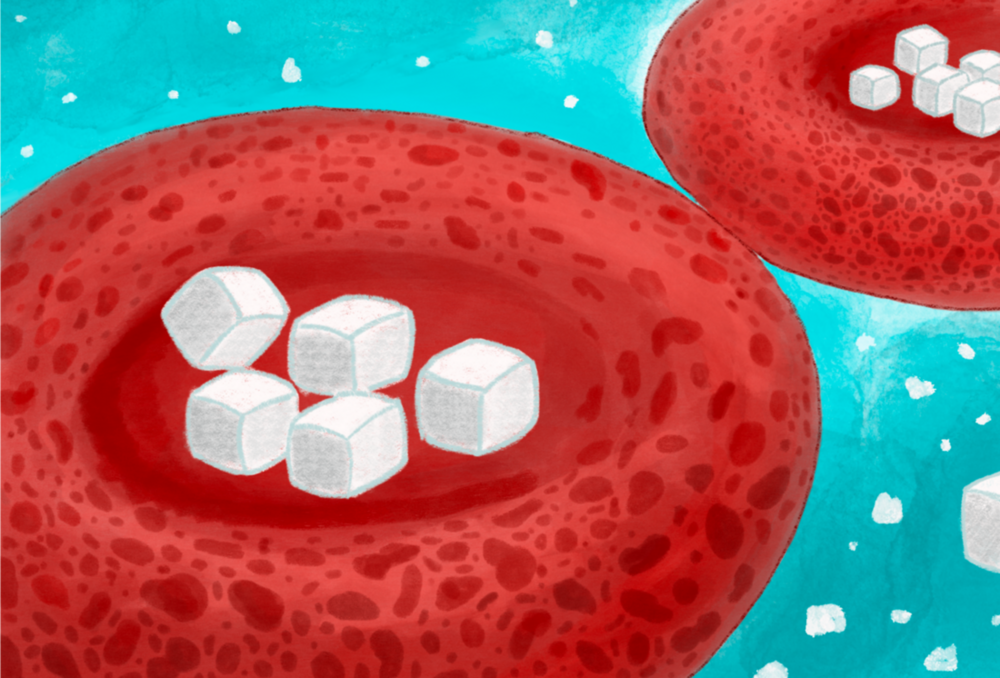
When people with diabetes consume sugar, their bodies have challenges absorbing large quantities of the simple carb, resulting in higher-than-desired blood sugar levels. This can be due to a person’s pancreas not producing insulin, as in type 1 diabetes, or due to the cells not responding to insulin doing its job, which is what happens with type 2 diabetes. In both cases, too much sugar can hang out in the bloodstream longer than it should. Over time, this excessive blood sugar can be linked to health concerns like heart disease, vision loss and kidney disease.
But since sugar isn’t the only ingredient found in chocolate, as long as your portion size is mindful and you are opting for the best chocolate choices—like dark chocolate—your blood sugars may be OK after enjoying it.
“Believe it or not, [dark] chocolate is considered a low-glycemic food,” says Mary Ellen Phipps, M.P.H., RDN, LD. Foods with a lower glycemic index tend to cause a slower rise in blood sugar than those with a high glycemic index.
Phipps attributes this to the fat and fiber found in certain varieties of chocolate. “Exactly how much chocolate can raise your blood sugar depends on the type of chocolate, how much sugar is in it, and what other foods you’re eating along with it,” says Phipps.
Dark chocolate, in particular, is least likely to spike blood sugar and is linked to some pretty impressive health benefits, thanks to its high percentages of cocoa, flavonoids and theobromine, and low added sugar content.
“Most of the health benefits we see attributed to chocolate are for varieties that offer 70 to 85% cocoa, which is considered to be a ‘dark chocolate’,” explains Phipps. “These types of chocolate typically contain less [added] sugar and more fiber, which is great for promoting stable blood sugars. They’re also higher in vitamins, minerals and antioxidants.”
Cocoa is noteworthy because it contains polyphenols, or plant compounds, that can benefit human health. In fact, cocoa beans are one of the best-known sources of dietary polyphenols. Cocoa also contains proteins, caffeine and various minerals, including potassium, phosphorus, copper, iron, zinc and magnesium.
Potential Health Benefits of Dark Chocolate
It Might Support Heart Health
People with diabetes are twice as likely to have heart disease or a stroke as those who don’t have diabetes. And eating dark chocolate may offer unique heart-health benefits, mainly thanks to its polyphenol content. Polyphenols play a role in generating nitric oxide, a molecule that promotes healthy blood flow, which can result in lower blood pressure and lower heart disease risk.
In one study evaluating young and healthy adults, a daily intake of 20 grams (about 3/4 ounce) of 90%-cocoa chocolate for a 30-day period improved vascular function. Other studies support these findings.
It Might Support Healthy Blood Sugar
While eating chocolate isn’t a magic cure that results in ideal blood glucose levels, including it as part of a healthy diet may help improve blood glucose control by improving insulin sensitivity—improving how your cells take up glucose and remove it from the blood.
Dark chocolate and movement might also be a powerful combo. For example, one study evaluated females with diabetes and found that dark chocolate consumption and consistent Pilates practice were linked to reduced fasting blood glucose.
Chocolate Nutrition
White Chocolate
Despite having the name chocolate in its title, white chocolate is free from any cocoa solids, which means it’s technically not chocolate. White chocolate typically contains cocoa butter, milk and sugar.
One ounce of white chocolate contains about:
-
Total Carbohydrates: 18 g
Milk Chocolate
Milk chocolate has between 35% to 55% cocoa mass, which is more than what is found in white chocolate but less than that of dark chocolate. Milk chocolate is typically made with cocoa butter, sugar, milk powder, lecithin and cocoa.
One ounce of milk chocolate contains:
-
Total Carbohydrates: 17 g
Dark Chocolate
Dark chocolate is a form of chocolate containing cocoa solids, cocoa butter and added sugar, without the milk or butter found in milk chocolate. This is the type of chocolate with the most health benefits.
One ounce of dark chocolate (70-85% cocoa) contains:
-
Total Carbohydrates: 13 g
Choosing the Best Chocolate for Diabetes
Chocolate and a diabetes-friendly eating pattern can go hand-in-hand with a little know-how. Here are some tips on how to choose the best chocolate for diabetes:
-
Higher Cocoa Content: Since most of the health benefits attributed to chocolate are linked to its cocoa content, choosing varieties with a higher cocoa percentage is a good way to maximize the potential benefits. Choose at least 70% cocoa content.
-
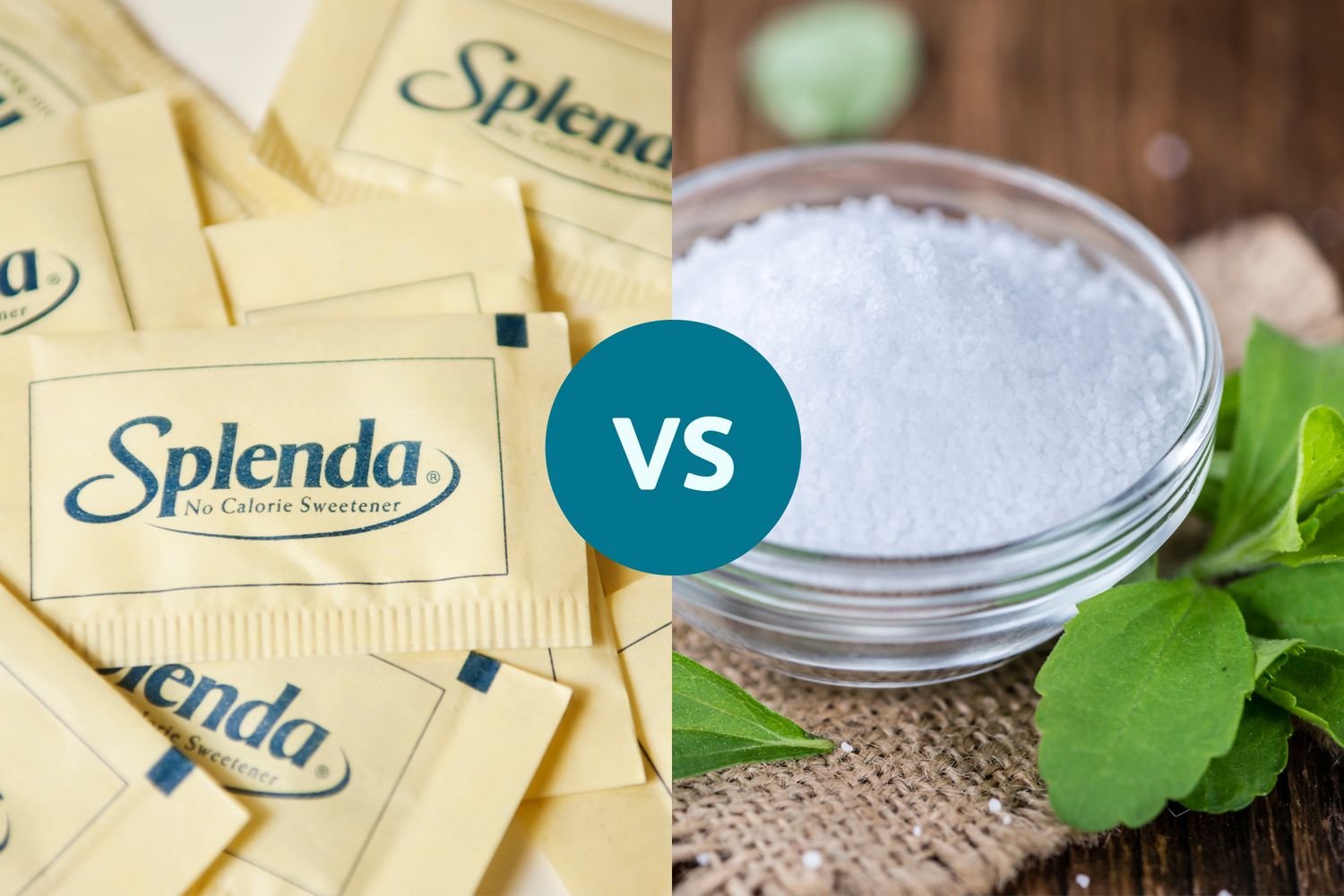
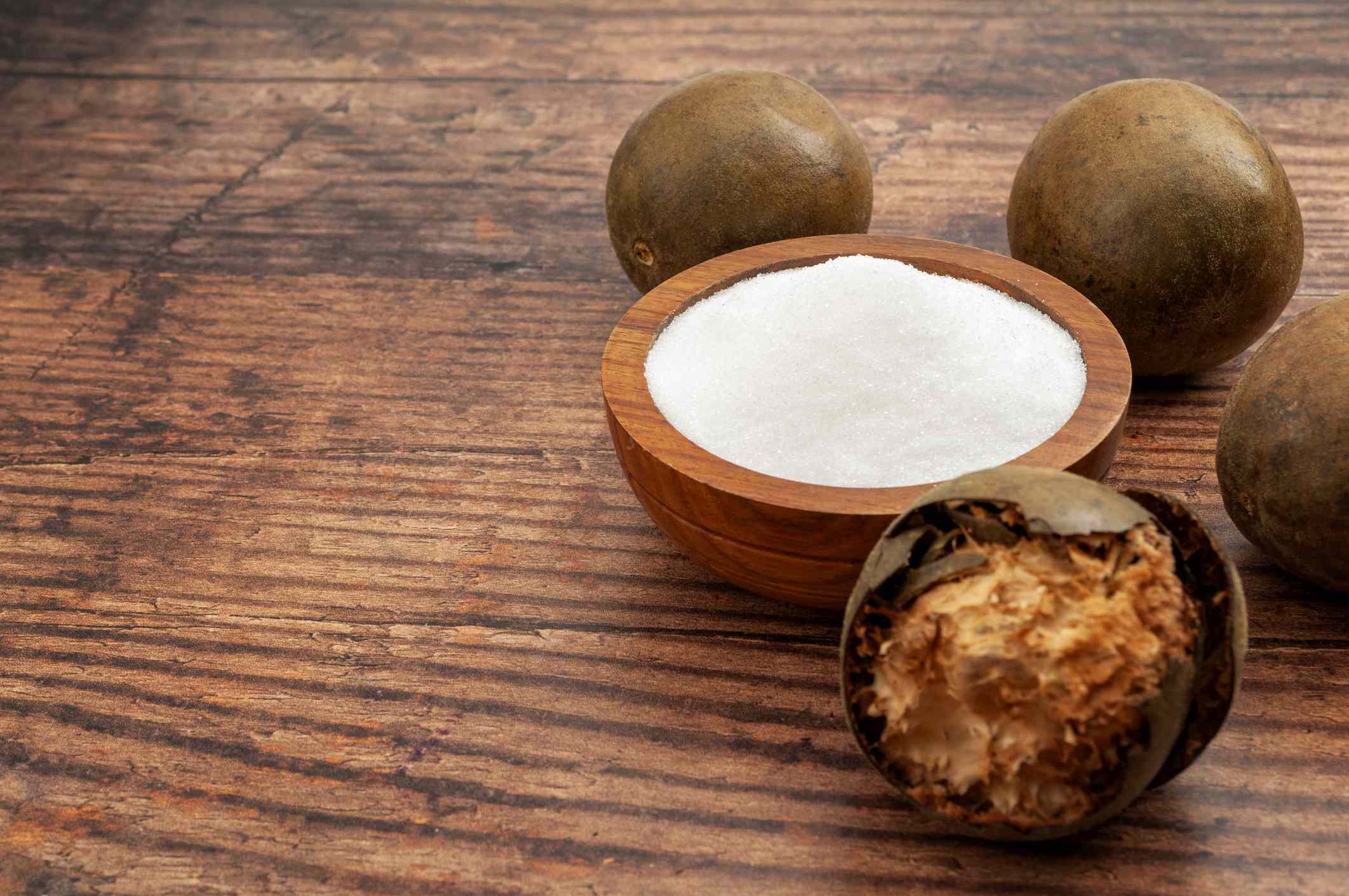
Sweeteners: “You can choose chocolate sweetened with nonnutritive sweeteners like stevia, monk fruit, erythritol or inulin, all of which won’t raise your blood sugar the way other sweeteners will,” says Kelsey Kunik, RD.
-
Protein-rich additions: Choosing chocolate that has protein-rich mix-ins, like nuts, can be a great choice for people with diabetes. The protein and healthy fats in the nuts can help slow down the absorption of the added sugar in the chocolate, and can help it be more filling.
There are also a few things to watch out for when choosing the best chocolates:
-
Limit high-added-sugar additions: While delicious, creamy centers, like caramel, often mean more added sugar. Large quantities of added sugar can contribute to high blood sugar and diabetes complications over time.
-
Avoid cocoa processed with alkali, or Dutched cocoa: These tend to have fewer beneficial plant compounds. Because of this, it is best to opt for chocolate that is not made with cocoa processed in this way.
-
Limit white and milk chocolates: These types of chocolate simply do not have the health benefits of dark chocolate—plus they’re more likely to spike blood sugar.
Ways To Include Chocolate for Diabetes
When you are picking your chocolate, opt for a dark variety with at least 70% cocoa content, stick to a mindful portion size (1 to 2 ounces), and try to enjoy it close to a mealtime or with a protein-rich snack to help support healthy blood sugar levels. Here are some nutritious and delicious ways to include chocolate in your eating pattern:
-
Post-meal: Savor an ounce of dark chocolate after a meal.
-
With berries: Dip fresh berries in melted dark chocolate or in Dark Chocolate Hummus.
Our Expert Take
Most people with diabetes can absolutely include chocolate in their diet and still experience positive health outcomes. Enjoying a dark chocolate square after dinner or chocolate-dipped strawberries is something you should do if you enjoy it. Just keep portions and type of chocolate in mind.
Along with following a diabetes-friendly diet, exercising according to a health care professional’s recommendations, managing stressors and getting quality sleep, having chocolate occasionally is something that is not only enjoyable, but also may offer some pretty noteworthy health benefits!
Frequently asked Questions
Is chocolate harmful for diabetes?
You can still enjoy chocolate if you have diabetes, just pay attention to portion sizes and the type of chocolate. Choose dark chocolate with at least 70% cocoa, and ideally, eat it with a protein source, like nuts. Limit your intake of milk chocolate and white chocolate.
Can I eat white chocolate if I have diabetes?
White chocolate is technically not chocolate at all, nor does it have the health benefits that dark chocolate does. While you can most likely enjoy a small amount of white chocolate now and then, choose dark chocolate as your primary go-to.
Will eating chocolate spike my blood sugar?
Compared to milk chocolate and white chocolate, dark chocolate is least likely to spike blood sugar since it has a lower added sugar content. Eating dark chocolate with nuts or nut butter better prevents a blood sugar spike. You could also choose chocolate with an alternative sweetener, like stevia or monk fruit. Milk chocolate and white chocolate are more likely to spike blood sugar, so if you choose to eat them, do so occasionally and in small amounts.
Read the original article on EatingWell