Monitoring your health stats, from steps to heart rate, can help you get a handle on your fitness goals. But lately, we’ve seen technology that takes things a step further, enabling at-home tracking of hormones, allergies, and blood sugar.
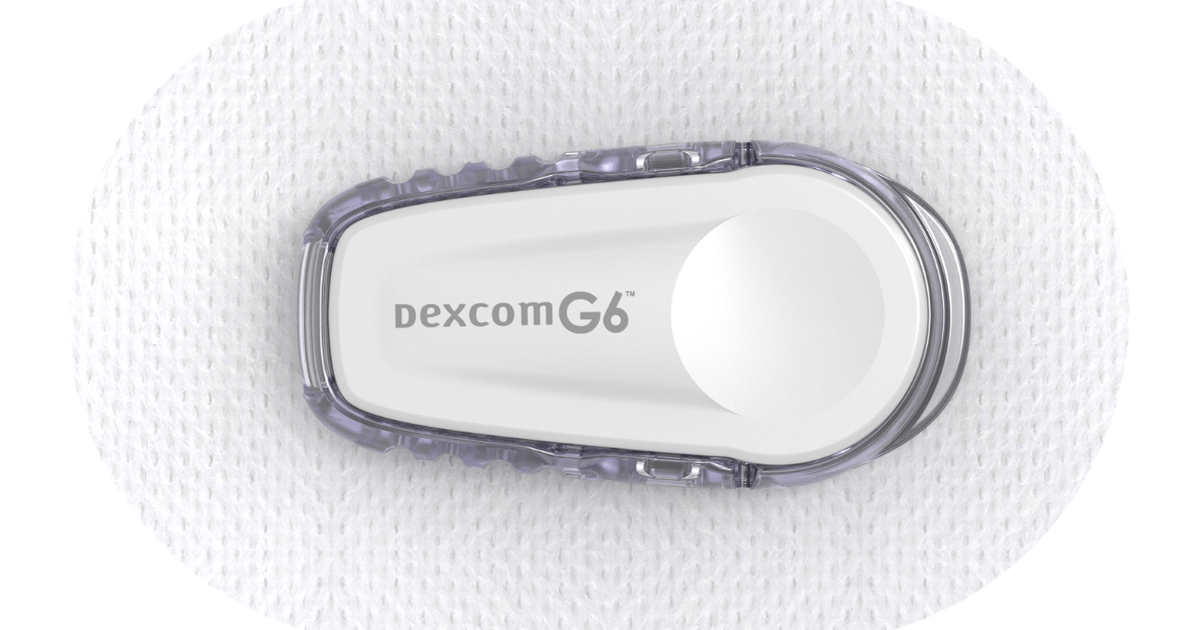
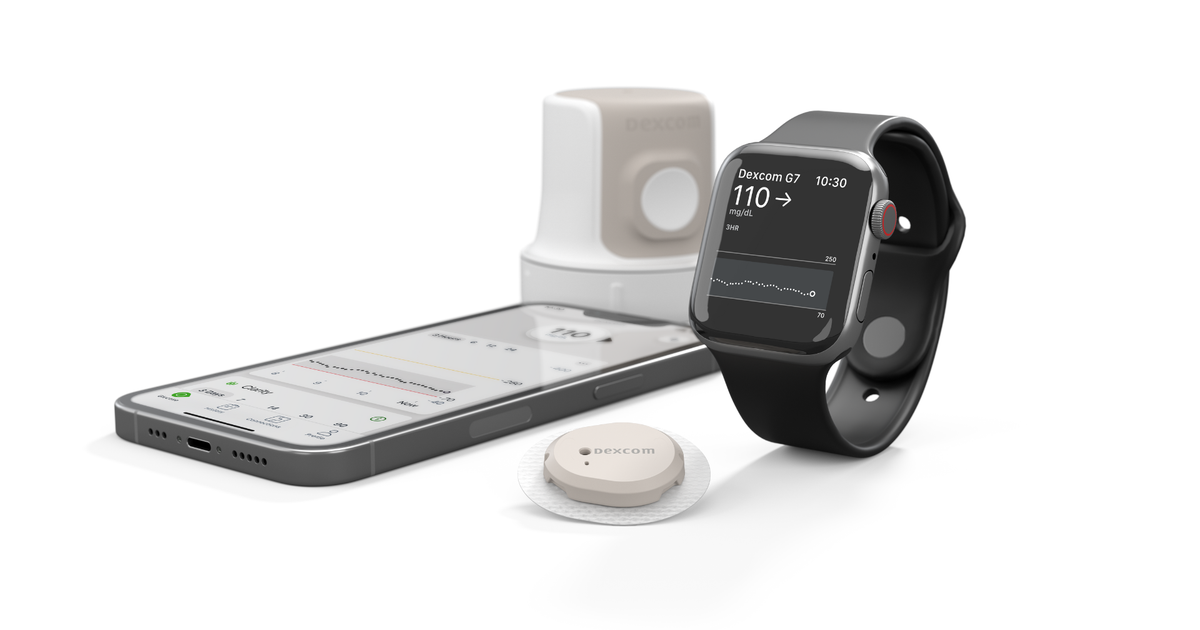
I decided to give that last one a try with Stelo, a “personal glucose biosensor” from Dexcom, which specializes in 24/7 glucose monitors for those with diabetes. The Stelo, however, is available to anyone, without a prescription, whether you’re experiencing symptoms of hyperglycemia or hypoglycemia, or just want another health data point.
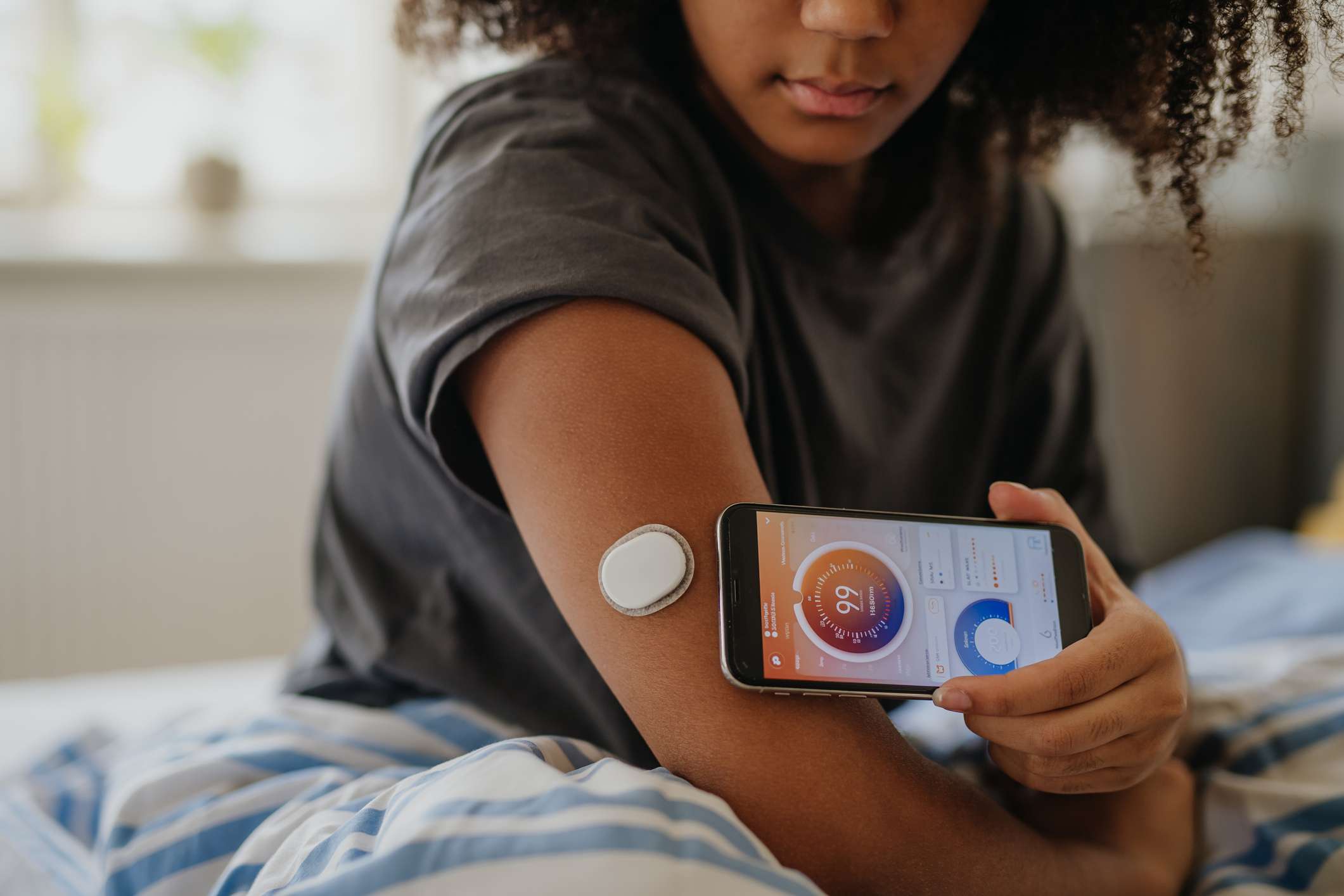
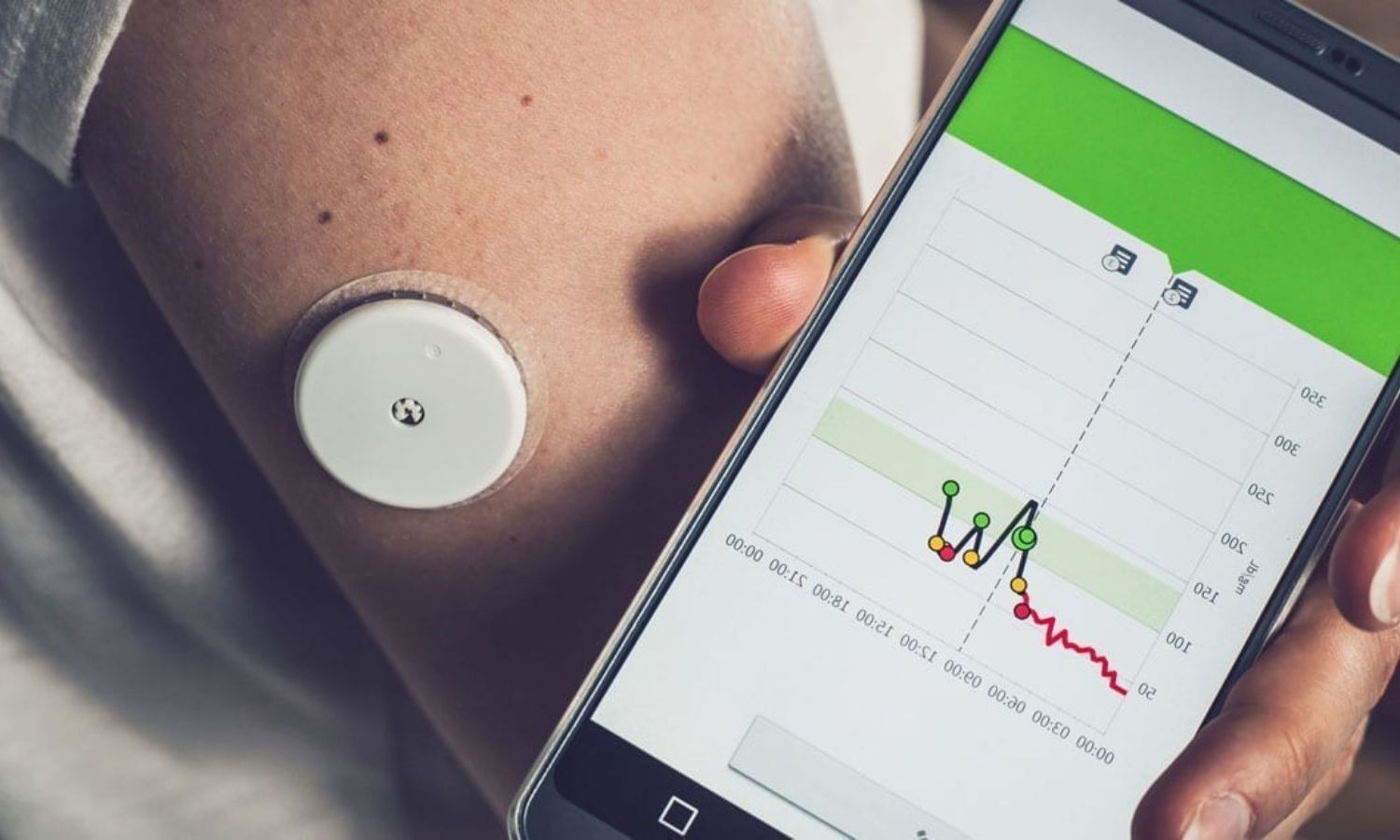
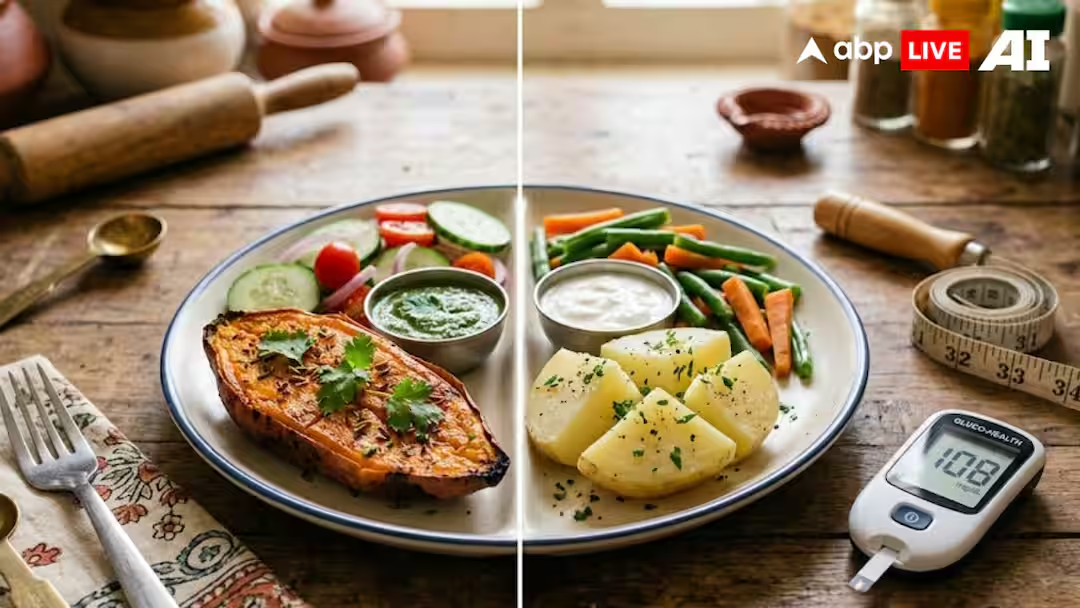
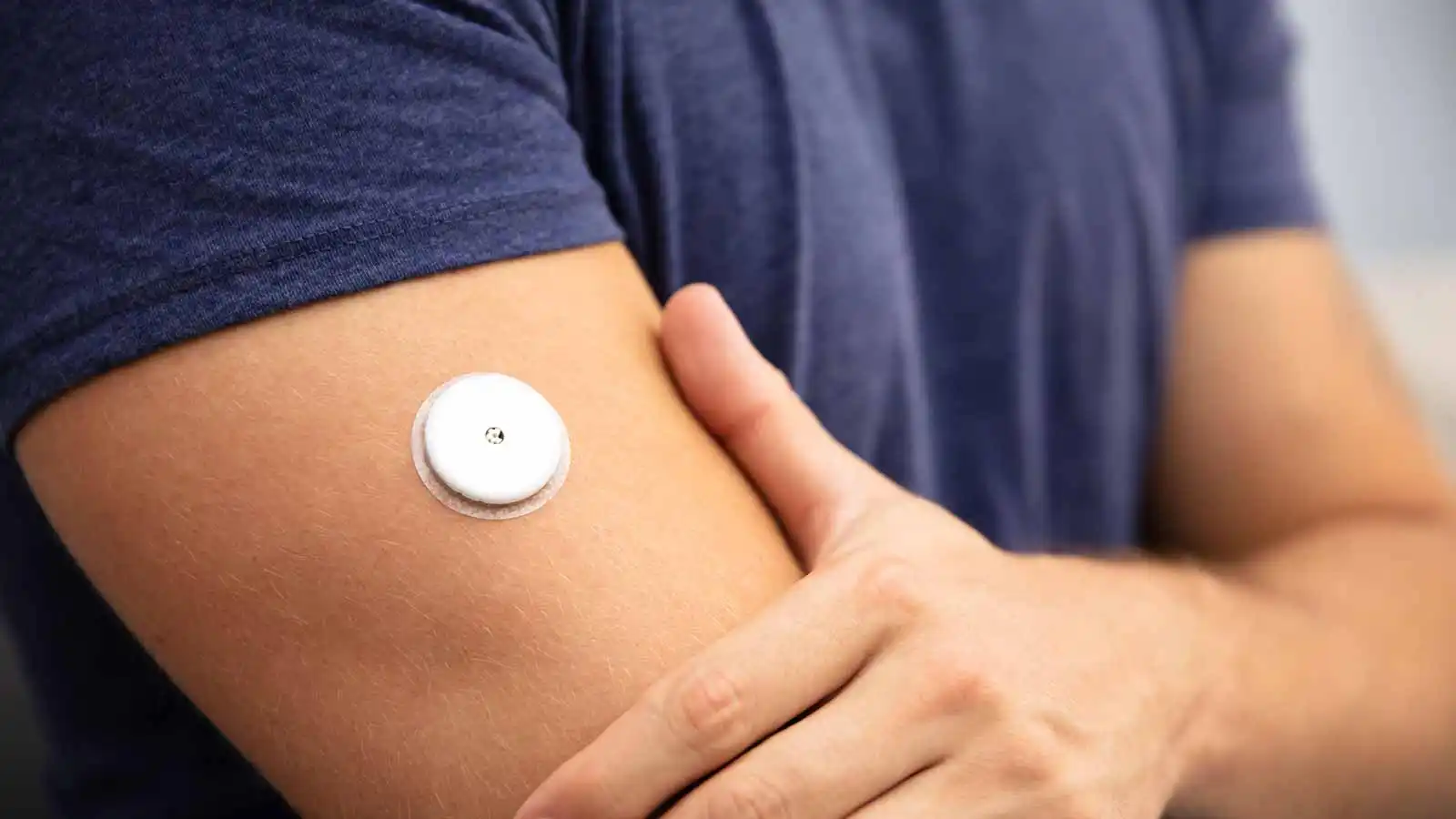
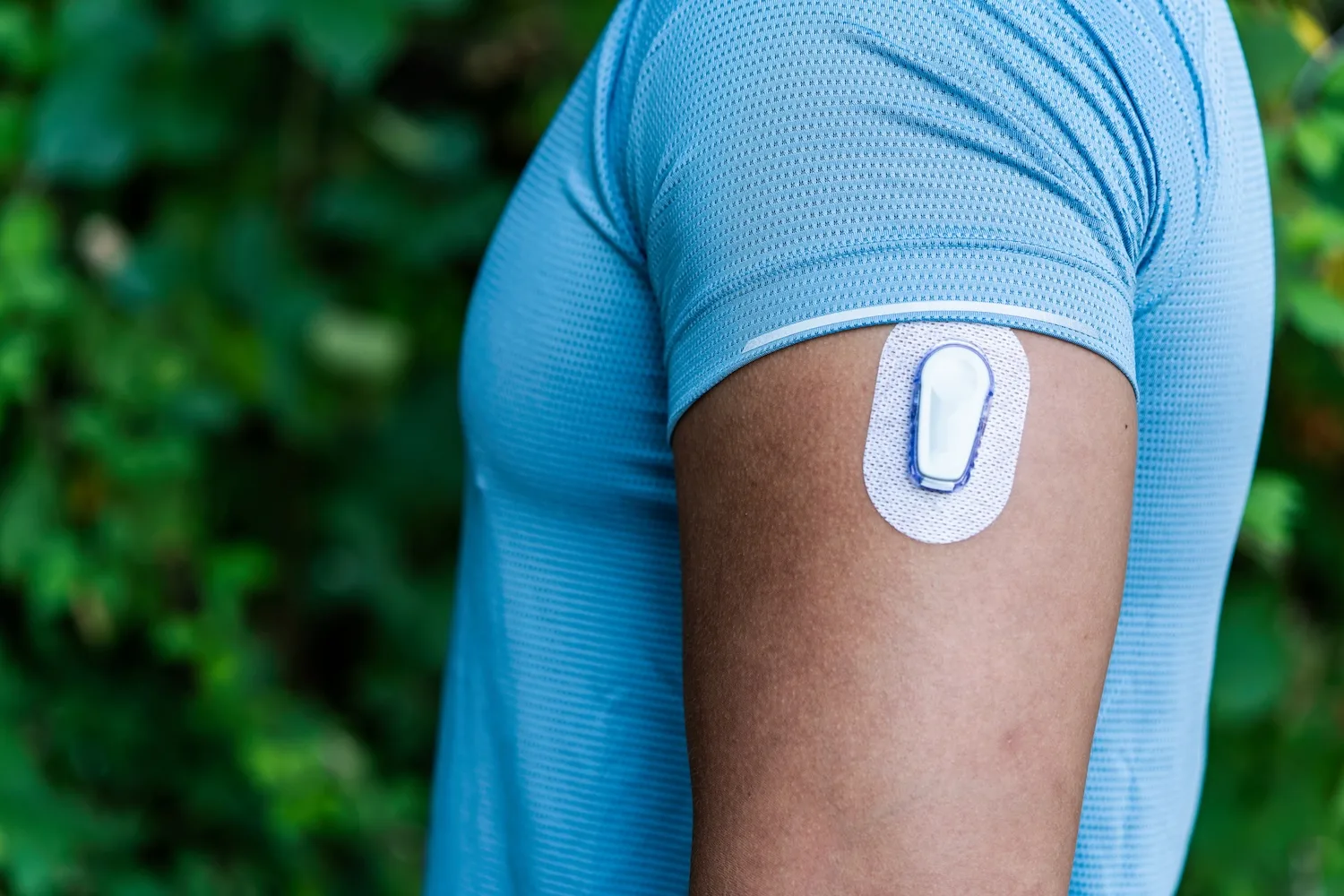
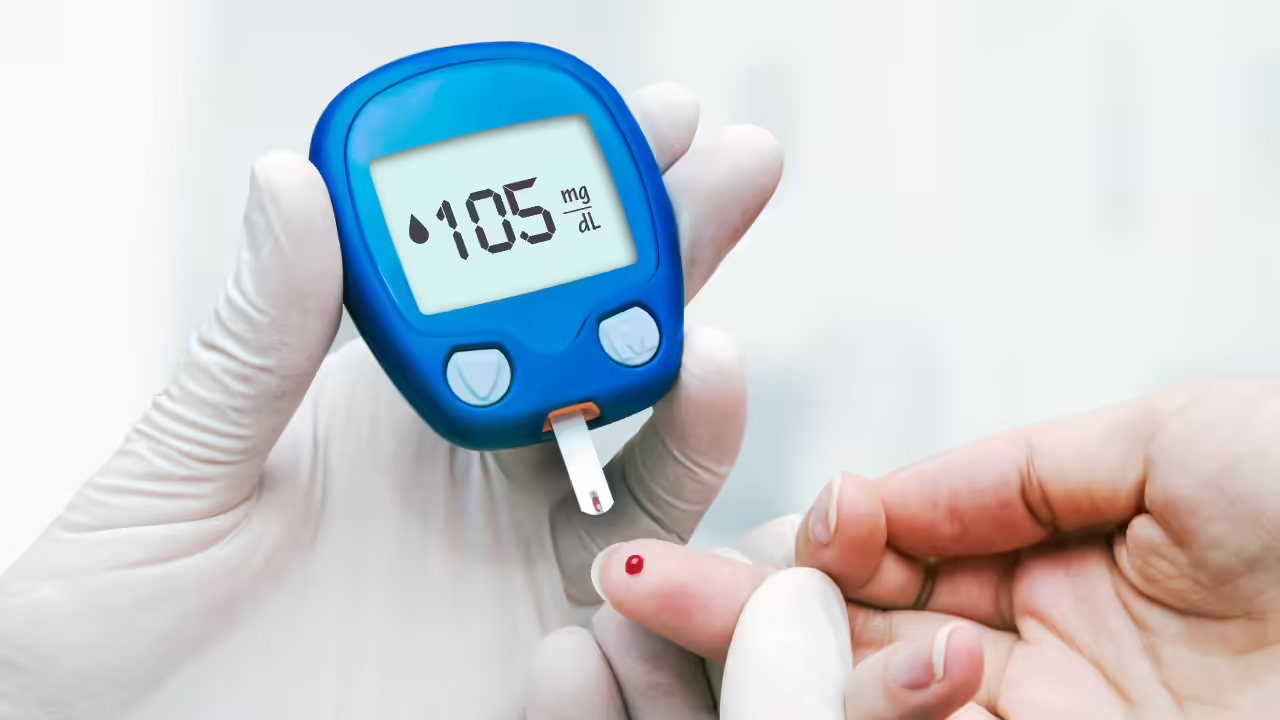
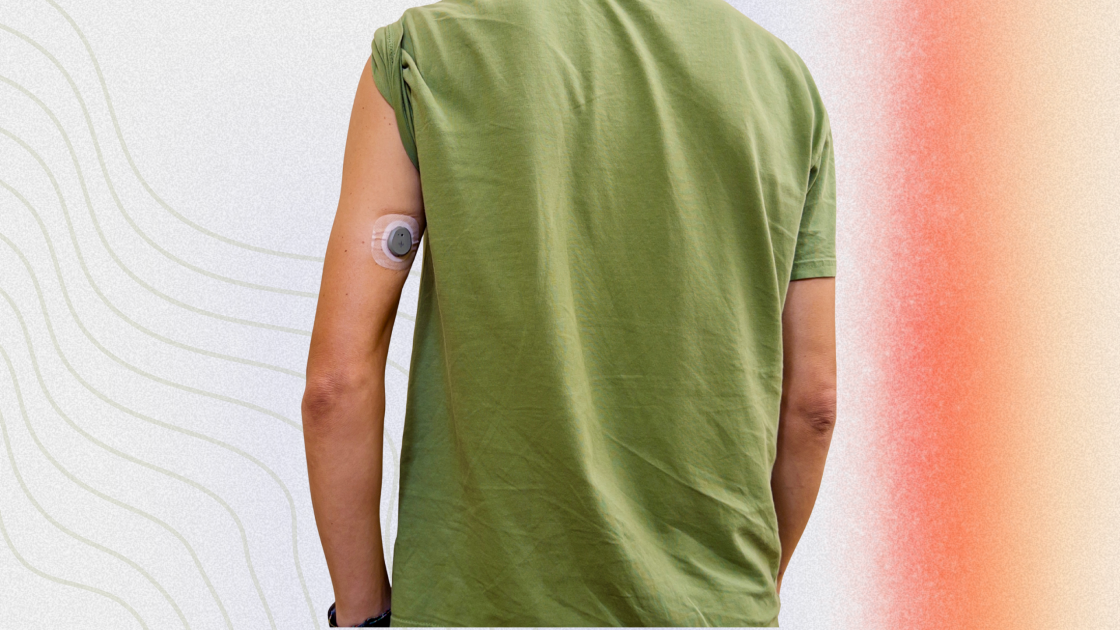
Stelo attaches to your arm once and works continuously without finger pricks. It connects to a phone app via Bluetooth to display your glucose data on the screen. I watched my stats as I ate extra carbs, tried an assortment of foods, skipped a meal, went on long runs, and varied my routine. Here’s what I learned, with the caveat that none of this is medical advice. I used the Stelo as a tech enthusiast, not a medical professional.
How Stelo Works

Stelo sensor inside the applicator (Credit: Tyler Hayes)
A Stelo with a two-week supply is $55; a one-month supply with two biosensors is $99. Dexcom also offers one- and three-month subscriptions for a discount. I went with the one-month option.
To get started, I registered a free account with the Stelo app, watched the animated instructions, and then held the device up to my underarm and pressed the spring-loaded button. The Stelo inserted a thin needle into my arm, but it wasn’t painful. Then I scanned the device’s QR code to add it to the app.
It takes about 20 minutes for the sensor to warm up. After that, I saw my glucose readings automatically roll in every five minutes. The sensor lasts for 14 days, after which it needs to be removed and replaced with a new one.
While the Stelo mobile app is fairly basic, I like its interface. It can sync with Apple Health to pull in sleep and exercise data and show that info underneath the glucose readings. I tried logging my meals, but gave up because finding the carbs can be time-consuming.
If you have an Oura Ring, Stelo can integrate with the Oura app. Right now, it’s a one-way partnership with glucose syncing, but it’s an interesting layer since the smart ring knows sleep, fitness, and stress levels.

Get Our Best Stories!
Your Daily Dose of Our Top Tech News

Thanks for signing up!
Your subscription has been confirmed. Keep an eye on your inbox!
Painless, With 2 Exceptions

The spot of the sensor after two weeks of use. (Credit: Tyler Hayes)
The most common question I got (and had myself) about wearing Stelo was whether it hurt. I felt the application process, of course, but I wasn’t in pain. I mostly forgot Stelo was attached until I saw a notification or thought to check my glucose. Even taking it off after two weeks was painless. The tape is very sticky, though, so be warned if you have plentiful arm hair.
That said, there were two instances where the Stelo was noticeable. The first was a few days in. The area under the sensor was itchy, and I accidentally knocked it pretty hard trying to scratch it.
Another time, I pressed the sensor forcefully by leaning on the arm of a couch. That caused some discomfort and intense stinging for 10 to 15 minutes. That only happened once over the course of three to four weeks.
Recommended by Our Editors
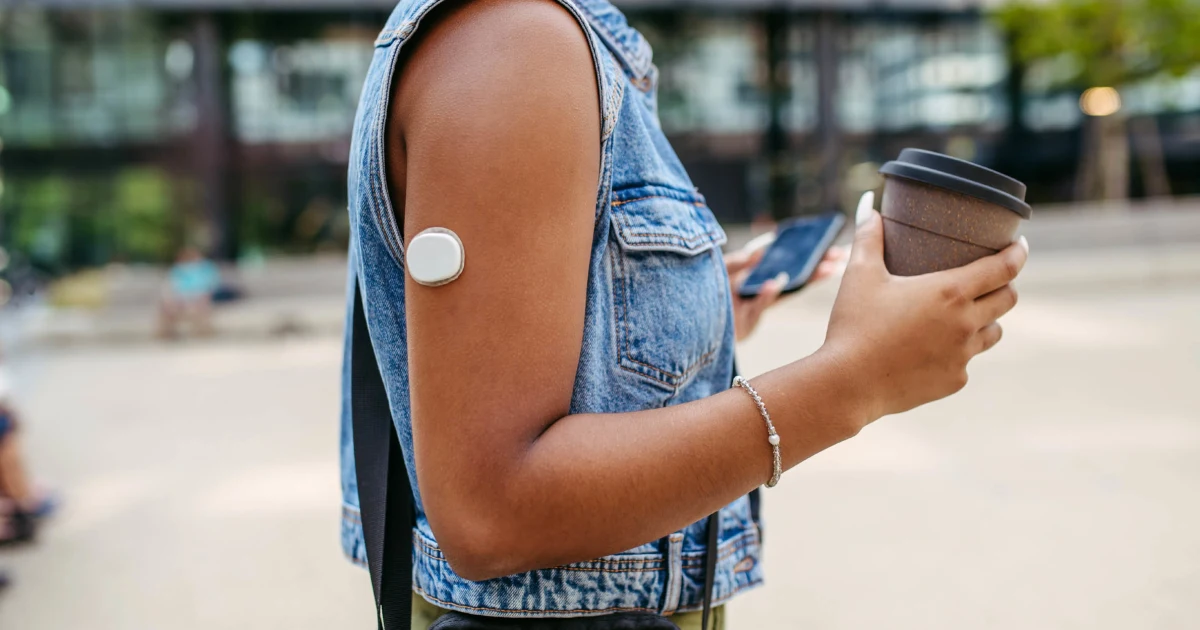
I didn’t have any problems with the sensor while running and showering. I slept on my sides and my back without feeling it, and it didn’t catch on clothing. Mostly, it was invisible.
What I Learned About Tracking My Glucose
I wore two Stelo sensors for about four weeks in total, and the results didn’t prompt me to make any major changes to my diet, exercise routine, or sleep schedule. I don’t feel like I wasted my time, however. Instead of learning how to handle out-of-control spikes and dips, I spent most of my time focusing on the finer details that sent my glucose out of range. Usually, it was late-night snacks or a lunchtime energy drink. So, I’ve been drinking more water; staying hydrated has had the biggest impact on regulating my glucose.
I appreciated the new perspective that Stelo offers. As someone curious about health tech, it’s another data point to contrast with the others. It seems that new insights have a way of coming to light when new data is available.
For example, when I started using a connected scale and recording my weight eight-plus years ago, I wasn’t expecting to see a correlation between my mental health and weight, but over the years, I could see a correlation between seasonal depression and weight gain. With my Apple Watch, meanwhile, I’ve been able to show my doctor years of low resting heart rate data, so when a new issue popped up, I could use it to confirm that the heart rate was normal for me.
Mostly, I learned that my body is working normally. Thankfully, I don’t need to closely monitor glucose as precisely as others may. If you’re on a health journey or in the pre-diabetic range, however, the Stelo may offer some valuable insights.
About Our Expert

Experience
I’ve contributed to PCMag since 2019, covering Apple, electric vehicles, and lots of other consumer electronics. If a gadget plugs into a wall or uses a battery, there’s a good chance I’ve tested it and have some thoughts about its place in our daily lives. I write featured articles, how-to guides, and daily news.
I got my first taste of writing about technology for Fast Company in 2013, mostly how it intersected with the music industry. Since then I’ve written for dozens of publications and explored all other facets of service journalism, from reviews to buying guides. At one point, I took a break from journalism for a few years to work at a technology startup and then an industry Goliath, both valuable experiences in understanding how the business of tech works from top to bottom.