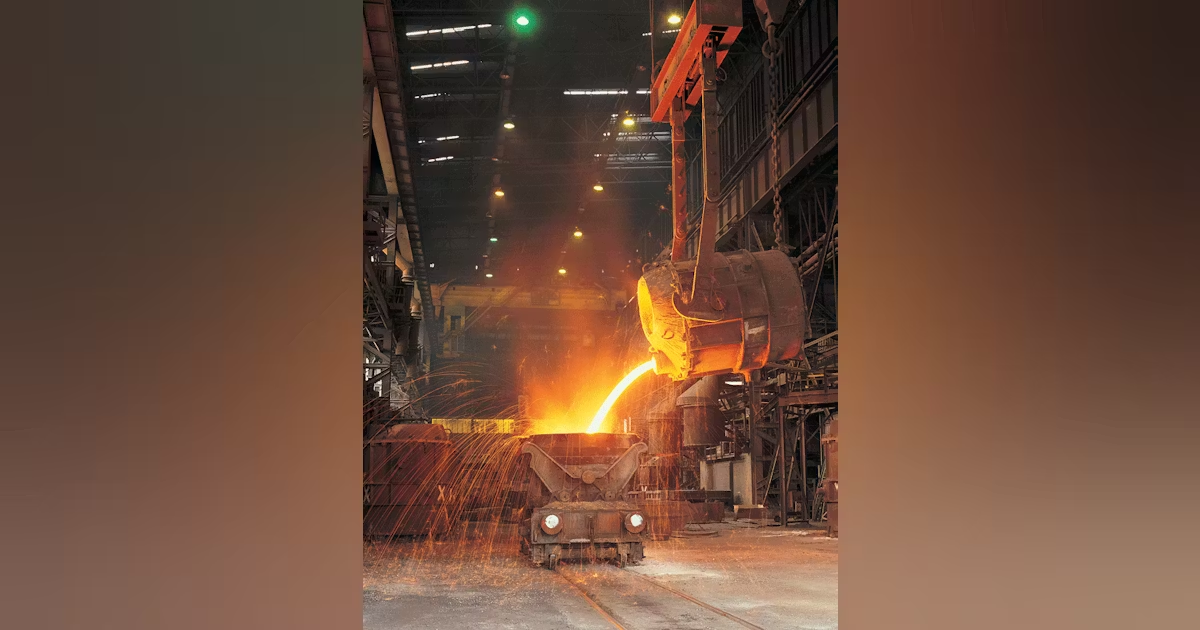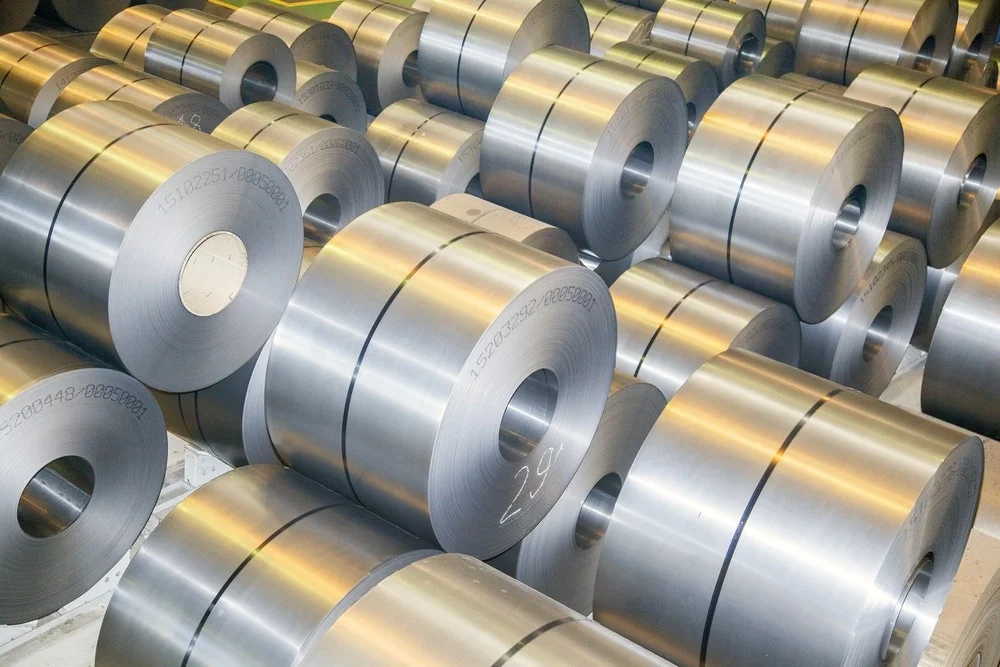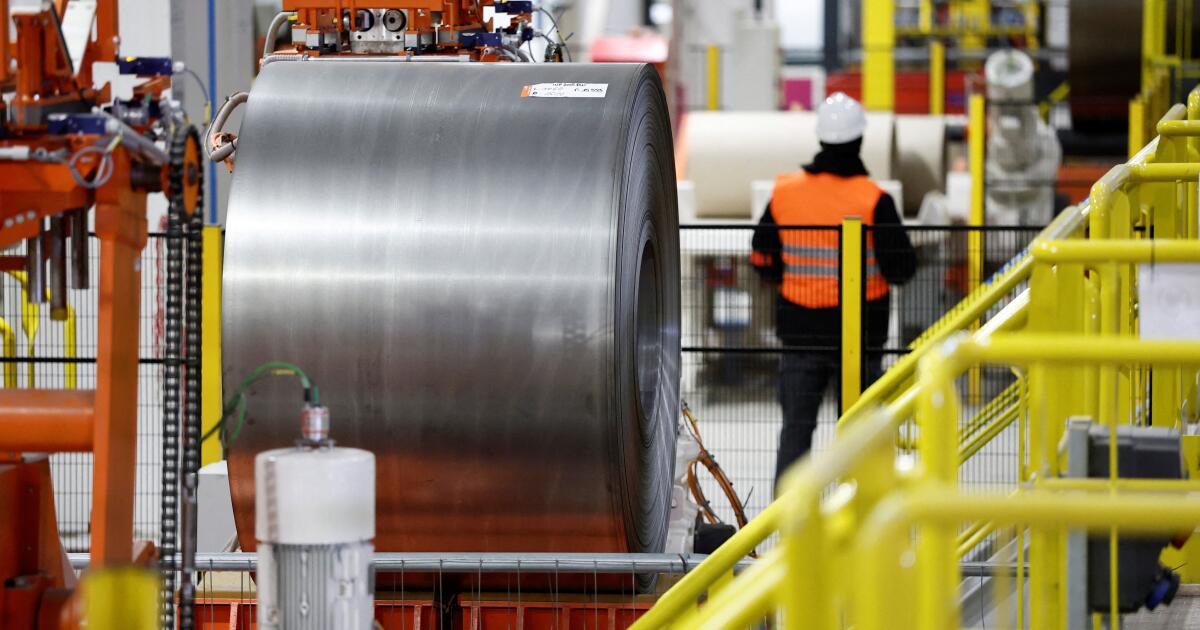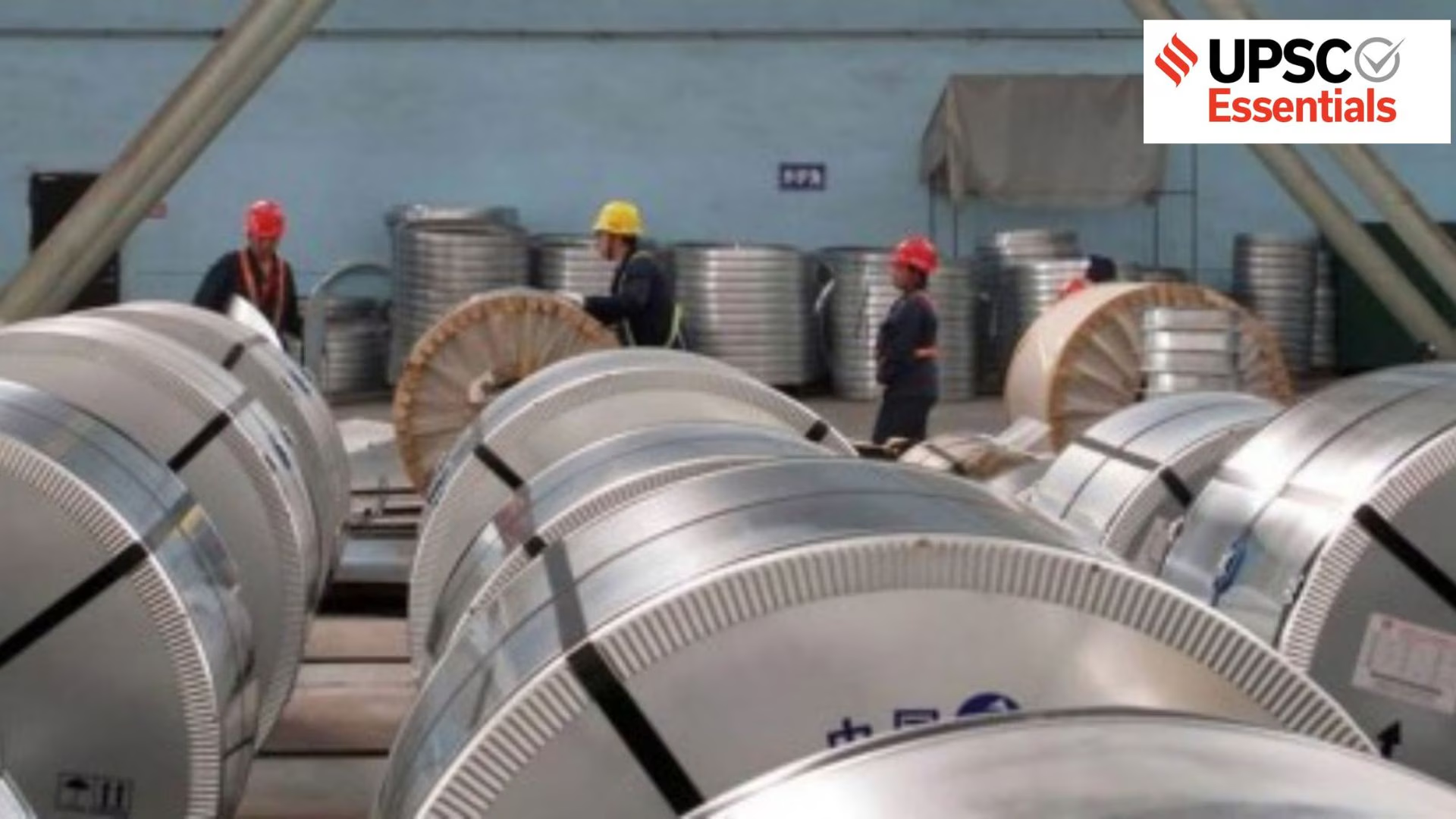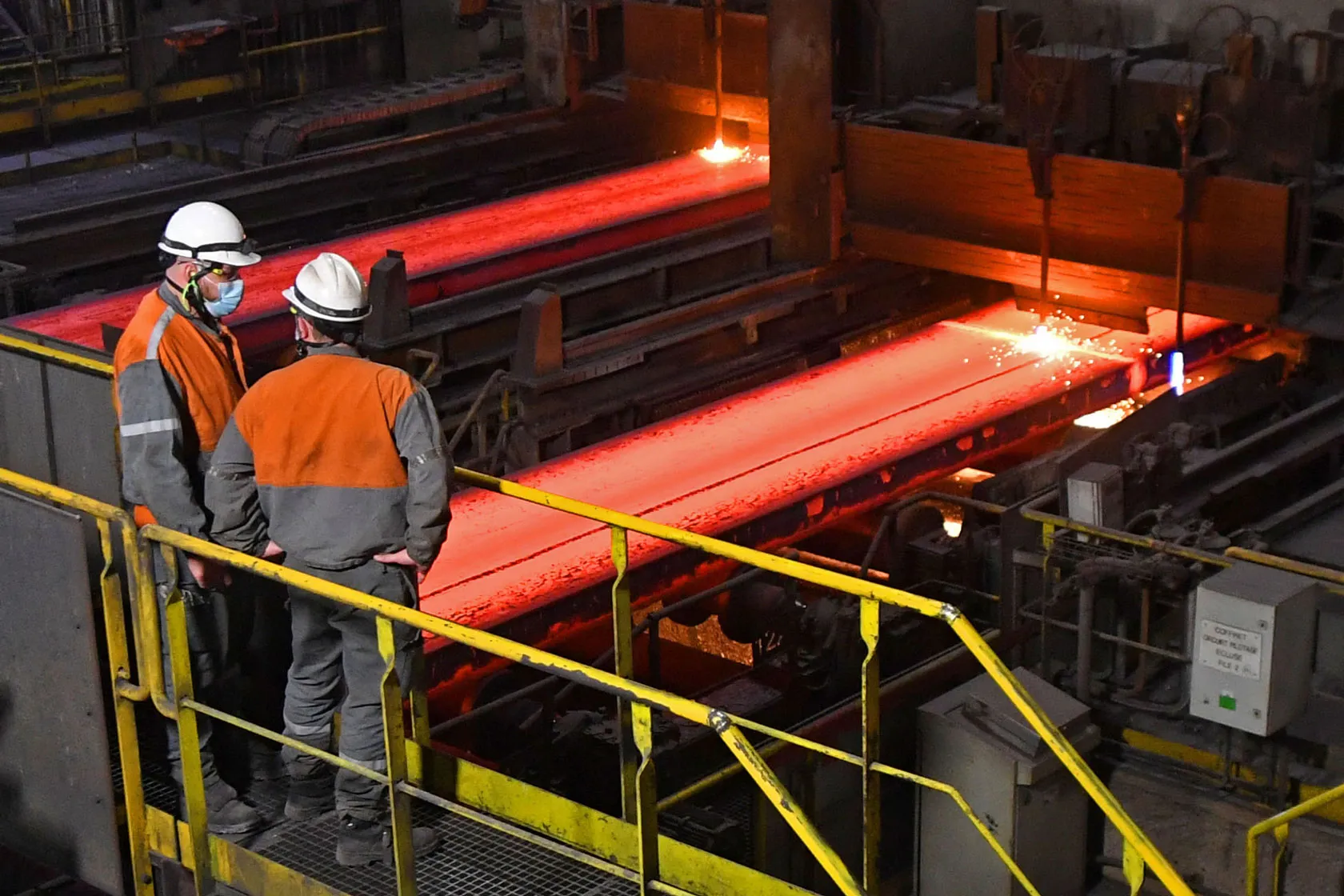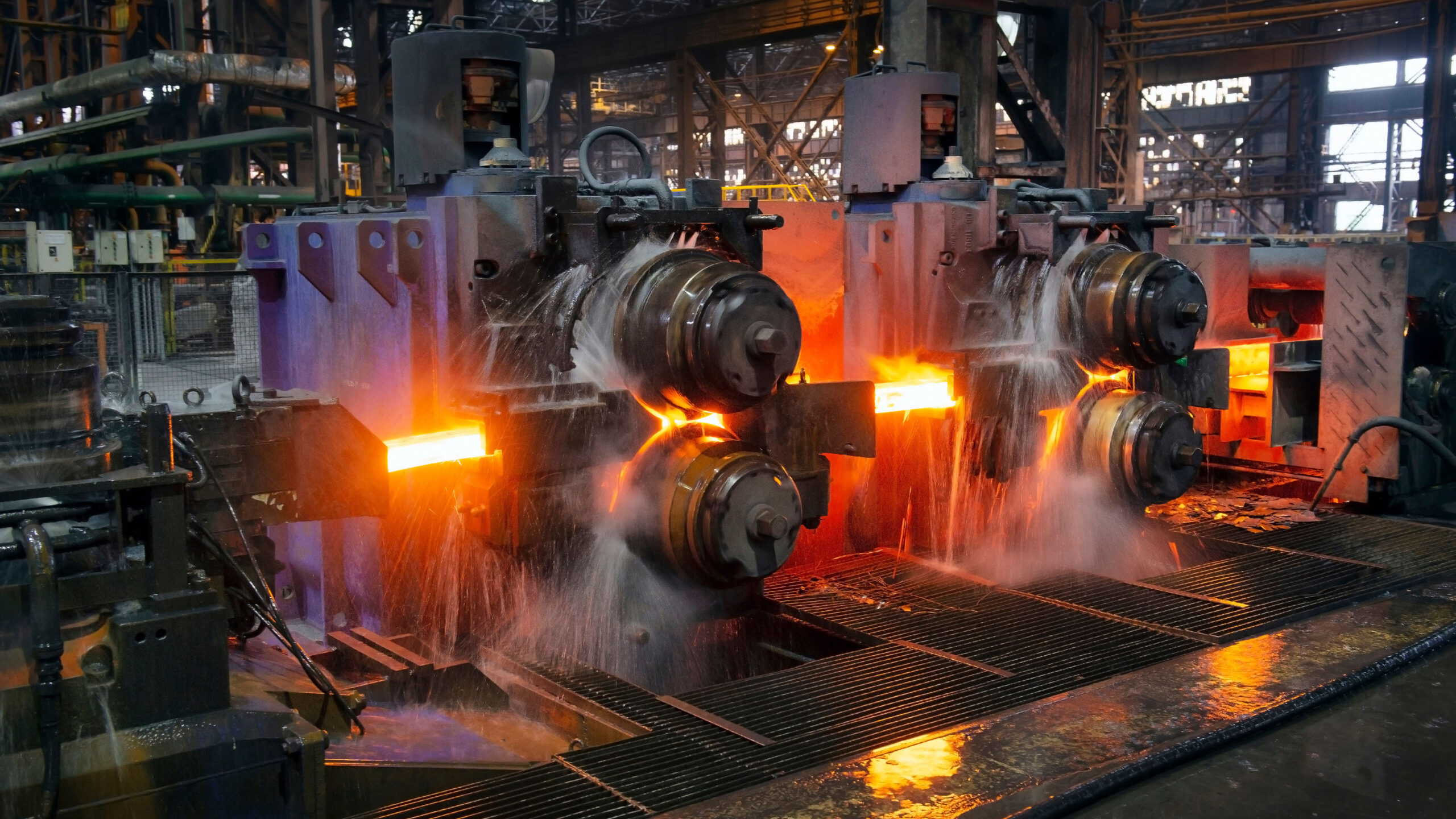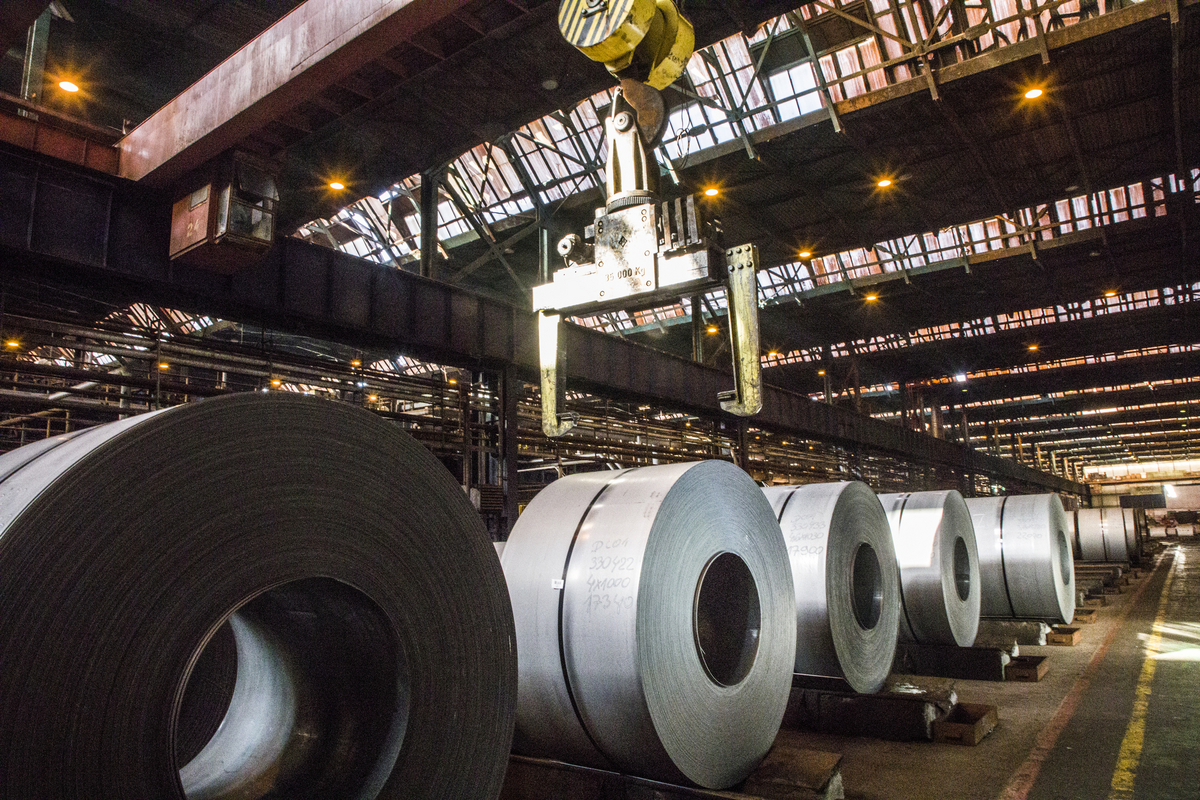
The Steel stocks are in focus as Nomura expects Indian steel majors to generate higher-than-historical mid-cycle EBITDA per tonne through FY26-28. As a result, the brokerage maintained a ‘Buy’ recommendation for Tata Steel, JSW Steel, Jindal Steel, and Lloyds Metals & Energy. There are a lot of factors contributing to that, such as safeguard duties, margin improvement, etc.
| Company | Target Price | Upside | Rating |
| Jindal Steel | Rs 1,144 | 13.17% | Buy |
| JSW Steel | Rs 1,193 | 14.5% | Buy |
| Lloyds Metals and Energy | Rs 1,162 | 37.5% | Buy |
| Tata Steel | Rs 191 | 8.9% | Buy |
Bullish stance and domestic resilience
The brokerage house maintained a bullish outlook on India’s steel sector, describing it as “India’s story”. The analysts at Nomura believe that domestic price momentum remains strong enough that global headwinds and factors in China will have a limited impact on the earnings potential of major Indian steel companies.
Policy-driven price recovery
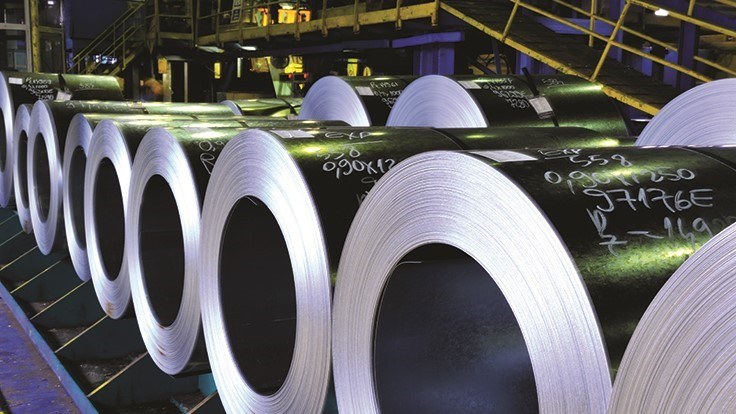
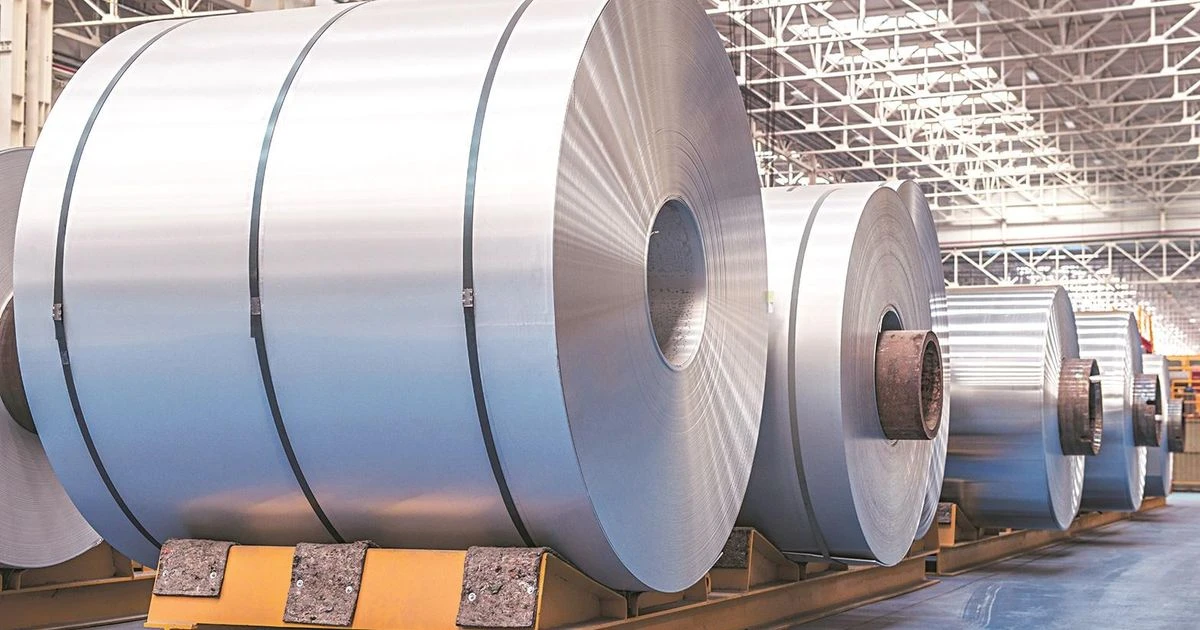
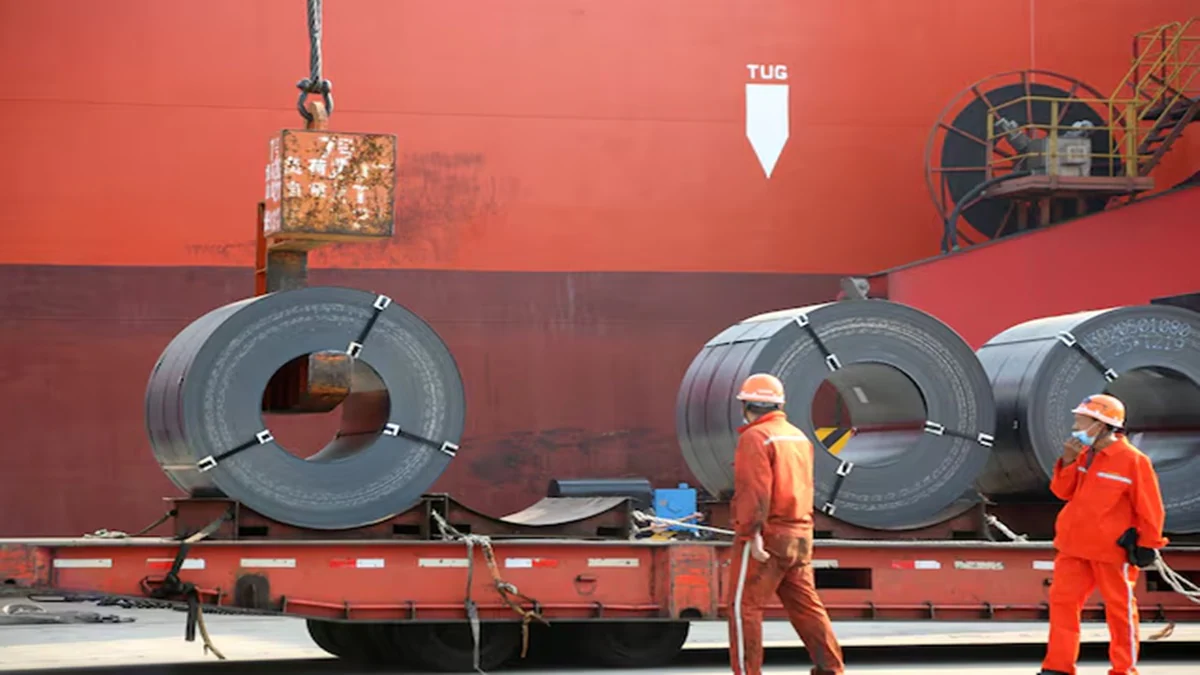
Domestic Hot Rolled Coil (HRC) prices have strengthened significantly, with Q4 FY26 averages rising 12% over the past quarter’s averages. This recovery is primarily attributed to the government’s three-year extension of safeguard duties, which has stopped low-priced imports and structurally improved domestic pricing power.
Significant margin improvement
In March 2026, Indian HRC spot margins saw a sharp rebound, improving by 22% (approximately Rs 6,100 per tonne) compared to the Q3 FY26 average. This improvement occurred despite rising costs for inputs like coking coal and the escalation of geopolitical tensions in West Asia.
Steady production and consumption growth
India’s steel sector is showing signs of steady, continuous growth. In January 2026, India’s crude steel production rose by 4.1% year-over-year to 14.27 MT, while finished steel consumption grew by 3% YoY to 14.16MT.
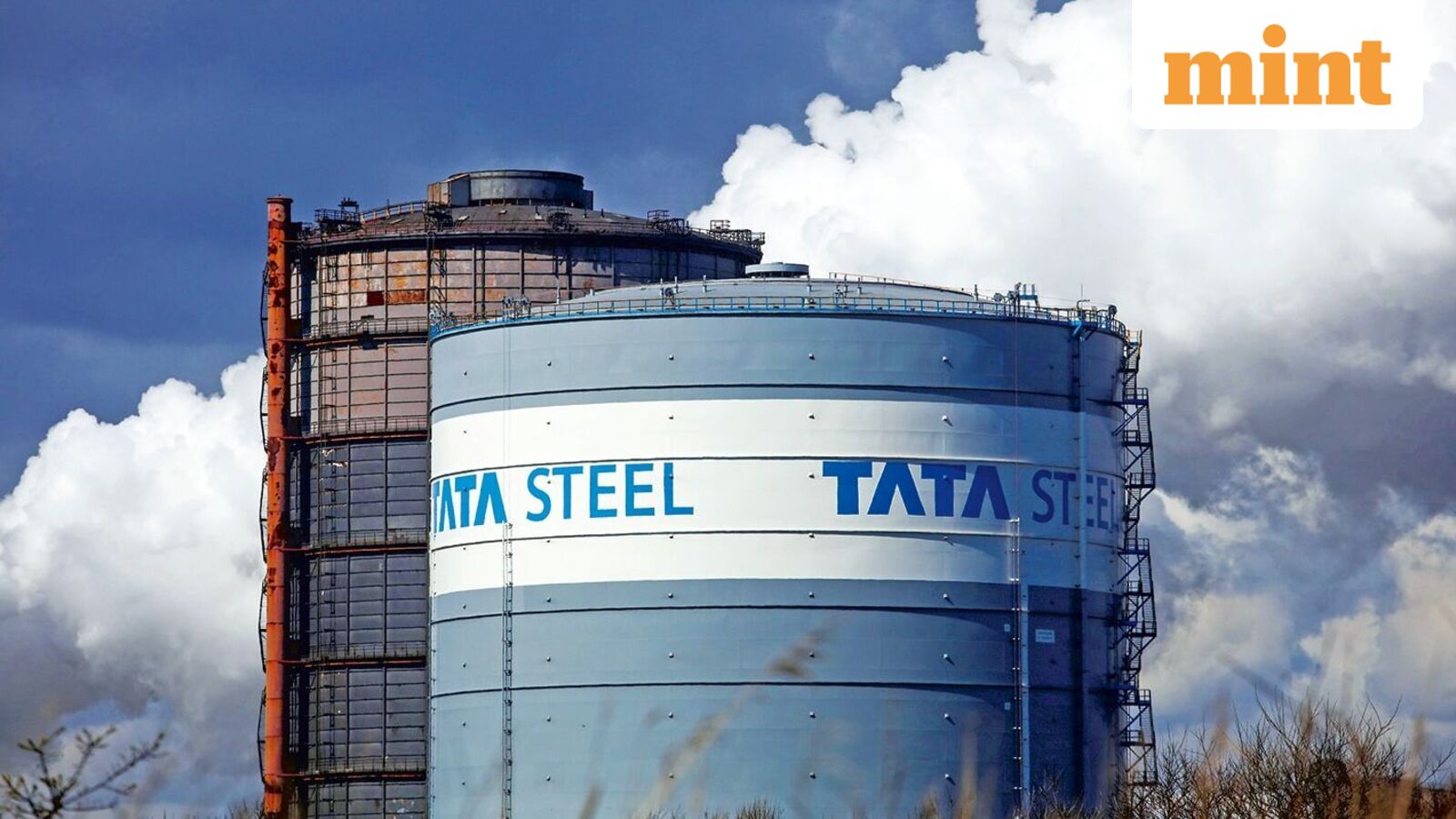
European markets might hurt Tata Steel’s European production
However, structural measures such as Carbon Border Adjustment Mechanism (CBAM) could offer protection to European steel producers; they are likely to provide limited near-term earnings relief if the elevated input costs outpace the realisations, especially amid geopolitical tensions. Sustained pressure on margins might become a headwind for Tata Steel’s European operations in Q1 FY27.
“We maintain our stance that steel is India’s story, and global factors, especially China, should have a limited impact on the earnings potential of major steel players. Our bullish stance on the Indian steel sector is underpinned by improving domestic price momentum despite global headwinds,” said Nomura.
Conclusion
Nomura doesn’t expect a long-term impact of the current global headwinds on the steel sector. The improving price momentum in domestic markets is being seen as a key catalyst.