March 15, 2026, 5:20 a.m. CT
- Where is conservation in the ‘Iowa Farm Bill’?
- Ensure access to crop protection tools
- Ethanol-spurred productivity helps reduce hunger
Where is conservation in the ‘Iowa Farm Bill’?
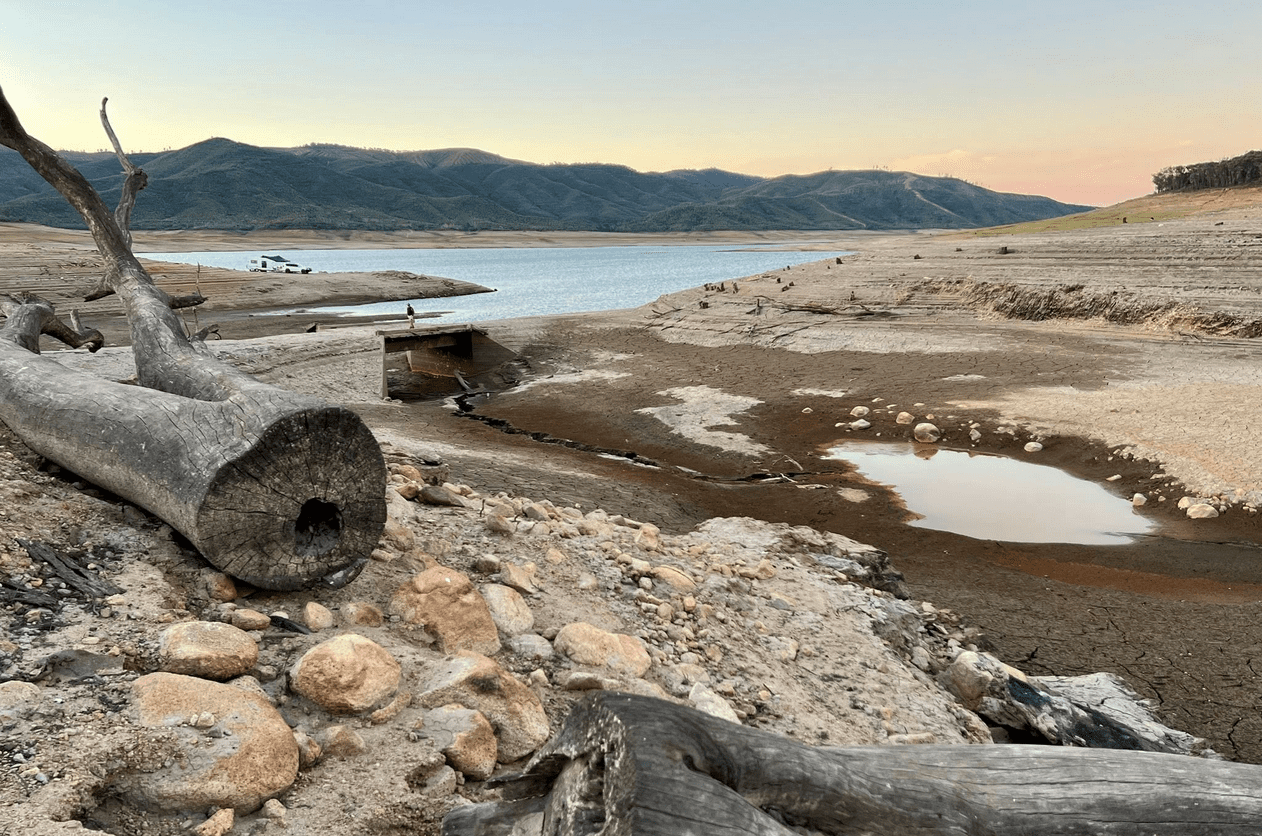
With the federal farm bill still uncertain, Iowa legislators are taking it upon themselves to propose a state-level farm bill. While there are some positives in the legislation, like cementing funding for the popular Choose Iowa program, there is little to no mention of soil, water, or conservation in the bill. In short, we are ignoring the threats of climate change to our land.
As a farmer/landowner in Polk County, Iowa, a Climate Land Leader, and a commissioner with Polk Soil and Water Conservation District, I see protecting our soil and water not as optional, but as foundational; it is an investment in our ability to farm in the future, especially with soil loss outpacing soil regeneration by orders of magnitude across much of Iowa.
The bill should add a definition of “soil health” to Chapter 161A for Soil and Water Conservation Districts. It should update the pay scale for technical staff and increase funds for the SWCDs so they can compete for talent with the private sector. And most critically, the bill should fund the Natural Resources and Outdoor Recreation Trust Fund that was already approved by a majority of Iowans. These are common-sense moves that help protect our most important investment from the effects of climate change on our Iowa farms.
Lee Tesdell, Slater
Ensure access to crop protection tools
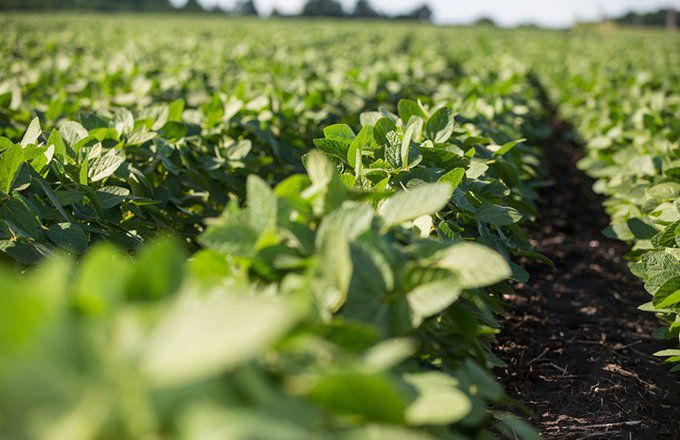
I farm corn and soybeans in southwest Iowa, where the soil is rich but the challenges keep growing. My operation depends on precision, hard work and the right tools to stay competitive. Yet today, American farmers face headwinds that threaten everything we have built. The Modern Ag Alliance’s State of the American Farmer report from January 2026 captures the crisis clearly. Commodity prices for key crops have dropped as much as 58% since 2022. Bankruptcies among farmers have risen 60% in a single year. Profitability is slipping, with only half of us expecting to make money recently. Worse, 60% of farmers believe that without meaningful action, farming as we know it could disappear.
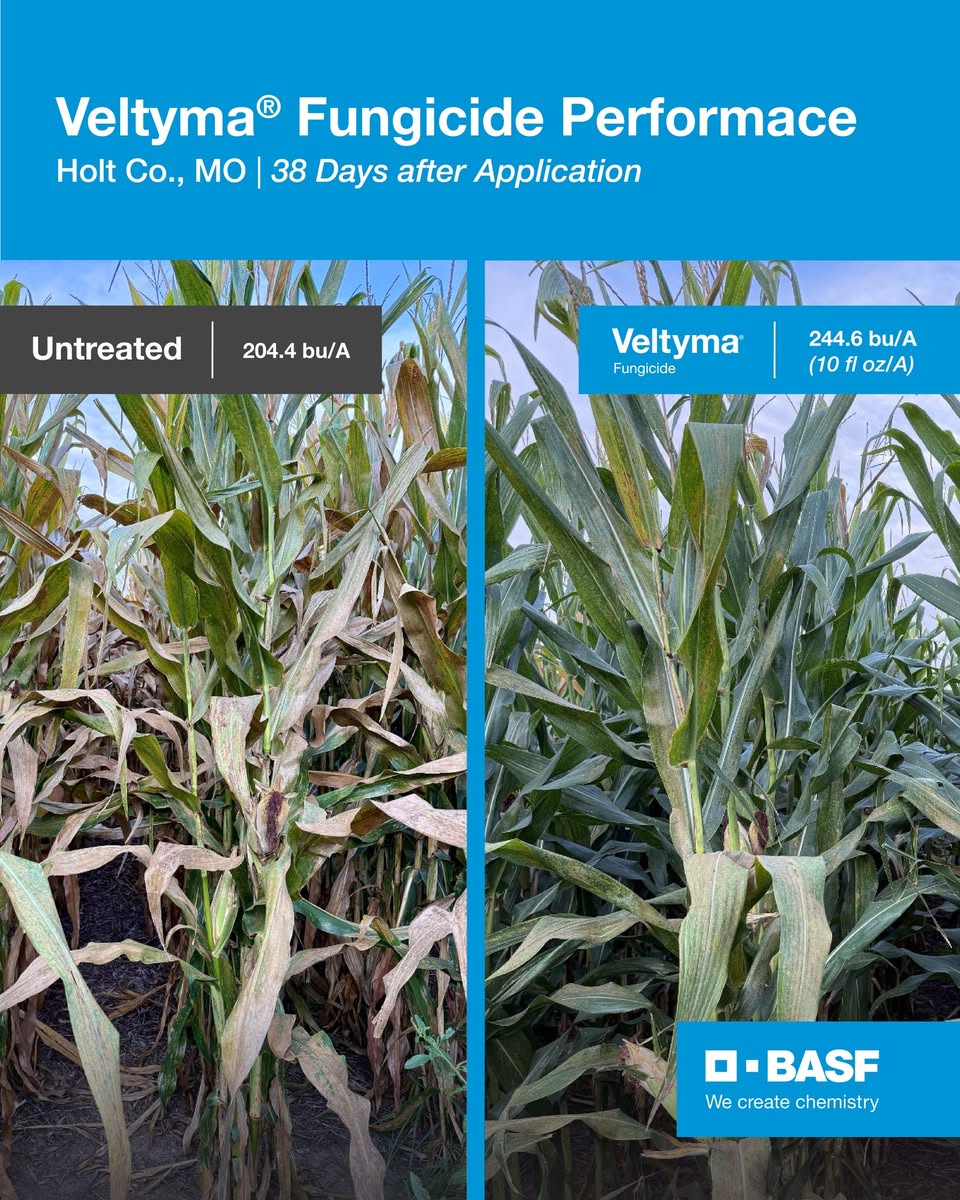
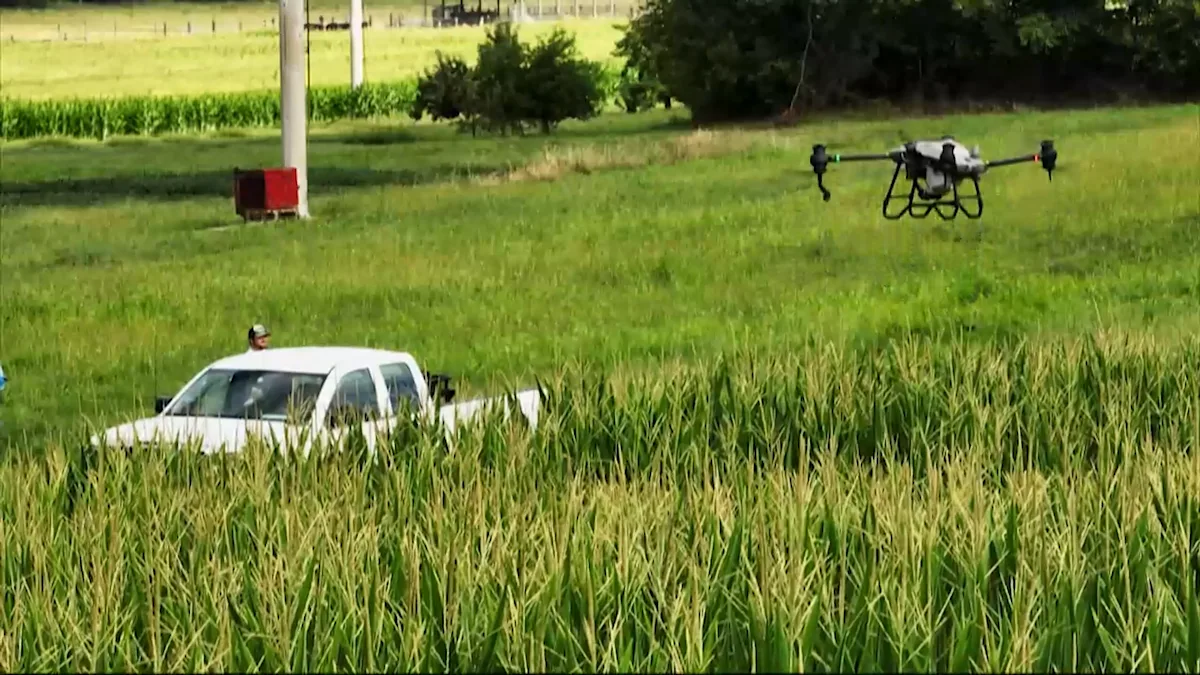
These pressures come at a time when activist groups push for state-level restrictions on the proven, U.S.-manufactured crop protection tools that keep our crops healthy. These resources undergo thorough federal scrutiny and have been safely used for years. They help control pests and weeds, minimize soil disturbance, and safeguard my ability to produce quality food.
President Donald Trump recently signed an executive order affirming crop protection tools as essential to U.S. national security and our food supply. His action sends a strong signal that America must protect the innovations that make our agriculture the world’s strongest.
Iowa cannot afford to ignore that message. Out-of-state interests should not dictate how we farm here. The Iowa House has an opportunity to act decisively and pass legislation to ensure continued access to innovative, American-made crop protection tools.
Iowa farmers are stewards of the land and partners in national security. We balance productivity with conservation because our future depends on it. Iowa leaders must give us the certainty we need to plan, invest, and produce. I hope to see lawmakers support policies that keep farming decisions in Iowa, with the people who know the ground best.
Duane Aistrope, Randolph
Ethanol-spurred productivity helps reduce hunger
In a recent letter, Alan Oppedal raised some interesting ideas for future research into corn varieties to benefit human health. We love new ideas that could add value to Iowa’s crops.
But the writer also raised the old myth that converting corn into ethanol is a “waste” and contributes to world hunger. This is simply not true.
Ethanol uses the starch from a kernel of corn. There is no shortage of affordable starch around the world. All of the protein from the corn remains in the food supply chain as a high-protein livestock feed called distillers grains.
In fact, due to the farmer productivity spurred by ethanol demand, we produce more corn per acre, and thus more protein than ever before. Ethanol has essentially increased world protein supplies.
In recorded human history, mankind could never produce enough to feed itself fully until after the post-World War II American agricultural revolution. Today, farmers produce twice the food needed to feed every person on Earth. Hunger remains a challenge due to conflicts, poverty, and inadequate distribution infrastructure, not production.
Ethanol is part of the solution, strengthening rural economies around the globe.
Monte Shaw, executive director, Iowa Renewable Fuels Association