
Reviewed by Dietitian Casey Wing, RD, CD

Credit: Getty Images. EatingWell Design
Key Points
-
Green tea may support blood sugar management by blocking starch breakdown and promoting gut health.
-
Avoid sweetened green tea, as added sugars can raise blood sugar and increase diabetes risk.
-
Opt for decaf green tea if caffeine sensitivity affects blood sugar or disrupts sleep.
Green tea is more than a warm wake-me-up beverage or a soothing midday sip—the tea contains several compounds that can have a real impact on your body and health. We talked to dietitians who specialize in blood sugar management to walk us through the short- and long-term effects of green tea on our blood glucose levels, plus how to make it part of your day.
How Green Tea Affects Blood Sugar
It May Spike Your Blood Sugar If It Contains This Ingredient
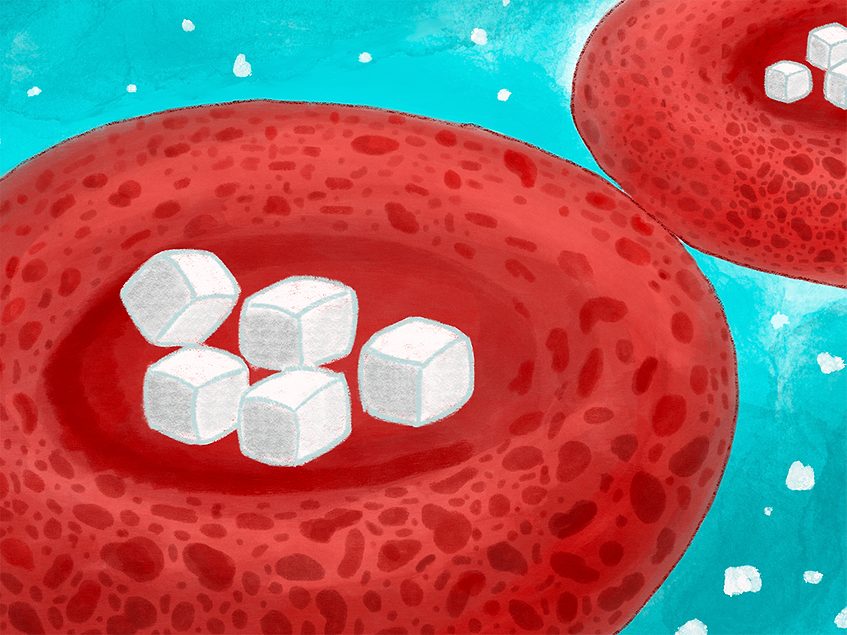
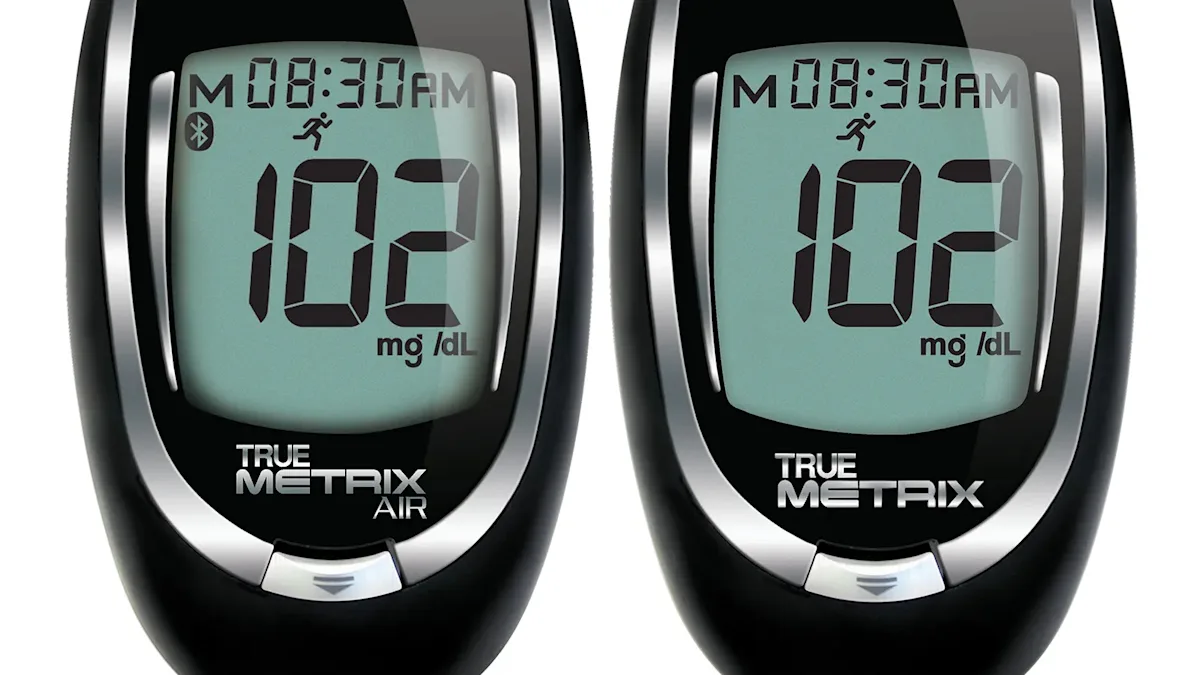
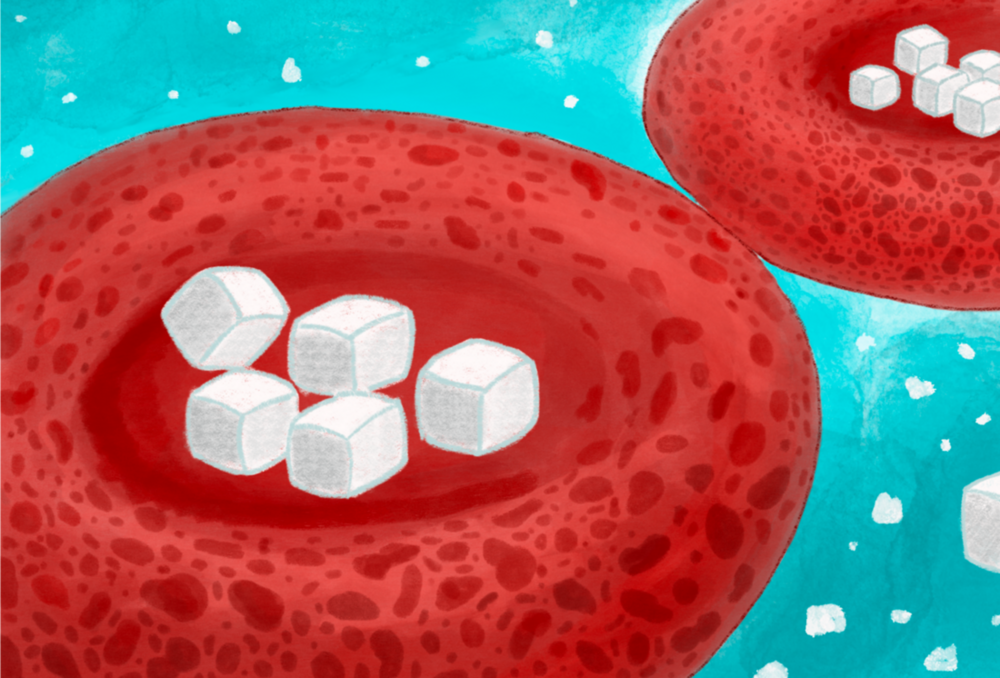
Although everyone’s response to food and drink is individual, you may not experience any difference in your glucose levels after drinking green tea. “Green tea does not typically affect blood sugars unless it is sweetened with sugar,” says Courtney Smith, M.S., RD, CDCES. Because green tea is a more bitter beverage, some people may choose to add sugar to make it more palatable.
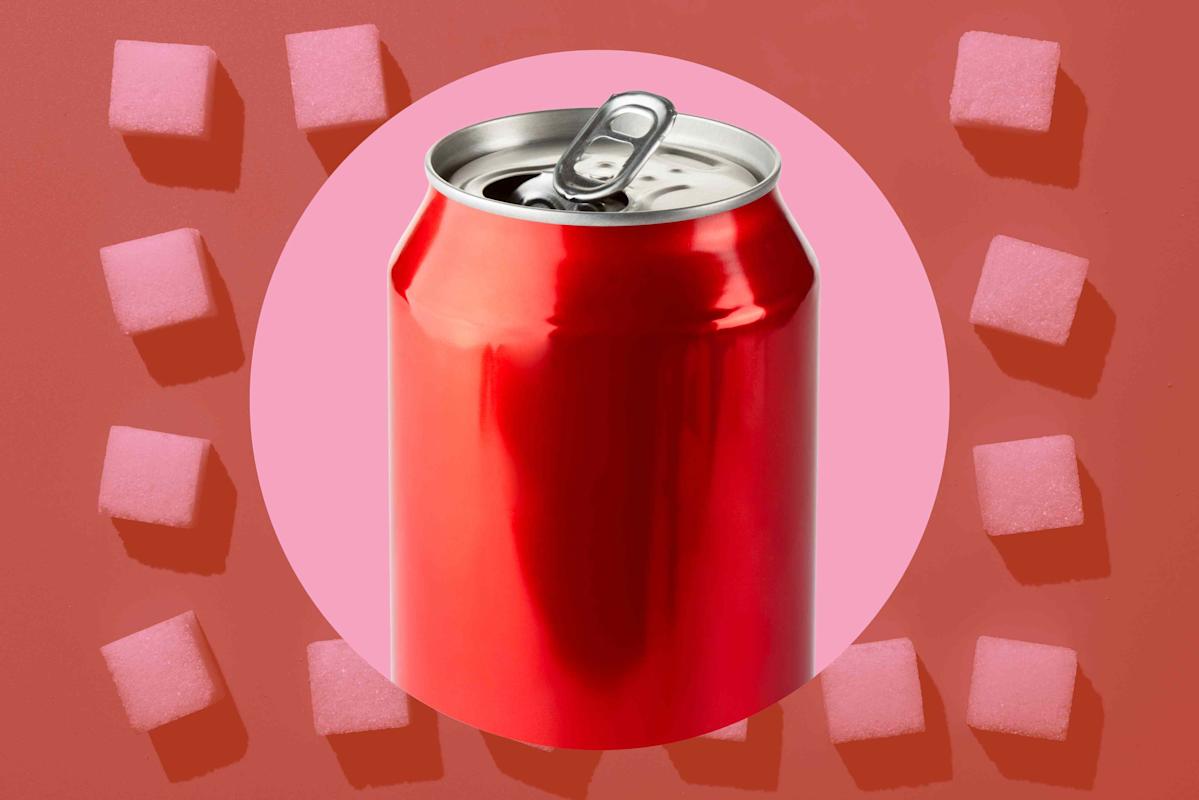
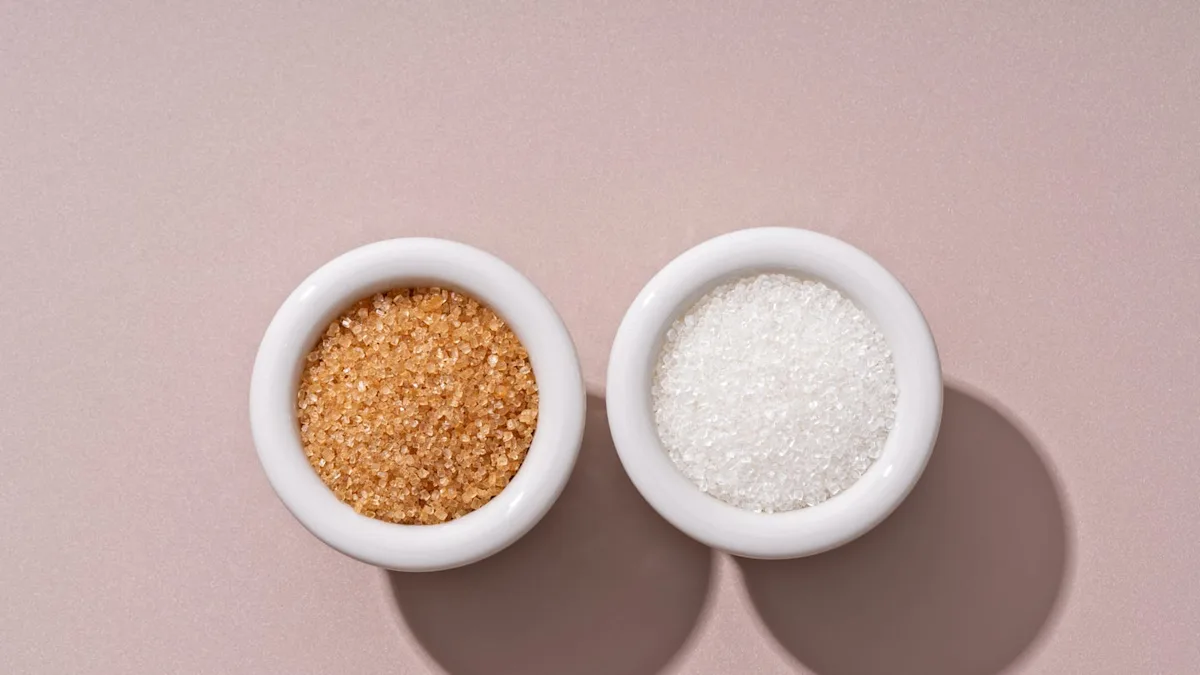
Whether you use granulated sugar, turbinado sugar, honey, coconut sugar or agave, each of these is still considered sugar. Consuming beverages that contain added sugar has been associated with a higher risk of developing type 2 diabetes. Generally, experts recommend decreasing your intake of sugary beverages if you have diabetes in order to improve lipids and insulin sensitivity and reduce blood pressure, inflammation and excess visceral fat.
It May Aid in Glucose Control Over Time
Although a single cup won’t make a difference, drinking green tea may support your health when sipped regularly. “Green tea contains compounds that can help manage blood sugar,” says Kara Burnstine, M.S., RD. There are many potential reasons behind this, but one is by blocking starch breakdown, she says. And although research is mixed, one meta-analysis found that green tea may help improve fasting blood glucose, HbA1c (average blood glucose over the past two to three months) and insulin resistance in people who have type 2 diabetes.
It May Impact Long-Term Gut Health
When consumed regularly, green tea may promote the health of your microbiome (the colony of bacteria in your intestines). “The polyphenols, such as EGCG (epigallocatechin gallate), in green tea act as prebiotics, promoting beneficial bacteria,” says Burnstine. “When gut bacteria metabolize these polyphenols, they produce short-chain fatty acids like butyrate and acetate. These serve as the primary fuel for colon cells, reduce inflammation and are associated with better blood sugar control.”
Additional research also indicates that green tea’s polyphenols may also decrease the population of gut bacteria that has a negative impact on glucose metabolism, pointing to another reason why those with type 2 diabetes may benefit from drinking green tea.
Its Caffeine May Affect Some People More Than Others
Green tea contains about 29 milligrams of caffeine per cup. That’s far lower than coffee, but it may still affect your body, especially if you’re sensitive to caffeine. “It’s important to monitor blood sugar to ensure the stimulant effect does not inadvertently elevate levels,” says Burnstine. If you are sensitive to caffeine, the American Diabetes Association recommends consuming decaf versions of green tea.
Tips to Enjoy Green Tea
Green tea can be enjoyed hot or iced, making it a great year-round healthy beverage. Keep these tips in mind when creating your cup:
-
DIY brew. You have several options for making a cup of green tea, including using a tea bag or loose-leaf tea. Taking a couple minutes to make it yourself at home is typically the best approach when you’re managing your blood sugar, says Smith. “Most store-bought premade options are already sweetened,” she says.
-
Steep for a couple of minutes. The goal is to brew a flavorful tea that’s not overly bitter—but maximize the concentration of antioxidants like EGCG. Burnstine recommends steeping tea for two to three minutes for this benefit.
-
Find the type you like most. Green tea comes in a variety of types, including sencha, matcha, hojicha and genmaicha, each with slightly different flavor profiles. Try different varieties to find your favorite, Smith recommends.
-
Consume green tea early in the day. “Avoid consuming green tea late in the afternoon to avoid impacting sleep,” says Smith. Sleep, she points out, is important for managing stress hormones. Plus, sleep loss can also increase blood sugar. Keep your cups to the morning hours, then switch to decaf green tea or herbal tea blends, she says.
Our Expert Take
Green tea may have an impact on blood sugar by affecting glucose (carbohydrate) breakdown in the body and promoting a healthy microbiome. However, some people with type 2 diabetes who are sensitive to caffeine may notice a rise in blood sugar after drinking it, in which case decaf is a worthy substitute. Most importantly, consume green tea that does not contain any added sugar, which can contribute to unhealthy blood sugar levels.
Read the original article on EatingWell