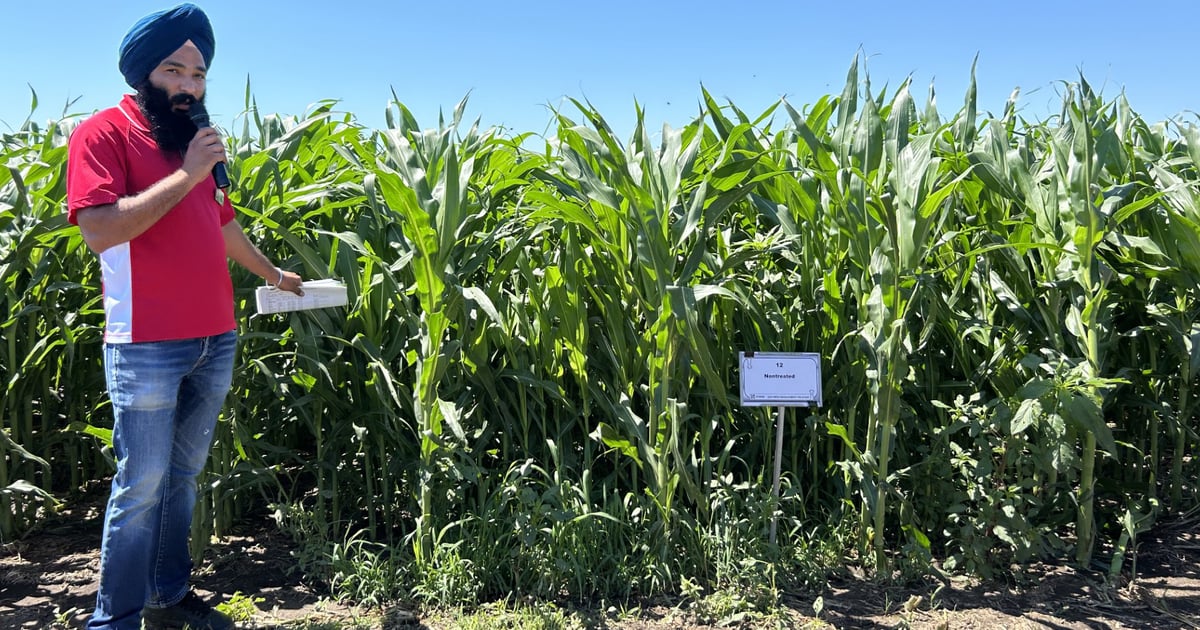
There was a question everyone in the room of 150 farmers wanted to ask. Why aren’t corn prices higher than $4 per bushel?
Meanwhile, Michael Langemeier, the man with the microphone, believed they really should ask a different question. “Why isn’t corn lower than $4 per bushel?” he said.
That wasn’t what farmers in the audience wanted to hear. But Langmeier, director of the Purdue Center for Commercial Agriculture, said that if you look at it from his point of view, there is a hint of optimism for the future. Corn prices may not go much higher over the next two or three years, but they may not go much lower either.
Huge crop
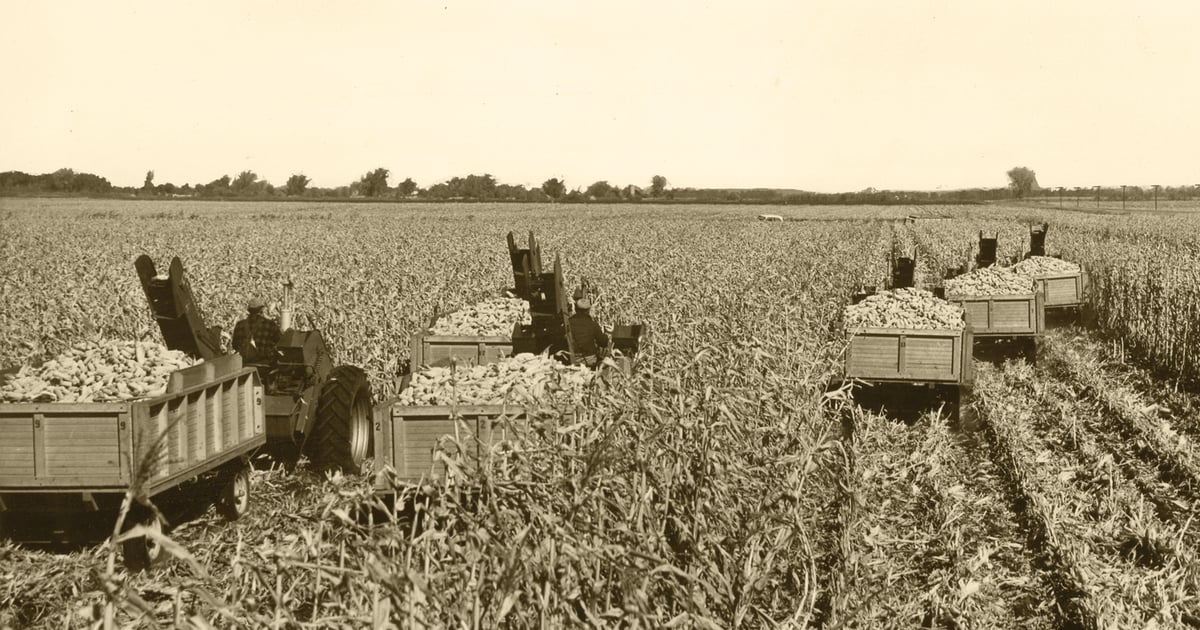
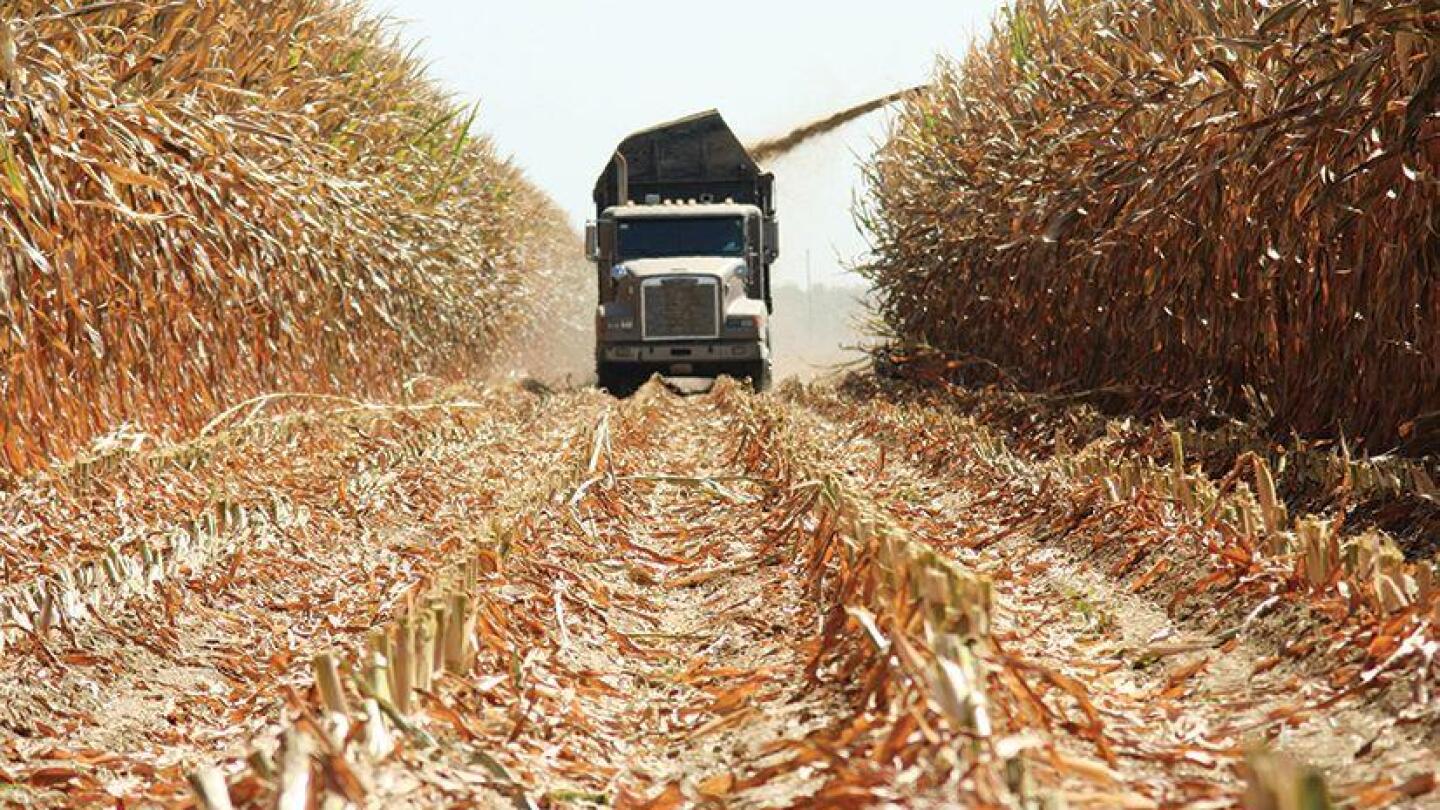
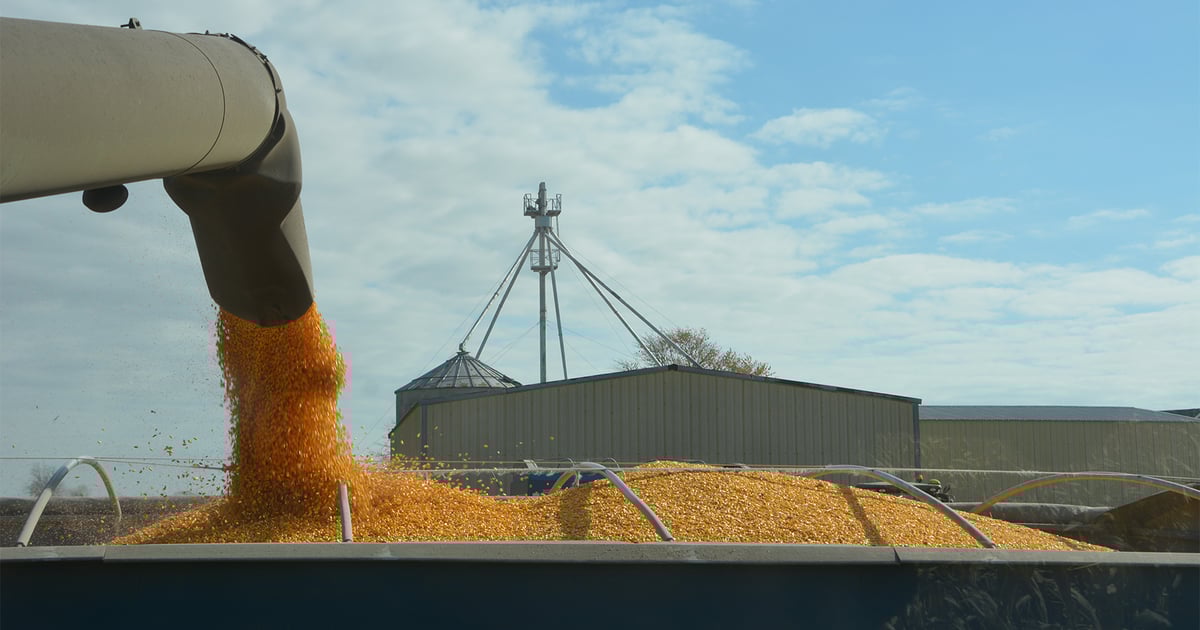
“U.S. farmers produced over 17 billion bushels of corn in 2025,” Langmeier said. “That is a massive crop. The truth is that we have a huge amount of corn which we must work through before we will see much movement higher on corn prices, barring unforeseen events.”
How did we end up with so much corn? “Increased acres of corn in ’25 was the overriding factor,” he said. “We raised 99 million acres of corn, up substantially from ’24. Most of that increase came from the western Corn Belt, including Nebraska, the Dakotas, parts of Iowa and Minnesota.”
Langemeier grew up in Nebraska, and he understands why farmers there often lean toward continuous corn. Heading into 2025, especially, corn prices looked somewhat favorable for farmers there compared to soybeans. Farmers with center-pivot irrigation like to grow corn, too.
“The U.S. corn yield at 186.5 bushels per acre for ’25 is amazing, considering where it was just 20 years ago,” he said. “The end result of strong yields and very high corn acreage is a huge crop.”
Demand to the rescue?
So, why aren’t prices lower? “We saw substantial increases in demand for corn last year, and it is continuing,” Langemeier noted. “There was increased demand in all three major areas, which makes up the main market for corn: feed use, ethanol production and exports.”
Latest figures indicate feed usage was up13.7% in ’25, he reported. Ethanol usage was also up, but by a smaller amount, at 3.7%. A big driver was increased corn exports, up 15.5%.
One factor that Langemeier analyzes closely to get a handle on corn supply is the stocks-to-usage ratio, comparing percentage of ending available corn stocks to usage. Currently, it is about 12.9%.
“When the stocks-to-usage ratio gets above 10% for corn, prices trend lower,” Langemeier said. “For the ’24-25 marketing year, it was about 10.1%, and that gave us an average U.S. corn price of $4.24 per bushel. A13% stocks-to-usage ratio for corn gives you $4 per bushel corn.”
Could corn go lower than $4? The key for ’26 is corn acres, Langemeier said. “If it gets above 95 million acres again, and we have a good crop, it will pressure stocks even more.
“Right now, we’re expecting perhaps less than 95 million acres. We will work out of this big supply of corn — we have before. It just takes time. That’s why I don’t see corn prices moving much over the next couple years, barring unforeseen events.”