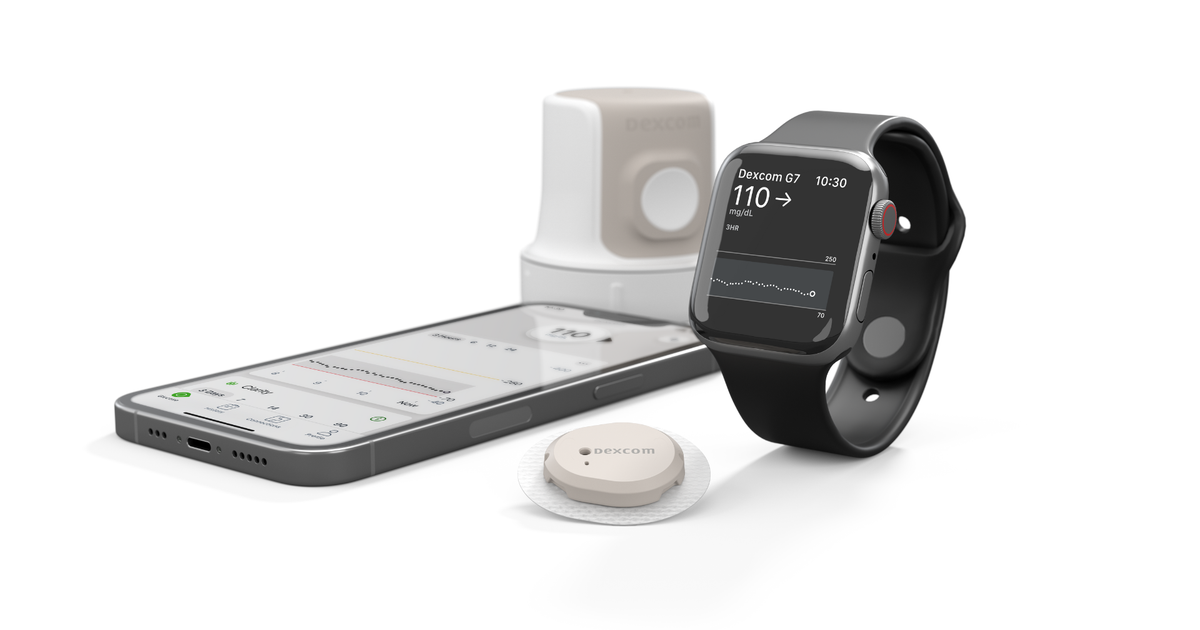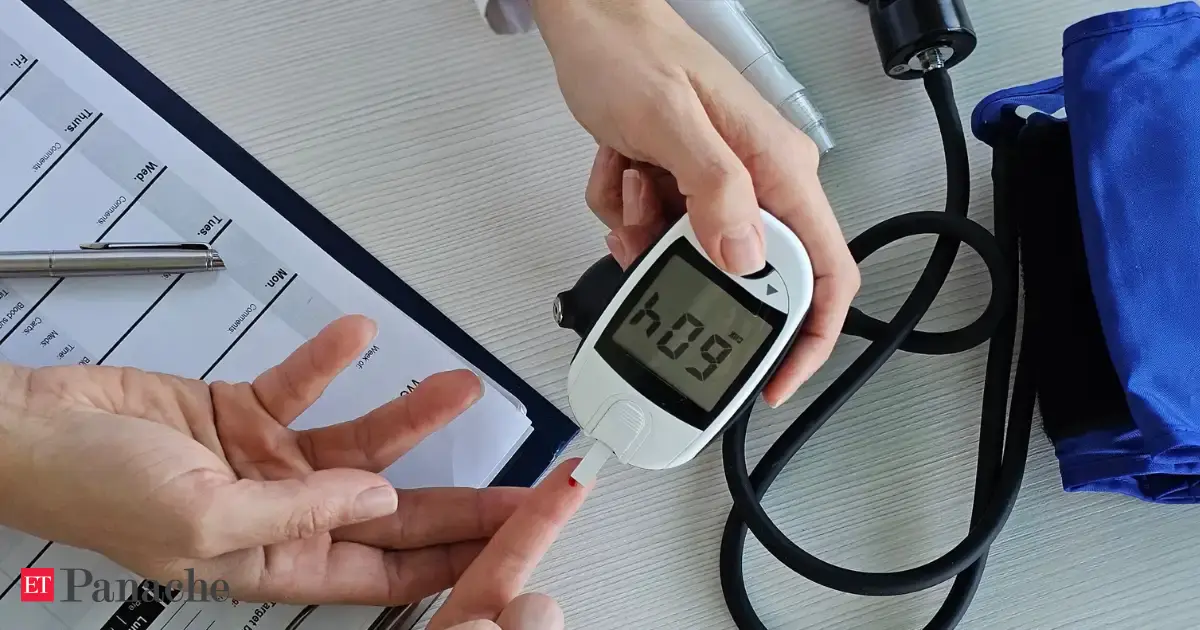
I’ve tested my fair share of fitness trackers and wellness products that promise to change your life for the better, but I realized a continuous glucose monitor is different. Instead of making false promises, this wearable provides information you need to make impactful health changes that actually stick.
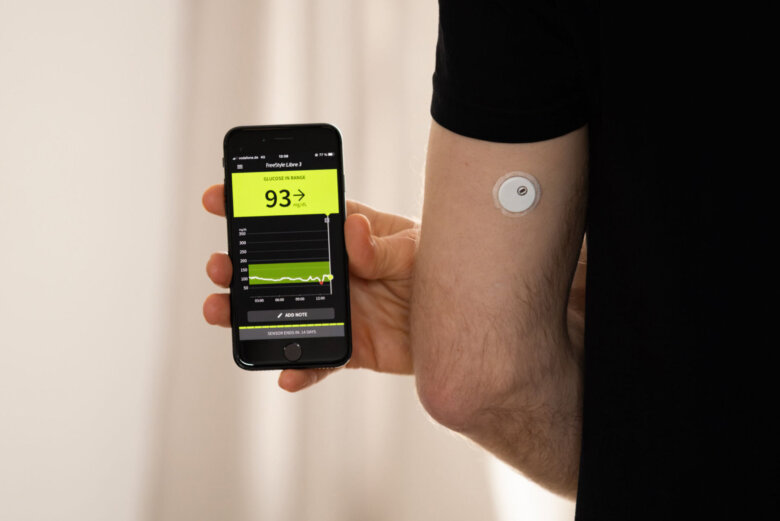
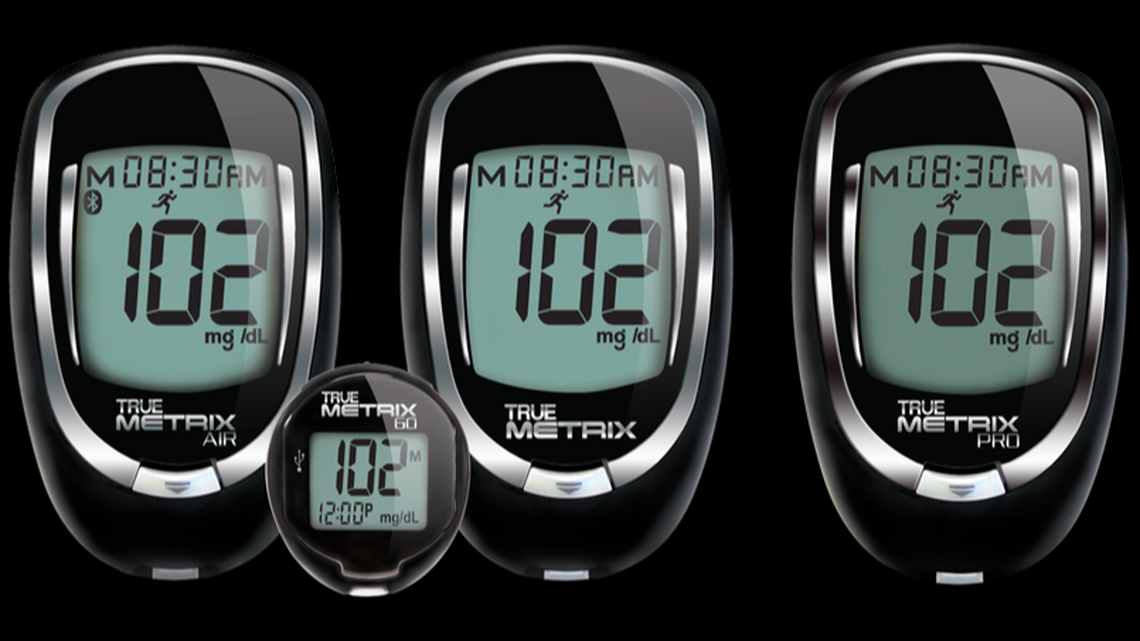
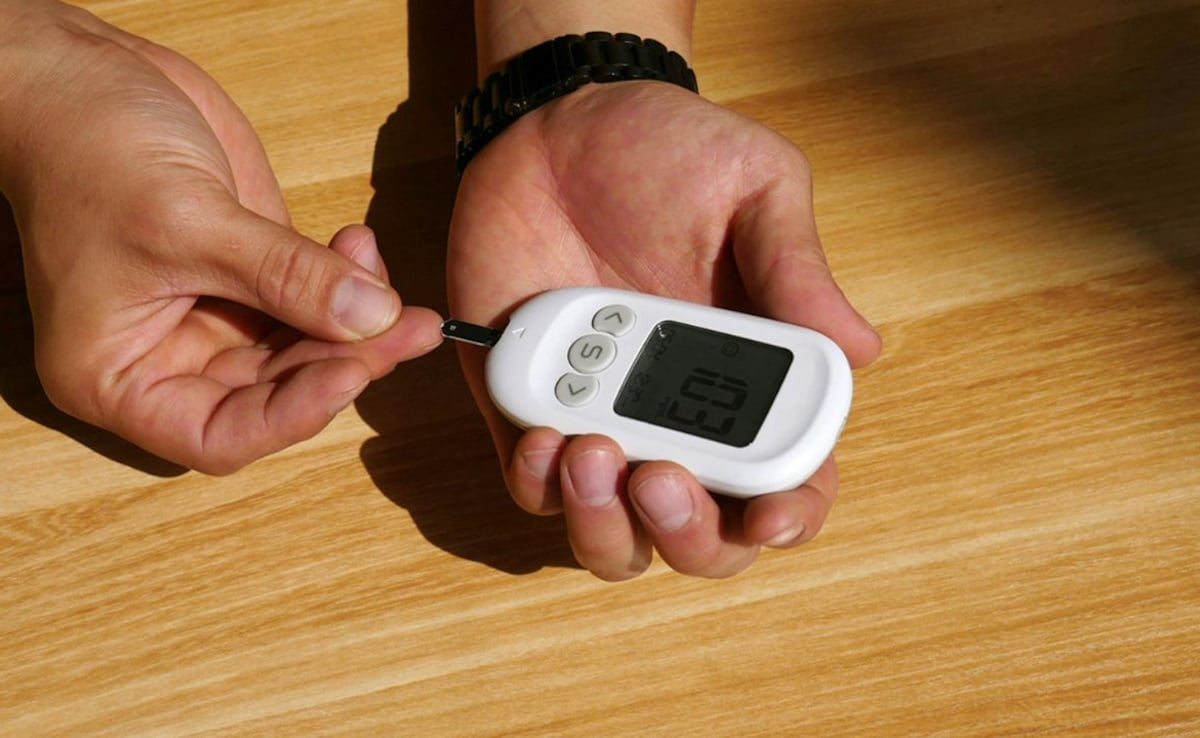
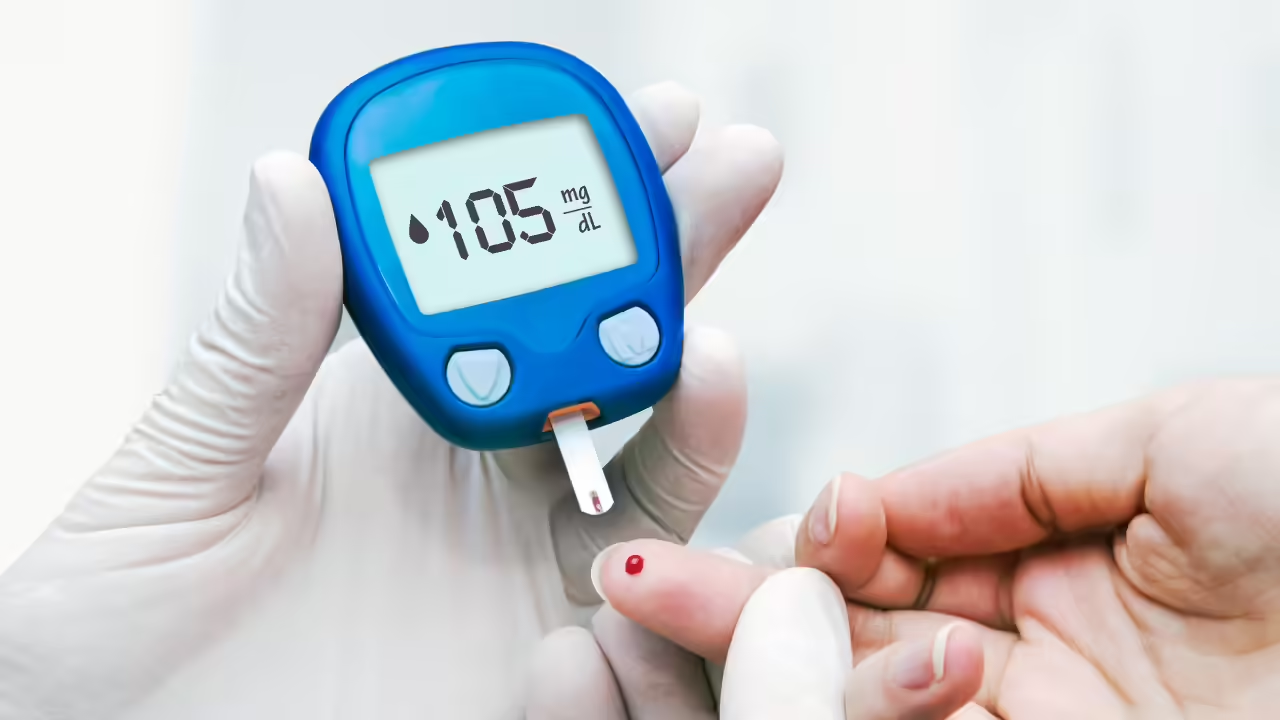
Continuous glucose monitors are nothing new; in fact, they’ve been available by prescription for decades to help those with diabetes better monitor their blood sugar levels. “Glucose monitors track glucose levels in the body, offering insight into how factors like food, stress, sleep and physical activity affect energy and metabolic health,” Ayla Barmmer, a registered dietitian and the founder of FullWell, said. “Continuous glucose monitors, or CGMs, use a small sensor placed just under the skin to measure blood glucose levels in the fluid surrounding your cells, throughout the day and night.”
In addition to prescribed CGMs, there are two models you can buy over the counter for general wellness guidance: Stelo and Lingo. To figure out which CGM is the best, I rounded up a team of four editors to put these wearables to the test. We applied the monitors and kept them on for at least two weeks to examine their effectiveness, comfort, data and in-app experience. We also wore them during workouts, while commuting, throughout the workday and while sleeping to ensure they could handle busy lifestyles. In the end, we found that each model has its benefits and pitfalls, but one outperformed the other.

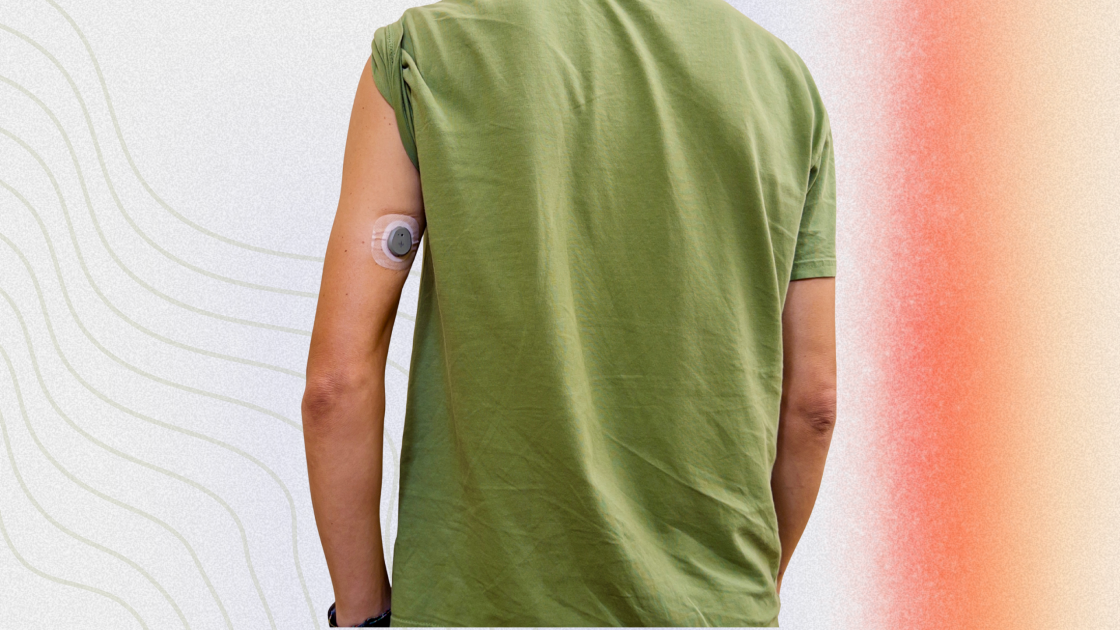
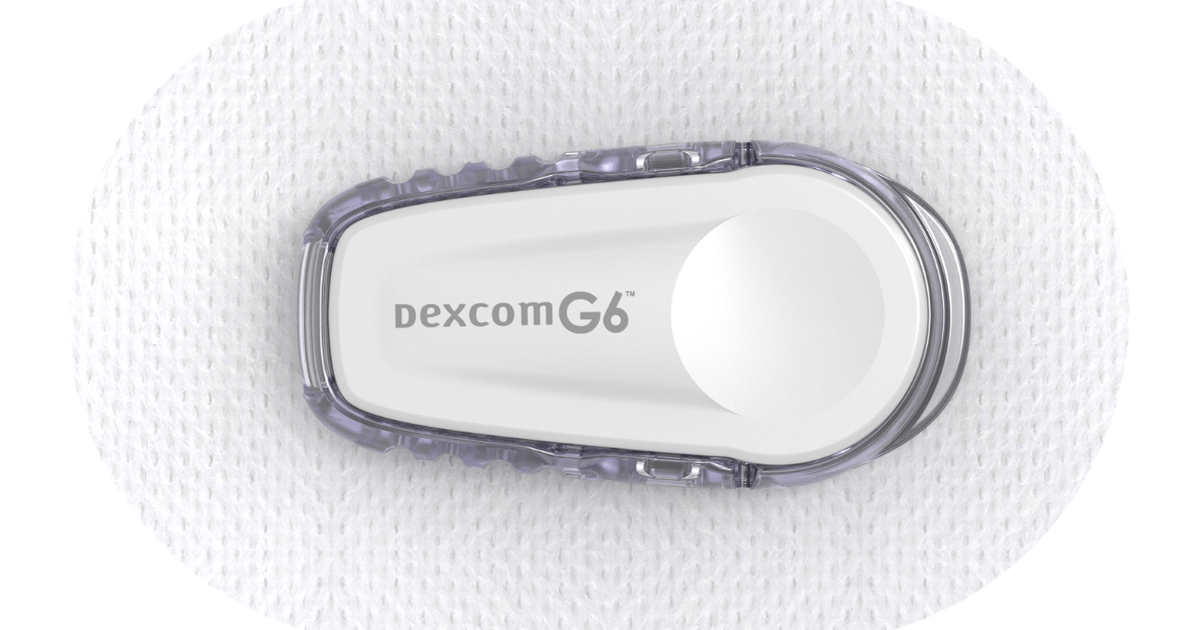
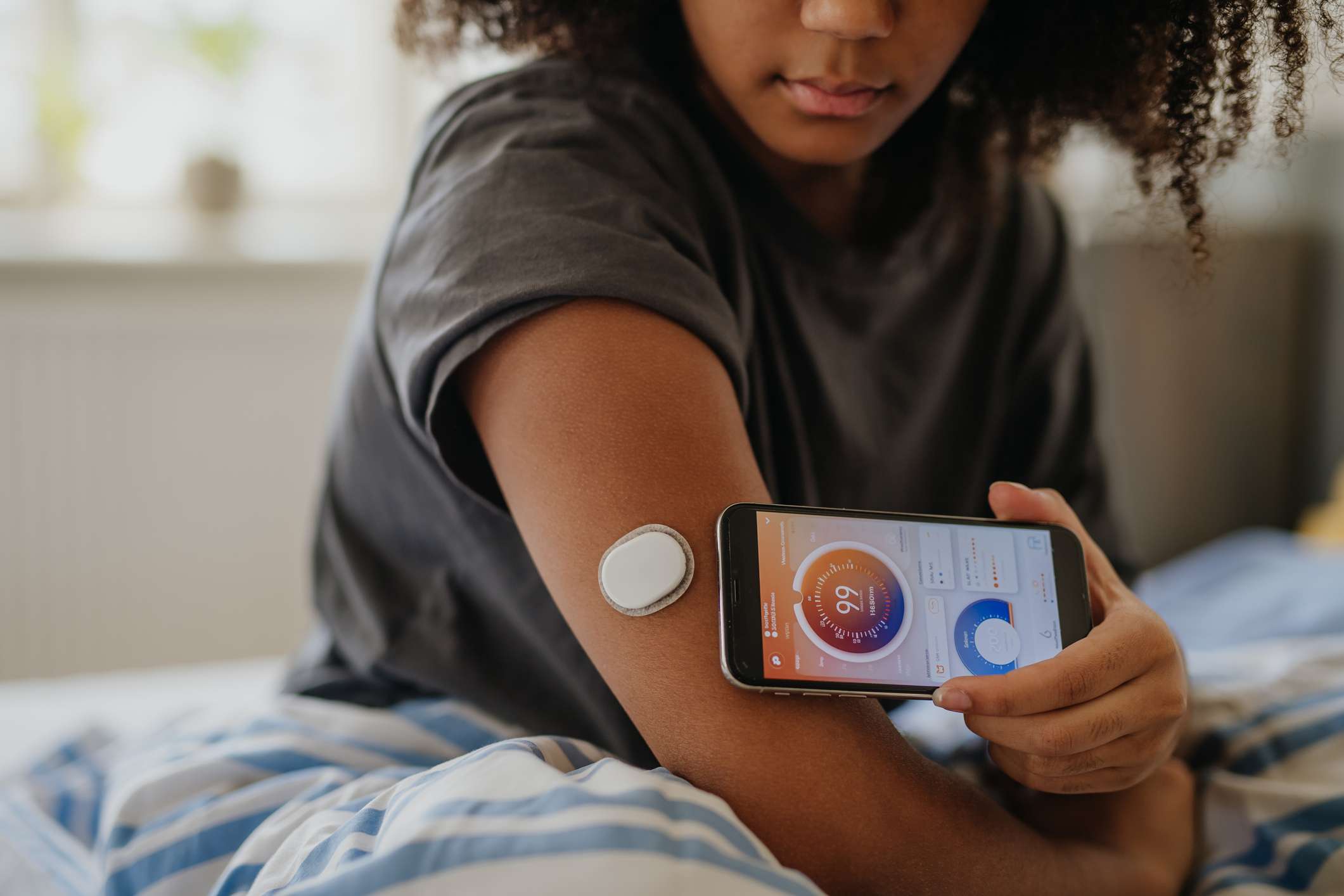
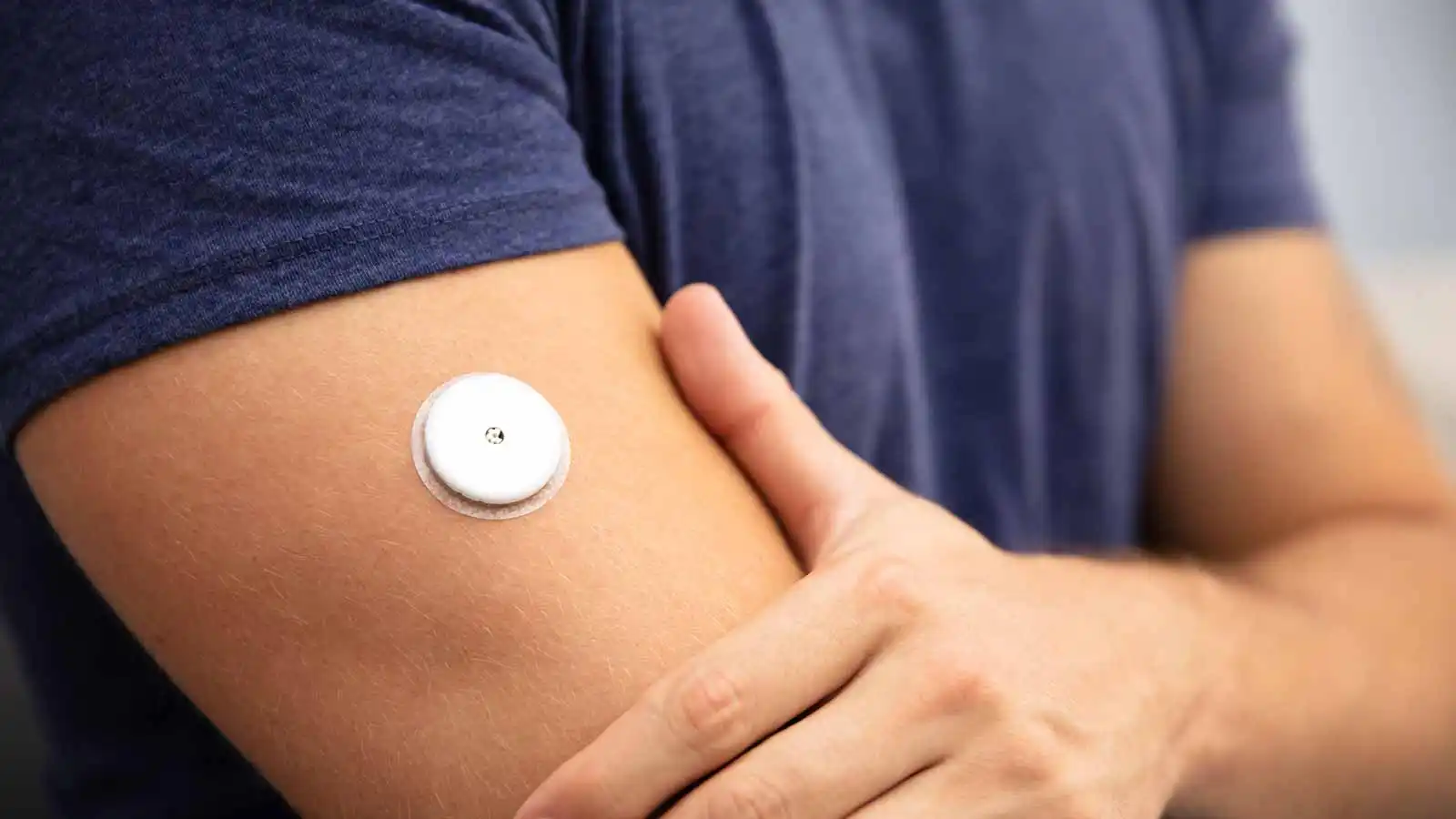
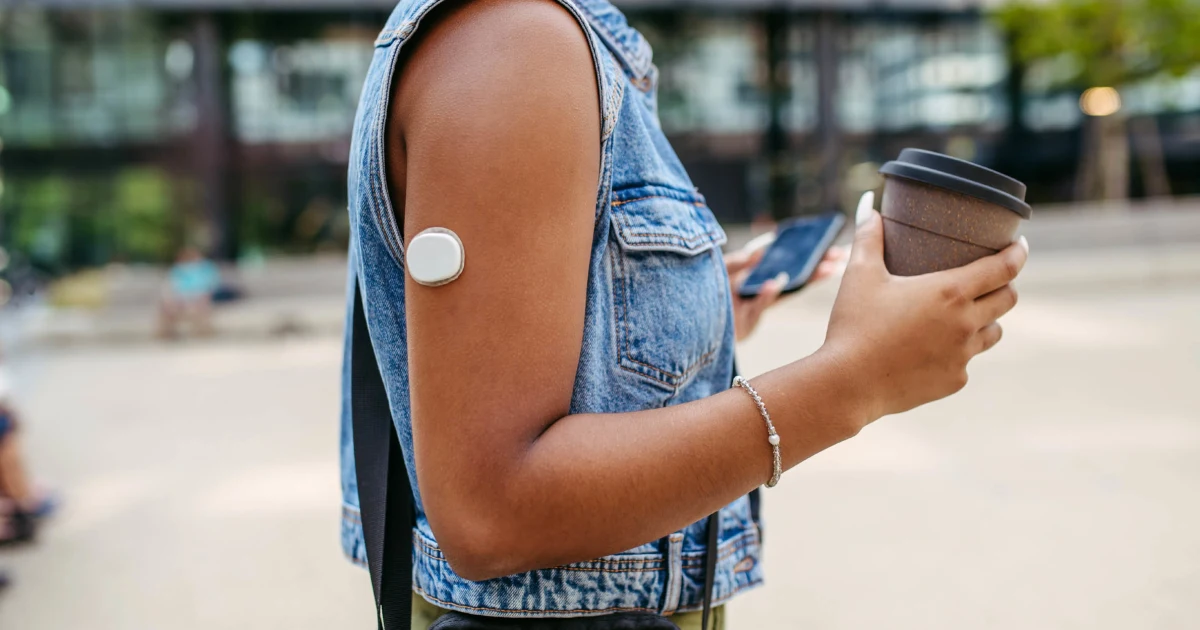
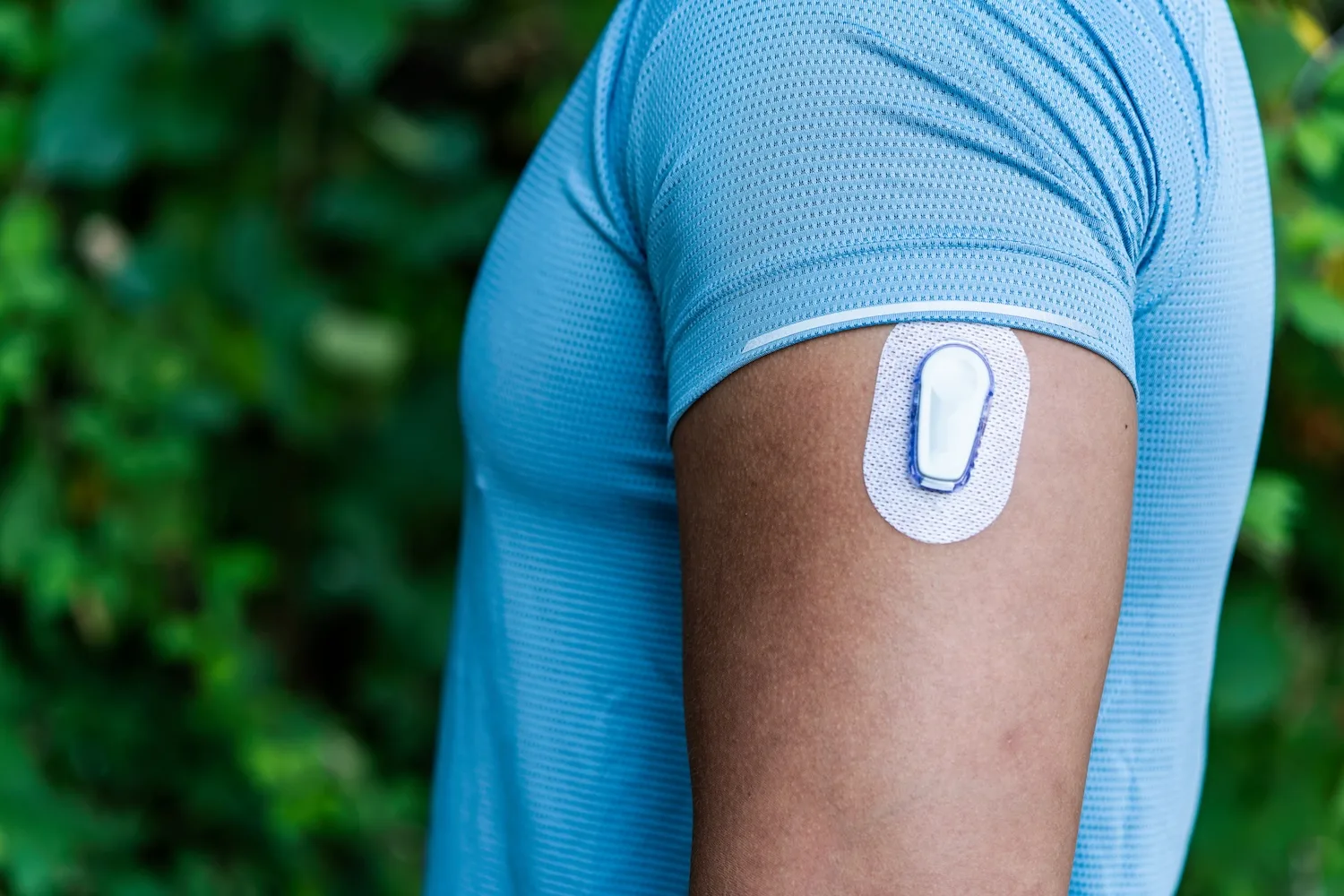
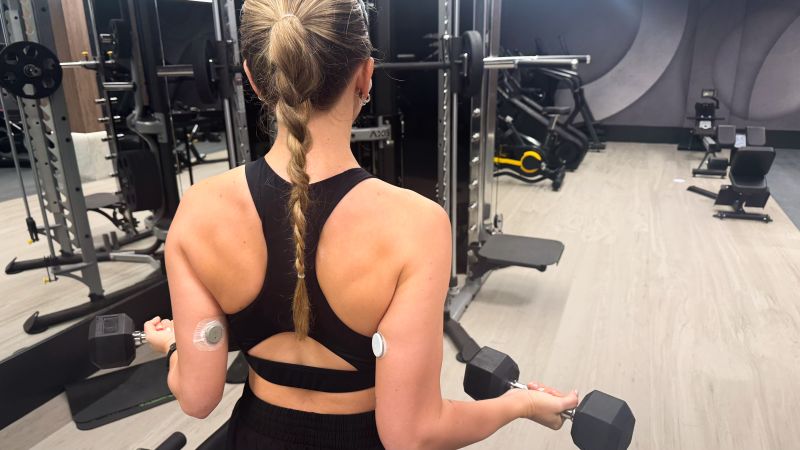
The Lingo biosensor is designed to provide minute-by-minute glucose tracking for up to two weeks. It fits onto the back of your arm and connects via Bluetooth to its companion app, which provides a score at the end of every day, allowing you to easily keep track of glucose levels. The CGM can also sync to Apple Health and Health Connect, so any workout or activity data you log there automatically gets added to the Lingo app.
|
Lingo |
Stelo |
|
|---|---|---|
| Application |
Back of arm |
Back of arm |
| Price (for 2-week subscription) |
$49 |
$55 |
| Health app connectivity |
Lingo, Apple Health, Health Connect |
Stelo, Apple Health, Health Connect, Oura, Signos, Nutrisense, Levels and others |
| Product lifespan |
Up to 14 days |
Up to 15 days |
| Biosensor monitoring frequency |
Every min. |
Every 15 min. |
| Warm-up period? |
60 min. |
30 min. |
| Waterproof? |
Water-resistant up to 3 ft. for up to 30 min. |
Waterproof up to 8 ft. for up to 24 hrs. |

When I got my first CGM, my main fear was not what the data might show me but the application process. There are a number of things I’d rather do than stick a needle into my body, but to my surprise, the needles on both the Stelo and Lingo biosensors are only about the size of an eyelash. This made the pricking much easier and less painful than what I was making it out to be in my head. Luckily, I didn’t feel either sensor’s needle, but I did feel pressure from the applicator devices during the placement process.
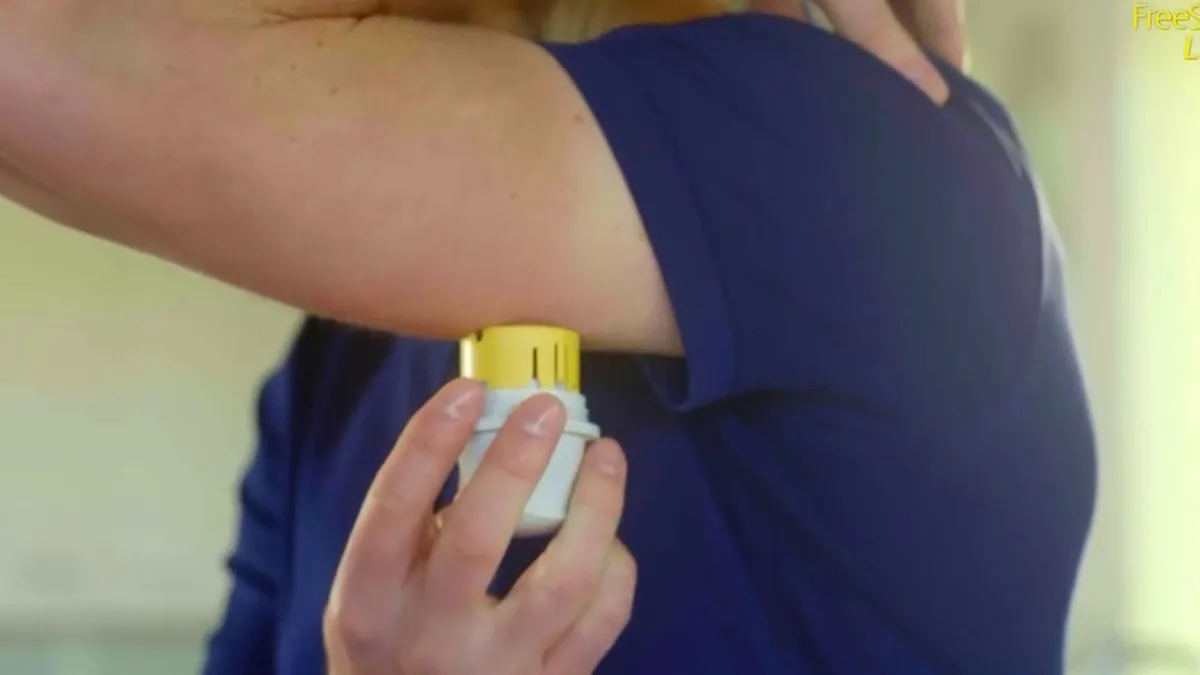
The insertion process is quite simple: You use an applicator to push each biosensor, its needle and the adhesive face into your arm. The anticipation, aside from the clicking noises each applicator makes, is the scariest aspect about applying both CGMs. The pressure from pressing the applicator onto my skin hurt a bit, but the pain subsided within seconds. It kind of felt like bumping into the corner of a table.
For the Lingo monitor specifically, once you finish this application process, you’re all set. CNN Underscored testing writer Alex Rennie said his application was “really simple to attach” and didn’t hurt at all, while our associate testing writer Carolina Gazal said her device took “probably five seconds to get on.”
The Stelo device, on the other hand, requires an additional step. After inserting the device in your skin, you need to place an “overpatch” — essentially a large, semitranslucent bandage designed to keep the monitor in place — atop the biosensor. The rectangular patch with a circular cutout in its middle fits down around the Stelo monitor, and in my experience, it was really tough to line up the patch with the sensor when applying it by myself. I had to put my arms and torso in an awkward position, rely on a mirror and redo this step a few times before I got everything lined up. CNN Underscored copy chief Daniel Toy, who also tested the Stelo, agreed. Following a few awkward and failed solo attempts, he said that leaning on a second person to help with this step made the process much simpler.
Neither Toy nor I liked the unsightly look of the patch on top of our skin either, so because of the Stelo’s additional step and less-aesthetic-looking outcome, we favored the Lingo’s application process, as it was both easier to put on and more attractive to wear.
The biosensors each have a “warm-up period,” meaning once you place them onto your body, you’ll have to wait a bit before you see data populate on your app. Stelo’s warm-up phase is 30 minutes, while Lingo’s is an hour. I didn’t find this particularly annoying, but if you want to get your readings as soon as possible, Stelo would be the better option for you.
Each monitor provides real-time data, and though I wore both monitors simultaneously, each biosensor’s glucose-level readings were slightly different. Stelo often said my glucose was anywhere from 3 to 10 milligrams per deciliter (mg/dL) higher than the reading from the Lingo, and while this isn’t a big difference and never caused me to think my blood sugar was spiking, I found the discrepancy interesting.
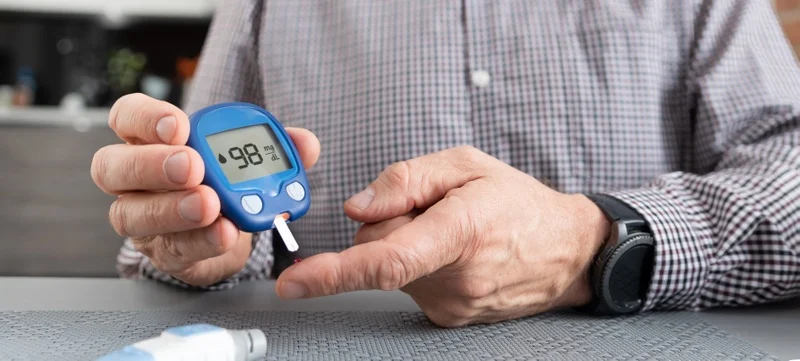
Barmmer said that while the FDA requires prescription devices made for people with diabetes to be within a specific range for high accuracy, over-the-counter monitors like these that are made for people who don’t have diabetes aren’t required to meet the same clinical accuracy standards. On Stelo’s website, the brand reports that its “glucose data has proven to be 93% accurate when compared to a gold-standard laboratory blood glucose test.” While Lingo hasn’t made its own accuracy information available to the general public, its parent company, Abbott, said in a statement to CNN Underscored that “Lingo provides reliable, real‑time glucose insights, through a biosensor that streams updates every minute. Paired with features like Lingo Count, science‑backed challenges and nutritionist-created recipes, Lingo is designed to help people understand and act on their glucose patterns.”
That’s why I use these wearables as a form of guidance rather than cut-and-dried medical readings. As always, though, we recommend consulting a medical professional for any testing or medical advice.
Both help with food awareness and diet tracking
Dr. Stella Gandhi, an internal medicine expert and health care provider with Twentyeight Health, said wearing biosensors can provide “awareness of how food, stress, sleep and exercise affect glucose” and added that this data can be helpful motivation for folks who want to eat healthier or lead a healthier lifestyle, not to mention be particularly useful metrics for people with insulin resistance, prediabetes, polycystic ovary syndrome (PCOS) or a family history of diabetes.
Gazal wore the Lingo biosensor for two weeks in an effort to better understand how her family’s medical history may have an impact on her well-being. Predisposed to type 2 diabetes, she wanted to try out a glucose monitor to ensure her eating habits and glycogen levels were healthy. “I loved having my glucose numbers in real time, especially to see that some foods I thought would spike my sugar actually didn’t,” she said. Being able to monitor these metrics helped relieve some of her health-related anxiety as well.
Toy, who has three extended family members with diabetes, had a similar experience wearing the Stelo. Toy’s doctor actually recommended it to him after he received a prediabetes diagnosis early last year, and though he’s out of the prediabetes range now, he still found it extremely helpful to see the correlation between his glucose levels and his eating and exercise habits. “The Stelo is a great easy-to-use, painless, readily available and relatively affordable device for anyone at risk of developing diabetes,” he said. “Using it for just a month could mean avoiding the life-changing, financially burdensome diagnosis of type 2 diabetes.”
I found that Lingo scores also helped diminish any anxiety I had about my eating habits. Scores under 100 indicate small or minimal glucose spikes throughout the day, while scores between 100 and 150 show moderate spikes and ones above 150 detail many spikes. When I had a score around 100 or less, I knew I was on the right track.
I noticed the same positive impact while testing both devices. Simply wearing something as small as a biosensor seemed to have a big impact on all of our daily decisions, especially when they revolved around food. In fact, Rennie said he changed his diet for the better while testing the Lingo monitor. “I began eating carbohydrates at the end of my meals, adopted smaller and less carbohydrate-dense snacks, and spaced out my eating schedule throughout the day more than before,” he said. “All of these new habits helped me dial in my glucose levels to a steady rhythm and cut down on those energy-sucking peaks and valleys.”
Overall, we found that data from both biosensors motivated us to eat healthier, fuel better ahead of workouts and strive toward more consistent wellness patterns.
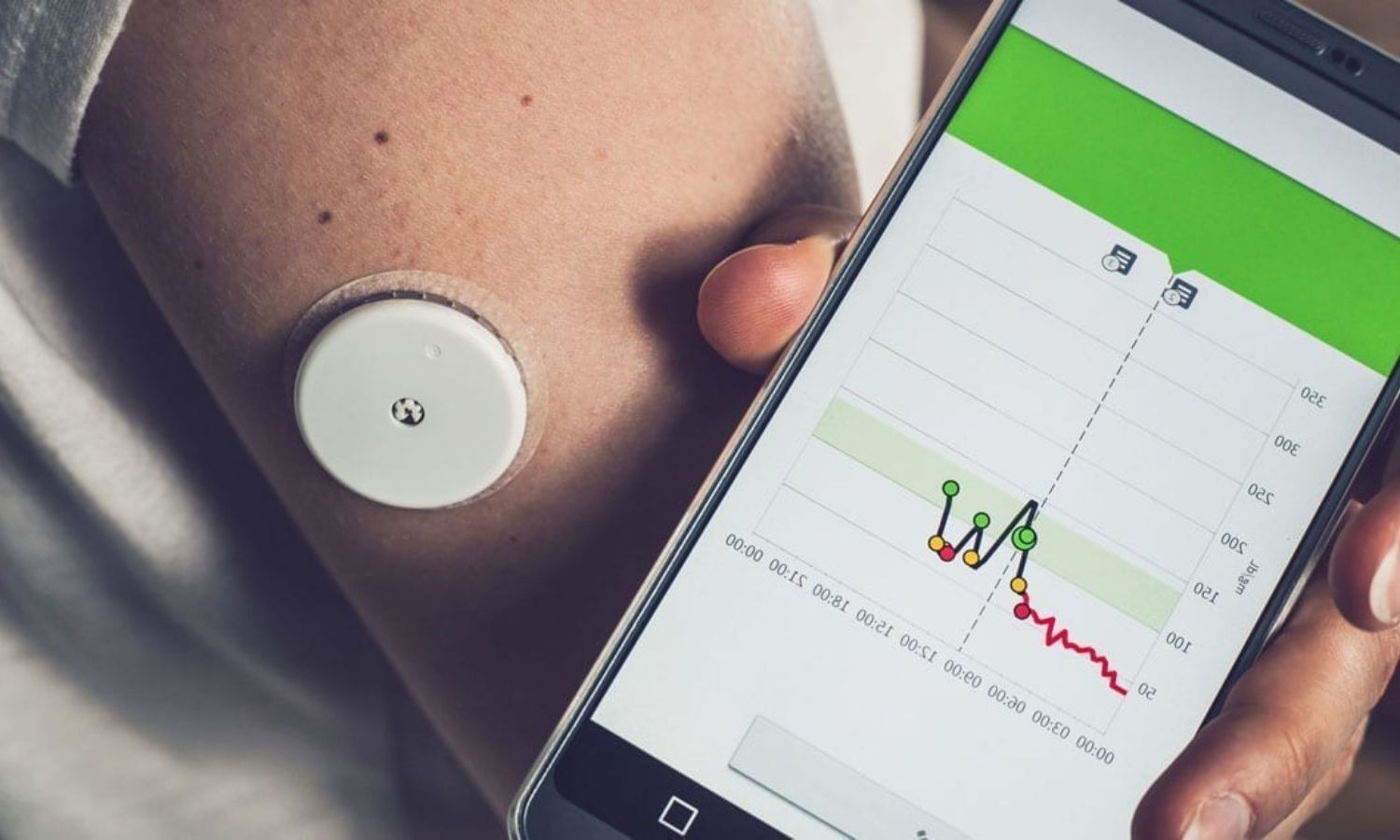
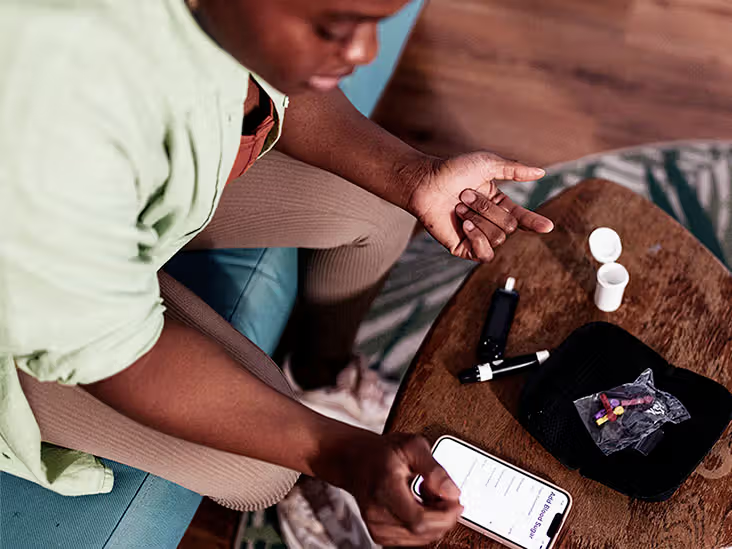
Both the Stelo and Lingo apps sufficiently displayed glucose levels via graphs that show the hours of the day and corresponding glucose measurements. Lingo’s home page displays an overall score that “quantifies the total strain on your metabolic health from glucose spikes,” according to the brand. It also shows your average glucose levels and has a “food tracking” section to log your meals and activities. “I felt that the food-tracking challenge wasn’t the most useful, and I was kind of confused about the value of it,” Rennie said. “I prefer just using the graphs for my own interpretation and data.”
On the other hand, Stelo’s home page shows your average glucose for the day and the percentage of time you stayed within a healthy glucose range. You can also log meals and exercise events by navigating through different menu items at the bottom of the screen.
However, my favorite way to monitor my glucose data, by far, was with the Oura app. I’ve been wearing the Oura Ring 4 Ceramic for about six months, and it’s a habit of mine to check the app multiple times throughout the day. Its interface is convenient, clear and concise. Only the Stelo monitor pairs with the Oura app, creating a seamless experience for me to monitor all my metrics in one place. With Oura’s layout, it was easy to toggle between my glucose, movement and meals, and it also prominently presented whether my glucose levels were in range or not. I preferred this data display a lot more than Lingo’s or Stelo’s in-app layouts, and I found myself checking the Oura app often.
Overall, both apps display metrics just fine, but each interface can be improved upon for a better user experience.
Stelo claims its device can stay in place on the arm for up to 15 days, and Lingo’s monitor is supposed to stay on for up to 14 days. In my experience, neither monitor lasted that long. The first Stelo device I applied only stayed in place for three days before it disconnected and stopped providing any readings. Luckily, I had a second biosensor on hand that was able to stay put for the remainder of our team’s two-week testing period. Lingo also fell short on its promise and lasted only 10 days for me. However, both Gazal and Rennie said their Lingo monitors stayed in place for the full 14 days.
I applied both monitors within minutes of each other on different arms: Lingo was on my right (dominant) side, and Stelo was on my left. I noticed that the Stelo monitor would catch on clothing, especially sports bras, when I was changing because it jutted out further; Lingo’s biosensor would catch occasionally but not as often. I was in the midst of marathon training throughout this testing period too, which meant I was working out, running, sweating and showering more than usual. I’m not sure if any of these circumstances led to the monitors disconnecting sooner than the brands indicated, though.

If you’re interested in learning about your glucose levels and want to try out a wearable that can provide insights on how your diet, sleep and stress impact your body’s insulin, then a CGM is worth investing in. Each monitor has a similar cost, and you can purchase single units or two-packs, or sign up for a subscription that will set you up with a bundle of trackers to conveniently reapply every two weeks. I definitely recommend buying two units to begin with, just in case one falls off early.
While some folks might want to opt into a subscription for long-term glucose analysis, our team of testers was satisfied with a two-week-long period. This duration allowed us to learn about what foods led to glucose spikes and monitor how exercise and lifestyle habits impacted sugar levels. We were then able to use these findings and apply them to our daily lives, changing out grocery lists and workouts to benefit our glucose levels.
Though the Stelo and Lingo biosensors are useful tools for informing daily health and wellness habits, I’d recommend Lingo to folks who are very active, as it stayed put the longest and provided clear, digestible data that helped me track my movement and glucose levels. However, if you own an Oura ring or want to explore different health apps aside from the ones that come with your phone, I’d recommend the Stelo device, as it offers more flexible app compatibility.
The following FAQs have been answered by registered dietitian Ayla Barmmer.
“Glucose comes primarily from carbohydrates, which are broken down into sugar and released into the bloodstream for energy or stored in the liver and muscles for later use,” Barmmer said. It’s the primary source of energy for the brain and your body’s cells, per the National Library of Medicine.
Glucose spikes, which “refer to rises in glucose levels after eating, particularly meals high in refined carbohydrates or added sugars,” Barmmer said, are not necessarily a bad thing. “Occasional spikes are normal, but frequent or pronounced spikes may indicate reduced insulin sensitivity, meaning glucose stays elevated in the bloodstream longer than expected.”
Barmmer added that rises in blood glucose after eating are not only normal but expected. “They signal that your body is doing exactly what it’s designed to do: digest food, release insulin and shuttle glucose into cells for energy.”
Regular exercise can improve insulin sensitivity and allow cells to use glucose more efficiently for energy, Barmmer said. You might notice a dip or spike in your glucose levels during periods of movement, depending on the type of exercise you’re doing. If you’re sprinting or doing a high-intensity interval training workout and your adrenaline is pumping, you’ll likely notice a spike in glucose levels, as releasing extra glycogen fuels this type of movement, according to the American Diabetes Association. Sometimes glucose levels decline during or after a workout because muscles consume glucose faster than your body can replace it.
“Glucose monitors can show how different foods, meal timing, sleep, stress and exercise affect glucose patterns throughout the day,” Barmmer said. “For some people, this information may help identify habits linked to energy crashes or increased hunger.”
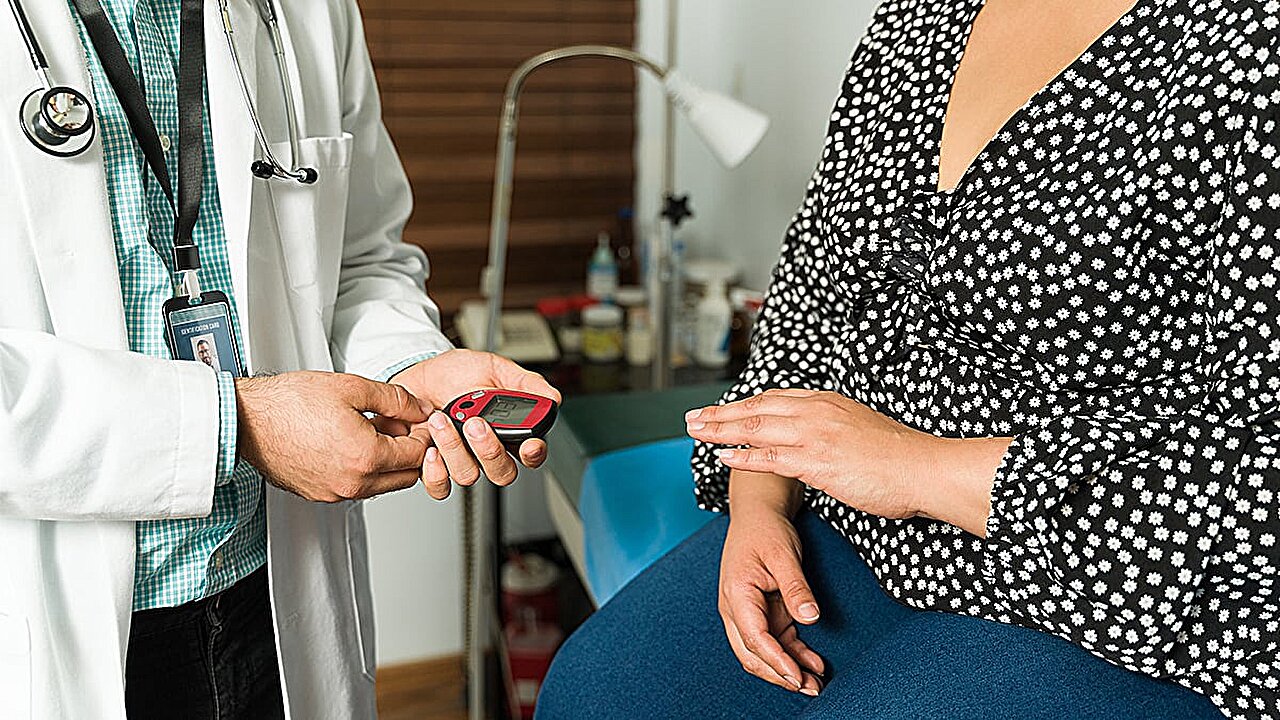
The accuracy of CGMs depends on a few factors. Many newer glucose monitors marketed for wellness insights may not be required to meet the same clinical accuracy standards as wearables designed for folks with diabetes, Barmmer said. “For people without diabetes, these tools may offer broad blood glucose trends, but they should not be used to guide restrictive eating, [for] self-diagnosis or in place of professional medical advice,” she added.
According to Stelo, its glucose data has proven to be 93% accurate when compared to lab glucose tests. Lingo does not have any accuracy data available to the public, but a statement from Abbott described Lingo readings as reliable and in real time.
People with certain metabolic risk factors, such as polycystic ovary syndrome, insulin resistance, elevated triglycerides or those with a strong family history of type 2 diabetes, could benefit from using a glucose monitor such as Lingo or Stelo, Barmmer said, adding that these wearables should be considered a tool among other resources. “For most people, focusing on balanced meals, adequate energy intake, regular movement, sleep and stress management is far more impactful for metabolic and reproductive health than tracking glucose numbers alone,” she said.
For this article, the following experts, both of whom are unaffiliated with Lingo or Stelo as well as the parent companies Abbott or Dexcom, respectively, were consulted for their professional opinions:
CNN Underscored has a team of skilled writers and editors who have many years of experience testing, researching and recommending products, and we ensure each article is carefully edited and products are properly vetted. We talk to top experts when applicable to make certain we are testing each product accurately, recommending only the best products and considering the pros and cons of each item.
For this article, CNN Underscored health and fitness editor Summer Cartwright tested the Lingo and Stelo CGMs for two weeks at the same time on separate arms. In addition, testing writer Alex Rennie and associate testing writing Carolina Gazal tested the Lingo biosensor, while CNN Underscored copy chief Daniel Toy tested the Stelo biosensor.