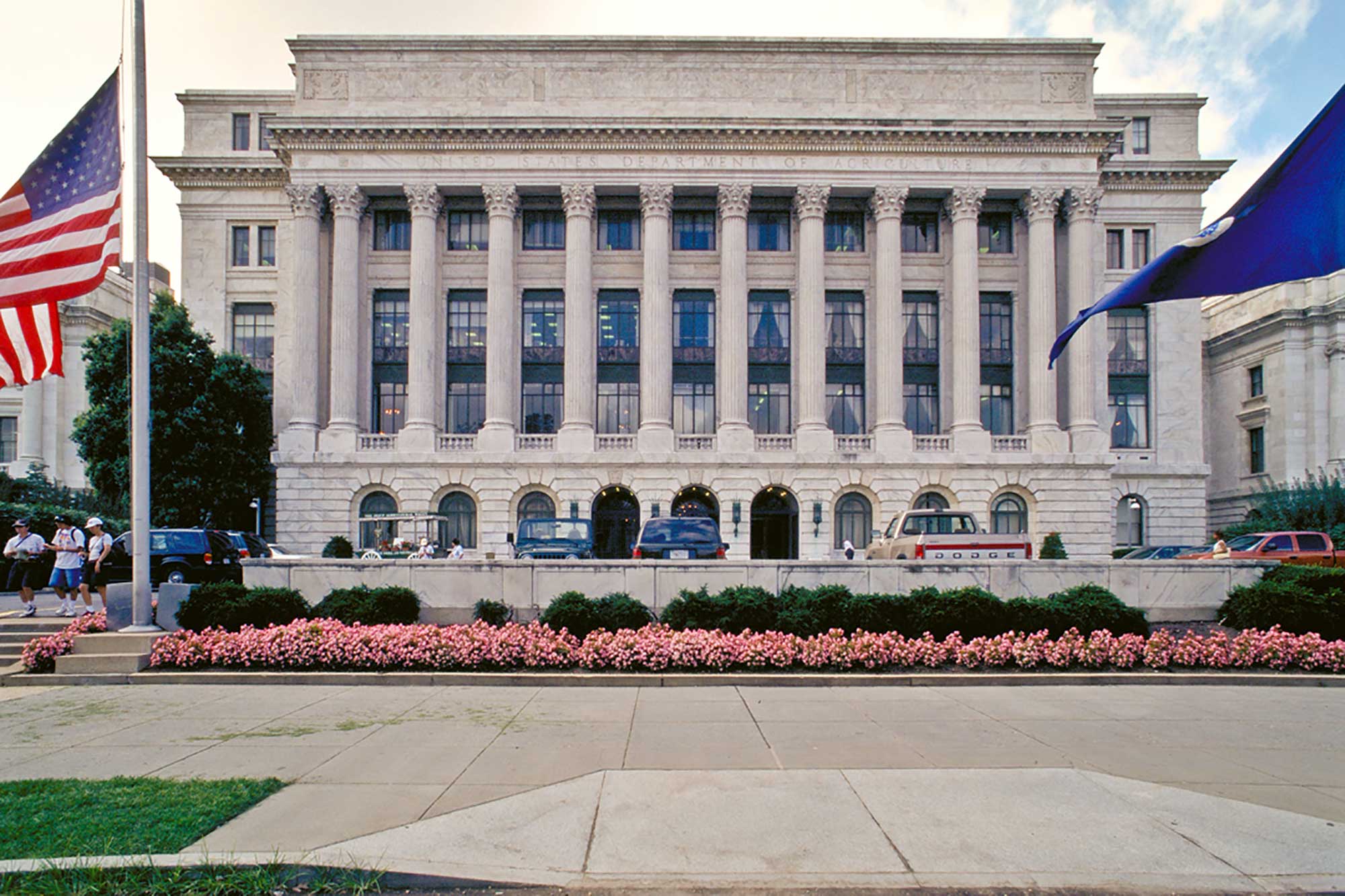
Congress is currently trying to pass a long-overdue farm bill as lawmakers debate where, and how, billions in taxpayer resources should be allocated.
Sadly, those involved in shaping the current legislation seem to be more interested in protecting special interests than advancing the bill’s primary objectives: establishing a healthy food system, supporting a wide group of farmers who supply it and ensuring all Americans have access to a safe and nutritious food supply.
The bill plodding its way on Capitol Hill falls short of addressing these priorities. In its current form, it protects some of the biggest agricultural businesses in the world, marginalizes small and organic food farmers who want to build a healthier America and ignores the needs of poor children and families.
In addition, the version that recently passed the U.S. House Agriculture Committee rejects many of the stated goals of the Trump administration’s own Make America Healthy Again Commission, spearheaded by U.S. Health and Human Services Secretary Robert F. Kennedy Jr.
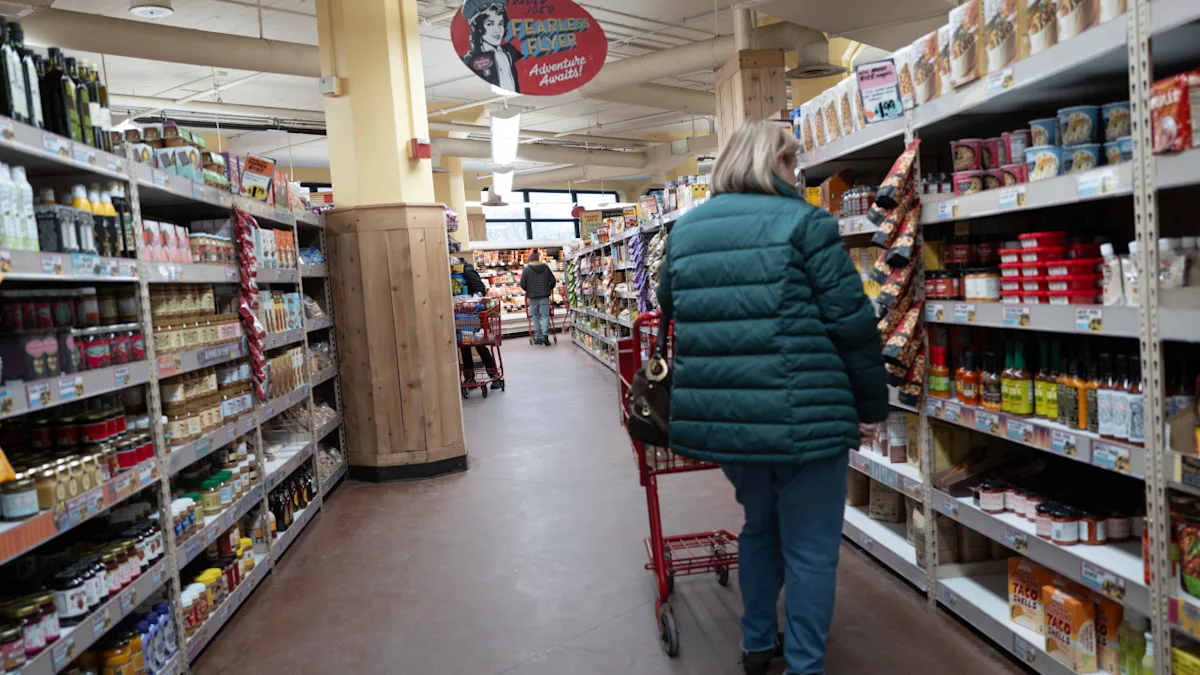
Last year, the commission released a report blaming the rise in chronic disease to the widespread intake of unhealthy food. The report even identified specific ingredients — such as “ultra-processed grains” and high fructose corn syrup — as being associated with Type 2 diabetes and child obesity.
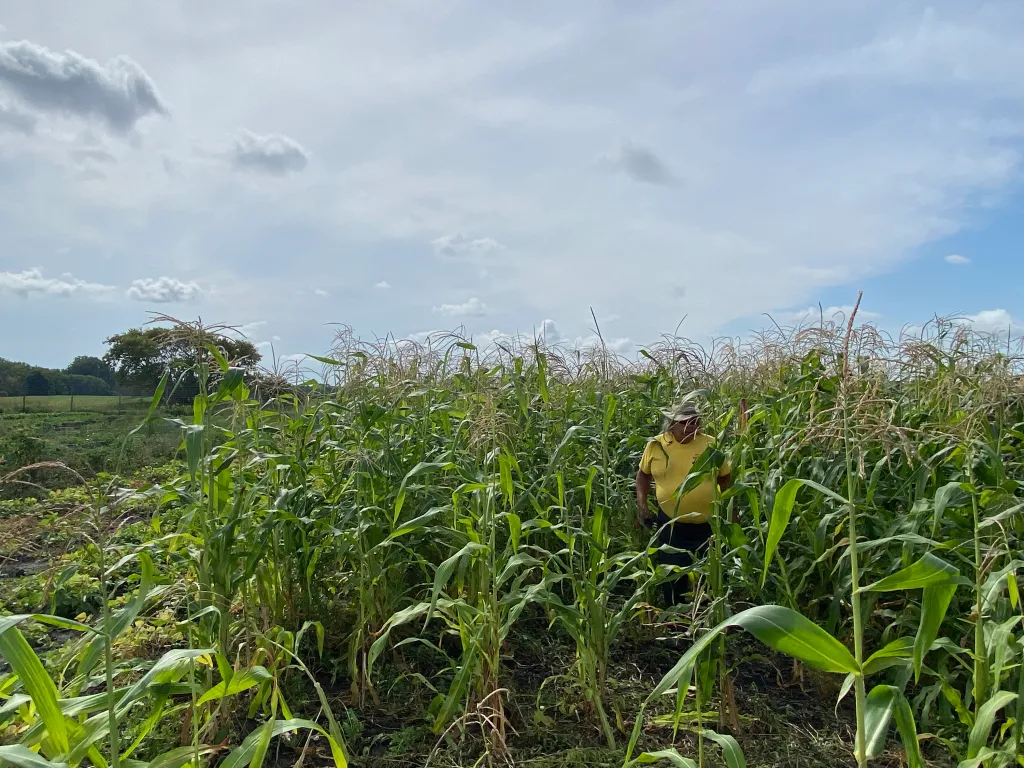
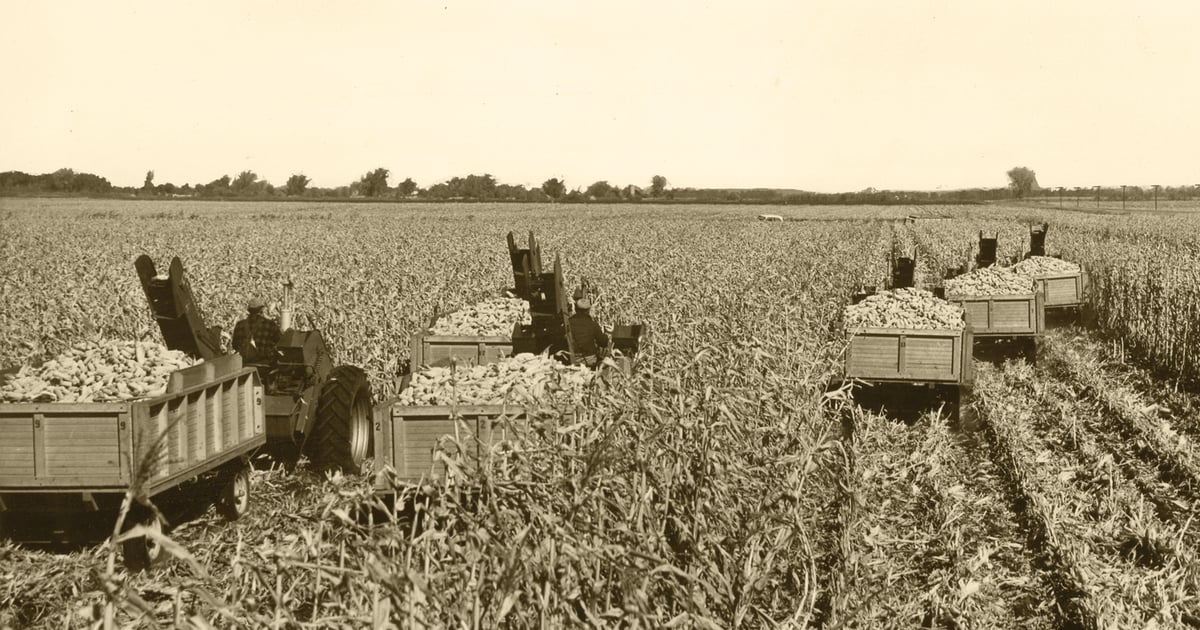
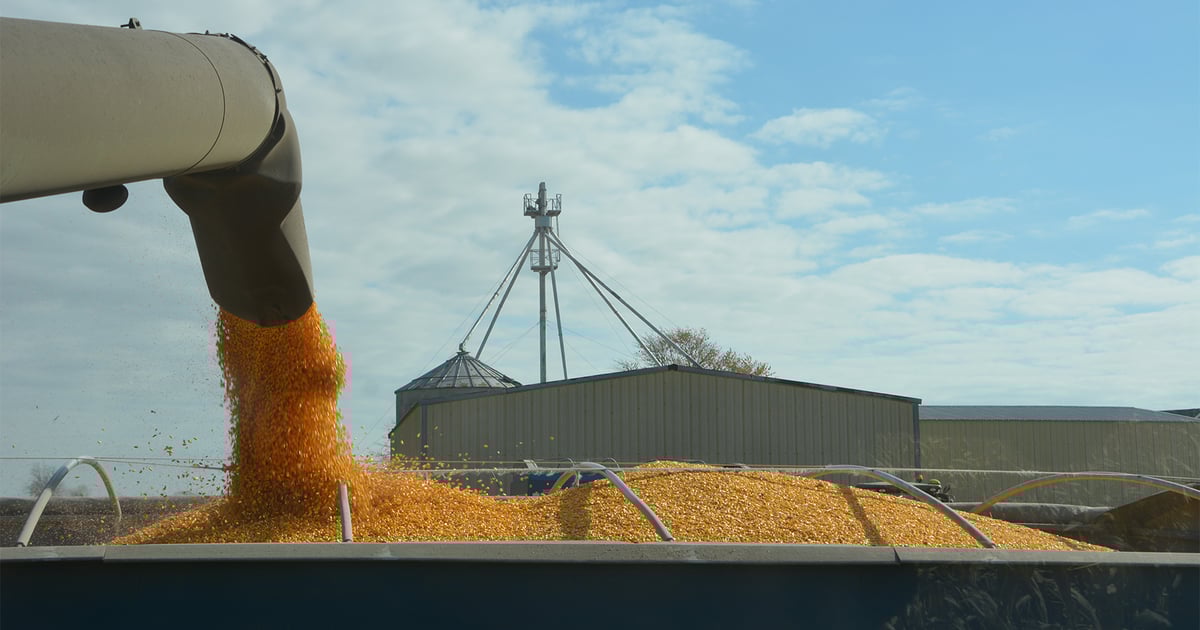
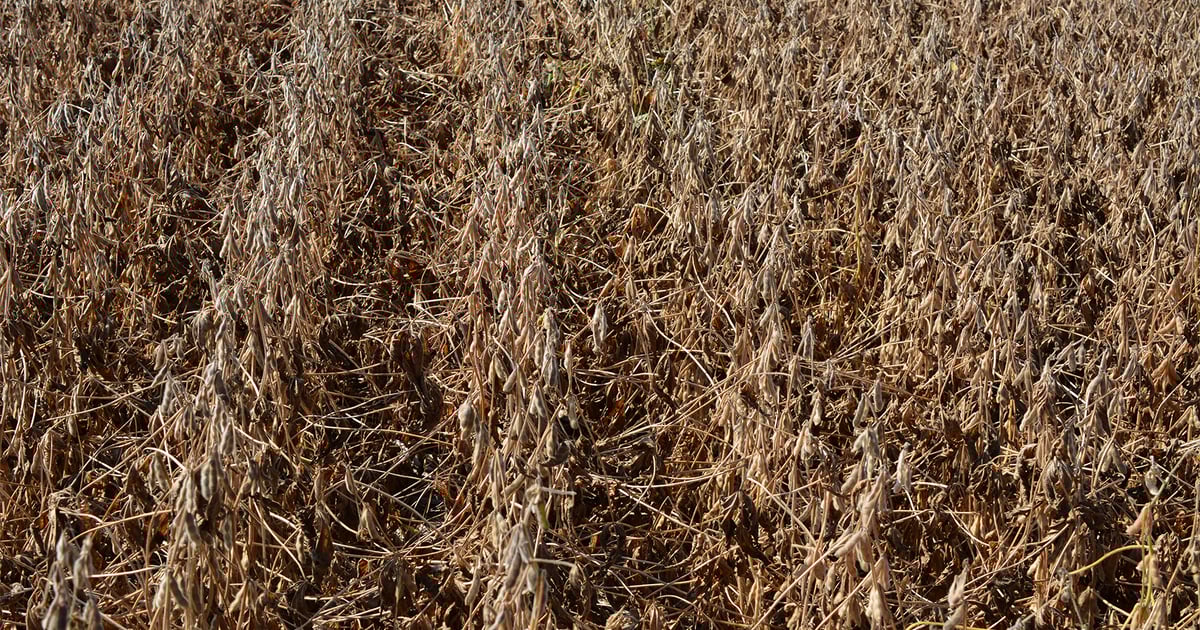
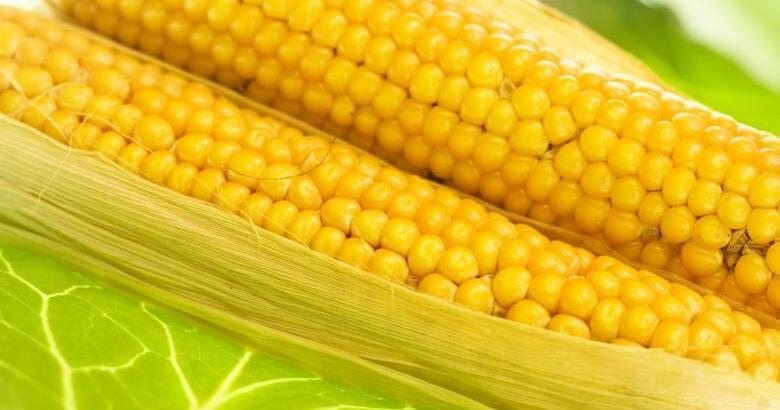
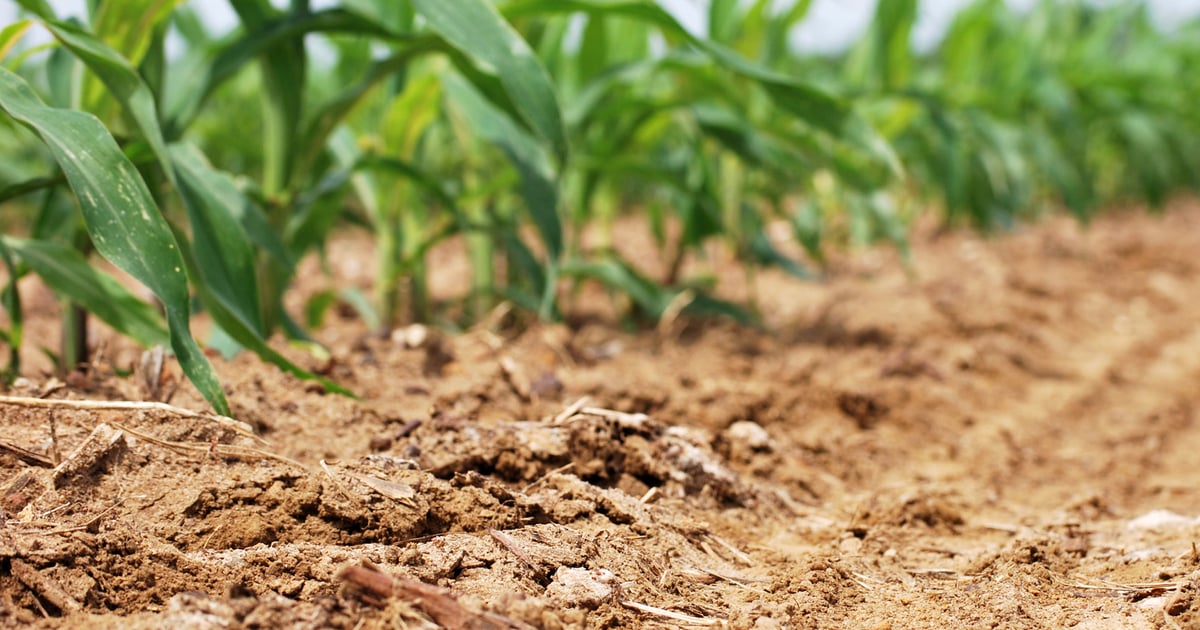
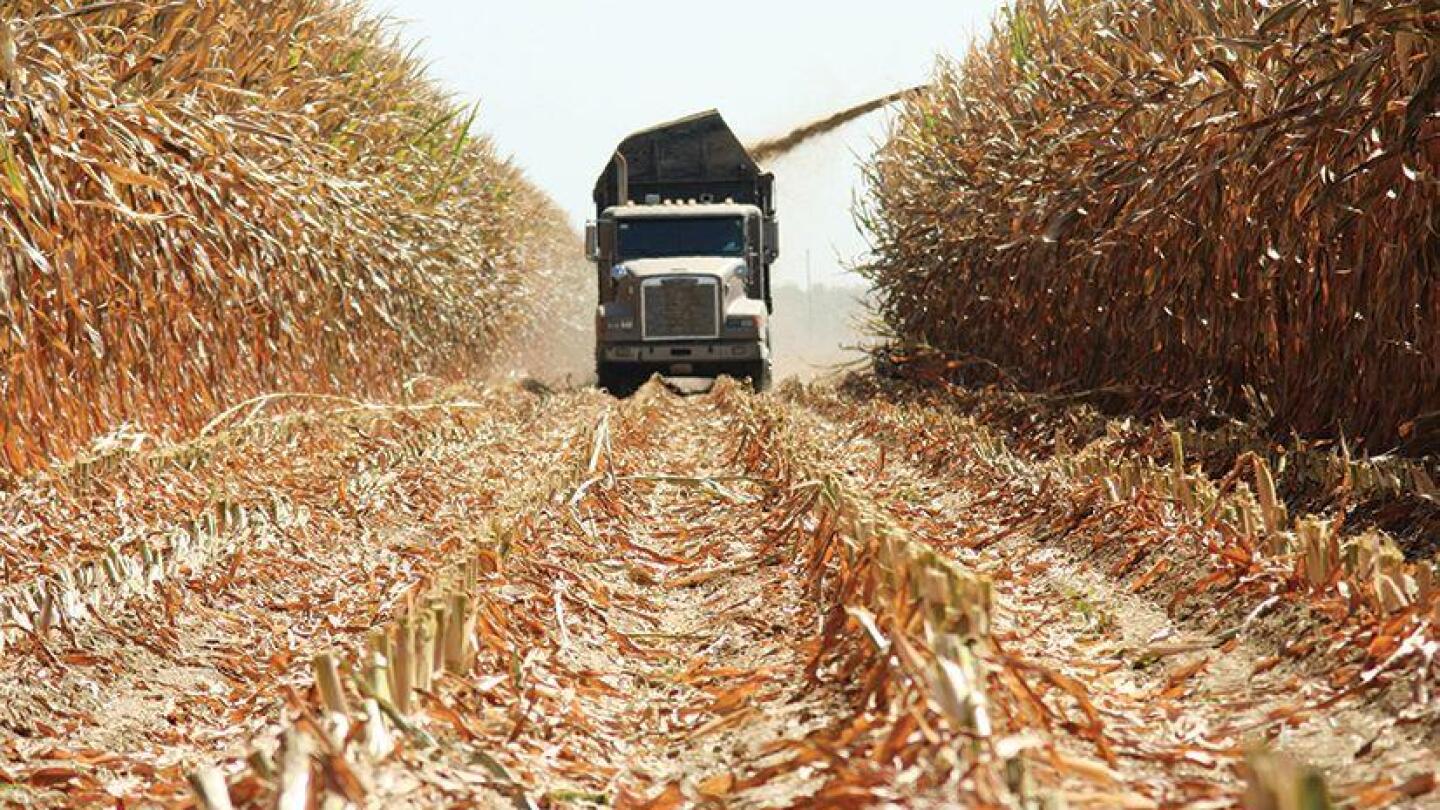
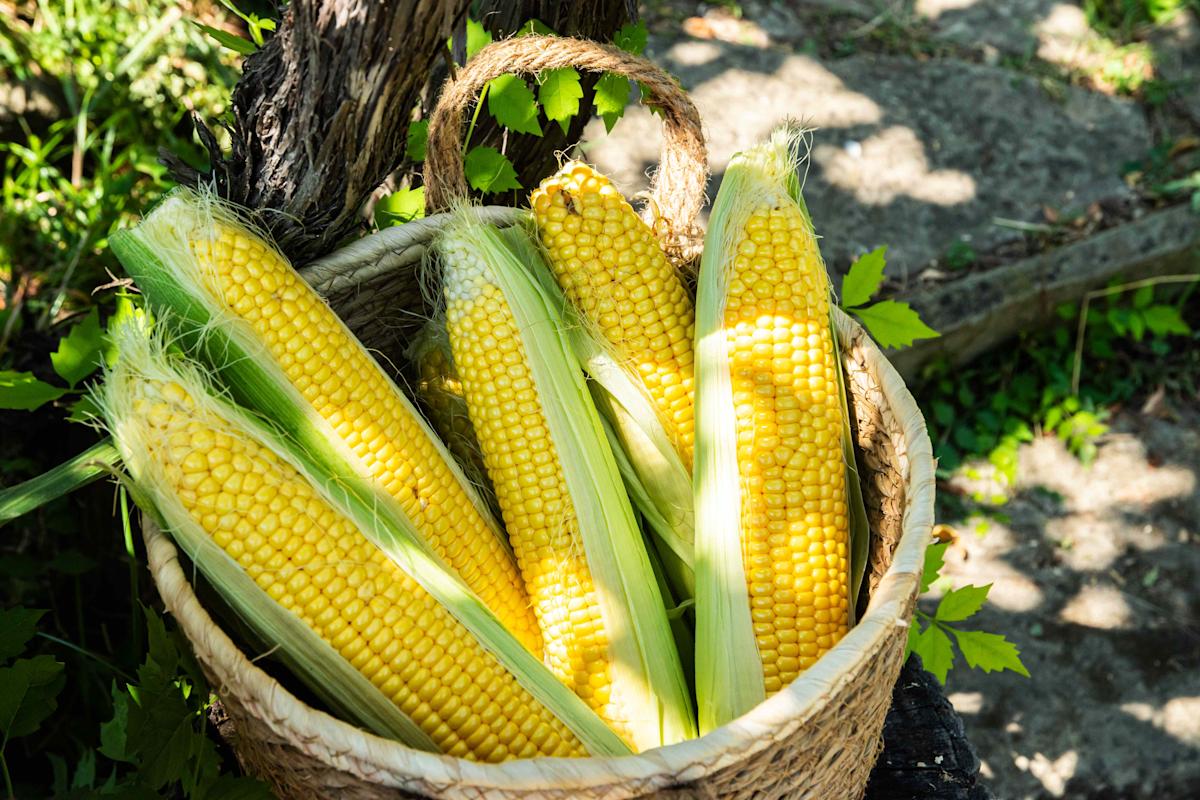
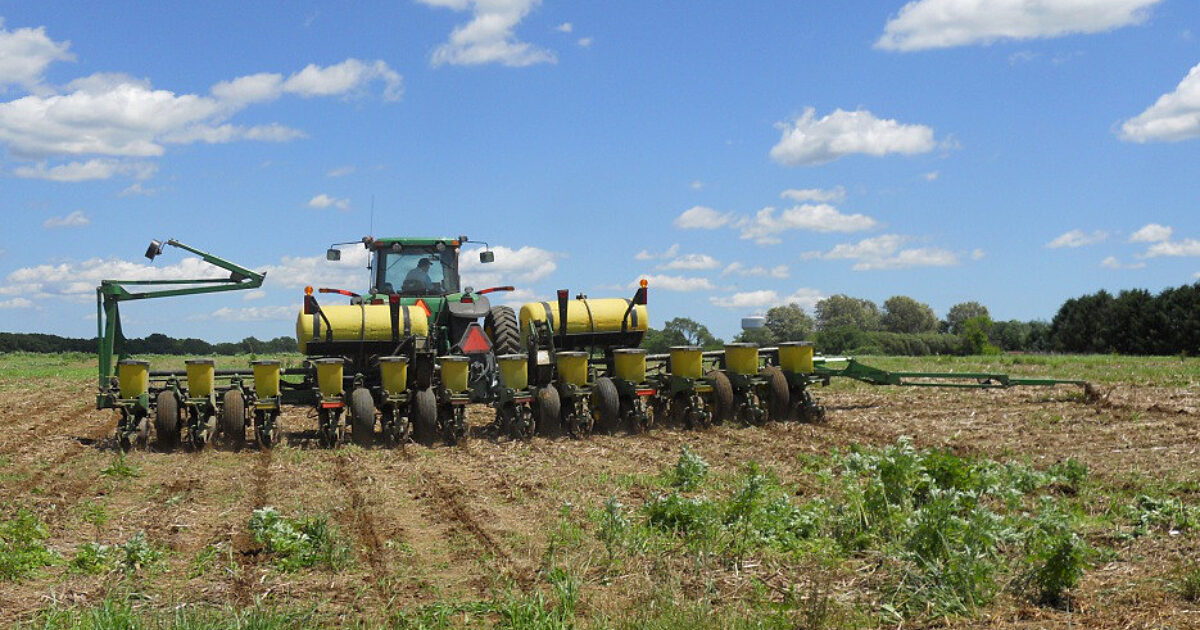
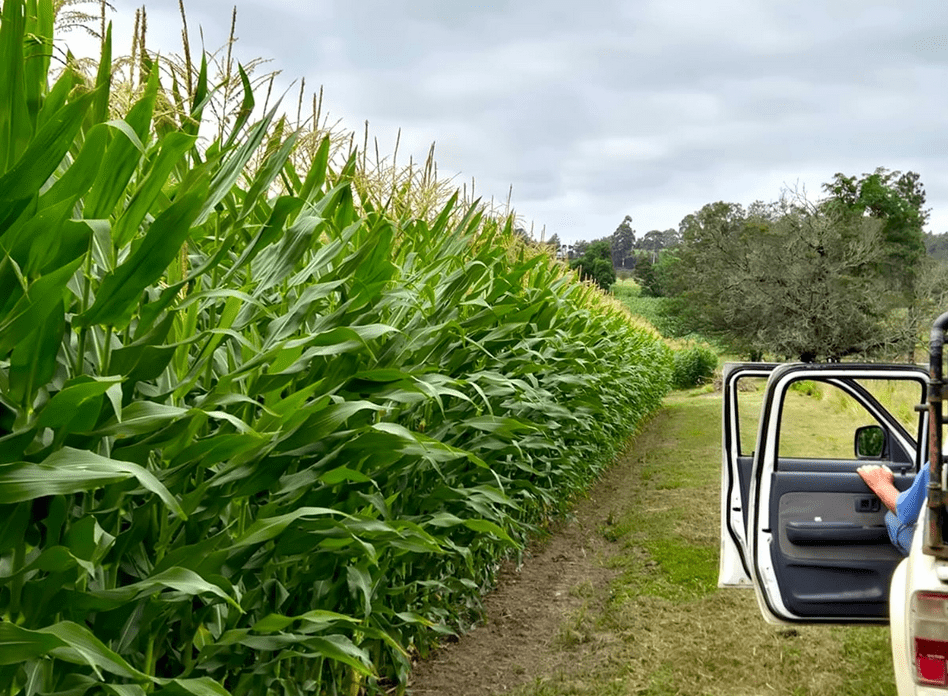
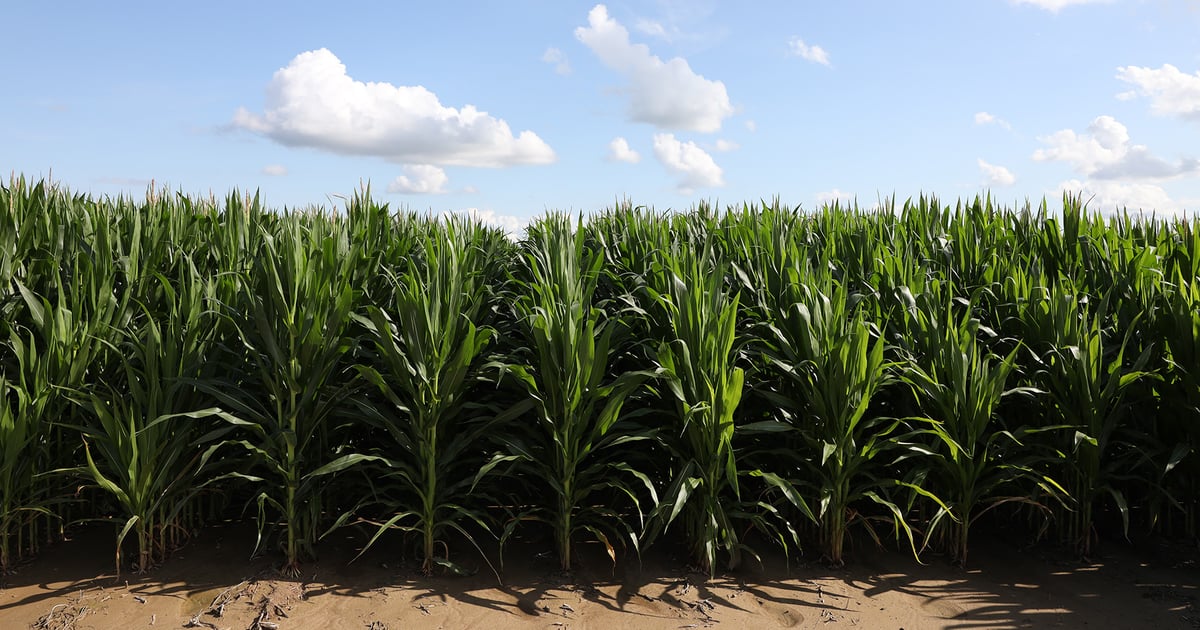
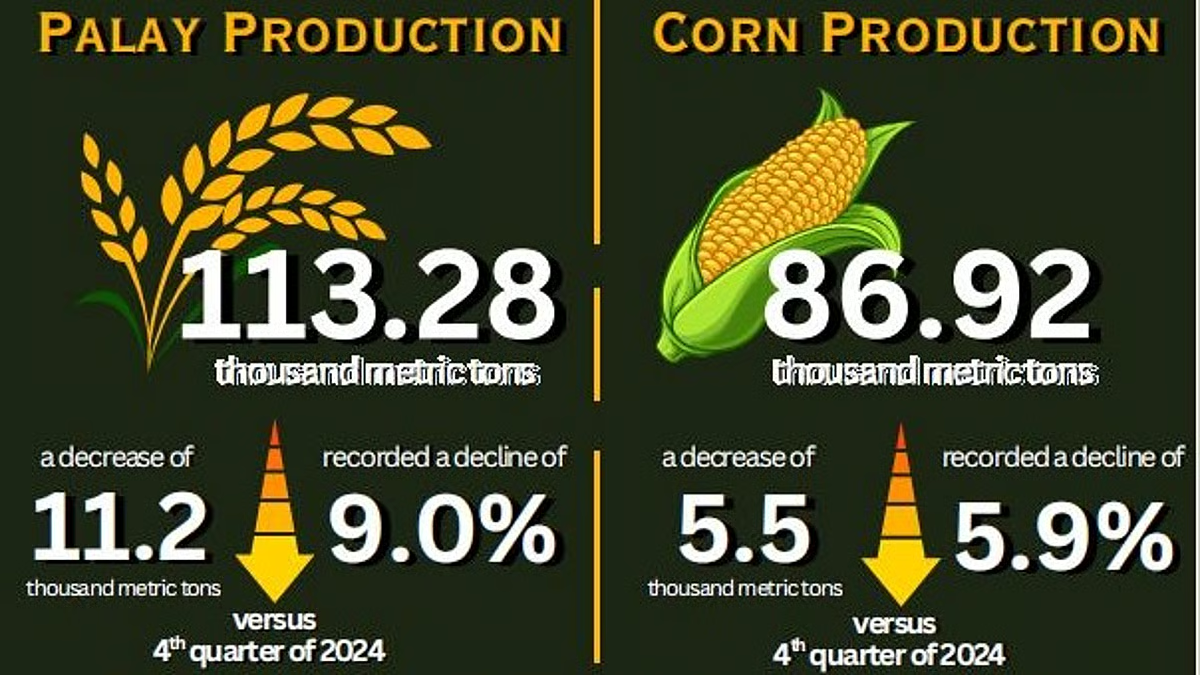
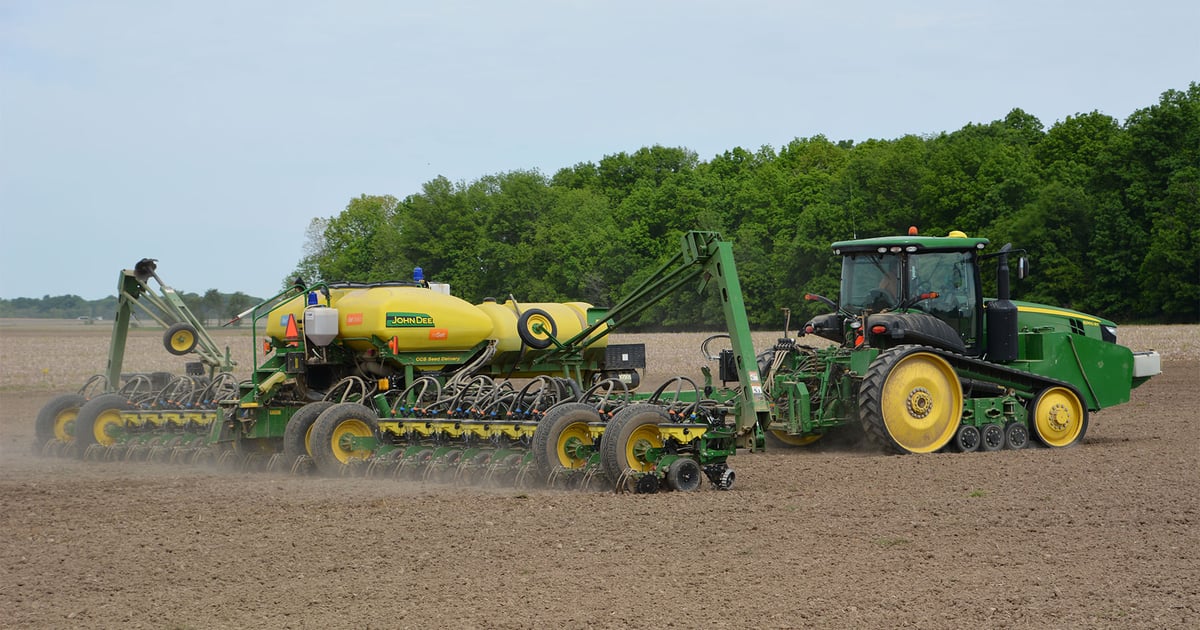
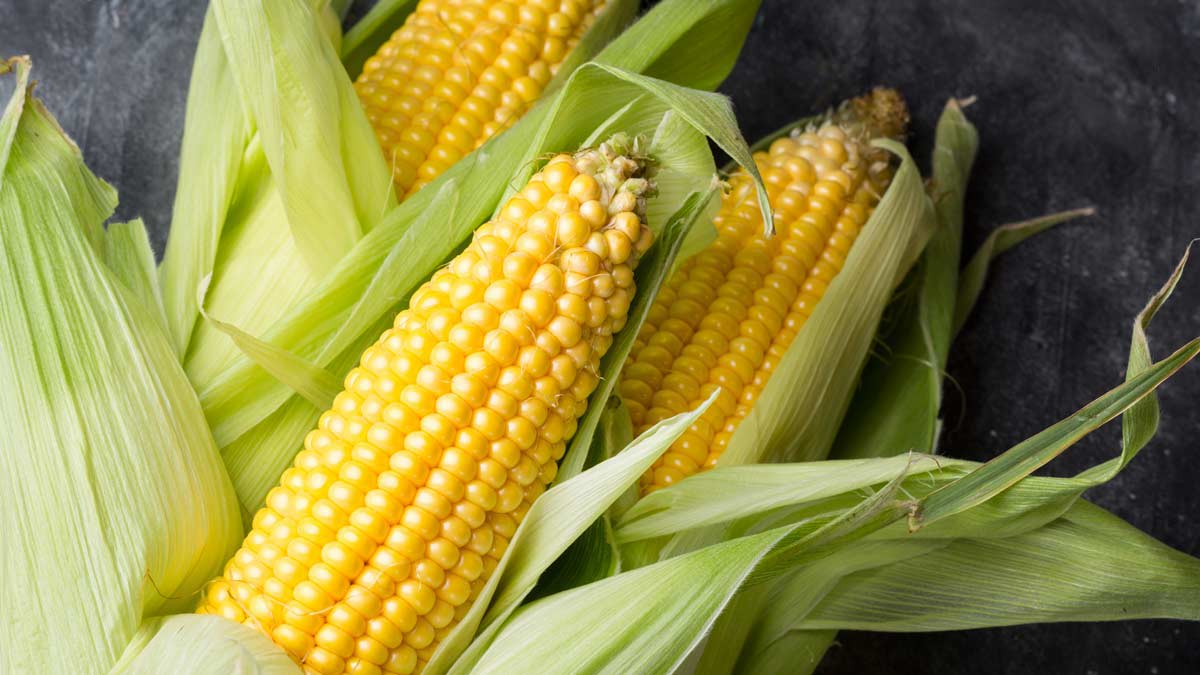
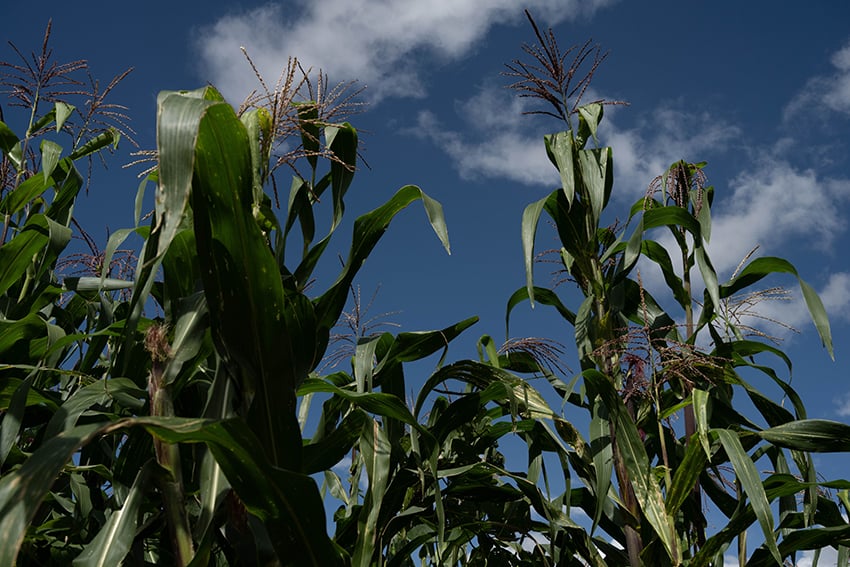
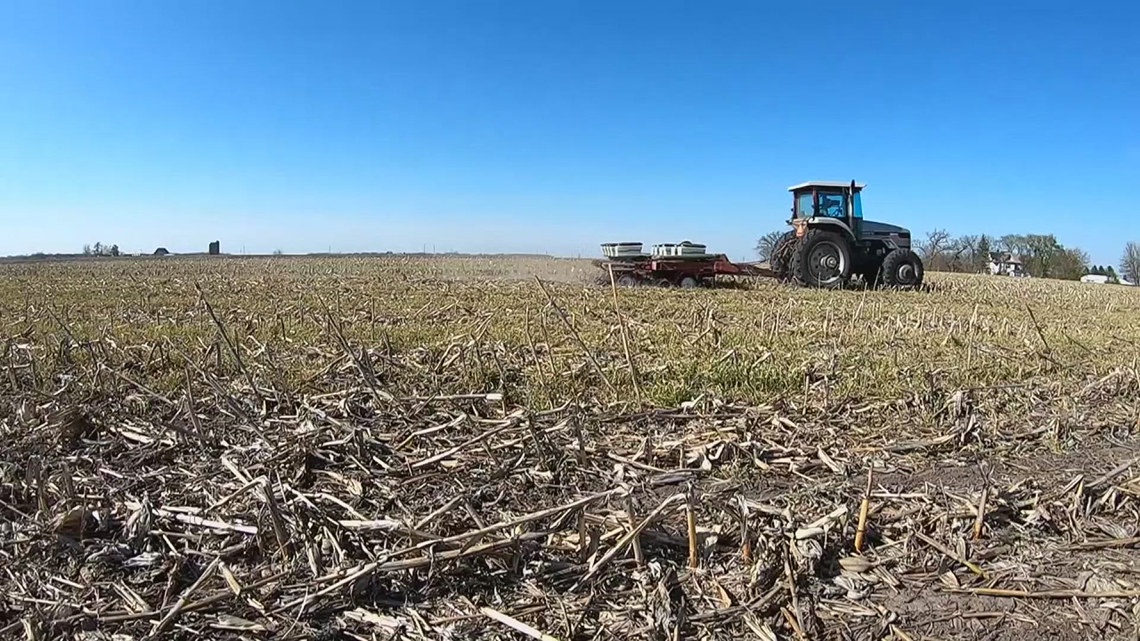
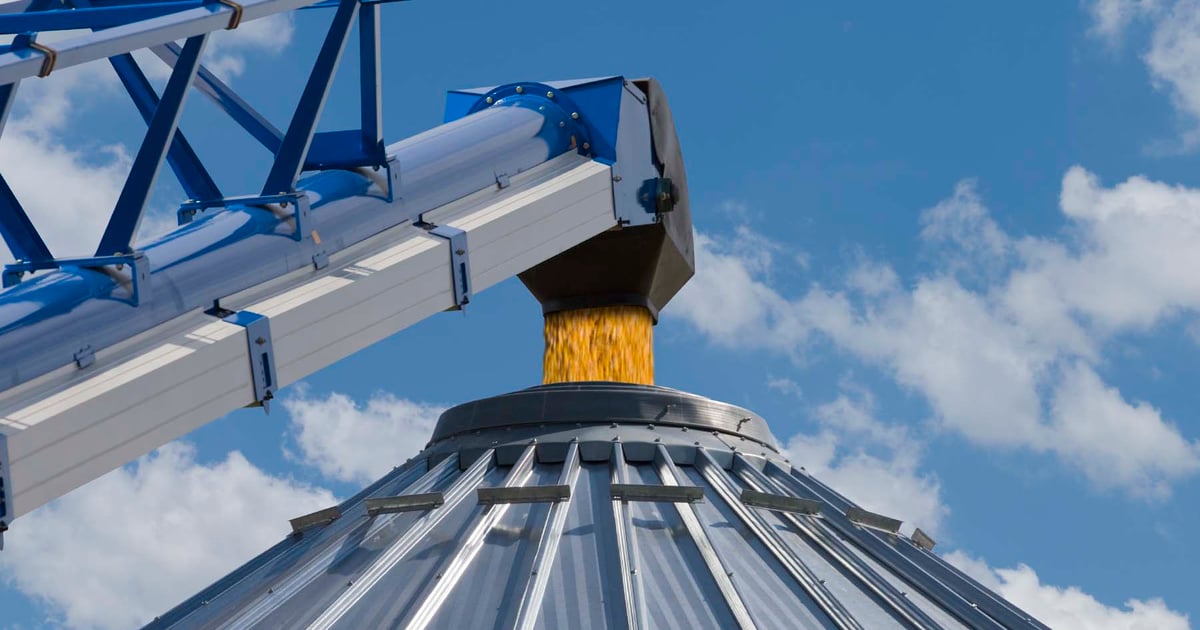
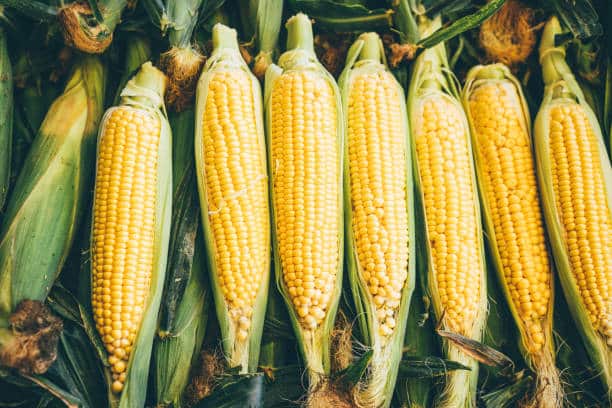
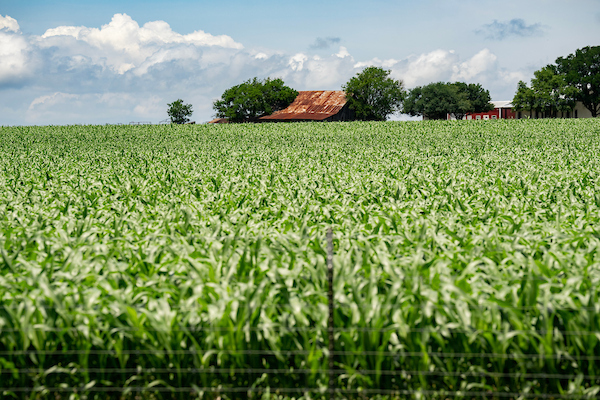
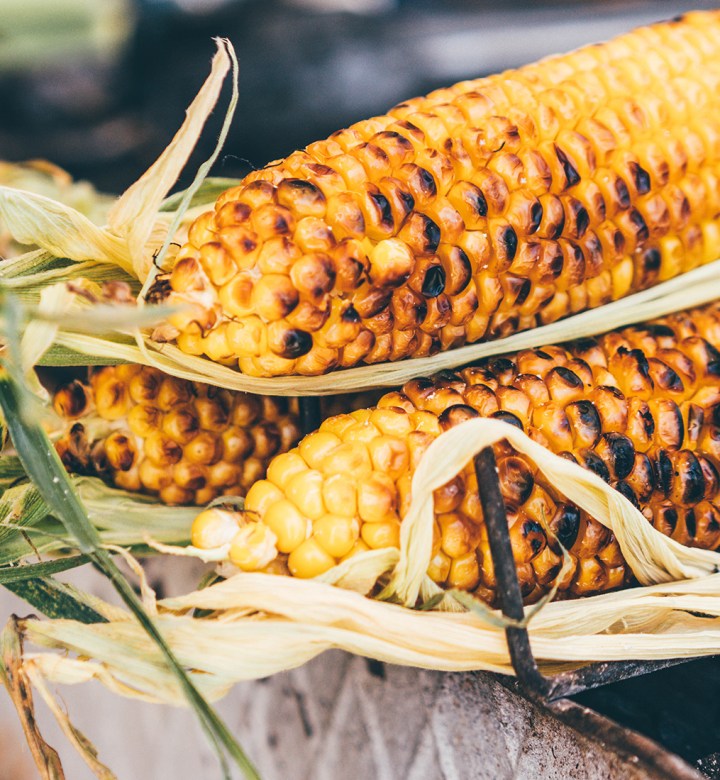
But the pending farm bill stands to be a potential windfall for large farmers of corn — a key ingredient in the nearly $10 billion high fructose corn syrup market. The draft legislation “would improve existing programs for corn growers,” notes the National Corn Growers Association in response to the bill’s recent movement in Congress.
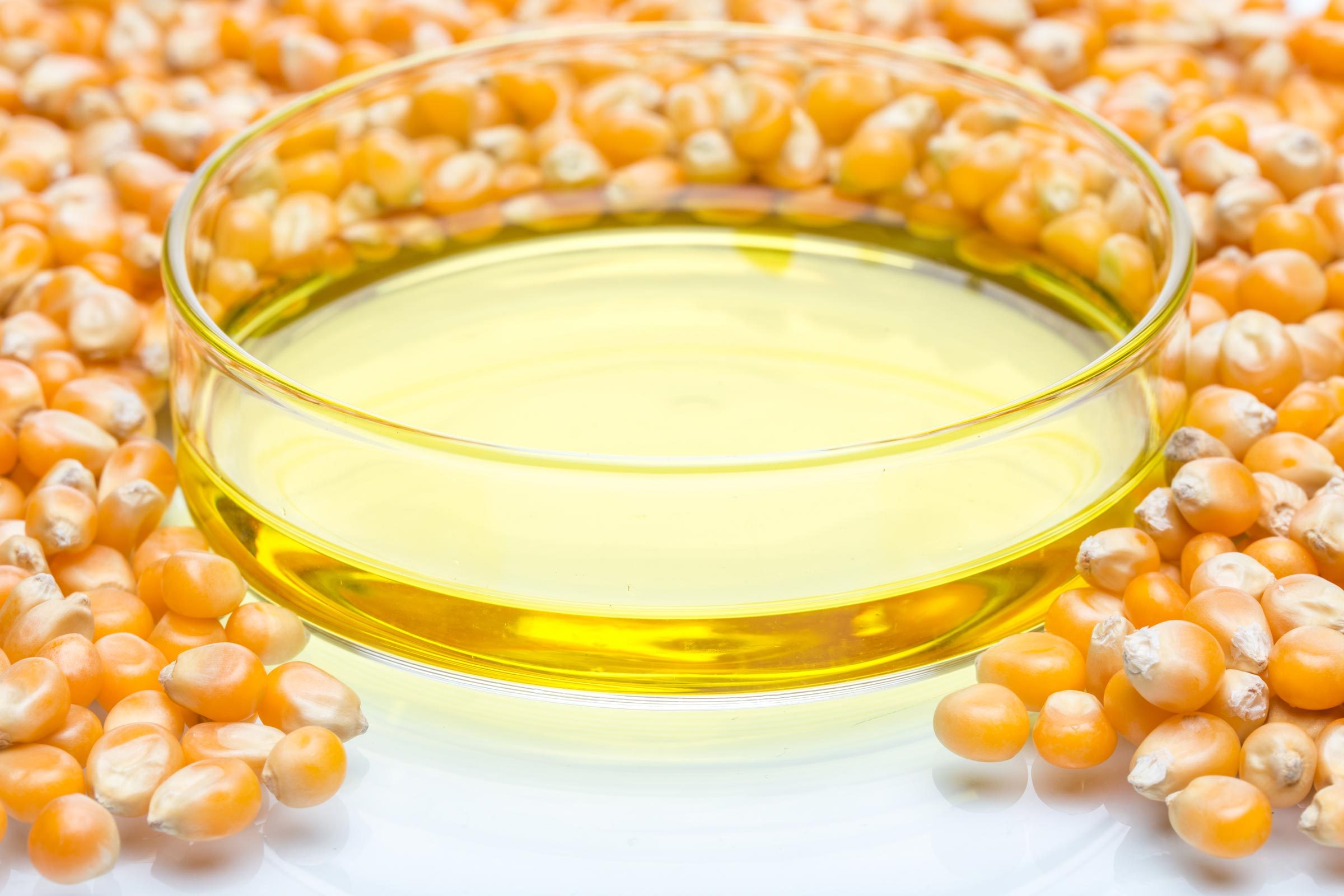
Oil from corn, already one of the largest subsidized crops in the country, can be found in a vast array of ultra-processed foods — foods that have been linked to inflammation that can increase the risk of potentially serious health conditions.
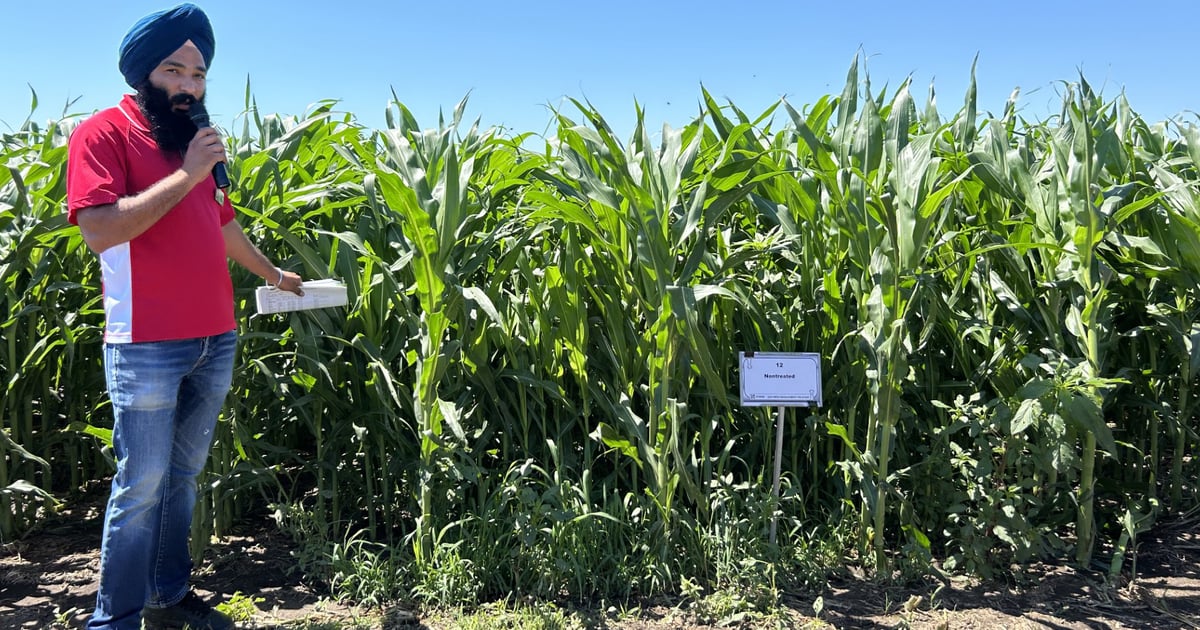
The MAHA report also raised concern over the use of glyphosate, a pesticide, and its potential connection to “developmental disorders.” Yet, in an about face, the Trump administration issued an executive order promoting its domestic production — and the current farm bill would provide legal protections for manufacturers against allegations of adverse health effects derived from pesticide exposure.
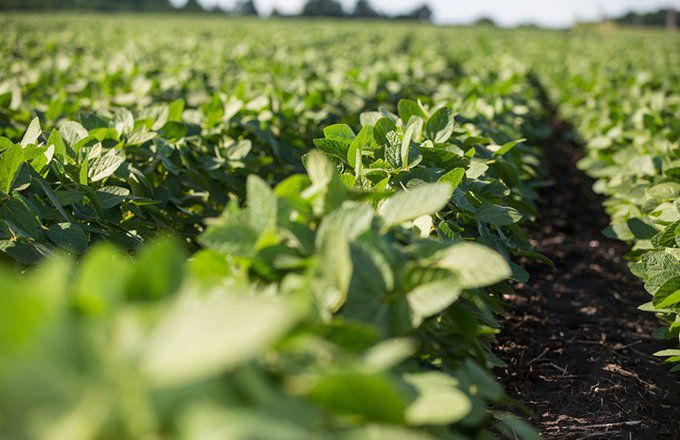
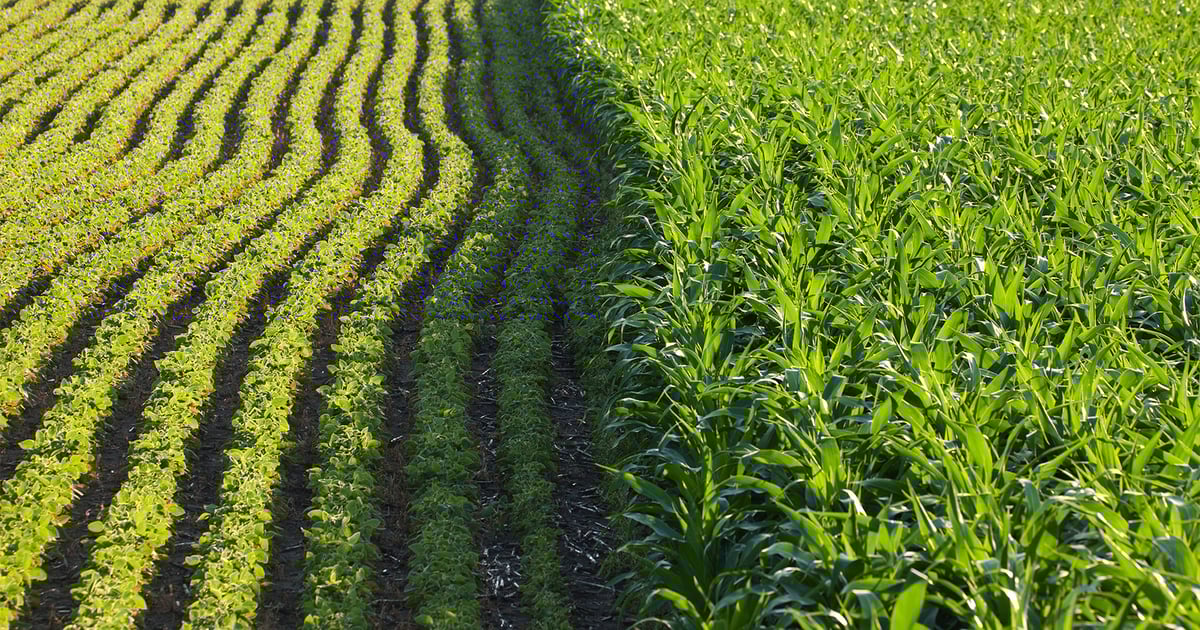
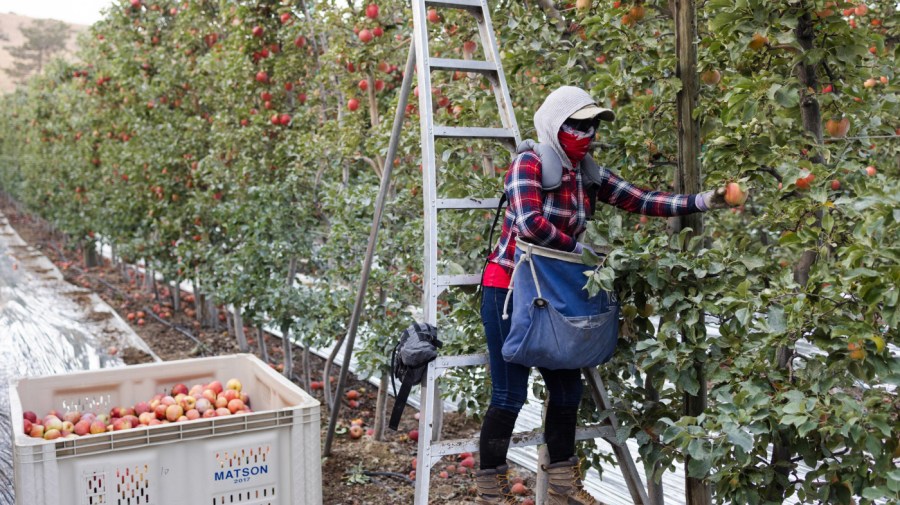
Meanwhile, fruit and vegetable growers are fighting for their very survival. Considered “specialty crops,” these farmers are an essential supplier of foods that are building blocks for a healthy diet. But they receive fractional support compared to their corn and soybean counterparts — and they are pleading with Congress for aid to try and stay afloat.
The so-called “Big Beautiful Bill” that passed last year expanded subsidies for some of America’s largest farms while small farmers were left on the sidelines. And the current farm bill does little to support this community — especially organic growers. These small producers are our best hope at creating a healthy food system, as they must adhere to sustainable practices and avoid the use of harsh chemicals. Yet our elected leaders seem to view them as an afterthought and deny them the critical support they deserve.
After years of delays, Congress has a responsibility to pass a meaningful farm bill that addresses the broader challenges of agricultural production. One that supports all facets of the farming industry — especially small and specialized farms uniquely positioned to provide regional and local markets with nutrient-rich foods that can make a material difference in improving the health of American communities.
And it should heed the warnings of the Trump administration’s own constituencies calling for the production of healthier foods and the reduction of potentially dangerous chemicals, such as glyphosate, widely used in the farming of corn and other crops.
It must also address food insecurity. Nearly 48 million Americans faced this challenge in 2024. While the Trump administration terminated the release of future Household Food Security Reports — the best tool we had to track the scope of this issue across the U.S. — Congress can act to stop the problem from getting worse.
The farm bill is an opportunity to demonstrate both leadership and compassion by continuing to support important food access initiatives, such as the Supplemental Nutrition Assistance Program, also known as SNAP, to ensure healthy food reaches those with limited resources who struggle every day in search of something to eat.
But none of this is possible until lawmakers recognize a single fundamental truth: The farm bill is as much a public health measure as it is an agricultural spending initiative. And the draft that’s currently moving through Congress is remarkably bad public health policy.
Lyndon Haviland, DrPH, MPH, is a distinguished scholar at the CUNY School of Public Health and Health Policy.
Copyright 2026 Nexstar Media, Inc. All rights reserved. This material may not be published, broadcast, rewritten, or redistributed.
For the latest news, weather, sports, and streaming video, head to The Hill.