
In case you missed it, French wine is entering a new era, and it’s something to keep your eye on as you plan those summer trips to Europe.
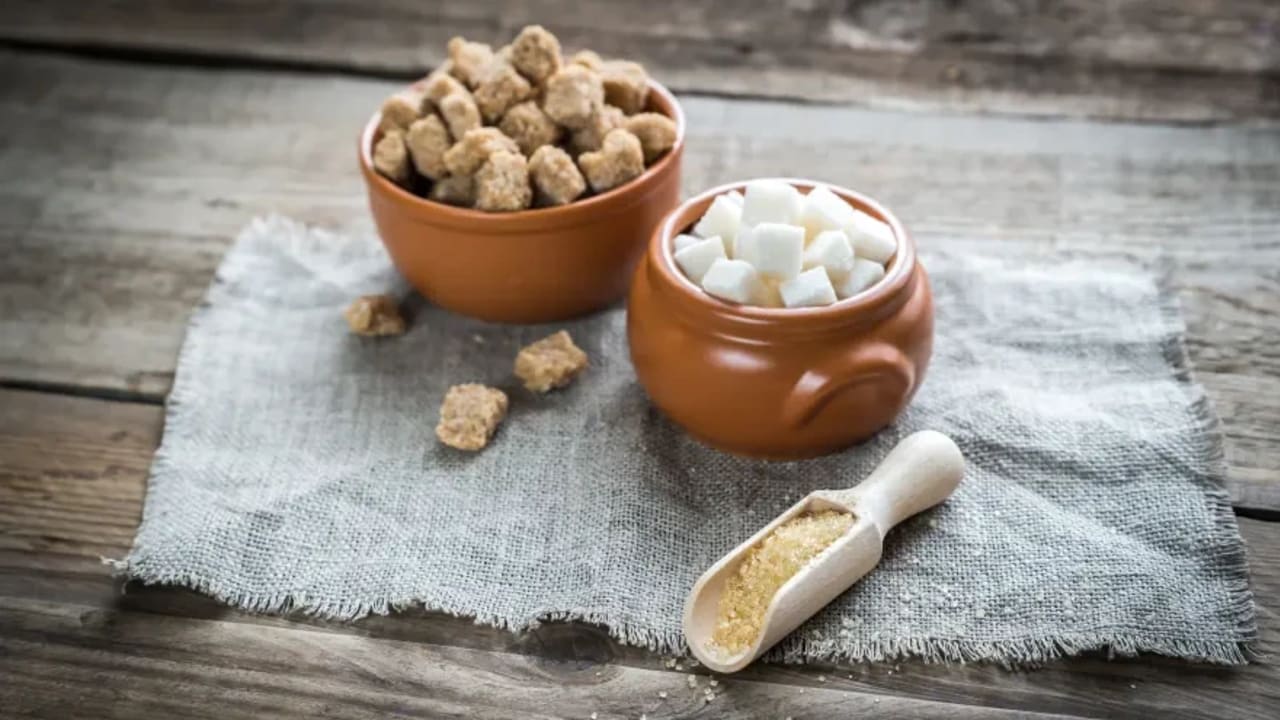
French regulators approved a change allowing its traditional wine-producing regions (known as the Appellation d’Origine Contrôlée, or AOC) to sweeten their wines with sugar during the post-fermentation process, a practice long considered taboo.
The move has sparked a new path forward for French wine as well as debate over whether the change should have been allowed.
The French Wine Rule Change
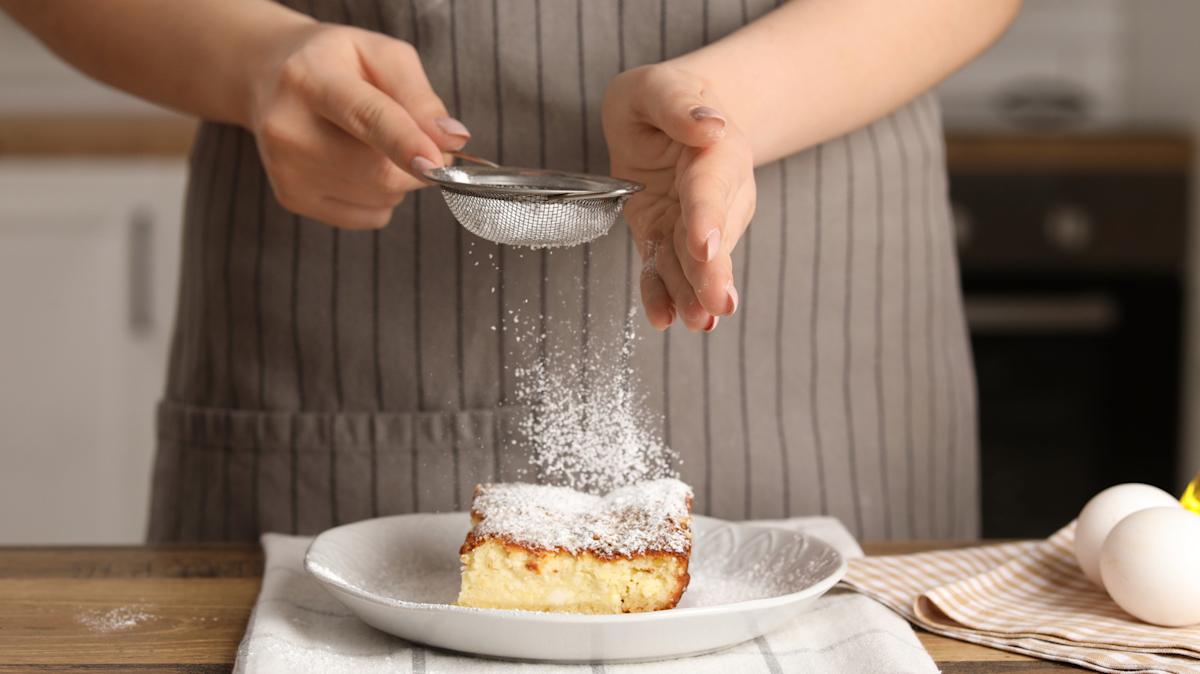
Previously, French law prohibited winemakers from adding sugar to its wine after fermentation was complete. But under the new rules, producers can now add up to 9 grams per liter of grape-derived sugar to wine post-fermentation.
The rule does not apply uniformly across France, nor is it mandatory. Individual appellations—the districts within the AOC system—will retain the right to decide whether to adopt the practice or not.
There are a couple reasons for the relaxation of the traditional standards and the allowance of sugar as a post-fermentation additive. One is that the AOC guidelines were meant to encourage winemakers to allow the growing region, known as a terroir, to be the major factor in determining the wine’s characteristics and quality.
But now, with climate change, these regions aren’t producing the same consistent stylistic profiles year to year.
Another reason is that the consumer market is changing, with preferences trending toward softer, fruit-forward styles that can be perceived as slightly sweeter. While French wine enthusiasts are unlikely to suddenly switch to sweeter wines, French exports could benefit from such a subcategory.
The Debate Over France’s New Wine Law
Some industry stakeholders and trade representatives have framed the change as a pragmatic adaptation to shifting consumer demand and climate-driven variability, while critics in the broader wine commentary space argue it could tarnish the brand and erode the link between the vineyard and its wine.
The ability to add sugar—which must come from grapes—to the wine post-fermentation is not unprecedented. In fact, there are already many post-fermentation “adjustments” permitted under AOC regulations. Current permitted adjustments include blending, clarification and stabilization processes such as fining and filtration, and controlled oxygen exposure through aging vessels (such as barrels), among others.
Now, the ability to add a limited amount of sugar will be yet another adjustment opportunity that French makers can use after the wine is structurally complete, supporters say, and in this way, it’s not necessarily a total deviation in the way wine has been made of late.
“This new ruling simply extends the toolkit available to winemakers,” said Amy Sedeno, Public Relations Executive & Certified Wine Specialist. “For producers who choose to use it, the goal isn’t sweetness, it’s approachability.”
Critics say that added sugar directly alters the finished composition and would be used to correct mistakes rather than express vintages, arguing that its traditional methods and strict production rules are what defines French wine and its brands. Most permitted AOC interventions historically impact clarity, texture, or balance rather than final sweetness, as sugar would.
How France Compares to Other Wine Regions
France’s new rule may worry some traditionalists, but even with this change, France still has more process and production requirements than most.
In the United States, for example, laws have less to do with production methods—they focus more on whether the final product complies with labeling and classification rules. U.S. winemakers can use sugar post-fermentation and there is no single, uniform gram-per-liter cap analogous to France’s system.
Countries such as Australia, New Zealand, and Chile generally follow a more outcome-oriented system similar to the U.S., where production interventions are widely permitted as long as the finished wine meets regulatory and labeling standards. Within Europe, systems vary: Many resemble France’s historical model, but enforcement intensity and stylistic restrictions differ significantly by country and region.
What Happens Next?
The first part of the story is about the rule itself; the second part is how producers will respond. Some regions may choose not to adopt the change at all, while others may take advantage of a new way to work their wine. Over the next year or two, we’ll see who goes which direction.
No matter the direction, the decision could become as much about branding as it does taste.
“This ruling creates not one but several distinct and powerful PR narratives, each targeting a different audience,” Sedeno said. “For producers who choose to adopt the change, the story is one of innovation… For producers who choose not to sweeten, there is an equally compelling counter-narrative.”