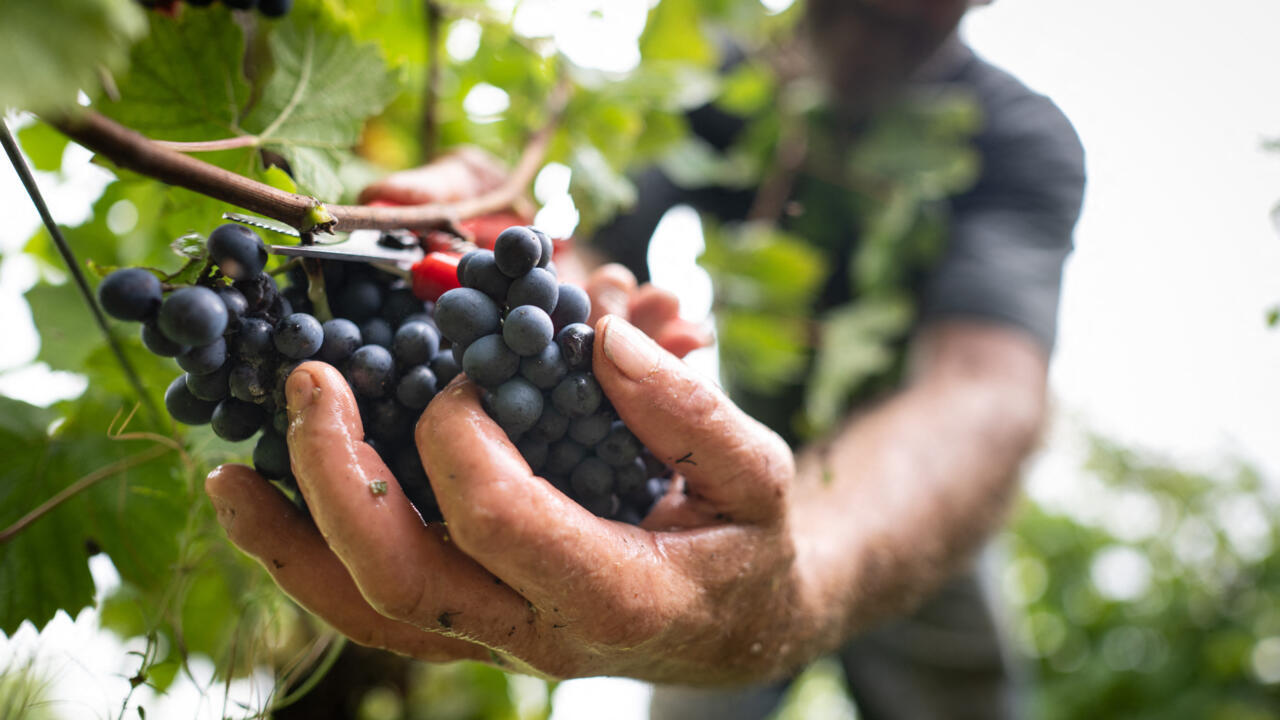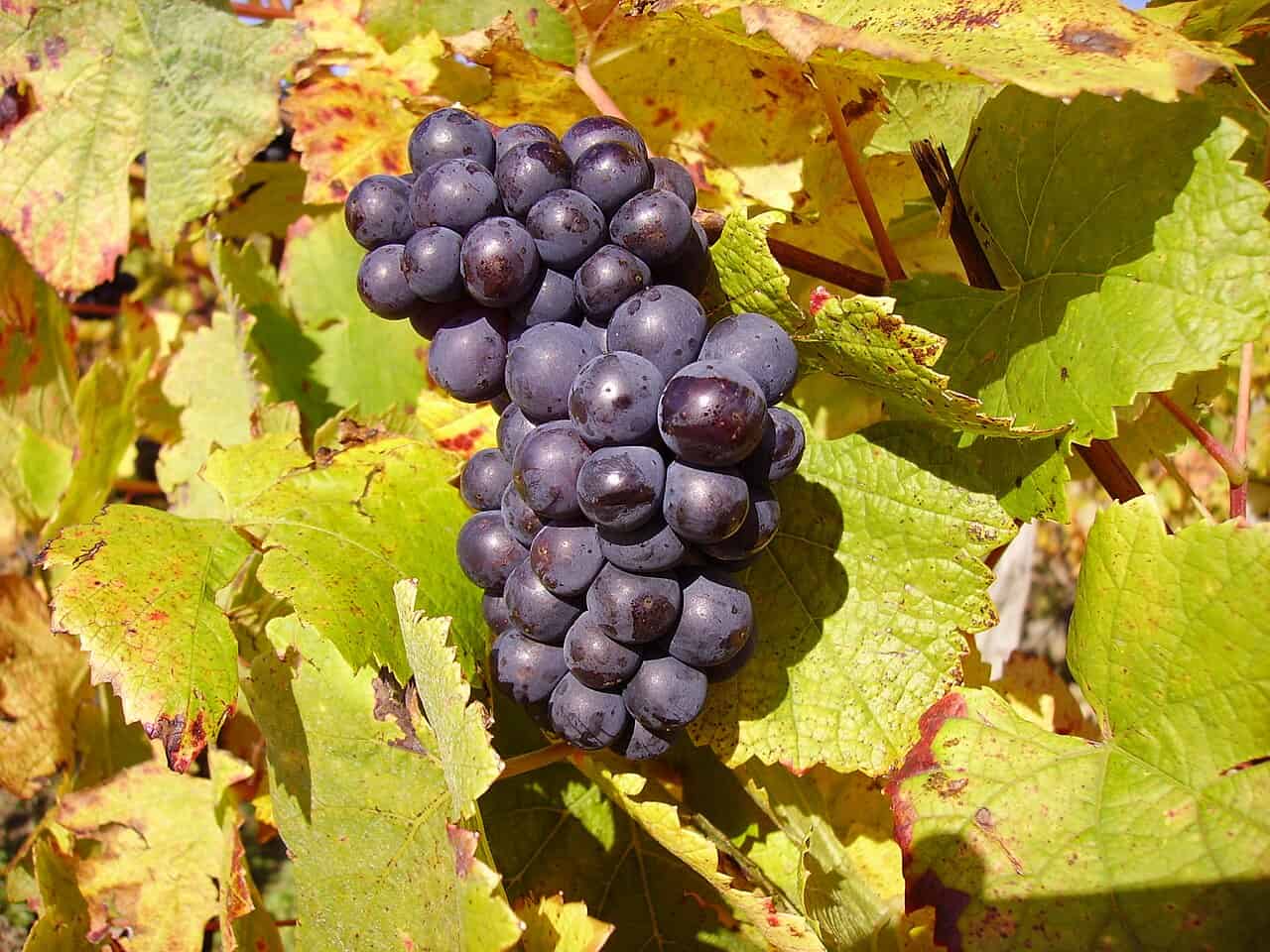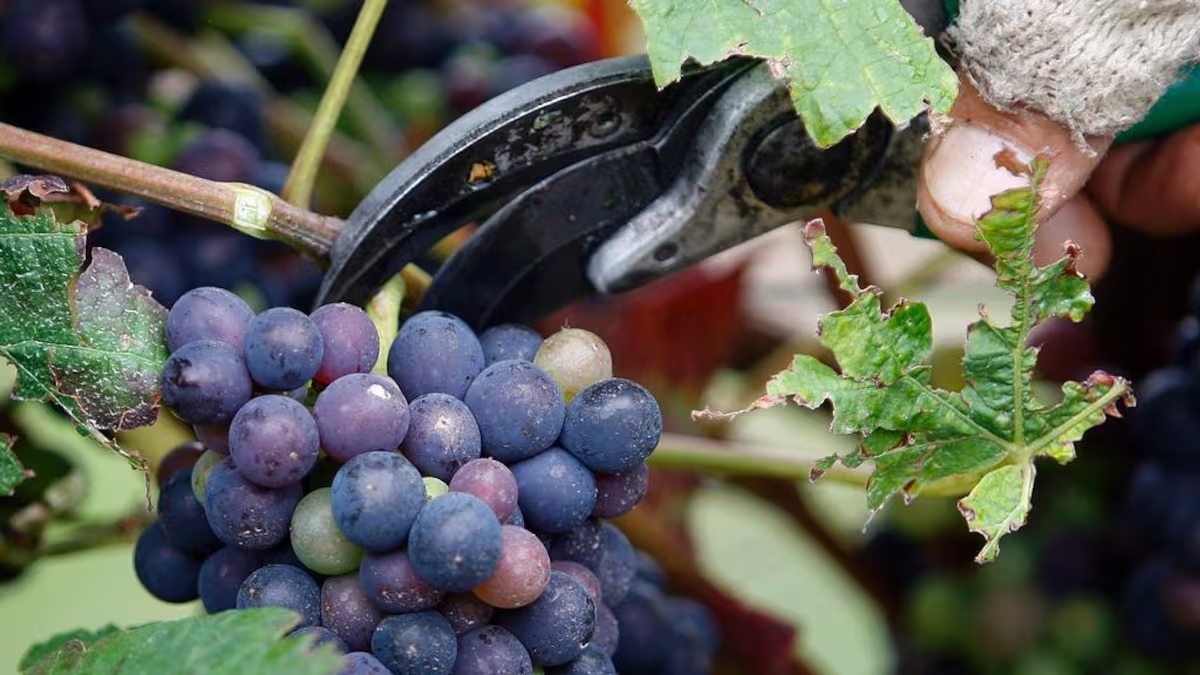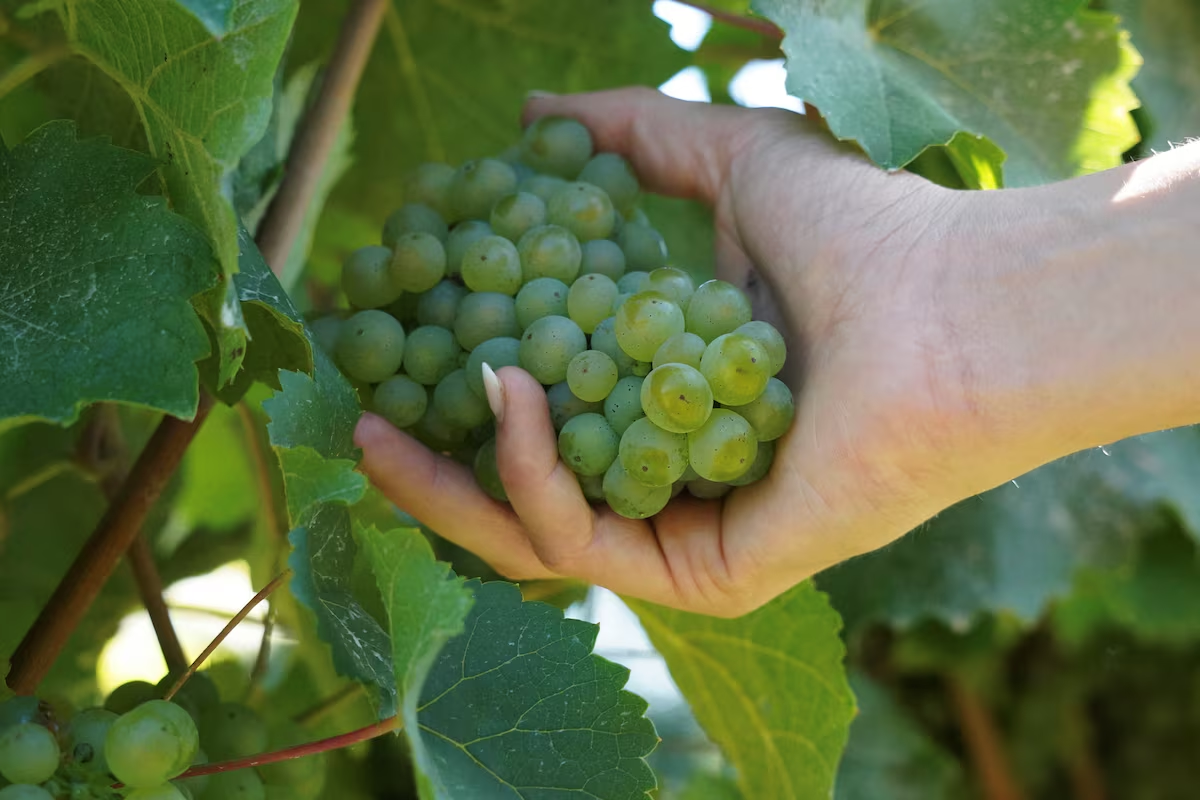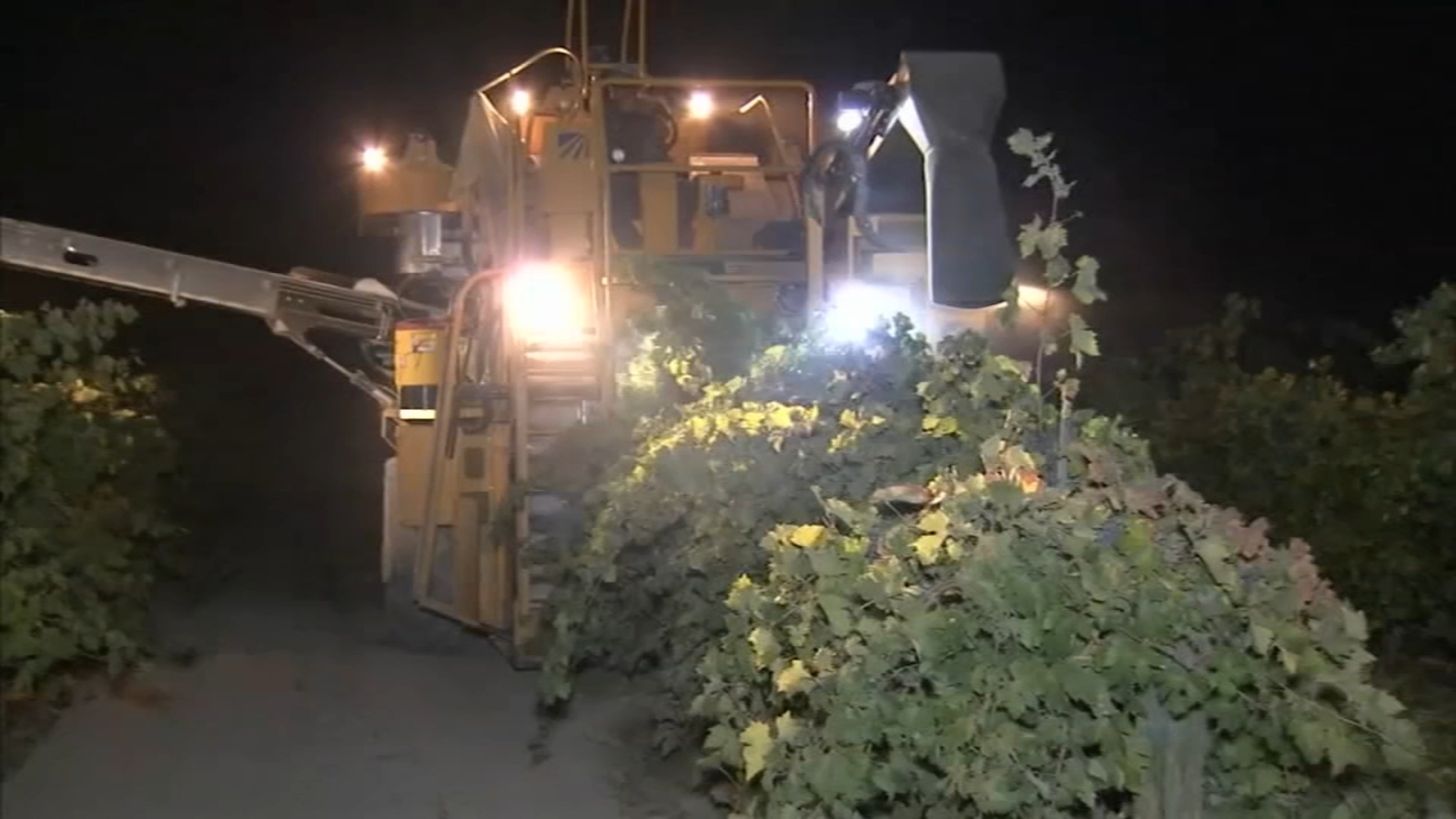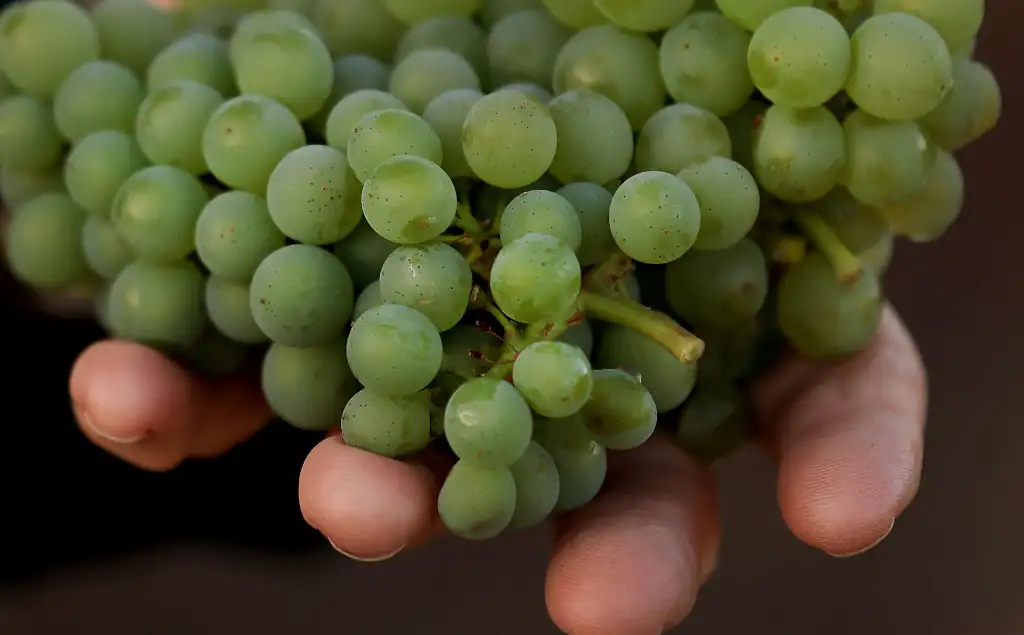
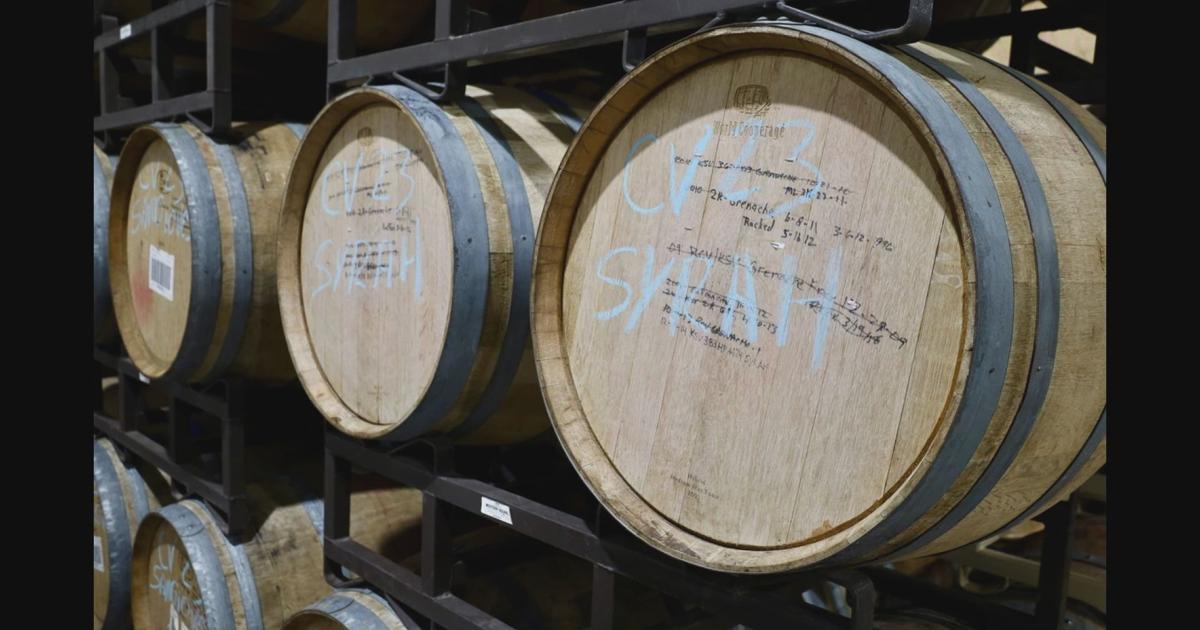
WILLCOX, Ariz. (KVOA) – Arizona wine growers cultivated almost 80 varieties of grapes last year, with syrah, grenache and cabernet sauvignon leading production, according to a new Cooperative Extension report that provides the industry’s first comprehensive harvest data.
The 2025 Arizona Wine Grape Growers Harvest Report shows growers harvested 532 acres producing 1,187 tons of grapes, with slightly more red varieties than white. The breadth of varieties grown surprised researchers, including numerous niche and Italian grapes like barbera, alianico and sangiovese concentrated in the Verde Valley.
Matt Halldorson, Yavapai County Extension director and co-author of the report, said syrah is the number one grape grown statewide, followed by grenache and cabernet sauvignon. The Verde Valley has a lot of minor and Italian varieties, with barbera, alianico and sangiovese being prominent.
Halldorson said six grape varieties accounted for half of all acres harvested. Those varieties are syrah, grenache, cabernet sauvignon, viognier, malvasia bianca and chardonnay.
Several varieties were grown on less than half an acre each, including gamay noir and lemberger. Extension will produce the harvest report annually, giving growers a consistent decision-making tool they’ve never had.
Halldorson said the report provides a baseline that will allow growers and the public to track the industry over time. In 10 years, there will be a clear trend showing where the wine industry is going.
The distribution of vineyards also surprised researchers. While the Willcox area straddling the Cochise-Graham county line is the top grape producing area, the second-most acreage was outside the state’s three federally defined American Viticultural Areas.
The report provides growers with pricing benchmarks and production trends to guide business decisions. Halldorson estimates the 67 growers in the survey represent about 90 percent of Arizona vineyards.
The Arizona wine industry generated $351 million in economic output in 2023, according to a study conducted for the Arizona Office of Tourism. Co-author Michael Pierce, an assistant in Extension and winemaker for Bodega Pierce vineyard and winery, said the report serves as a roadmap for growers and university research.
Pierce said Extension’s role is to provide neutral, research-based analysis that helps the industry better understand trends and make informed decisions. Collecting producer-reported data and providing neutral analysis is exactly the kind of role Cooperative Extension is designed to serve.
Extension plans to include water use data in future reports to illustrate grapes as a crop well suited to Arizona’s dry climate. The unit of the College of Agriculture, Life and Environmental Sciences conducted an industry needs assessment in 2024 and founded the annual Arizona Wine Summit.