How a Guangzhou-based manufacturer is setting the benchmark for quality, customization, and brand partnership in stainless steel jewelry production.
GUANGZHOU, CN / ACCESS Newswire / March 30, 2026 / In a global jewelry market growing faster than most accessories categories, one material is quietly outpacing the rest. Stainless steel – once considered a budget alternative to precious metals – has become the material of choice for a new generation of jewelry brands that compete on quality, consistency, and durability rather than on the prestige of silver or gold alone.
S&J Jewellery
At the center of this shift is S&J Jewellery, a vertically integrated manufacturer based in Guangzhou, China, whose end-to-end customization model has made it a trusted production partner for independent labels, established fashion brands, and international retail chains. From initial concept to finished product, S&J fine jewelry manufacturer services cover the full production journey – removing the fragmentation, inconsistency, and coordination overhead that have long frustrated brands working with multiple suppliers.
Why Stainless Steel Has Become the Material of Choice
The rise of stainless steel in fine jewelry is not a trend driven by cost-cutting. It is driven by consumer demand for products that actually last. Shoppers – particularly those purchasing through direct-to-consumer channels – have become increasingly vocal about jewelry that tarnishes within weeks, leaves skin discoloration, or fails to hold its finish through daily wear. Stainless steel addresses each of these concerns directly.
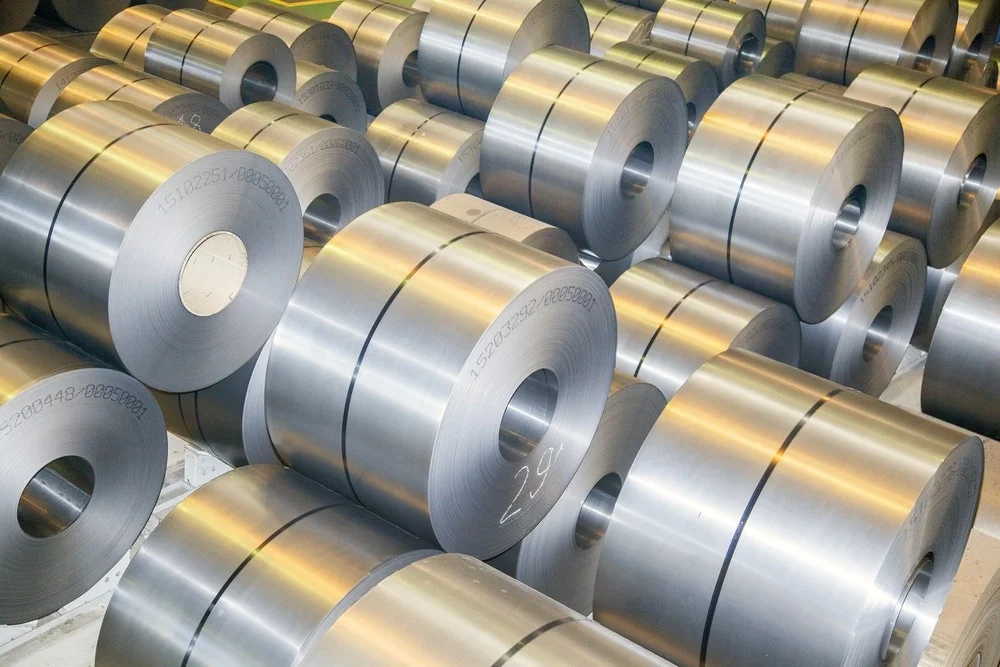
It is corrosion-resistant, biocompatible, and dimensionally stable across a wide range of environmental conditions. It holds up against sweat, water, cosmetics, and chlorides without losing its surface integrity. For brands building a quality narrative, it is a material that earns its claims rather than requiring them to be carefully worded around known weaknesses.
Sustainability is an additional factor. Stainless steel is fully recyclable, lending material honesty to the environmental story that modern brands are increasingly expected to tell. As consumers scrutinize supply chain claims more carefully, the ability to make a credible durability and sustainability case – rooted in the material itself – has become a meaningful brand asset.
316L: The Grade That Sets the Standard
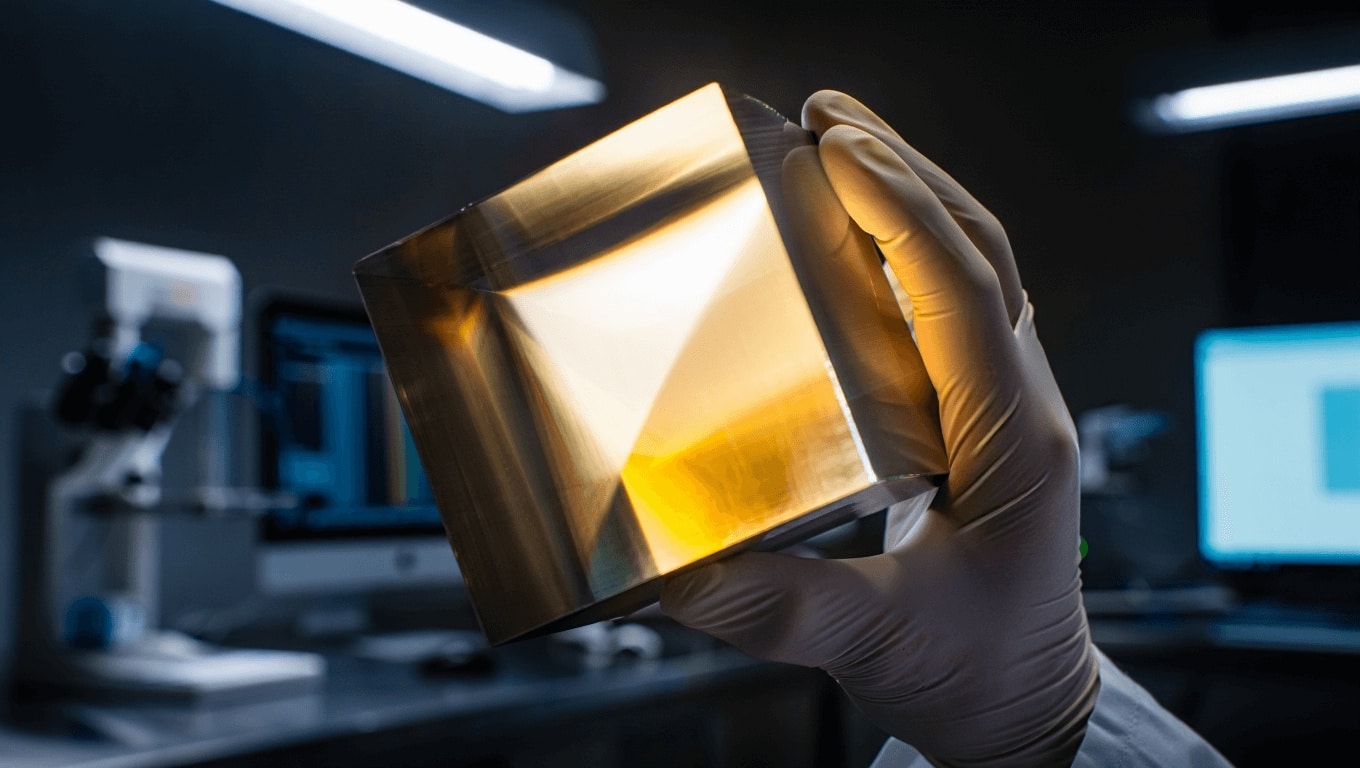
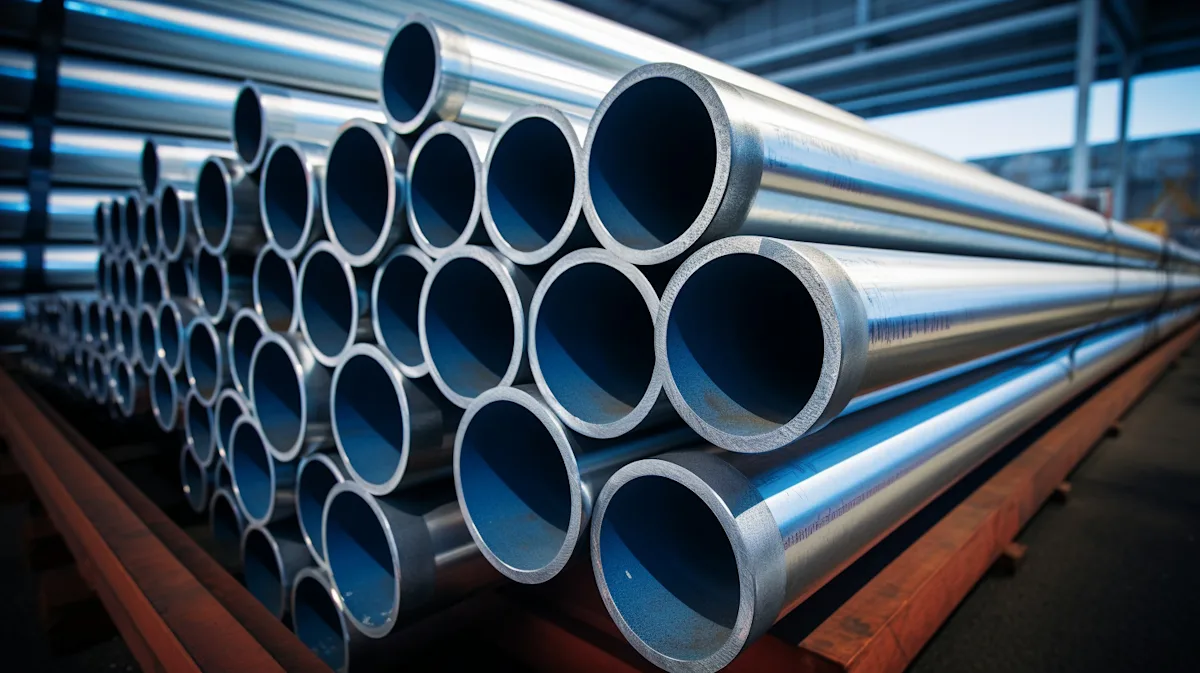
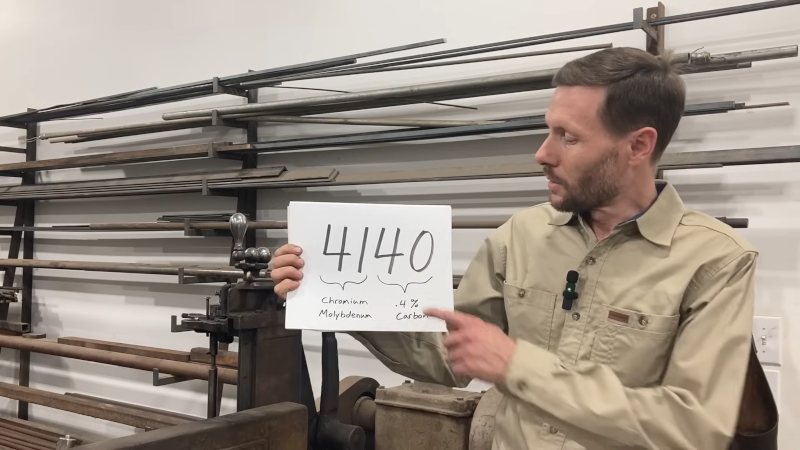
Not all stainless steel performs equally in jewelry applications. Grade selection matters significantly, both for end-product performance and for meeting the biocompatibility expectations of international markets. As a specialized 316L stainless steel jewelry manufacturer, S&J works exclusively with 316L – a low-carbon, molybdenum-enhanced alloy that is classified as surgical-grade and offers superior corrosion resistance compared to the more commonly available 304-grade steel.
The properties of 316L make it particularly well-suited to daily-wear jewelry. Its resistance to chlorides and oxidizing agents ensures that finishes remain intact even under sustained contact with skin, water, and cosmetic products. Its biocompatibility makes it appropriate for sensitive skin and nickel-reactive consumers – a segment brands can now serve confidently, rather than qualify around in their product descriptions.
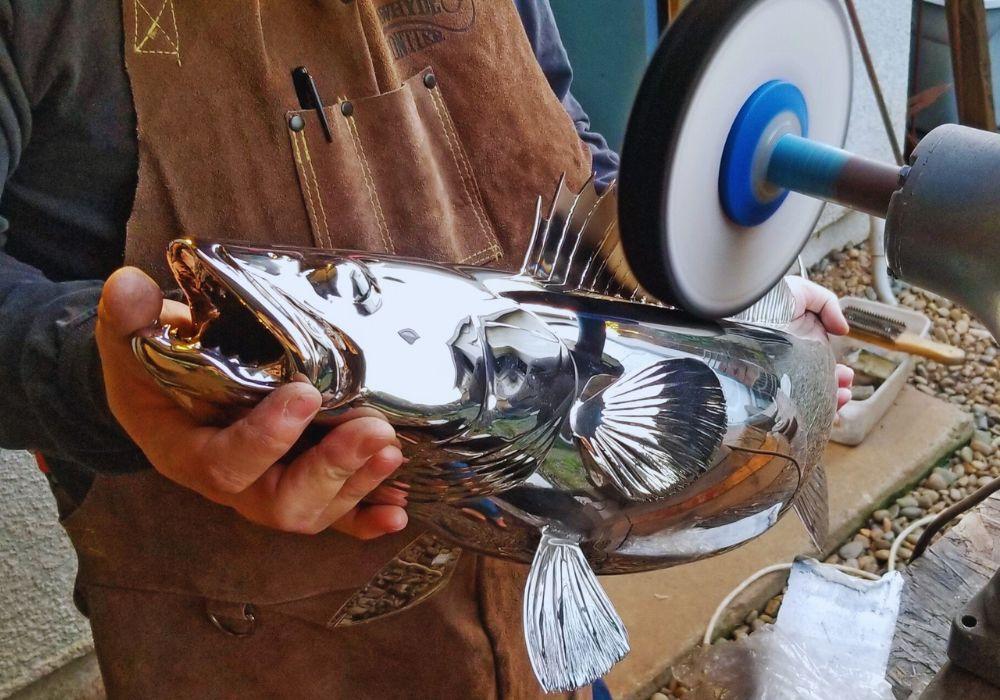
316L also accepts a broad range of surface treatments with exceptional durability. Mirror polish, brushed finishes, matte textures, and PVD color coatings – in 18K gold, rose gold, gunmetal, and IP black – all adhere to the 316L substrate with a longevity that conventional electroplating on brass or silver cannot match. For brands, this means finish durability becomes a genuine product promise rather than a carefully managed expectation.
PVD Finishing: Where Durability Meets Design
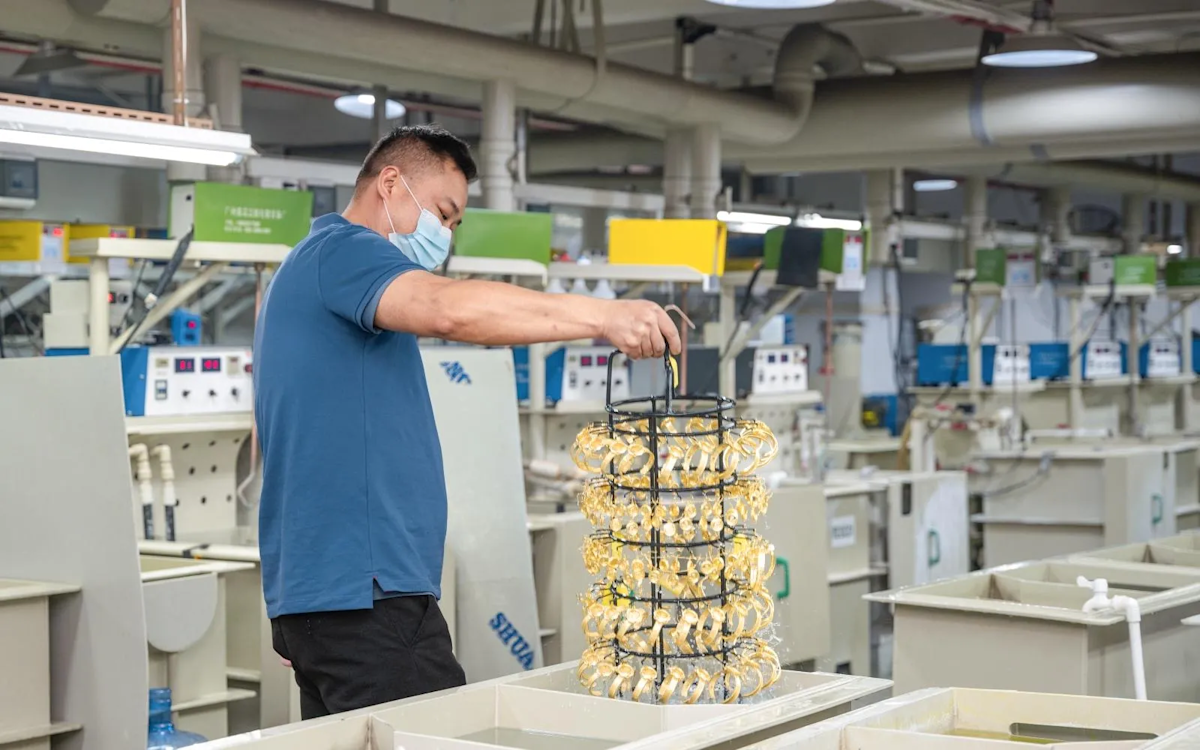
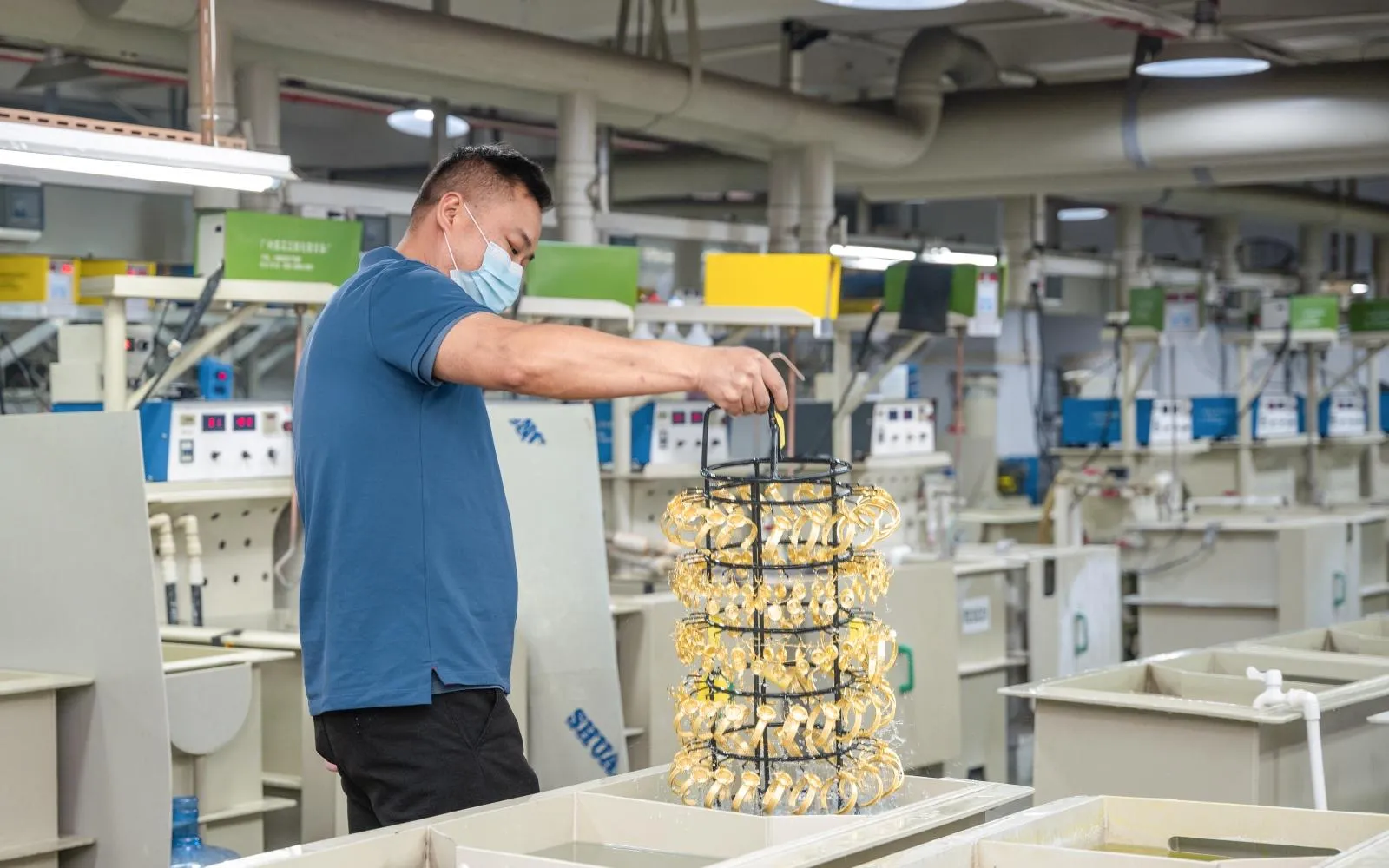
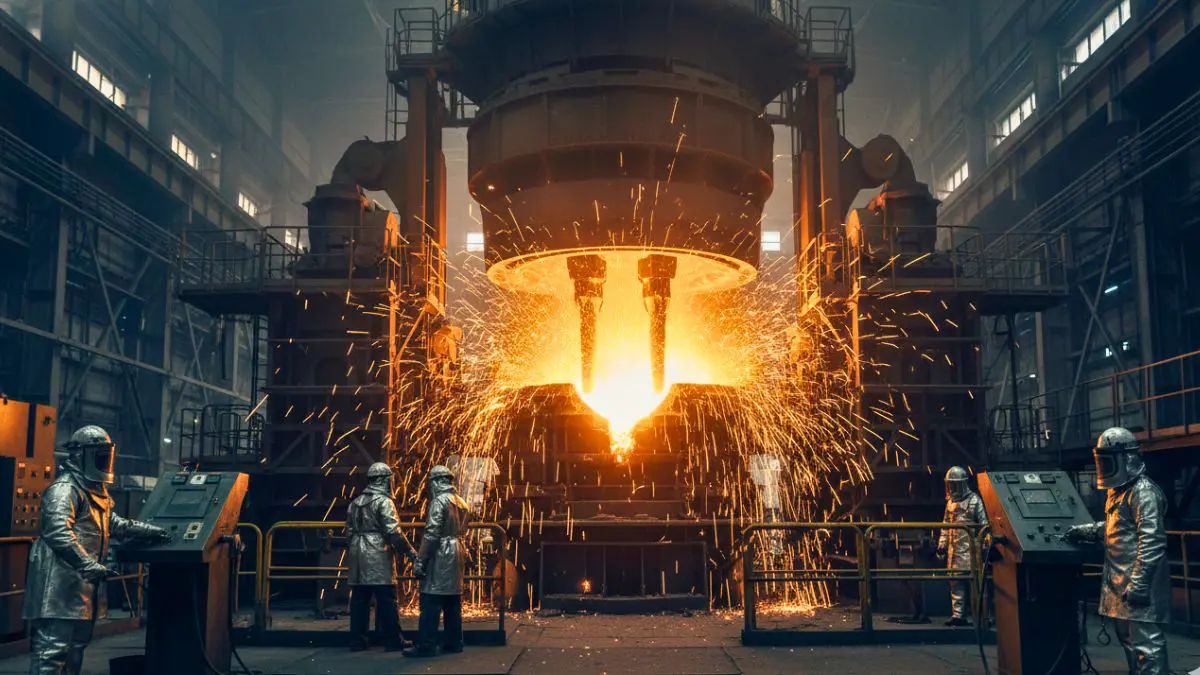
Surface finish is where stainless steel jewelry transitions from functional to desirable. Physical Vapor Deposition – PVD – is the technology that makes this possible at a quality level traditional plating has never been able to sustain. In PVD coating, ultra-thin ceramic or metallic films are bonded to the stainless steel substrate at the molecular level under vacuum conditions, creating a surface layer that is exponentially harder and more adhesion-resistant than electroplated alternatives.
The practical result for brands is a finished product whose color and surface texture remain consistent across the lifespan of the piece – not just for the first few weeks of wear. Gold-toned pieces retain their warmth. Black IP finishes hold their depth. Rose gold maintains its distinction from standard yellow gold. These are qualities that matter to the end consumer, and they are qualities that a brand can confidently communicate and stand behind.
S&J’s in-house PVD capability means that finish quality is managed within the same production environment as every other stage of manufacturing, ensuring that the color and texture a brand approves in a sample is replicated consistently across every unit in a production run.
OEM and ODM: A Dual Model Built for Every Brand Stage
S&J’s manufacturing model is structured around two complementary service tracks that together make the company accessible to brands at very different points in their development.
Under the OEM model, S&J produces jewelry to a brand’s existing designs and specifications. This track is designed for brands that have a defined aesthetic, an established design team, and a clear production brief – and who need a manufacturing partner capable of executing that brief with precision and consistency at scale.
Under the ODM model, S&J’s in-house design team works directly with brand founders and creative directors to develop new collections from concept through to production-ready sample. Using CAD software and rapid prototyping equipment, the team compresses the distance between initial brief and physical prototype, enabling brands to move from idea to market faster than traditional development timelines allow.
Both tracks converge on the same integrated production pathway: metal forming, surface finishing, gemstone setting where applicable, multi-stage quality control, and branded packaging – all managed within a single facility, under a single point of accountability. The operational simplicity this provides is not incidental. For brand founders managing remote supply chains, it is one of the most valuable things a manufacturing partner can offer.
“Leading in stainless steel customization means more than having the right equipment. It means understanding what a brand is building, where it is going, and how to make the manufacturing process an asset rather than an obstacle at every stage of that journey.”
– Senior Operations Director, S&J Jewellery
Scalable Production for Brands at Every Stage
One of the structural advantages S&J offers is a production model designed to scale with its clients rather than constrain them. The company’s flexible minimum order quantities make it accessible to brands at the earliest stages of their product journey – when capital is limited, and the priority is proving market fit rather than committing to large inventory positions.
With the expansion of brands, wholesale and retail commitments, the production capacity of S&J is expanded according to the demands of the high volume replacement without the necessity to change the supplier. Tiered pricing structures make sure that the economics of units are better as the level of orders grows and offer a financial incentive to brands to pull their sourcing together instead of dividing it across several vendors.
In the context of international buyers running supply chains across markets and time zones, S&J offers the supply chain visibility that remote sourcing can operate in: periodic, regional-level production reporting, formalized pre-shipment check, and responsiveness-focused customer service treats responsiveness as a service offering and not an ad hoc gift.
Trends of customization that will drive Jewelry brand strategy by 2026
The jewelry brands that capture the market share in 2026 have in common the fact that they are past the rigid seasonal collections and instead have adopted product models designed on flexibility, customization, and responsiveness to consumer indicators.
Personalization is now a benchmark buy motivation, as opposed to a high-end niche. Engraving on command, integration of birthstones, and custom silhouettes are being demanded in mid-market and accessible luxury. The laser engraving capacity and modular design systems of S&J make this degree of customization economically viable in production without the lead time and cost penalties that have previously made it exclusively available to large brands with personalization infrastructure of their own.
The trend of minimalist design still prevails in all the fashion and lifestyle trends and this explains why clean-lined stainless steel furniture and products continue to be in high demand due to their durability to be worn daily and their flexibility to layer and stack. With gender-neutral jewelry, the three-dimensional category of collections based on geometric shapes and neutral PVD finishes is increasing the category of addressable markets, which is specifically the design domain where 316L stainless steel does best.
Brands positioned to act on these trends quickly – supported by a manufacturing partner with both the design capability and the production agility to move at market speed – are consistently outperforming those relying on longer development cycles and rigid product calendars.
About S&J Jewellery
S&J Jewellery is a stainless steel jewelry manufacturer based in Guangzhou, China, specializing in OEM and ODM production services for fashion and lifestyle brands across North America, Europe, and Asia-Pacific. With a production focus on 316L surgical stainless steel and advanced PVD surface finishing, the company provides end-to-end manufacturing support spanning design development, prototyping, surface finishing, quality assurance, and international logistics. S&J is committed to helping brands build product lines they can stand behind – at any scale, in any market.