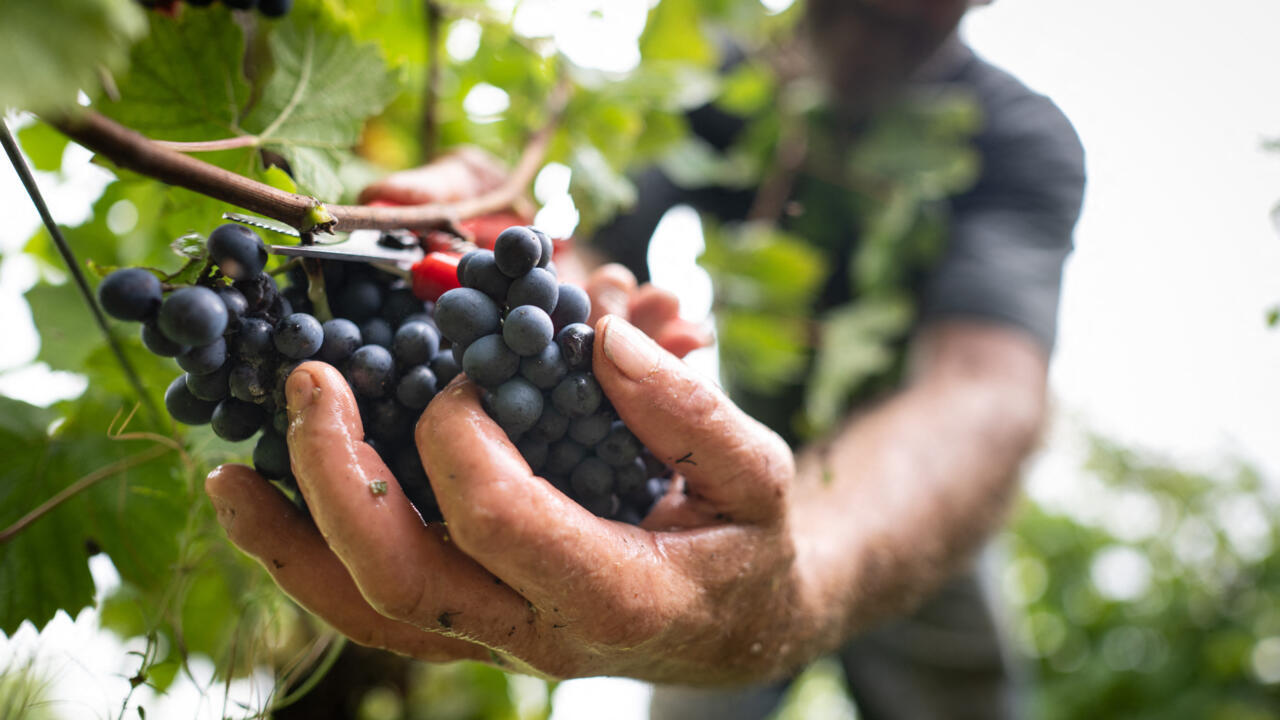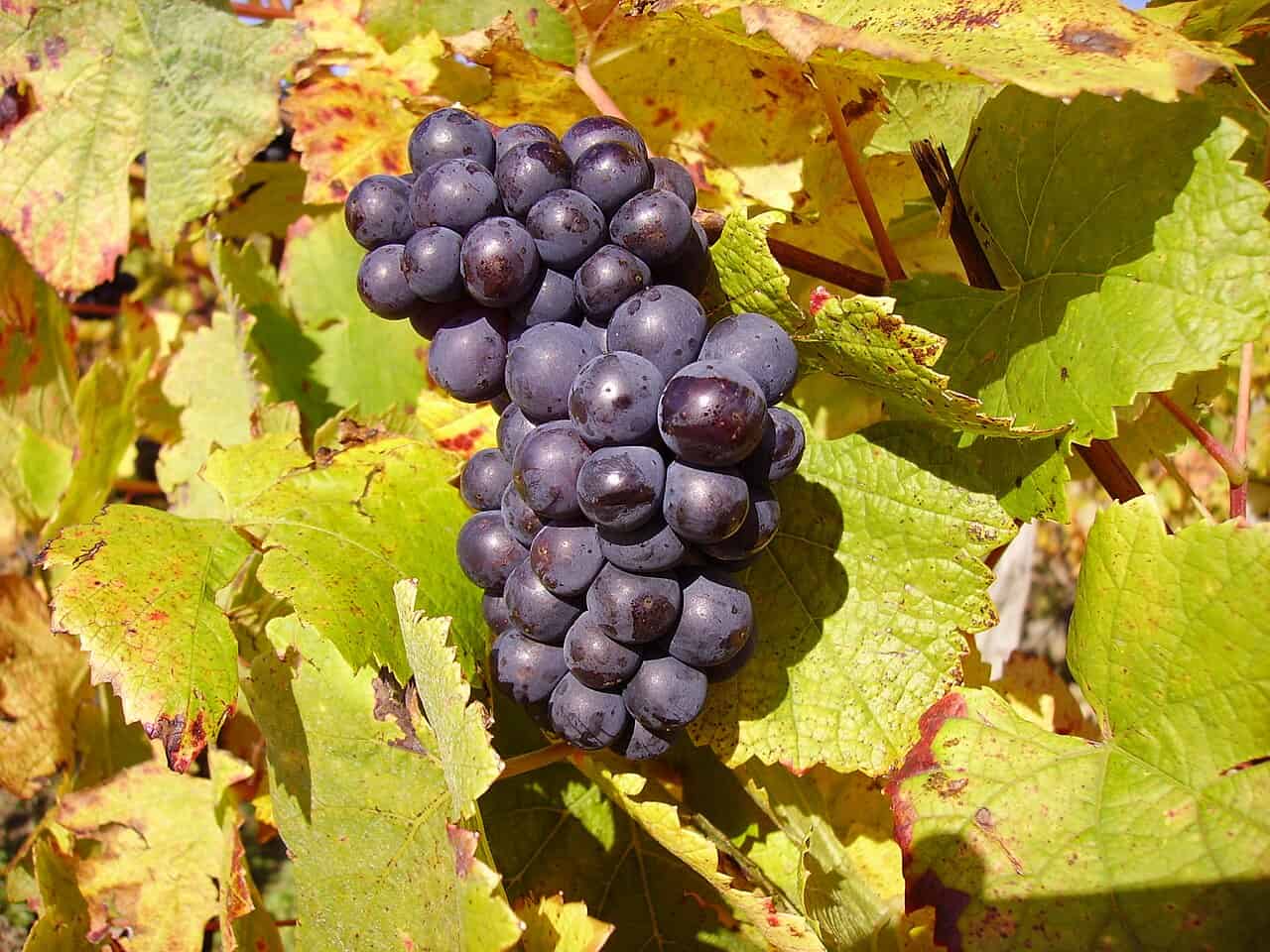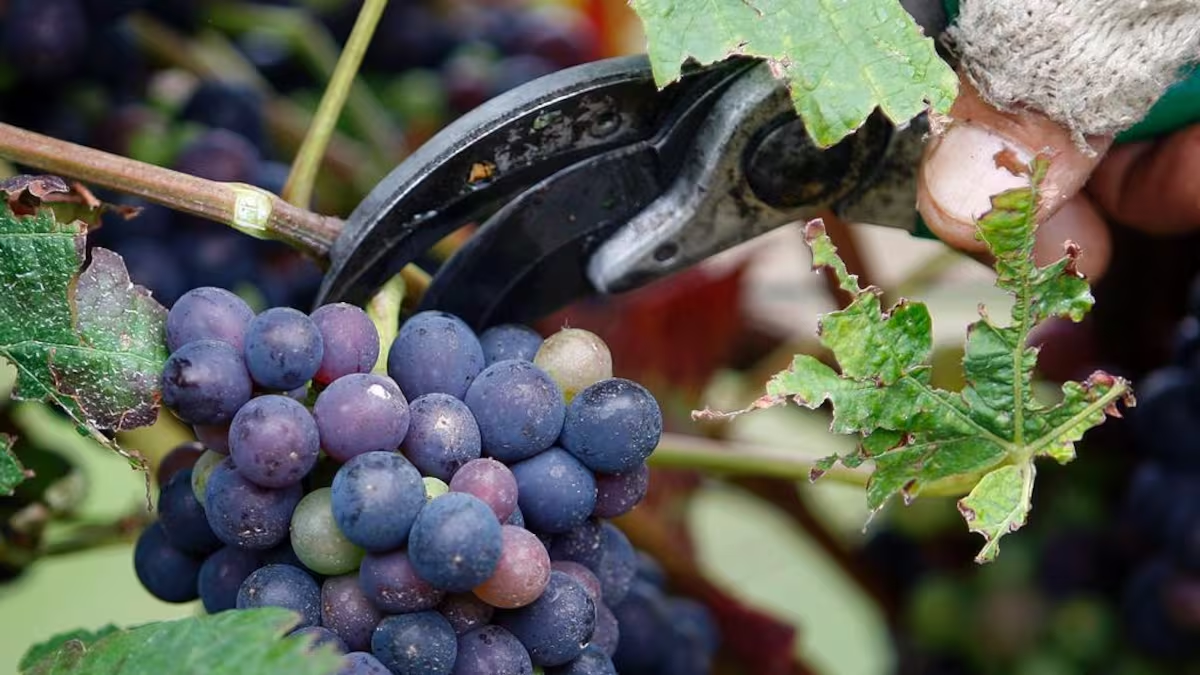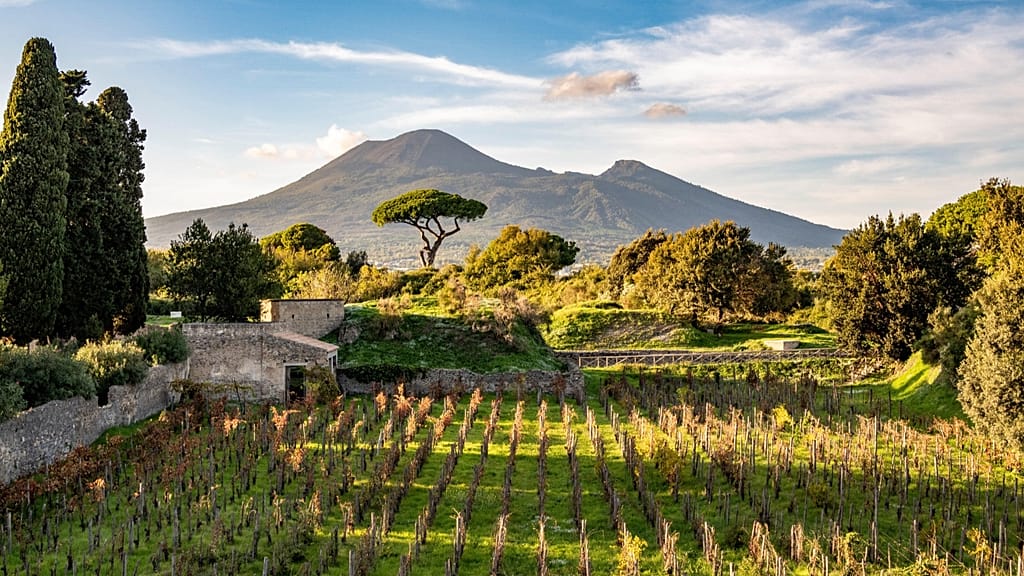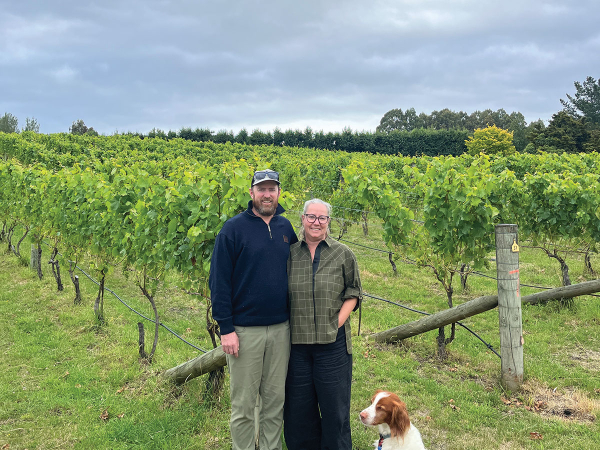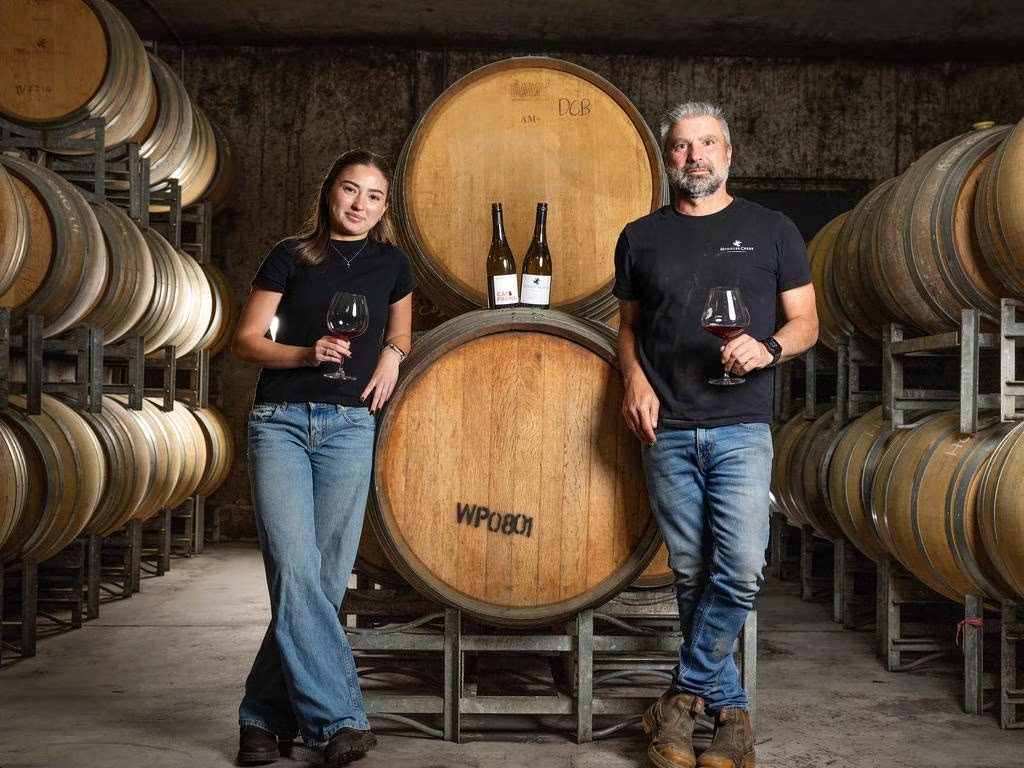
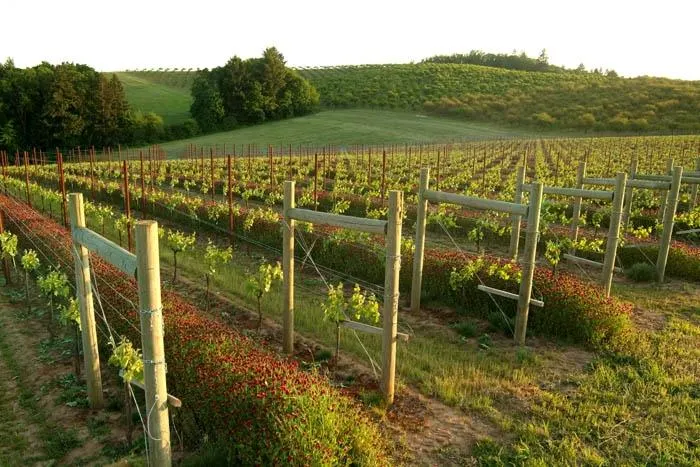
Winemaker Ken Wright has spent decades in the wine business. One thing he knows for sure, Yamhill Carlton AVA in Oregon’s Willamette Valley is the best place in the United States to produce Pinot Noir.
Ken Wright Cellars
Settle into one of the deep leather sofas inside Ken Wright’s private tasting room—a converted wooden barn in Yamhill Carlton, Oregon, where Pappy Van Winkle’s 15-year bourbon sits casually on the bar and decades of wine history line the walls—and you understand immediately why this man isn’t just making wine. He’s keeping a promise to a place.
Wright has been farming Pinot Noir in Oregon’s Willamette Valley since 1986, in the Yamhill Carlton AVA since its founding. and making wine since 1978— when he became part of a California tasting and research group convened by Chalone Vineyard founder Dick Graff, a circle that included Steve Kistler of Kistler Vineyards, Ric Forman of Forman Vineyard, Jacques Seysses of Domaine Dujac, and Aubert de Villaine of Domaine de la Romanée-Conti.
He founded Ken Wright Cellars in 1994, planting his flag in the then-nascent Yamhill Carlton district while most of the wine world’s attention was fixed on Oregon’s Dundee Hills. It was a contrarian bet that has paid off spectacularly —and one rooted less in intuition than in deep geological literacy.
It Starts With Ancient Ocean Floor
This region was once the floor of the Pacific Ocean. For hundreds of millions of years, the Juan de Fuca tectonic plate has been subducting beneath the North American continent, scraping ancient marine sediments—sand, siltstone, sandstone—off the ocean floor and aggregating them along what is now the Oregon coastline. That material, oceanic in origin and extraordinary in its mineral complexity, is the parent rock beneath Yamhill Carlton’s best vineyards—and the reason its wines taste like nowhere else.
“When you’re in the old ocean bed, which was here first, before the volcanics, you tend to get wines that are very savory and very rustic—spices, floral qualities, tobacco, cedar, leather, anise, clove, fresh-turned earth,” Wright explains, relaxing into the leather sofa. “It’s just totally different.”
Contrast this with Oregon’s other major sub-appellations. The Dundee Hills — Oregon’s most famous wine district—sits on volcanic basalt and produces wines that are fruit-forward and precise: cherry, strawberry, red fruits. The Eola-Amity Hills, also volcanic, skews darker: cassis, blackberry, black cherry. Yamhill Carlton’s ancient marine sedimentary parent material pulls in an entirely different direction—toward earth, savory spice, tobacco, leather, and mineral complexity that rewards patience.
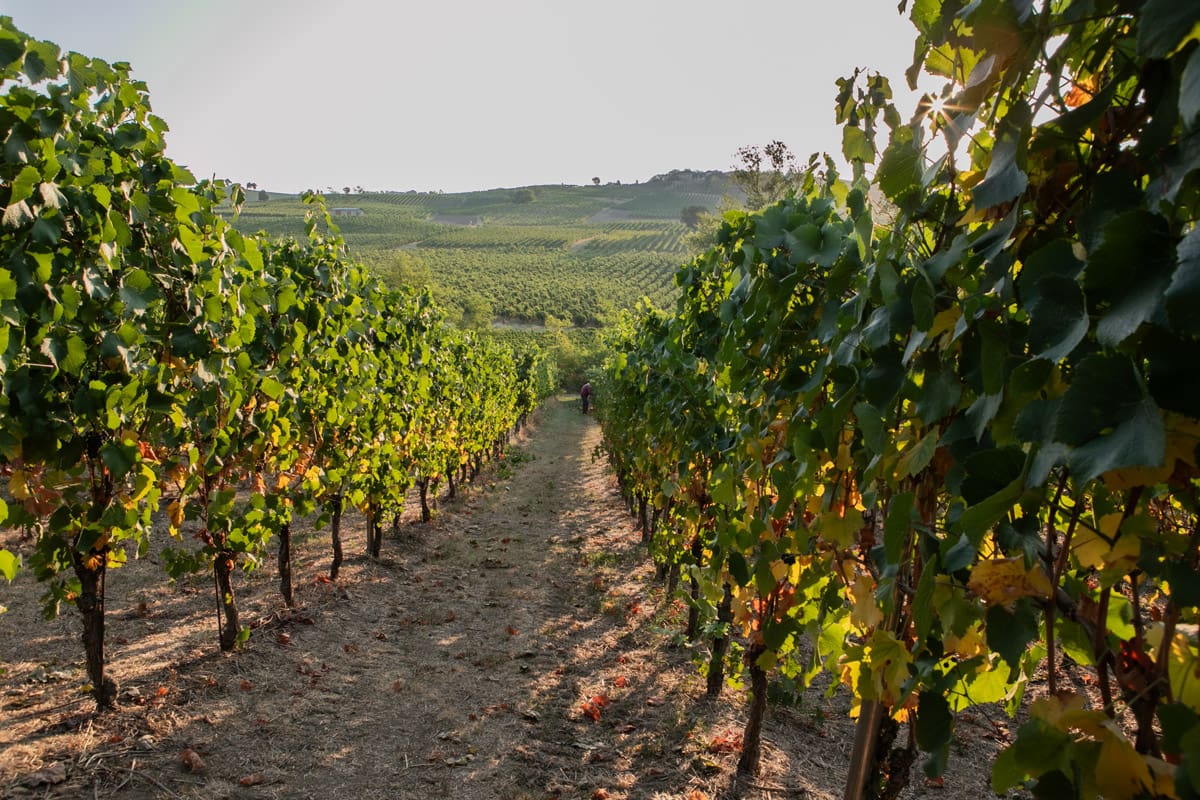
Critically, Yamhill Carlton’s soil is shallow—typically around three feet before roots reach that ancient marine parent material, versus ten to twelve feet in the volcanic Dundee Hills. Since a vine ‘s roots extend roughly a foot deeper each year, the handshake between vine and mother rock happens earlier here. In wine terms: Yamhill Carlton vineyards speak clearly, and they do so young.
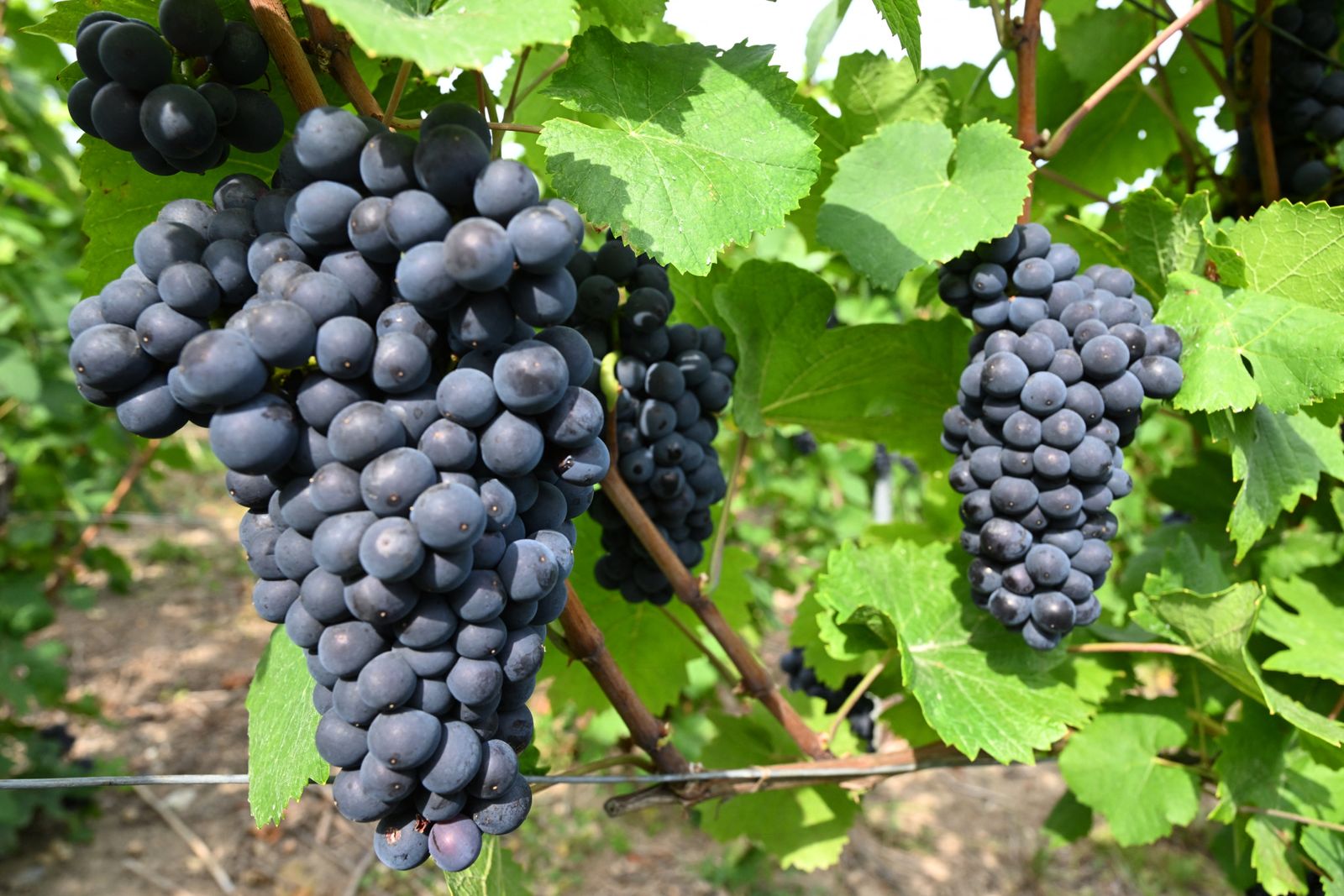
Wright explains that Pinot Noir is the earliest ripening grape—genetically programmed to race to the finish. In warm climates, that instinct becomes a liability: the grape surges to high sugar before developing the aromatic complexity that makes it great. “Complexity, detail is all about how much time you’re on the vine,” Wright says. “If you have a very short growing season, you never get those complex aromas or flavors.”
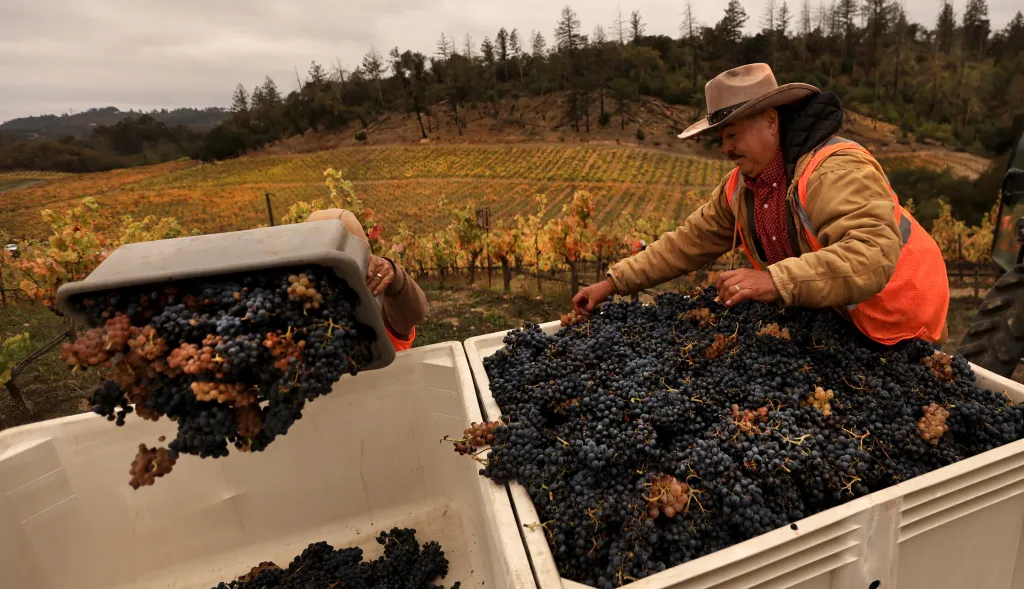
getty
The Right Climate For The World’s Most Demanding Grape
Geology is only half the story. Wright explains that Pinot Noir is the earliest ripening grape—genetically programmed to race to the finish. In warm climates, that instinct becomes a liability: the grape surges to high sugar before developing the aromatic complexity that makes it great.
“Complexity, detail is all about how much time you’re on the vine,” Wright says. “If you have a very short growing season, you never get those complex aromas or flavors.”
Yamhill Carlton sits at the 45th parallel—halfway between the equator and the North Pole—and just 35 miles from the Pacific Ocean. That proximity to cold Pacific waters keeps temperatures low and the growing season long.
“We cannot ripen any Bordeaux varieties,” Wright notes. “We’re really limited to what we do well, but what we do well, we do insanely well.”
The Philosophy That Sets Yamhill Carlton Apart
What truly distinguishes the best Yamhill Carlton producers is a philosophical commitment to farming as science, not marketing. Wright has little patience for labels that have come to define virtuous viticulture in the public imagination.
“Organic is child’s play, and biodynamic is child’s play,” he says — he is certified organic himself, but considers it merely a concession to the marketplace. “Real farming goes way beyond that. You need to know what’s going on or you’re just flying blind. One approach does not work everywhere.”
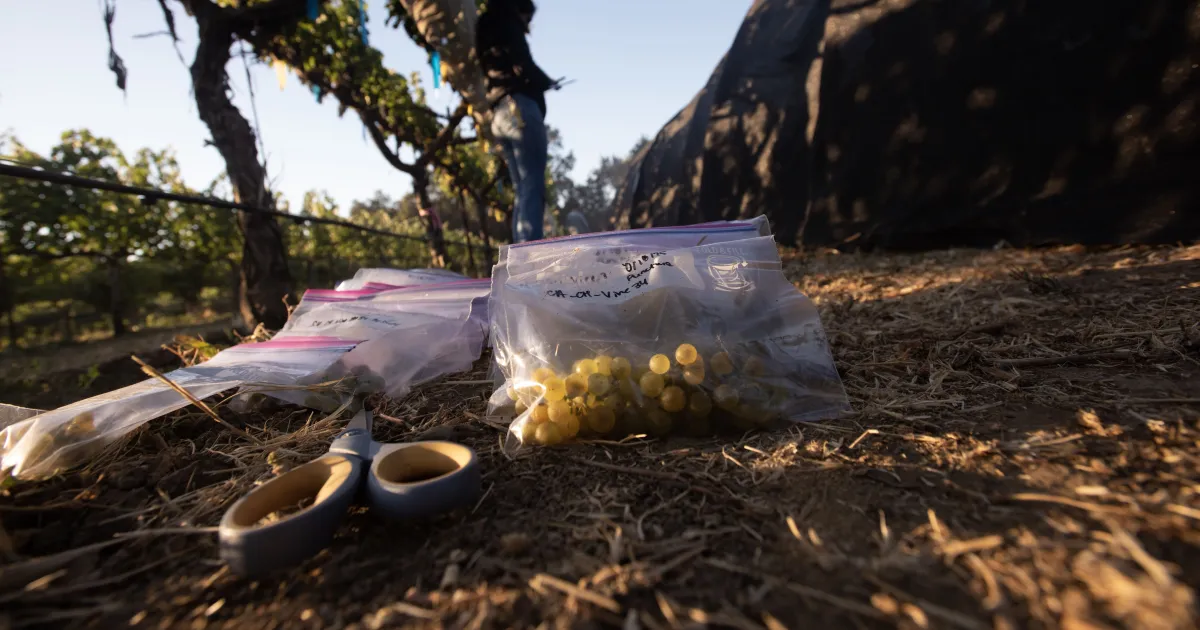
His team conducts deep-core soil samples at the interface with parent material, testing for microbiology, plant nutrition, and soil nutrition simultaneously. The vine’s root system is a living relay between ancient stone and glass bottle. The microbiology alive in the soil are essential intermediaries, without them, none of the trace elemental uptake that creates a wine’s distinctive profile—the “fairy dust,” as Wright calls it—occurs.
“When I say parent material or mother rock, it’s the same thing—whatever was laid down first that created that area,” Wright explains. “You don’t ever feel a connection to place until the root system is past soil and begins to engage with whatever the original geology is there.”
It is a worldview that places the winemaker in a supporting role—servant to the land, never auteur. His old research peers Aubert de Villaine and Jacques Seysses embody the same ethos: “They are the stewards of the top world-class properties on the planet. They are both so incredibly humble. Because they know who they are. They know how lucky they are.” Wright is among this class.
A Region Built on Community, Not Just Terroir
What also distinguishes Yamhill Carlton from many celebrated wine regions is an unusually strong culture of community stewardship — an ethos that Wright has helped define.
Ken and his wife Karen have spent decades weaving the winery into the community fabric: funding a foundation that has returned over a million dollars to local programs, launching a wine curriculum at Chemeketa Community College, and founding a high school vineyard program teaching Carlton teenagers viticulture alongside Ken Wright Cellars’ professional viticulturists.
This commitment to culture as well as community has created something special: an appellation with a genuine identity,
Why It Matters For The Modern Wine Drinker
For wine lovers navigating an era of increasingly standardized international flavor profiles, Yamhill Carlton represents something genuinely hopeful: a place where distinctiveness is built into the bedrock, quite literally.
Oregon’s place on the world wine map has been secure for years, but Yamhill Carlton is increasingly understood—by sommeliers, collectors, and the trade—as the state’s most intellectually compelling appellation. The most likely to produce a wine that stays with you.
“We have a plant that has found its home,” Wright says of Pinot Noir in his appellation, setting down his glass. “That wants to be incredibly fantastic, inherently. It’s like having a team of wild horses with so much going on, so much power, so much depth. For us, it has been learning how do we farm so that we are ensuring this quality happens, and we don’t get in the way?”
Ken Wright has spent nearly four decades answering that question. The wines suggest he’s getting there.
“In world-class areas, where a variety has found its perfect home, it’s never been about people,” Wright says, leaning forward over the large oak coffee table, the days long atmospheric river slowing to a drizzle outside. “It has always been about plant and place. How do I support it? Because you’re not special. People are not special. The plant is—insanely special.”