NGRA’s new sustained development model, three major research initiatives,
and robust extension leadership strengthens U.S. grape production nationwide.
March 30, 2026 (Sacramento, CA) — At its First-of-Year Board Meeting on January 26, 2026, the National Grape Research Alliance (NGRA) launched its 2026 strategic roadmap, expanding its funding model and advancing new research initiatives to strengthen U.S. grape production nationwide.
As the only national organization that aligns research priorities across all grape sectors (wine, juice, table grapes and raisins), NGRA reinforces its role as the national convener of grape research. Through coordinated scientific investment and cross-sector collaboration, the Alliance supports long-term sustainability, resilience, and competitiveness across the U.S. grape and wine industry. These strengths ring true in new initiatives and continued programs and events.
An Always-On Development Function to Strengthen Industry Support
In 2026, NGRA is launching an expanded development function, approved by the Board of Directors at its January meeting, designed to operate year-round, proactively seeking diversified funding and strategic partnerships to support the organization’s research mission. The strategy targets $1 million in annual funding by 2028.
As research funding landscapes evolve and growers face increasing economic and environmental pressures, NGRA is building sustained development capacity to secure new investments in grape science. This effort will expand engagement with federal agencies, private foundations, private industry, philanthropic partners, and allied organizations while strengthening the national funding ecosystem that supports viticulture research and extension.
“NGRA is uniquely positioned to connect industry, academia, and government in a way no single institution can,” said Donnell Brown, NGRA President. “Our new development strategy reflects a fundamental evolution in how we tell our story—leading with the systems-level impact of grape research on climate resilience, food security, and rural economies with philanthropies that value agriculture’s critical role in feeding and sustaining the world. Meanwhile, we’re raising our profile with industry stakeholders, ensuring they know that many of the headwinds facing our industry are issues science can solve. This is the moment to build the funding infrastructure that matches the scale of the challenges our industry faces.”
NGRA Begins Planning Three Major Research Initiatives in 2026
In 2026, NGRA will initiate planning for three major research initiatives that address long-term vineyard resilience, automation, and climate adaptation across U.S. grape-growing regions. NGRA is organizing in-person organizational meetings for each project to ensure strong national coordination, industry alignment, focused and compelling objectives, and clear pathways for obtaining funding and commercial implementation. These projects are:
- VitisGEM: Genetics x Environment x Management
Led by Dr. Maddy Oravec and Dr. Katie Gold at Cornell University, VitisGEM will examine how genetics, environment, and management practices interact to influence phenotypic trait expression and durability in grapevines. Building on the legacy of the NGRA-supported VitisGen projects, this work will strengthen understanding of genotype-to-phenotype relationships and evaluate trait performance across diverse production environments, giving growers the confidence to adopt new, improved varieties. - Robotic Pruning
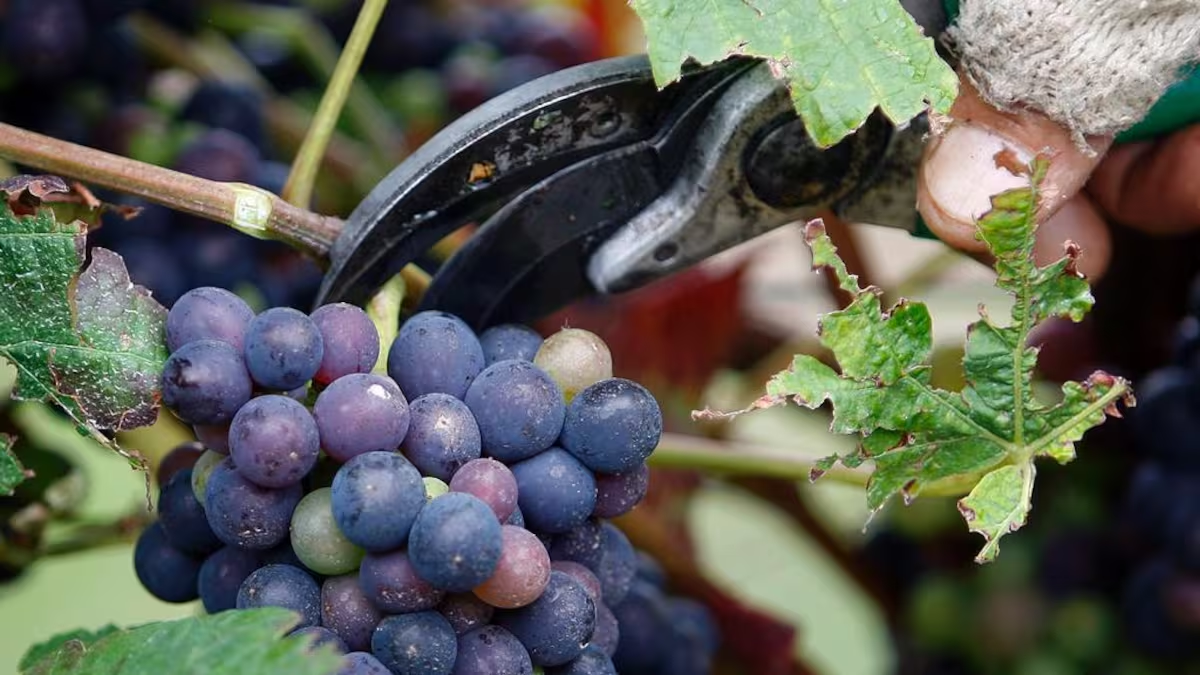
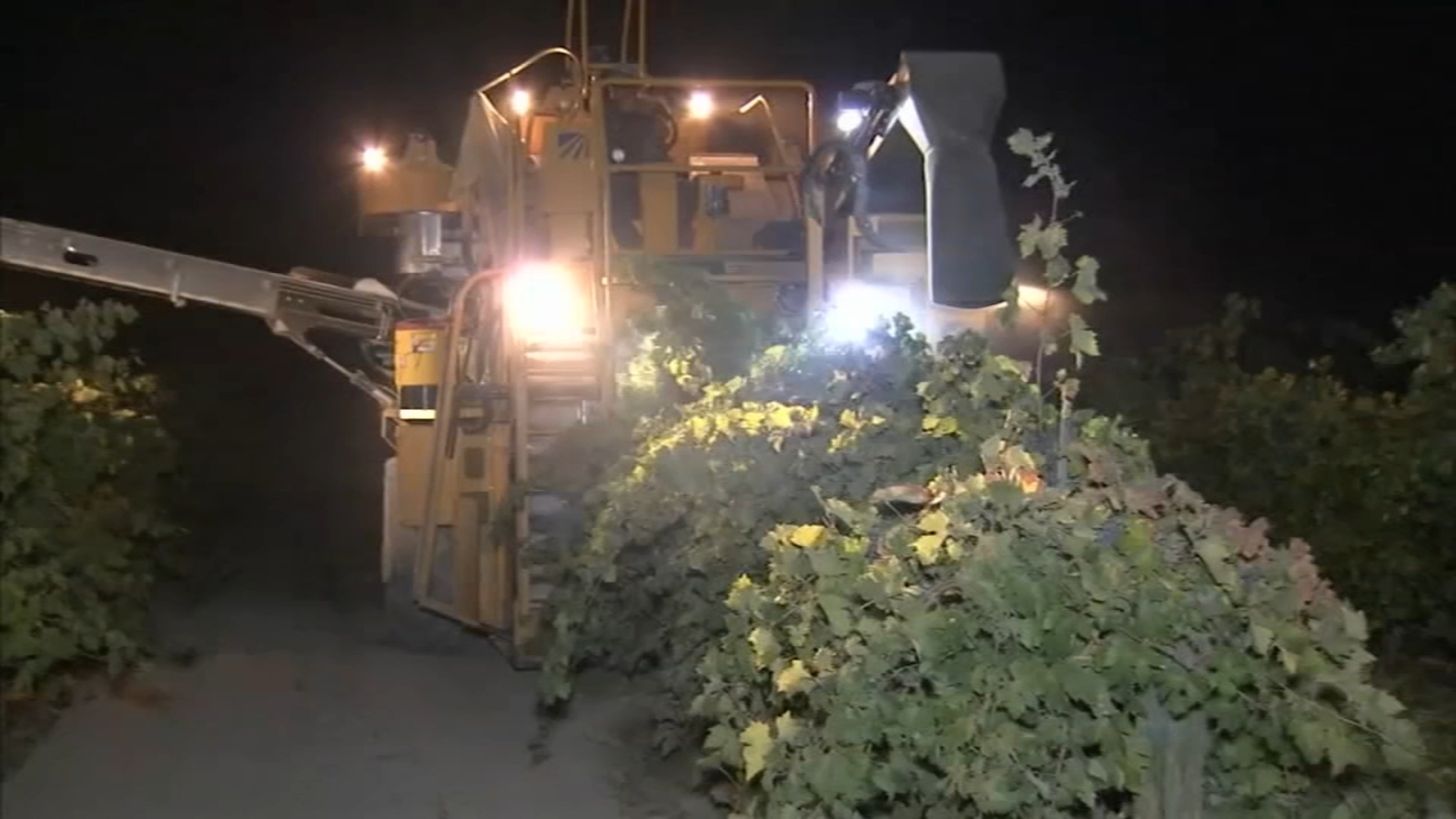
Led by Dr. Terry Bates at Cornell University, this project will develop an automated pruning system for grapevines that more closely resembles the finished pruning performed by humans following mechanical pre-pruning or hedging. Building on the NGRA-initiated Efficient Vineyard project, the initiative aims to improve labor efficiency, consistency, and long-term vineyard economics through advanced automation and robotics—mechanizing a challenging and complex skilled task. - Drought-Tolerant Rootstock Development
Led by Dr. Luis Diaz-Garcia at UC Davis, this initiative will develop a modern breeding framework to accelerate the development of drought- and salinity-tolerant grapevine rootstocks. The project integrates high-throughput phenotyping, functional genomics, and genomic prediction tools to identify and select for key stress-tolerance traits across hundreds of advanced breeding selections. With a focus on western production regions, this research will support climate resilience and long-term water sustainability, generating new knowledge to guide rootstock selection for growers navigating increasingly arid growing conditions.
“USDA-ARS values the unified voice for national-scale grape and wine research that NGRA uniquely provides,” said Tim Rinehart, National Program Leader – Specialty Crops at USDA’s Agricultural Research Service, who participated in NGRA’s January Board meeting. “Projects like those NGRA is launching this year—combining genomics, precision technology, and risk reduction—reflect USDA’s own R&D priorities and are exactly the systems-level thinking we need to ensure the long-term productivity and resilience of the American grape industry.”
Embracing Industry Outreach & National Extension Leadership
NGRA continues to demonstrate its Extension and Outreach Leadership by directly supporting the community of viticulture and enology Extension professionals across the country, and also hosting events that extend research outcomes directly to industry stakeholders who are eager for these innovations and can put them into practice.
In November 2025, the NGRA-UC Davis Grapevine Improvement Workshop convened researchers and industry leaders to share the state of the science in grape breeding, genetics, and biotechnology. The workshop reinforced NGRA’s commitment to helping growers understand advances in and the value of variety development and improvement as solutions to long-term challenges.
Continuing that leadership, NGRA will host two events in 2026:
- NVEELC Conference | April 20–22, 2026 | San Antonio, Texas
The National Viticulture and Enology Extension Leadership Community (NVEELC) Conference returns with its first in-person gathering since 2022, hosted by Texas A&M AgriLife Extension. Under the theme “Meeting Stakeholders Where They Are,” NVEELC 2026 will feature professional development, networking, best-practice sharing, and a tour of four pioneering vineyards and wineries, all designed to lift up the grape and wine industry’s vital Extension community. - ASEV-NGRA Vineyard Nutrition Symposium | June 16, 2026 | Boise, Idaho
Held in conjunction with the combined American Society for Enology and Viticulture (ASEV) and ASEV-Eastern Section Conference, the Vineyard Nutrition Symposium will present the findings of the NGRA-initiated HiRes Vineyard Nutrition project. Titled Vineyard Nutrition from Sensing to Sensory, the full-day program will feature leading researchers from Washington State University, Oregon State University, Cornell University, UC Davis, Rochester Institute of Technology, and Virginia Tech—covering the full arc of vineyard nutrition science from remote sensing and precision mapping, to tissue testing protocols and wine chemistry.
Through these efforts, NGRA continues to elevate extension as a strategic pillar of its mission, ensuring that research investments generate measurable impact for growers nationwide.
Service to the Grape & Wine Industry
NGRA maintains a publicly available inventory of funded grape research, a living database tracking projects funded at the federal, state, and regional levels. Revitalized in 2025, the database reveals that 144 funded grape research projects found funding last year, underscoring the breadth of scientific investment the organization helps coordinate and communicate across the industry. This resource is continually updated as grant awards are announced.
On its website, NGRA also maintains a directory of U.S. viticulture and enology Extension professionals. It offers a search function that enables grape stakeholders to easily locate an Extension viticulturist or enologist anywhere across the country.
The NGRA Newsletter is widely regarded as one of the industry’s most valuable publications. Published monthly via email, it provides a roundup of grape research-related news. Subscriptions are free.
About the National Grape Research Alliance
The National Grape Research Alliance (NGRA) is a nonprofit membership organization that advances the research needs of all sectors and all regions of the American grape and wine industry, spanning wine, table grapes, juice, and raisins, nationwide. We connect industry, academic scientists, and federal and state research agencies to initiate novel research projects and programs to solve industry challenges together. Since our founding in 2005, we’ve been instrumental in securing $65 million in funding for scientific solutions to grape and wine industry issues. Learn more at graperesearch.org.