
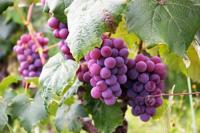
Photo by Luiz M. Santos via Pexels
By Stephen Beech
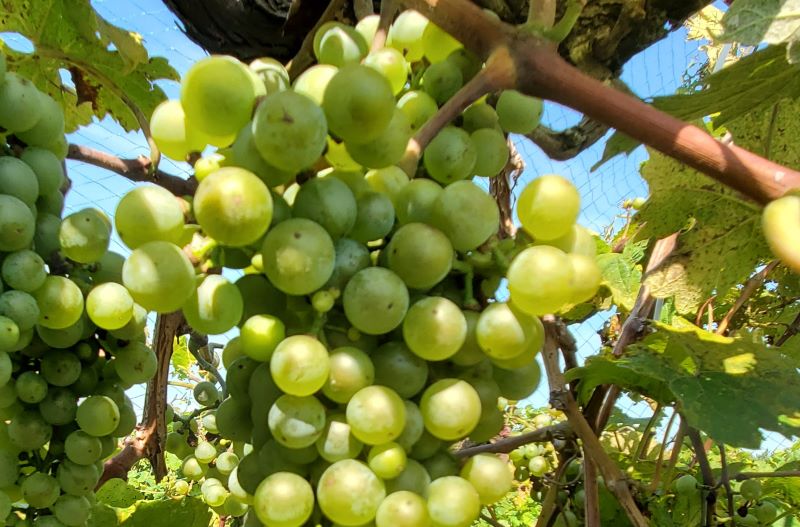
An AI-powered grape ripeness detector designed to make wine production more efficient has been developed.
The new portable handheld sensor provides instant and accurate data about whether grapes are ready to harvest, scientists say.
Wine is the fastest-growing agricultural sector in the United Kingdom.
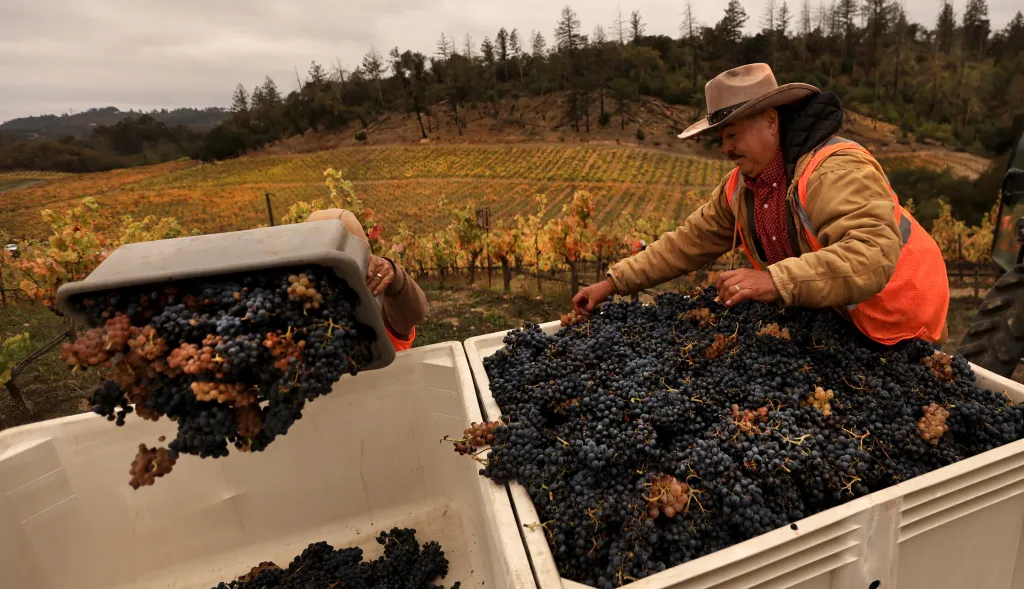
But harvesting grapes is extremely time sensitive.
Now, researchers at Queen Mary University of London (QMUL), have invented a portable optical sensor which uses state-of-the-art machine learning to give winemakers instant information on ripeness.
They say the device removes the need for manual sampling and slow destructive testing.
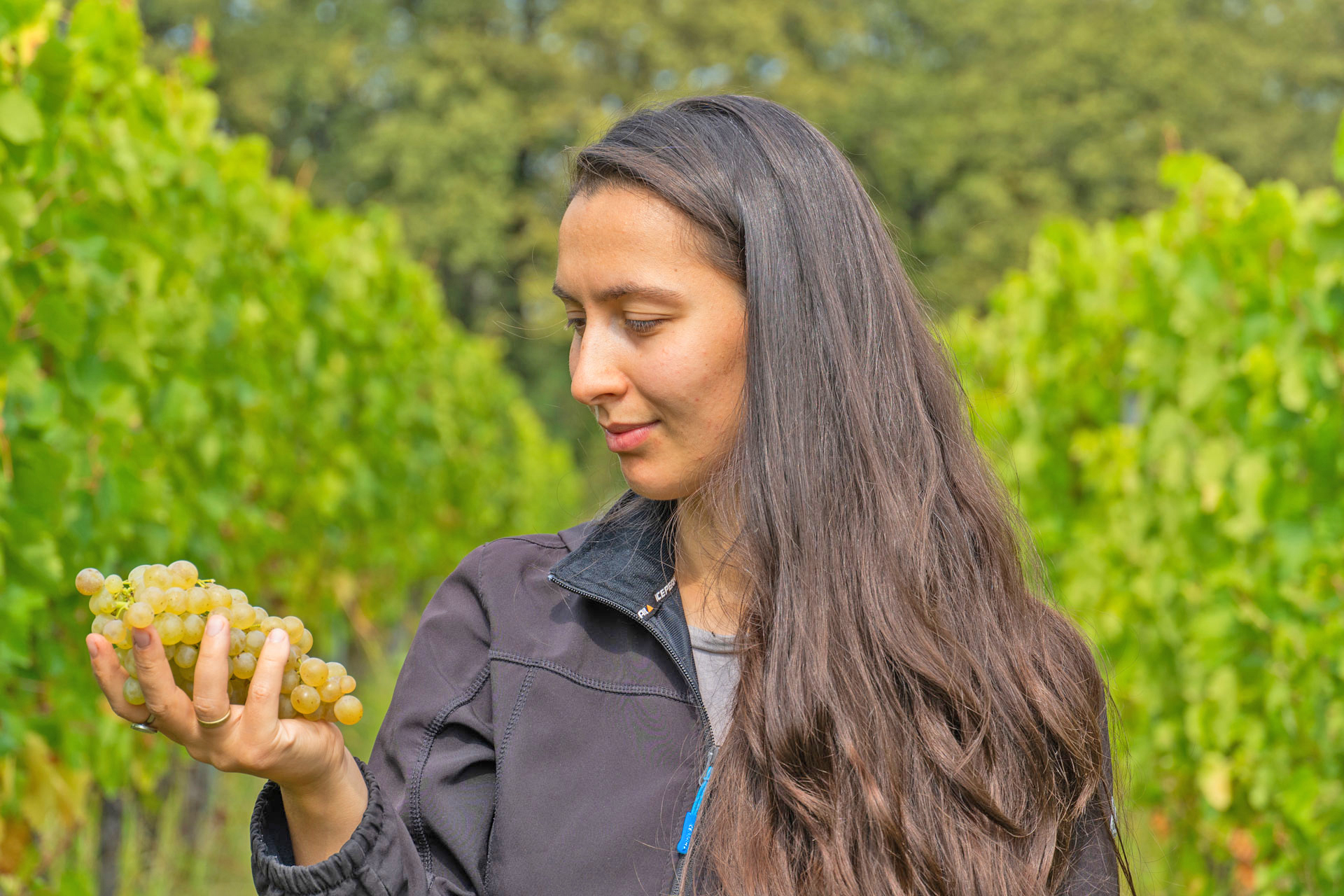
Dr. Xuechun Wang, a post-doctoral researcher at Queen Mary University of London, specializes in applying machine learning algorithms to building intelligent sensors.
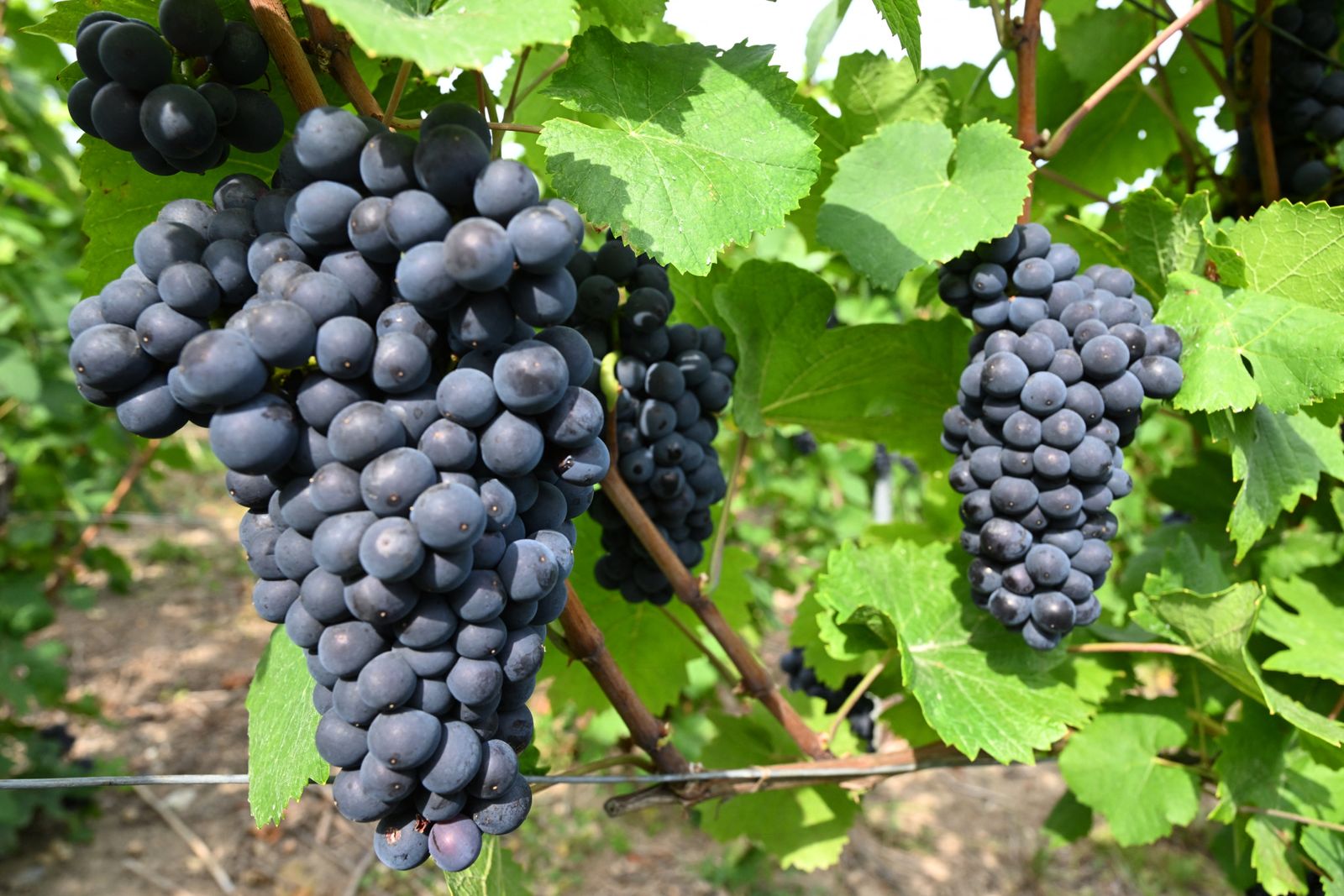
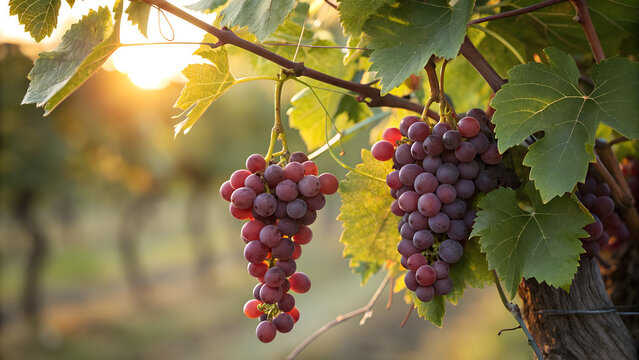
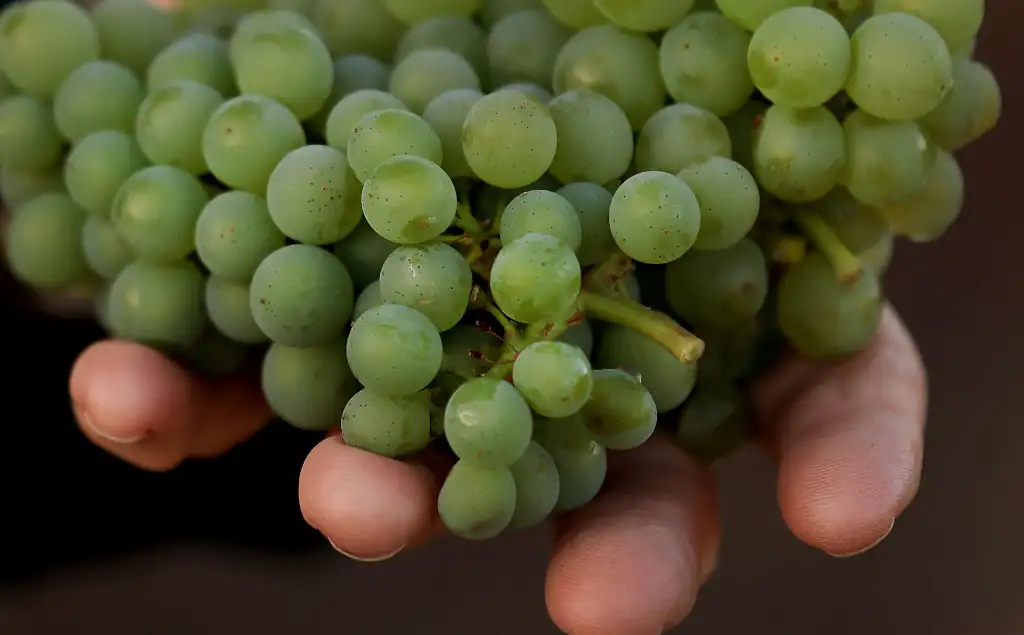
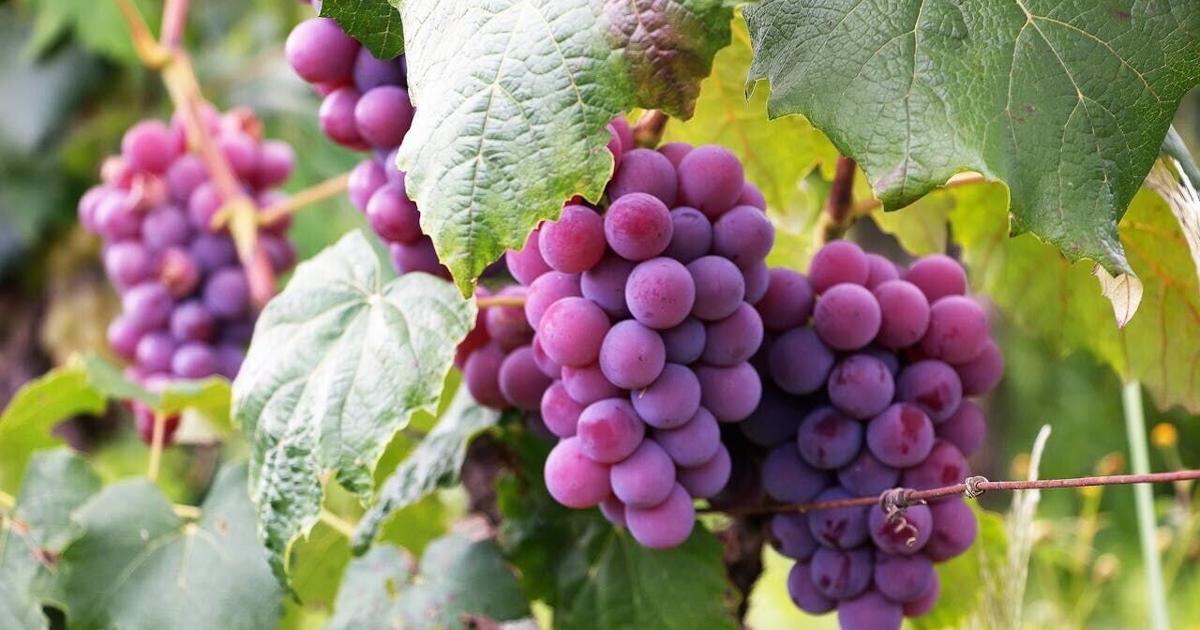
She said: “Our technology uses optical sensors to detect how grapes absorb and reflect different wavelengths of light.
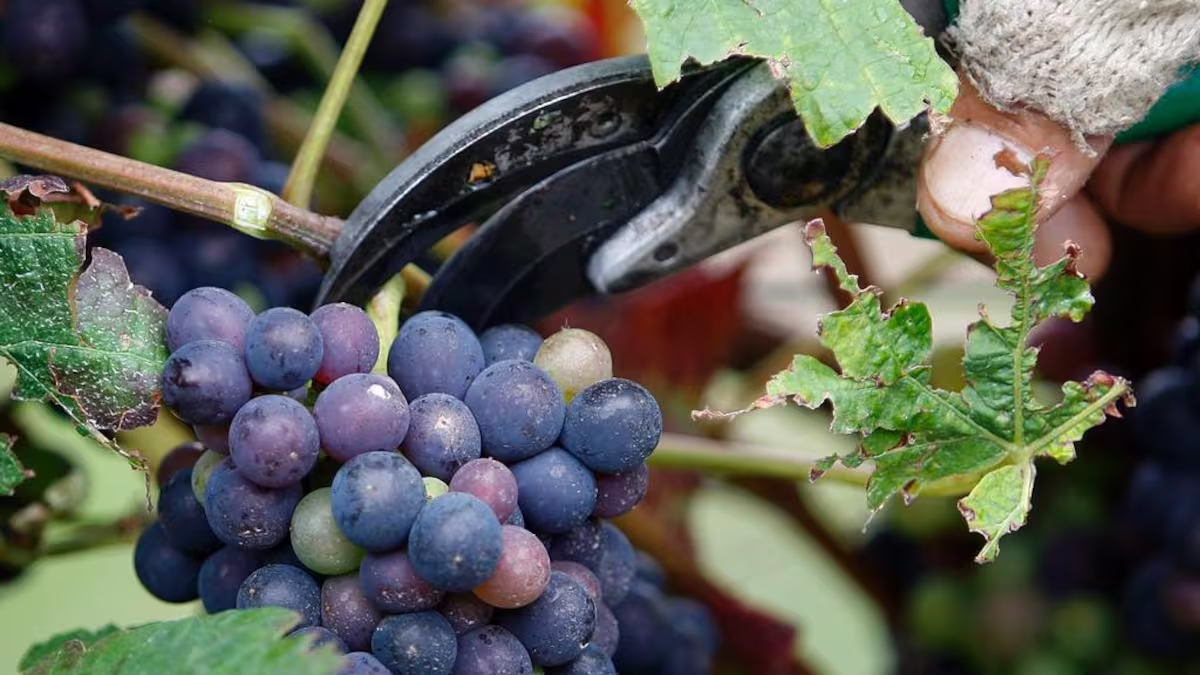
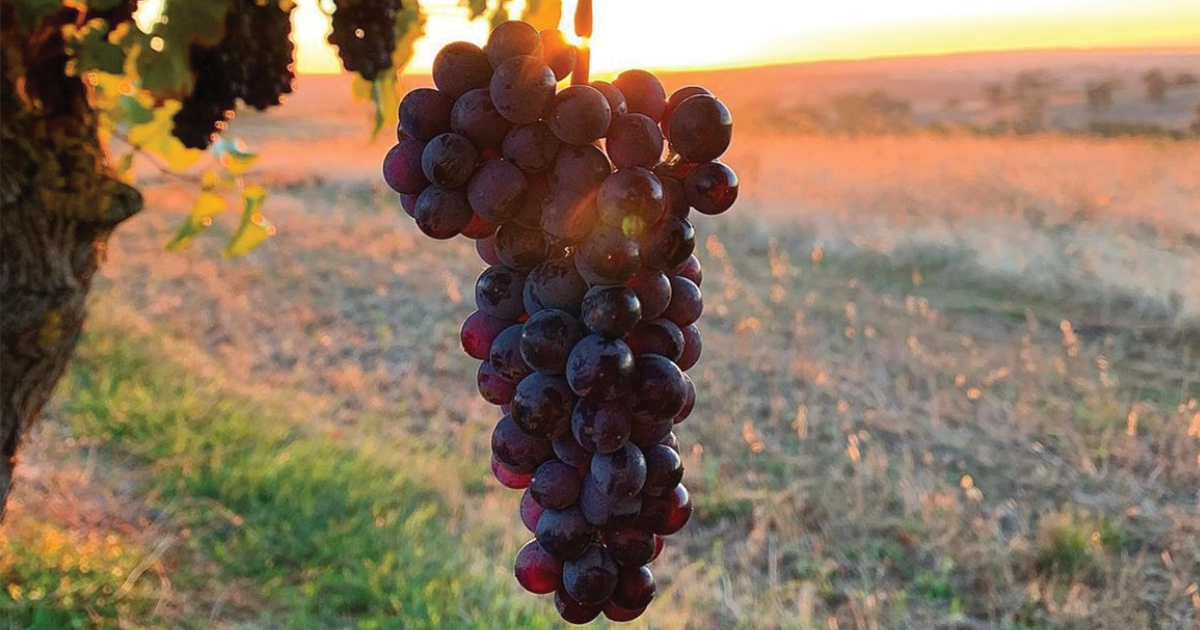
“As grapes ripen, their chemical composition changes, which alters their optical response.
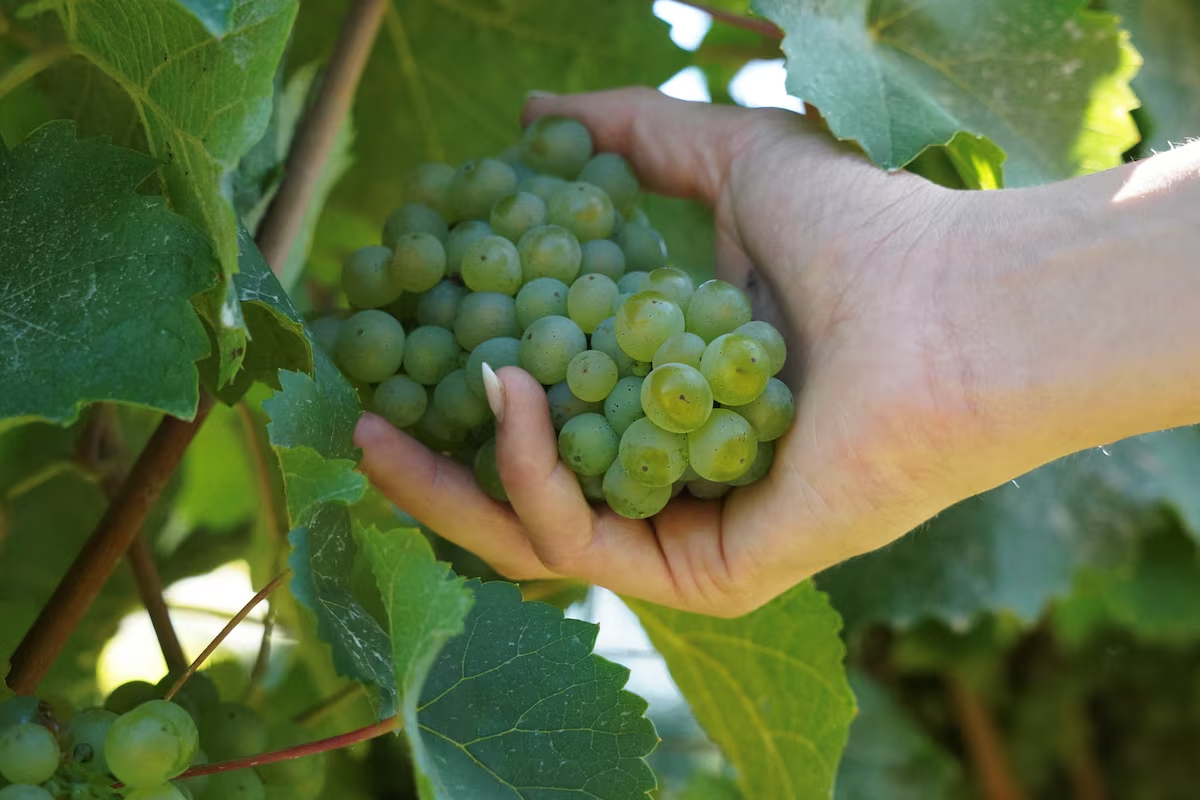
“By analyzing these spectral patterns using AI algorithms, we can estimate grape ripeness directly on the vine, without damaging the grape.”

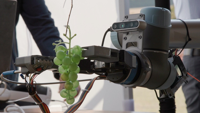
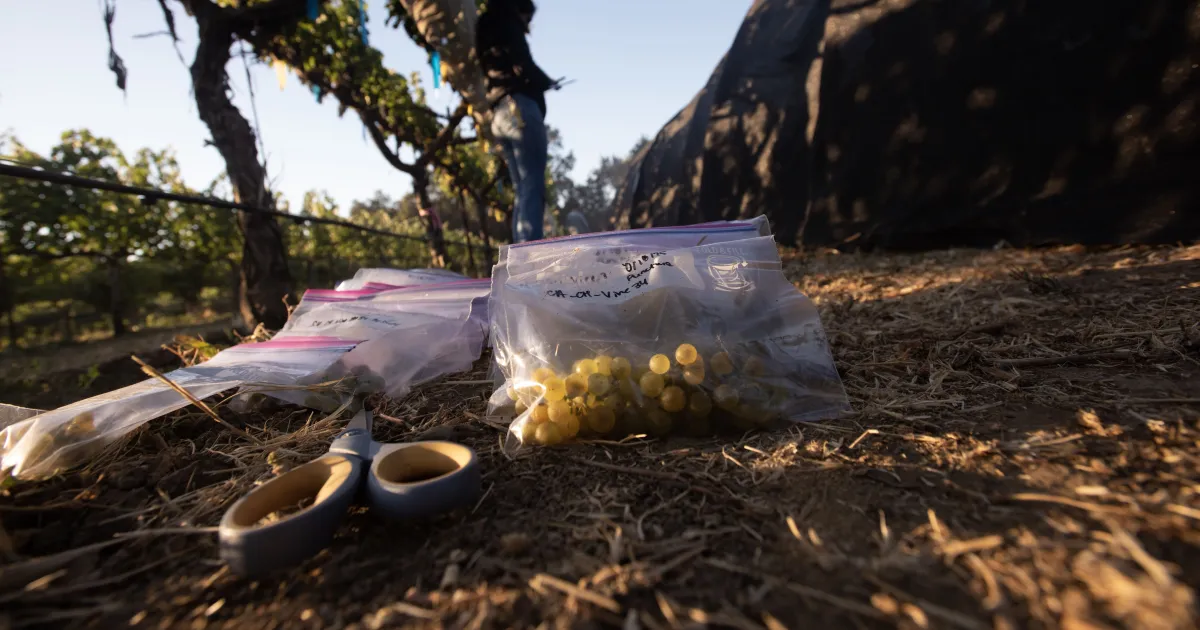
(Christopher Hughes via SWNS)
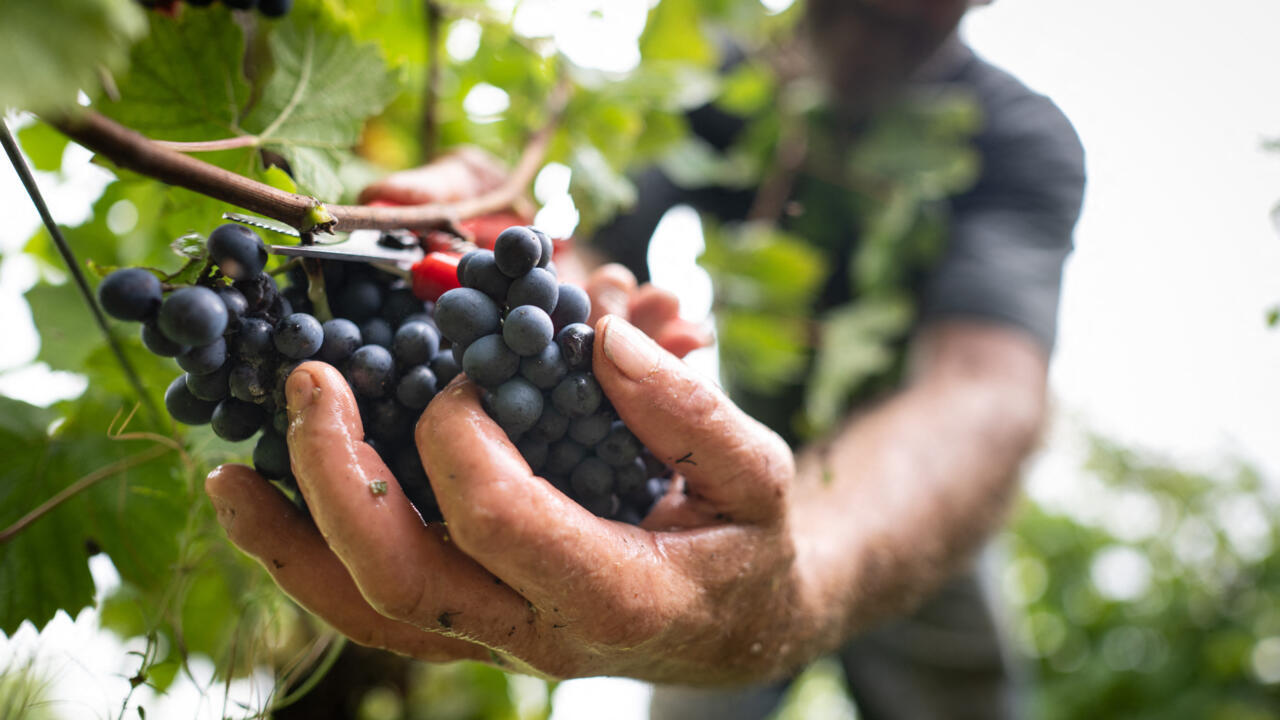
Known as RipenAI, Wang says the sensor could be handheld, allowing grape pickers to instantly check ripeness before harvesting, or installed across a vineyard to monitor grapes continuously for ripeness and crop health.
The QMUL team is working on integrating the technology into a robotic grape picker in a related project with Extend Robotics and Saffron Grange Vineyard in Essex.
They say the technology promises significant business benefits for winemakers.
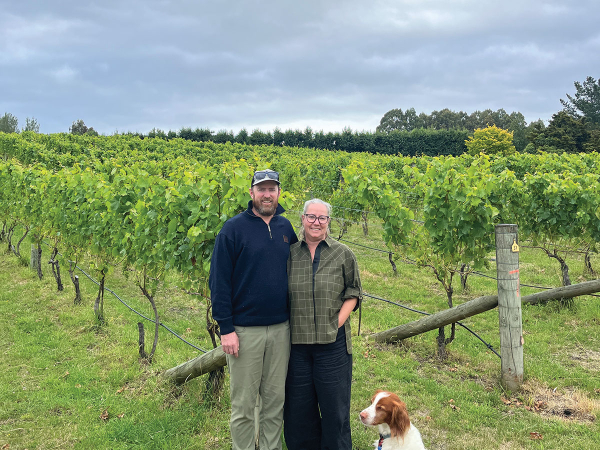
Nick Edwards, a director at Saffron Grange Vineyard, said: “Harvesting grapes at the right time is one of the most important decisions a grower makes when producing the best quality wine.
“This requires careful monitoring of key parameters such as sugar and acidity from veraison through to harvest.
“It is essential that grapes are picked at their correct level of ripeness.
“The wine style ultimately defines the ideal harvest window, dictating the balance of sugar, acidity, and taste the winemaker is seeking.
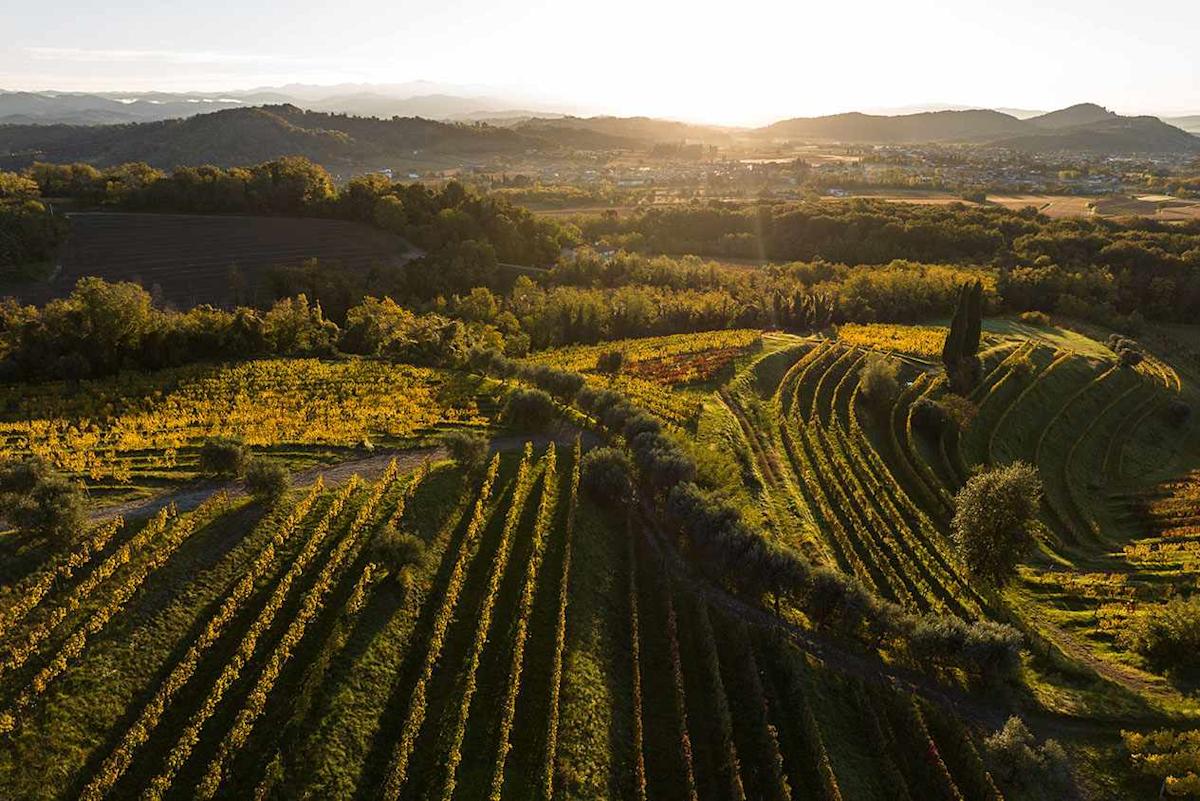
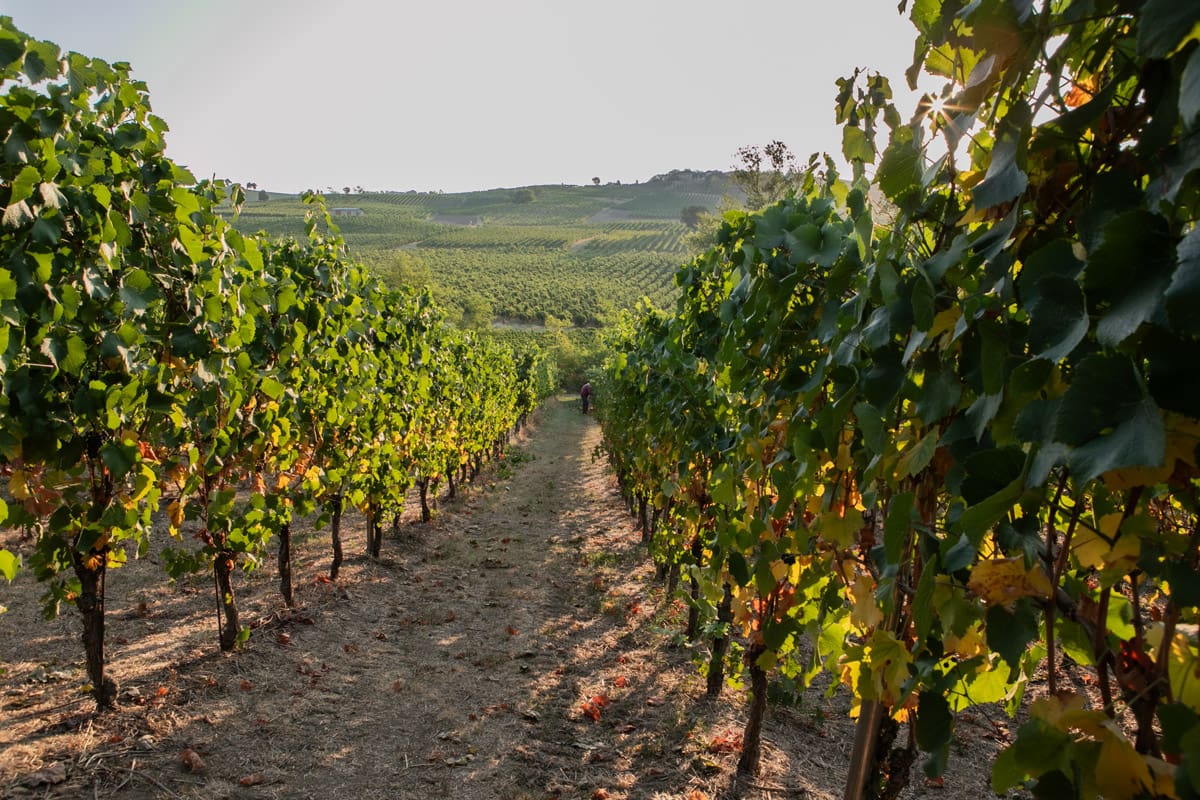
“Ripening also varies across a vineyard depending on factors such as clonal variety, soil type, location, exposure, and highly changeable weather.
“At Saffron Grange, we focus exclusively on producing premium-quality sparkling wines, and data plays a critical role in our harvest decisions.
“Timely access to accurate ripeness information allows us to forward plan harvest labor and winery preparation with confidence.”


Photo by Anna Morgan via Pexels
He added: “RipenAI will support this approach by providing non-destructive, real-time insight into grape ripeness across our vineyard.
“The ability to repeatedly assess the same bunches throughout the ripening period will deliver an even clearer picture of ripeness progression than traditional destructive sampling.
“A handheld device will also deliver instant results significantly reducing the labor and time required for sampling, testing, and analysis.
“Harvesting grapes at precisely the right time also helps minimize the need for interventions such as de-acidification and chaptalization, supporting the production of higher-quality sparkling wines.
“We are very excited to be part of this project.”
Armed with encouraging early data from field trials at Saffron Grange Vineyard, the scientists are now looking for more vineyards, agritech companies, and fruit orchards to help them test a new prototype during the next harvest season.
Professor Lei Su, of Queen Mary University of London, added: “RipenAI will shape the future of smart harvesting for a growing industry where timing and precision is the difference between success and failure.”