

vladans
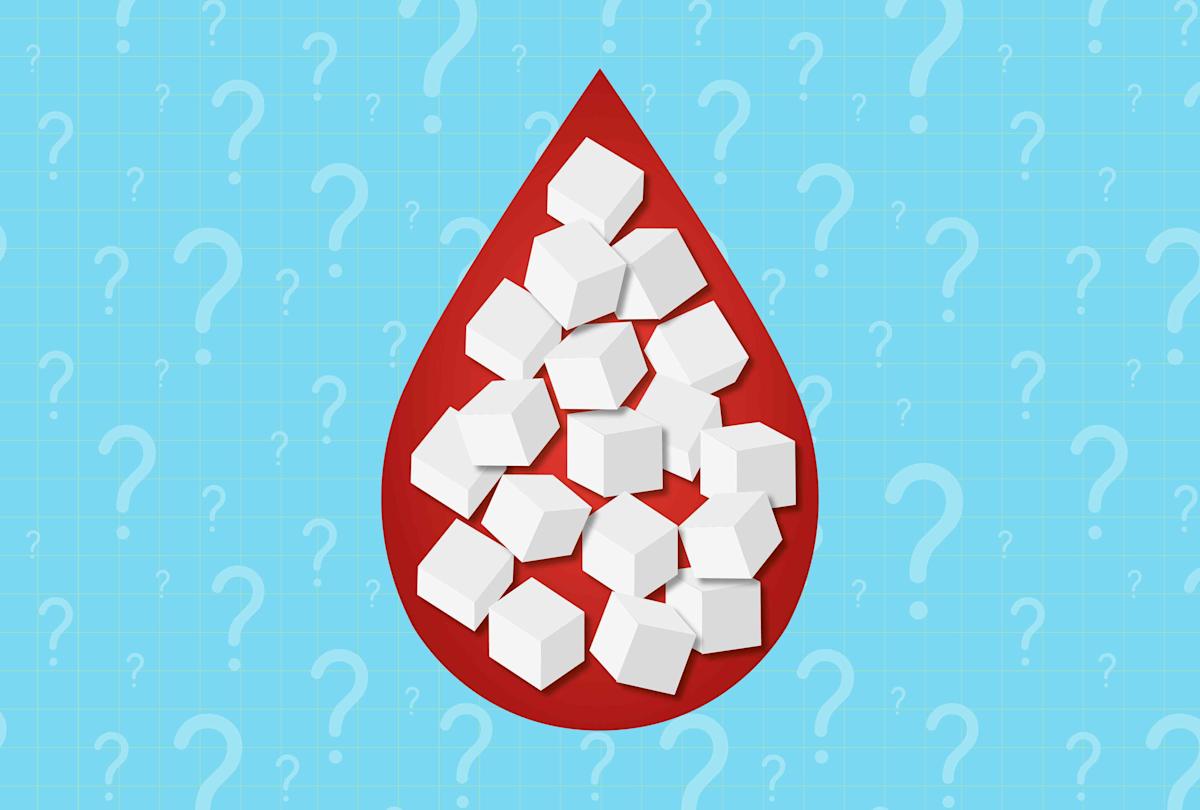
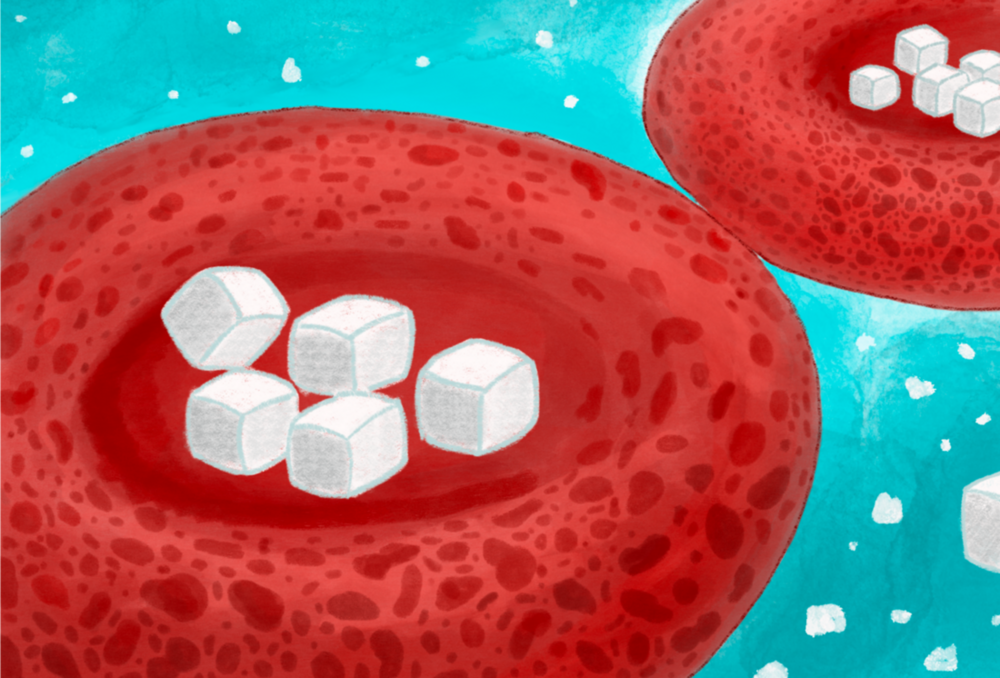
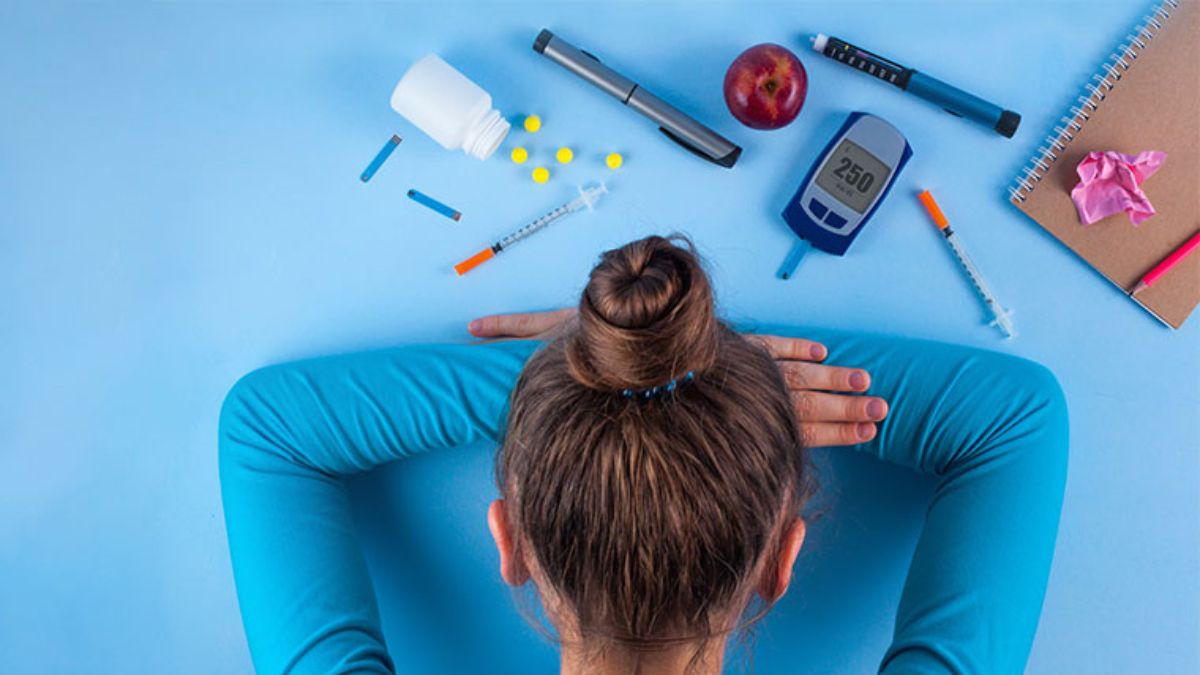
Whether you’re among the millions of Americans living with diabetes, prediabetes or simply trying to keep your glucose levels in check, there are science-backed steps that can help bring your numbers down and decrease insulin resistance. That’s why we’ve rounded up the best expert-backed tips on how to lower your blood sugar.
But first, an important note: “You don’t develop high blood sugar overnight, and it won’t reverse overnight either,” says Vanita Rahman, MD, clinic director at the Barnard Medical Center and a board-certified lifestyle medicine physician. That said, “there are things you can do right now that begin to shift your body in the right direction, and you may start to feel the difference within hours.”
Why high blood sugar matters
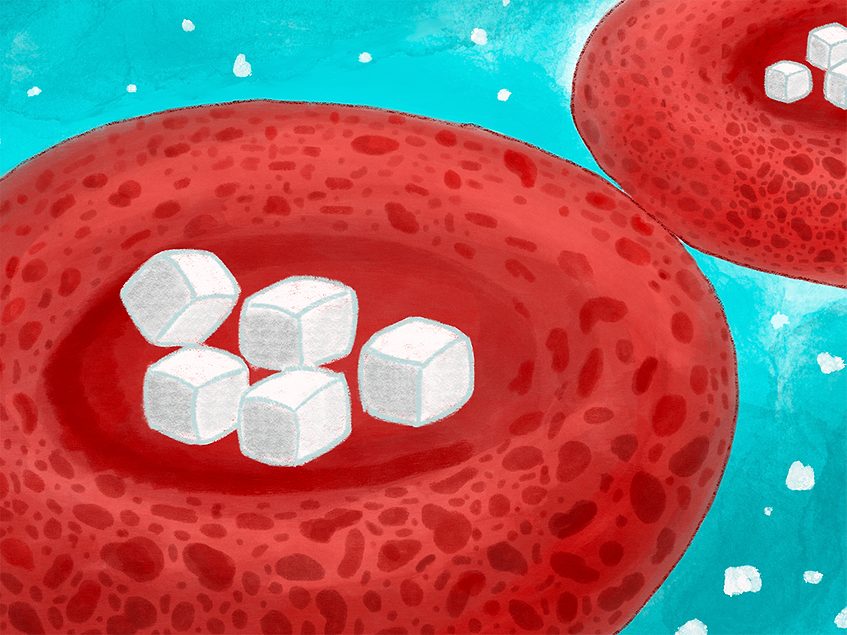
When blood sugar stays elevated too long, the consequences go beyond low energy and brain fog. “Over time, high blood sugar can damage blood vessels and nerves,” says Dr. Rahman. “That’s what increases the risk of developing complications like vision changes, nerve damage, kidney problems, heart disease and even stroke.”
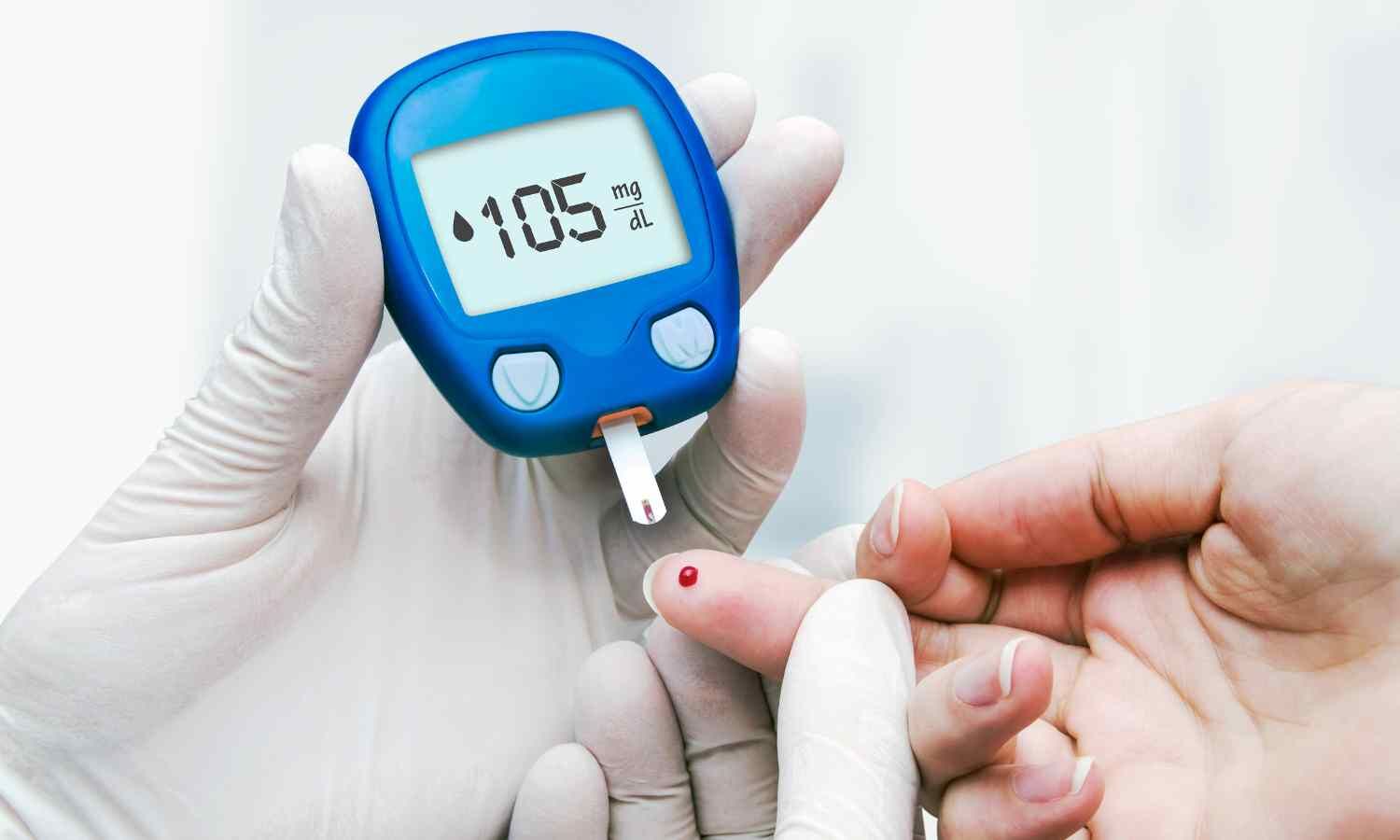
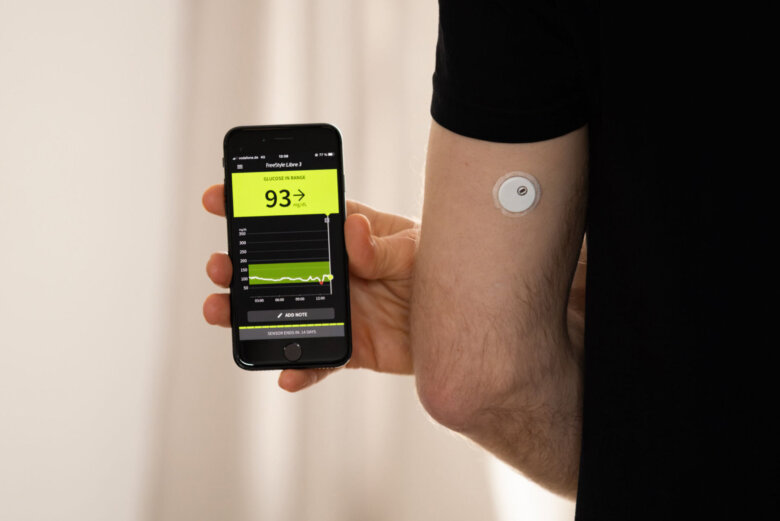
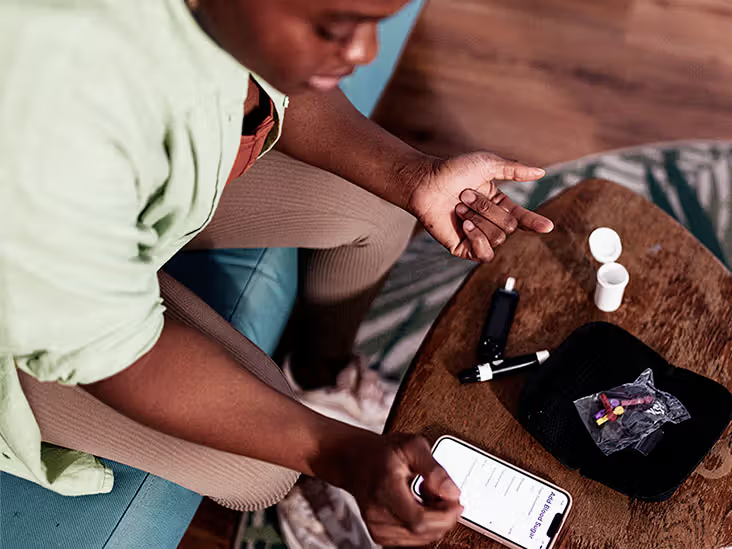
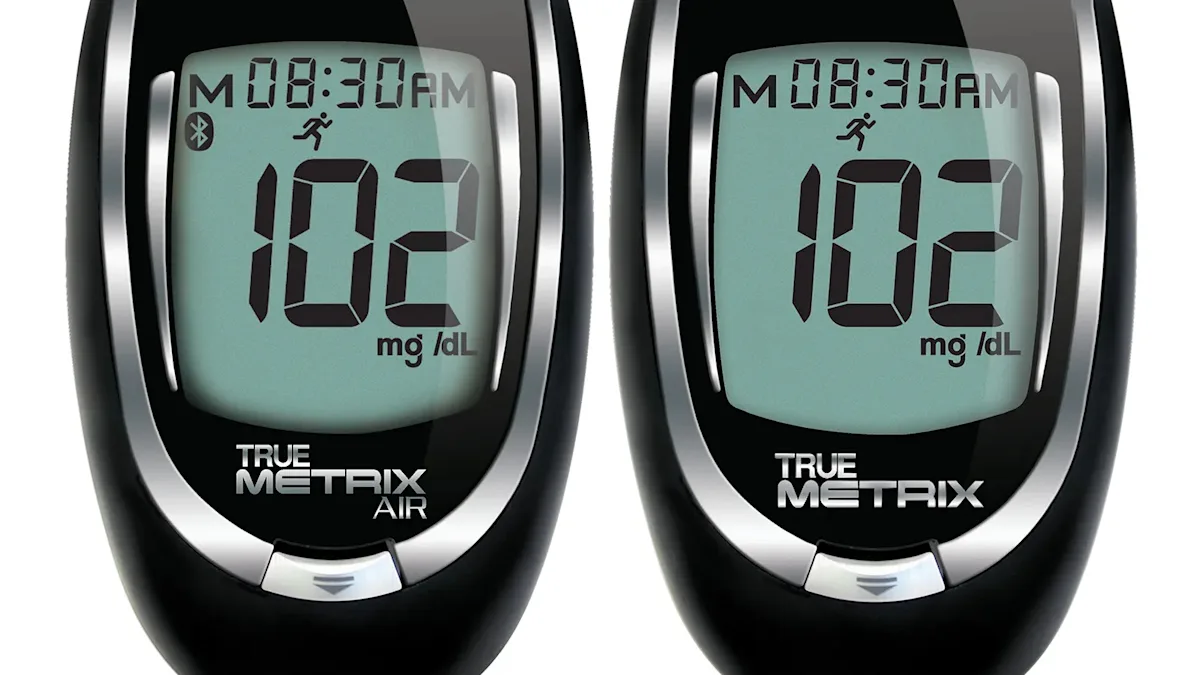
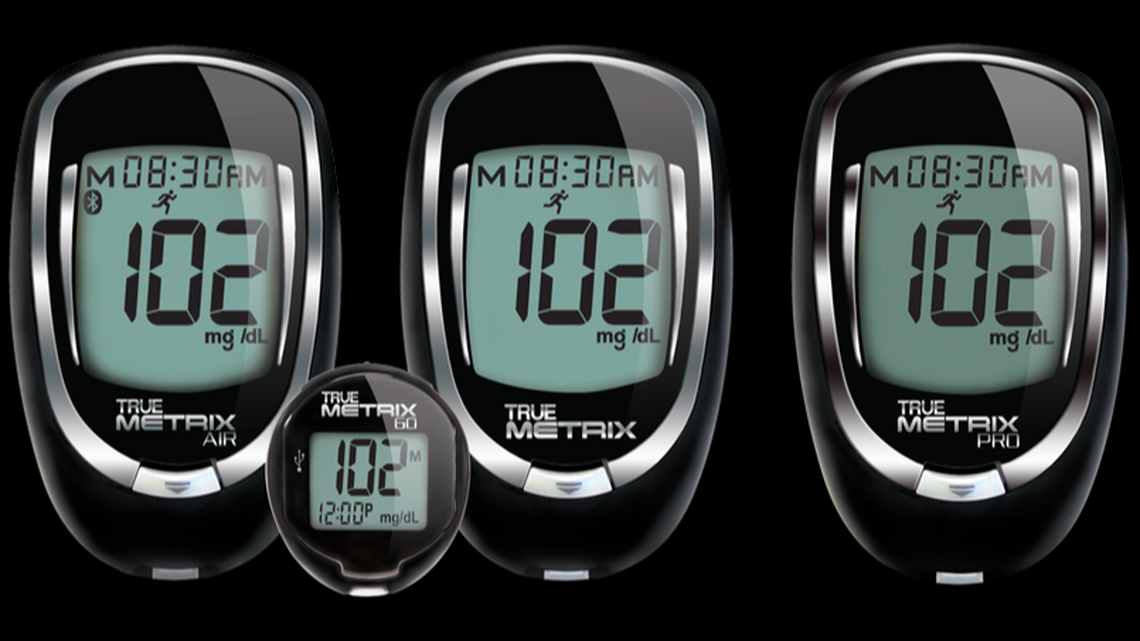
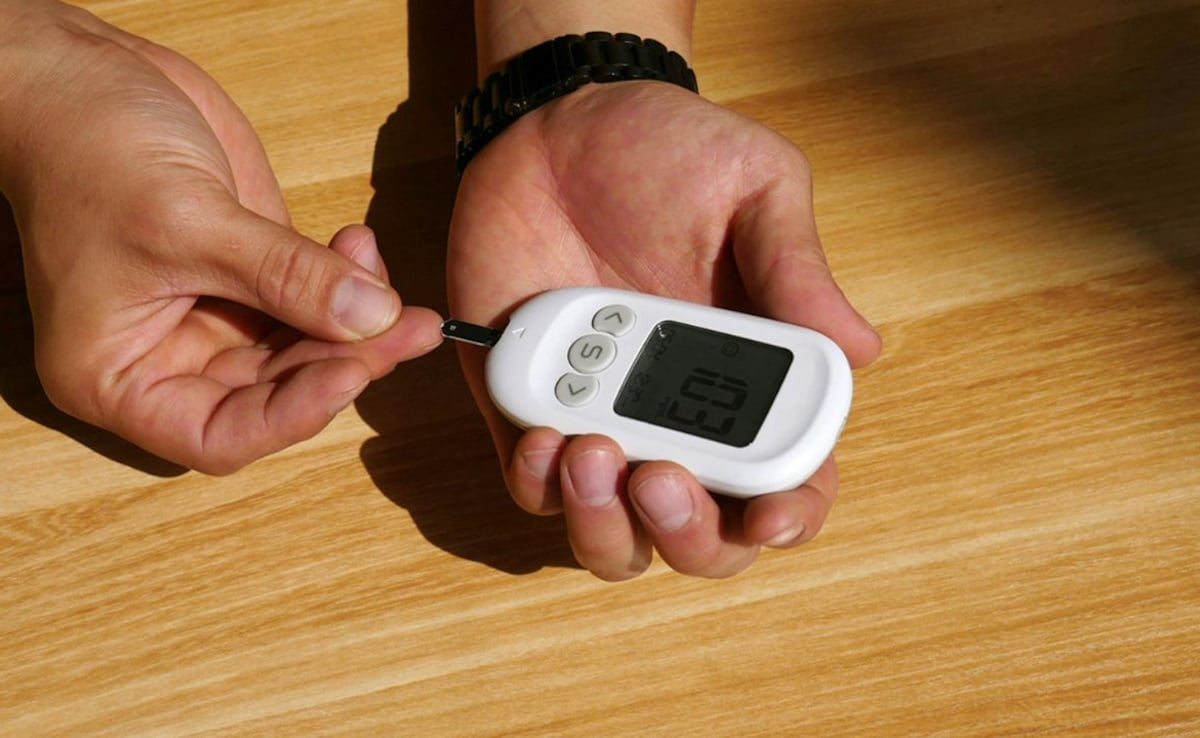
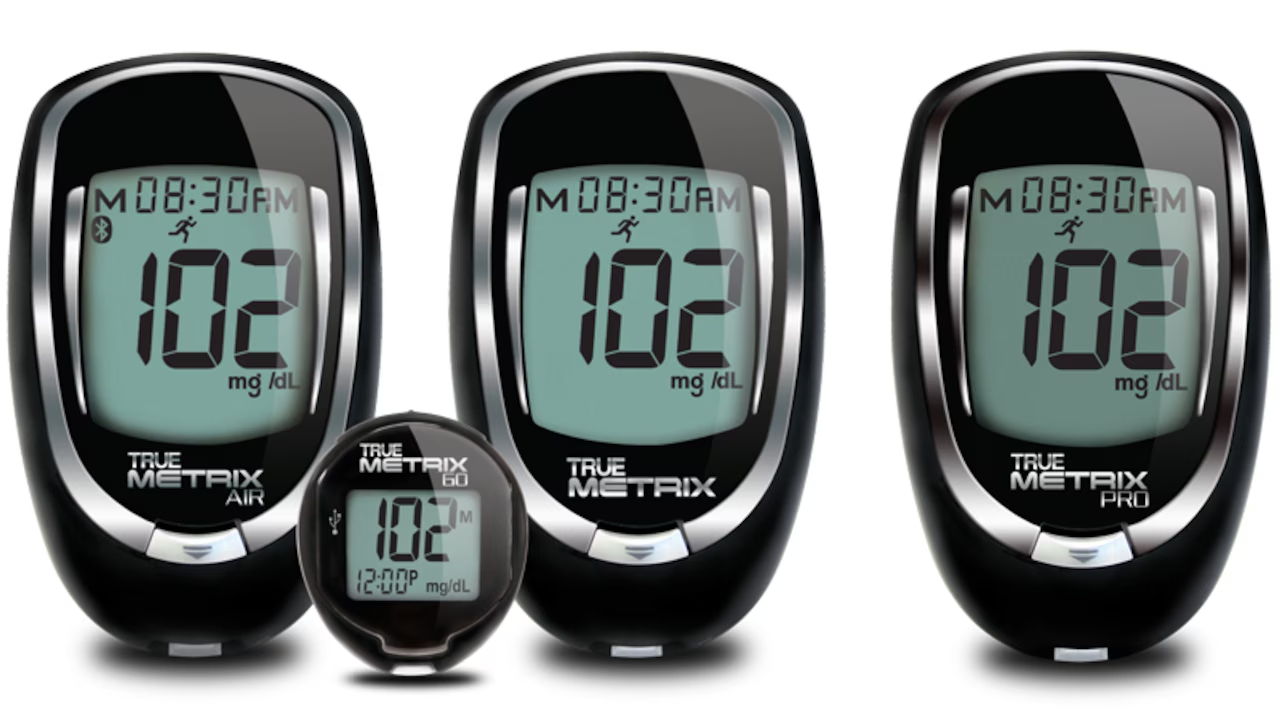
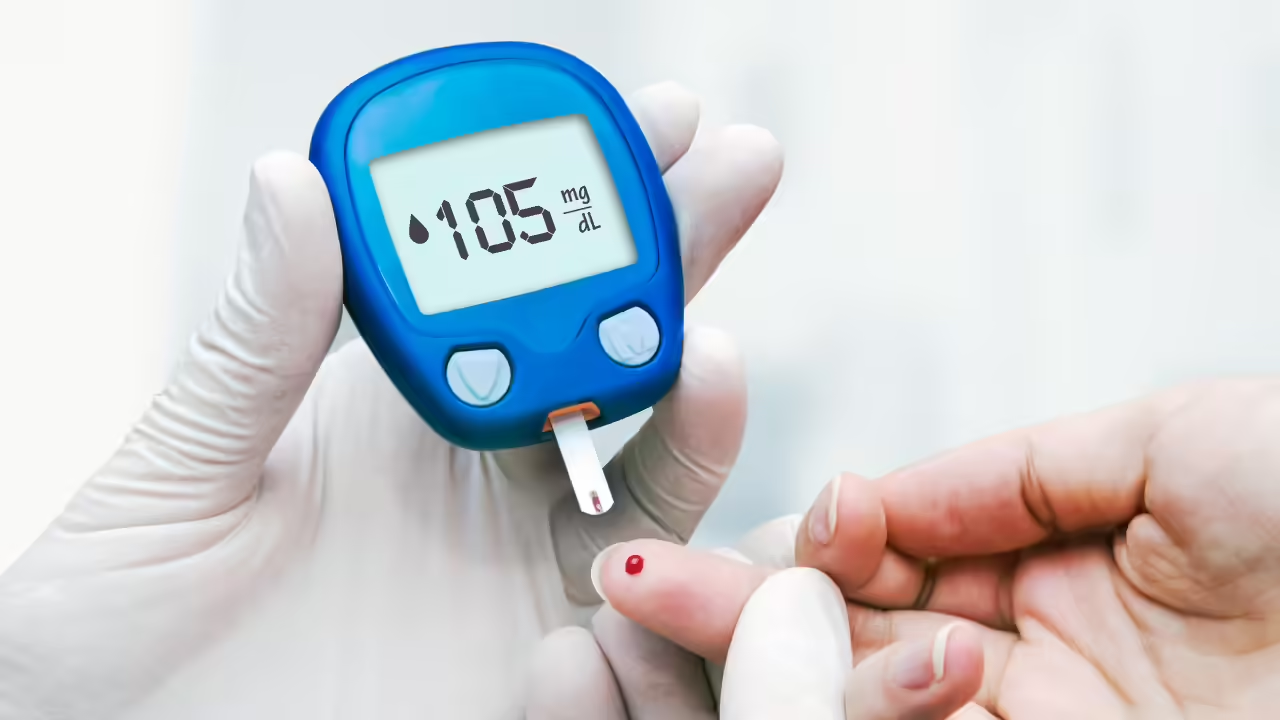
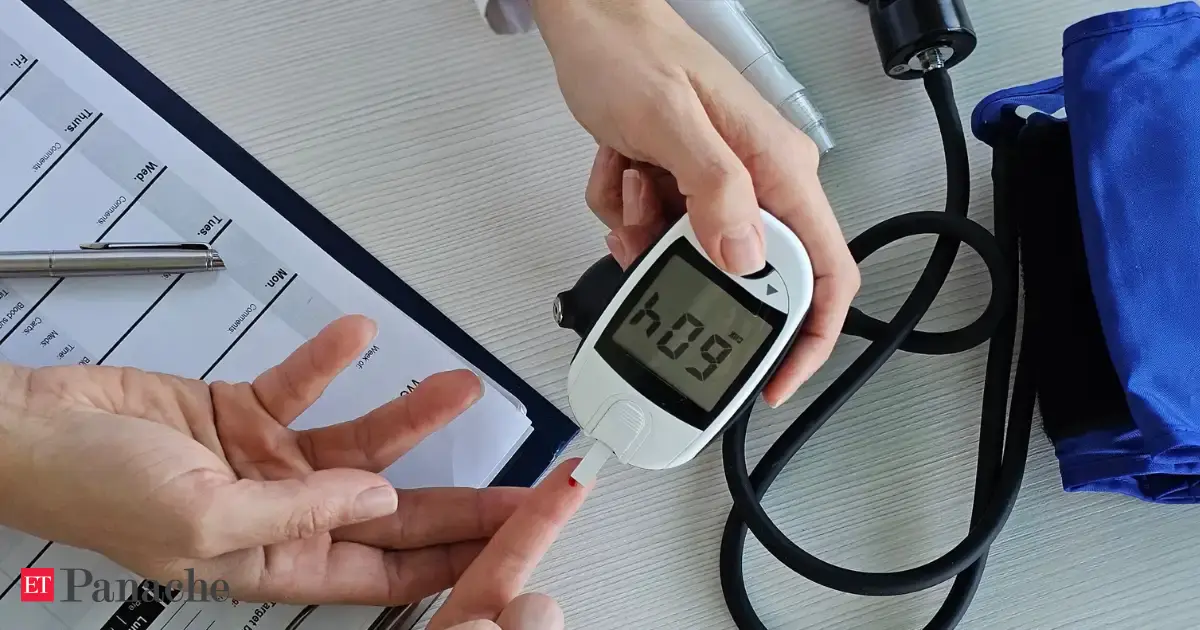
A fasting glucose reading below 100 mg/dL is generally considered healthy. Readings of 100 to 125 mg/dL are elevated (prediabetes), and 126 mg/dL and above is high (diabetes). Ask your doctor for a fasting blood sugar test or A1C test—which measures your average blood glucose levels over three months—to see where you stand.
How Much Can Your A1C Drop in 3 Months? Tips To Lower Your Blood Sugar
How to lower your blood sugar fast
Walk after eating
“Physical activity helps your muscles use blood sugar for energy, which brings levels down,” says Dr. Rahman. Walking within 30 minutes of eating can noticeably blunt post-meal blood sugar spikes, research in Nutrients suggests. Even short bursts of two to five minutes of light activity make a difference.
Save carbs for last
A study in Diabetes Care found that eating vegetables and protein before carbohydrates lowers post-meal blood sugar spikes by as much as 40 percent within the first hour. Fiber and protein help slow digestion and prevent your glucose levels from surging.
Cut back on dietary fat
“Fat interferes with insulin,” says Dr. Rahman. So it’s no surprise that low-fat meals produce significantly lower glucose spikes within 30 to 60 minutes compared to high-fat meals.
Sip apple cider vinegar (ACV) before meals
Shawn Rowland, MD, founder of Jase Medical, says this “can help stabilize blood sugar levels after eating,” especially for people with diabetes. He recommends diluting one to two tablespoons of ACV into a glass of water and drinking it before eating, especially if you’re having carb-heavy fare.
Eat more leafy greens
Leafy greens and non-starchy vegetables like spinach, kale, broccoli and cauliflower are lower in carbohydrates and high in fiber. “If you start your meal with salad or leafy greens, that will slow down the absorption of carbohydrates you eat later,” says Hana Kahleova, MD, PhD, MBA, director of clinical research at the Physicians Committee for Responsible Medicine.
Add legumes
Beans, peas and lentils are all packed with beneficial fiber and protein. Dr. Kahleova recommends starting with about a quarter cup daily and building to a cup a day once your body adjusts.
Focus on whole grains
Brown rice, millet and farro are lower on the glycemic index than refined grains like white bread. Pair them with vegetables and legumes as part of a balanced diet to further blunt the glucose impact.
Drink more water
As for beverages, water can help balance blood sugar within one to two hours by flushing excess sugar from the blood, explains Trista Best, RD, at Balance One Supplements. Green tea, cinnamon tea, black tea and fenugreek tea may also help with managing blood sugar levels over time.
Supplements worth discussing with your doctor
Several natural supplements show promise in helping to lower blood sugar, including berberine, alpha-lipoic acid, cinnamon extract, magnesium and chromium. However, “certain ingredients may interact with diabetes medications or lead to blood sugar levels that drop too low,” cautions Gail Clifford, MD, medical consultant at ARRC LED. Always consult your healthcare provider before starting any new supplement.
This Doctor’s ACV Tonic Lowered Blood Sugar and Melted 101 Pounds!
Habits that help lower your blood sugar long term
Beyond dietary changes, there are easy lifestyle habits that can help lower your blood sugar. Functional medicine physician Shivani Amin, MD, recommends the following:
-
Eating every three to four hours
-
Filling up on protein and fiber
-
Managing stress through meditation, yoga or breathwork
-
Getting enough sleep: “Aim for 7-9 hours of uninterrupted sleep each night to help maintain hormonal balance and blood sugar stability,” she adds
Timing matters too. Dr. Kahleova’s research shows that eating your largest meal at breakfast rather than dinner leads to better blood sugar outcomes.
The bottom line on how to lower your blood sugar
Quick changes can help, but lasting results come from consistency. As Dr. Rahman puts it: “Give it your full effort for 12 weeks. Your body will thank you.”
Ready for more inspiration? Subscribe to our YouTube channel for video podcasts, health tips and uplifting stories designed for women 40, 50, 60 and beyond.
More health news:
Your Guide to Medicare and Diabetes: What’s Covered and Which Plan Is Best?
Have Scientists Found a Type 1 Diabetes Cure? Breakthrough Treatment Is Giving Millions Hope
How To Prevent Diabetes Naturally: 11 Easy Ways To Lower Your Blood Sugar After 50
This content is not a substitute for professional medical advice or diagnosis. Always consult your physician before pursuing any treatment plan.