
Report reveals wealth managers expect growth of wine within portfolios.
US wealth managers are ramping up exposure to fine wine, with new data showing the asset class is moving firmly into the core of client portfolios amid rising demand expectations and improving market conditions.
Following their recent study that revealed that investors are opting for fine wine asset as a haven from volatility, a new WineCap study of 100 US-based advisors found near-unanimous optimism for the asset, with expectations for demand reaching record levels.
“For years, fine wine was seen as an exciting yet niche option for connoisseurs, but in today’s climate of geopolitical and economic uncertainty, perceptions have shifted,” says Alexander Westgarth, Founder & CEO at WineCap. “The fact that 97% of wealth managers are bullish on fine wine is a testament to its unique mechanics of resilience. We are seeing a return of liquidity and a sophisticated investor base that values wine not just for the cellar, but for its role as a critical fiscal anchor.”
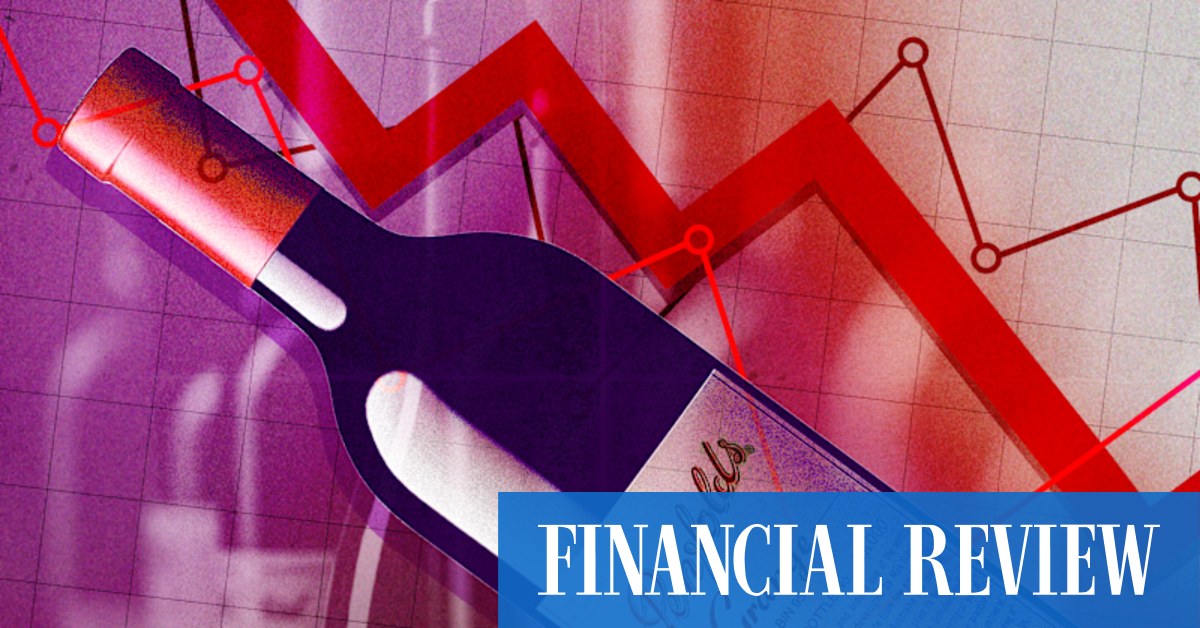
The renewed enthusiasm follows a multi-year market correction that saw prices fall roughly 30% from their 2022 peak through late 2025. Since then, the market has begun to recover, supported by improved liquidity and stronger alignment between buyers and sellers.
As sentiment improves, allocations are rising sharply. Half of advisors reported client exposure between 11% and 20%, while a growing segment now commits more than 20% of portfolios to the asset — a dramatic shift from the prior year when such levels were largely absent.
The poll shows that a third of US advisors now see clients allocating between 21% and 30% of their wealth to fine wine, highlighting its evolution into a “core defensive pillar.”
Investor profiles
Investor profiles suggest the shift is being driven by experienced market participants rather than newcomers. Nearly all fine wine investors already have exposure to traditional asset classes, positioning wine as a diversification strategy rather than a speculative entry point.
While most investors still approach the asset conservatively, confidence is broadening. More than 80% continue to view wine as a safe haven, a perception echoed in the press release, which points to its resilience against currency fluctuations and interest rate pressures.
Stability remains the primary driver of demand. Advisors cited wine’s ability to perform across market cycles, alongside sustainability credentials and improving secondary-market liquidity, as key reasons clients are increasing allocations.
The asset’s supply dynamics also play a central role. With each bottle consumed, global supply diminishes, creating scarcity that can support long-term price appreciation independent of broader financial markets.
At the same time, macroeconomic uncertainty is reshaping investor preferences. More than half of advisors said clients are prioritizing portable, globally recognized assets, while rising interest rates are pushing investors toward tangible stores of value like fine wine.
Looking ahead, advisors expect structural and technological factors to accelerate adoption. More than half cited greater awareness of wine’s diversification benefits as critical to future growth, while 67% believe artificial intelligence will enhance transparency and trust in the market.