Two meals with the same calories can hit your body very differently. Here’s what the research says.
Getty Images
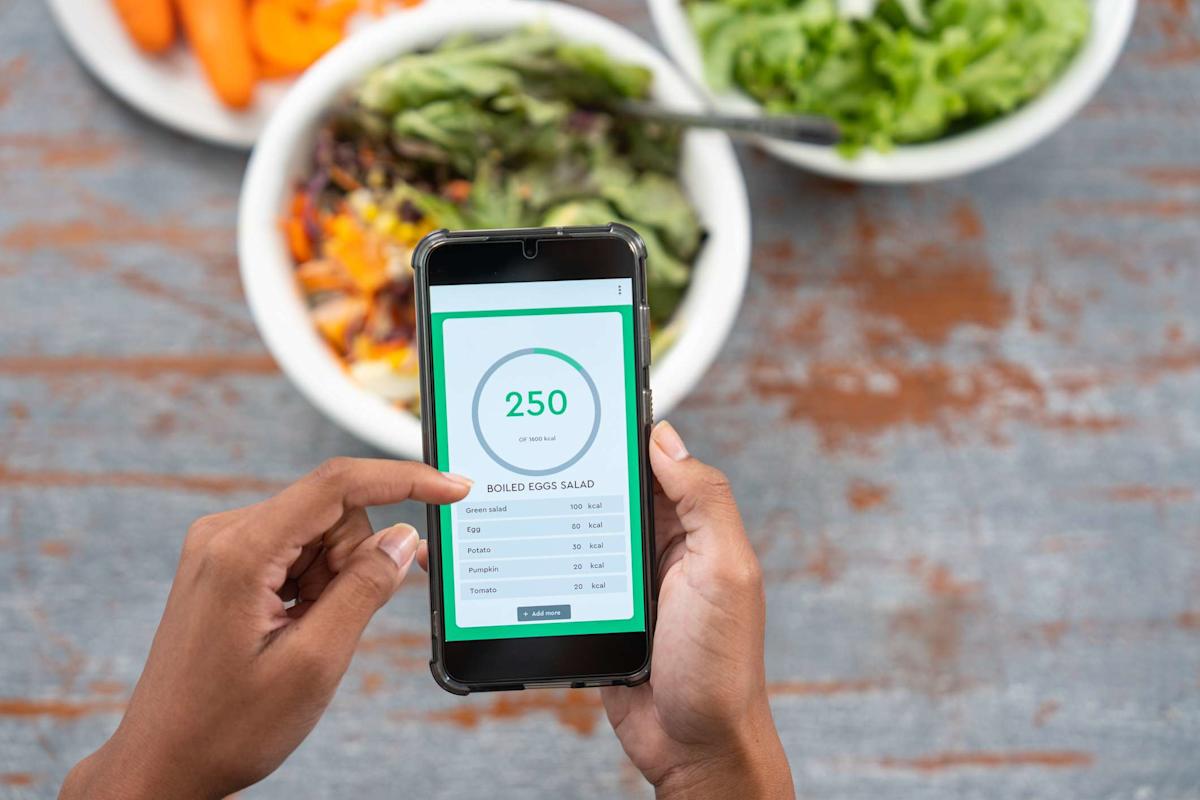
If you’ve spent years counting calories, tracking points or measuring portions and still can’t crack the code on lasting results, you’re not imagining things. A growing body of research suggests the calorie-centric approach to health may be missing a critical piece: how your body actually responds to the food you eat.
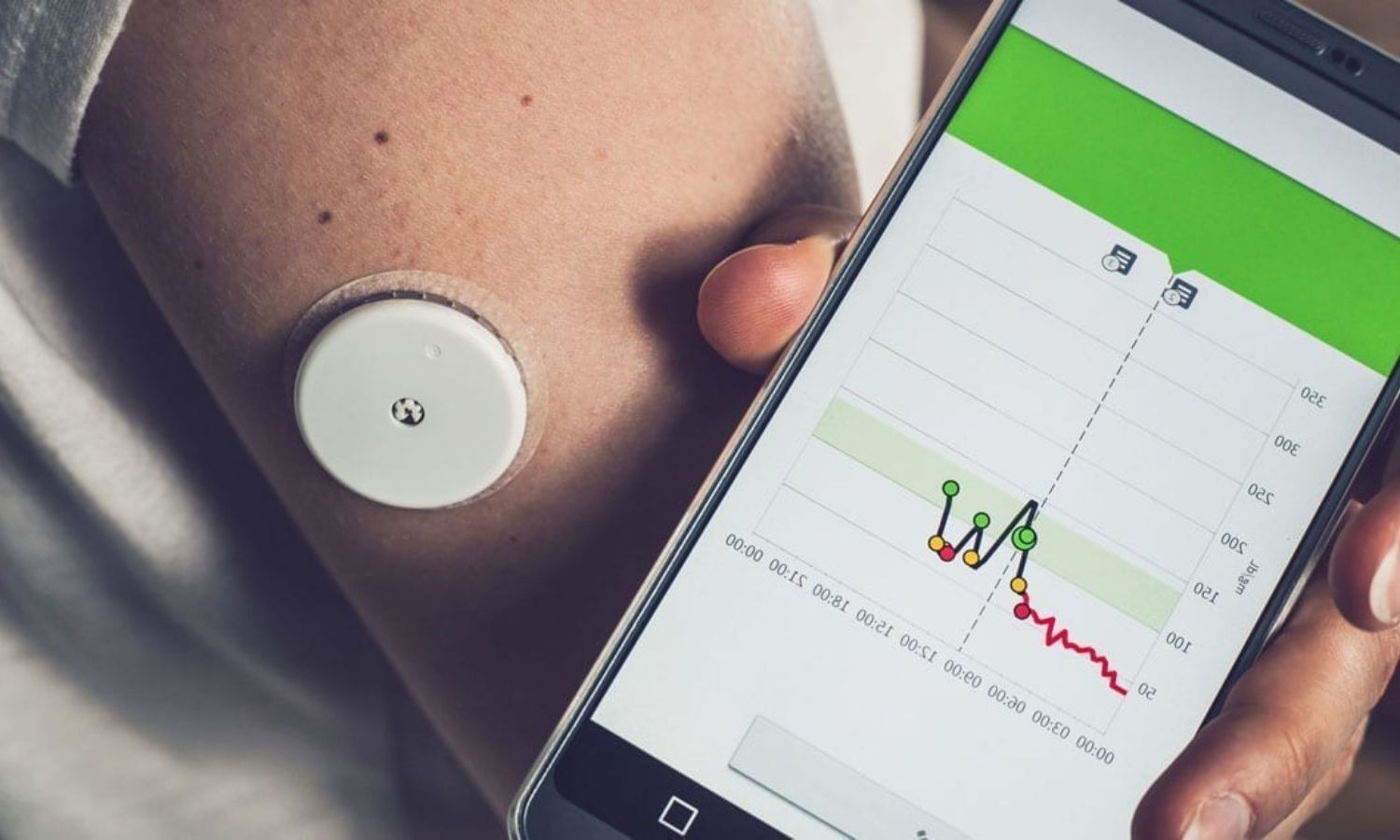
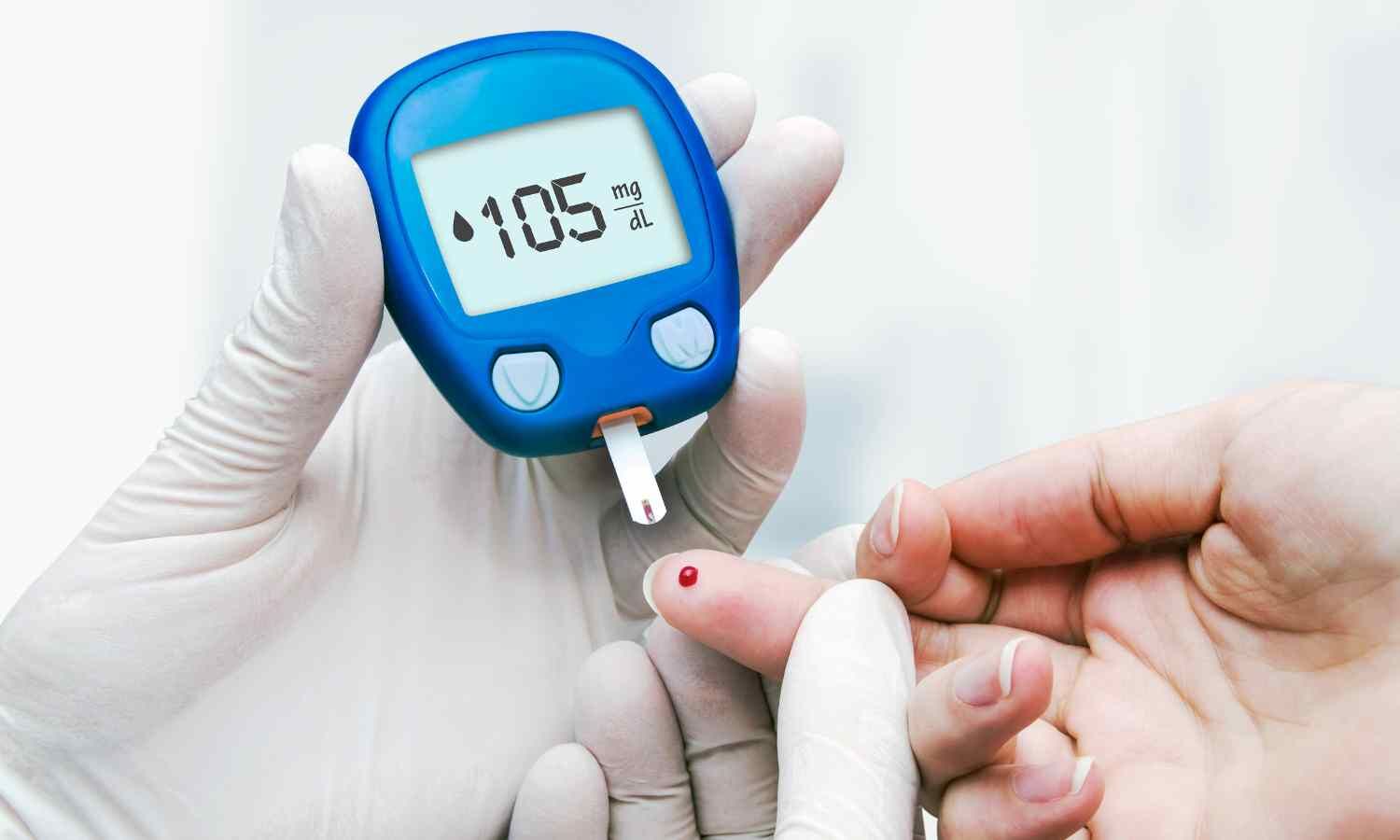
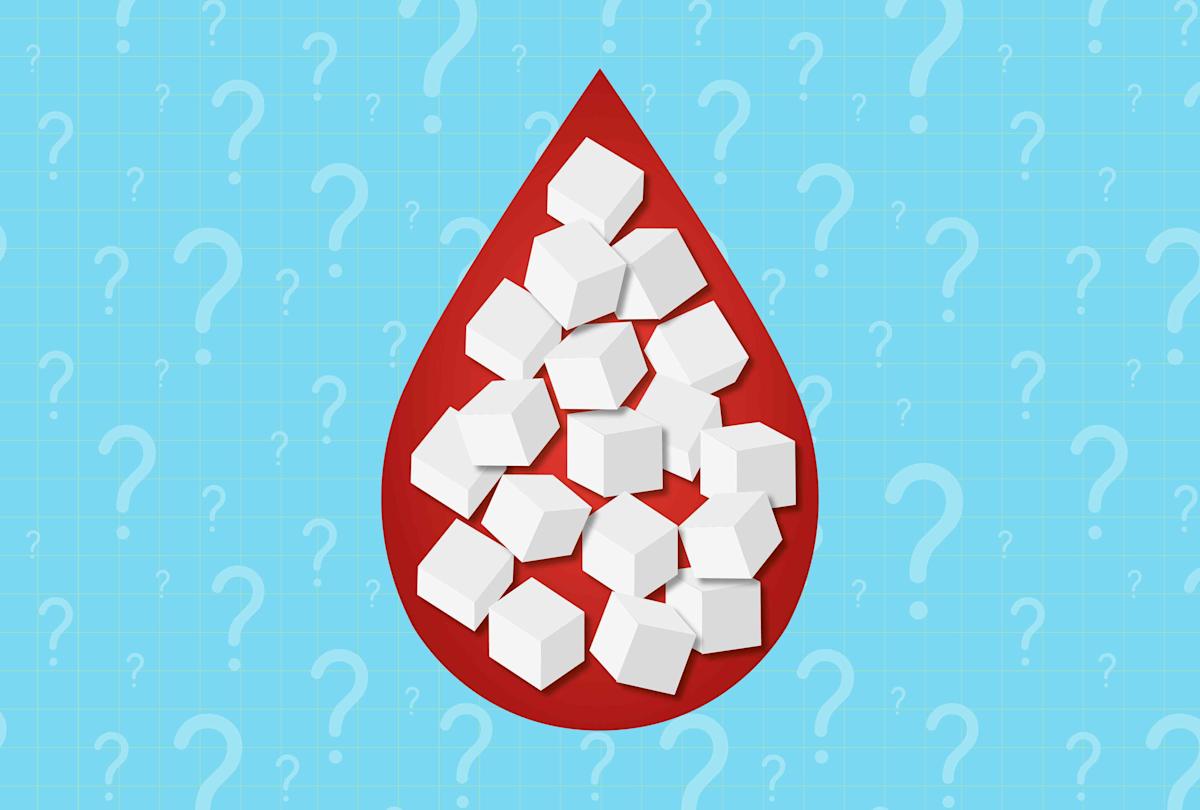
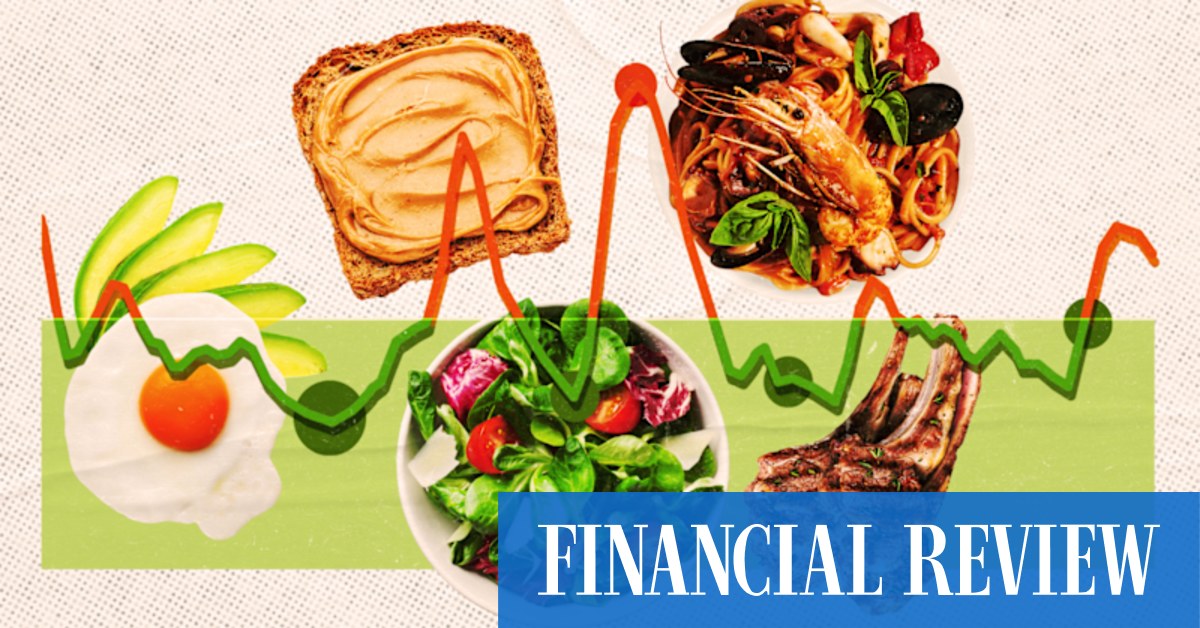
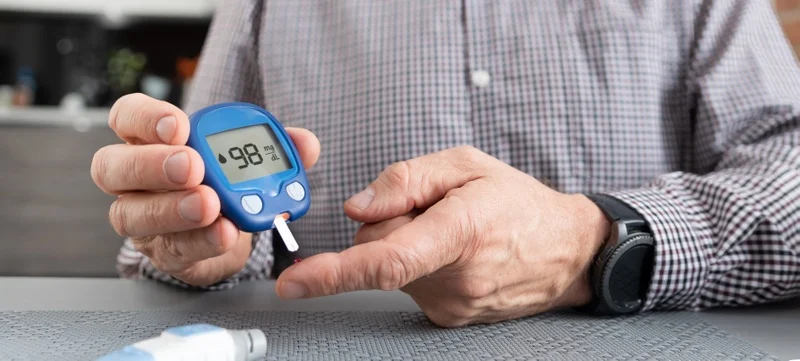
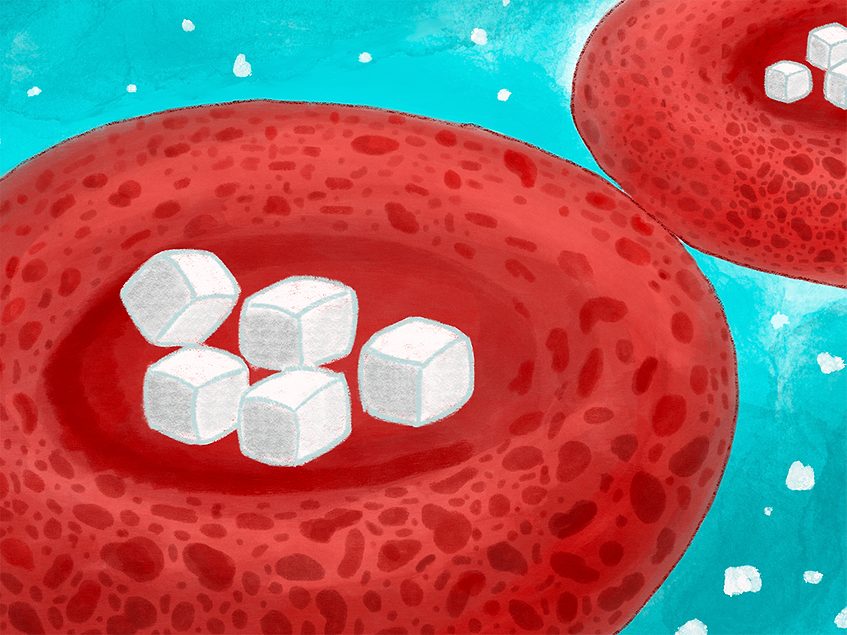
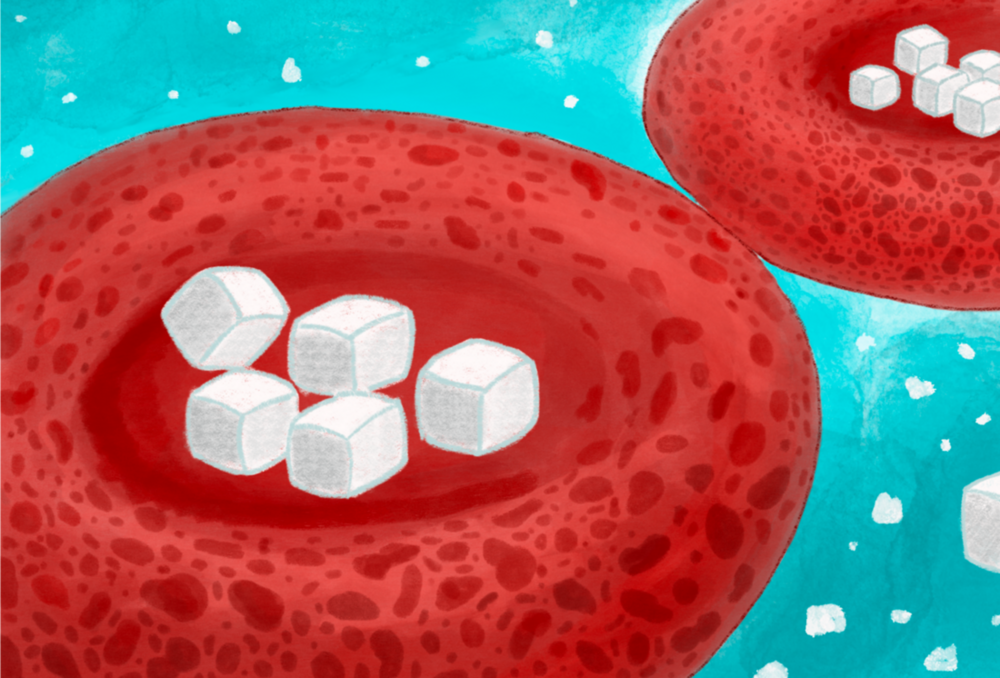
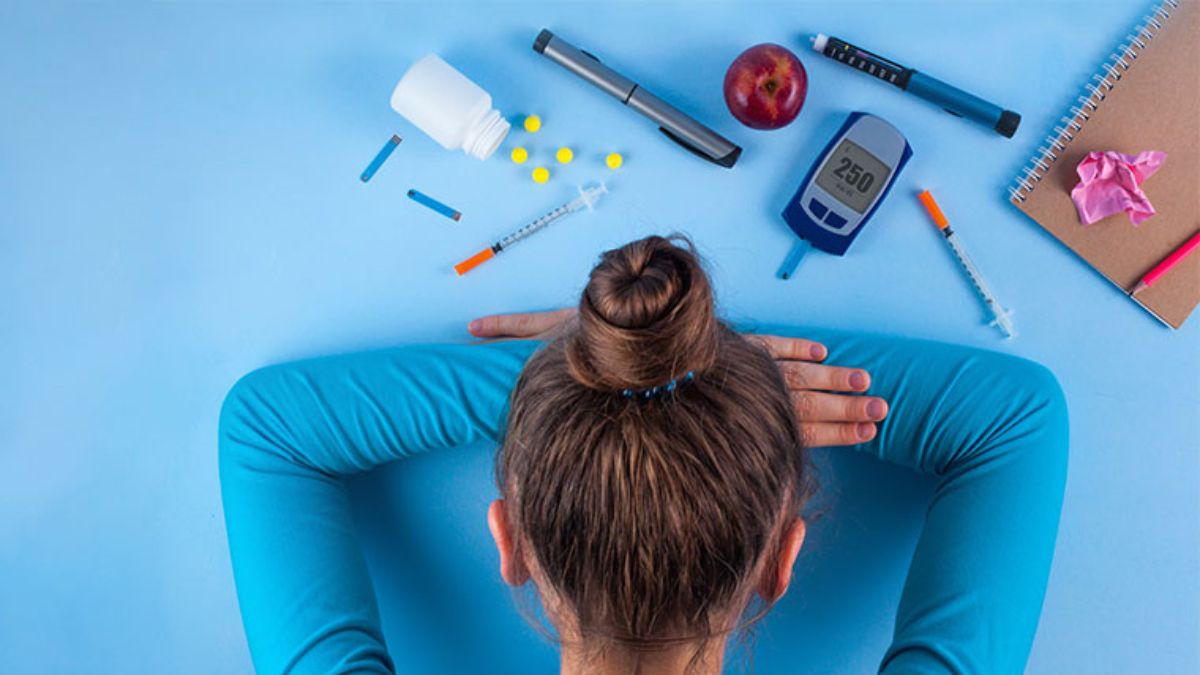
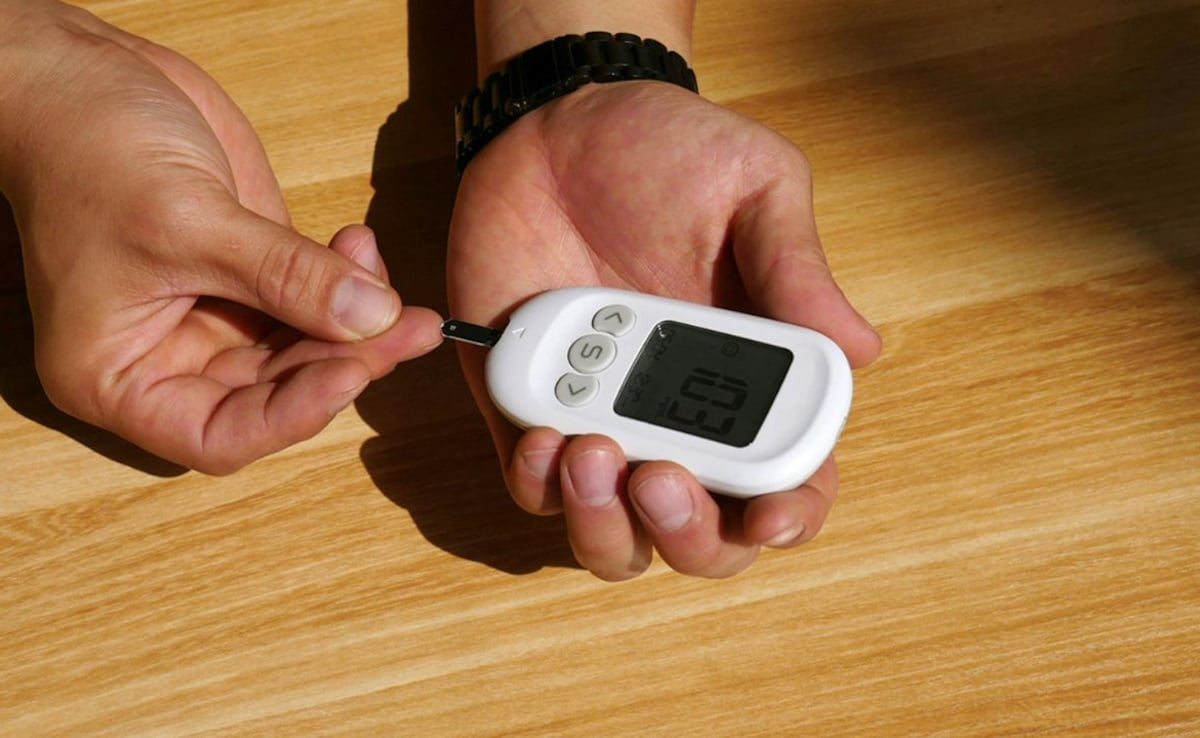
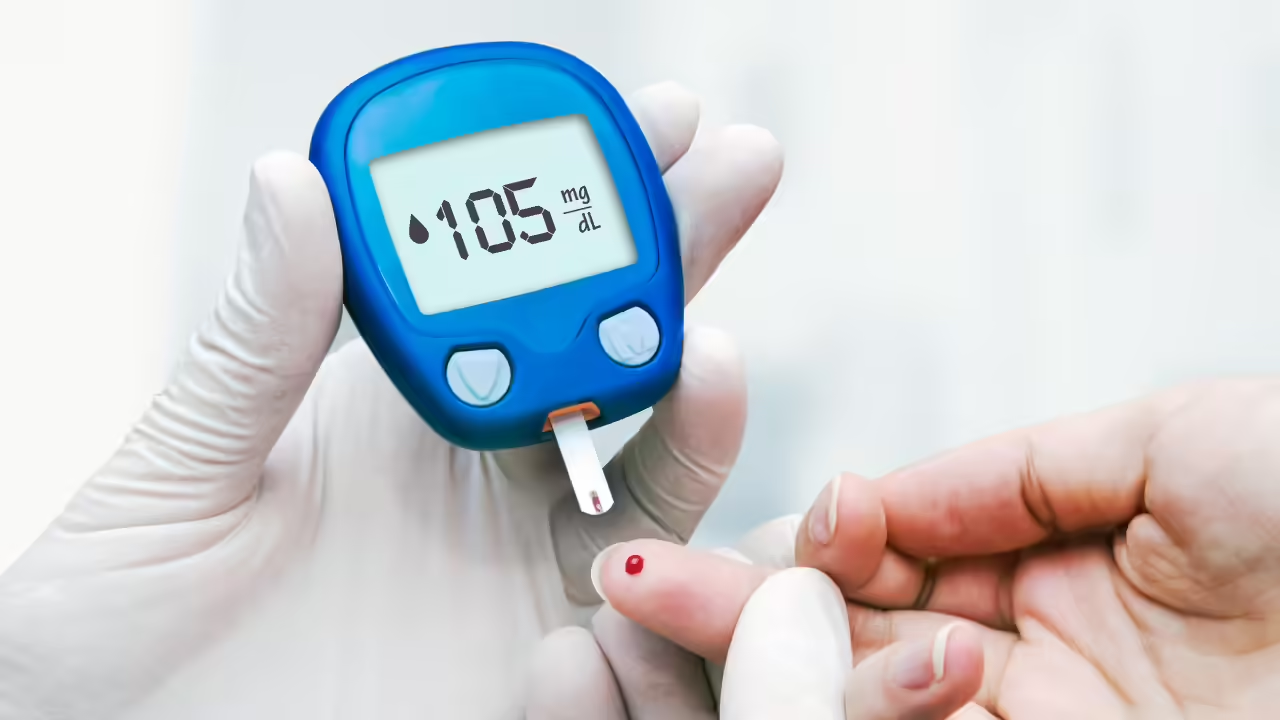
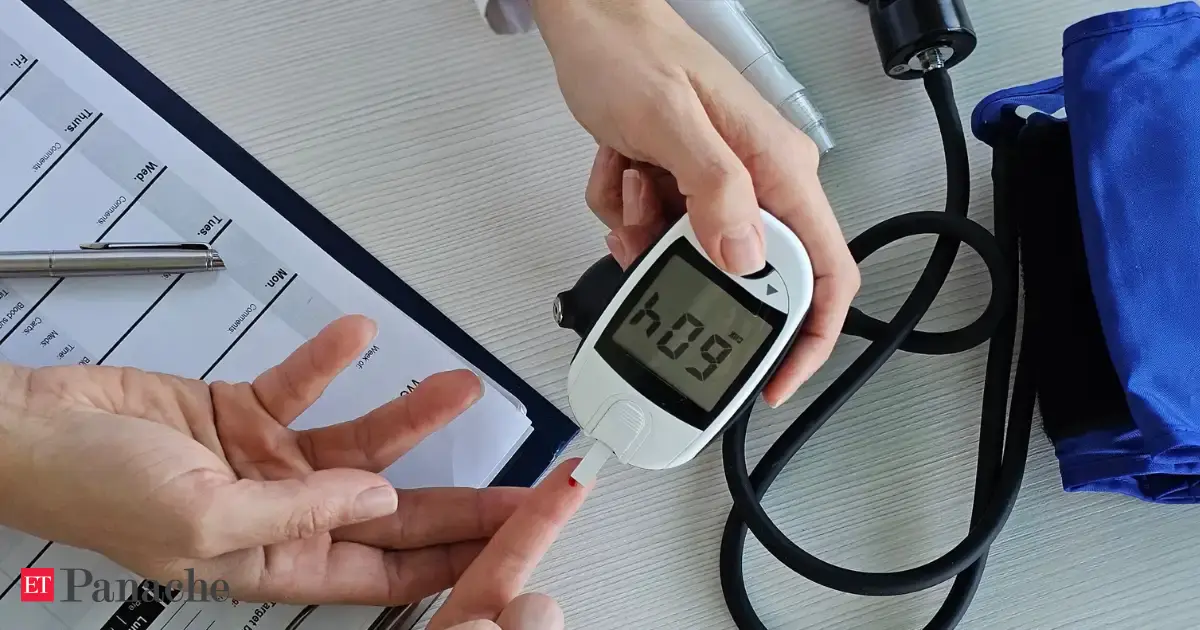
The key concept is called a glucose spike, a rapid rise in blood sugar after eating that typically peaks about 75 minutes after a meal. Everyone experiences them. They’re normal. But when large spikes happen repeatedly over time, the damage adds up in ways that calorie counting simply can’t capture.
Same Calories, Very Different Metabolic Results
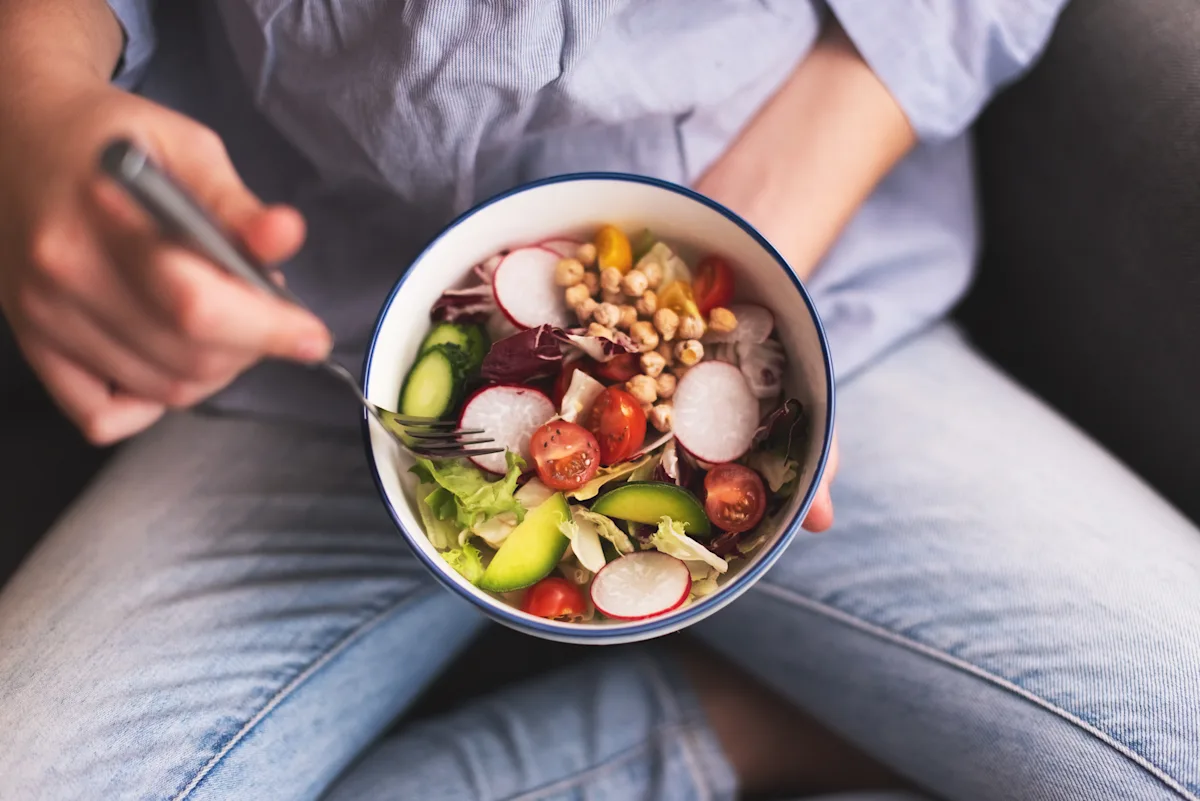
Here’s something that may feel familiar: you eat a sensible meal within your calorie budget and still feel sluggish, hungry an hour later or stuck on a weight plateau. The reason may have less to do with how much you ate and more to do with what that food did to your blood sugar.
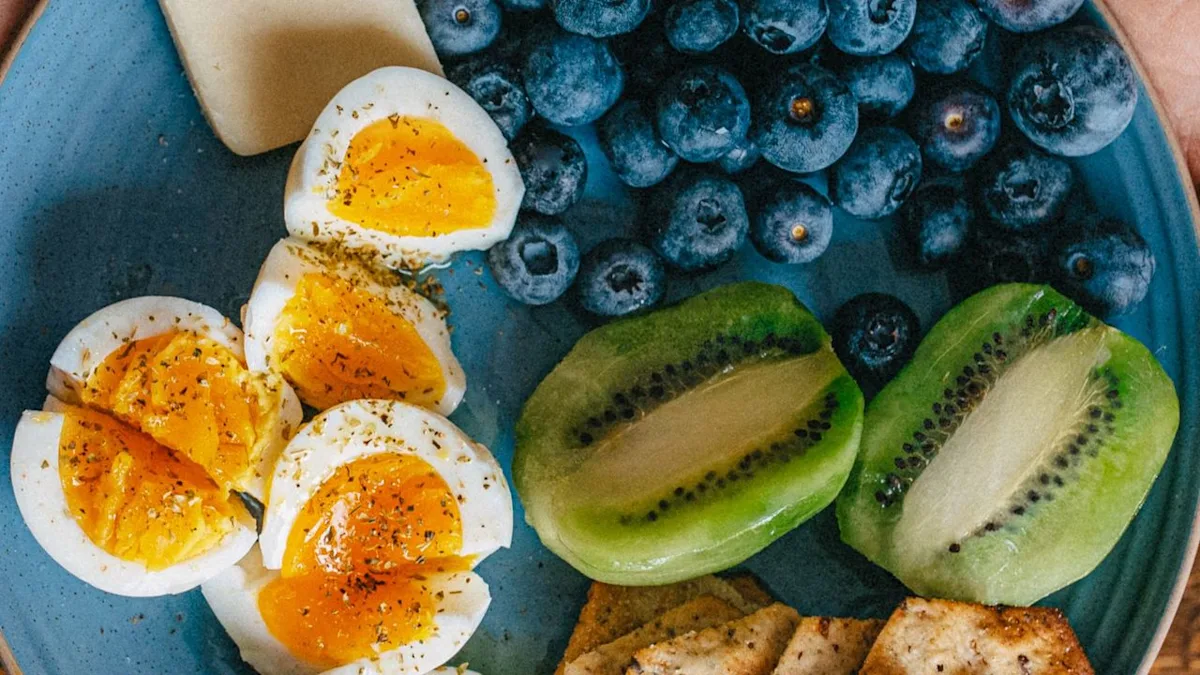
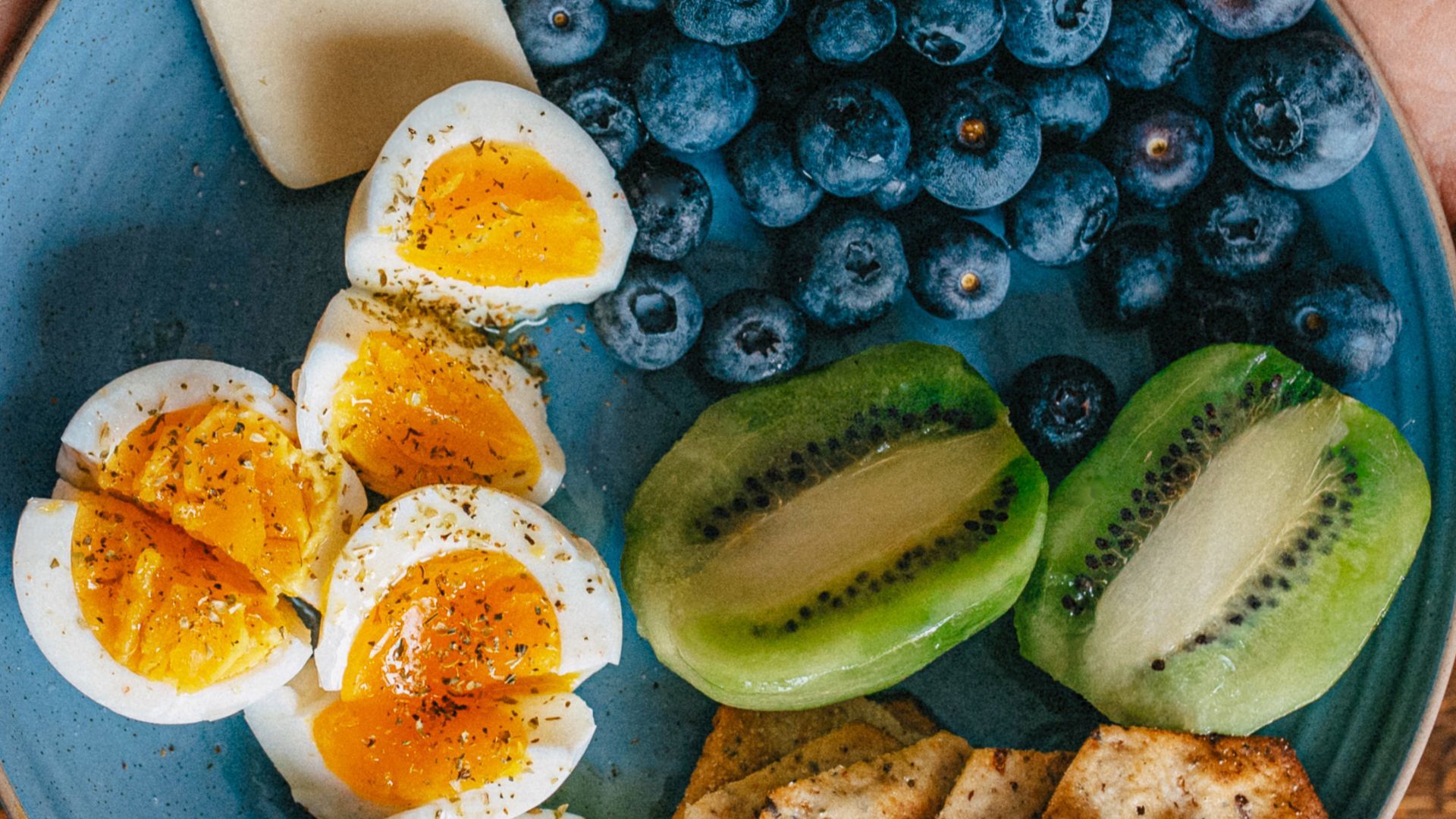
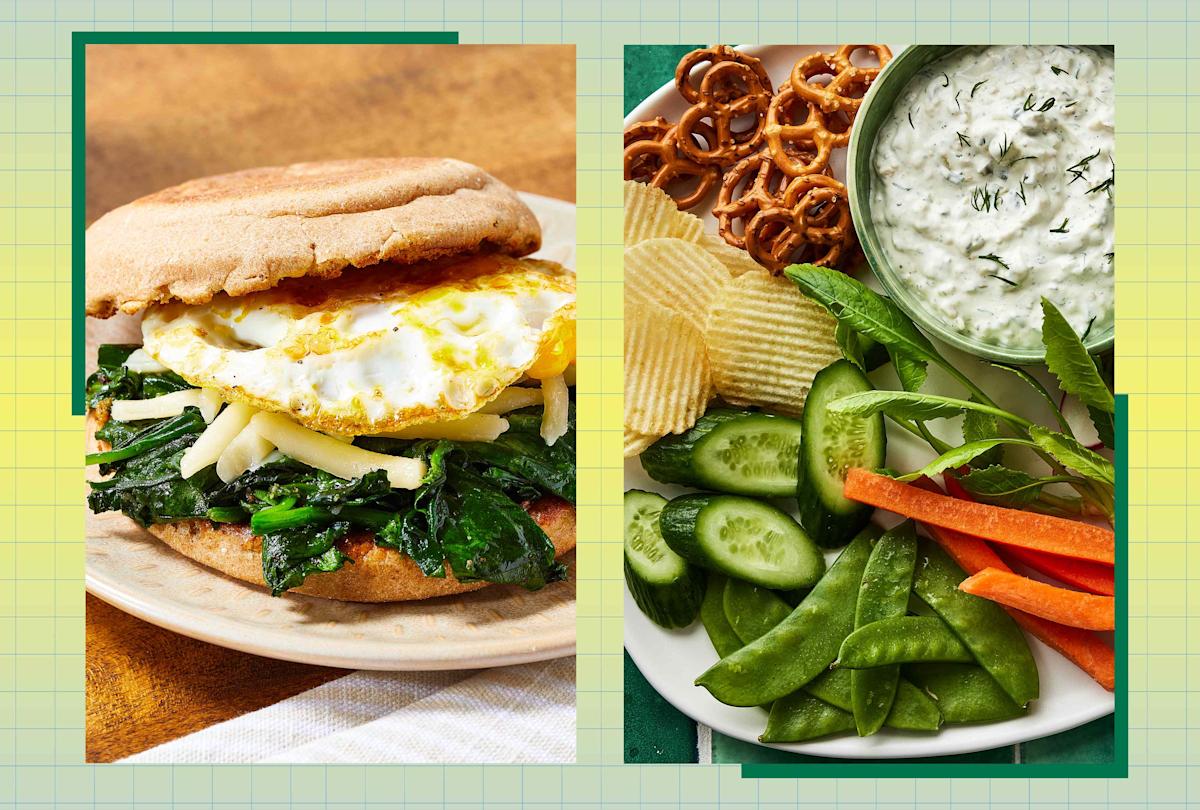
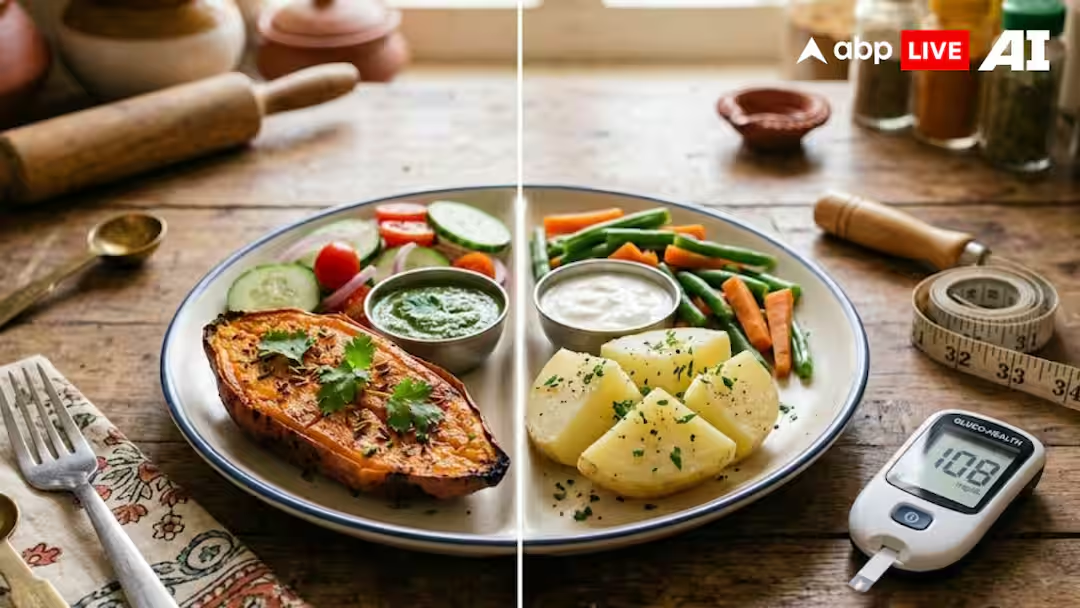
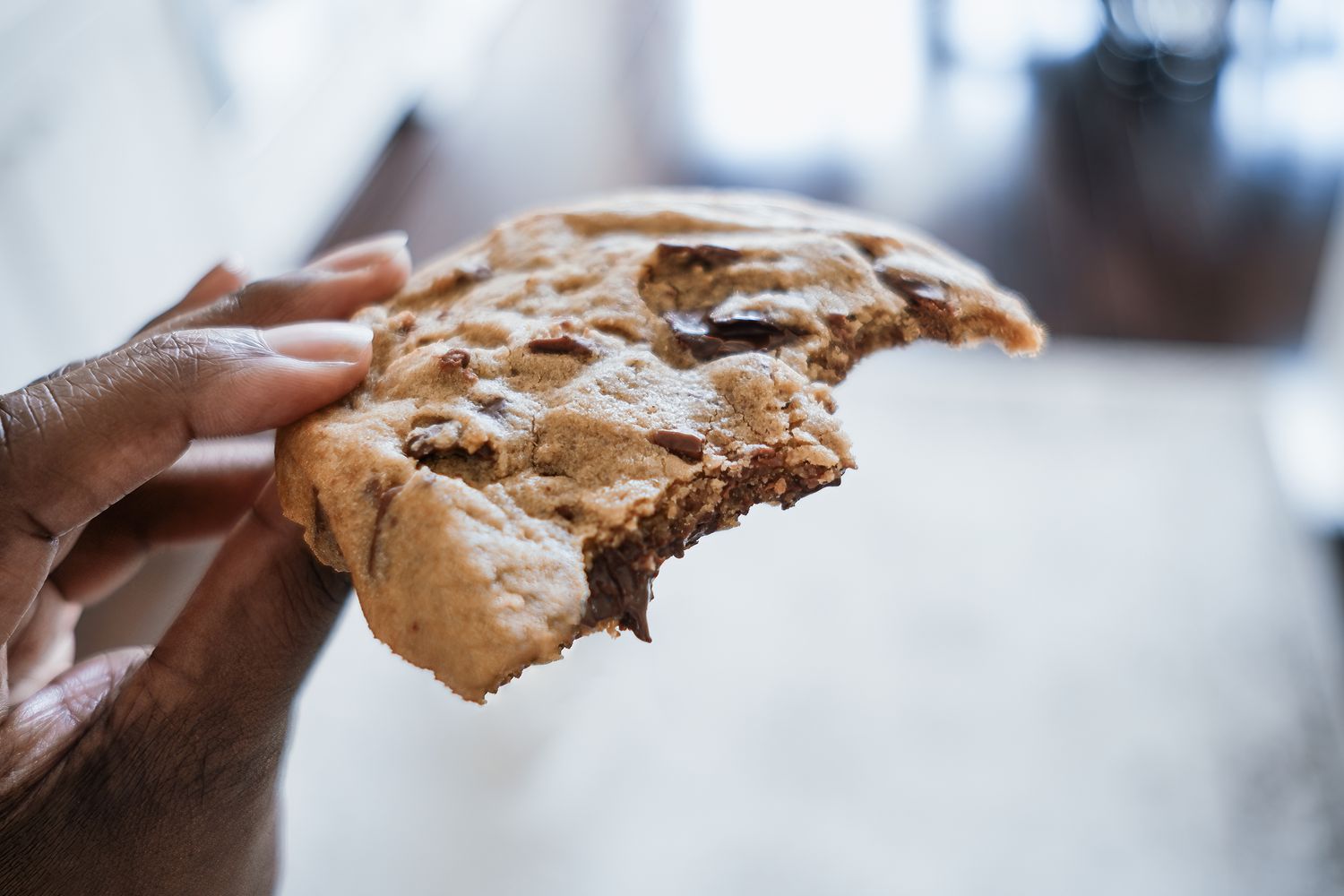
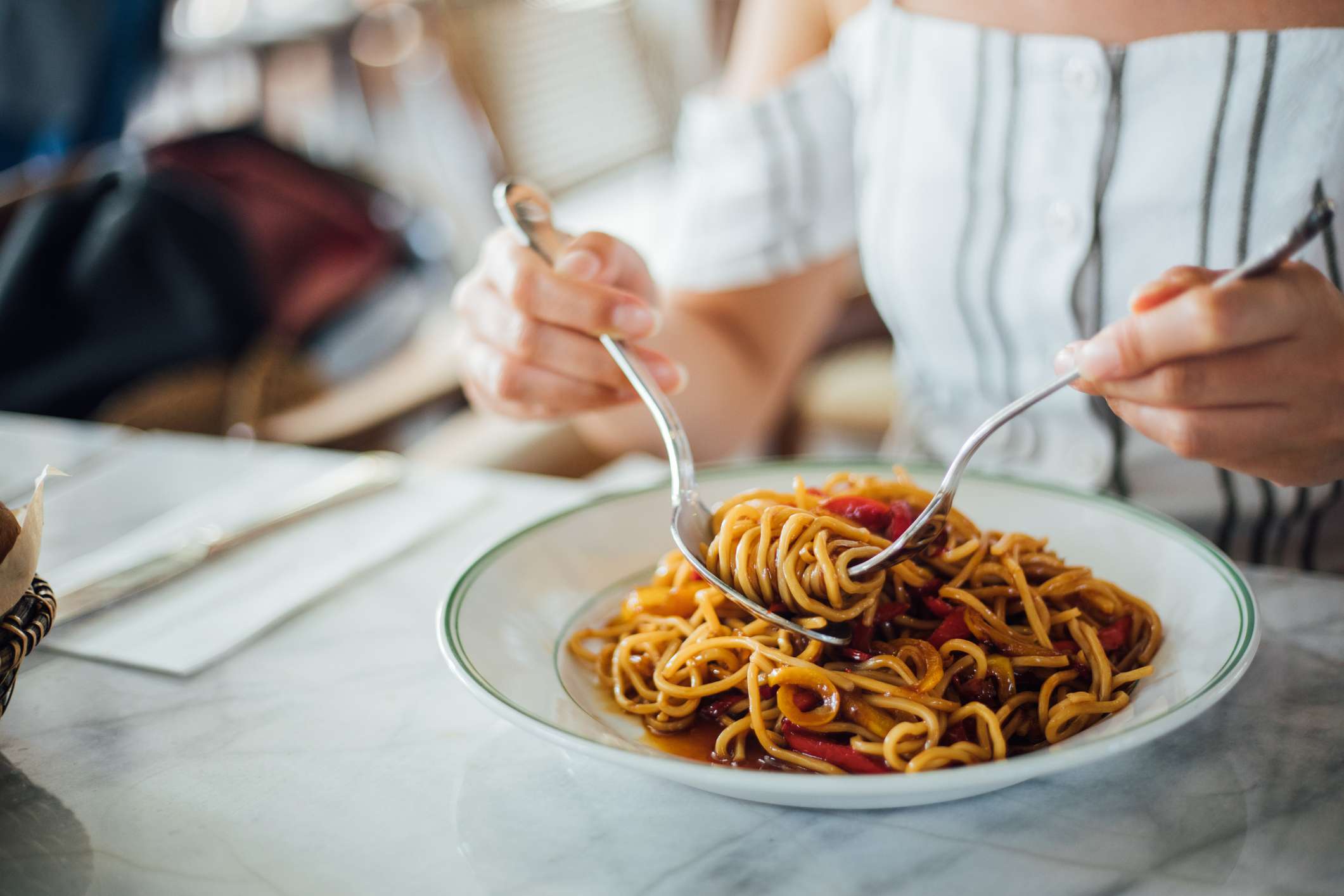
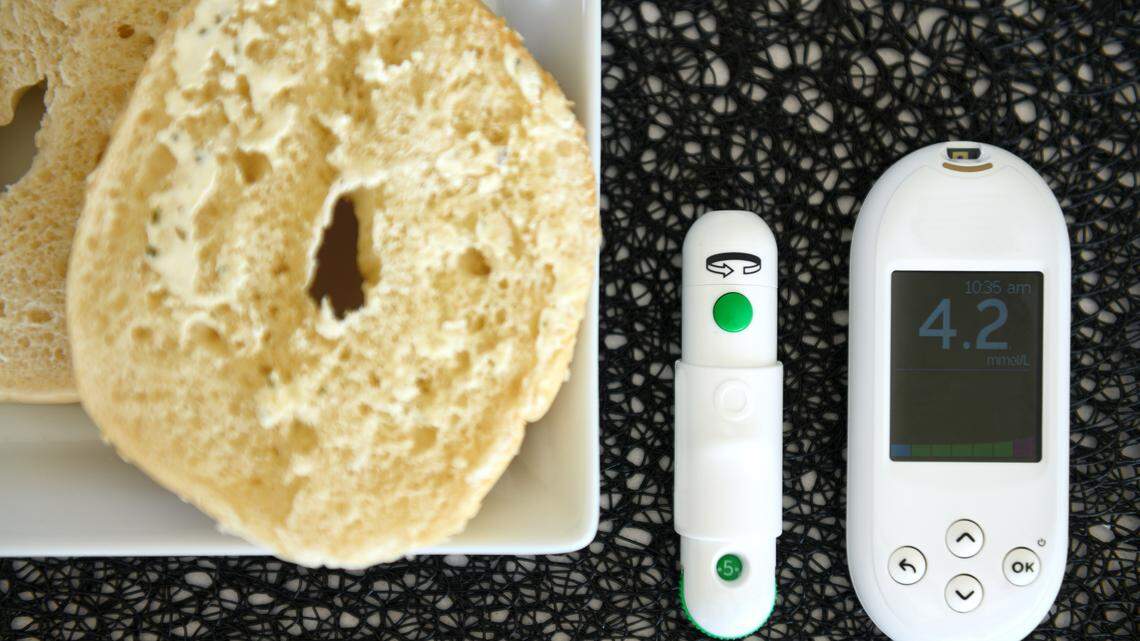
Two meals with identical calories can produce very different insulin and glucose responses depending on macronutrient composition, fiber content and meal order. A bagel eaten on its own sends blood sugar soaring. That same bagel eaten after eggs and vegetables produces a far more moderate response, even though the total calories are the same.
This matters because repeated large glucose spikes drive oxidative stress, vascular inflammation and early-stage atherosclerosis regardless of what your average glucose looks like. A 2026 scoping review confirmed that these effects occur even in people without diabetes.
Small Shifts That Can Make a Real Difference
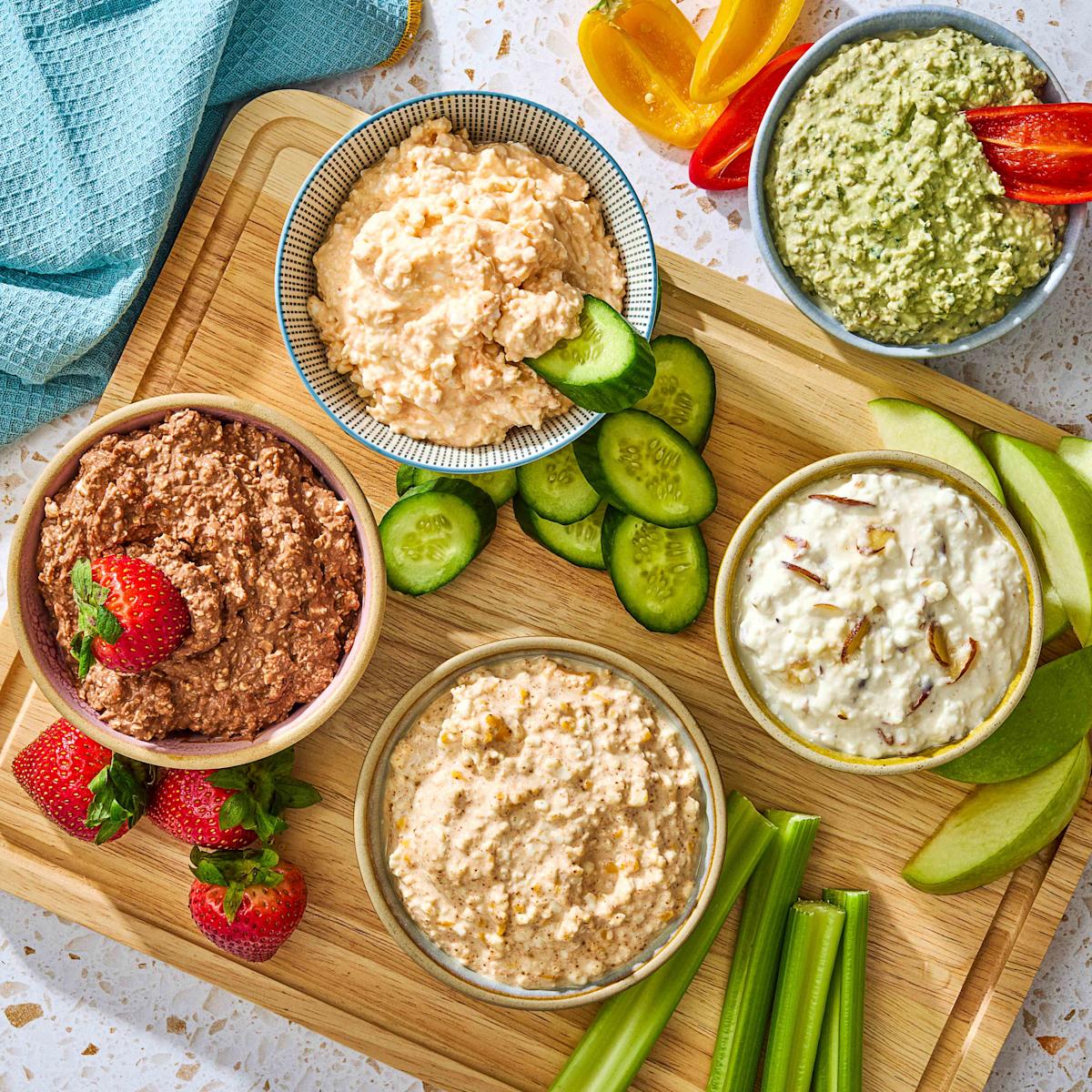
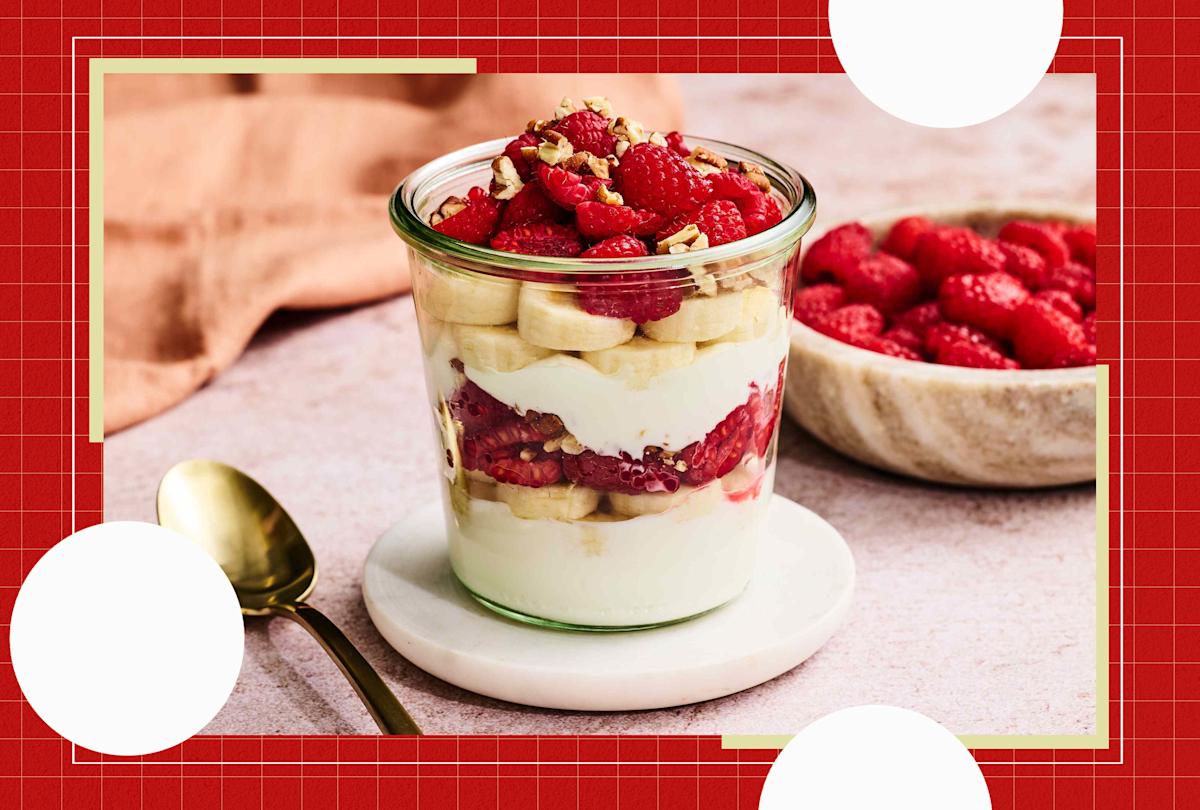
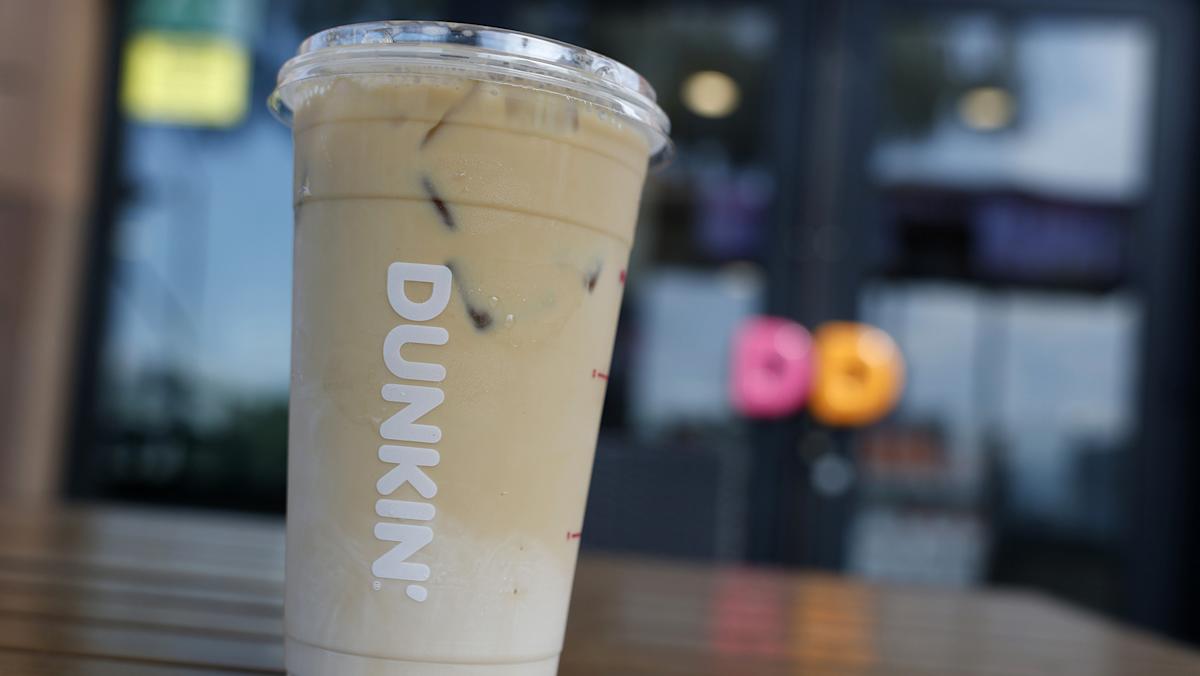
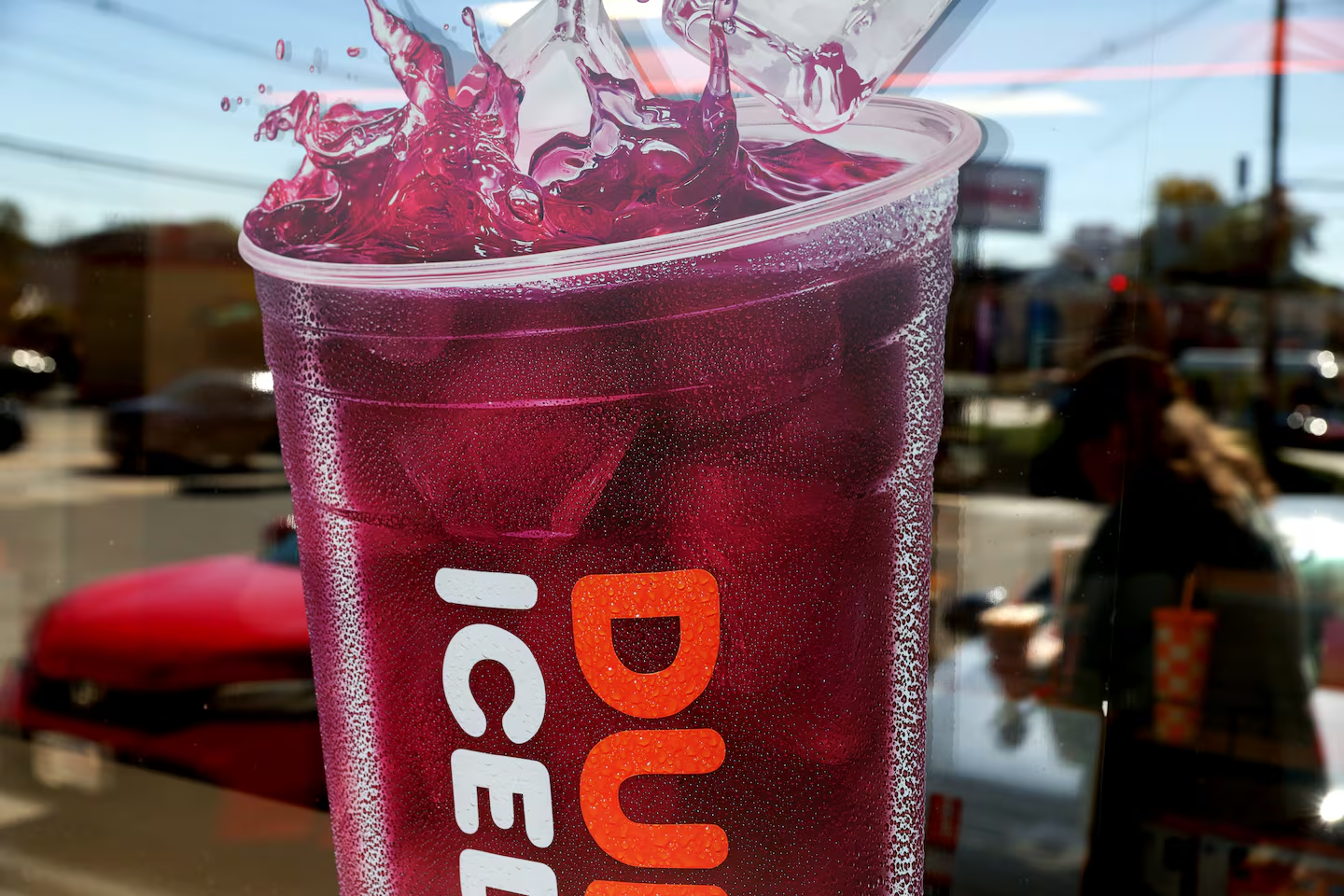
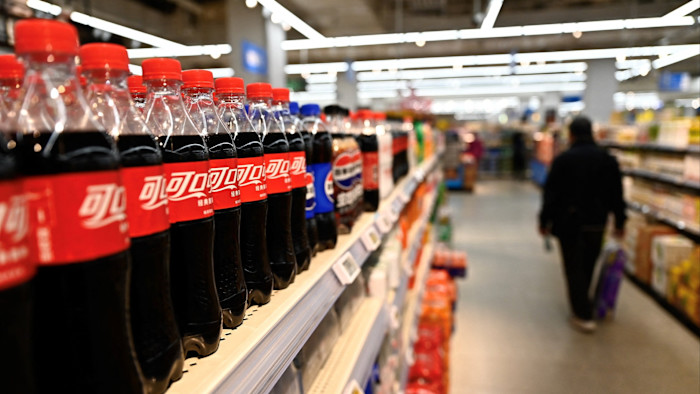
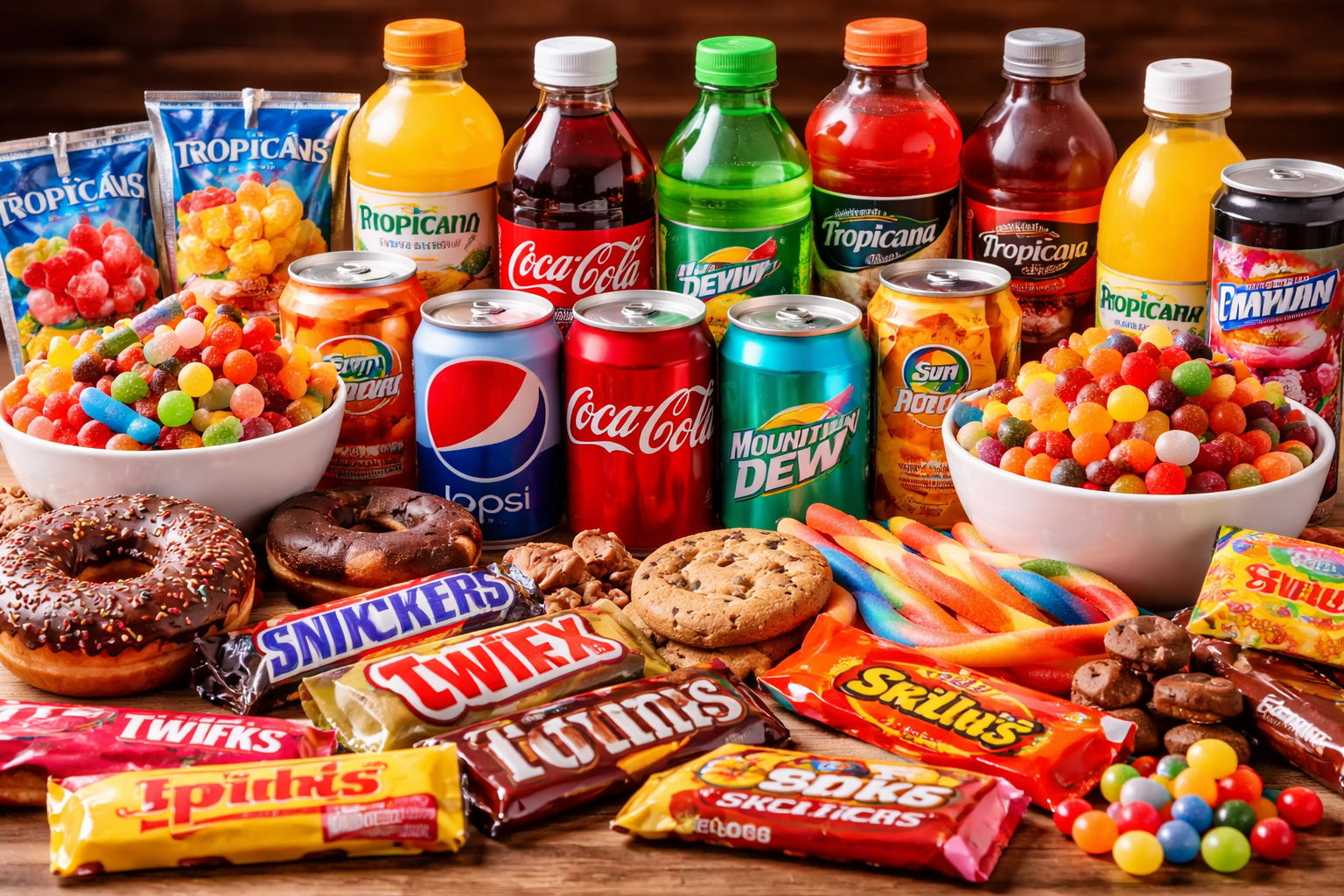
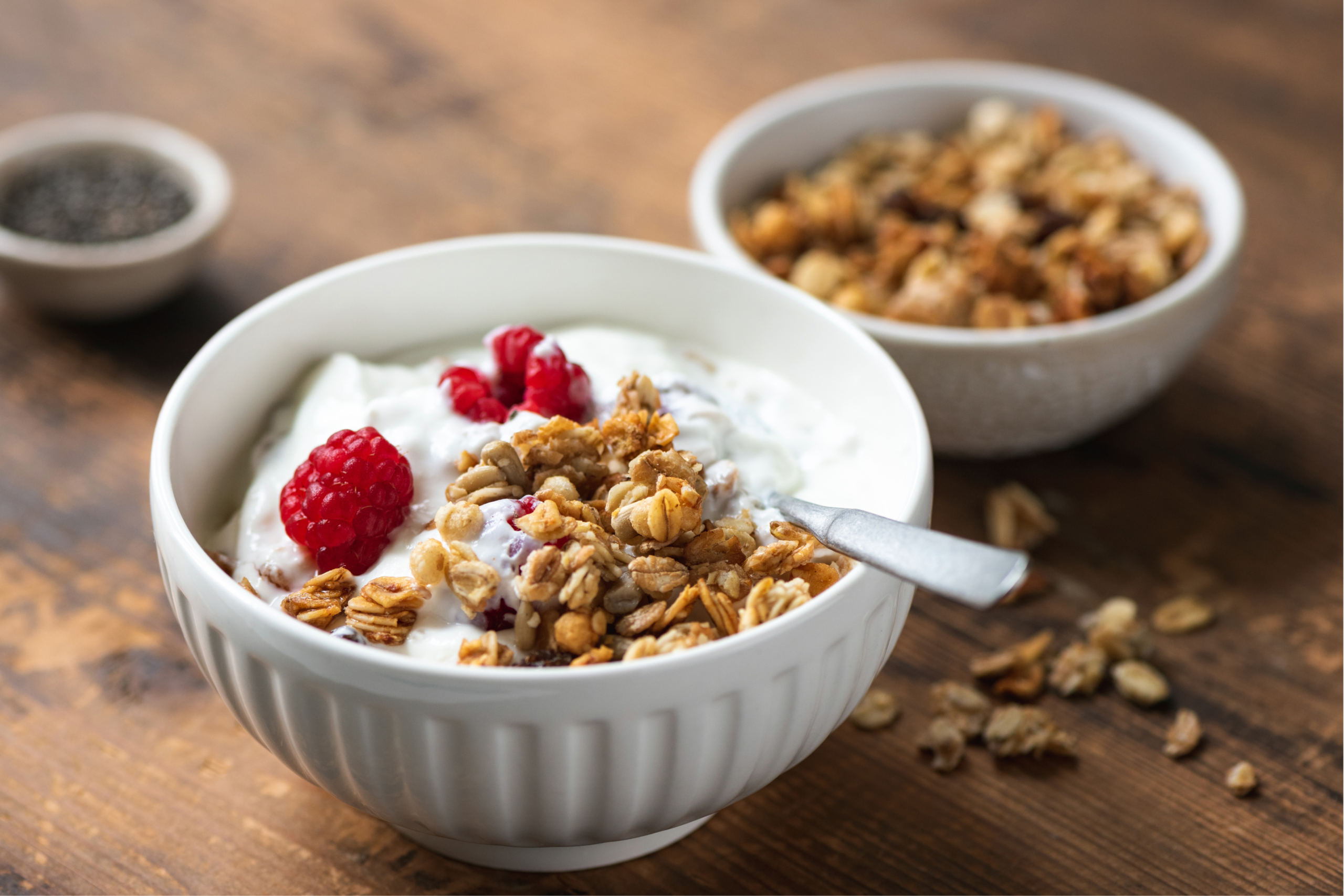
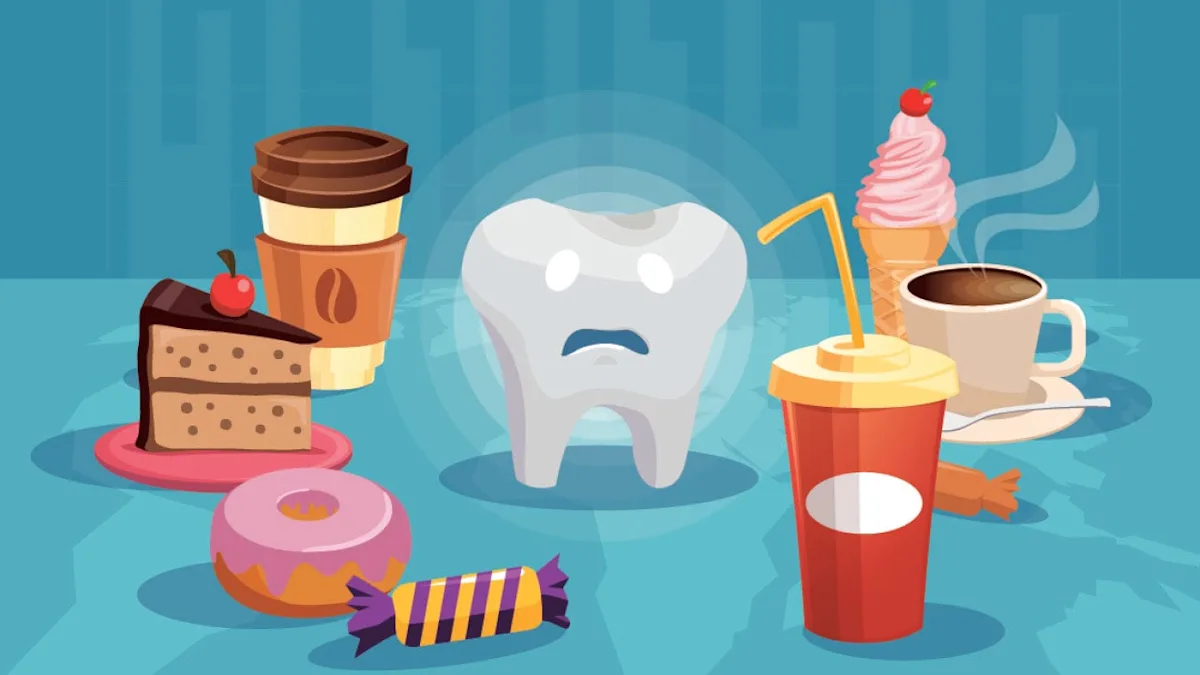
You don’t need a complete diet overhaul. Eating vegetables or protein before carbohydrates changes how quickly sugar enters your bloodstream. A short walk after a meal helps your muscles absorb glucose more efficiently. Pairing carbs with healthy fat or fiber, like adding avocado to toast or nuts to fruit, slows the sugar hit. And cutting back on liquid sugars like juice and soda eliminates some of the sharpest spikes, since they deliver glucose with nothing to slow absorption.
Watching What’s Happening in Real Time
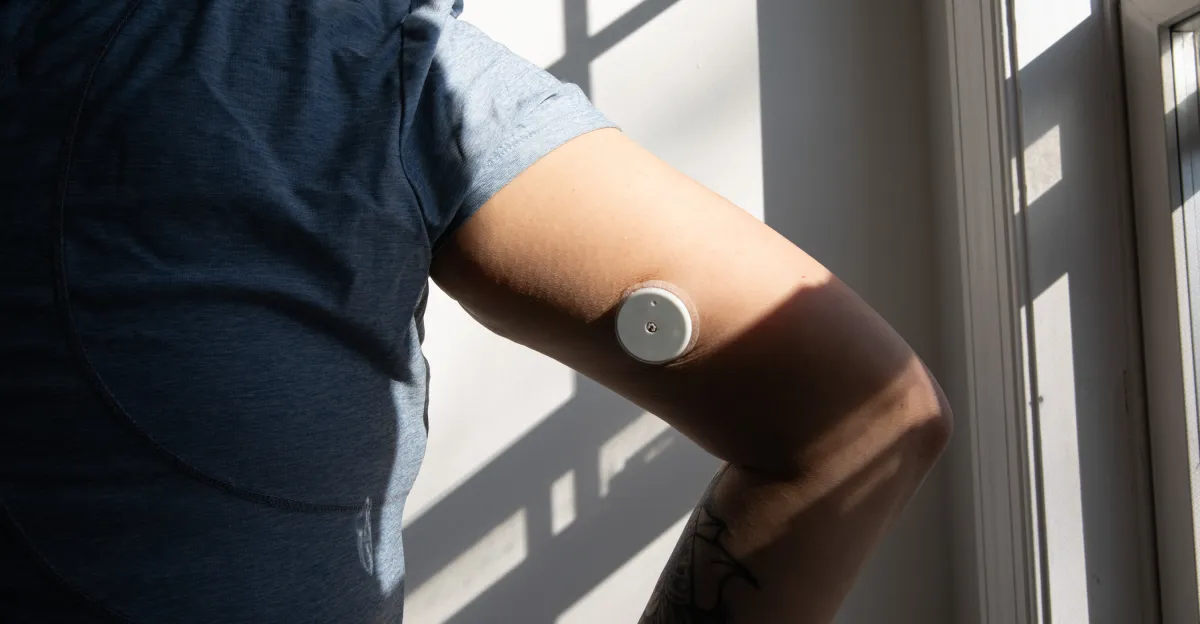
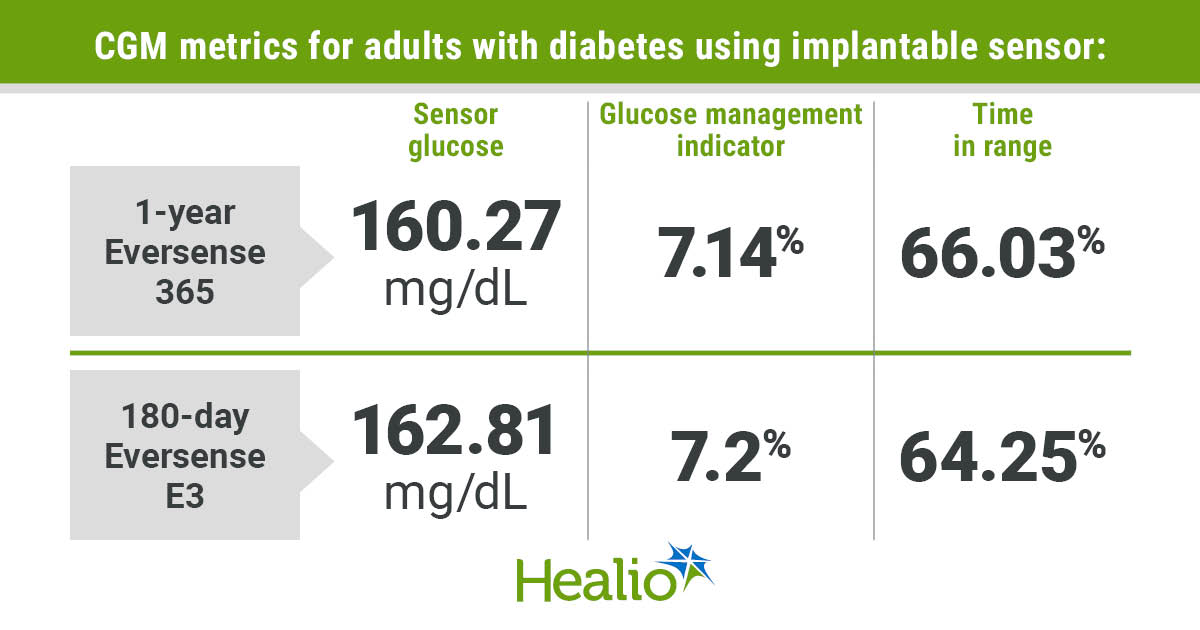
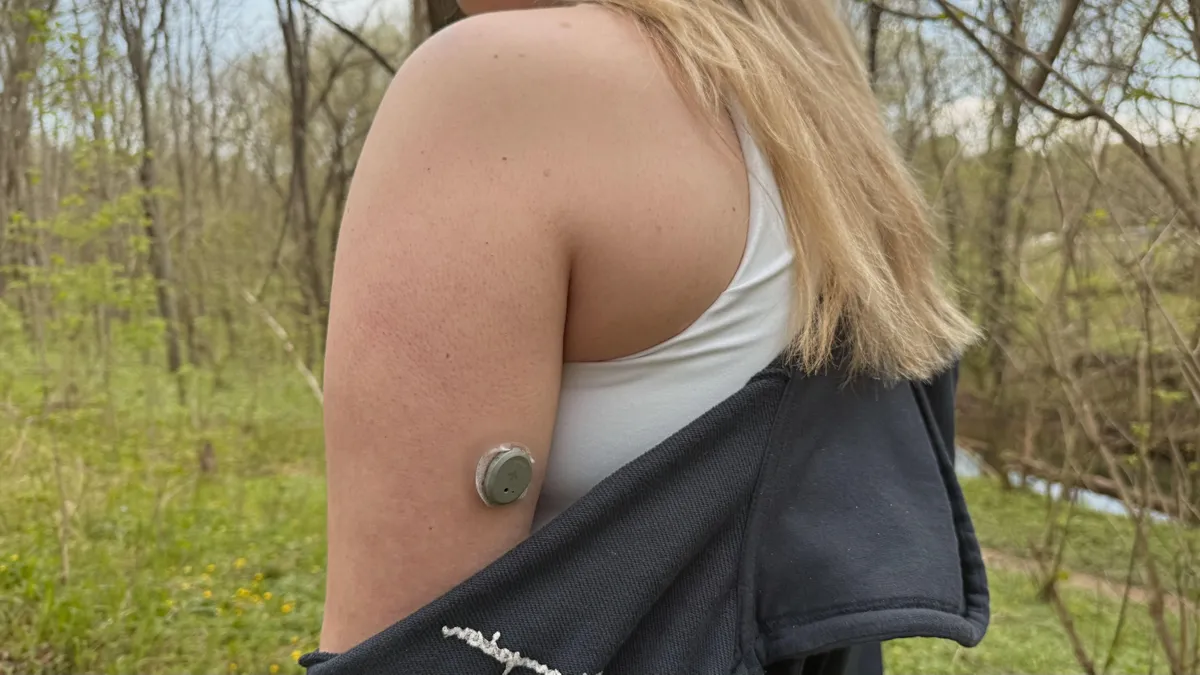
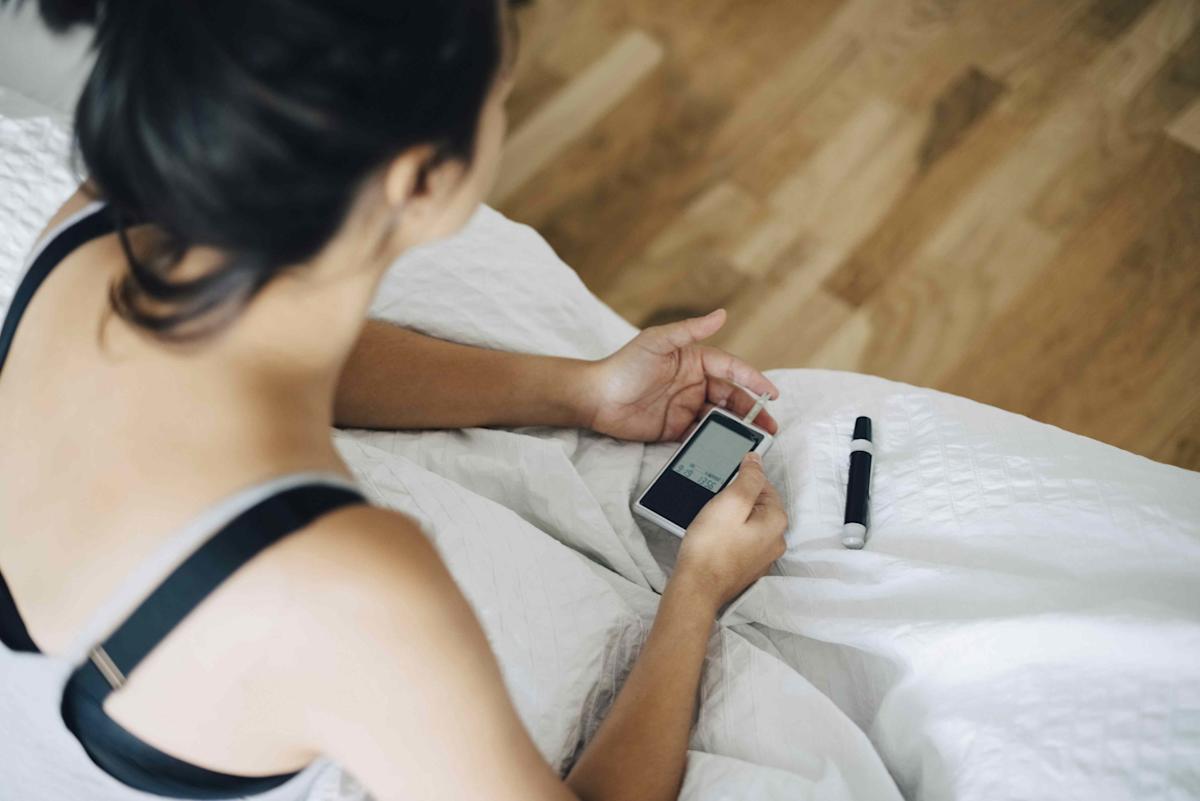
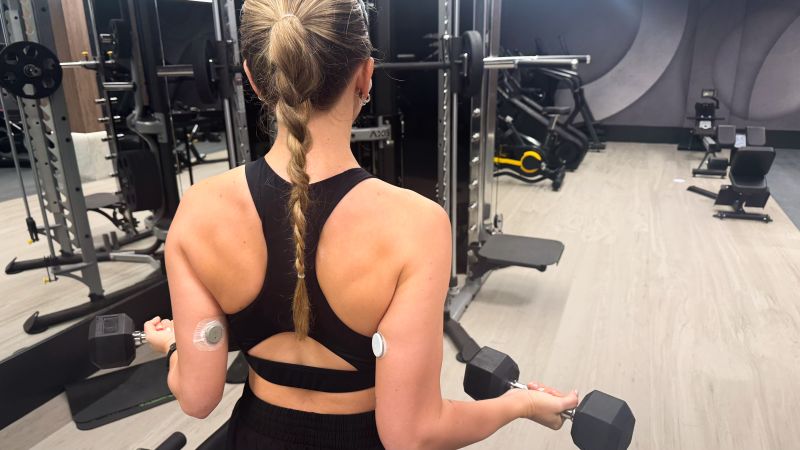
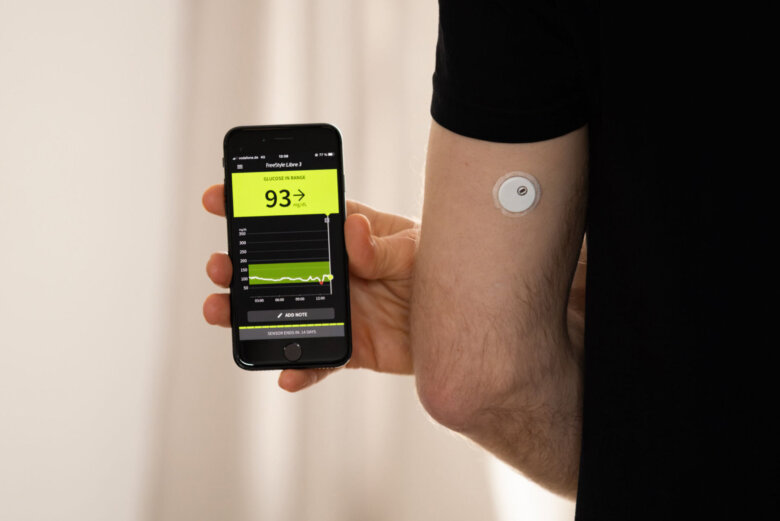
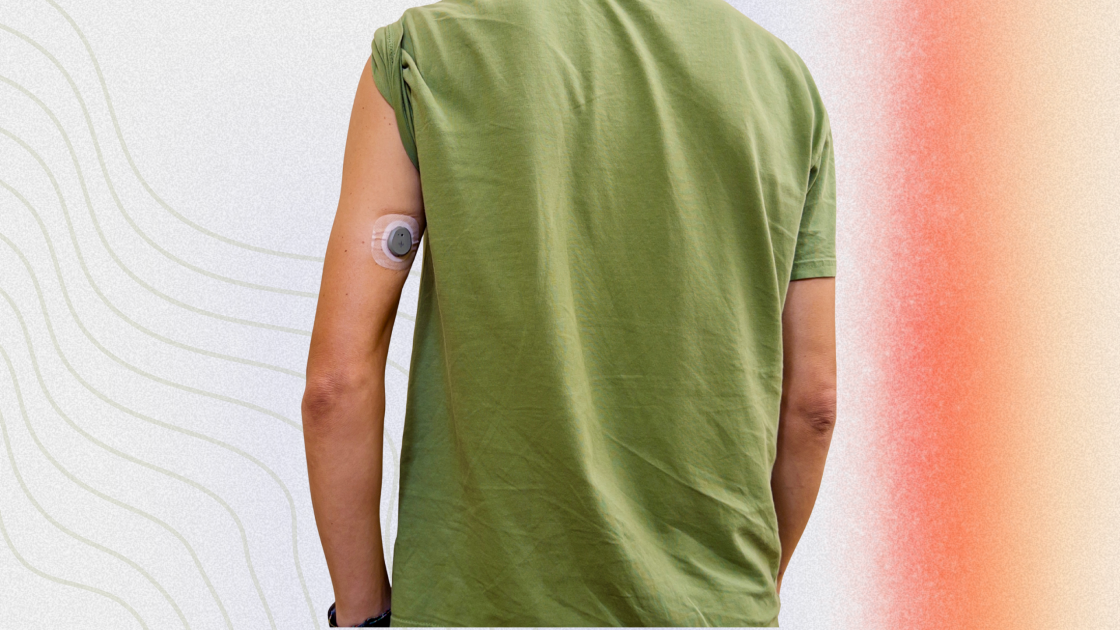
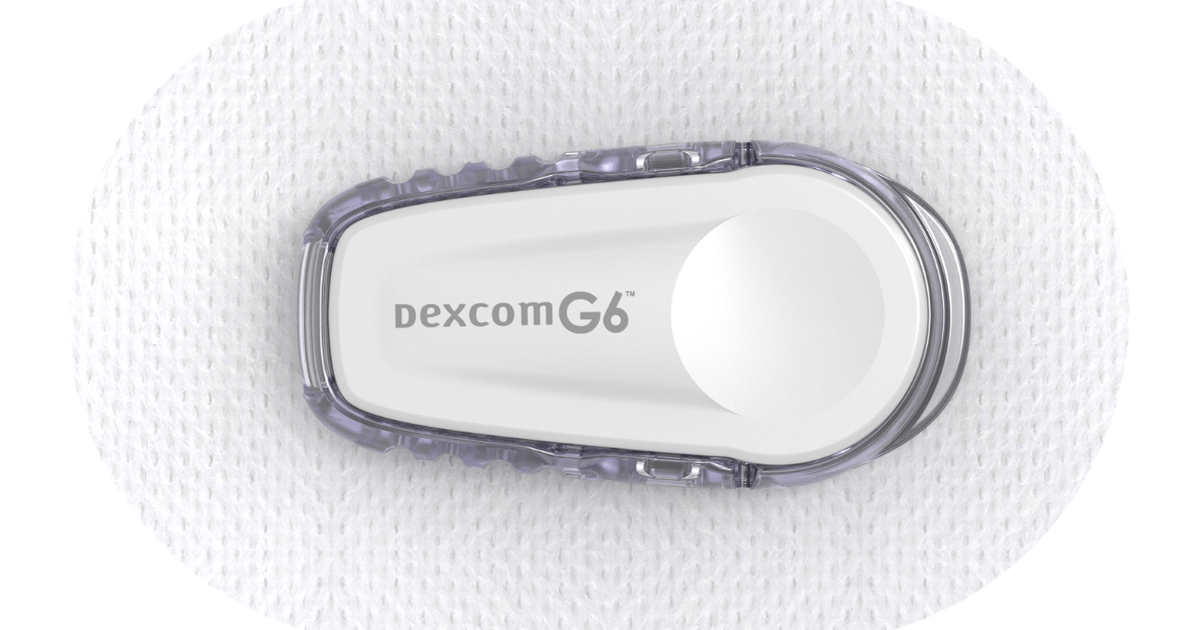
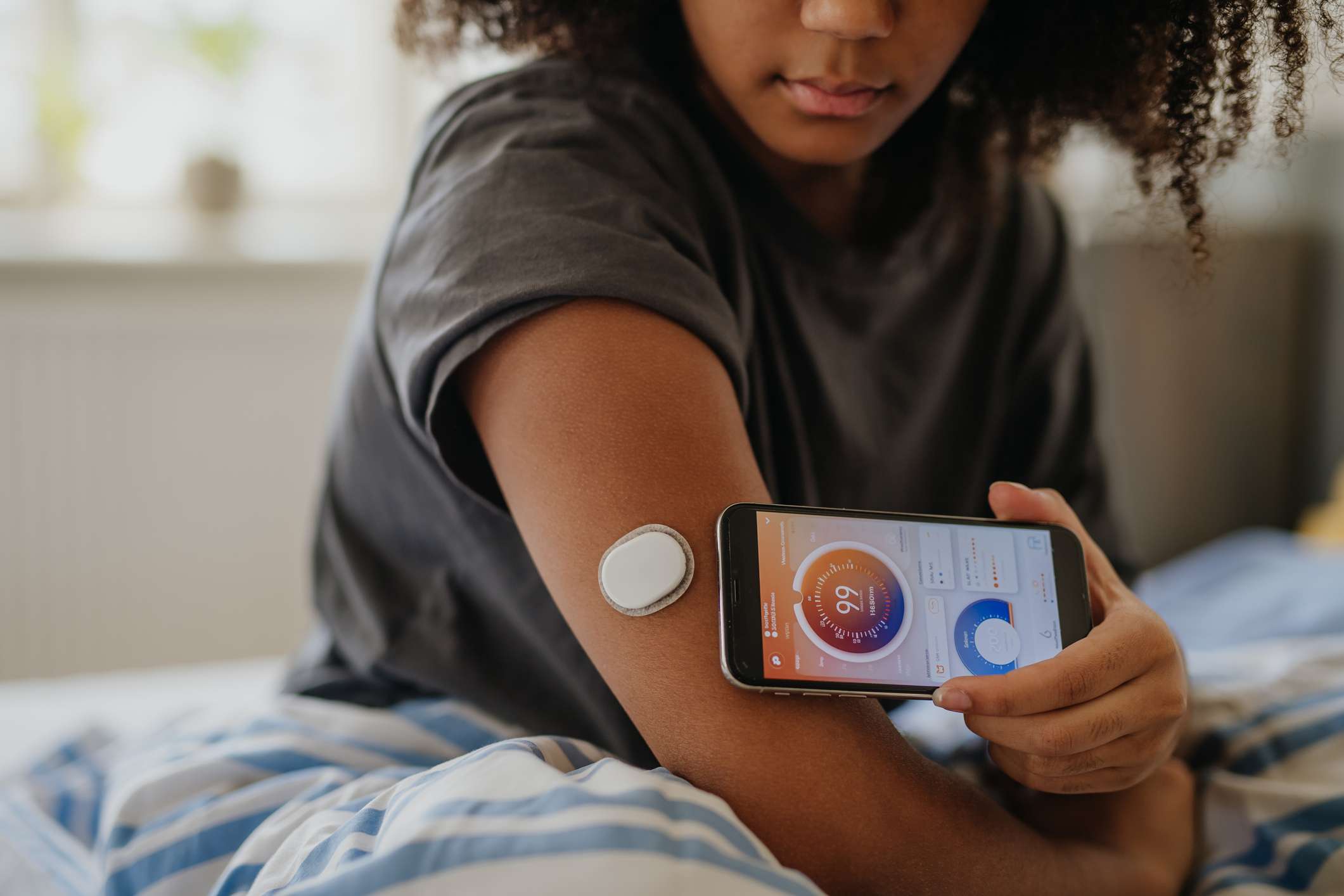
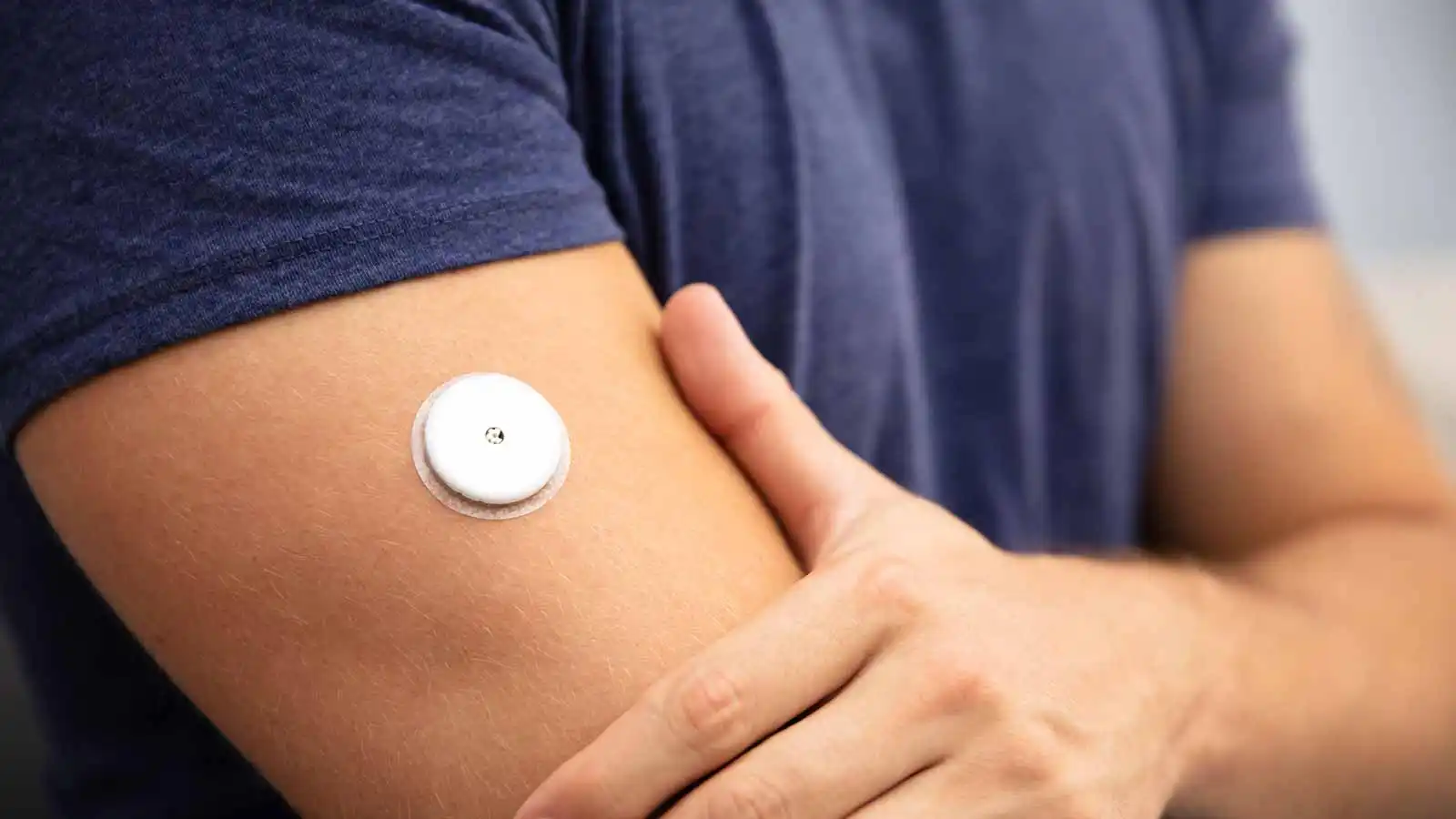
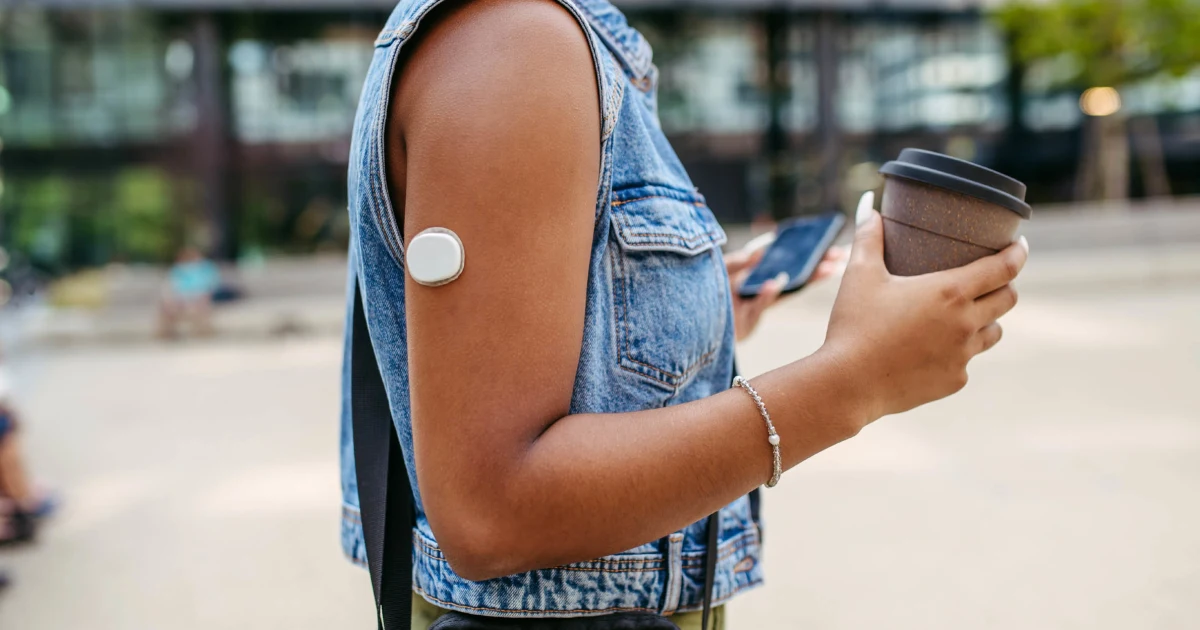
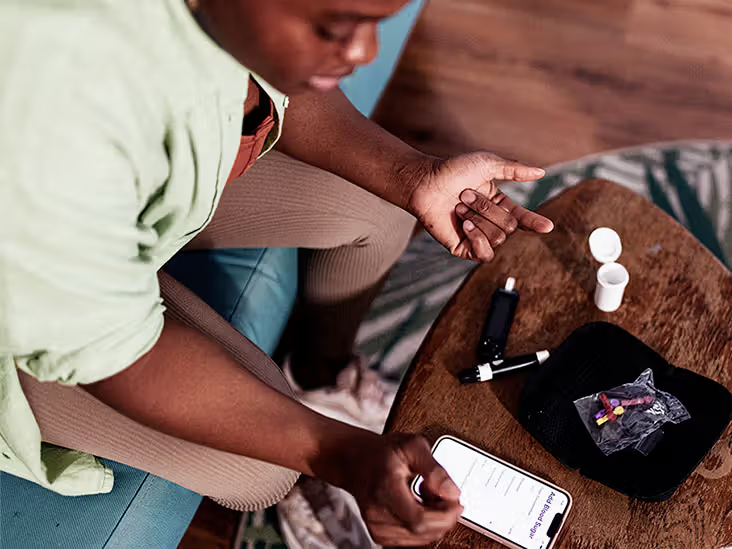
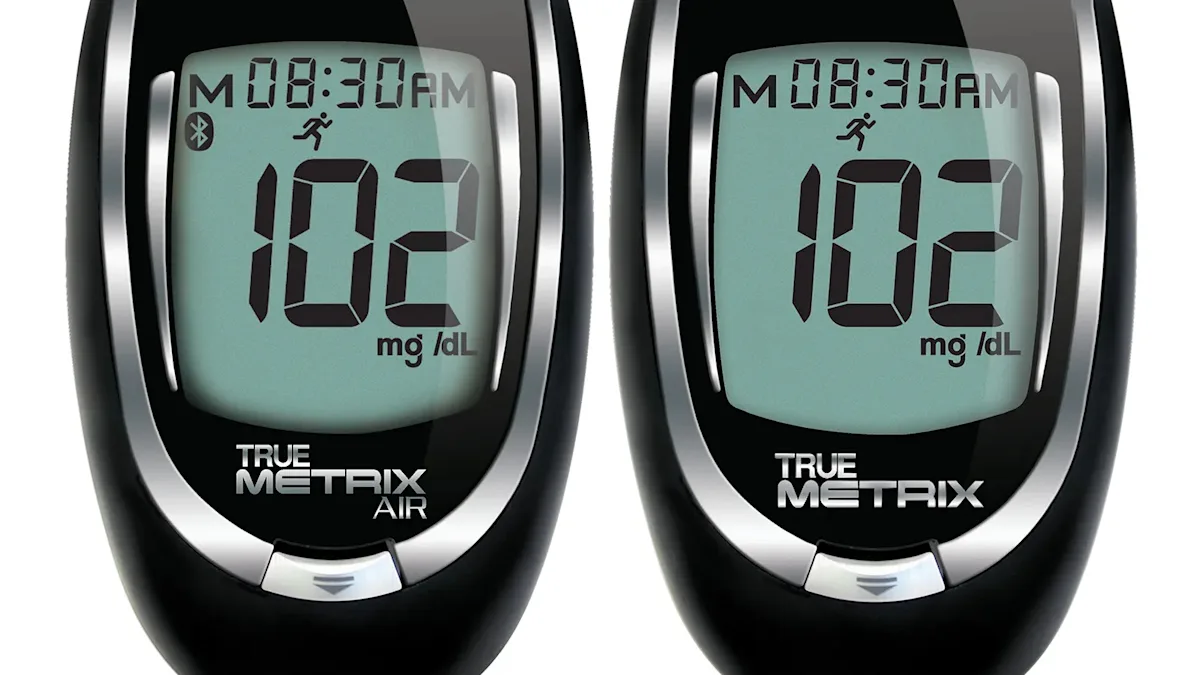
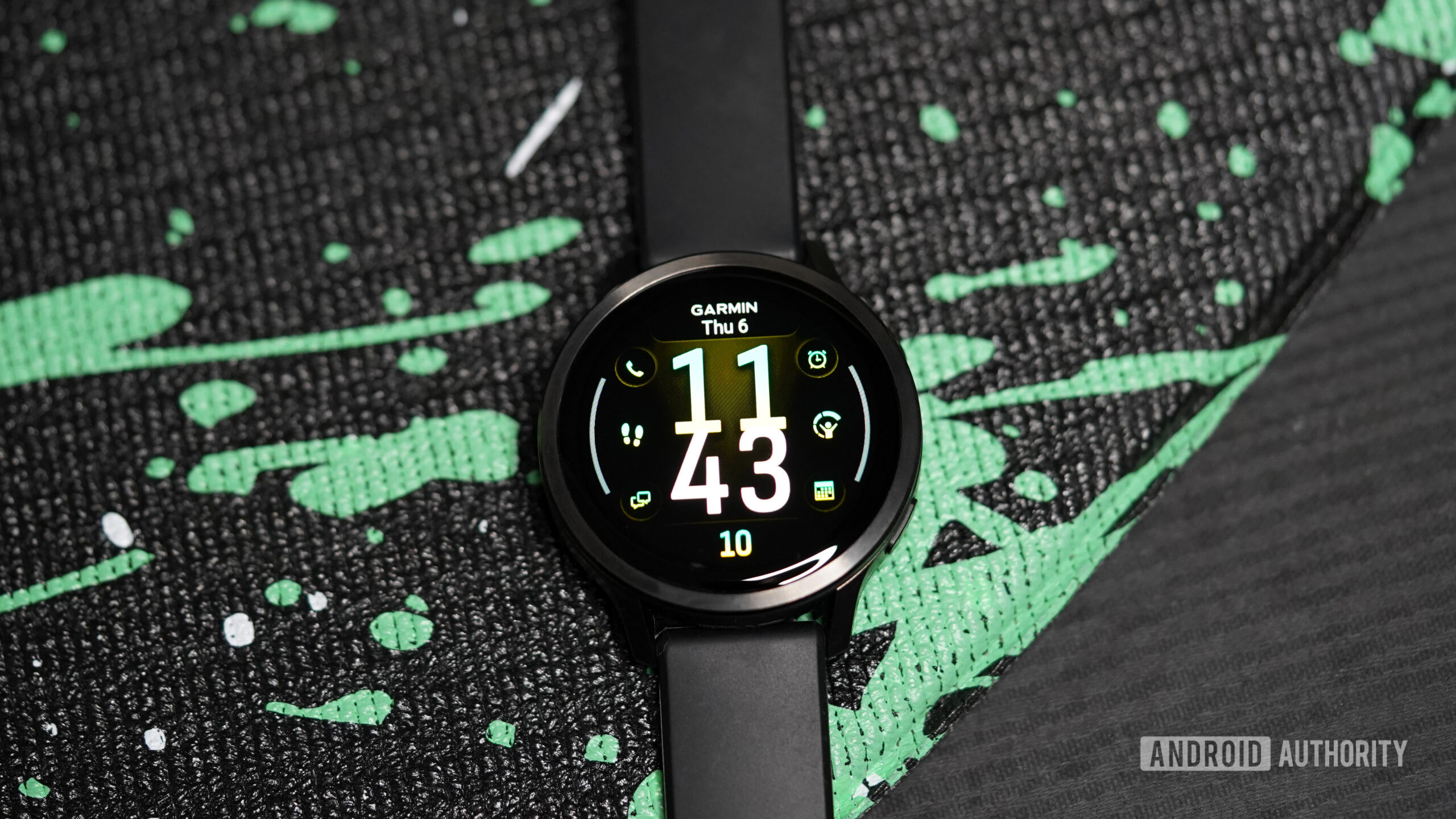
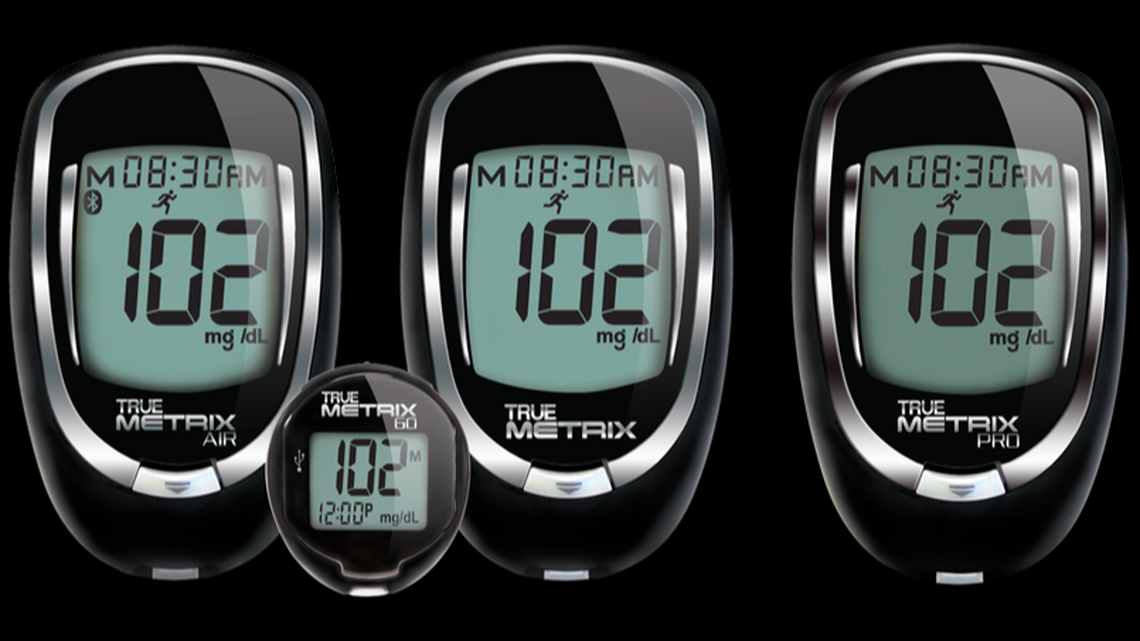
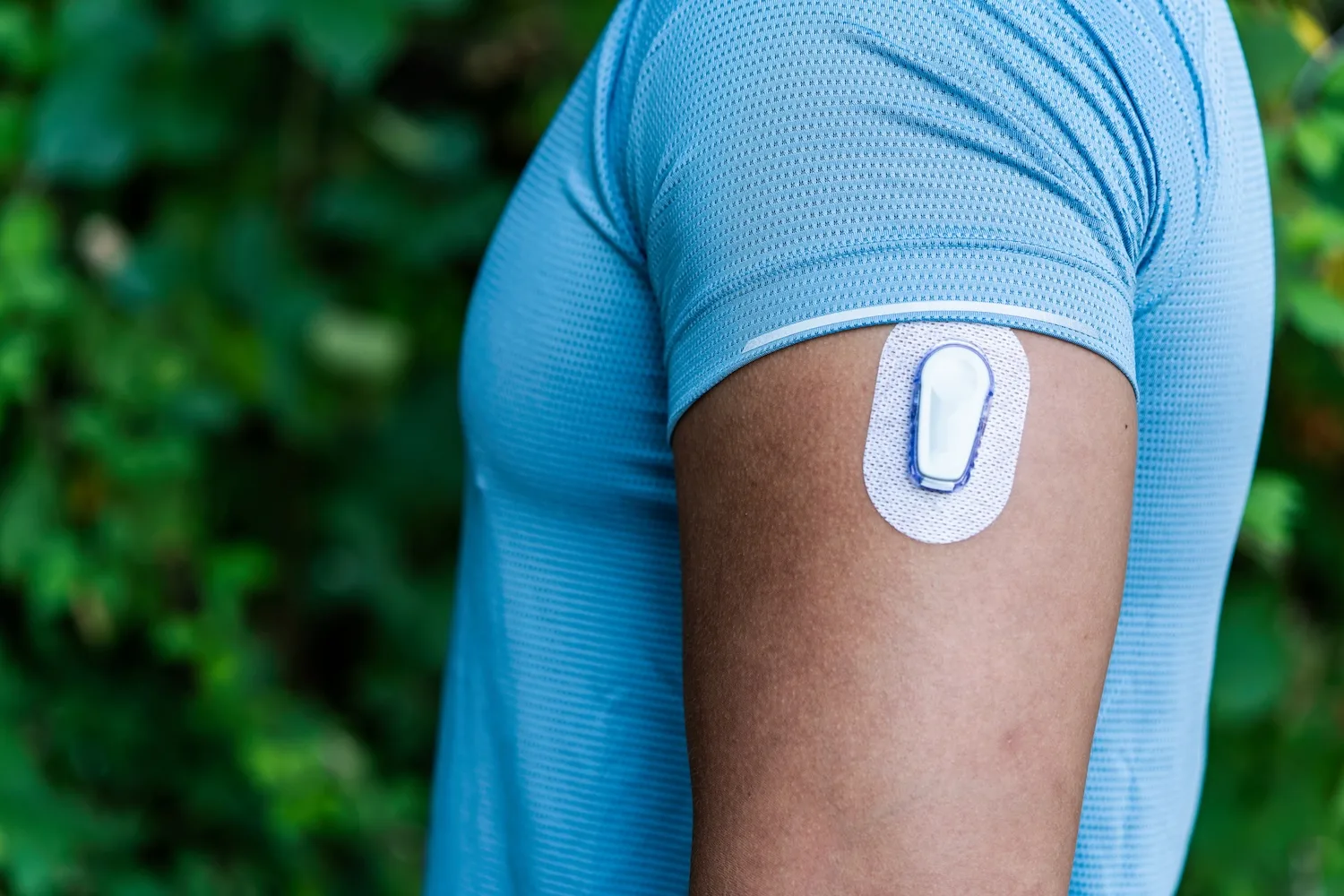
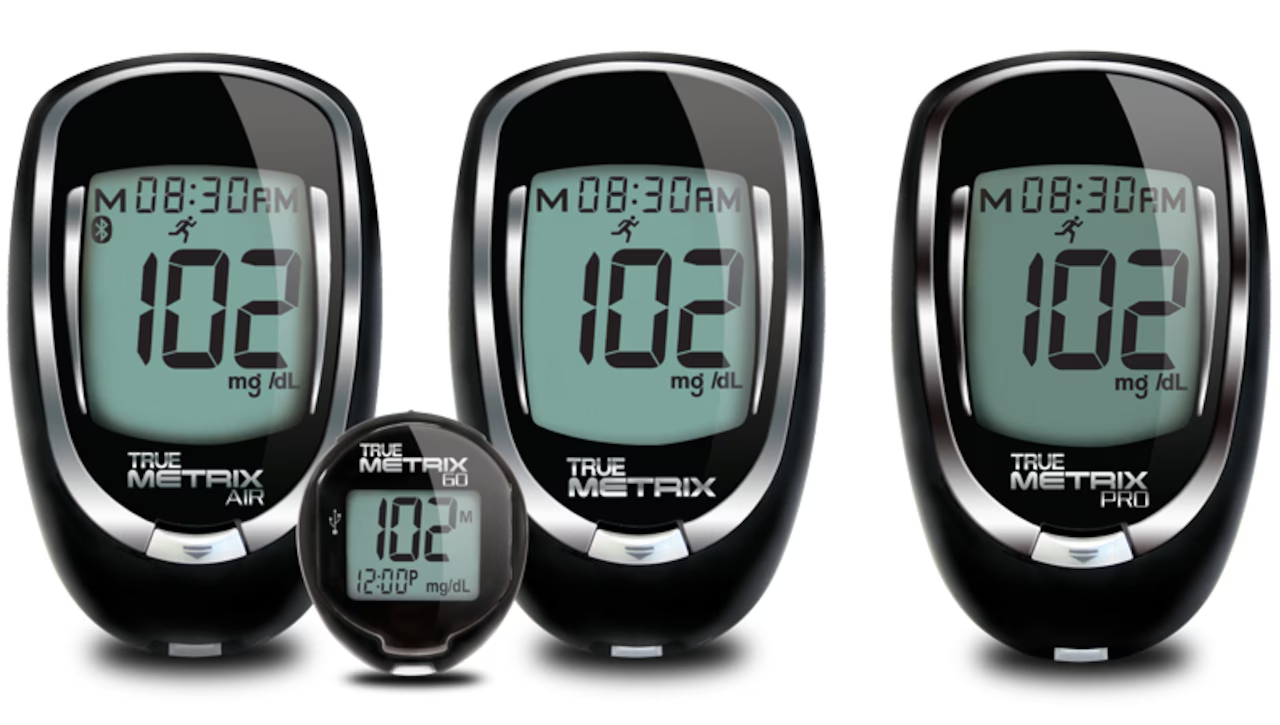
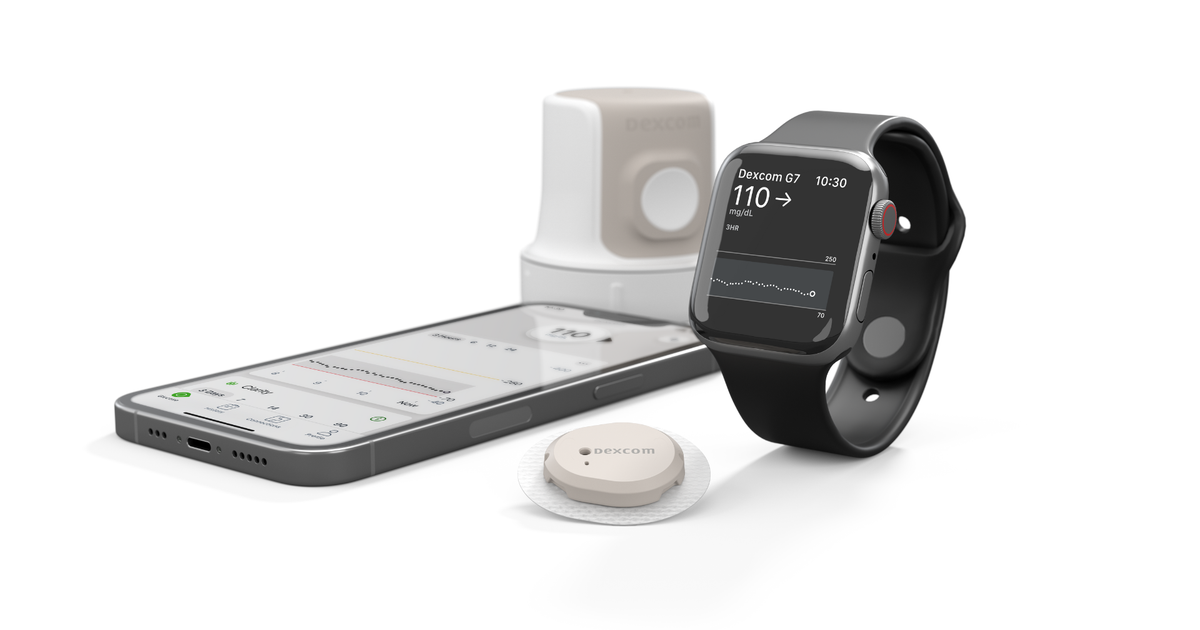
If you’ve ever wished you could see what’s actually going on in your body after a meal, that’s now becoming possible. The FDA cleared the first over-the-counter continuous glucose monitor in 2025, opening the door for people without diabetes to track their glucose patterns at home. The U.S. CGM market hit $7.43 billion in 2026 and is growing at over 18% annually, with non-diabetic wellness use expanding as a key driver.
An Important Reality Check
Glucose variability in healthy people is still a developing area of science. An occasional spike from birthday cake or a holiday meal isn’t the problem. Chronic, repeated spikes over time are the real concern.
If calorie counting has left you frustrated, this isn’t about what you did wrong. It’s about what the old framework left out. Understanding your glucose response offers a more complete way to work with your body, not against it.
This article was created by content specialists using various tools, including AI.
This story was originally published April 7, 2026 at 4:32 PM.

Allison Palmer is a content specialist working with McClatchy Media’s Trend Hunter and national content specialists team.