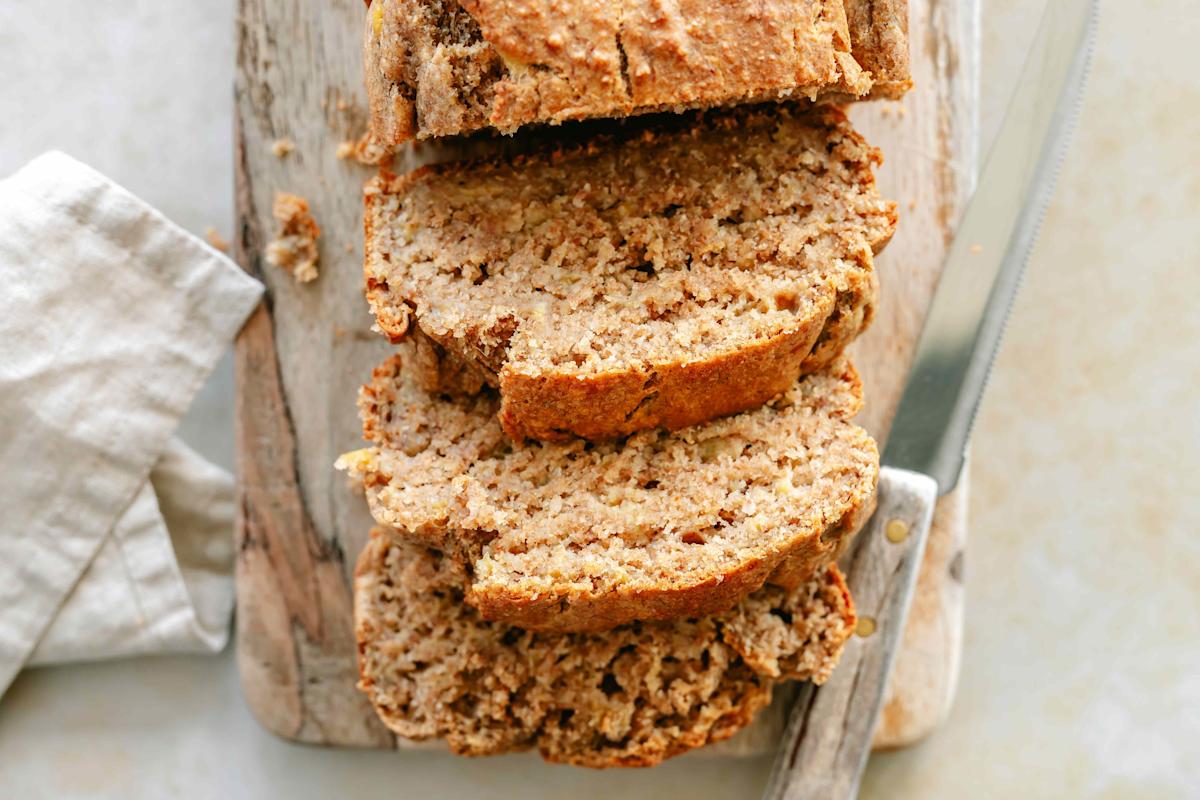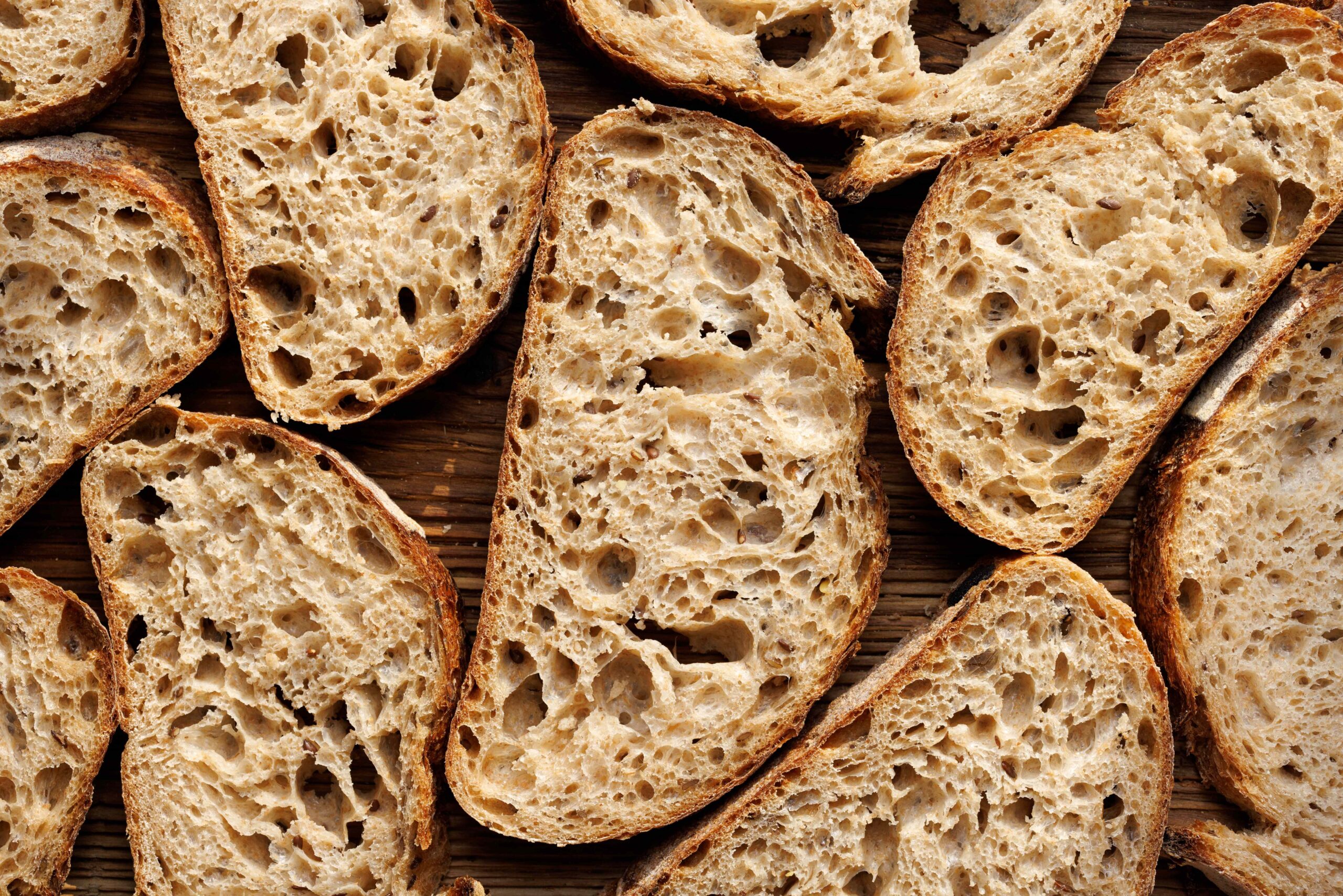

Wheat bread is often seen as a healthier choice than white bread. But not all wheat bread offers the same benefits. Many of these benefits are tied to whole wheat varieties, which contain more fiber and nutrients than refined options.
Wheat bread is a good source of fiber, which plays an important role in digestion. One medium slice of whole wheat bread provides about 2.7 grams, which covers around 10% of your daily fiber needs.
Fiber helps move food through your digestive tract, which supports regular bowel movements and may help prevent constipation. If you deal with irregularity, adding more fiber-rich foods like wheat bread can help.
Fiber also feeds healthy bacteria in your gut. These bacteria help break down food, support your immune system, and may even play a role in mood and brain health.
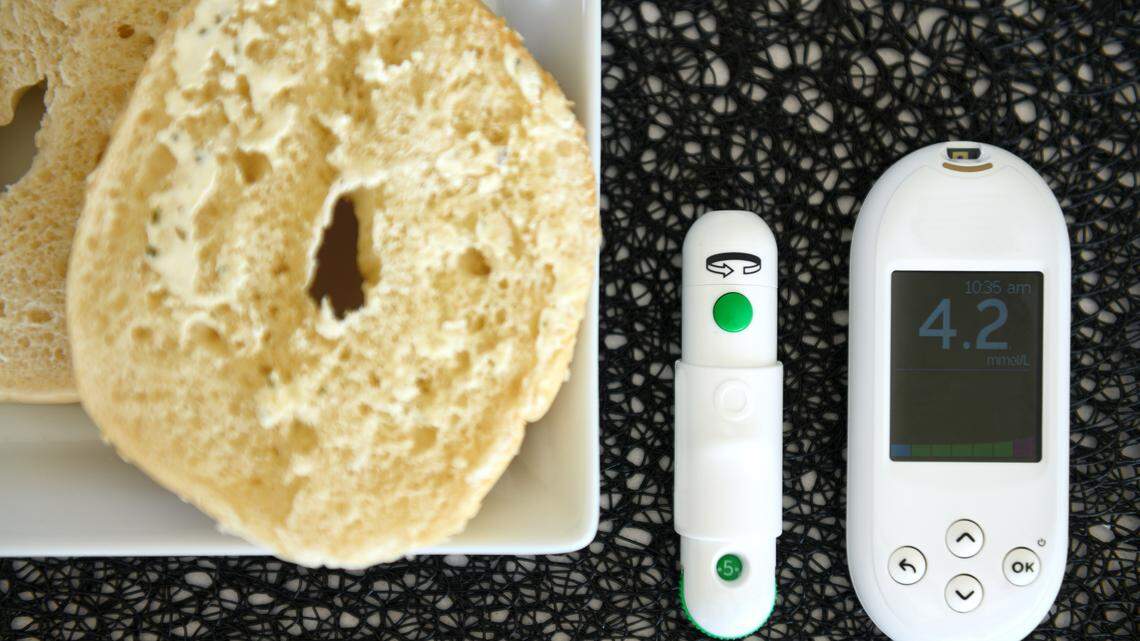
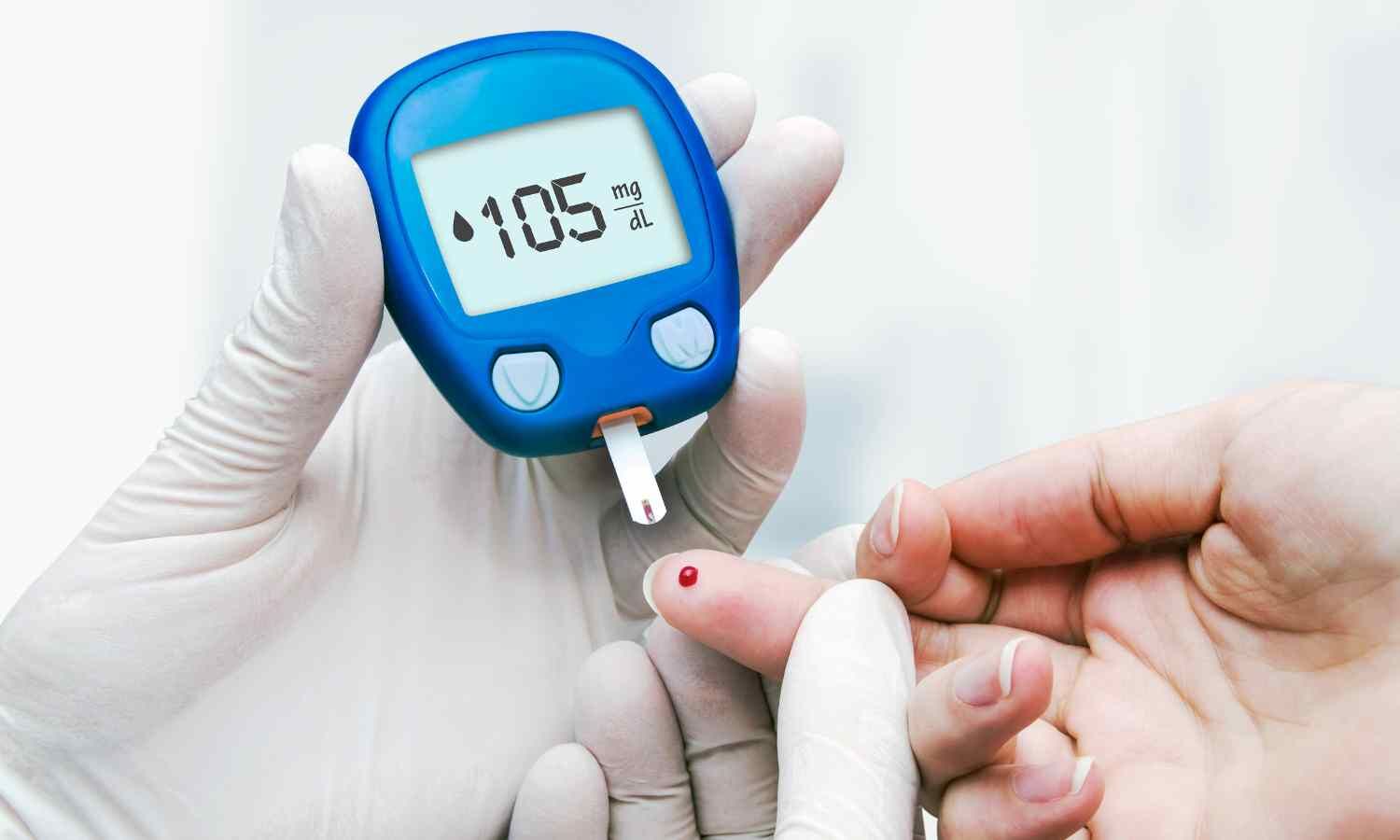
Wheat bread, especially whole wheat varieties, may be better for blood sugar control than white bread.
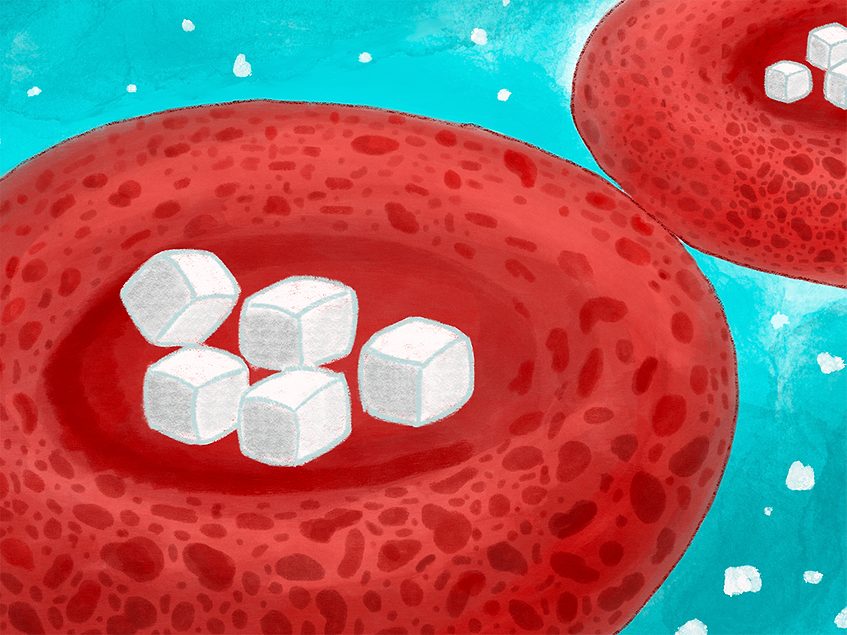
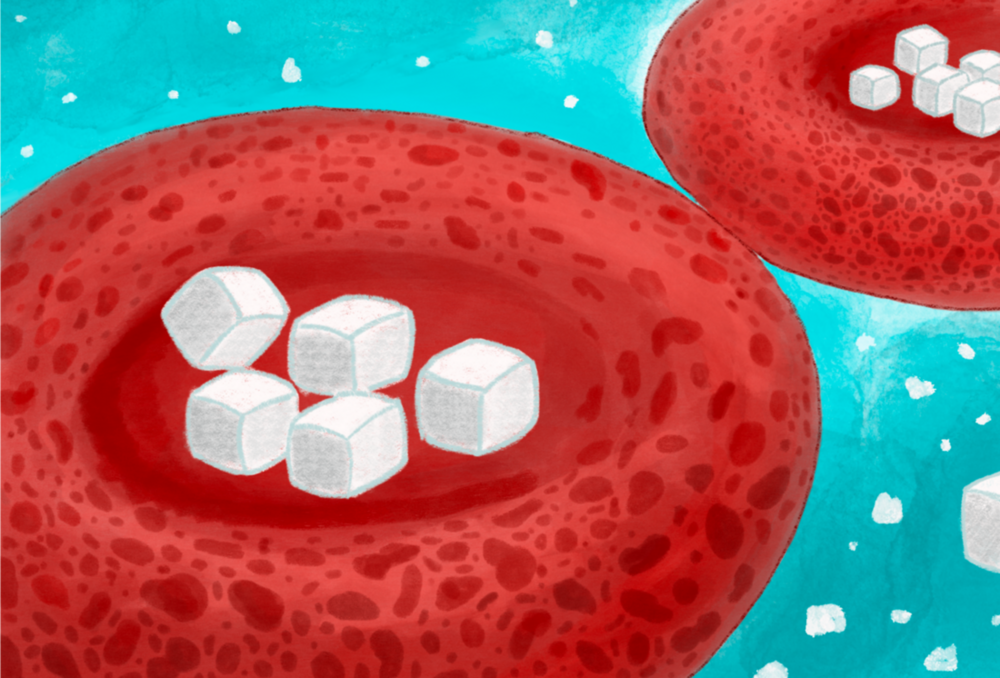
Fiber slows how quickly your body breaks down and absorbs carbohydrates. This helps prevent rapid rises in blood sugar after eating and keeps levels more stable.
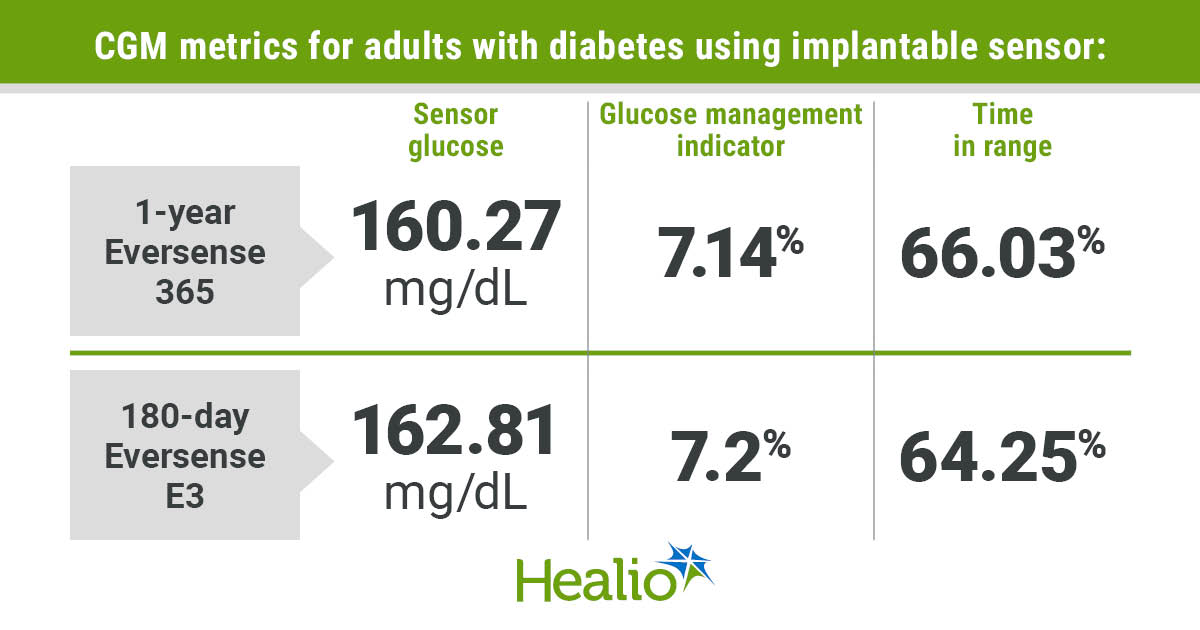
In a 2021 study, people with type 2 diabetes who ate whole wheat bread daily for up to 12 weeks saw improvements in blood sugar, including A1C (a measure of long-term blood sugar control).
Eating more fiber may also help lower your risk of type 2 diabetes. Some research suggests fiber supports healthy gut bacteria and other compounds involved in blood sugar control.
Wheat bread provides more than just fiber. It also has nutrients your body needs, though the exact amounts can vary by type.
It contains B vitamins like thiamine, niacin, and folate, which help your body turn food into energy. It also has magnesium and phosphorus, which support your muscles and bones.
You’ll also get iron, which helps carry oxygen in your blood, and selenium, an antioxidant that supports immune health.
Foods that contain fiber can help you feel full after eating. Wheat bread can slow digestion, which may help you stay satisfied between meals. This can make it easier to keep cravings in check.
In a 2025 study, people who ate more whole grains gained less weight over time. Those who ate more refined grains, like white bread, gained more weight.
For a more filling snack or meal, pair whole wheat bread with protein or healthy fats. Examples include:
- Whole wheat toast with eggs
- Peanut butter on whole wheat bread
- Avocado on whole grain toast
Whole grains, including whole wheat bread, are linked to lower levels of inflammation in the body. This is likely due to their fiber and antioxidant compounds.
Chronic inflammation is tied to many health conditions, including heart disease and type 2 diabetes. Some research suggests that eating more whole grains may help lower markers of inflammation and reduce this risk.
Eating whole grains is linked to better heart health. The fiber in whole wheat bread can help lower LDL cholesterol, or “bad” cholesterol, by reducing how much your body absorbs.
Lower cholesterol levels can help reduce your risk of heart disease. Whole grains may also support healthy blood pressure and blood sugar levels, which are both important for heart health.
Not all wheat bread offers the same benefits. Some breads labeled “wheat” are made with refined flour and may contain only a small amount of whole grains. These products often have less fiber and fewer nutrients.
To get the most benefit, look for:
- “100% whole wheat” on the label
- “Whole wheat flour” is listed as the first ingredient
- At least 2 to 3 grams of fiber per slice
- Lower-sodium options
Nutrition can vary by brand and slice size. On average, here’s the nutrition breakdown for a medium slice of whole wheat bread:
- Calories: 155
- Carbohydrates: 31.8 grams (g)
- Fiber: 2.7 g
- Protein: 5.4 g
- Fat: <1 g
- Selenium: 20.4 micrograms (mcg), or 37% of the Daily Value (DV)
- Thiamine: 0.27 milligrams (mg), or 22.5% DV
- Folate: 72 mcg Dietary Folate Equivalents (DFE), or 18% DV
- Niacin: 2.53 mg, or 15% DV
- Riboflavin: 0.16 mg, or 12% DV
- Zinc: 0.74 mg, or 6.7% DV
- Iron: 0.48 mg, or 2.7% DV
If you want to include wheat bread in your diet, keep these tips in mind:
- Choose 100% whole wheat bread when possible
- Pair it with protein or healthy fats for better blood sugar balance
- Start slow if you are increasing fiber intake
- Drink plenty of water to support digestion
- Monitor portion sizes if you are managing blood sugar