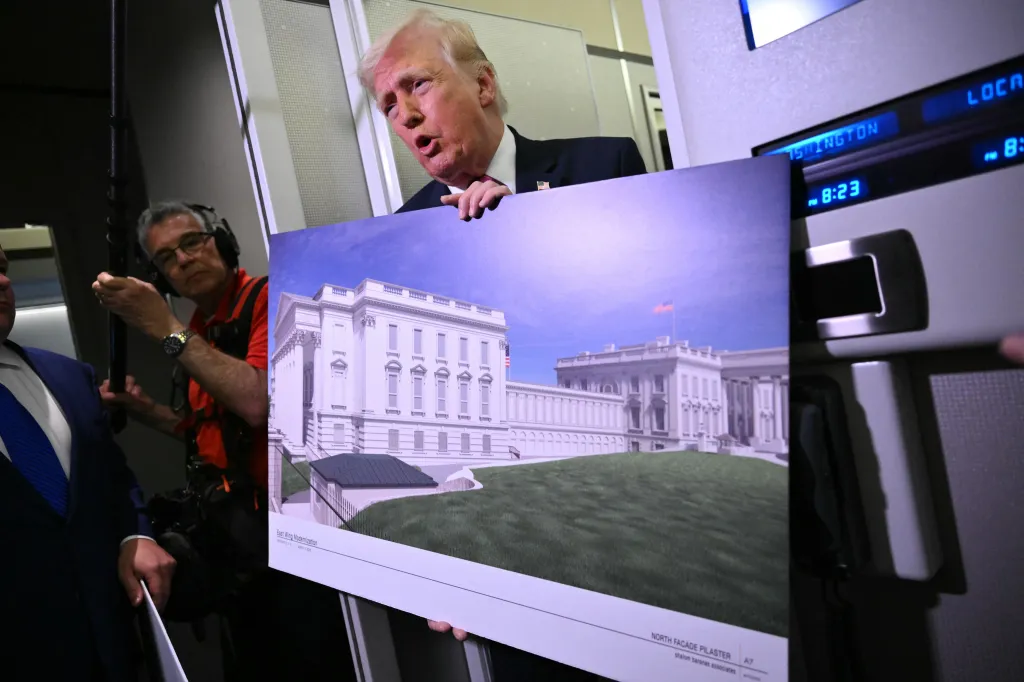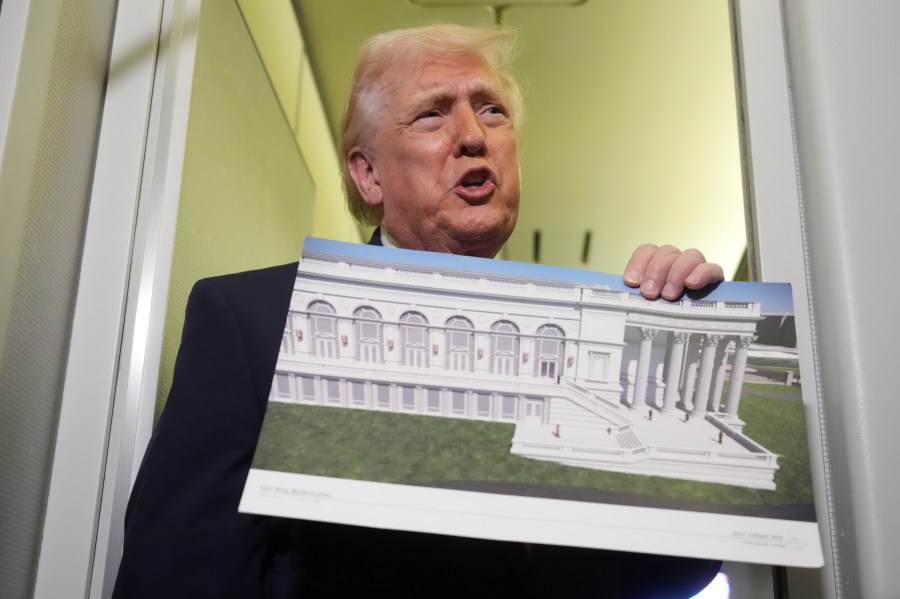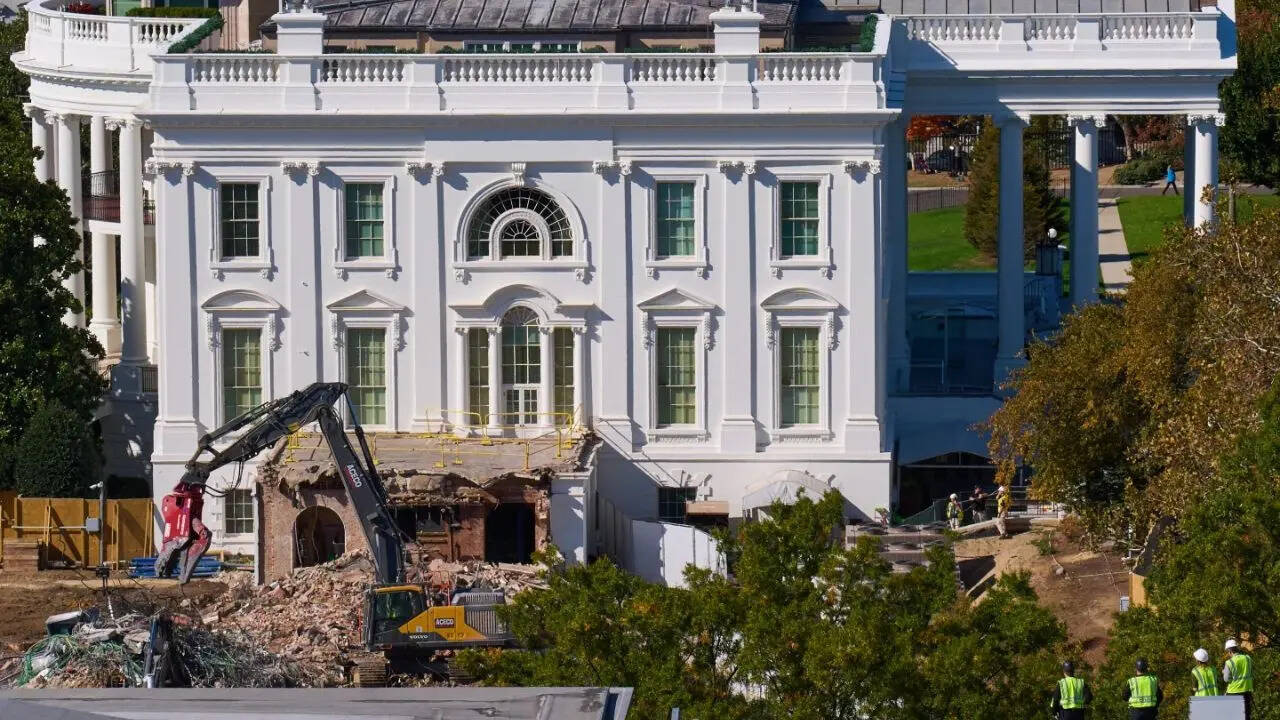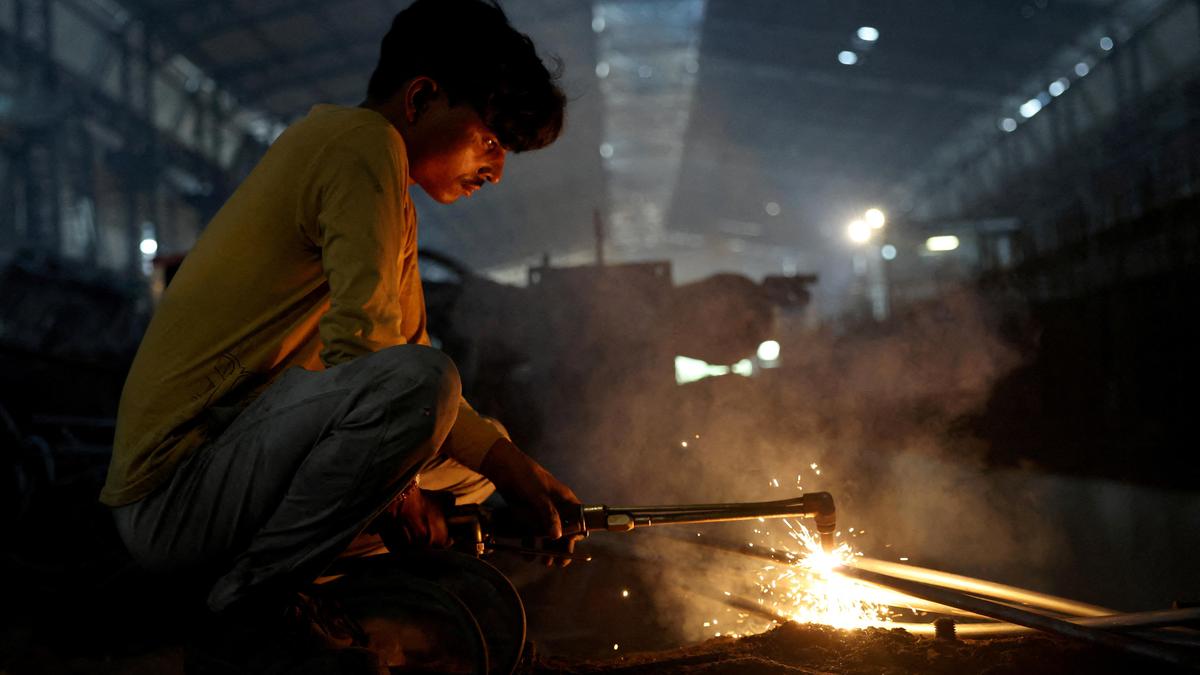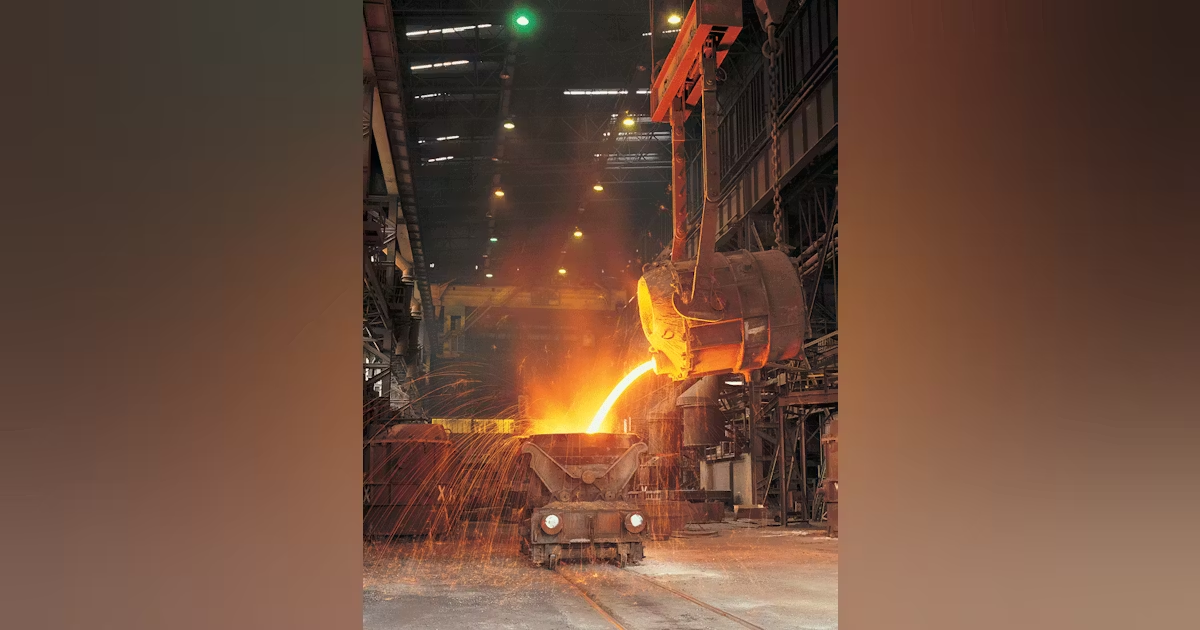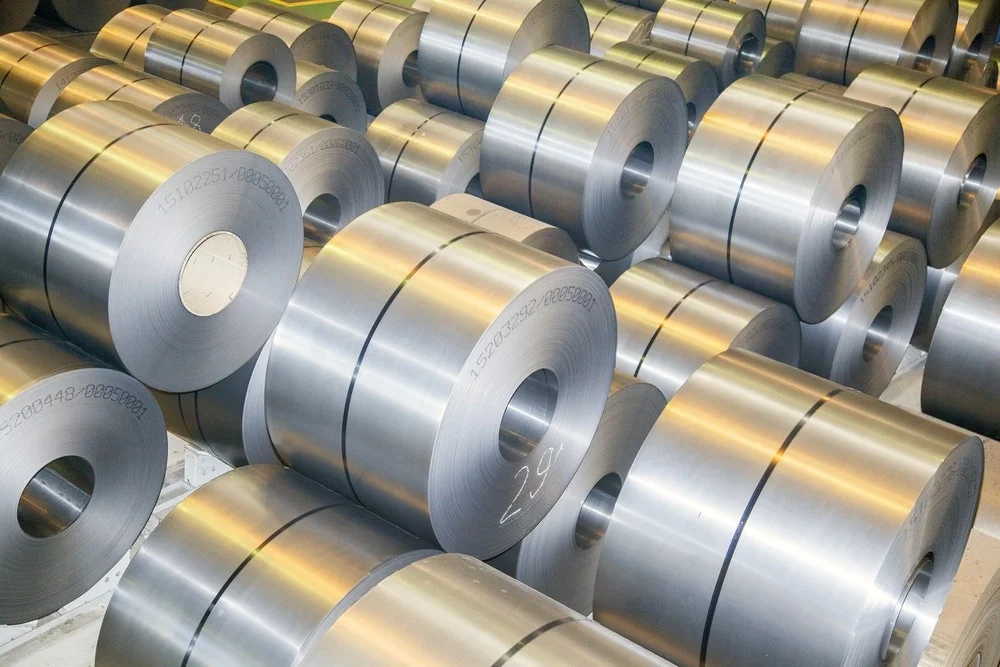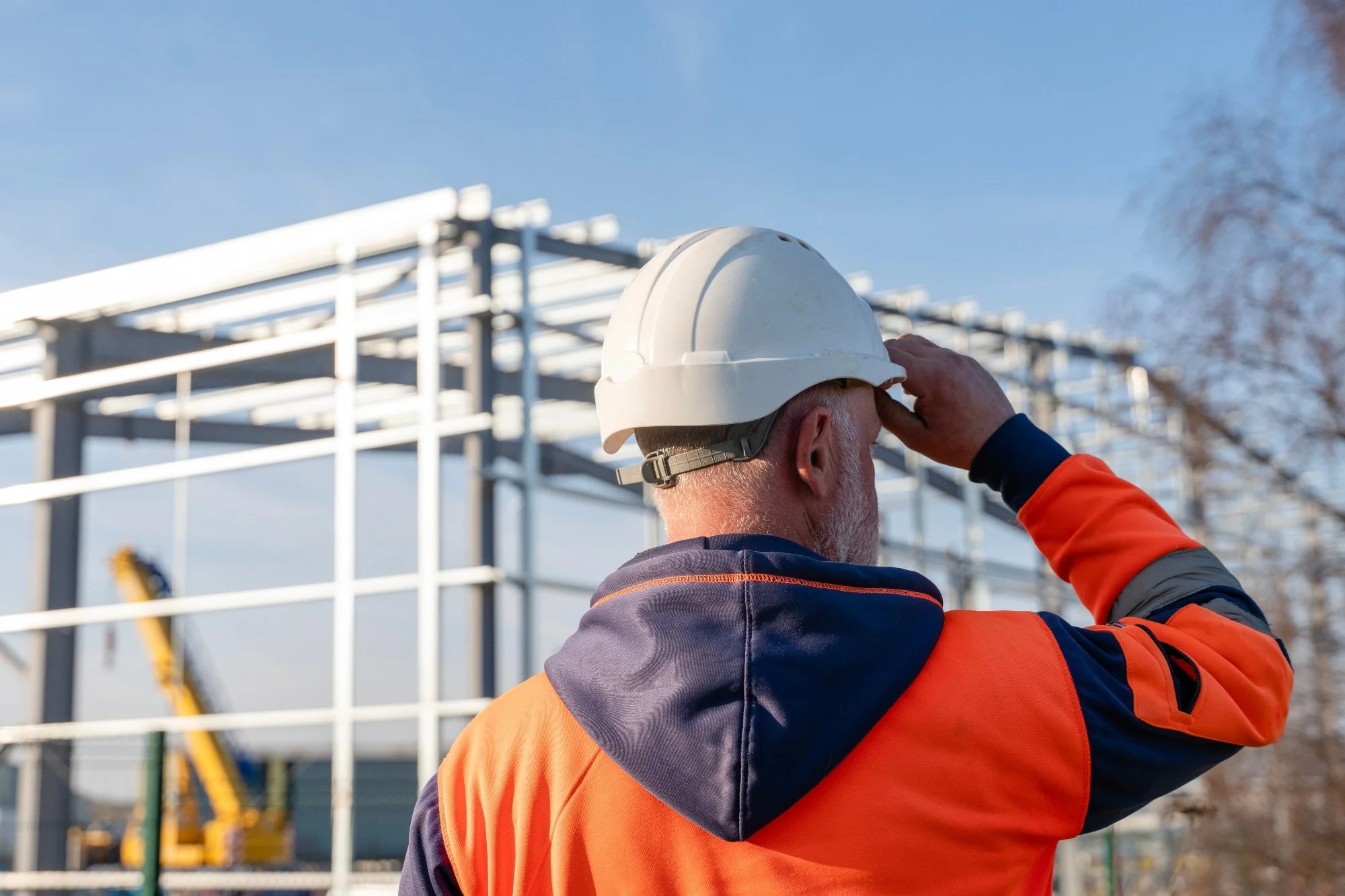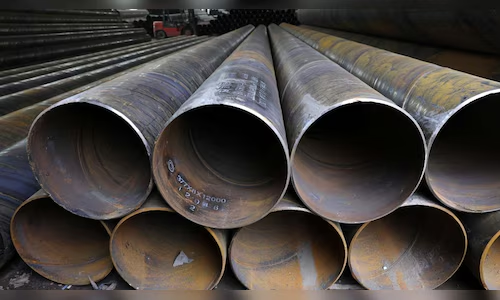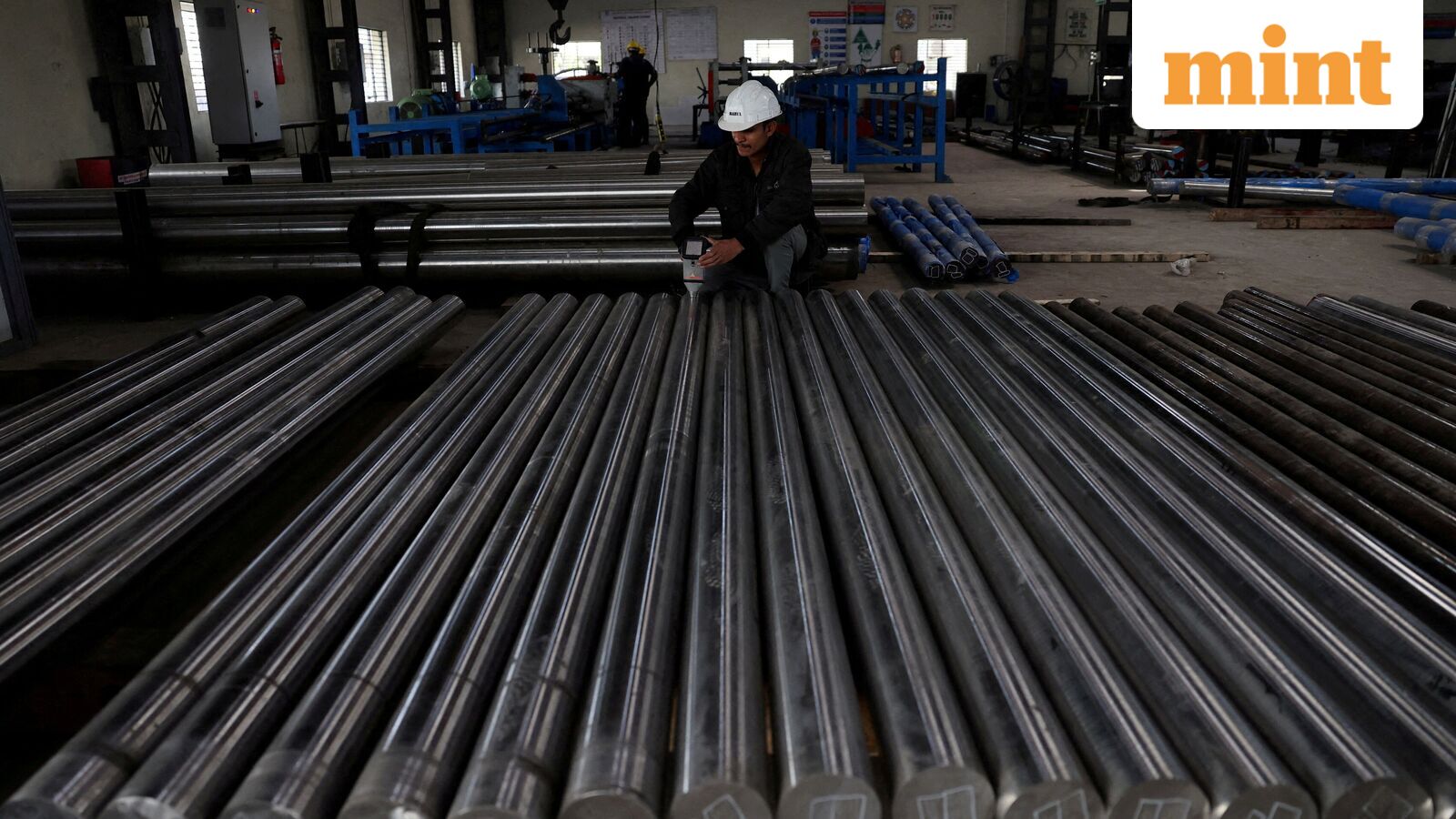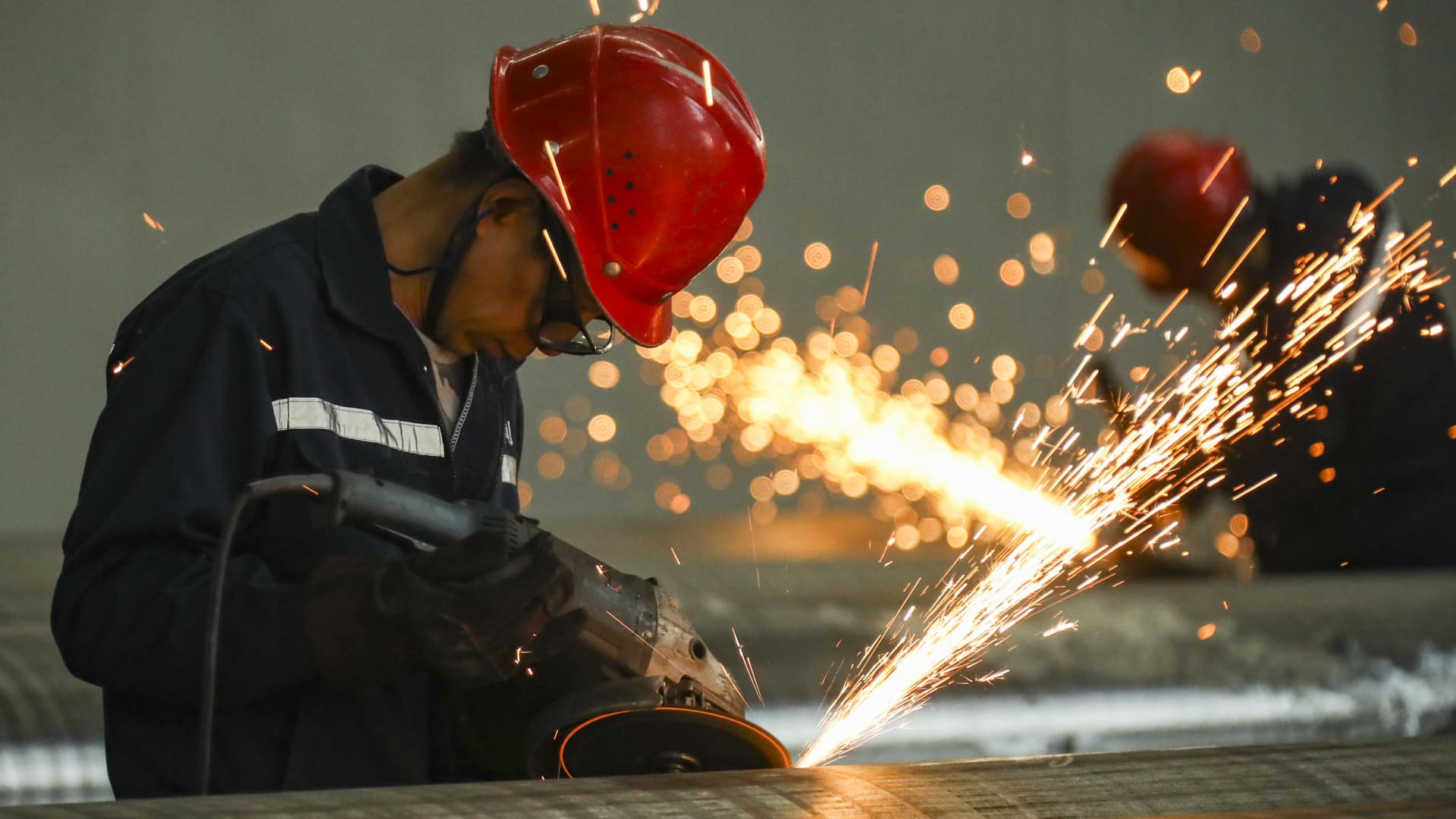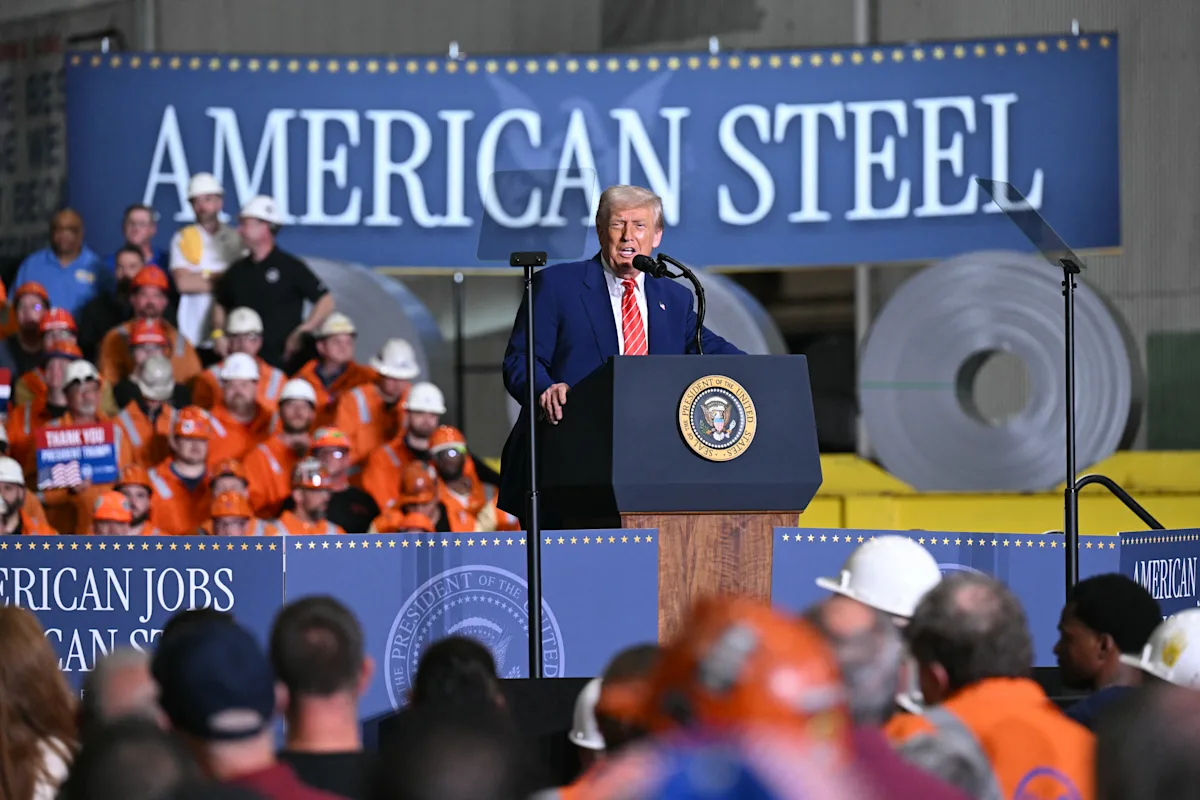
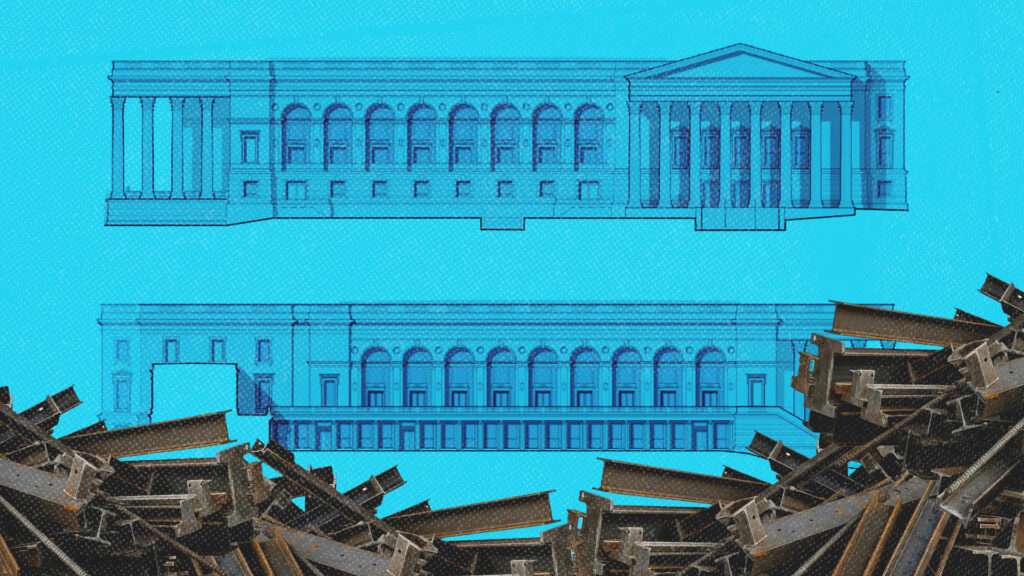
It might be the perfect parable to summarize the Trump administration’s trade policies: The new ballroom under construction at the White House will be built with imported steel.
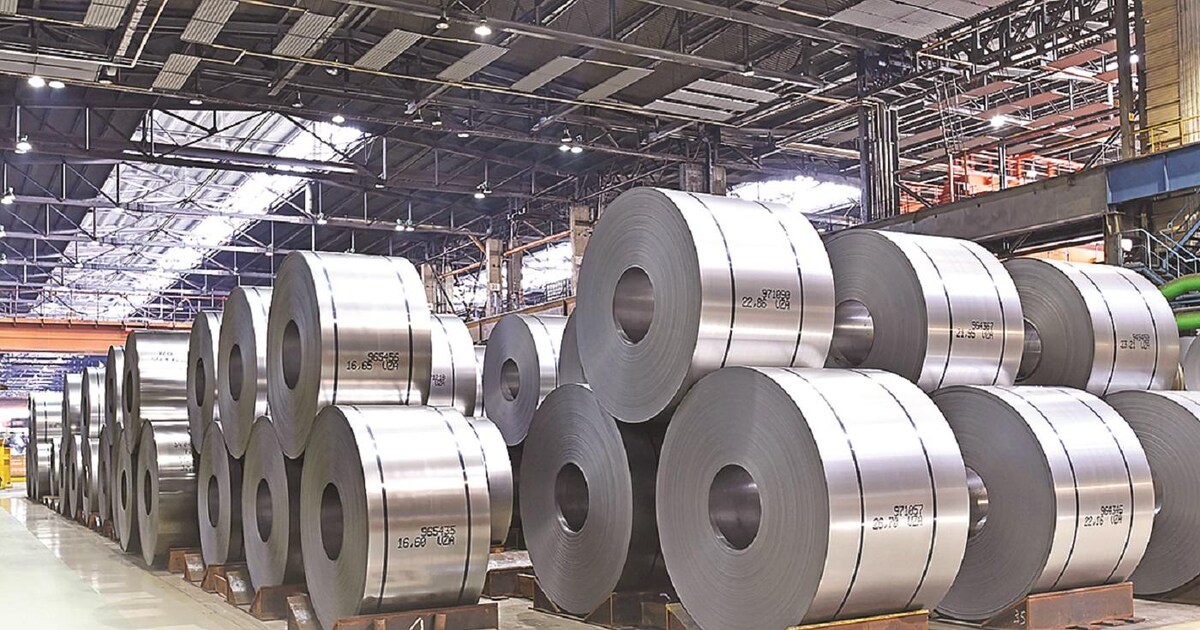
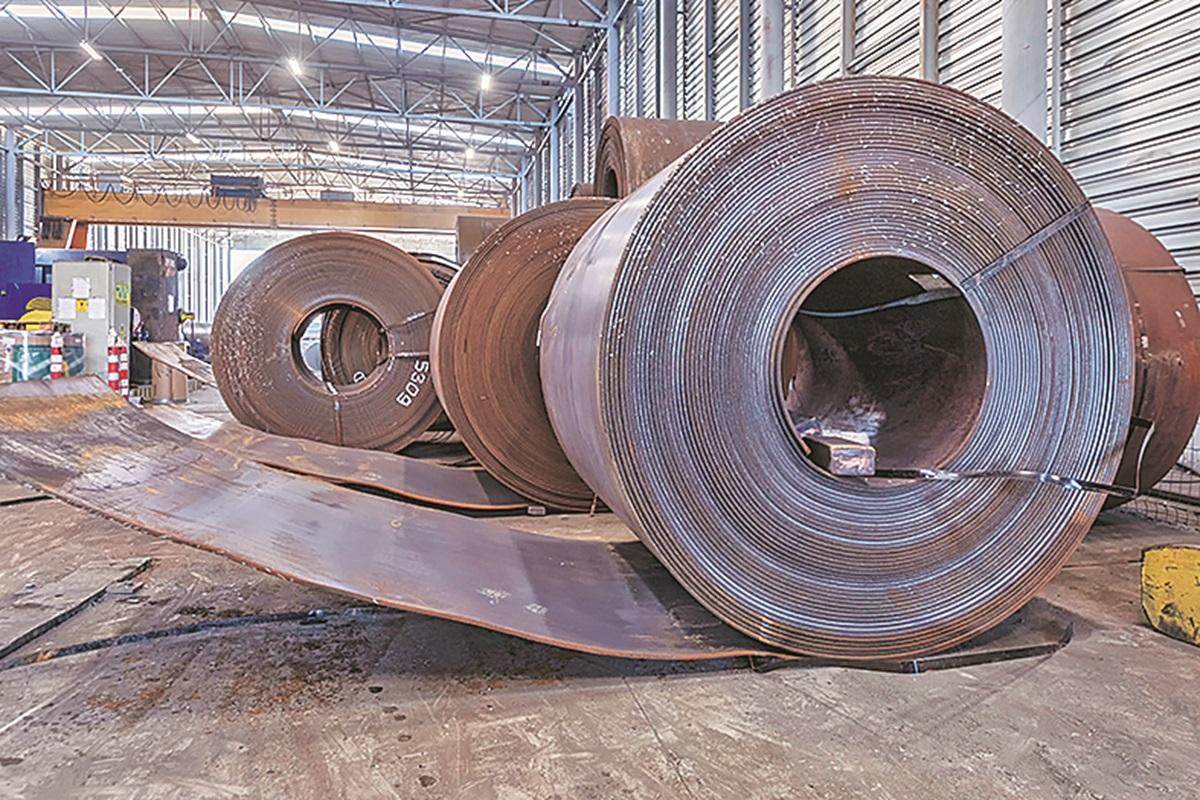
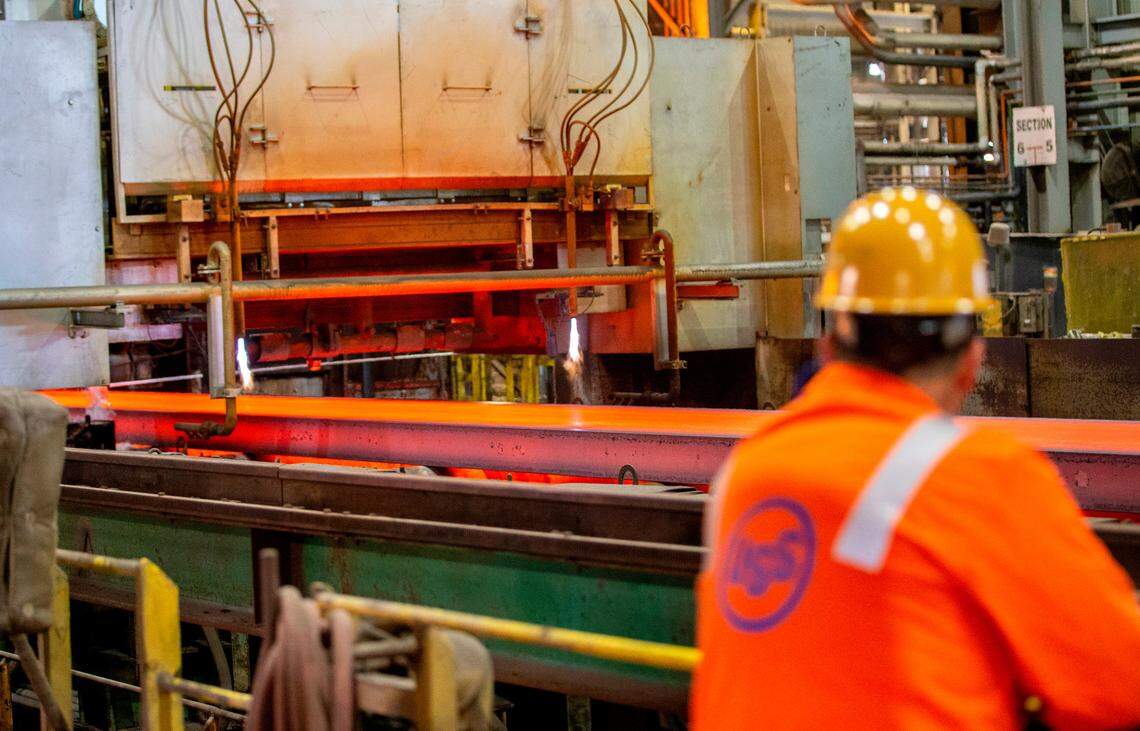
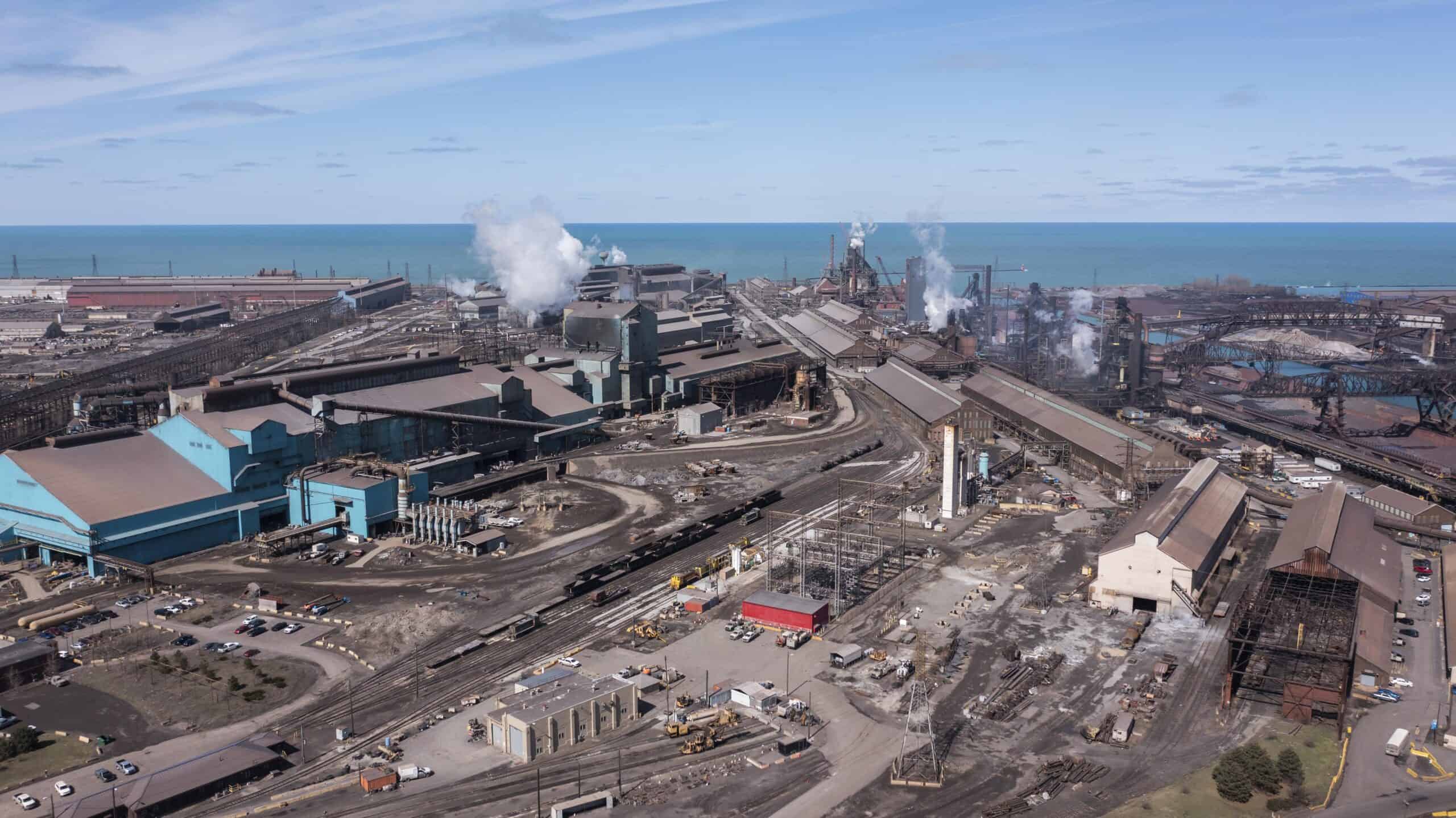
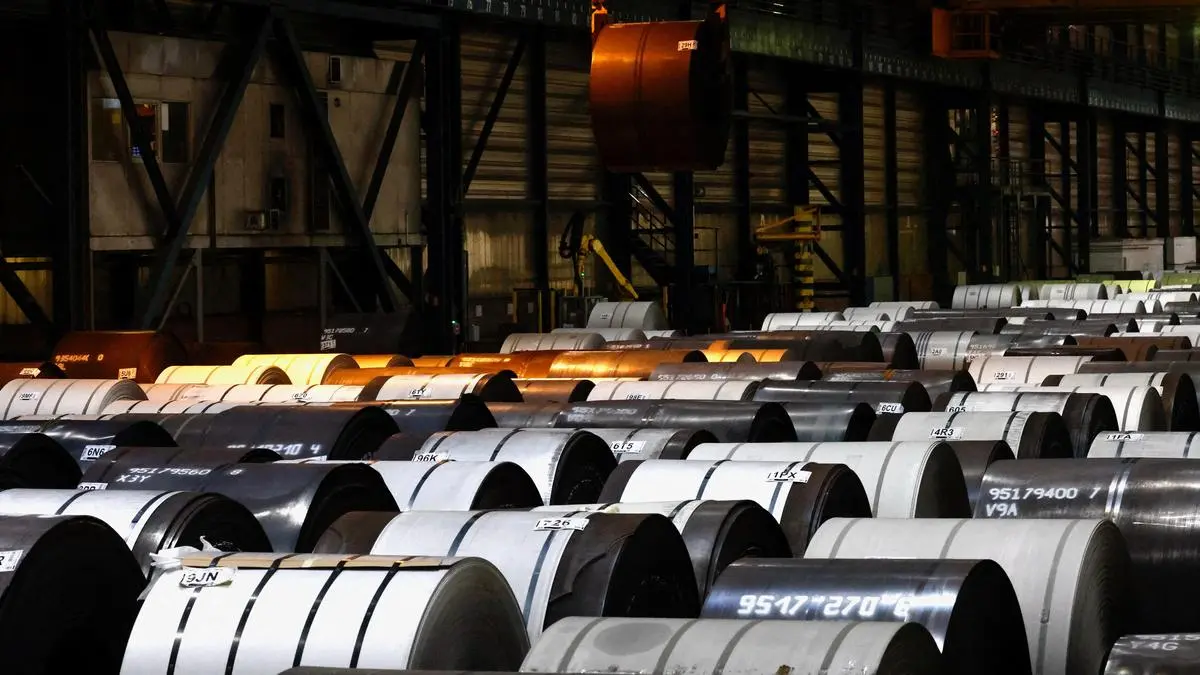
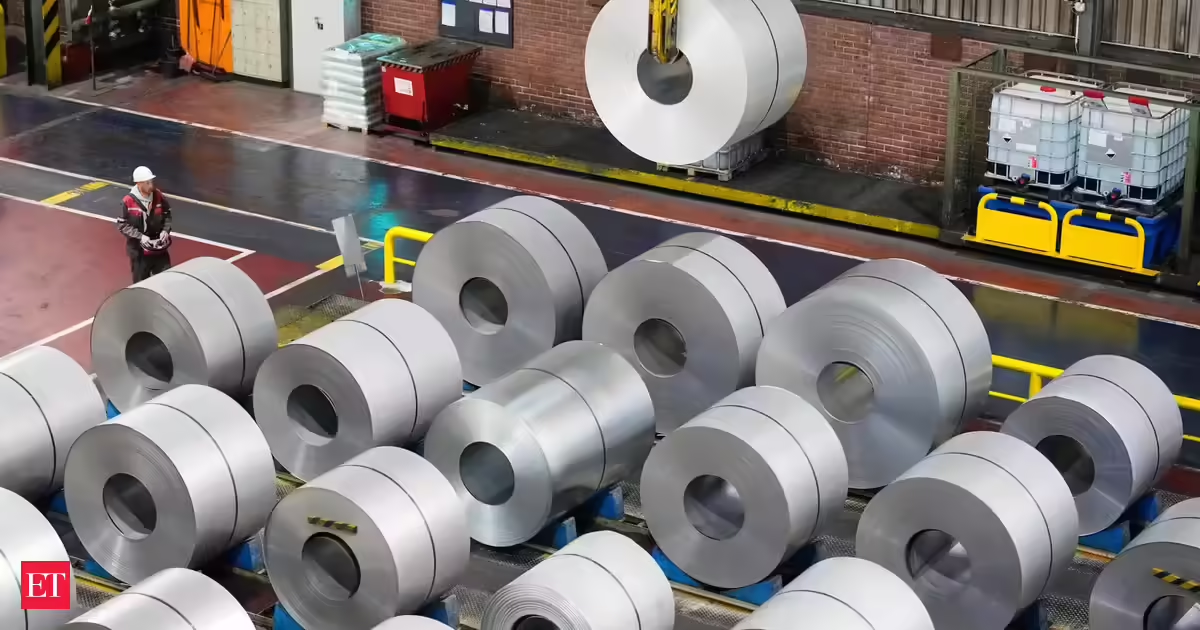
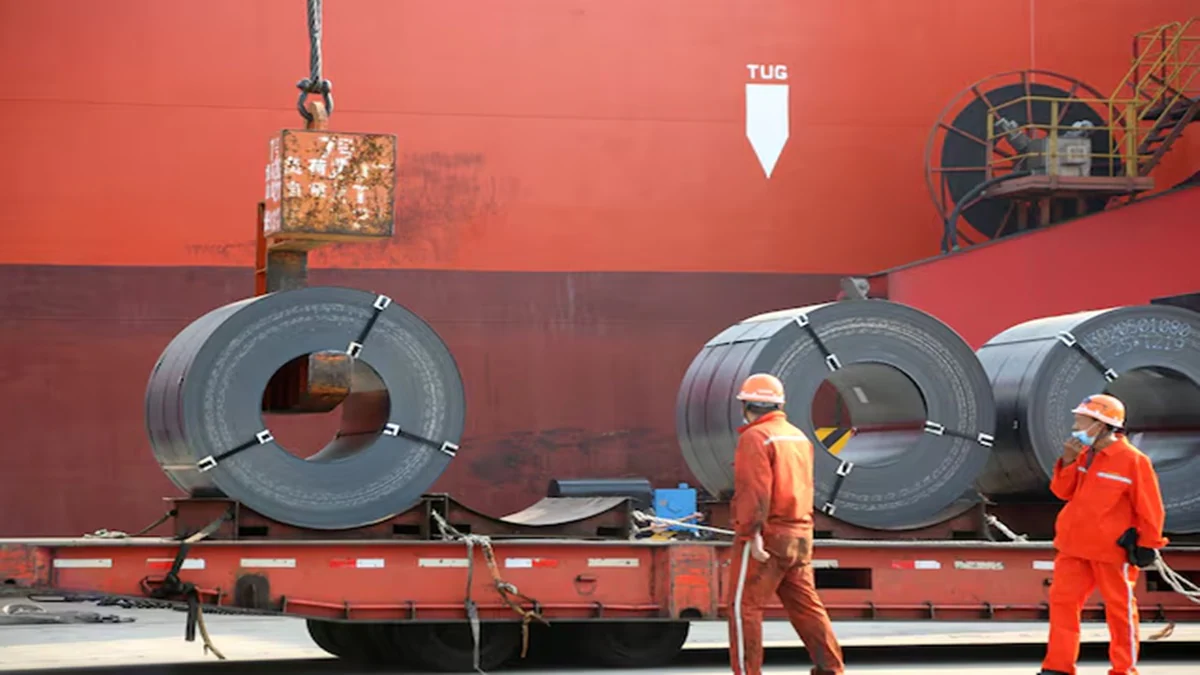
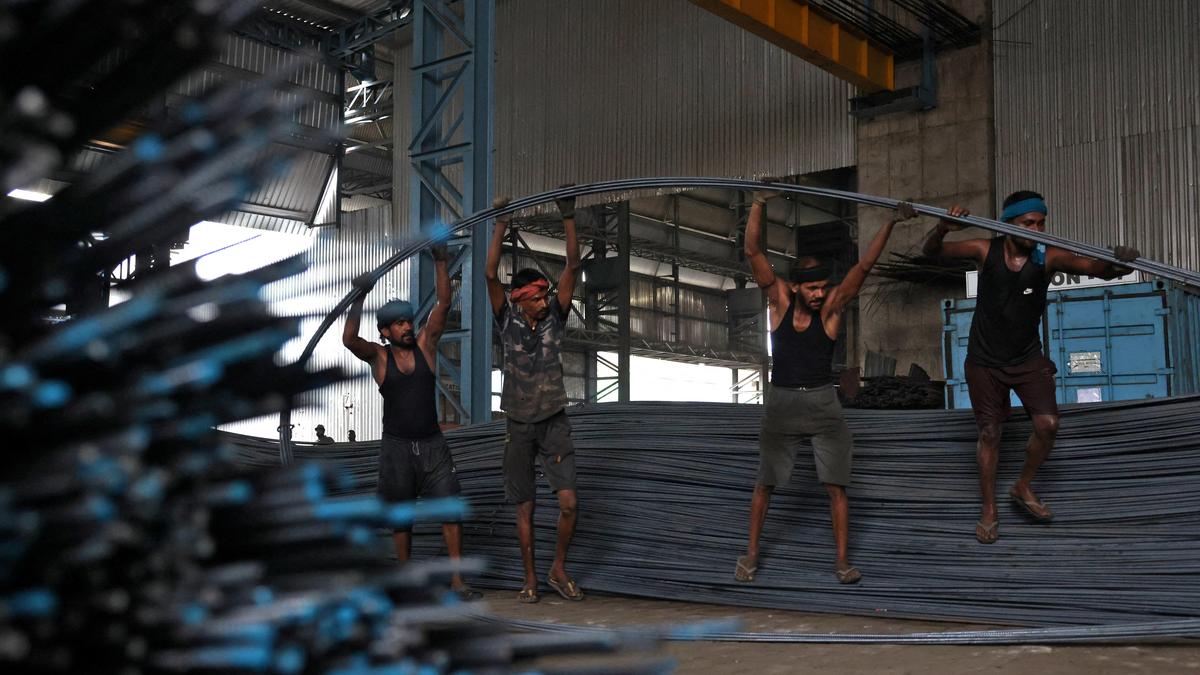
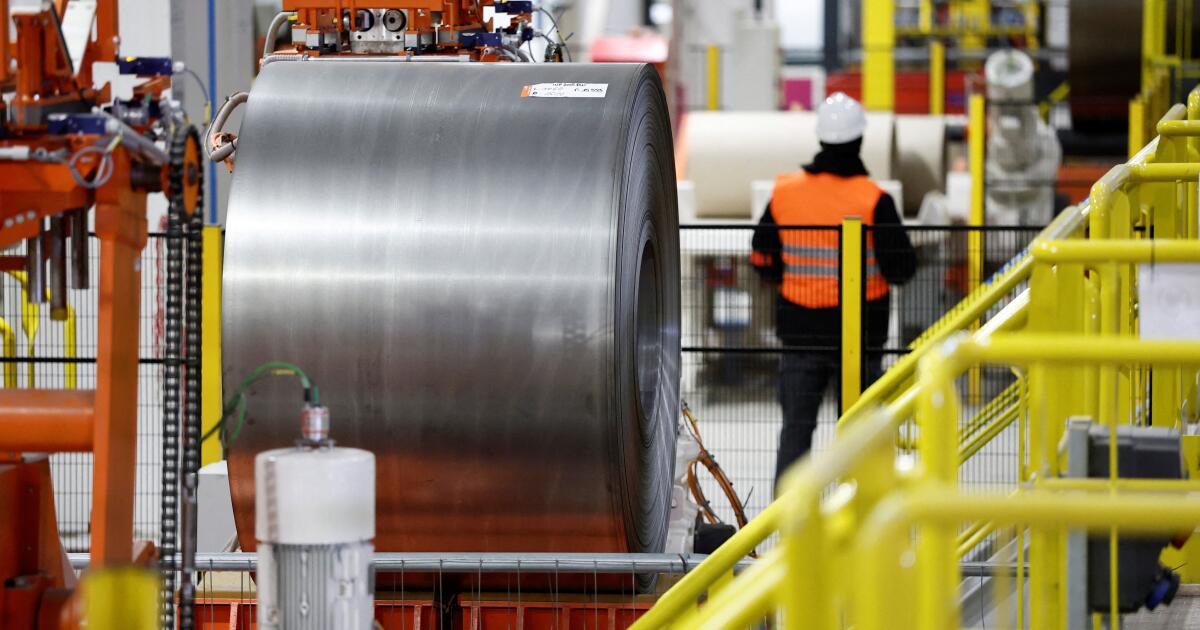
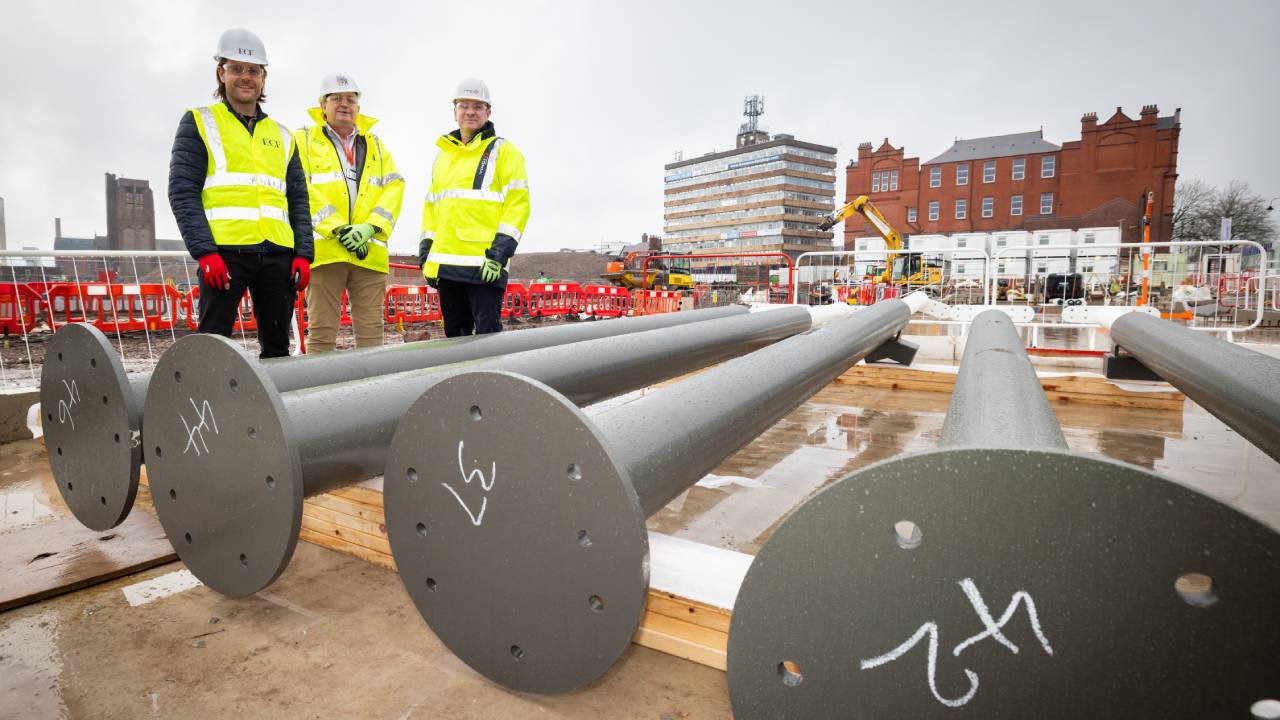
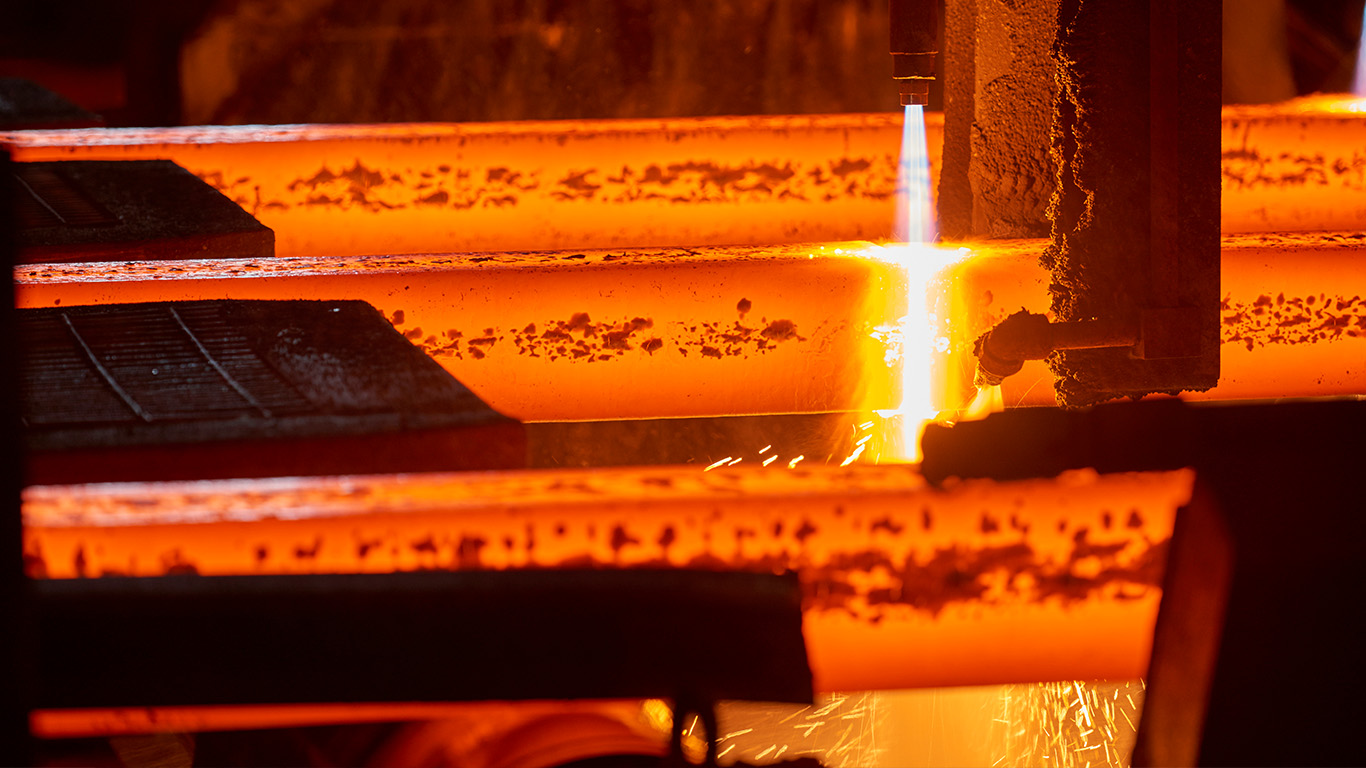
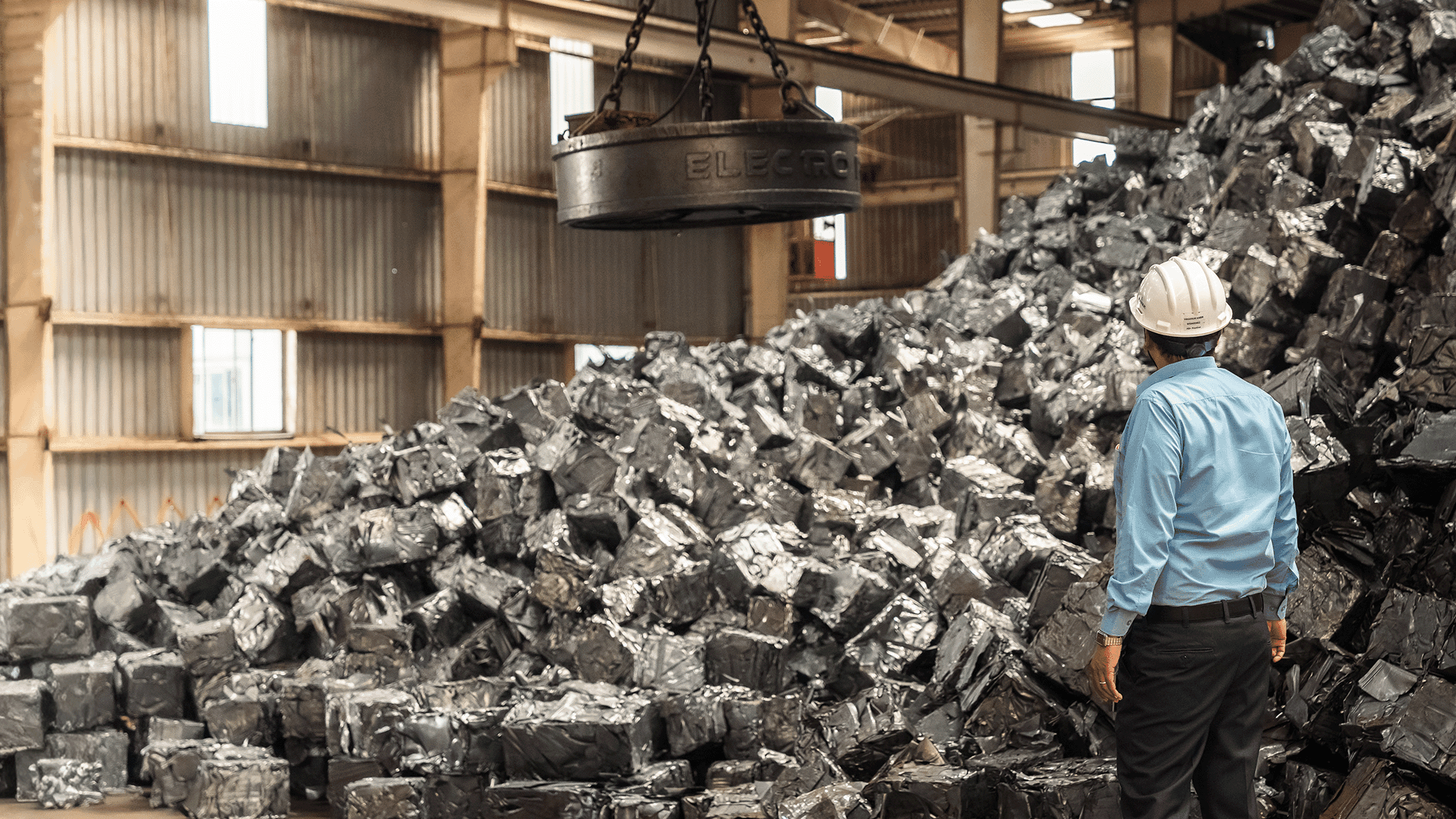
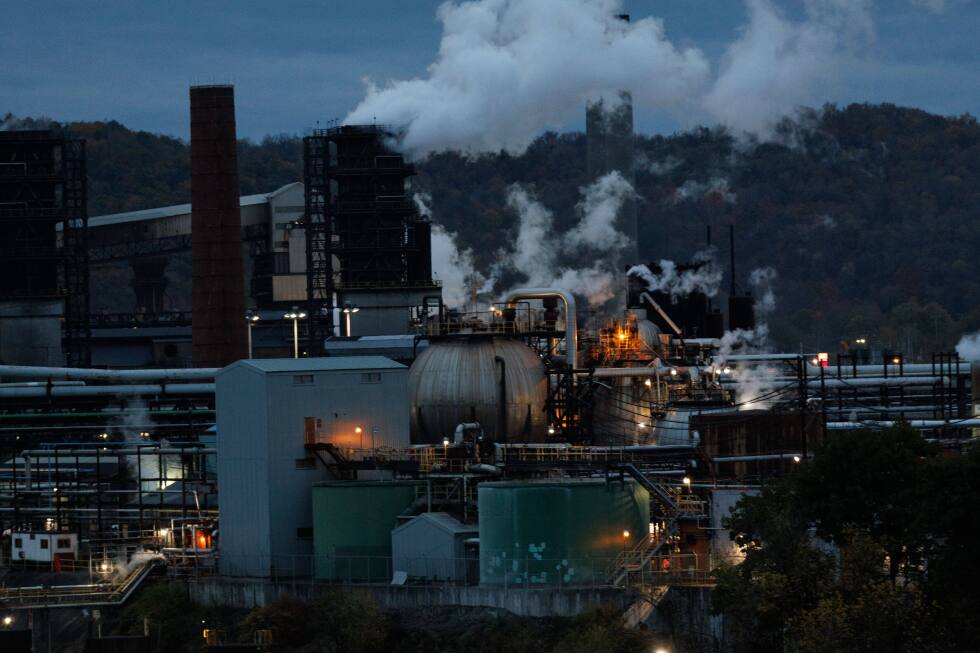
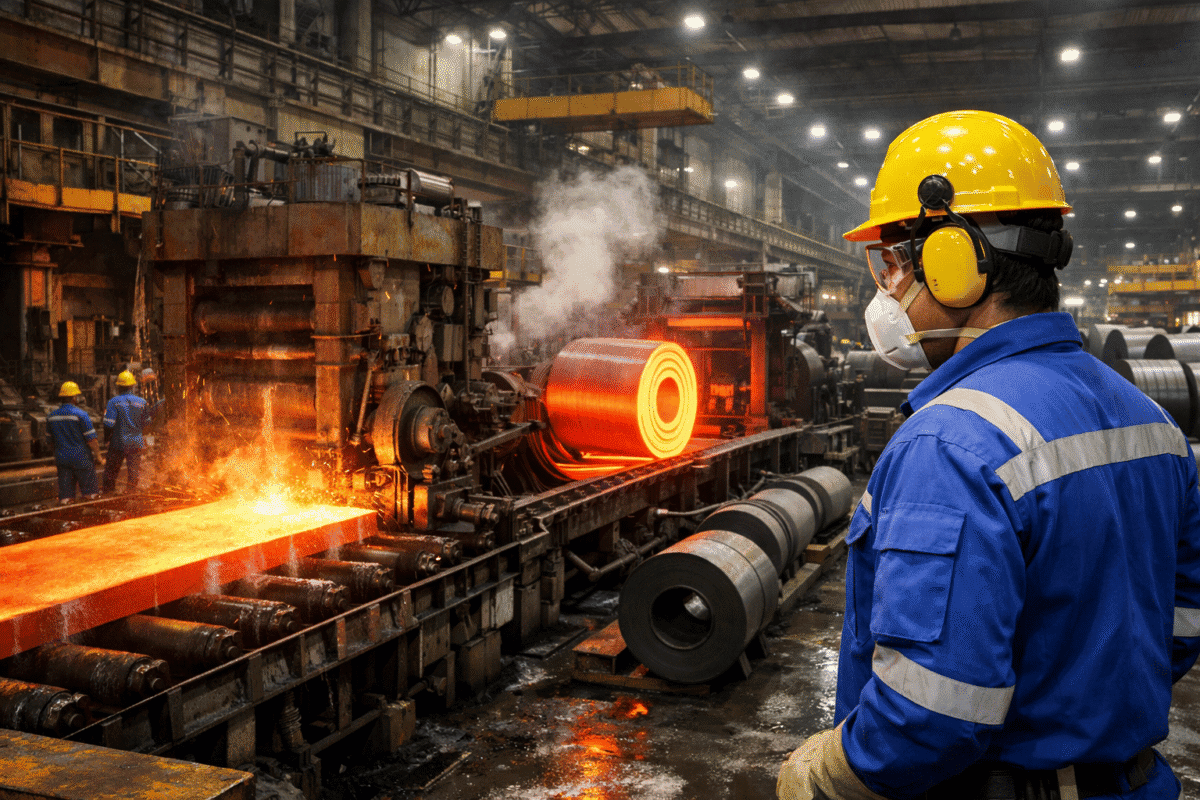
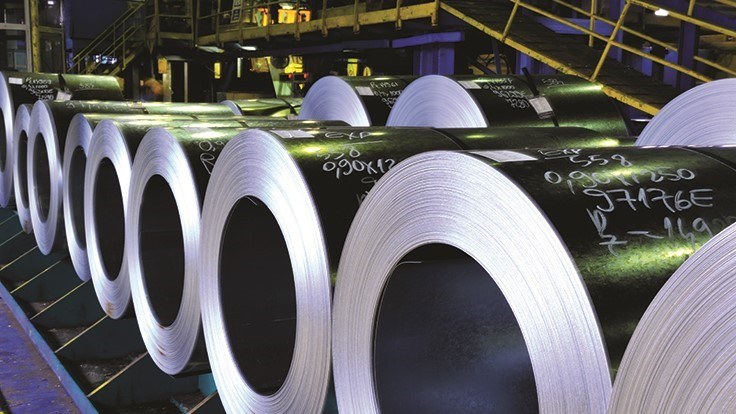
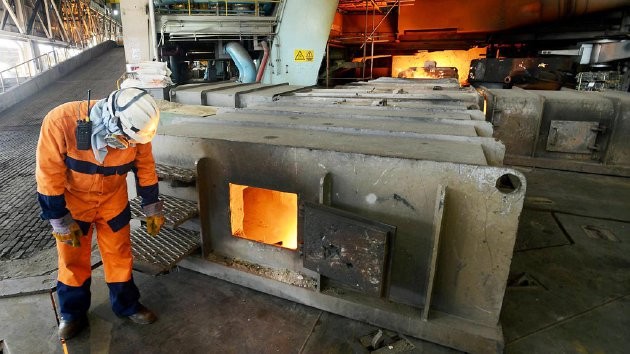
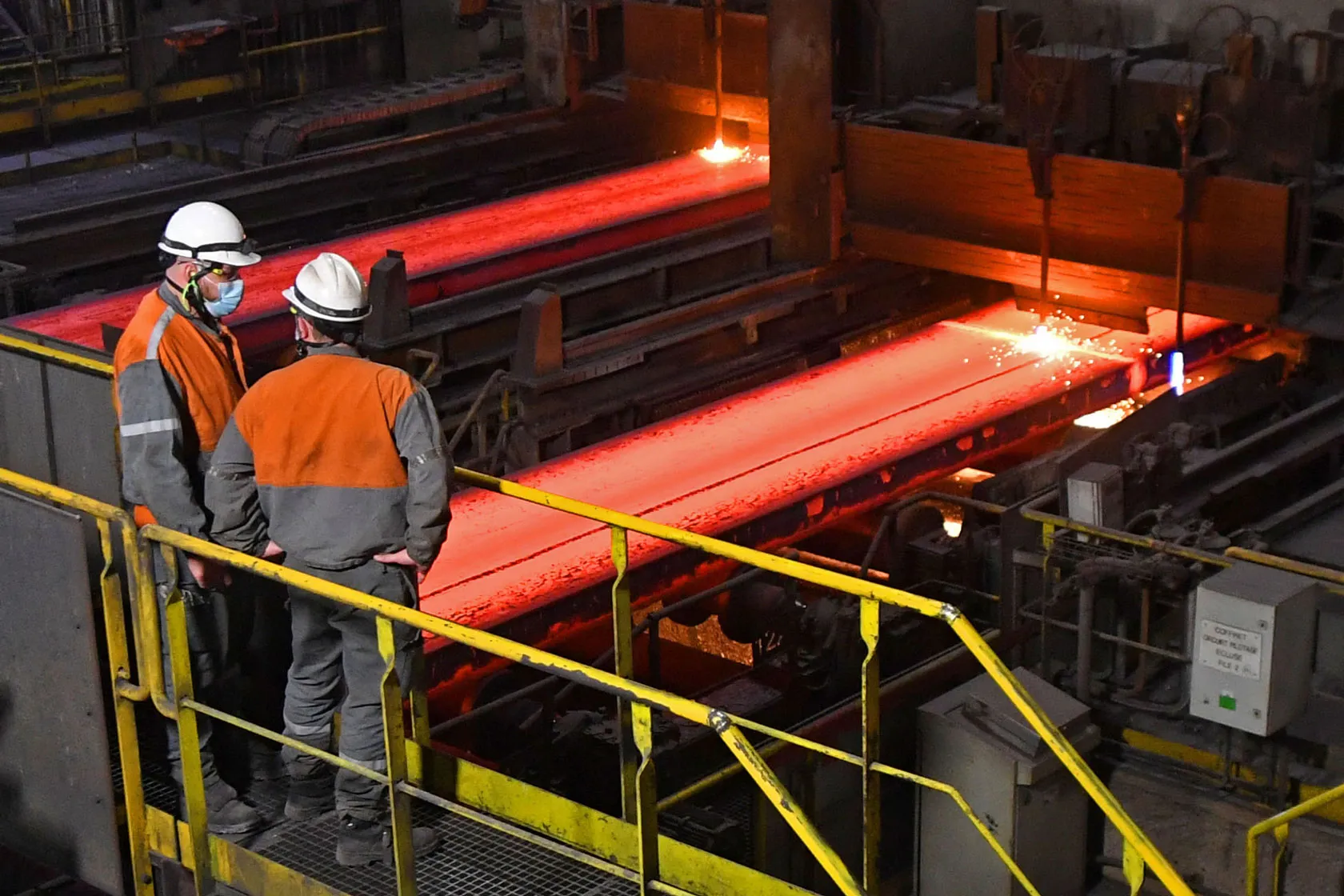
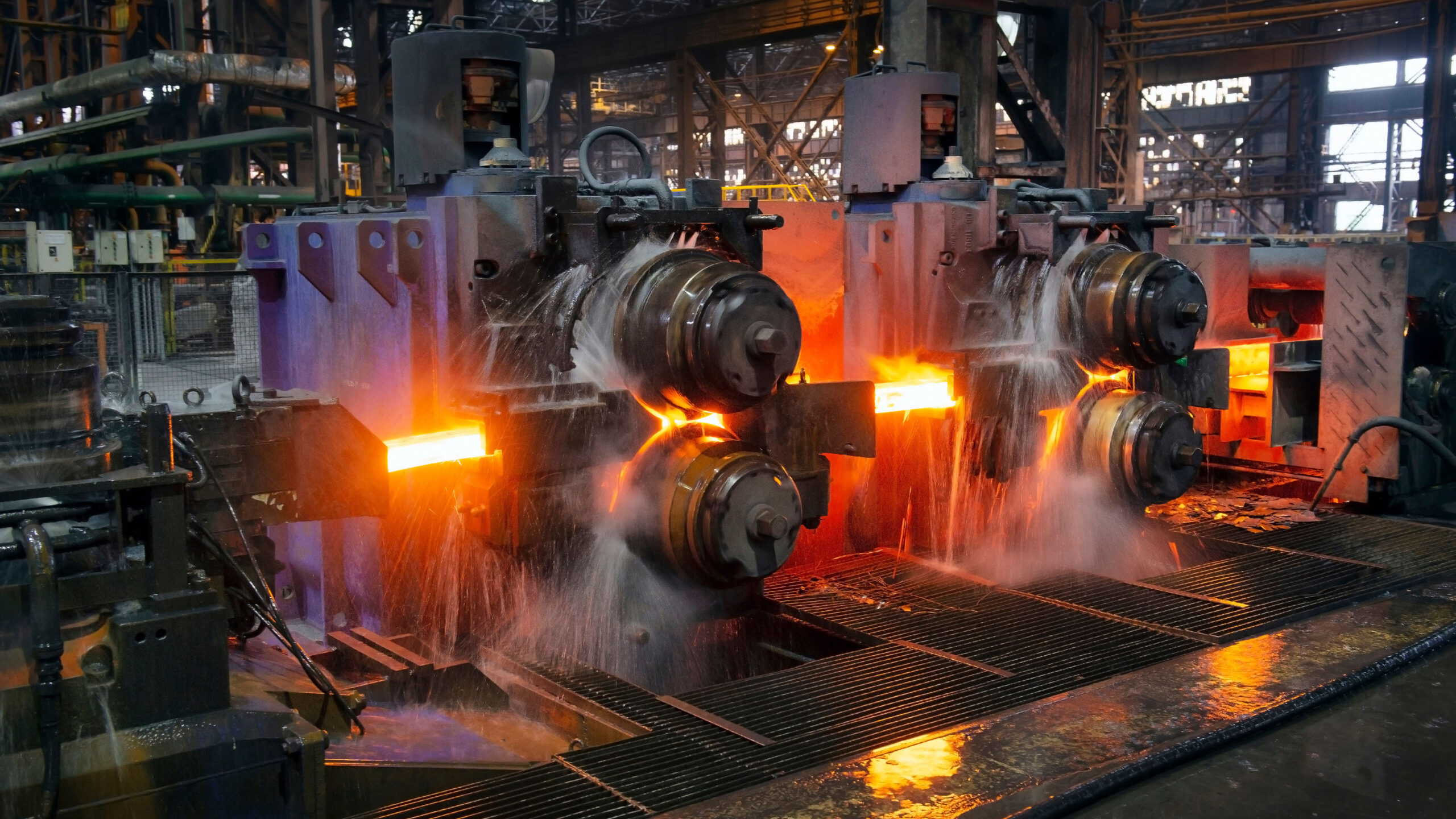
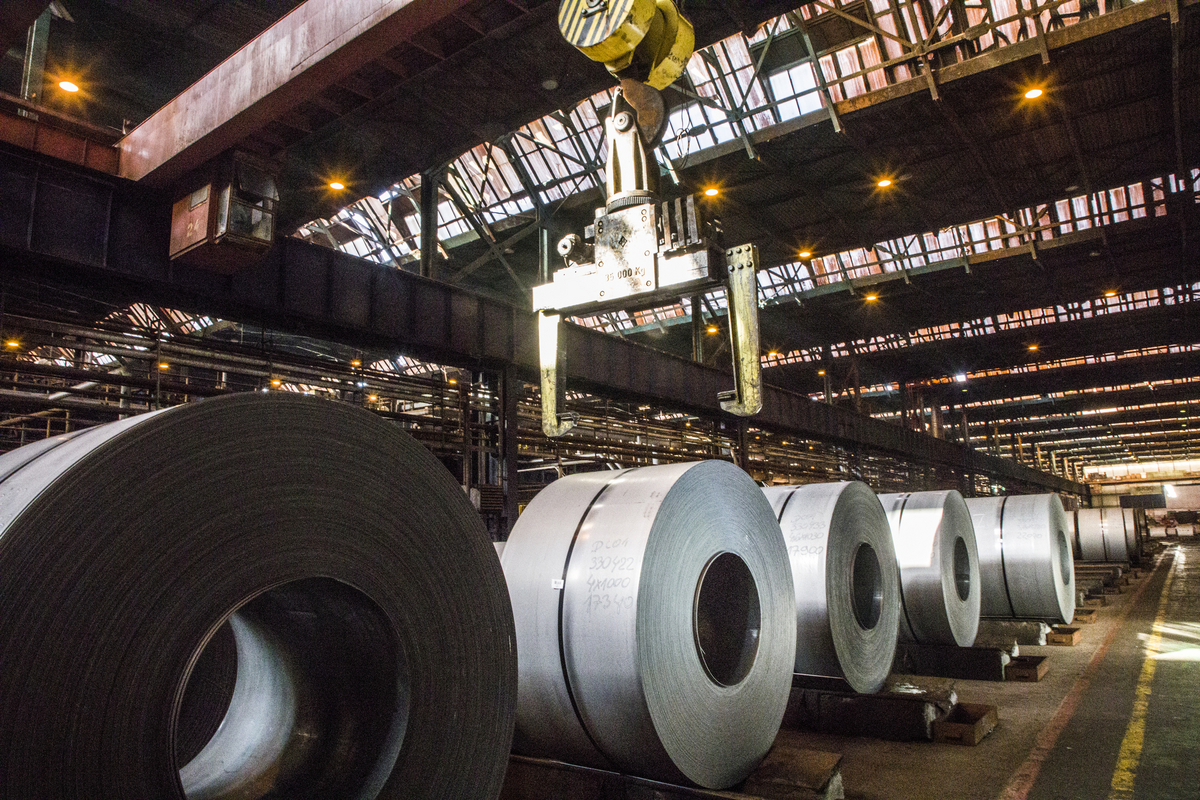
“ArcelorMittal, a Luxembourg-based firm that is the world’s second-largest steel maker, is providing steel for the structure of the ballroom project,” The New York Times reported this week. The steel has been “donated” to the project, and the exact value of that contribution remains uncertain—but Trump boasted last year about having secured a $37 million donation of steel for the project.
Yes, it is obviously hilarious that an administration fixated on promoting American manufacturing and committed to raising barriers to imports is going to use foreign steel for the president’s most notable vanity project.
The really interesting part of this story, however, is more complex—and more illustrative of the problems with the Trump administration’s trade policies.
In October, the Trump administration issued an exemption that would reduce tariffs on steel imported for the purpose of building cars and trucks. As the Times notes, that exemption seems to benefit ArcelorMittal, which runs a plant in Canada that supplies steel to American-based automakers. The special loophole was announced just a few days after Trump hosted an event at the White House to raise funds for the ballroom project.
The timing of all that could be a mere coincidence. The Trump administration, of course, denies that the exemption had anything to do with the donated steel for the ballroom.
Still, there’s no doubt that the Trump administration’s tariff regime has created a surge of influence peddling. A record amount of money was spent on lobbying in Washington, D.C., last year, according to public disclosures. Much of that spending was directly tied to the president’s trade policies: More than 800 companies hired new lobbyists to lobby on trade or tariffs in 2025—double the previous record set in 2019, during Trump’s first term trade war. Tim Carney, senior columnist at the Washington Examiner, called this “the new golden age of lobbying.”
If ArcelorMittal got a special deal by donating to the White House ballroom project, it wouldn’t be the first company to get special treatment from the Trump administration by flattering the president. Apple got special tariff exemptions after giving Trump expensive gifts. Trump rolled back high tariffs on imports from Switzerland after a diplomatic delegation handed over a literal gold bar and a fancy watch.
For tariff skeptics, all of this simply reinforces the belief that tariffs contribute to political corruption. Any time government has greater control over commerce, there is an increased incentive to buy off officials or seek special treatment.
For those who believe tariffs are an effective way to promote American steel manufacturing, this is a trickier situation. At some point, don’t you have to wonder how these policies can actually work if a foreign manufacturer can so easily bribe its way around the tariff regime?
Trump’s supporters would no doubt see this “donation” of steel as proof of the president’s deal-making prowess. He raised tariffs, then used those tariffs as leverage to extract this gift of free steel for the White House’s expansion. Success!
But Trump’s trade policies were premised on the idea that protectionism would benefit blue-collar workers and the economy as a whole. Leveraging tariffs to save taxpayers some money on the White House ballroom project is fine, but it falls well short of the sweeping economic overhaul that Trump and his allies promised. You know, the “golden age” that was supposed to produce a boom in manufacturing and a flurry of new trade deals—few of which have actually materialized.
The gap between those promises and this reality is quite stark. Tariffs do create leverage, as Trump has long argued. But it seems like that leverage is being used to facilitate influence peddling rather than securing trade deals or accomplishing other outcomes that might boost the economy.