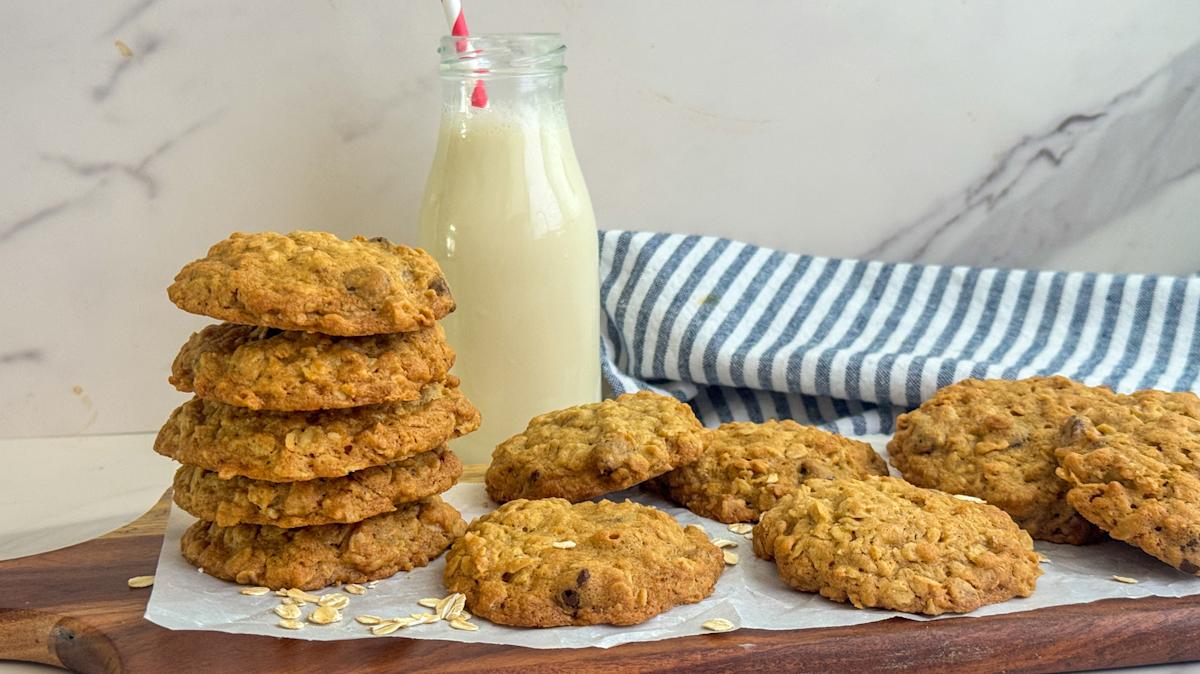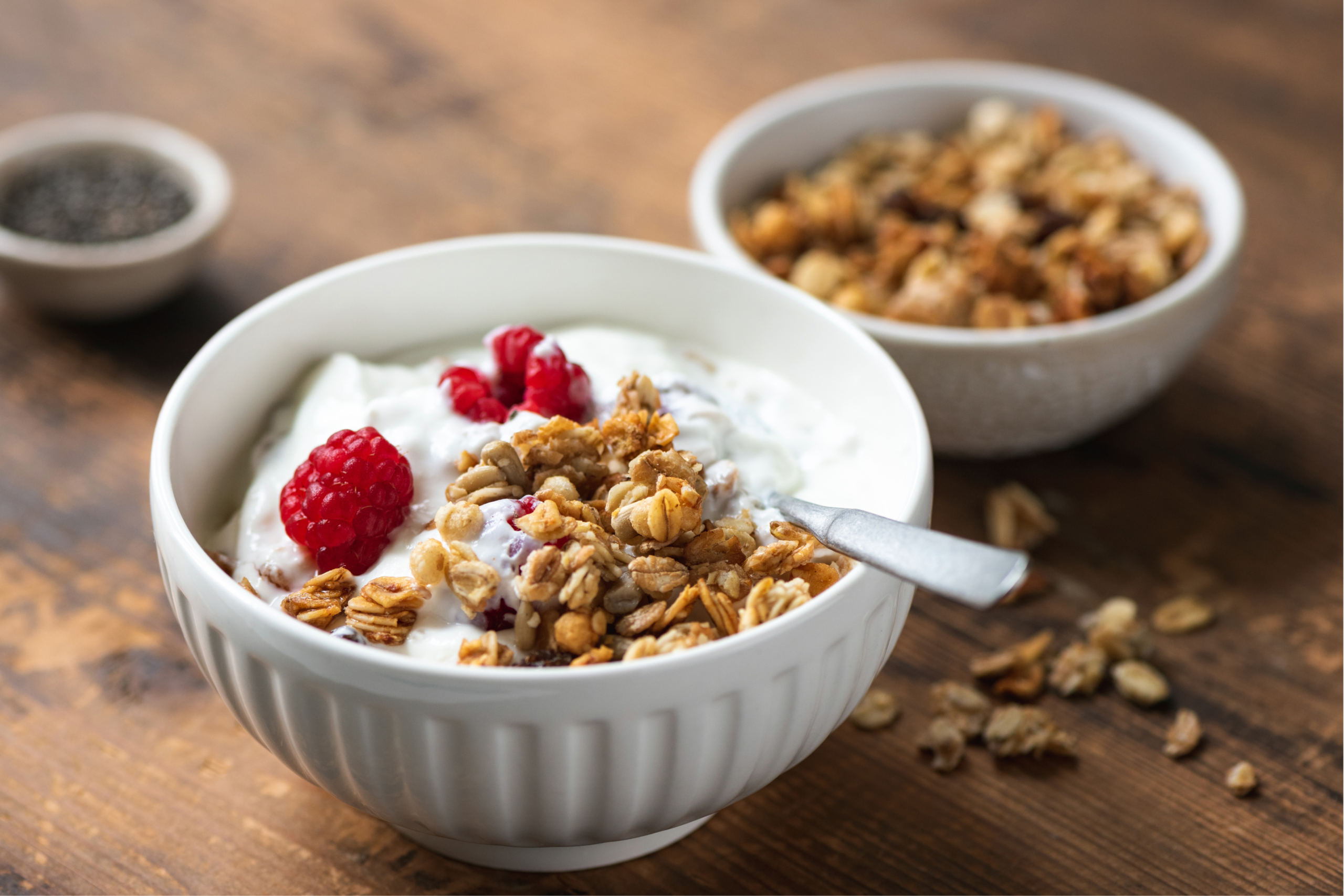
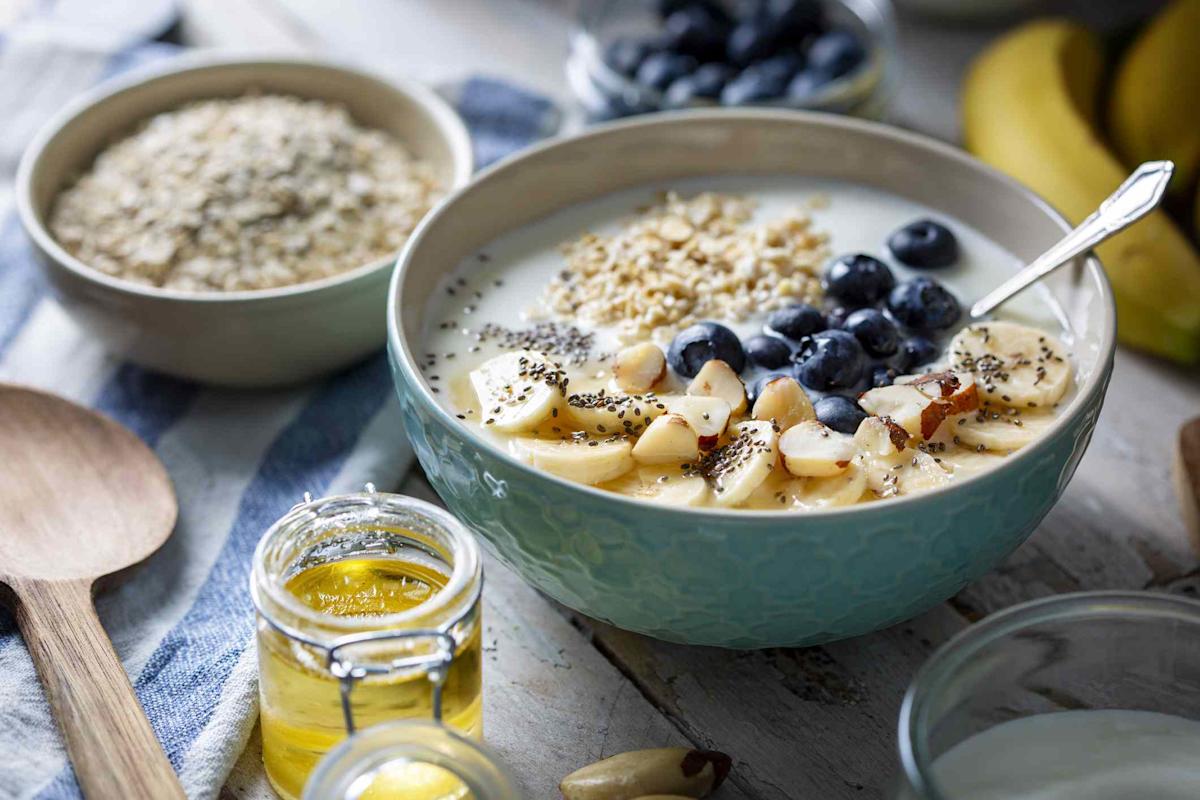

Oatmeal is a good source of fiber, which can help support stable blood sugar.
Credit: ollo / Getty Images
-
Less processed oats, like steel-cut oats, digest more slowly, causing smaller blood-sugar spikes than instant oats.
-
Toppings and portion sizes greatly influence oatmeal’s impact on blood sugar.
-
To make oatmeal more blood-sugar-friendly, choose minimally processed oats and add protein, healthy fats, and fiber while limiting added sugars.
Starting your day with a bowl of oatmeal can be a healthy choice, but how it affects your blood sugar depends on the type of oats you use and what you add to them. Here’s how oatmeal affects blood sugar and how to make it more blood-sugar-friendly.
Minimally Processed Oats Are Better for Blood Sugar
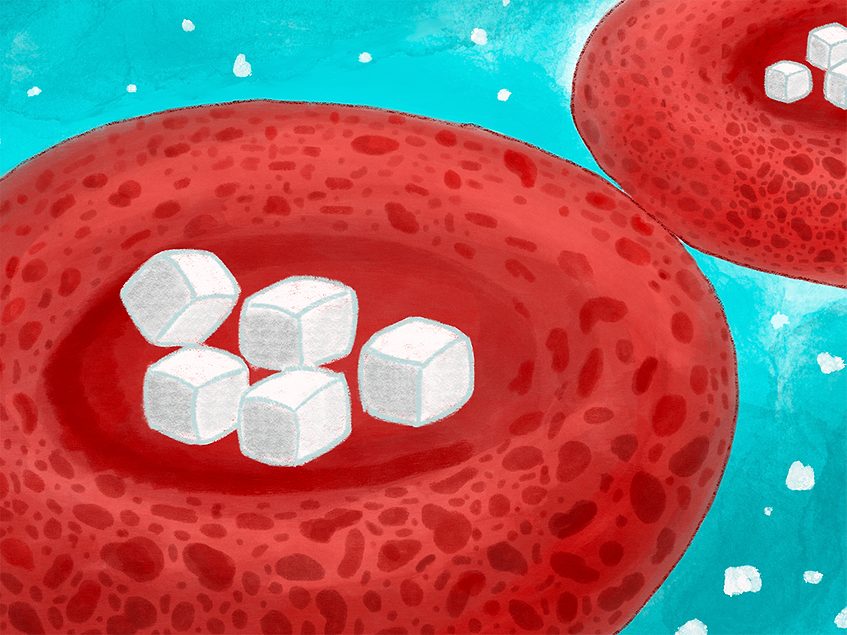
Oatmeal is high in carbohydrates. As your body digests oats, those carbs are converted into glucose and released into your bloodstream, raising blood sugar levels. However, the extent of that increase varies depending on the type of oatmeal you eat.
“Less processed varieties, like steel-cut oats, are digested slowly, causing a more gradual rise in blood sugar levels,” Rachael Ajmera, MS, RD, dietitian, writer, and founder of Nutrimental, told Health.
Research shows that eating minimally processed oats, like steel-cut oats, leads to a much smaller increase in blood sugar and insulin after a meal compared with more processed oats like rolled or instant oats, which are digested much quicker.
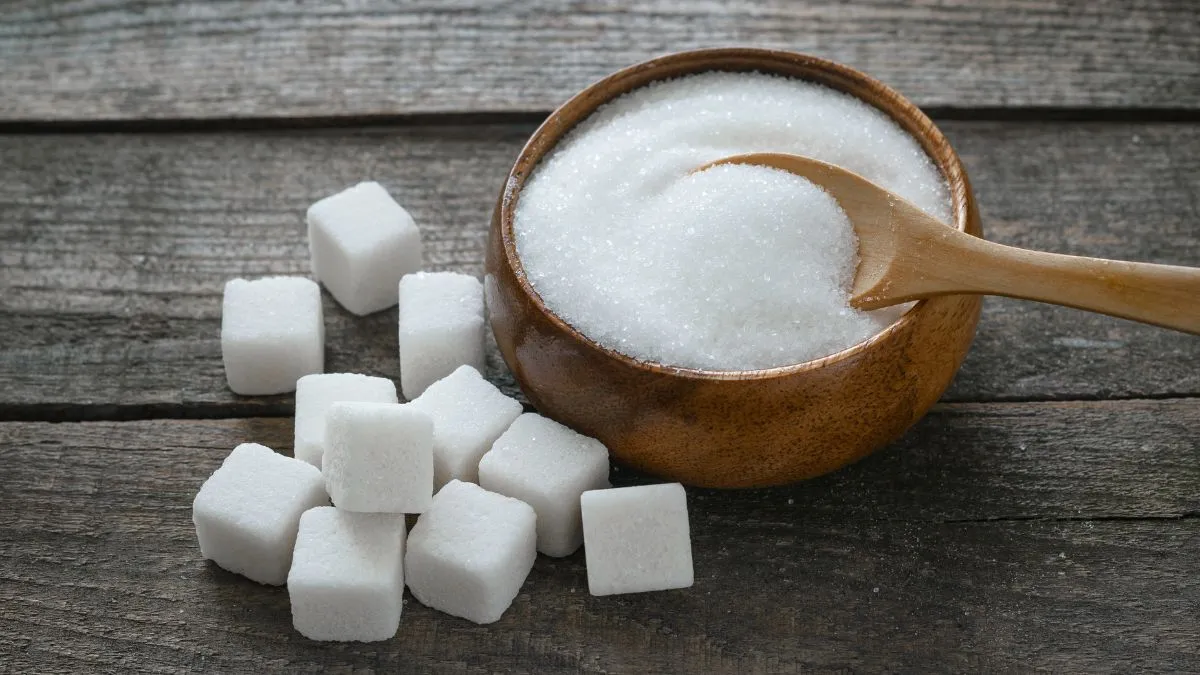
Toppings and mix-ins can also influence how oatmeal affects your blood sugar. Sweeteners like sugar, maple syrup, or jam boost the meal’s overall carb content and add fast-digesting carbohydrates that can lead to a quicker rise in blood sugar.
Oatmeal’s Glycemic Index
The glycemic index (GI) is a scoring system that ranks carbohydrate-containing foods on a scale of 0–100 based on how quickly they increase blood sugar. Foods scoring 70 or above are considered high-GI and have a greater impact on blood sugar, while low-GI foods (55 or below) lead to a slower, more modest rise.
Here’s how common oat varieties rank when it comes to glycemic index (GI):
-
Rolled oats: 56, Moderate
When it comes to blood sugar control, oats with a lower GI, like steel-cut oats, are the best option.
Oatmeal Nutrition
Here’s how a 40-gram serving of common oat types compare nutritionally:
|
|
Steel-cut oats |
Rolled oats |
Maple and brown sugar instant oats |
|
Calories |
150 |
150 |
166 |
|
Protein |
5 grams (g) |
5 g |
3.98 g |
|
Carbs |
27 g |
27 g |
33 g |
|
Fiber |
4 g |
4 g |
3.1 g |
|
Fat |
2.5 g |
2.5 g |
3 g |
The nutritional differences between steel-cut and rolled oats are minimal. However, due to processing, steel-cut oats take longer for the body to digest, which is better for blood sugar control.
Instant oats are often higher in calories and carbs and lower in protein and fiber, making them a less healthy choice.
Can You Eat Oatmeal With Diabetes?
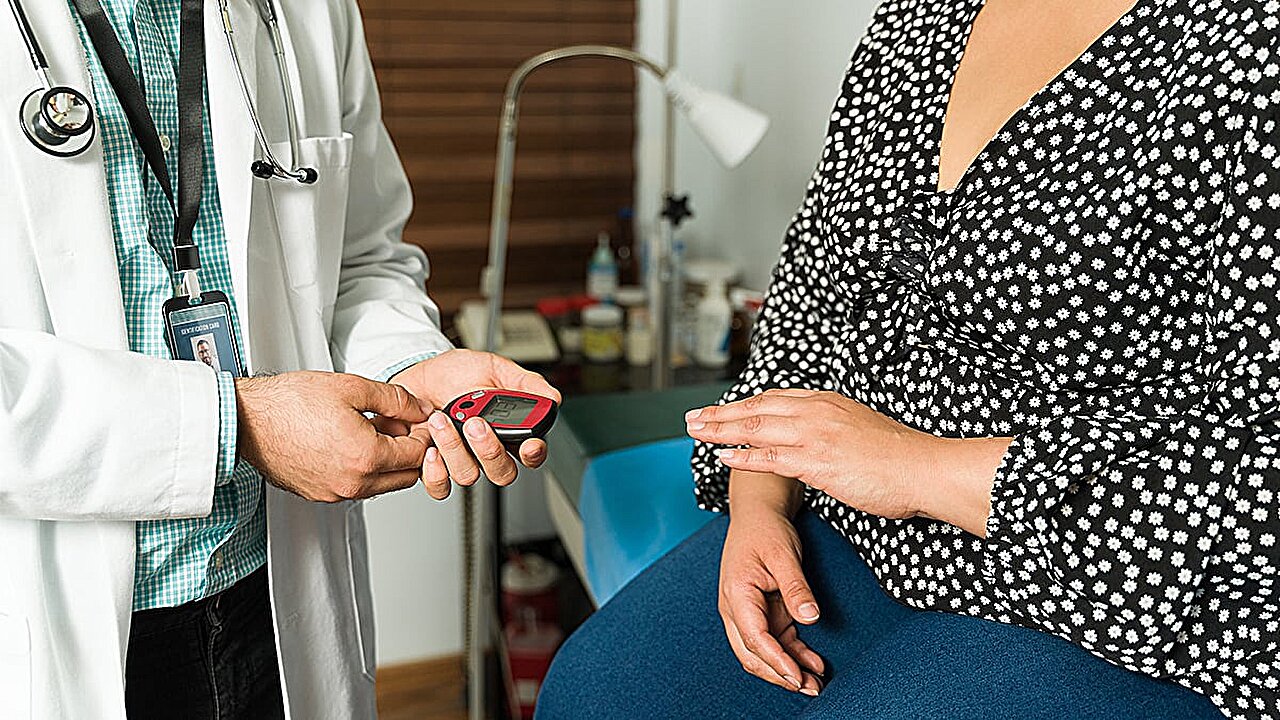
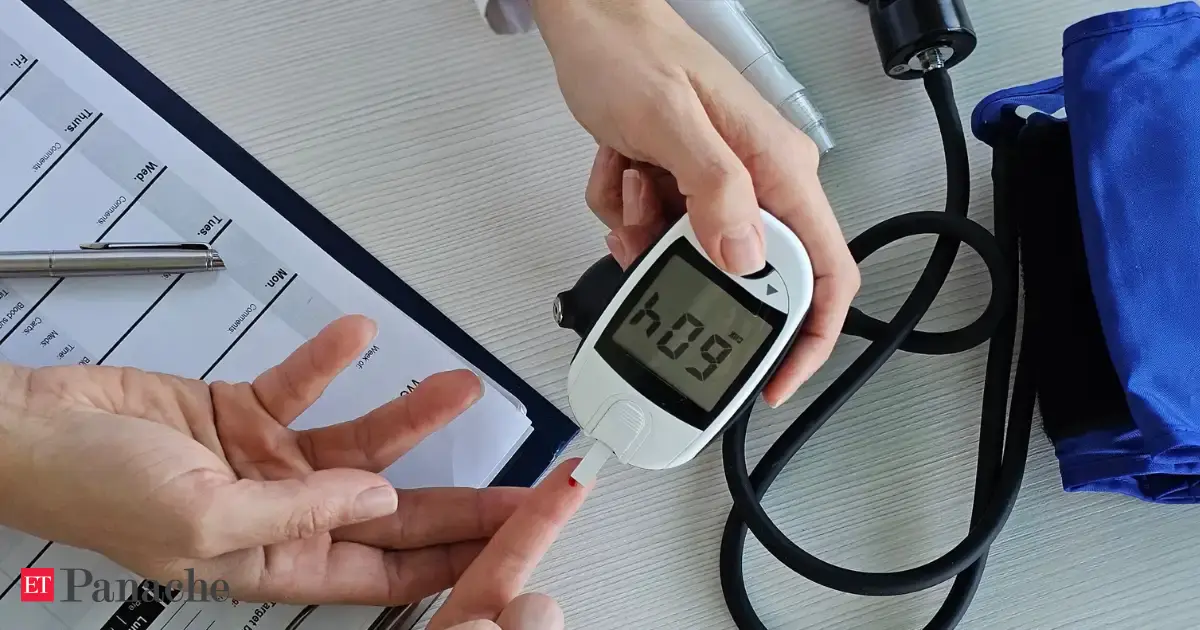
If you have diabetes, you’ve probably heard that you should limit your intake of carbs, especially processed carbs like instant oats. However, you don’t have to give up nutritious carb sources completely.
“The less processed oatmeals, such as steel-cut, can reduce your post-meal blood glucose and your insulin response,” Stacy Heimburger, MD, board-certified internist, lifestyle medicine physician, and founder of SugarFreeMD, told Health. This is because these oat types take longer for your body to break down, resulting in a slower, steadier rise in blood sugar.
Oats are also rich in beta-glucan, a soluble fiber that helps support steady blood sugar by slowing how quickly glucose enters the bloodstream, leading to a more gradual rise in blood sugar after eating.
It’s also important to pay attention to your toppings and portion sizes. Even a nutritious base like oatmeal can work against you if you’re not mindful about how much you serve and what you mix in.
Tips to Make Oatmeal More Blood-Sugar Friendly
-
Choose steel-cut or old-fashioned rolled oats over instant: When possible, choose less processed oats that digest more slowly and produce gentler blood sugar rises.
-
Be mindful of portion sizes: To keep carbs and calories under control, aim for about ½ cup uncooked oatmeal (1 cup cooked).
-
Skip sugar-loaded toppings: Ajmera suggested skipping large amounts of syrup, brown sugar, or sweetened dried fruit, and instead enhancing flavor with cinnamon, vanilla, or fresh fruit.
-
Read labels: If you’re shopping for instant oatmeal packs, choose unsweetened oatmeal or those with low added sugar, ideally less than 4 grams (1 teaspoon) per serving.
Read the original article on Health