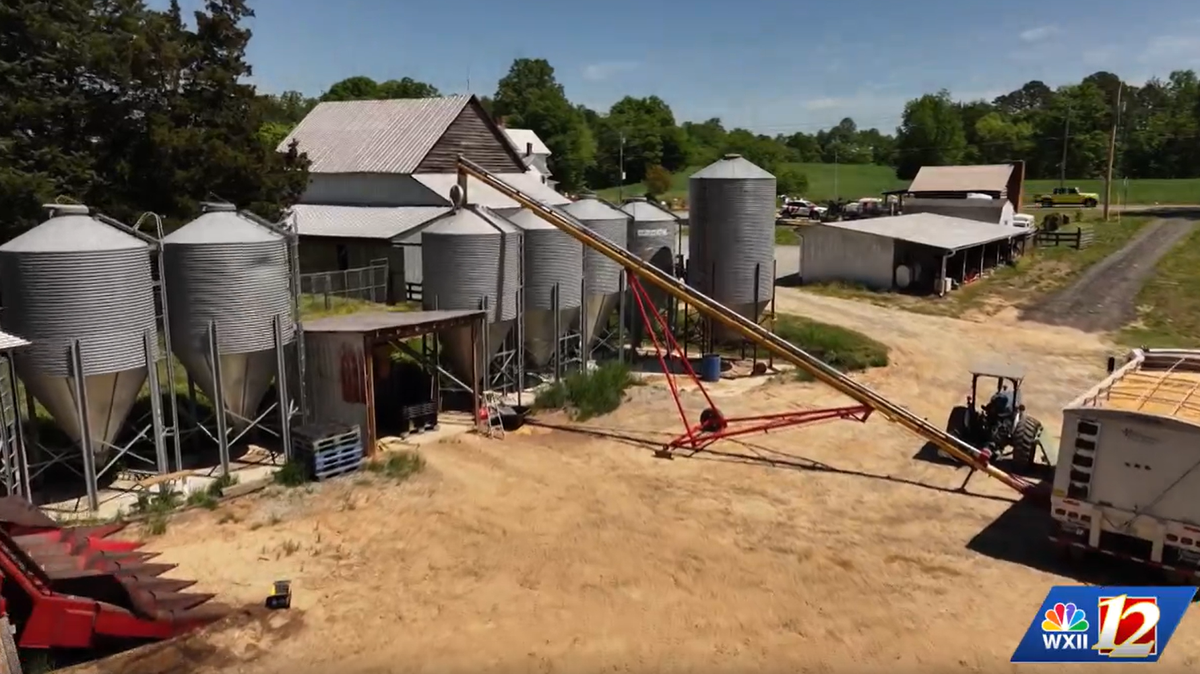
Double S Farm in Davidson County is just one local farm feeling the impacts of the historic drought. North Carolina has received less-than-average rainfall every month since September 2025.The dry conditions across the region are delaying planting for some farmers, like Will Brinkley, a first-generation farmer who runs Double S Farm.”We just need a lot of water. We need a two- or three-day soaking rain to get moisture back in the water table in the ground,” he said.Brinkley, now in his 19th season growing grain crops, said the spring season has been off to a slow start due to very little rain. The hardened topsoil has kept him out of the fields, delaying planting.”We’re not late yet, and we’re not behind, but we’d like to be planting right now as hard as we can go. Just because of the weather, we’ve stopped,” Brinkley said.Brinkley cultivates 300 acres between Clemmons and Welcome, none of which have irrigation systems, making spring showers critical for his crops.”We’ve really been in a drought since last fall. And in October, November somewhere, it got dry,” Brinkley said. “Usually, this time of year, we’re fighting rain showers and trying to get in the field. Now, the lack of rain is keeping us out.”While Brinkley said he is not worried yet, he said the next three weeks will be crucial for the growing season. North Carolina is a corn-deficient state, he said, meaning that on a good year, there isn’t enough corn produced it strains other crop outputs as well.If the drought continues, he said, conditions raise concerns about potential ripple effects on food supply and livestock feed.”If our corn crop is off, or it gets delayed, a lot of that animal feed down the line might be more expensive for feed mills to buy. We might have to truck it in from out of state, or we don’t have the bushels here, so we’d have to get it all from out of state,” Brinkley said. “Farming is a very fickle thing. There’s a lot of moving parts that a lot of people don’t see every day that affect the price of food and the availability of food down the line.”Brinkley said he is not planning to raise prices of his products for now, as much of his stock is from last year. He remains hopeful that the rest of the season will bring rain to ensure a productive harvest through the fall.The Double S Farm feed and grain shop can be found at 17490 Frye Bridge Road, Clemmons. You can learn more about the farm and Brinkley here.
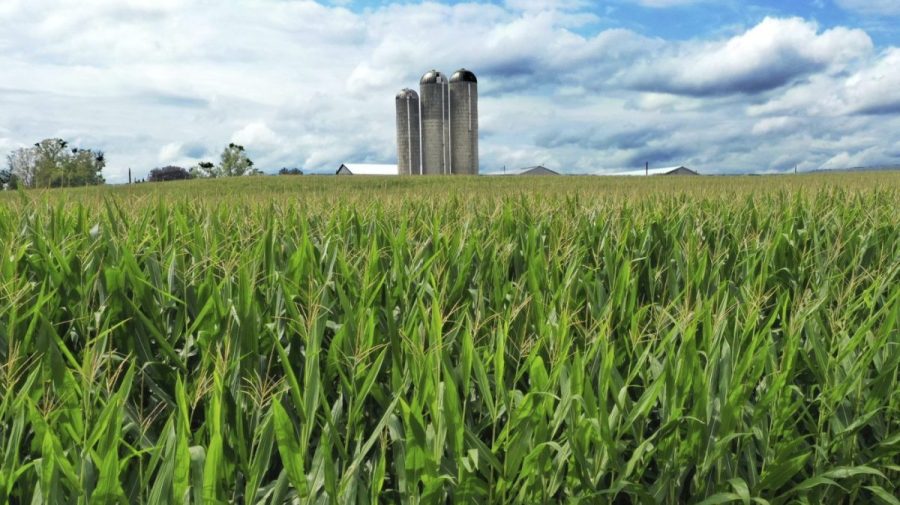
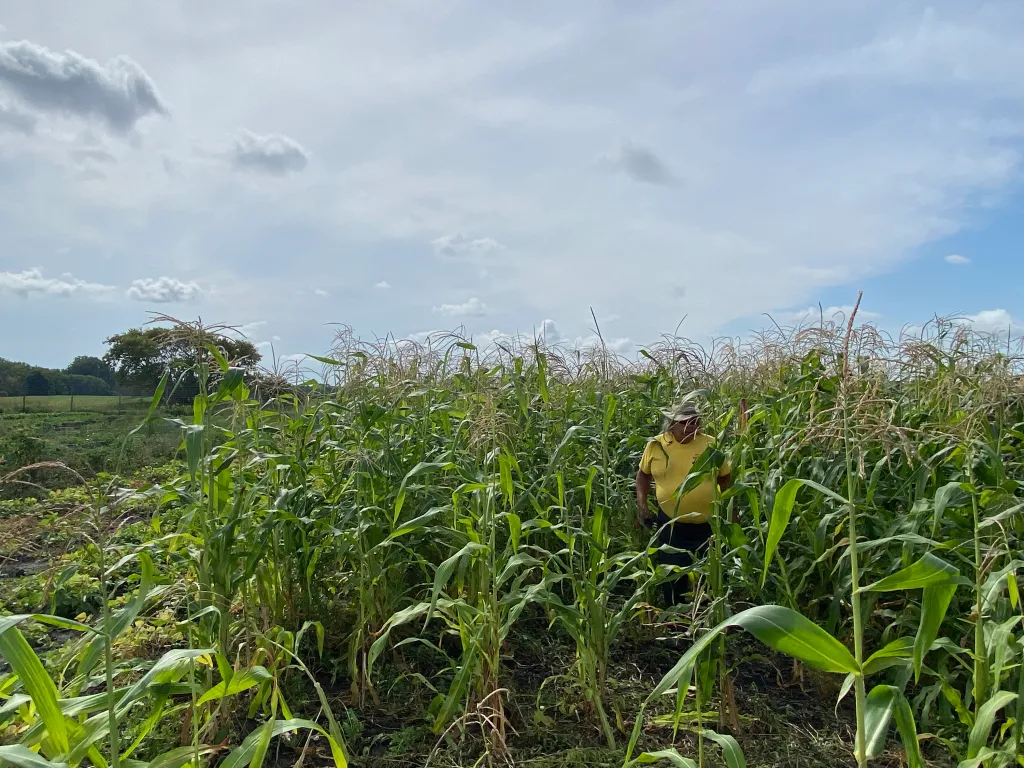
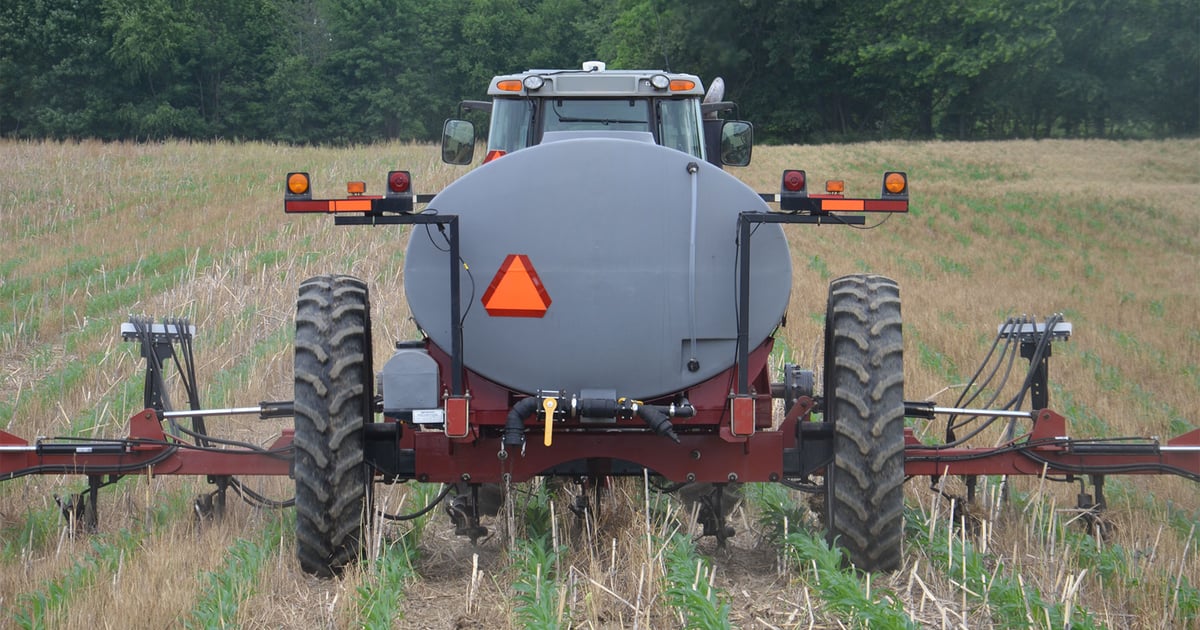
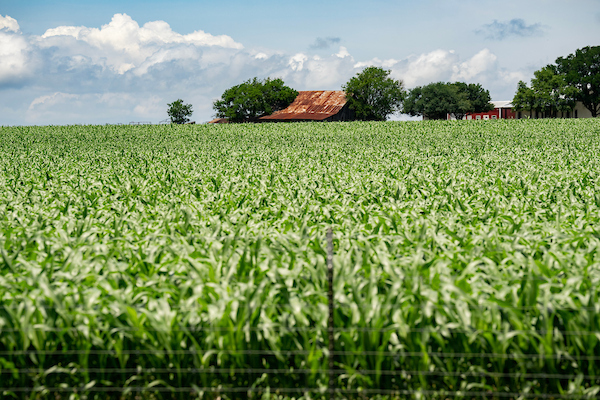
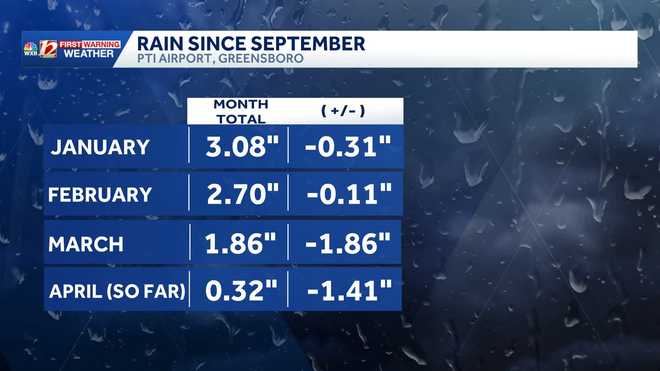
Double S Farm in Davidson County is just one local farm feeling the impacts of the historic drought. North Carolina has received less-than-average rainfall every month since September 2025.
The dry conditions across the region are delaying planting for some farmers, like Will Brinkley, a first-generation farmer who runs Double S Farm.
“We just need a lot of water. We need a two- or three-day soaking rain to get moisture back in the water table in the ground,” he said.
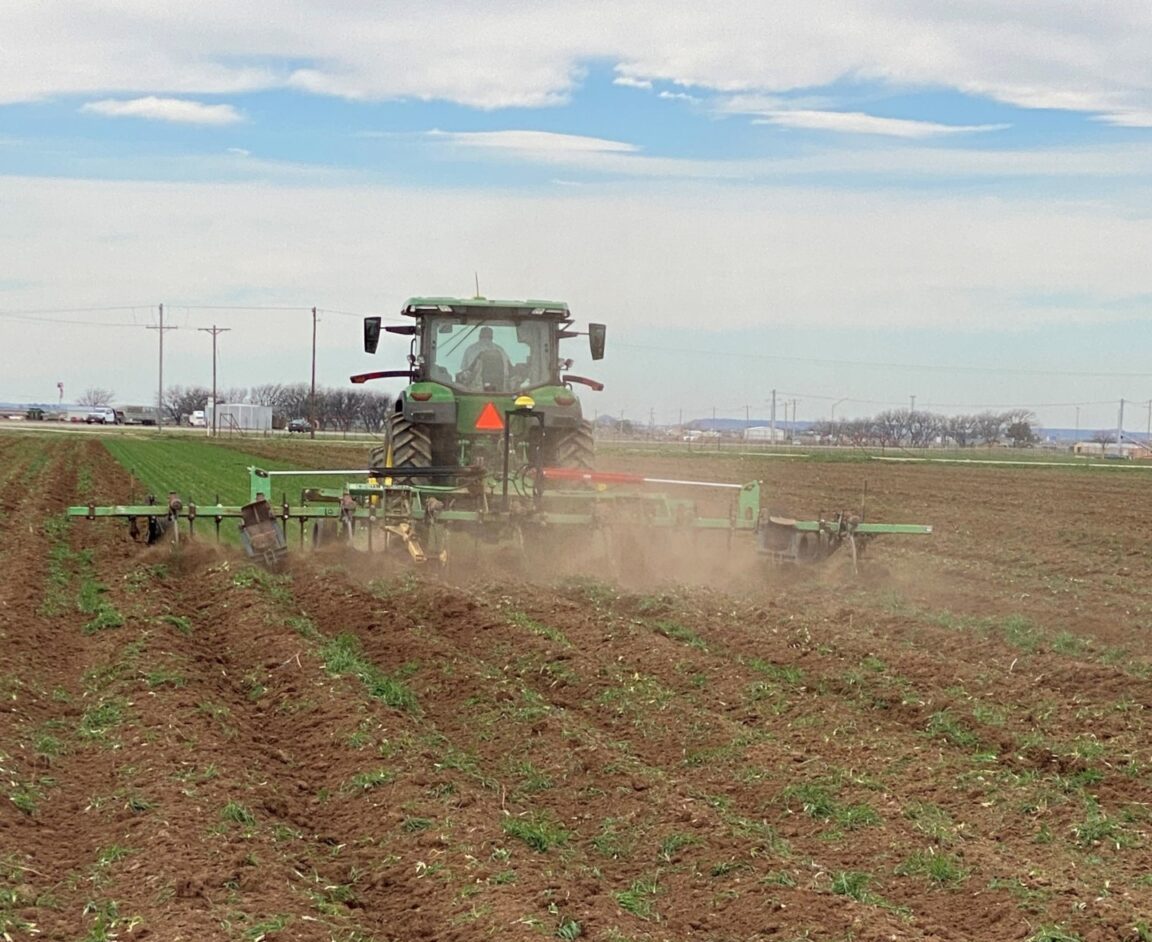
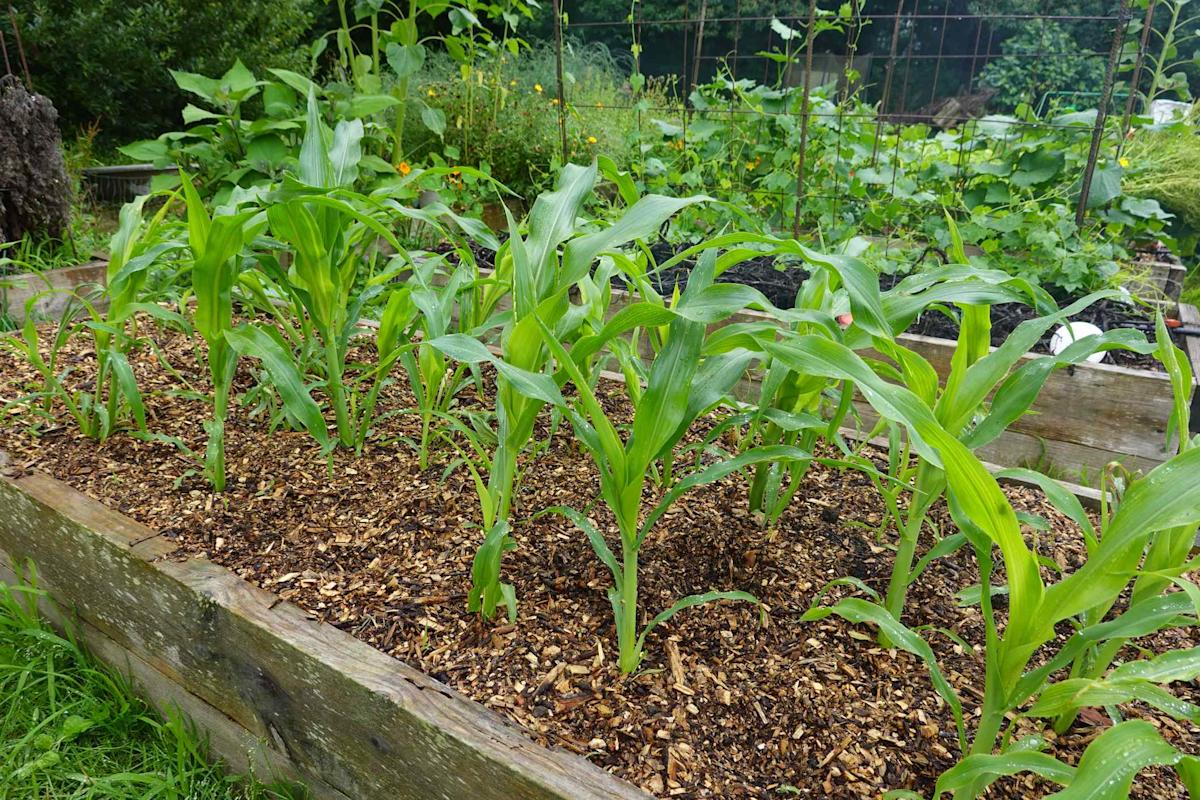
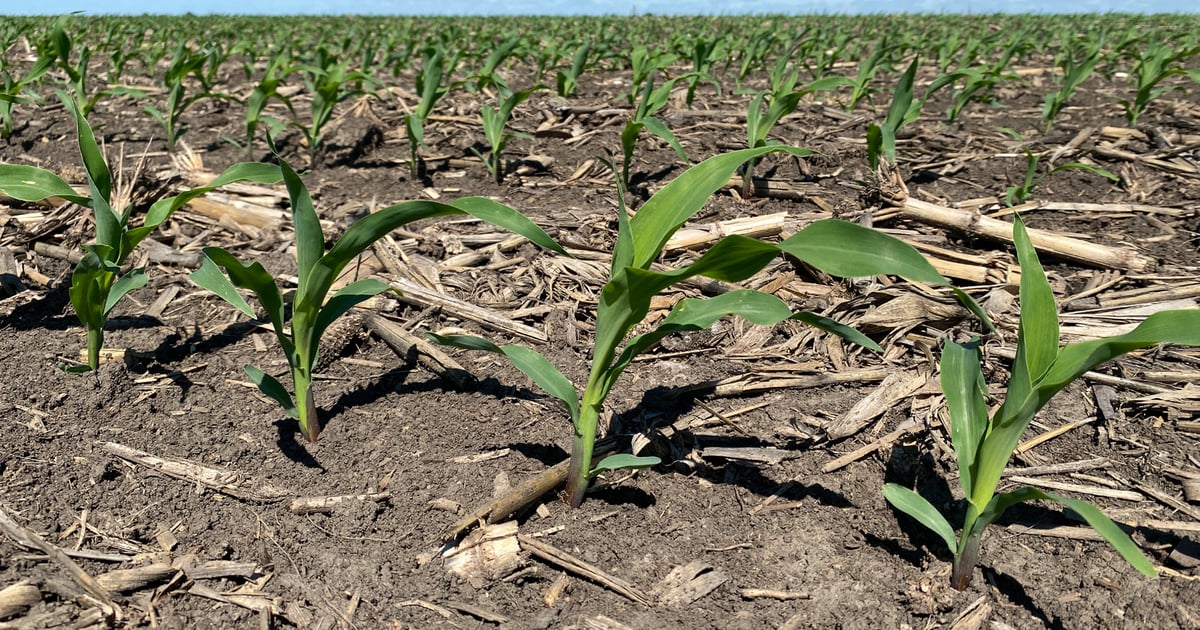
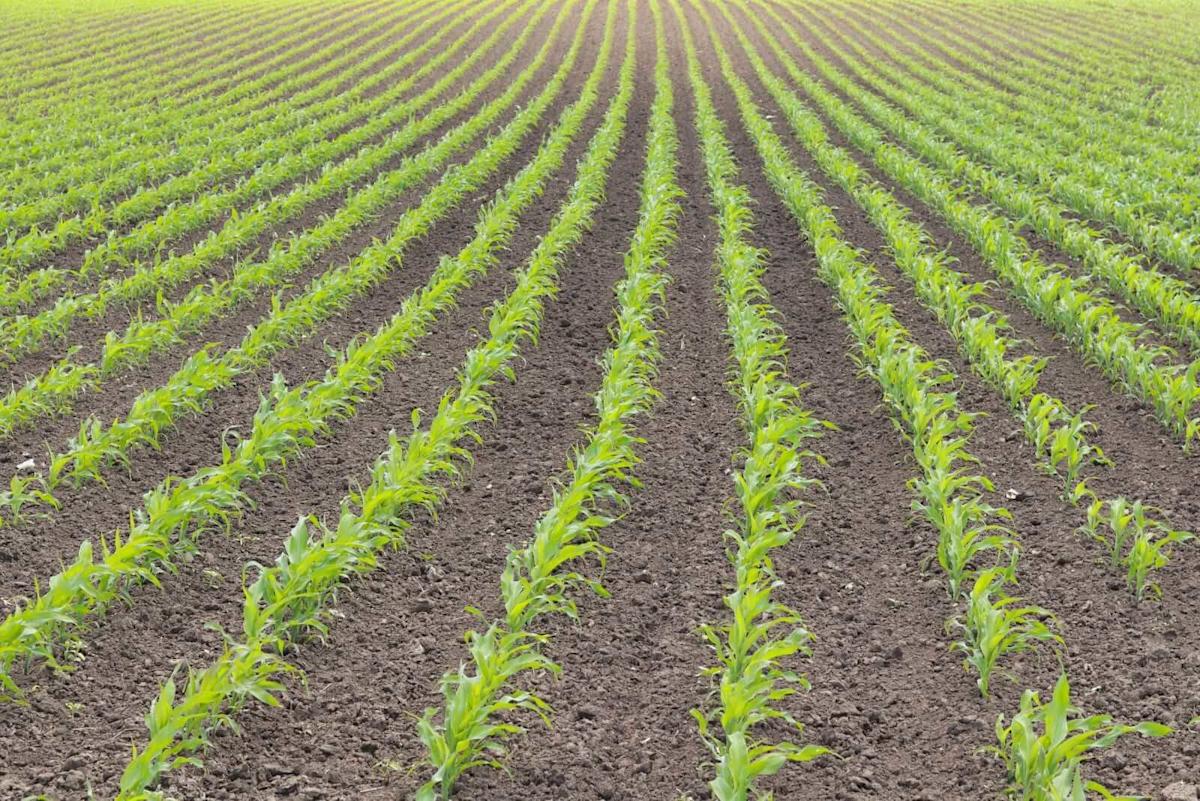
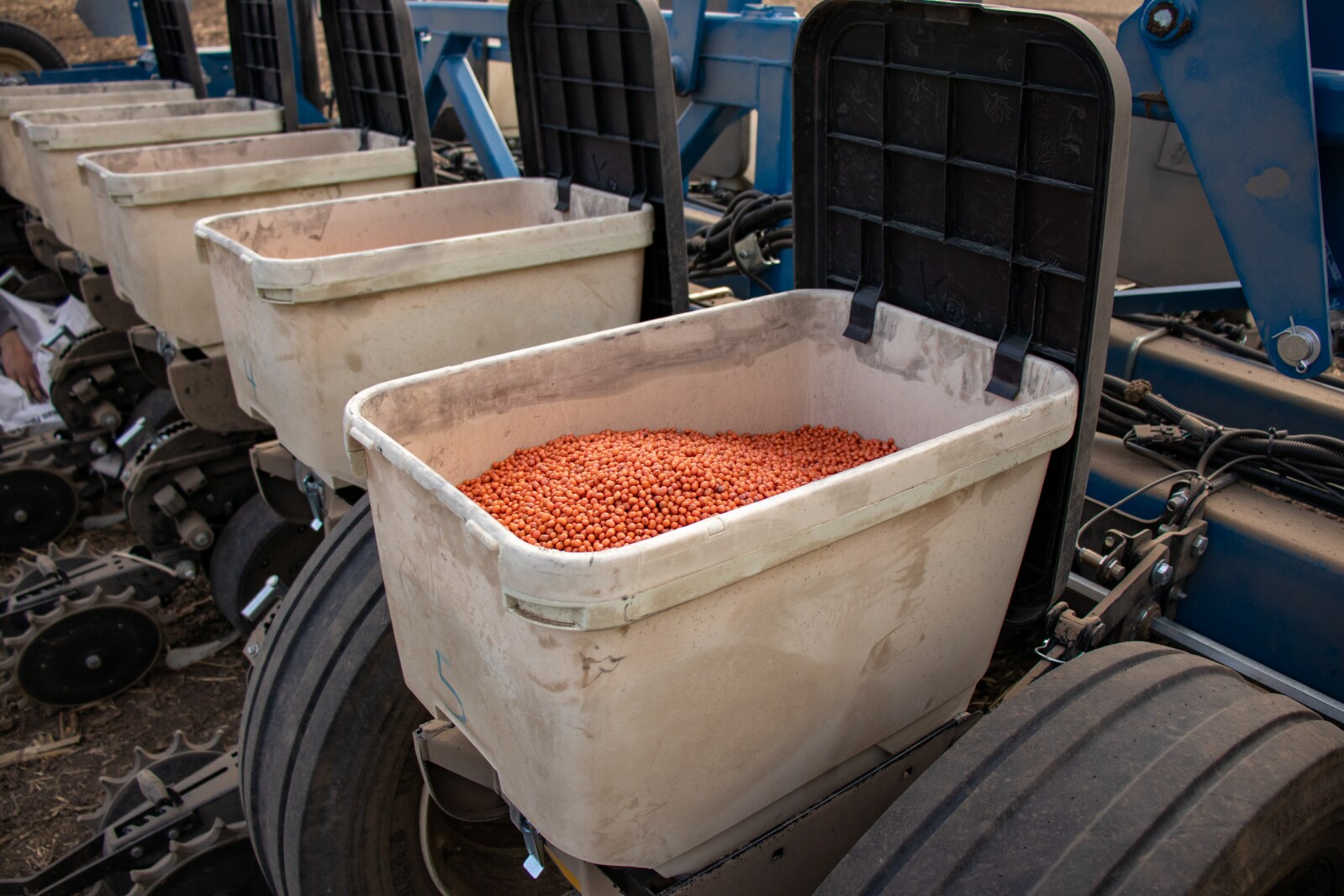
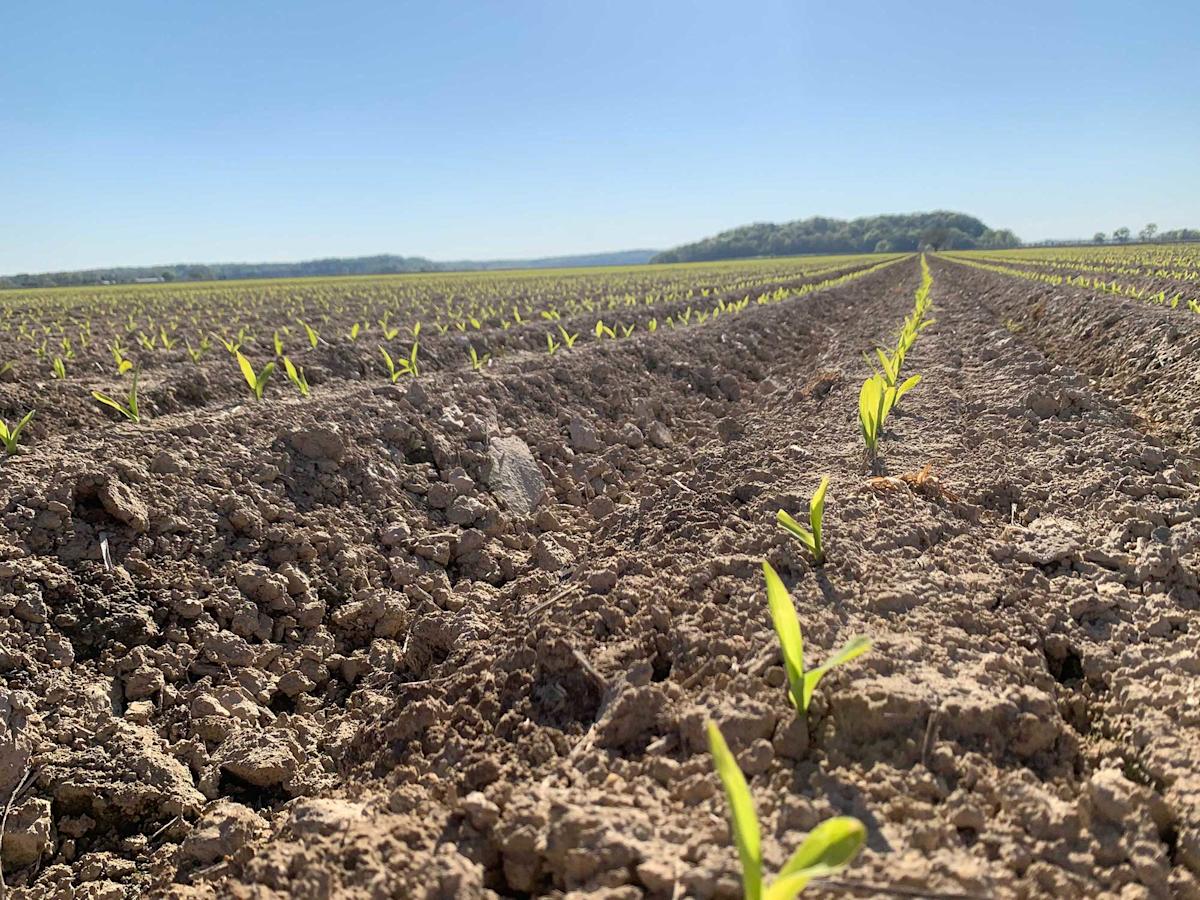
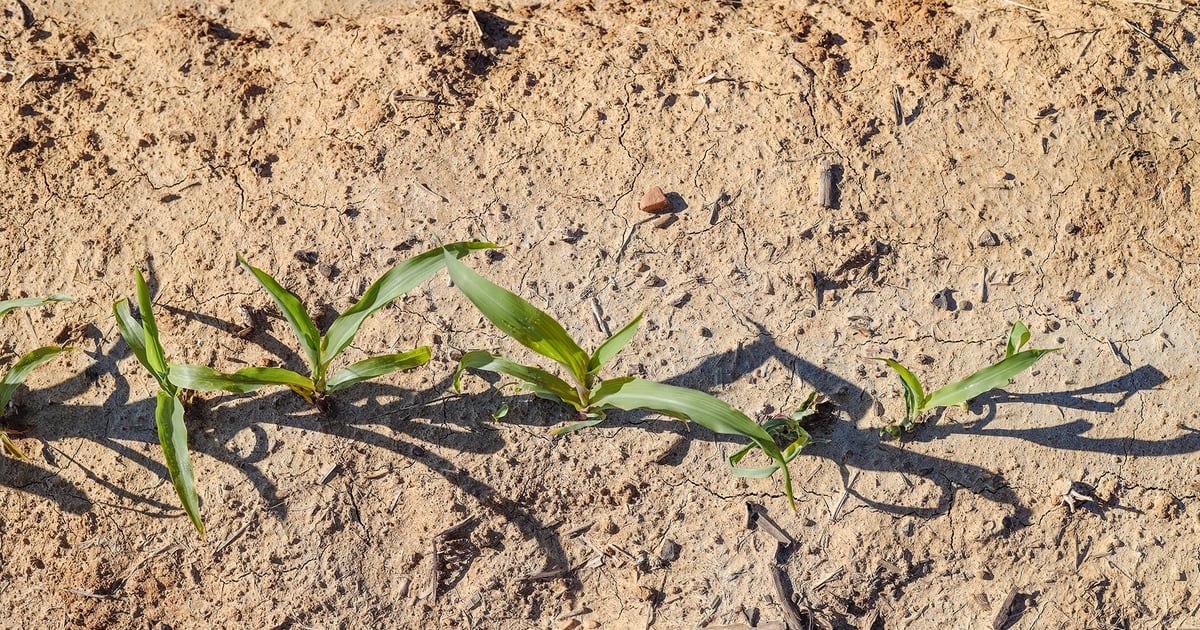
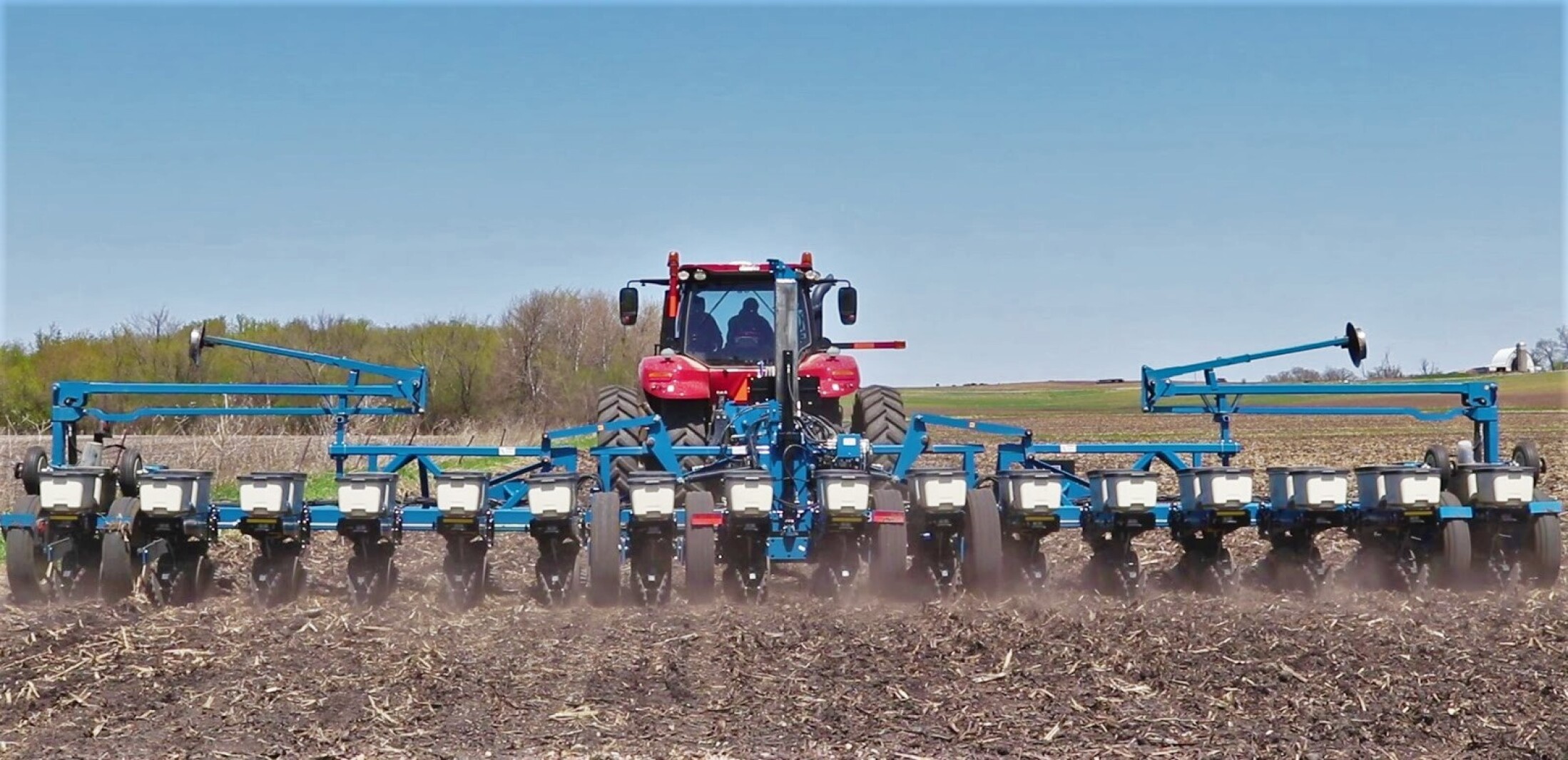
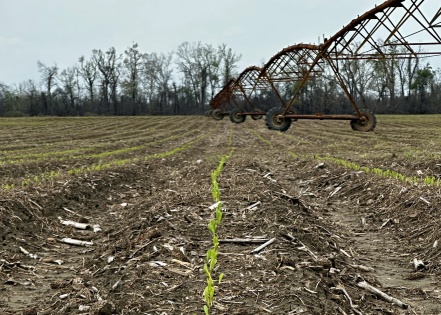
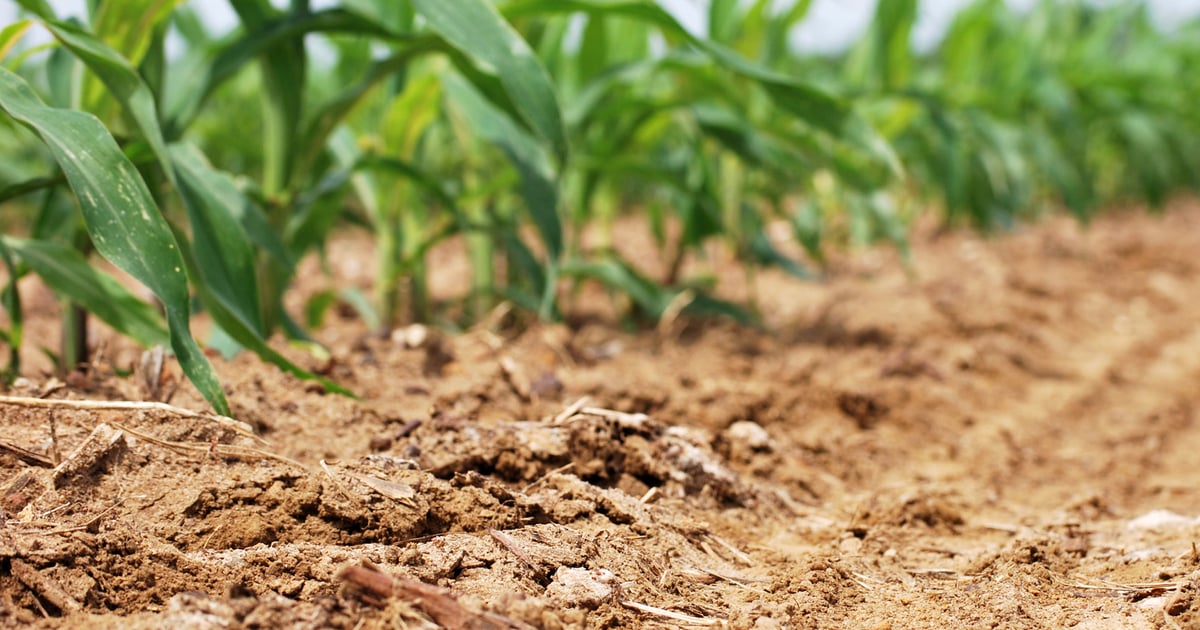
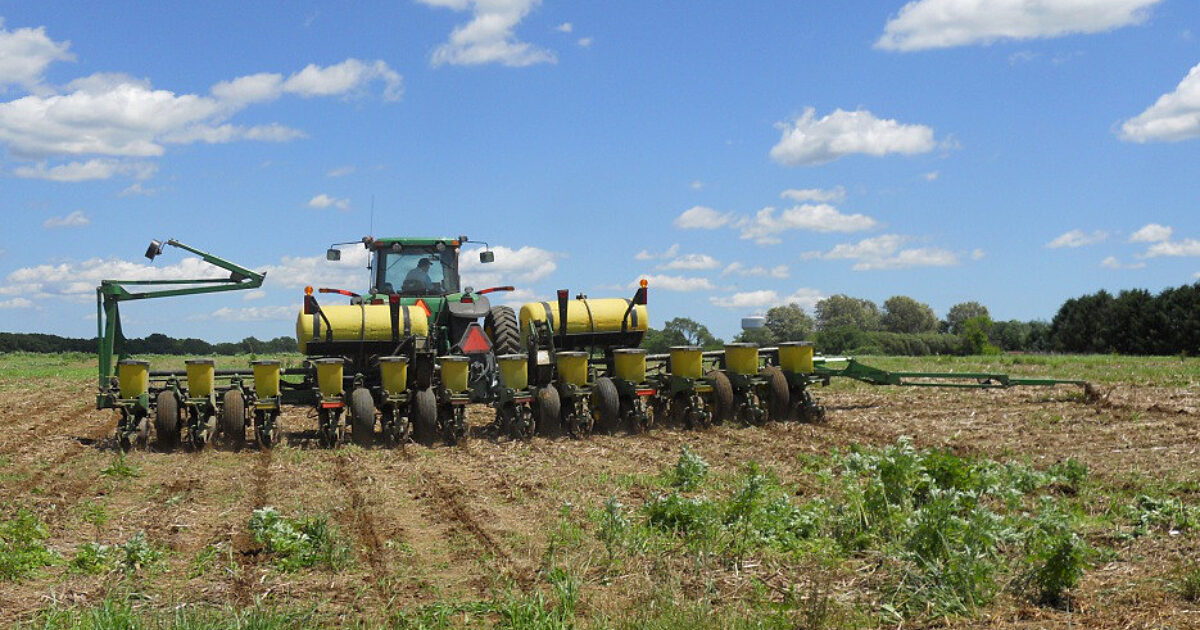
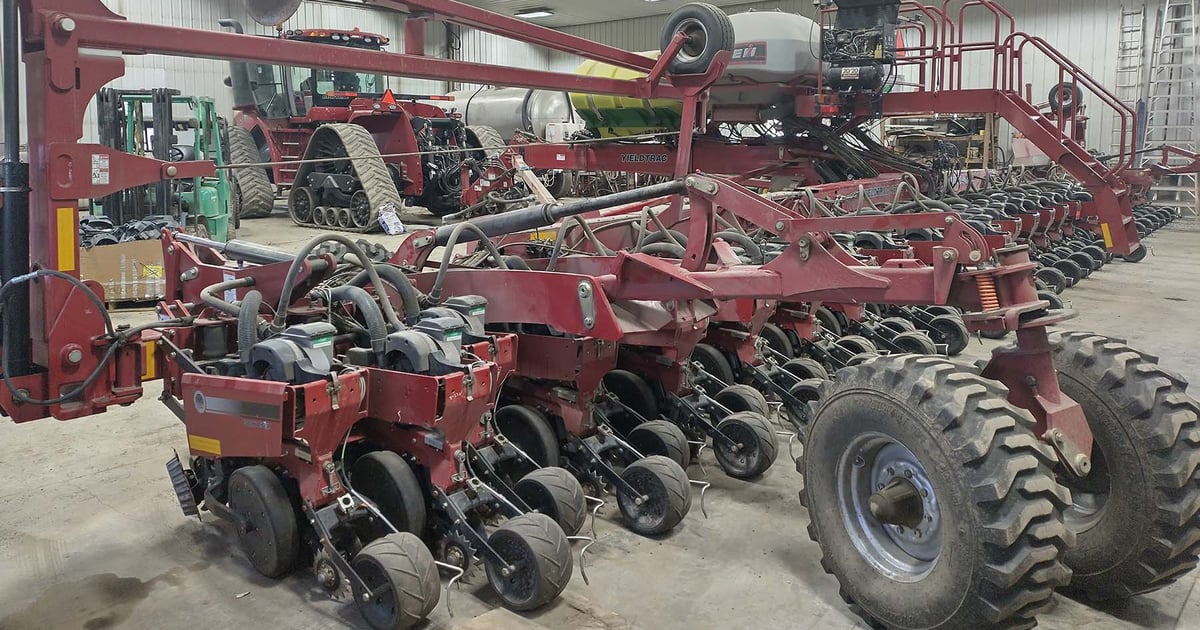
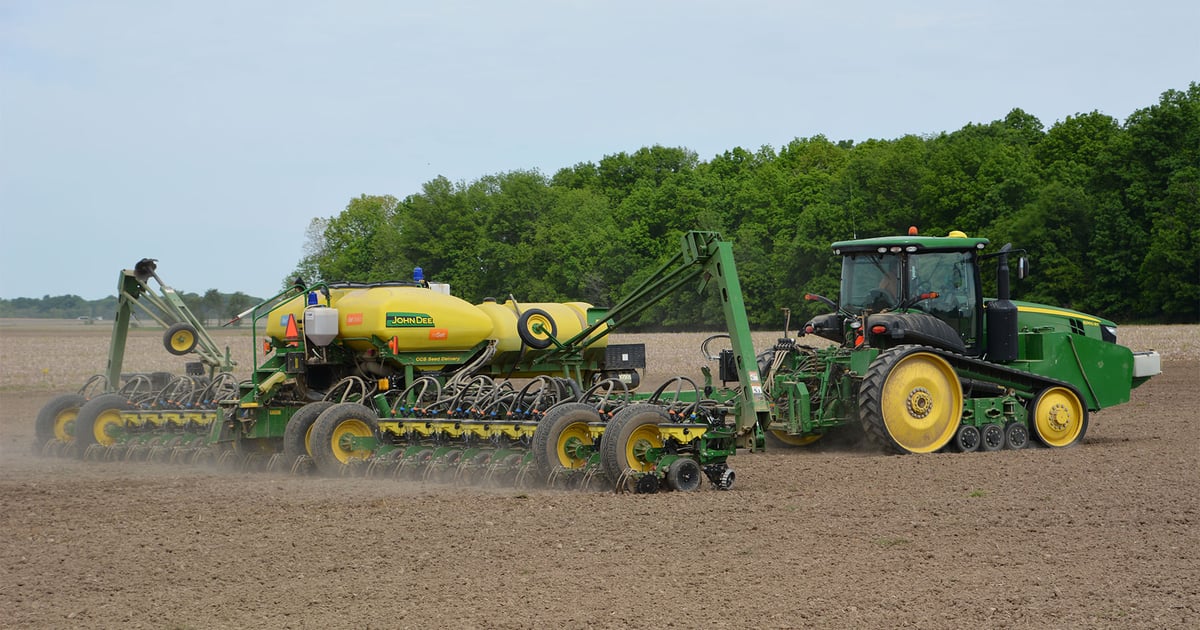
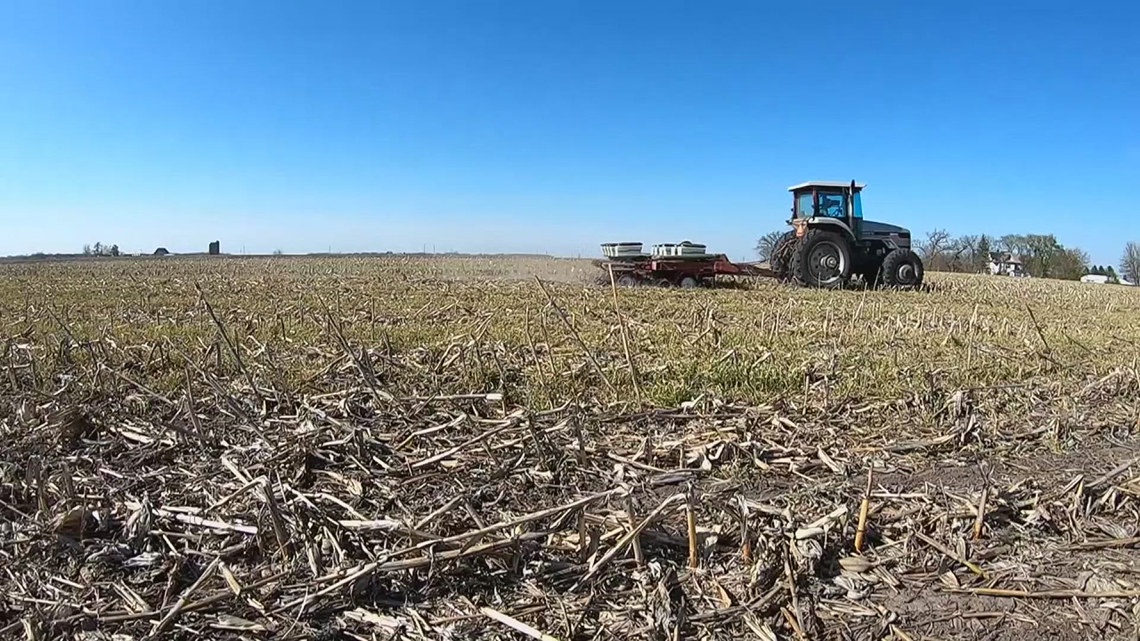
Brinkley, now in his 19th season growing grain crops, said the spring season has been off to a slow start due to very little rain. The hardened topsoil has kept him out of the fields, delaying planting.
“We’re not late yet, and we’re not behind, but we’d like to be planting right now as hard as we can go. Just because of the weather, we’ve stopped,” Brinkley said.
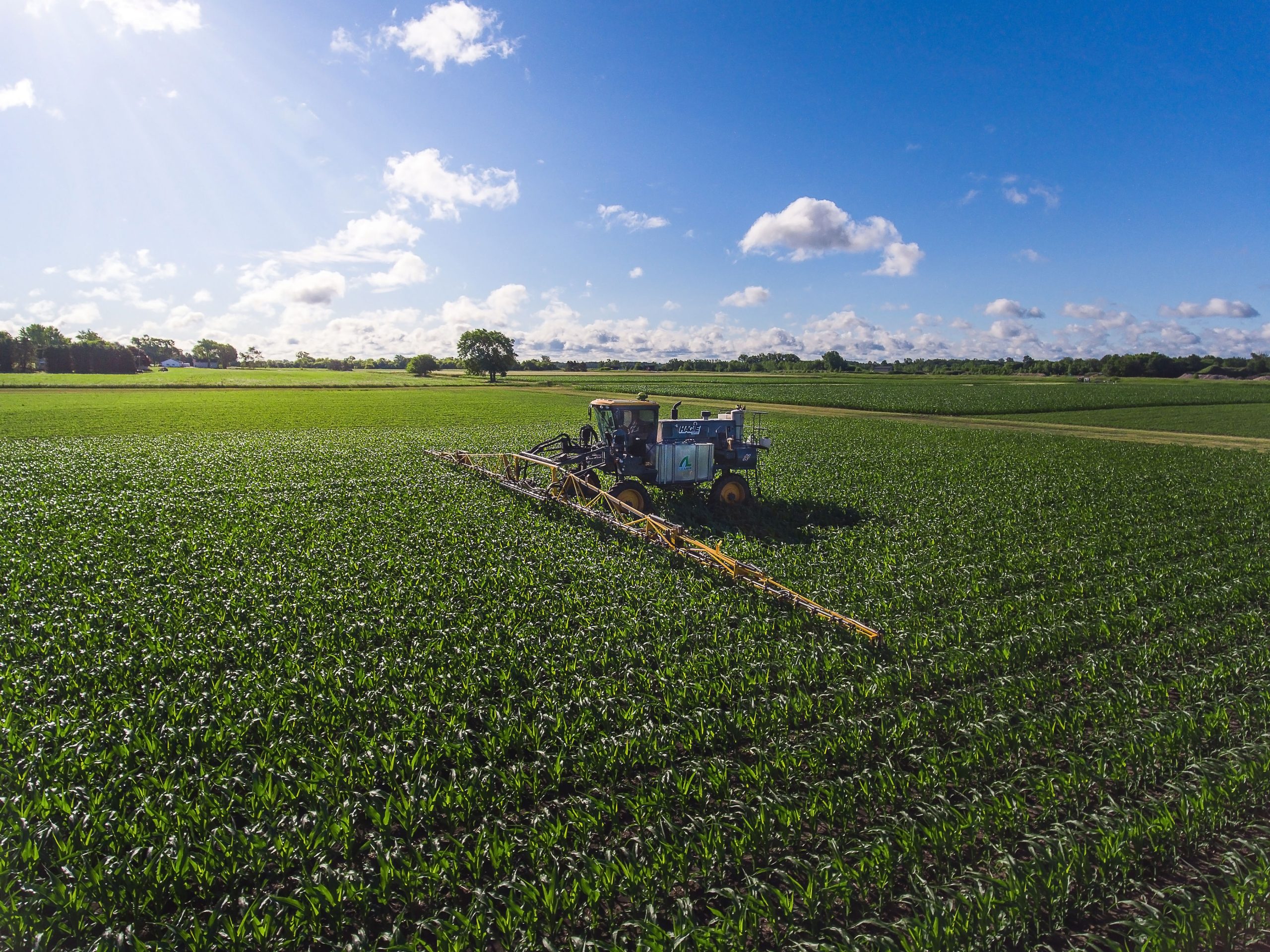
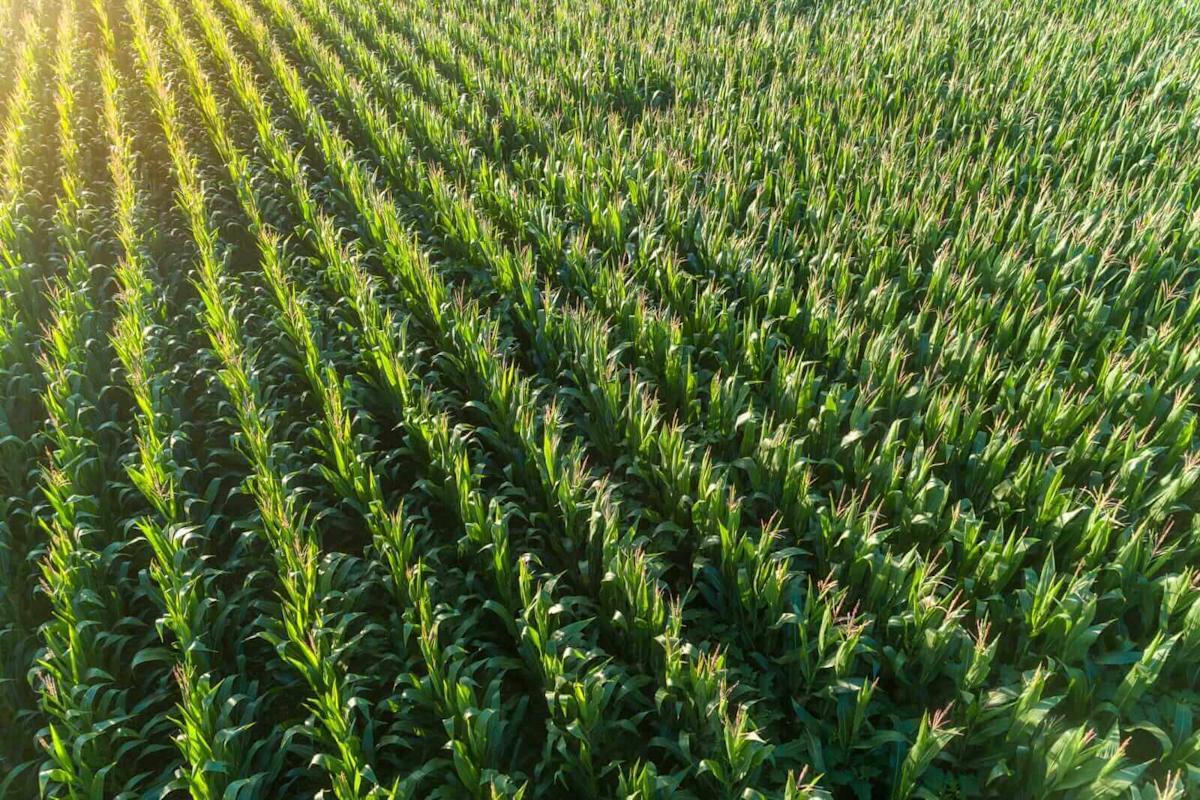
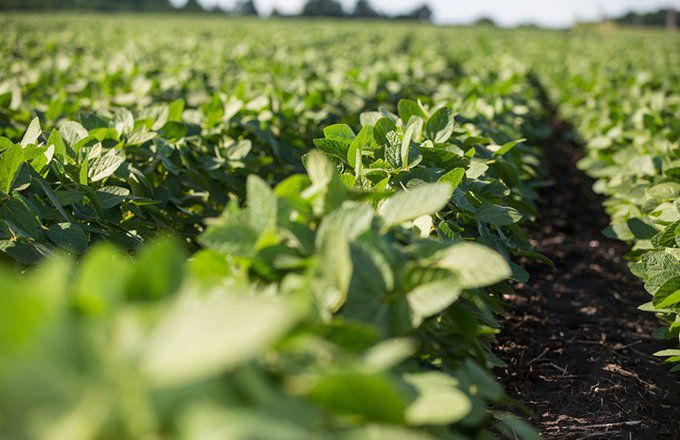
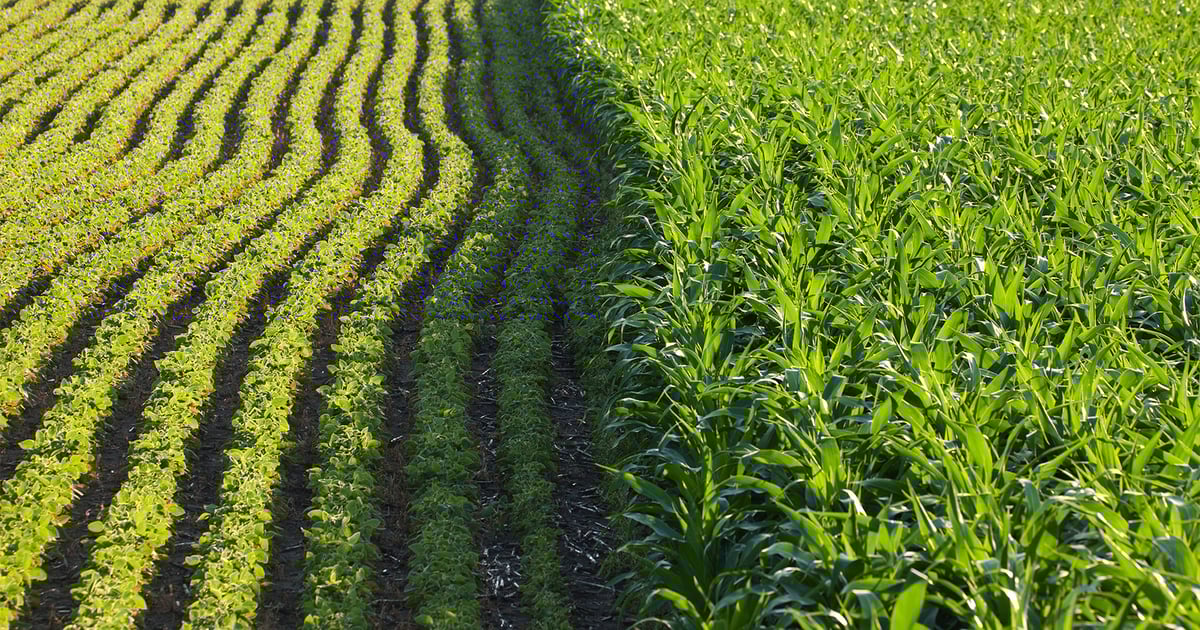
Brinkley cultivates 300 acres between Clemmons and Welcome, none of which have irrigation systems, making spring showers critical for his crops.
“We’ve really been in a drought since last fall. And in October, November somewhere, it got dry,” Brinkley said. “Usually, this time of year, we’re fighting rain showers and trying to get in the field. Now, the lack of rain is keeping us out.”
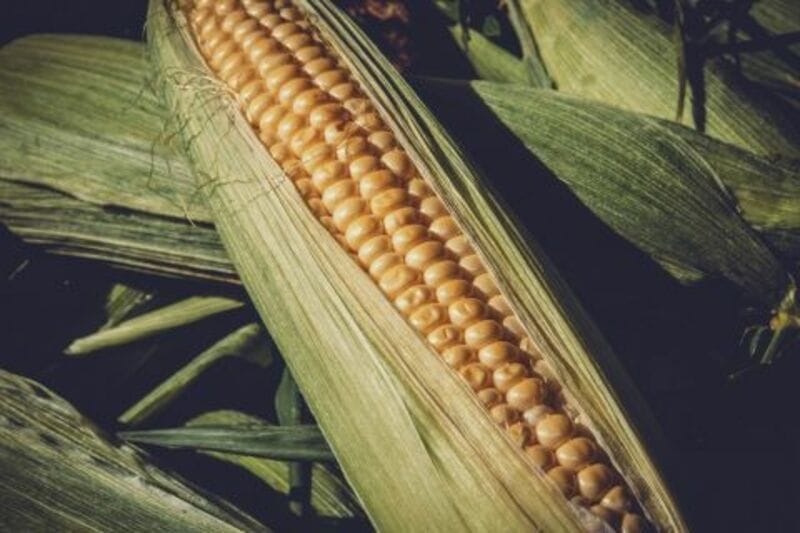
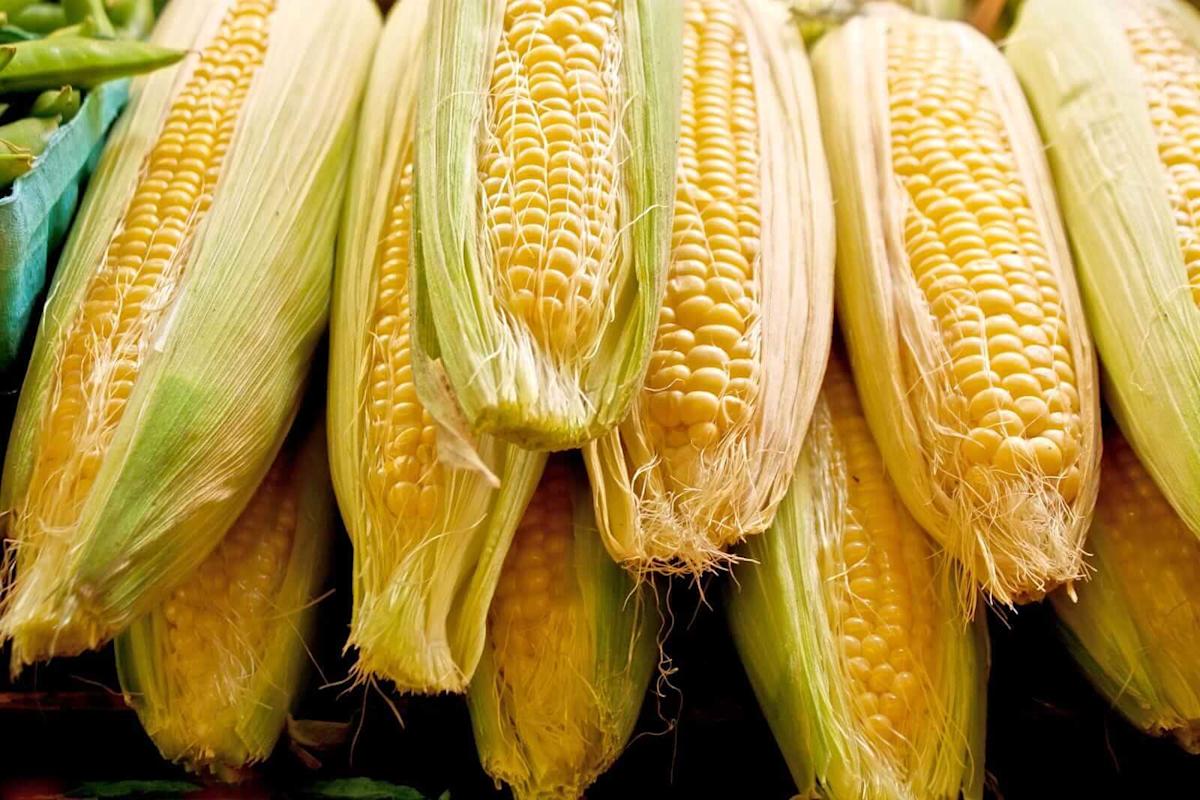
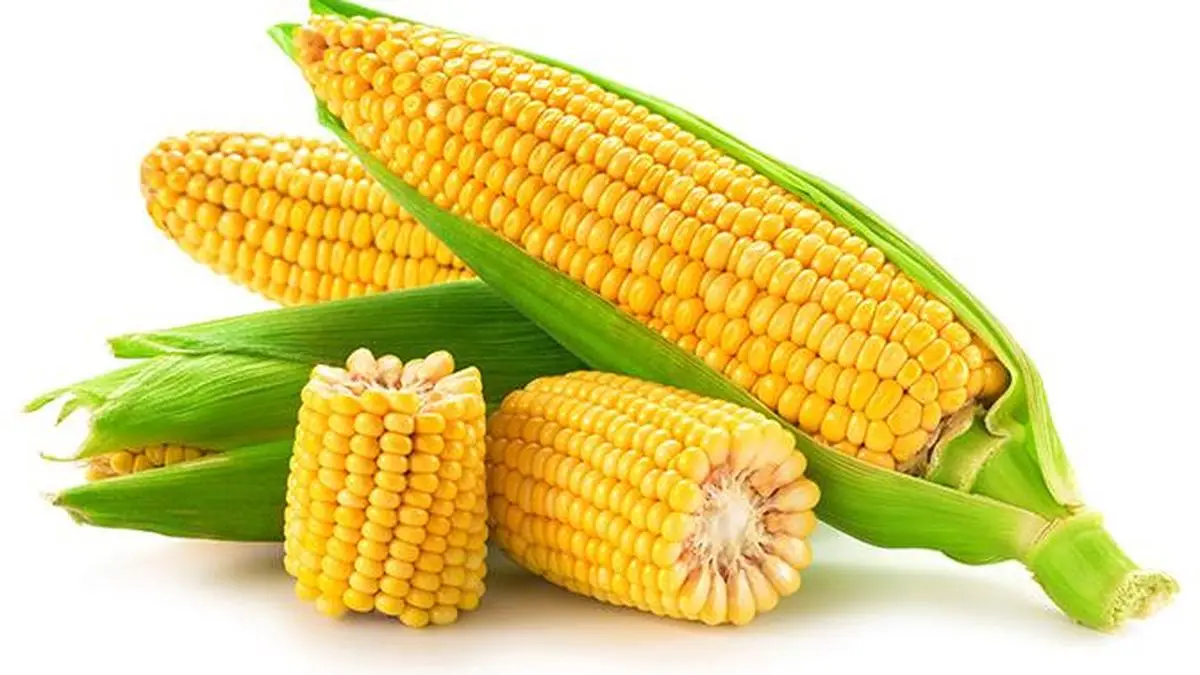
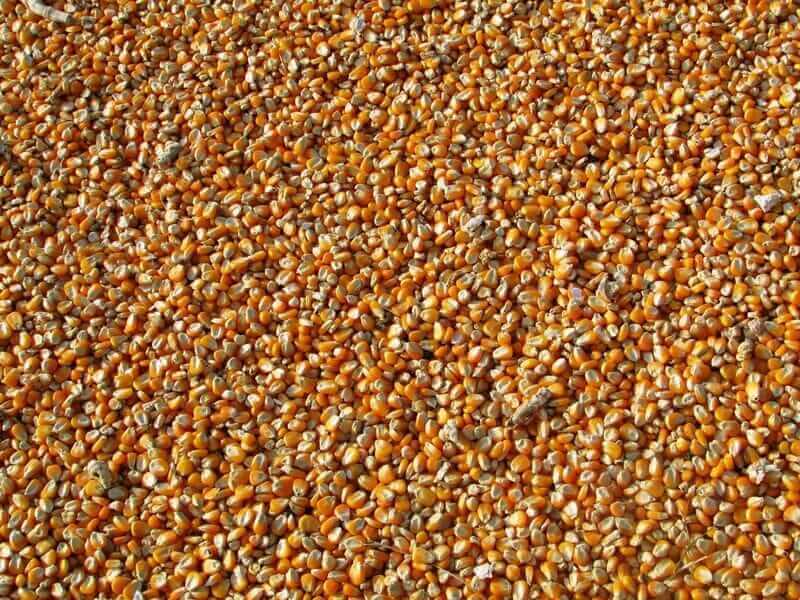
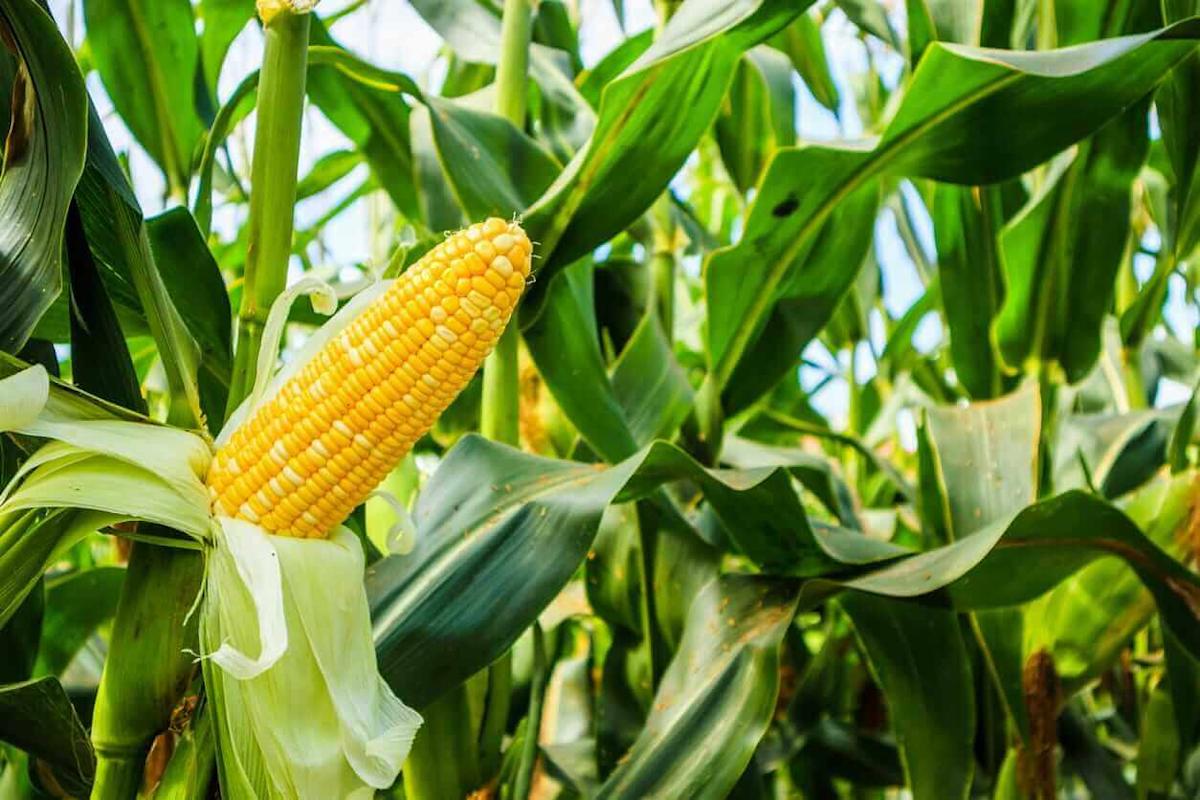
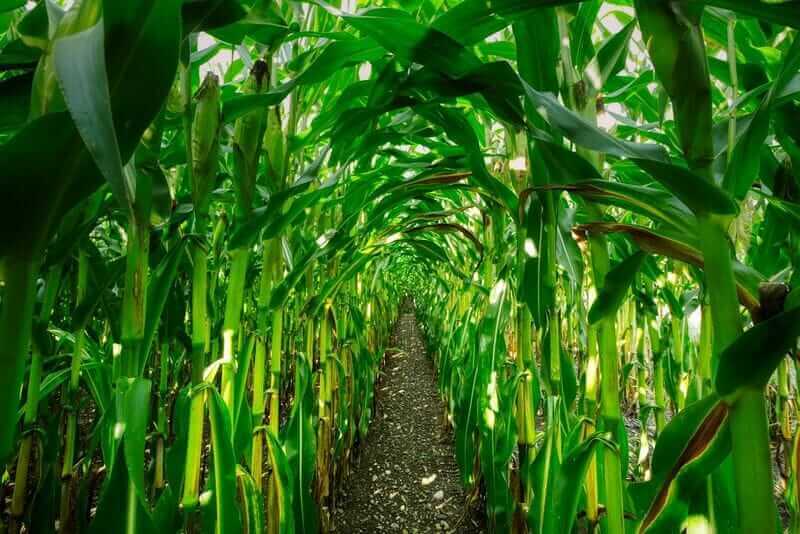
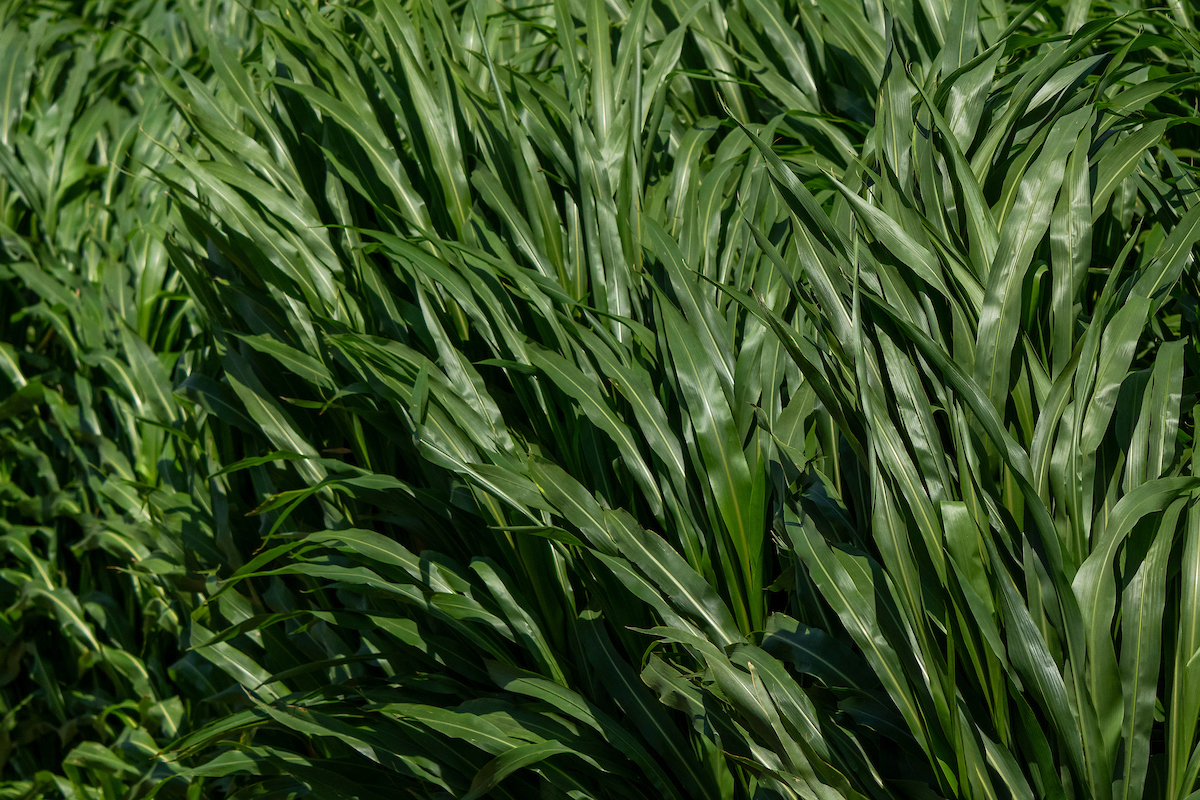
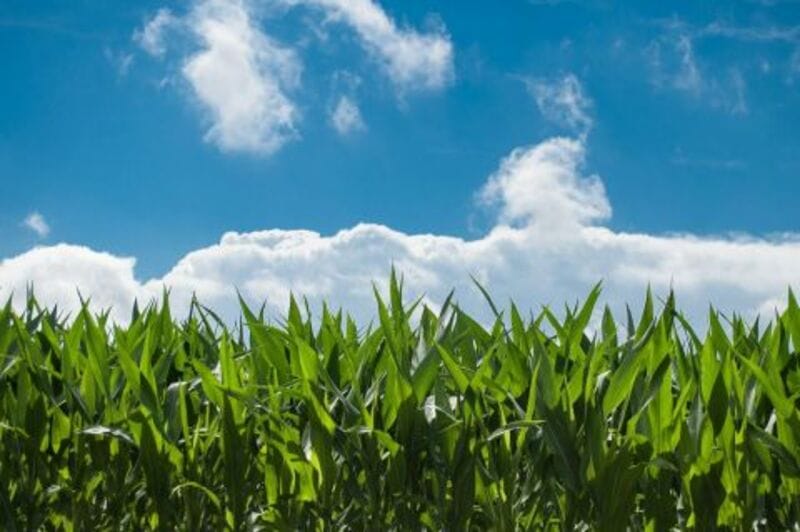
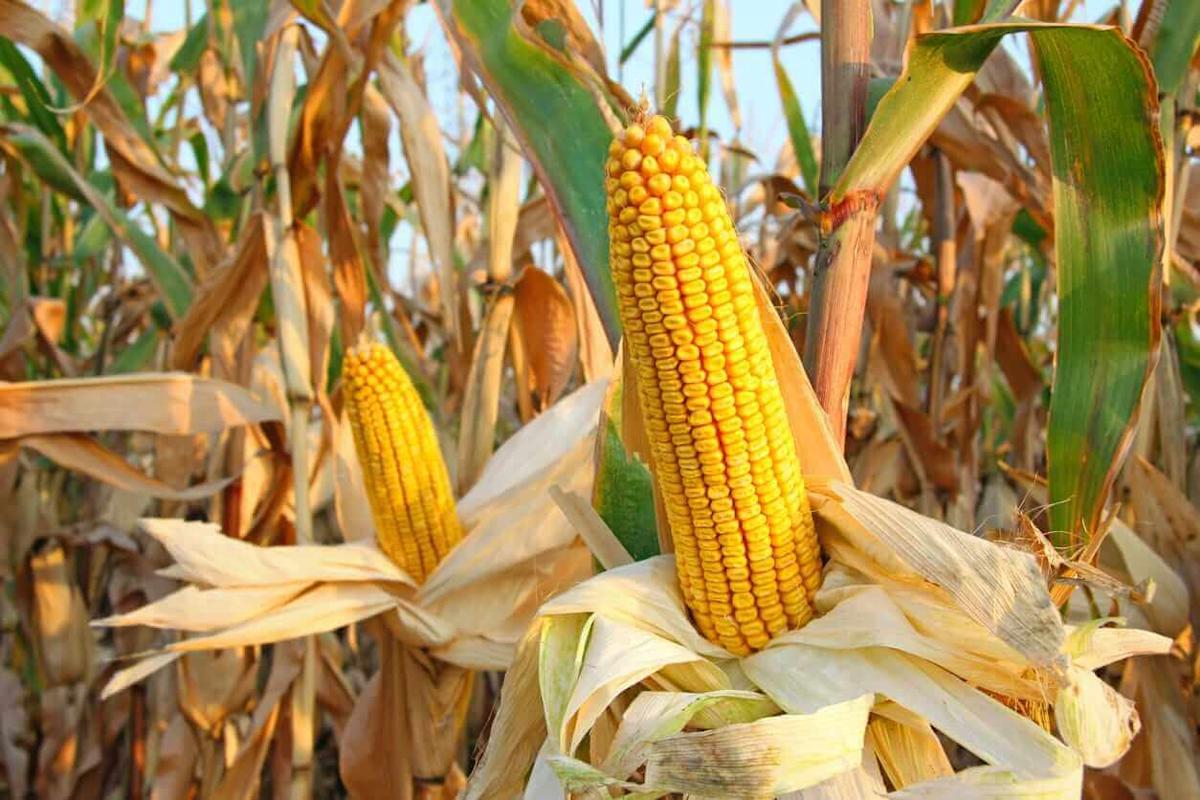
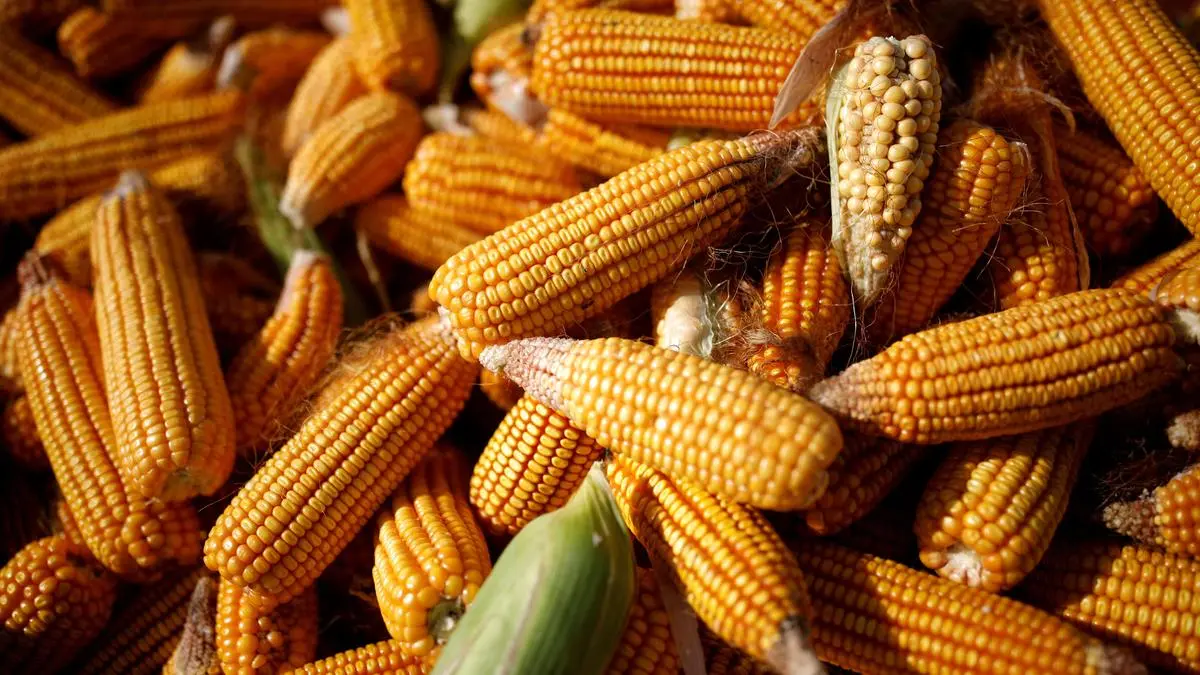
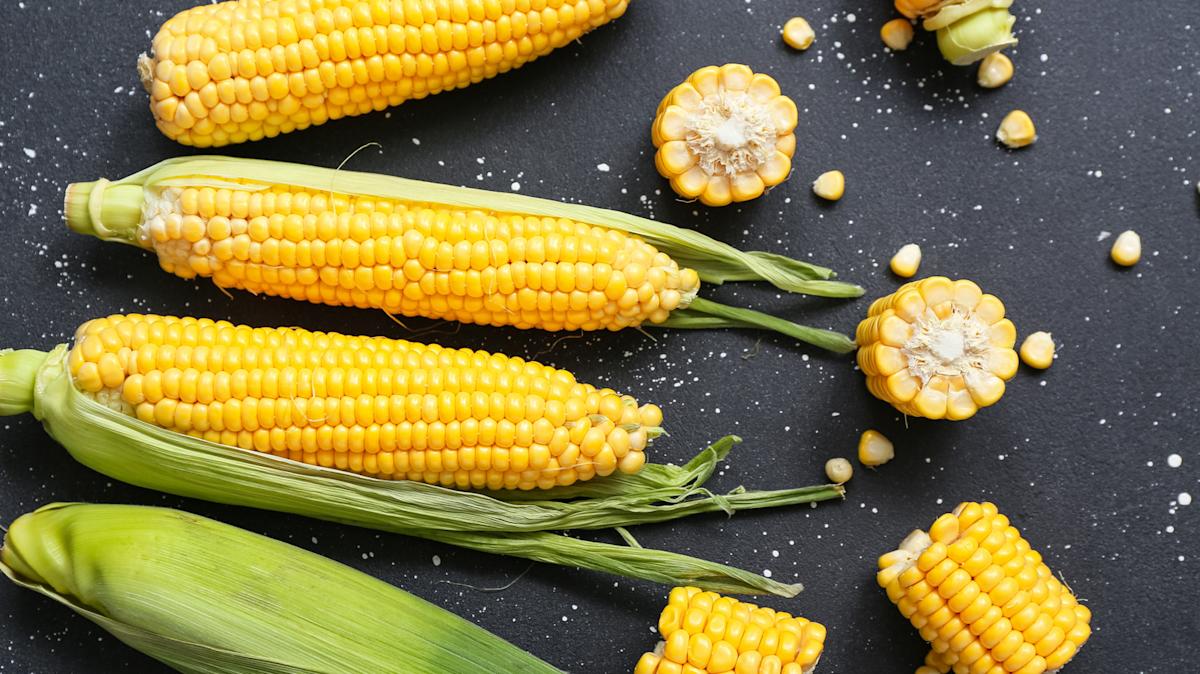
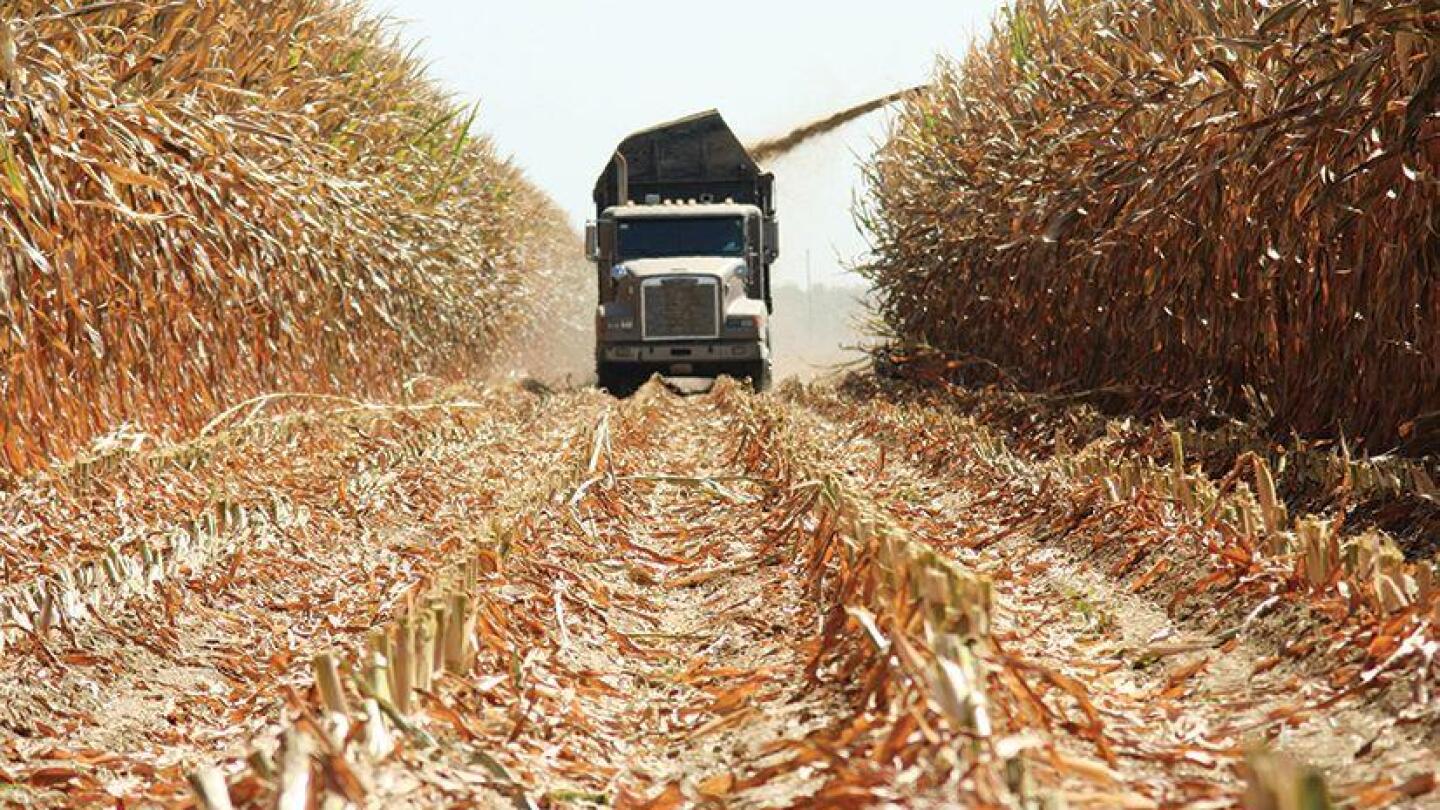
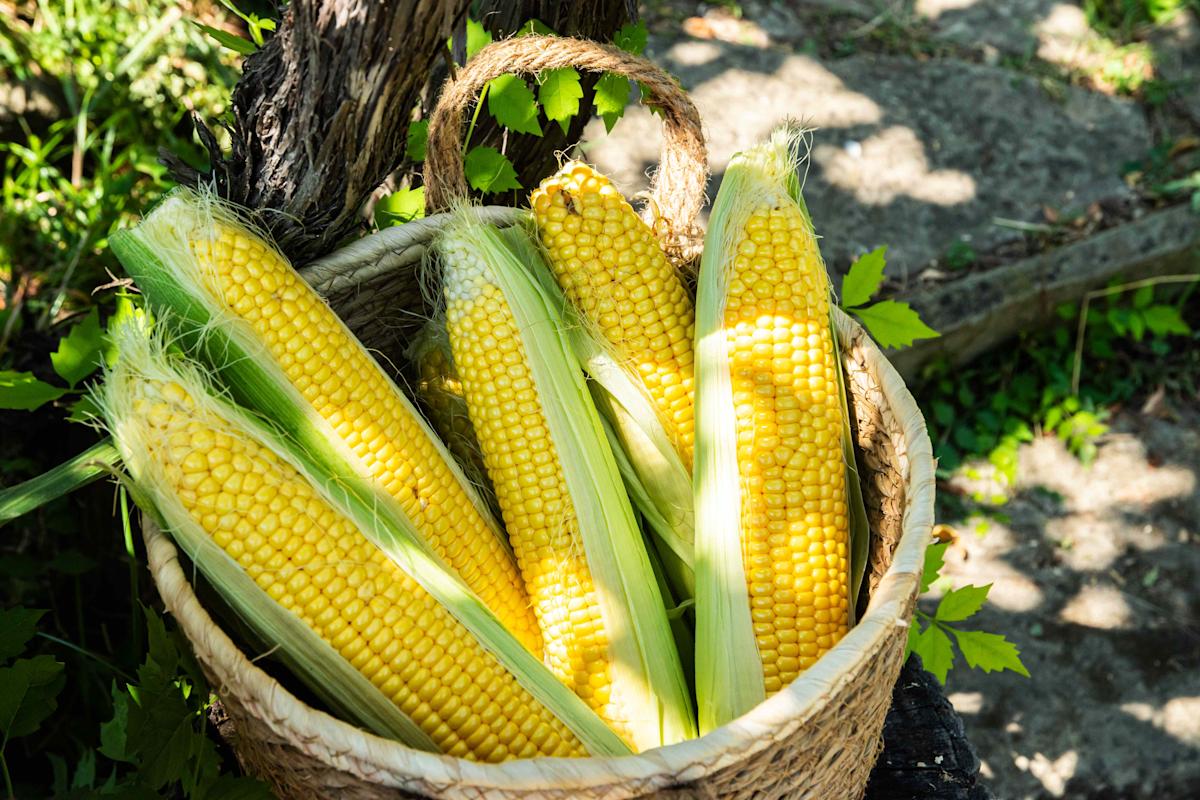
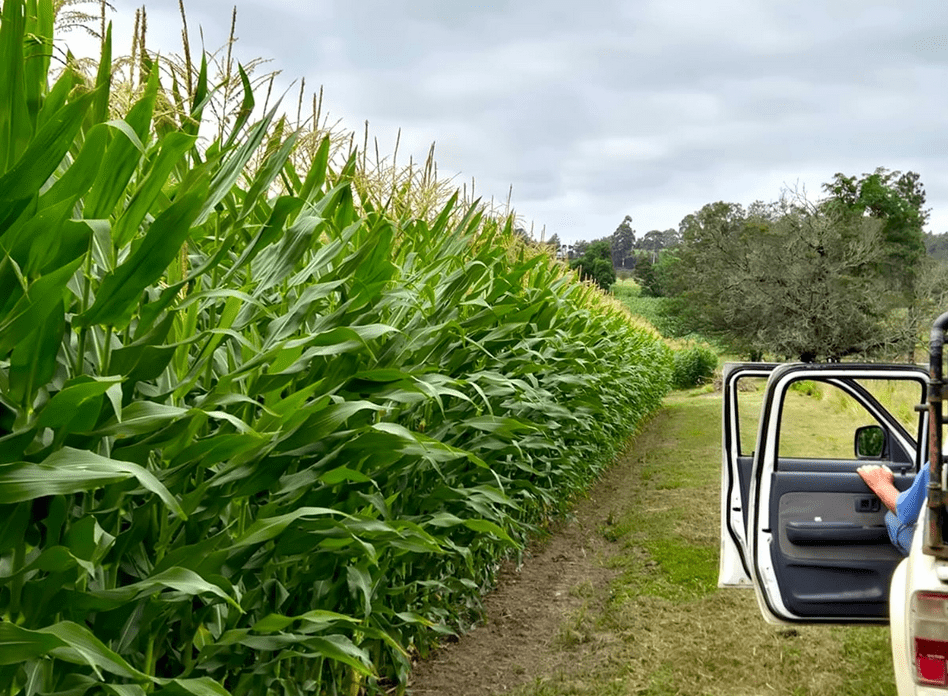
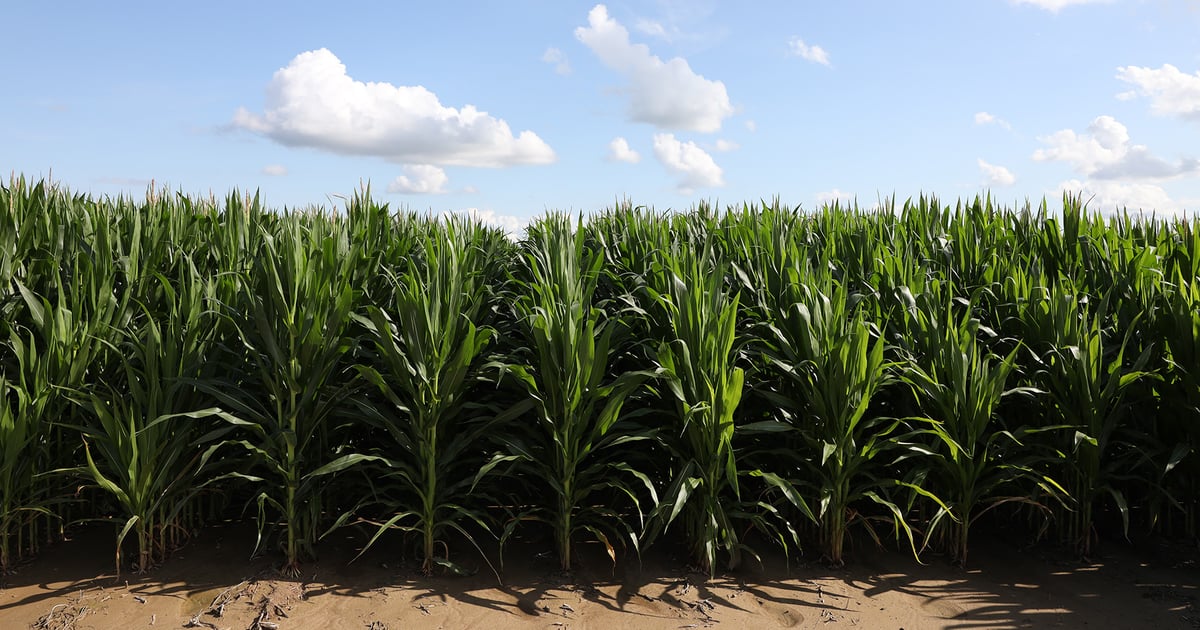
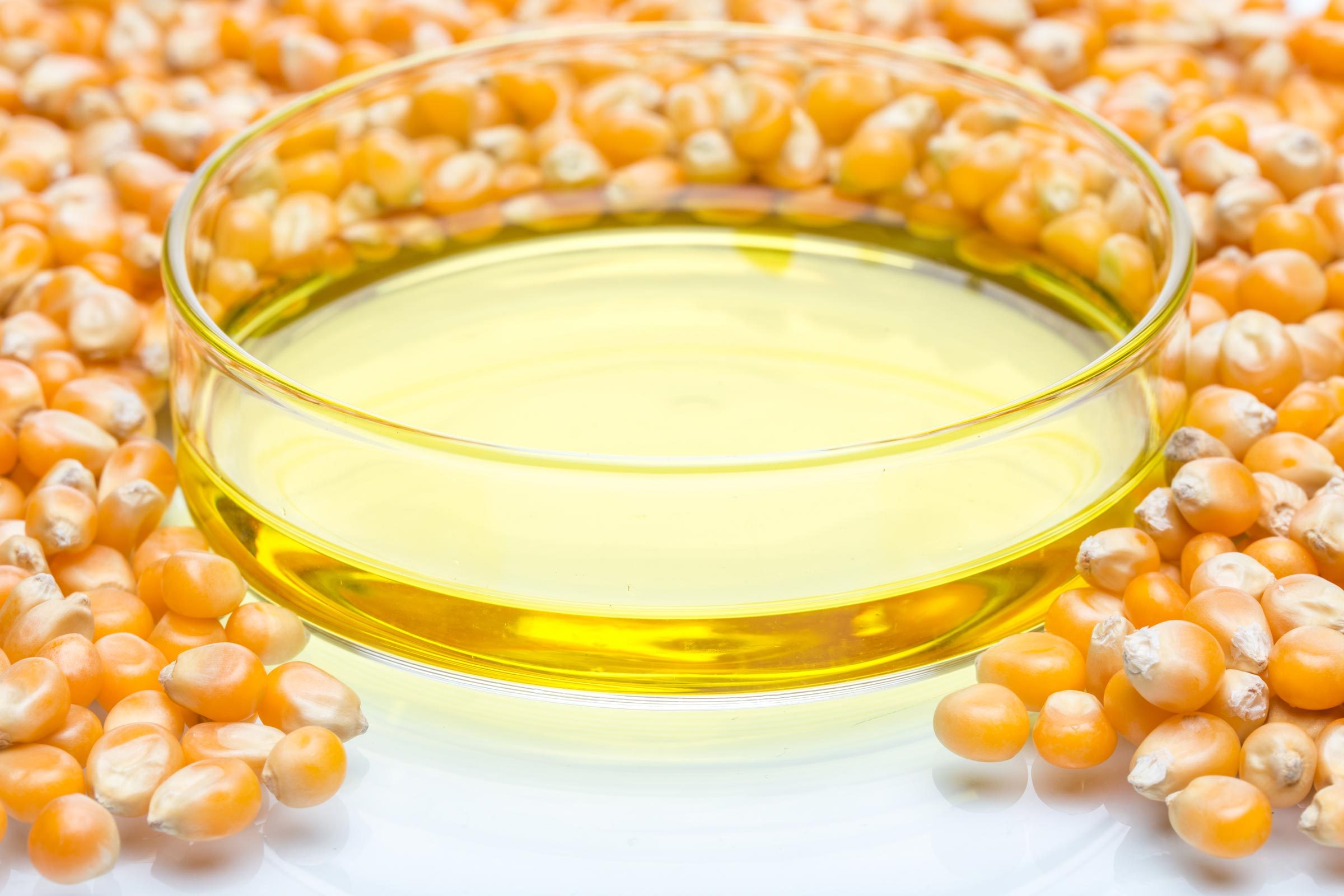
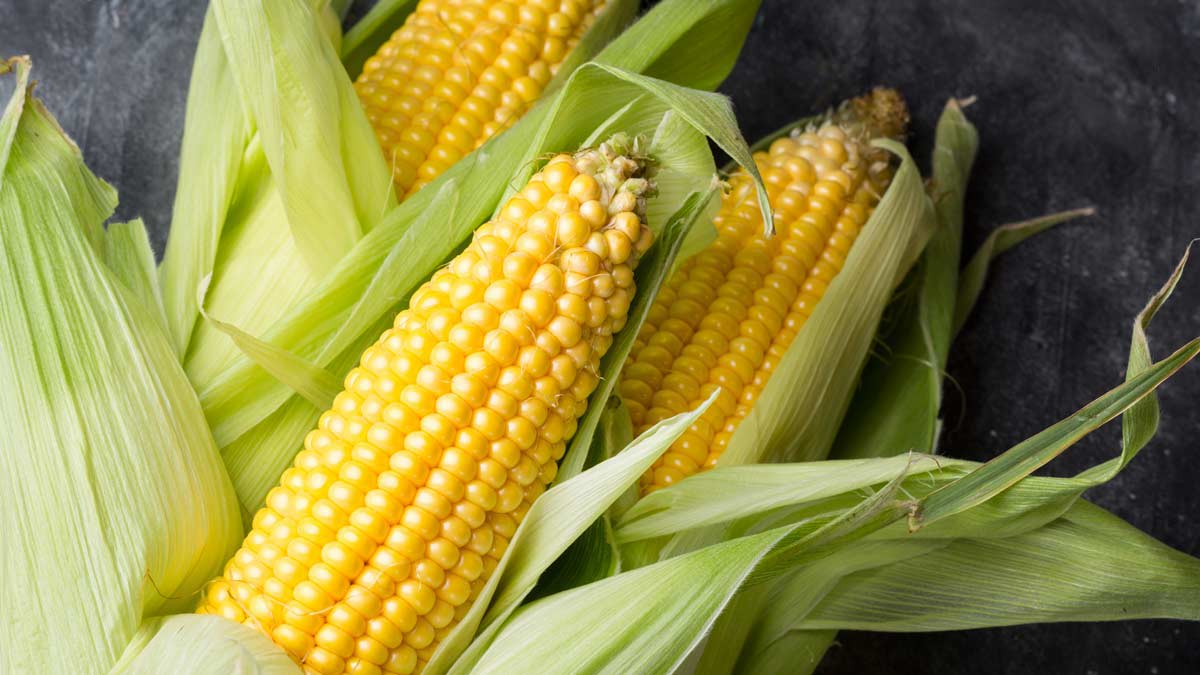
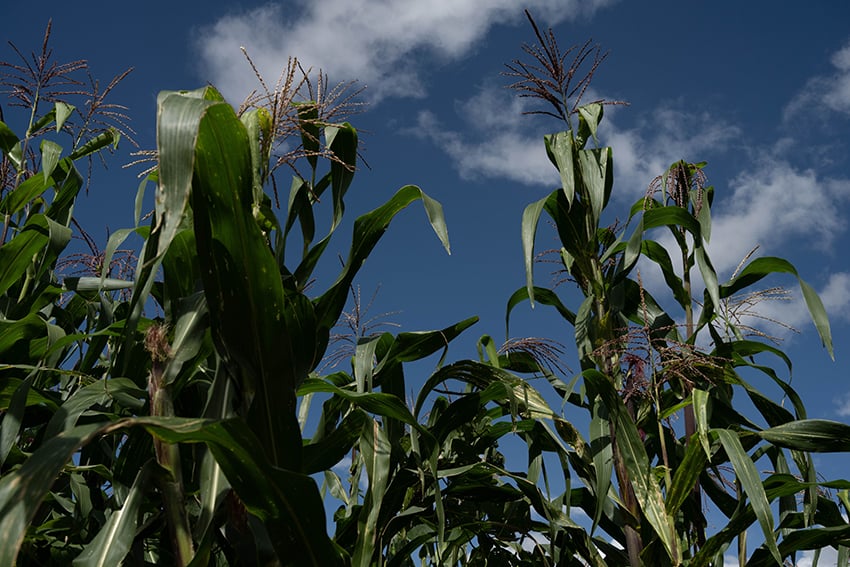
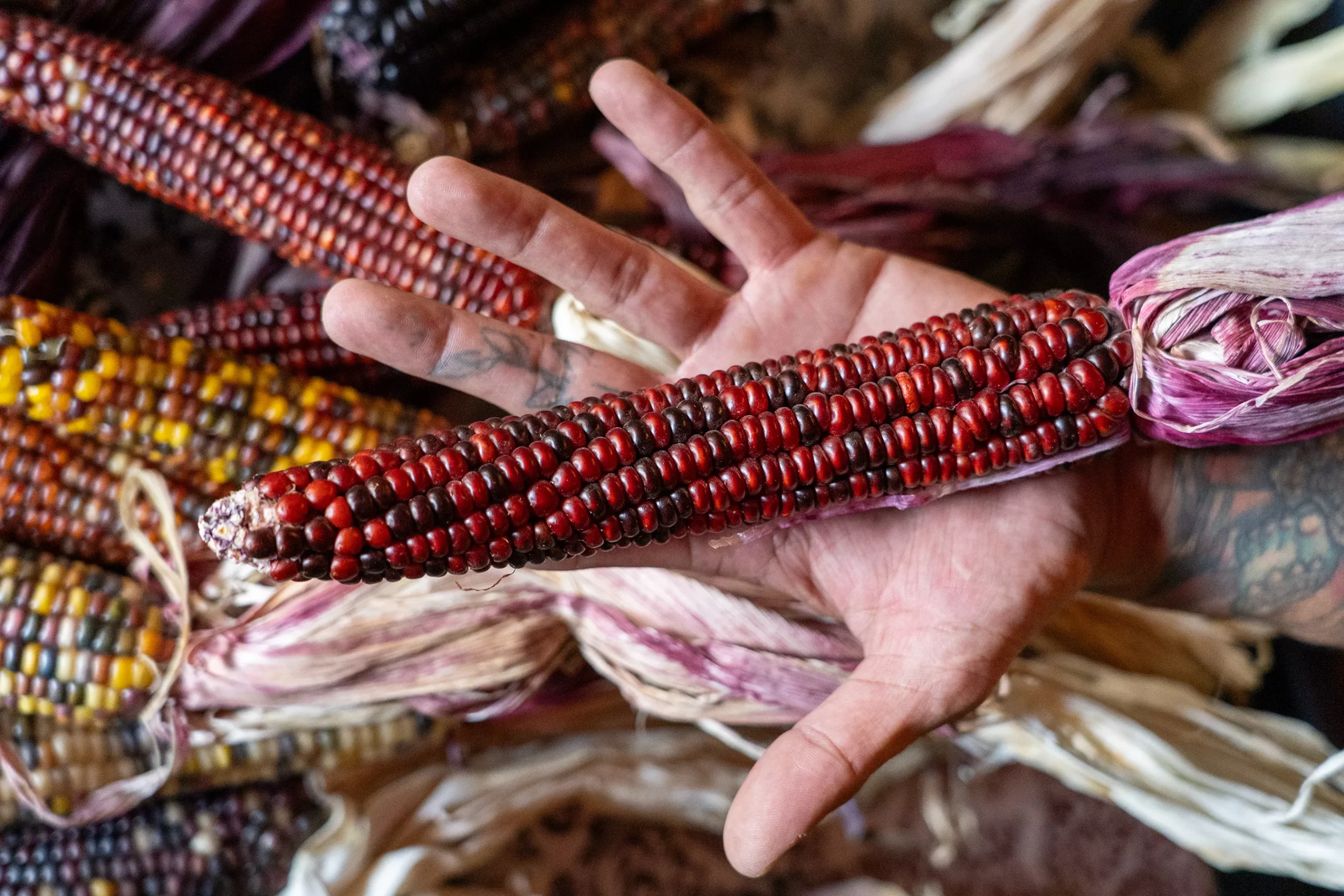
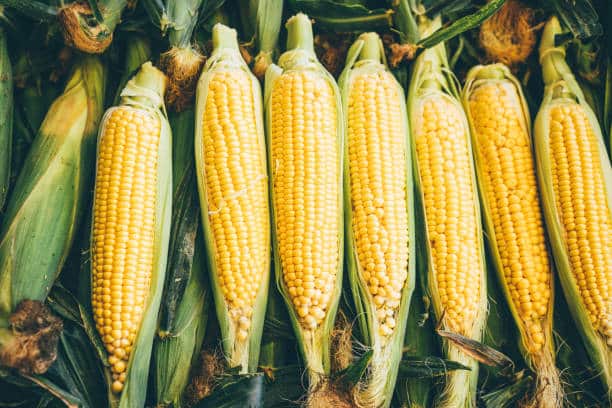
While Brinkley said he is not worried yet, he said the next three weeks will be crucial for the growing season. North Carolina is a corn-deficient state, he said, meaning that on a good year, there isn’t enough corn produced it strains other crop outputs as well.
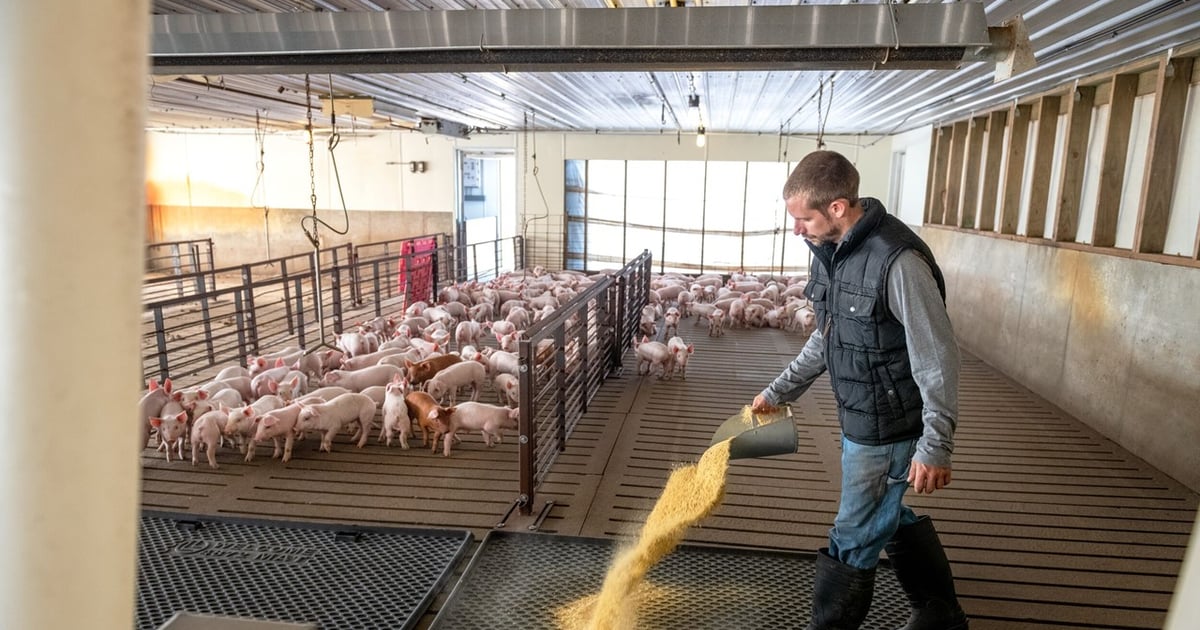
If the drought continues, he said, conditions raise concerns about potential ripple effects on food supply and livestock feed.
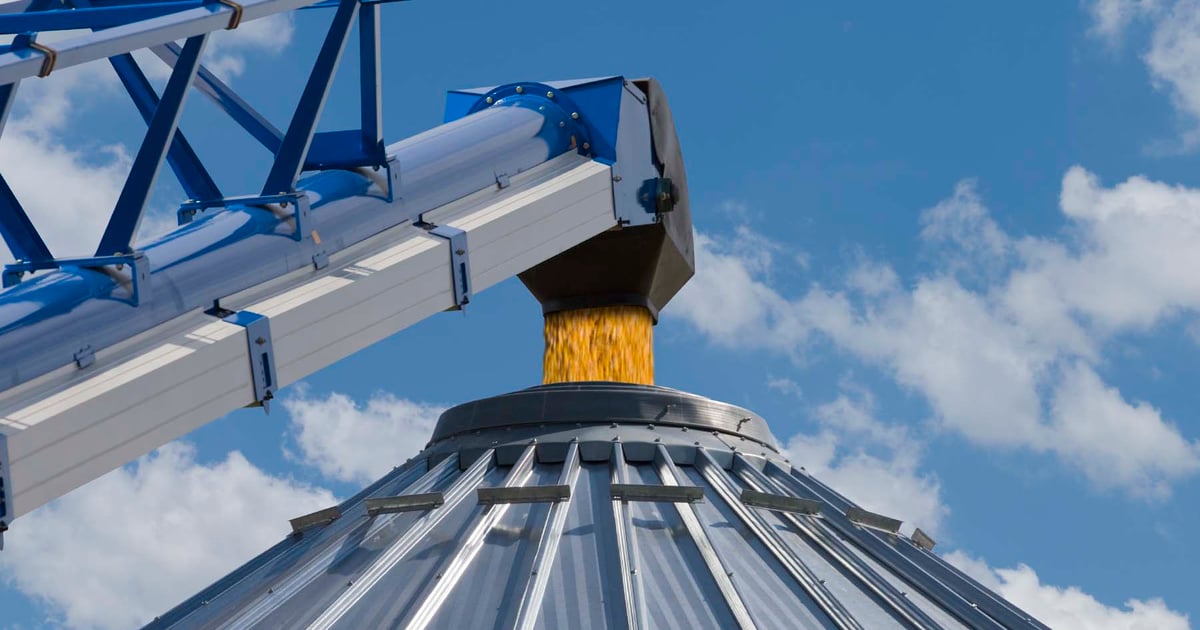
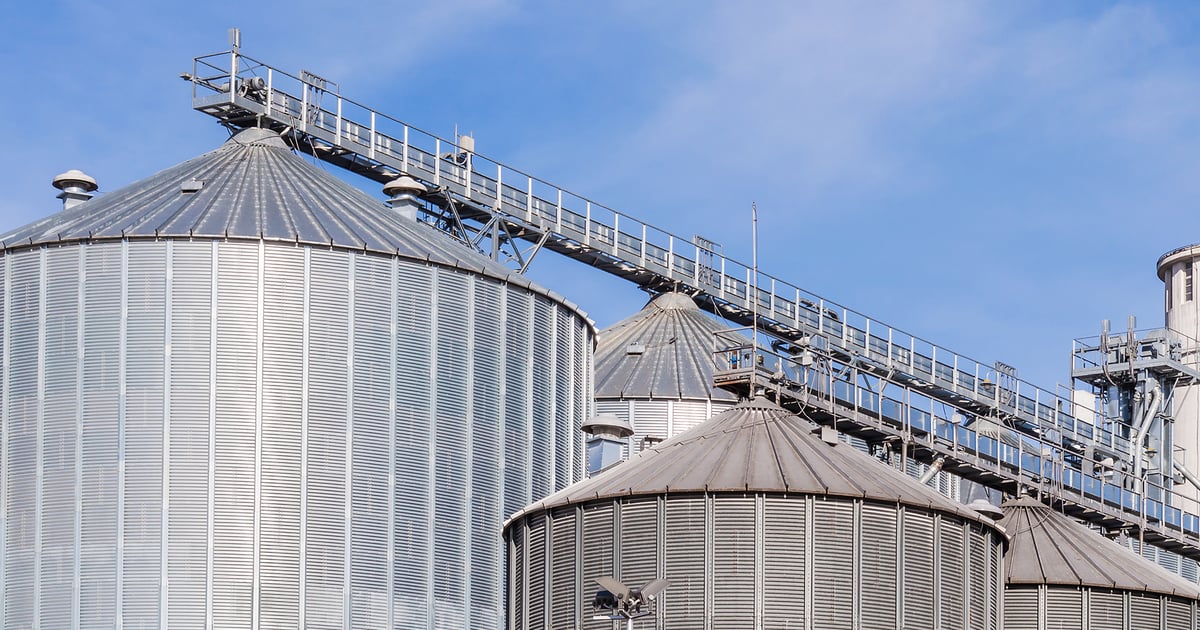
“If our corn crop is off, or it gets delayed, a lot of that animal feed down the line might be more expensive for feed mills to buy. We might have to truck it in from out of state, or we don’t have the bushels here, so we’d have to get it all from out of state,” Brinkley said. “Farming is a very fickle thing. There’s a lot of moving parts that a lot of people don’t see every day that affect the price of food and the availability of food down the line.”
Brinkley said he is not planning to raise prices of his products for now, as much of his stock is from last year. He remains hopeful that the rest of the season will bring rain to ensure a productive harvest through the fall.
The Double S Farm feed and grain shop can be found at 17490 Frye Bridge Road, Clemmons. You can learn more about the farm and Brinkley here.