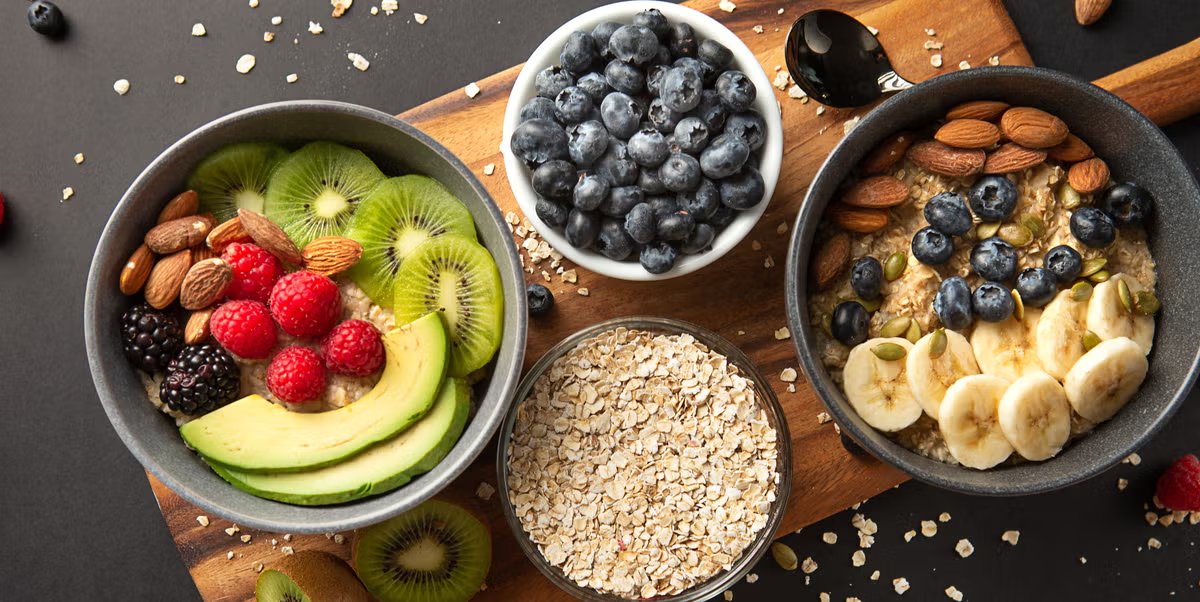

Fruit is packed with vitamins and minerals, making it a staple of a healthy diet. Plus, it’s high in fiber, which helps support digestive health while controlling blood sugar.
While the number of servings you aim for will vary depending on your caloric needs, Lauren Harris-Pincus, MS, a registered dietitian nutritionist in private practice, advises aiming for three.
Below we compiled a list of the 20 healthiest fruits based on their fiber content and concentration of essential vitamins.
1. Apples
Linh Moran Photography/Getty Images
Apples are not only high in gut-friendly fiber but are also a rich source of a flavonoid called quercetin, a plant compound that has antioxidant and anti-inflammatory properties, says Harris-Pincus.
One medium apple contains:
- 94.6 calories
- 4.4 grams of fiber (15.7% DV)
2. Cranberries
Cranberries contain some of the highest concentrations of a flavonoid called proanthocyanidin. This flavonoid prevents E. coli from adhering to the walls of the bladder, says Harris-Pincus. E. coli is one of the most common causes of urinary tract infections (UTIs).
In fact, a 2017 review found that cranberries reduce the risk of UTIs in women with a history of UTIs. This is noteworthy, given that UTIs are the second most common infection in adults, and women, in particular, have a 50% chance of contracting a UTI over their lifetime.
One cup of fresh whole cranberries contains:
- 46 calories
- 3.6 grams of fiber (12.9% DV)
3. Cantaloupe
Cantaloupe is one of the best sources of vitamin A, which is crucial for eye health, says Antonette Hardie, a registered dietitian at The Ohio State University Wexner Medical Center.
One cup of cubed cantaloupe contains:
- 54.4 calories
- 1.44 grams of fiber (5.1% DV)
- 270 micrograms of vitamin A (30% DV)
4. Oranges
Shutterstock
Citrus fruits, such as oranges, are known for their anti-inflammatory, antioxidative, and anti-cancer properties. Oranges are particularly high in vitamin C, which plays an important role in boosting your immune system and sustaining energy levels.
One medium orange contains:
- 61.6 calories
- 3.1 grams of fiber (11% DV)
- 69.7 milligrams of vitamin C (77.4% DV)
5. Blueberries
Blueberries are some of the best sources of vitamin K, which supports bone health and assists with wound healing. They also contain some of the highest levels of antioxidants, with 69,708 milligrams per 471 milligrams per gram of fruit.
One cup of blueberries contains:
- 84.4 calories
- 3.55 grams of fiber (12.7% DV)
- 28.6 micrograms of vitamin K (23.8% DV)
6. Plums
Alexander Spatari/Getty Images
Plums contain more than twice the amount of polyphenols than many other popular fruits, like peaches and nectarines with 62,205 milligrams per 377 milligrams per gram of fruit. Polyphenols are a type of antioxidant that may improve cognitive functioning, bone health, and heart health.
One cup of sliced plums contains:
- 75.9 calories
- 2.3 grams of fiber (8.2% DV)
7. Strawberries
Kwangmoozaa/Getty Images
Strawberries are low in calories and a good source of folate, says Grace Clark-Hibbs, MDA, a registered dietitian nutritionist and founder of her private practice Nutrition with Grace. They also have more vitamin C than oranges.
Related stories

Business Insider tells the innovative stories you want to know
Business Insider tells the innovative stories you want to know
Folate is important for red blood cell production and the growth of healthy cells, making it particularly important for those in early pregnancy.
One cup of whole strawberries contains:
- 46 calories
- 2.9 grams of fiber (10.4% DV)
- 84.7 milligrams of vitamin C (94% DV)
- 34.6 micrograms of folate (8.7% DV)
8. Mango
Aris Setya/Shutterstock
Mango is high in vitamin C, folate, and beta carotene — a substance that functions as an antioxidant and that the body converts to vitamin A.
Research has linked beta-carotene supplementation to improved cognitive function, memory, defense against UV radiation, and reduced risk of certain cancers.
One cup of mango pieces contains:
- 99 calories
- 2.6 grams of fiber (9.3% DV)
- 60 milligrams of vitamin C (66.6% DV)
- 71 micrograms of folate (17.8% DV)
- 89 micrograms of vitamin A (9.9% DV)
- 1,060 micrograms of beta carotene (33% of the recommended amount)
9. Cherries
JBfotoblog/Getty Images
Cherries are known for their anti-inflammatory properties, which is important since chronic inflammation is a major risk factor for heart disease. Additionally, research has also found the polyphenols in cherries may support overall gut health.
One cup of cherries with pits contains:
- 86.9 calories
- 2.9 grams of fiber (10.4% DV)
- 9.7 milligrams of vitamin C (10.8% DV)
10. Kiwi
wmaster890/Getty Images
Kiwi is a low-sugar, low-calorie fruit and is one of the only fruits to contain an enzyme called actinidin, which research has found helps different kinds of protein break down faster and more effectively during digestion. This can not only reduce bloating and other kinds of GI discomfort, but also improve your absorption of protein.
1 kiwi fruit contains:
11. Banana
Westend61/Getty Images
Bananas are best known for being rich in potassium, an electrolyte that helps the muscles, nerves, heart and cells function properly. It also assists in keeping the body hydrated, says Clark-Hibbs.
Less ripe bananas in particular are also high in resistant starch, which can help manage blood sugar and improve insulin sensitivity in those with insulin resistance, says Clark-Hibbs.
One medium banana contains:
- 105 calories
- 3.1 grams of fiber (11.1% DV)
- 422 milligrams of potassium (9% DV)
12. Avocado
samael334/Getty Images
Unlike other fruits, avocados are high in healthy fats which are linked to lower cholesterol and promote overall heart health, says Hardie. They’re also an excellent source of vitamin E, a nutrient involved in eye, blood, brain, reproductive, and skin health.
About ⅓ of an avocado contains:
- 80 calories
- 3.4 grams of fiber (12% of your DV)
- 4.9 grams of monounsaturated fat
- 0.9 grams of polyunsaturated fat
- 1.1 milligrams of vitamin E (7.3% DV)
13. Pomegranates
Pomegranates pack a hefty antioxidant punch, containing more of these cholesterol-lowering compounds than green tea or red wine. They’re also an excellent source of potassium.
Related stories
Business Insider tells the innovative stories you want to know
Business Insider tells the innovative stories you want to know
1 cup of pomegranate seeds contains:
- 120 calories
- 6 grams of fiber (21.4% DV)
- 330 milligrams of potassium (7% DV)
14. Grapefruit
parasolia/Shutterstock
Grapefruit boasts one of the lowest calorie and sugar content of any fruit, but offers a substantial amount of fiber, making it great for satiety and weight loss.
In fact, a small 2011 study found that obese adults lost weight when they consumed half a grapefruit or about a half-cup of 100% grapefruit juice before their three main meals. After 14 weeks, participants lost an average of about 15 pounds or 7.1% of their total body weight. However, it’s important to note that they were also on a calorie-restricted diet throughout the study’s duration.
Half of a medium grapefruit contains:
- 51 calories
- 2 grams of fiber (7.1% DV)
- 8.5 grams of sugar
- 38.4 milligrams of vitamin C (42.7% DV)
15. Watermelon
Kevin Reid/ Getty Images
Watermelon is 92% water, making it more hydrating than other fruits.
One medium-sized wedge of watermelon contains:
- 84 calories
- 1.1 grams of fiber (3.9% DV)
- 17.7 grams of sugar
- 78.4 micrograms of vitamin A (8.7% DV)
16. Raspberries
Dionisvera/Shutterstock
Raspberries are low in sugar, high in fiber, and contain magnesium, a mineral that builds strong bones, and regulates blood sugar and blood pressure.
One cup of raspberries contains:
- 64 calories
- 8 grams of fiber (28.6% DV)
- 5.4 grams of sugar
- 27 milligrams of magnesium (6.4% DV)
17. Pineapple
Huyen Nguyen / EyeEm/Getty Images
Pineapple is the only natural food source of bromelain, an anti-inflammatory enzyme with cancer-fighting potential. It’s also rich in minerals like copper and manganese, which are necessary for normal brain and nerve function, says Clark-Hibbs.
One cup of pineapple chunks contains:
- 82.5 calories
- 2.3 grams of fiber (8.2% DV)
- 78.9 milligrams of vitamin C (87.7% DV)
- 0.2 milligrams of copper (22% DV)
- 1.5 milligrams of manganese (65% DV)
18. Grapes
George Pachantouris/Getty Images
Grapes are high in certain polyphenols, like resveratrol, which can have anti-inflammatory and antioxidant effects, as well as protect the heart.
1 cup of red or green grapes contains:
19. Guava
joanchang/Shutterstock
Guava is an excellent source of lycopene, an antioxidant known for its potential cancer-fighting properties. It also contains the highest vitamin C content of any fruit on this list.
One cup of guava contains:
20. Pears
Pears are considered a low-glycemic fruit meaning they slow down the body’s absorption of sugar, making them an excellent choice for those with insulin resistance, prediabetes, or diabetes. Pears have a glycemic index (GI) score of 39, which is significantly lower than watermelon’s 76 or papaya’s 60. Foods with a glycemic index below 50 are considered low.
One medium pear contains:
- 101 calories
- 5.5 grams of fiber (19.6% DV)
- 0.15 milligrams of copper (16.7% DV)
Insider’s takeaway
Since each fruit offers unique nutrients and health benefits, experts recommend including a variety of different kinds in your diet. An easy way to do this is to seek out fruits of diverse colors, says Harris-Pincus.
Which fruits are most beneficial for you will depend on your health goals, so you may want to speak with your doctor or a registered dietitian nutritionist for advice.
Keep in mind, while the American Diabetes Association states that any fruit is the “best choice,” some fruits are better than others at managing conditions like diabetes, prediabetes, and insulin resistance.
For example, some fruits that have more sugar and a high glycemic index, such as pineapple, mango, cantaloupe, and watermelon, are not ideal for people with blood sugar issues. Better options include citrus fruits, berries, and stone fruits (like cherries, apples, and pears) because they are less likely to cause blood sugar spikes.