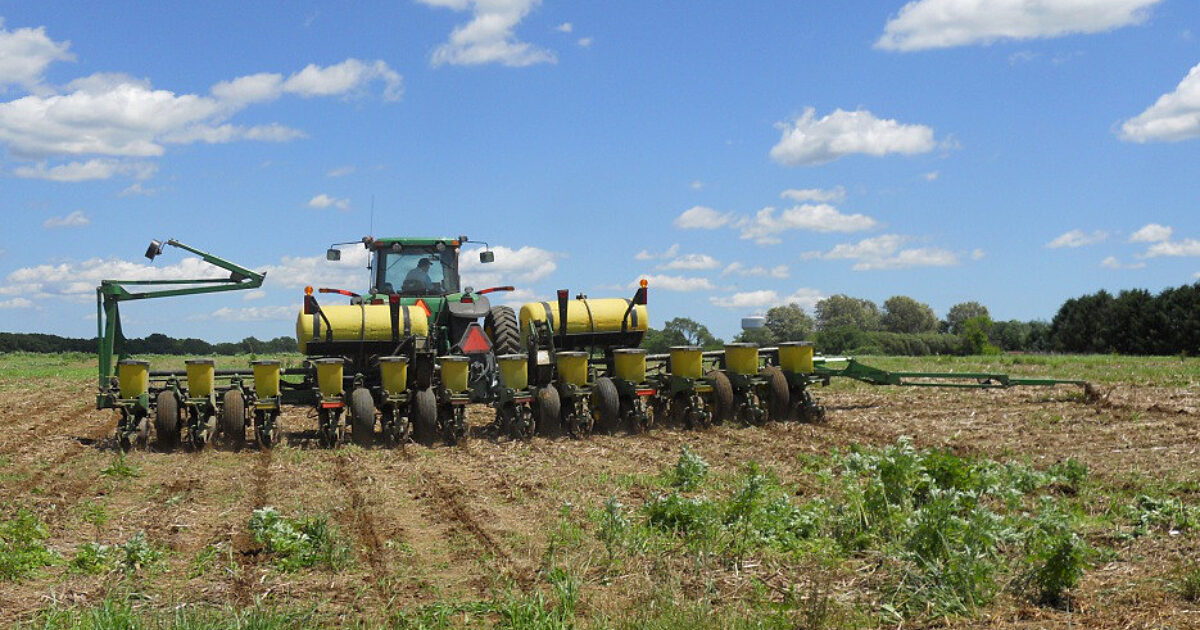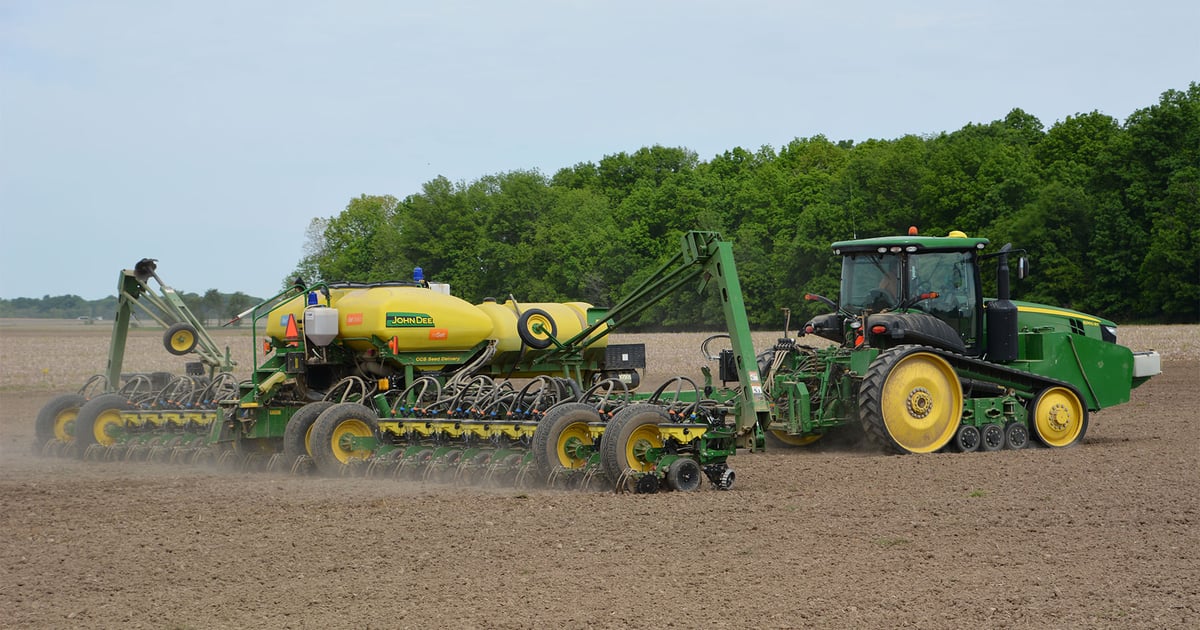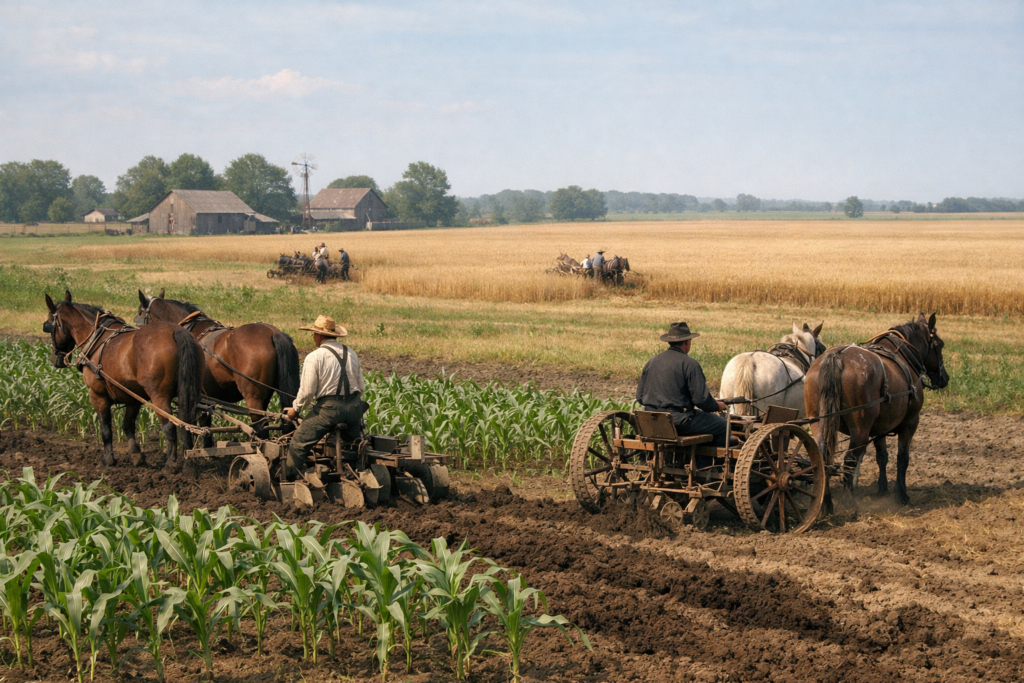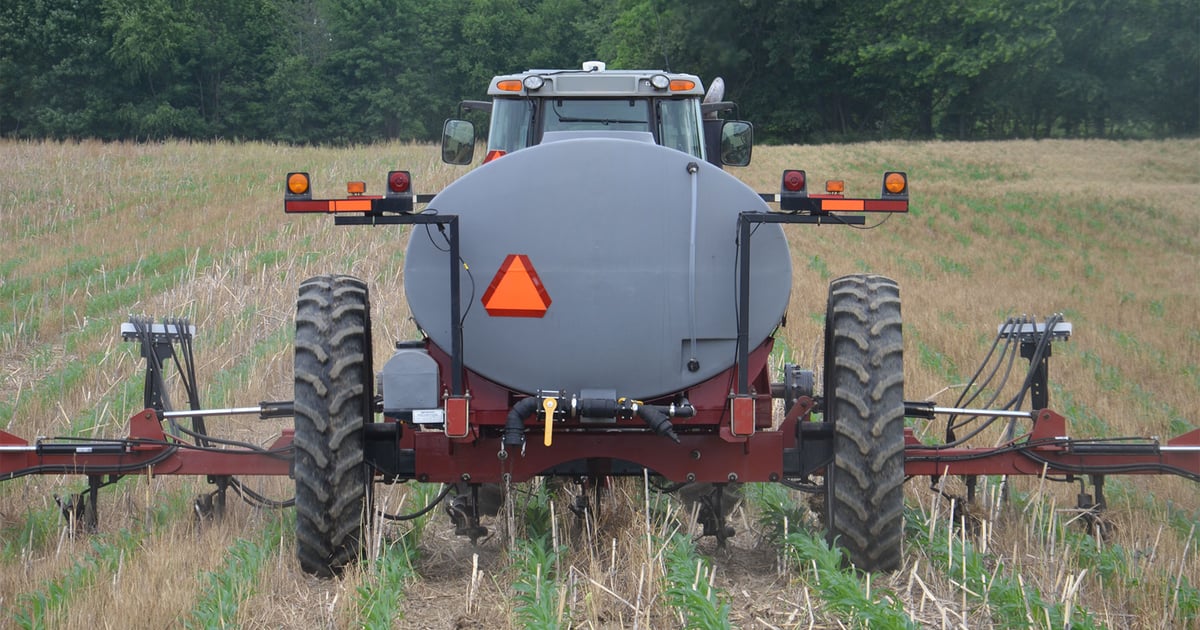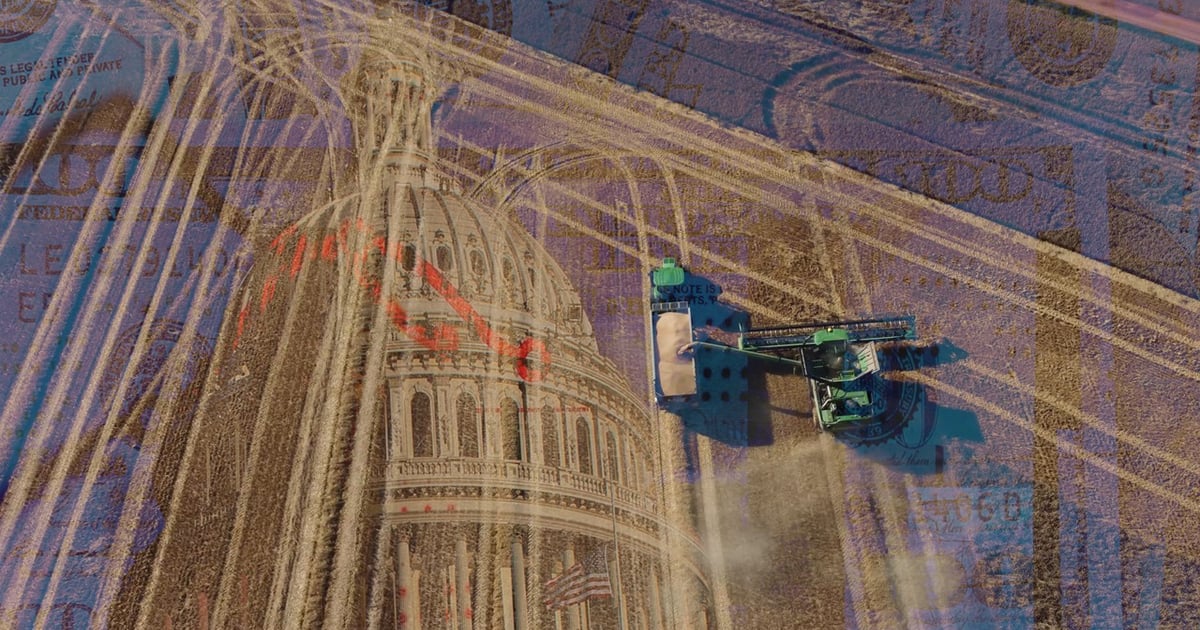


The American farmer today is asked to pay $1 million for equipment to harvest crops selling at 19th century prices.
Star file photo
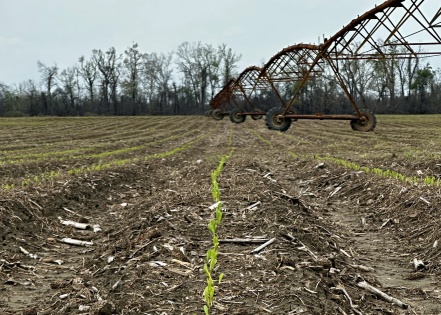
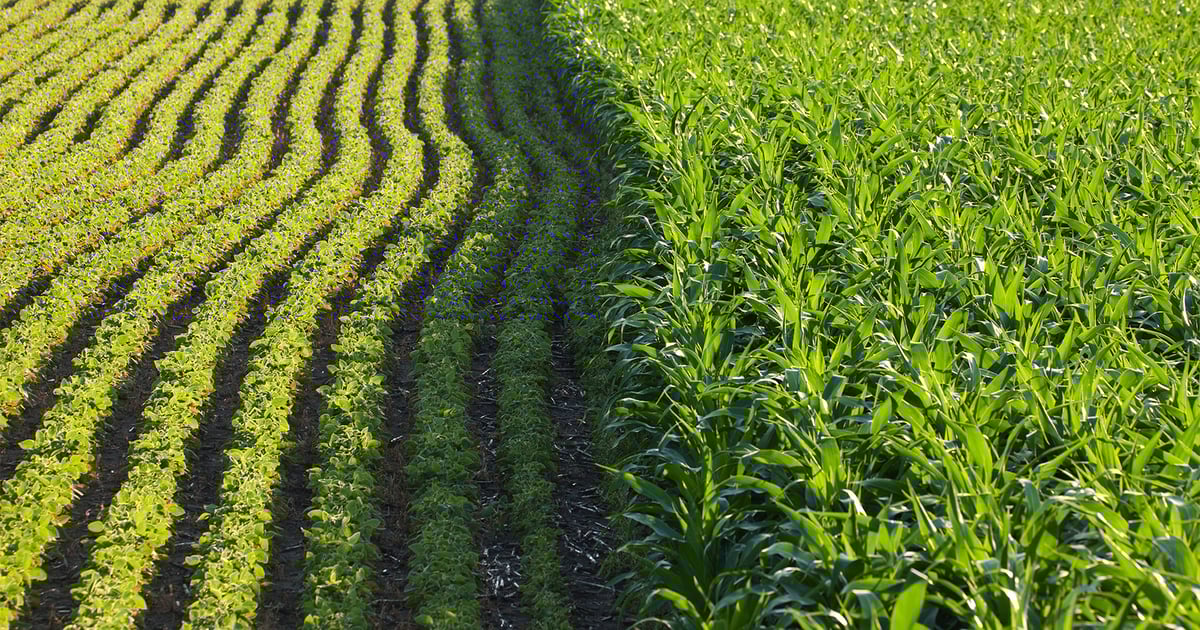
Growing crops is a repetition of planting, growing and harvest season to season. The year 2025 in Missouri started with a cool, wet spring that pushed planting two months beyond optimal. However, that long, cool spring continued into a wet early summer with rain through July.
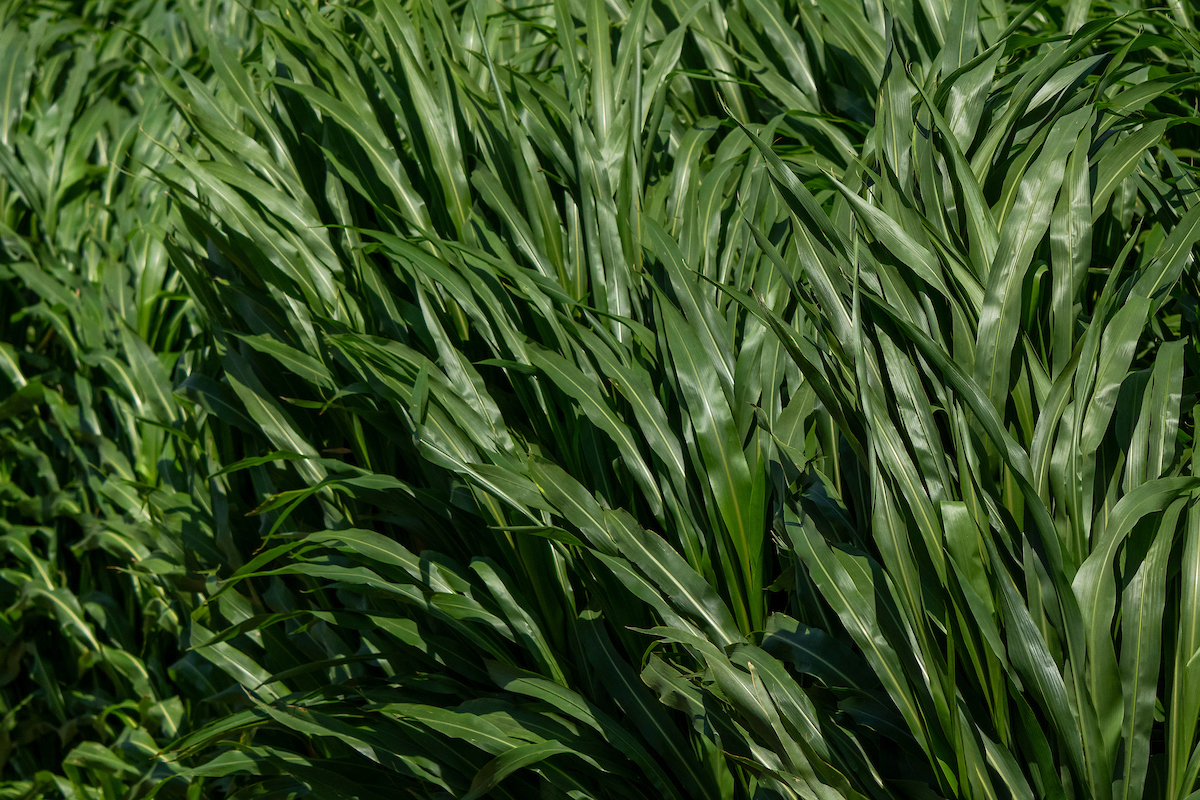
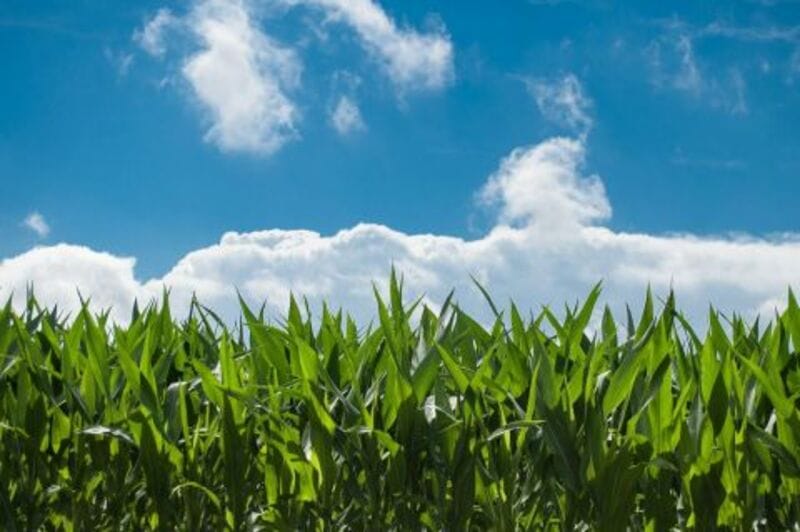
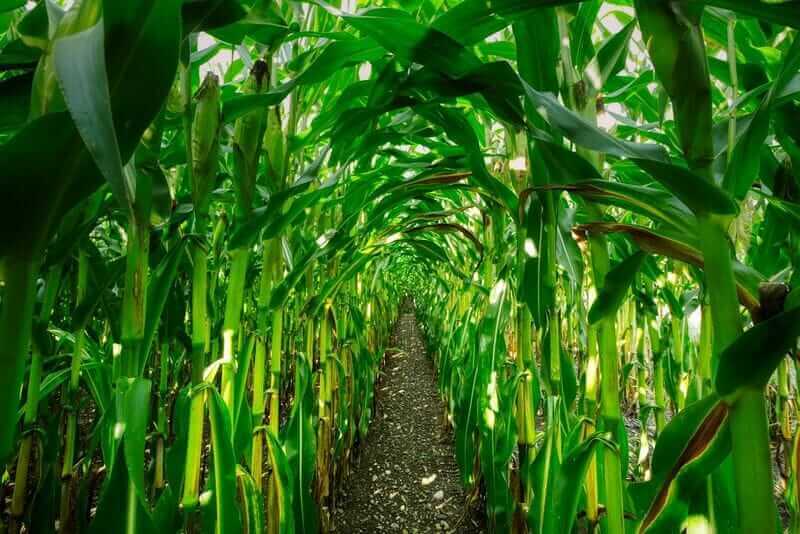
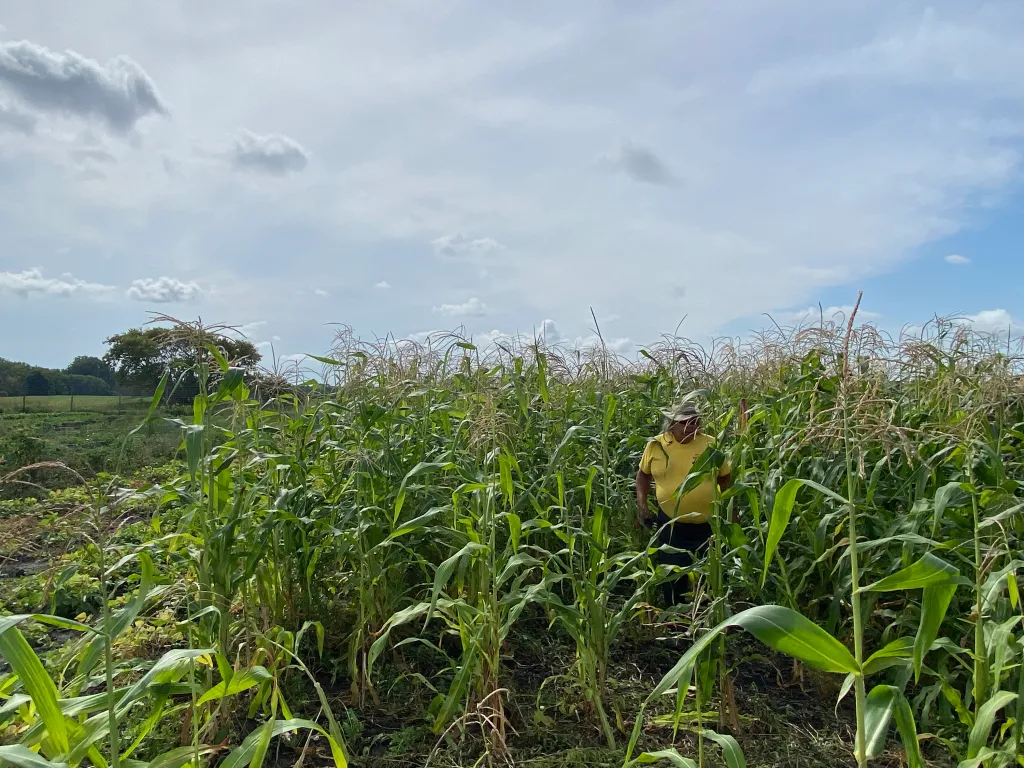
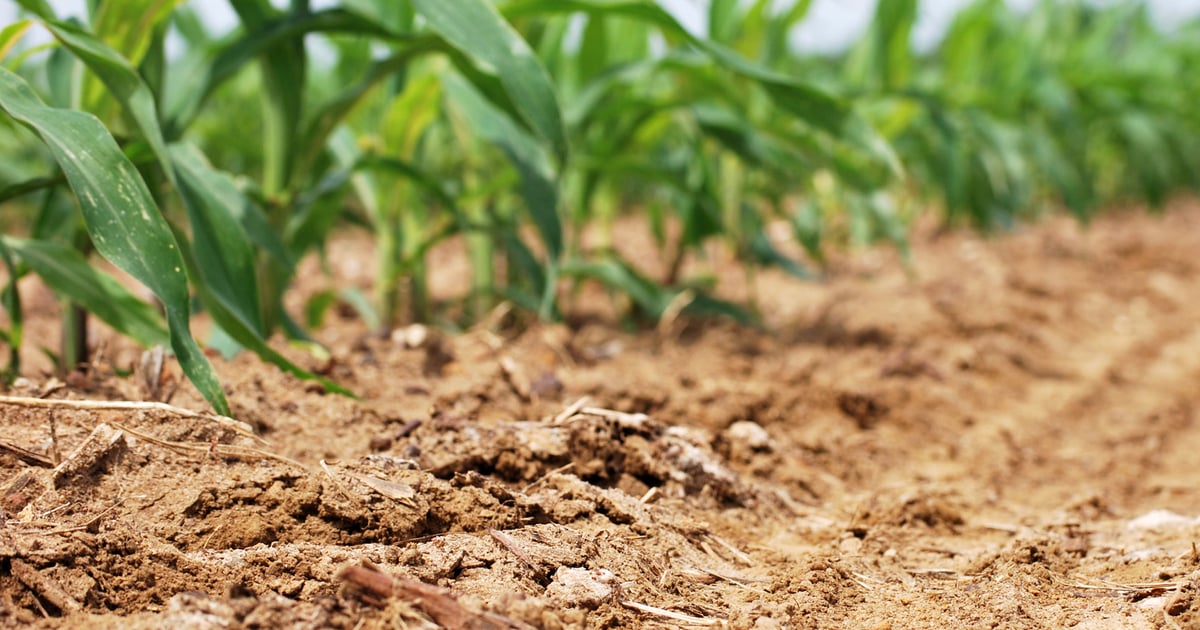
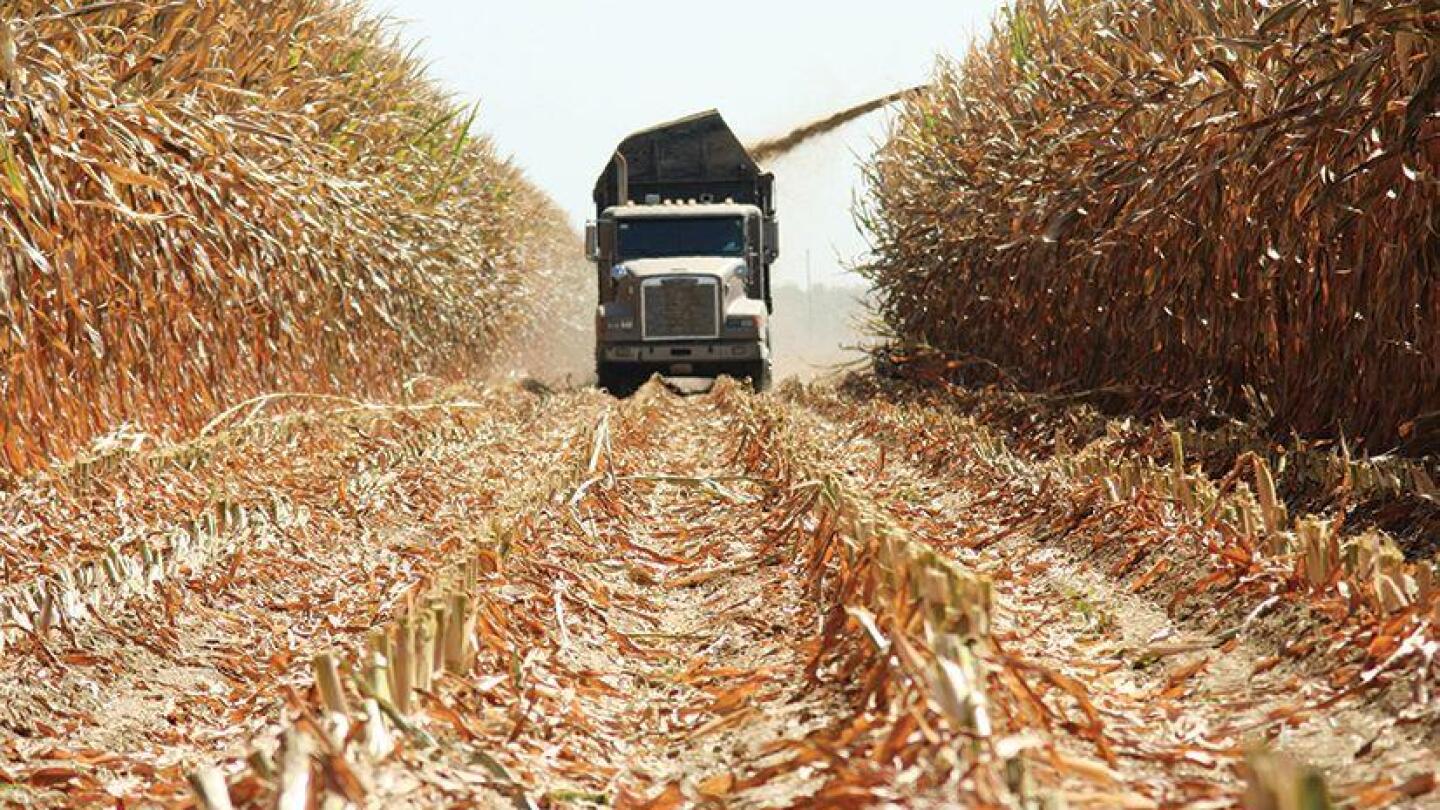
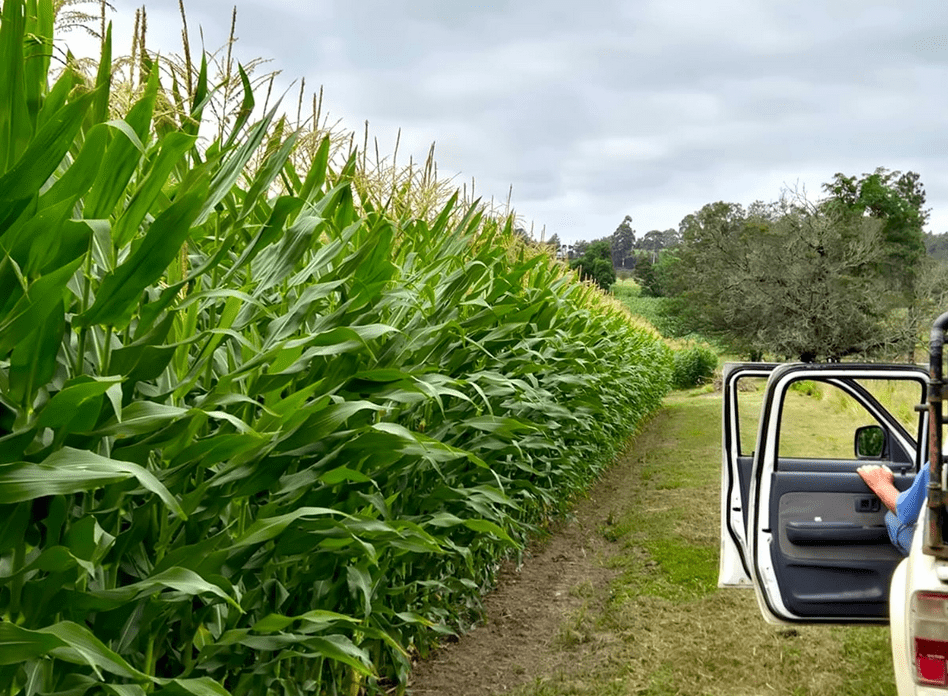
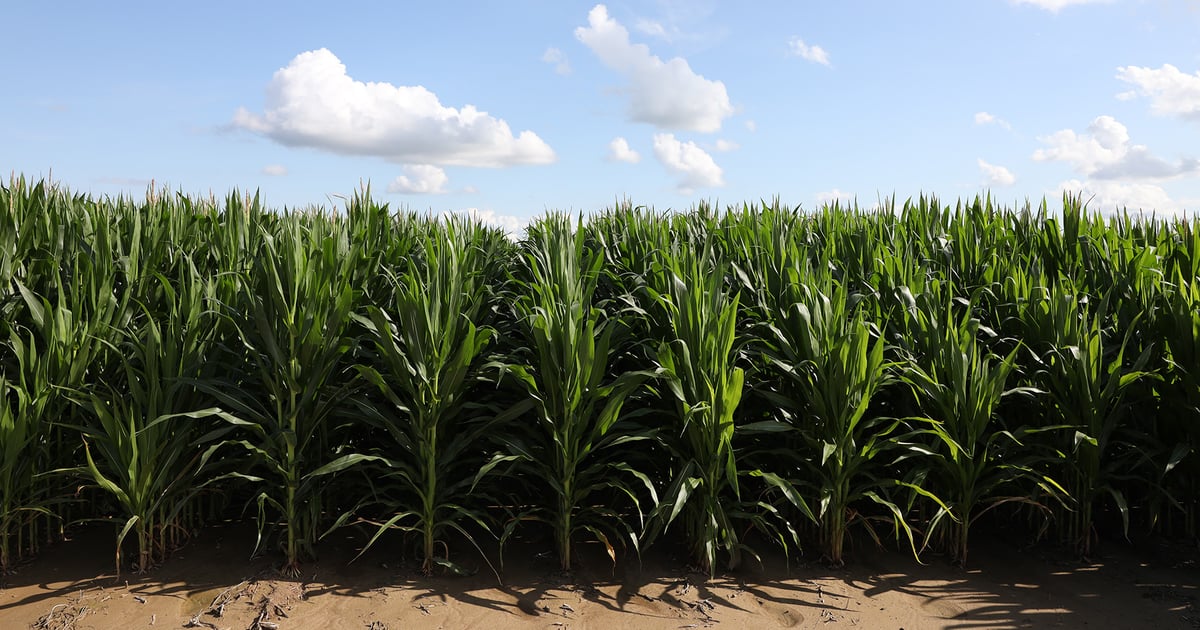
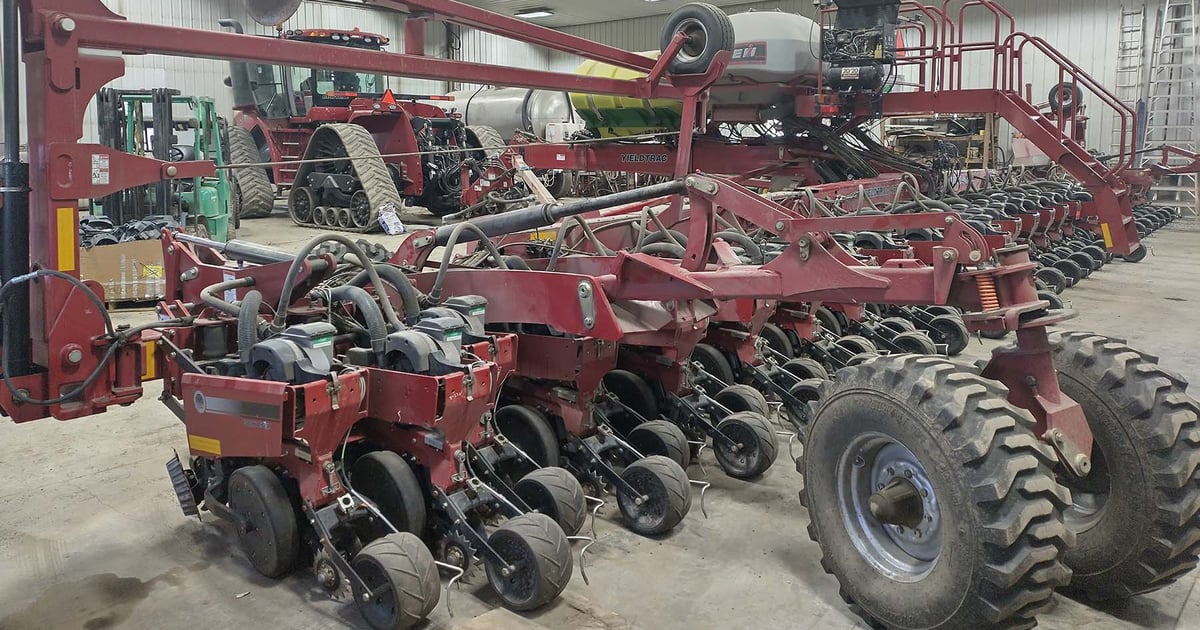
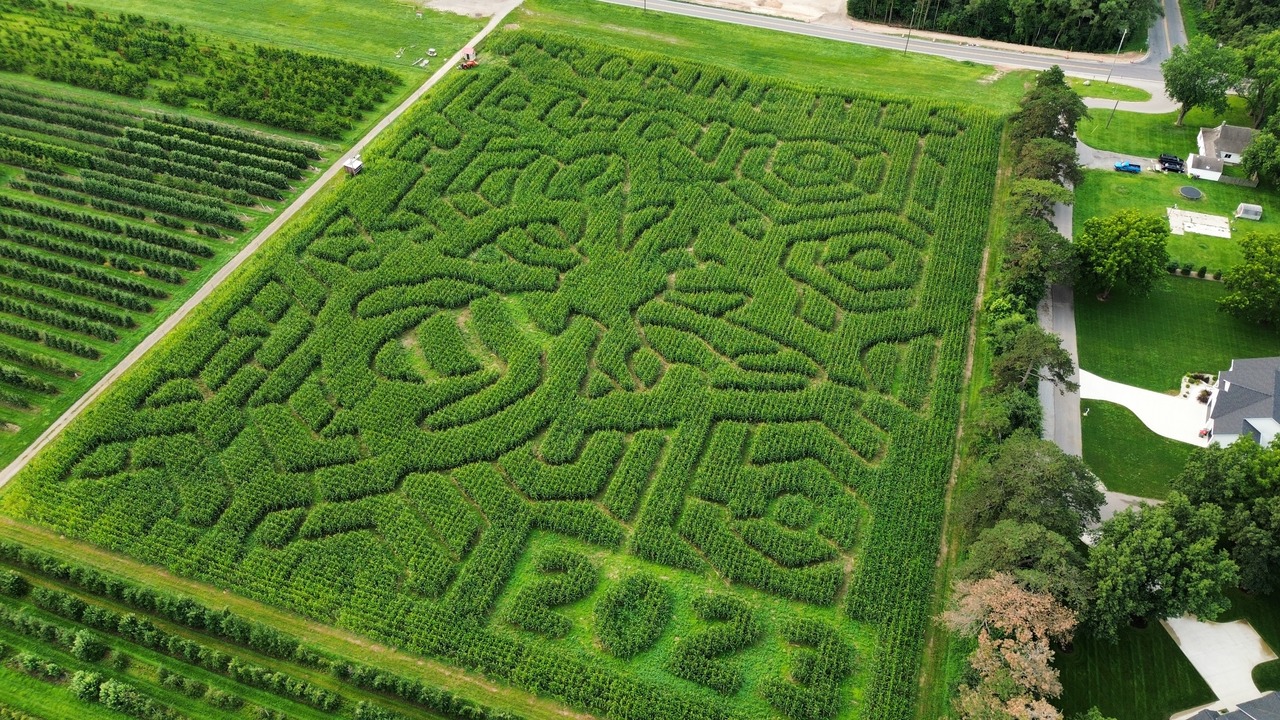
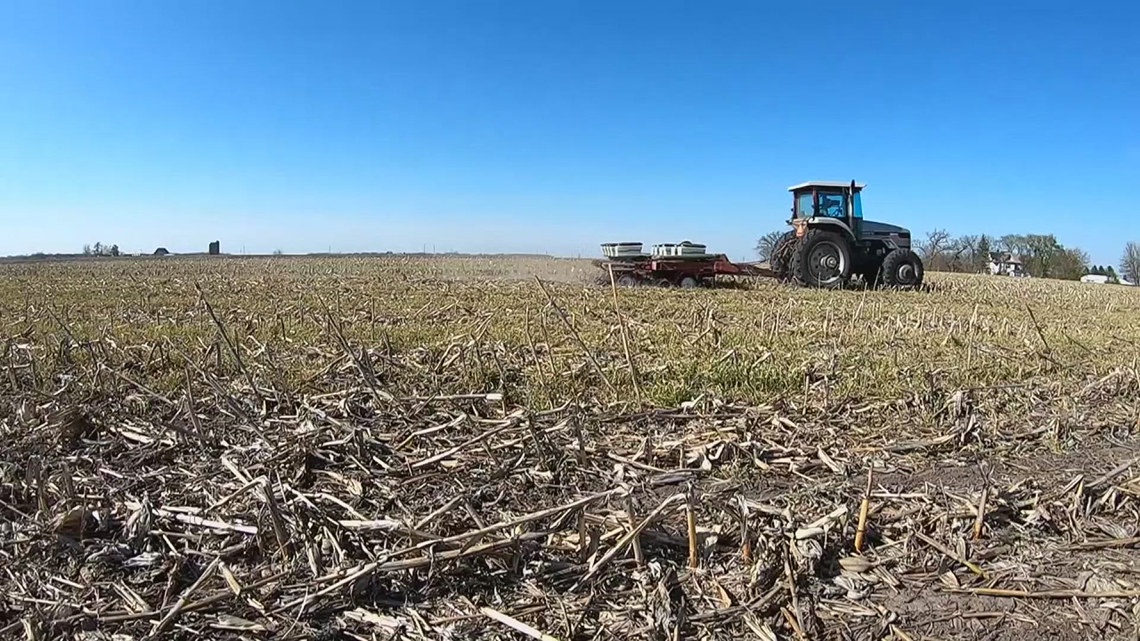
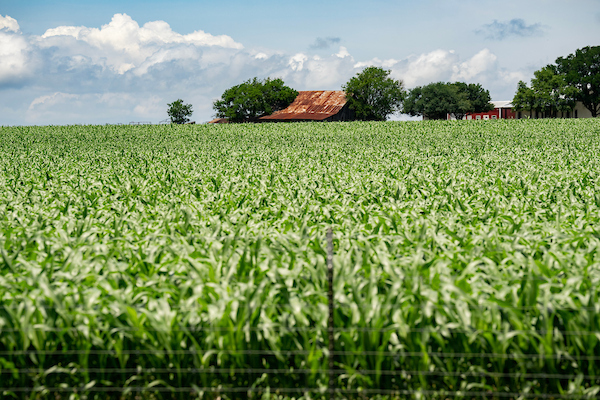
Every season depends on the seed chosen, the fertilizer applied and the equipment used. A big mistake and blessing was made this spring. The old planter was not set for the correct population that our island in the Gasconade River could grow. In fact, for every yard of corn row, some had up to four times the usual numbers of corn stalks. The wonder of this year is that the abundant rain caused centuries-deep topsoil not only to allow the corn to sprout, pollinate and produce — but to do it magnificently.
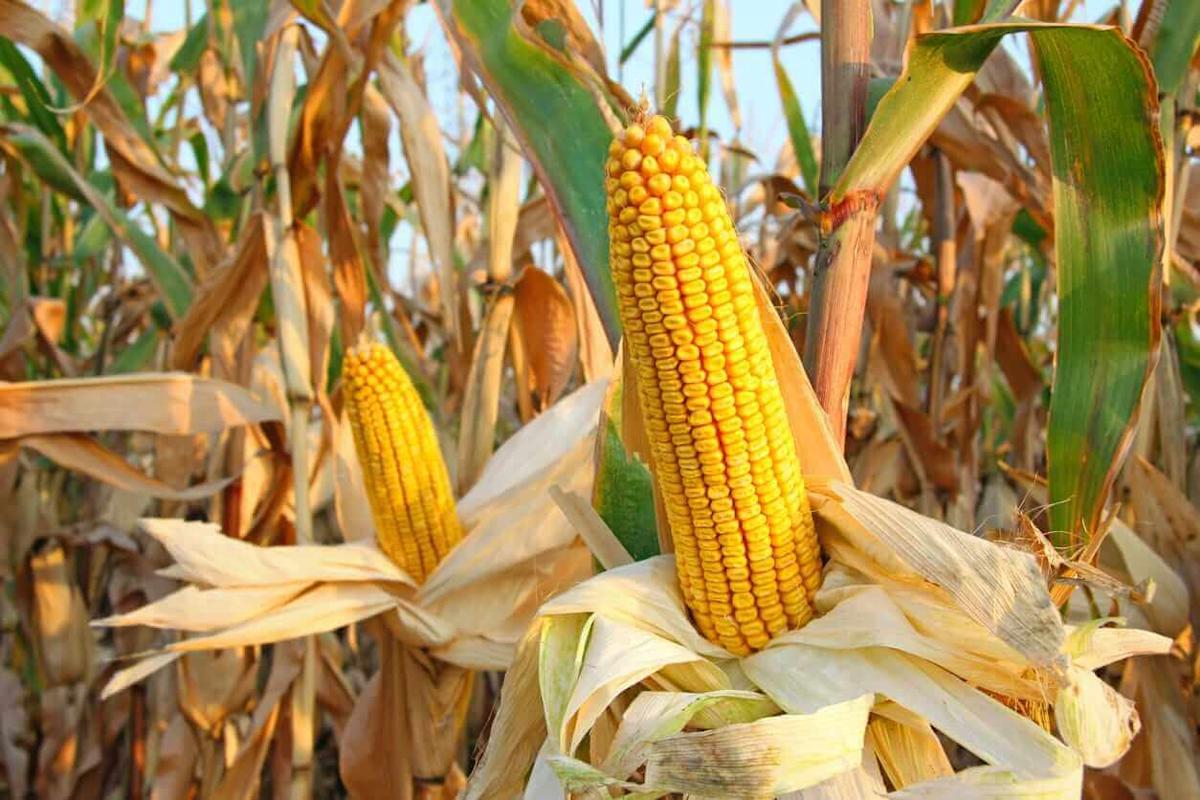
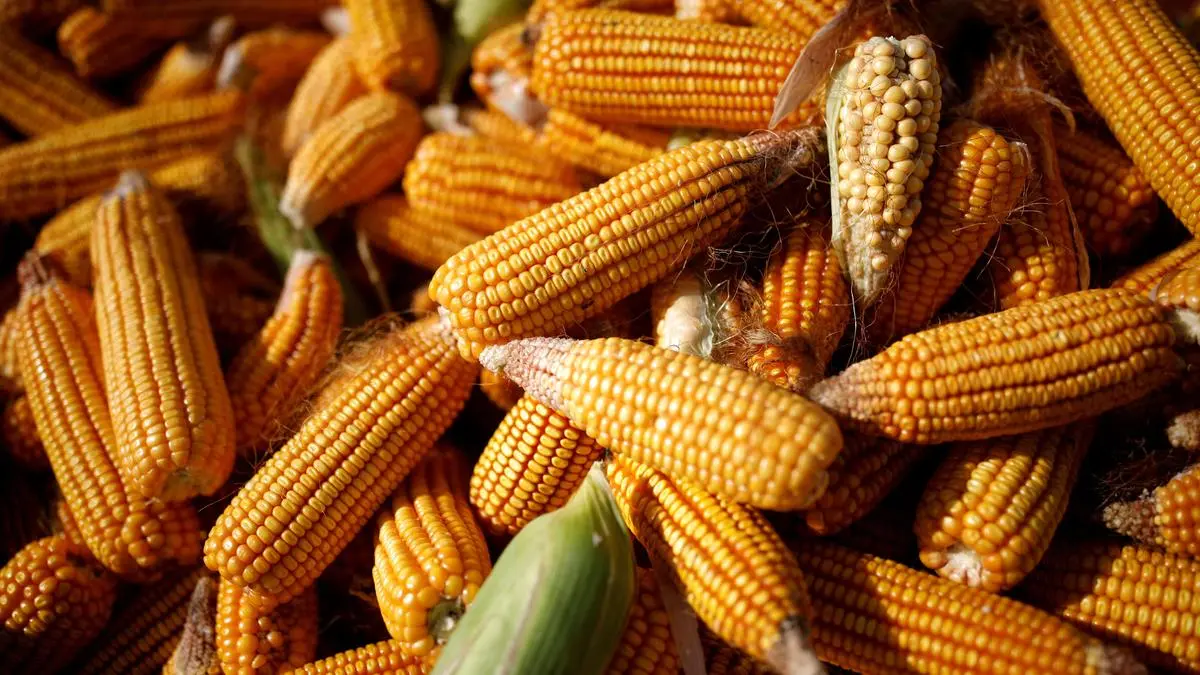
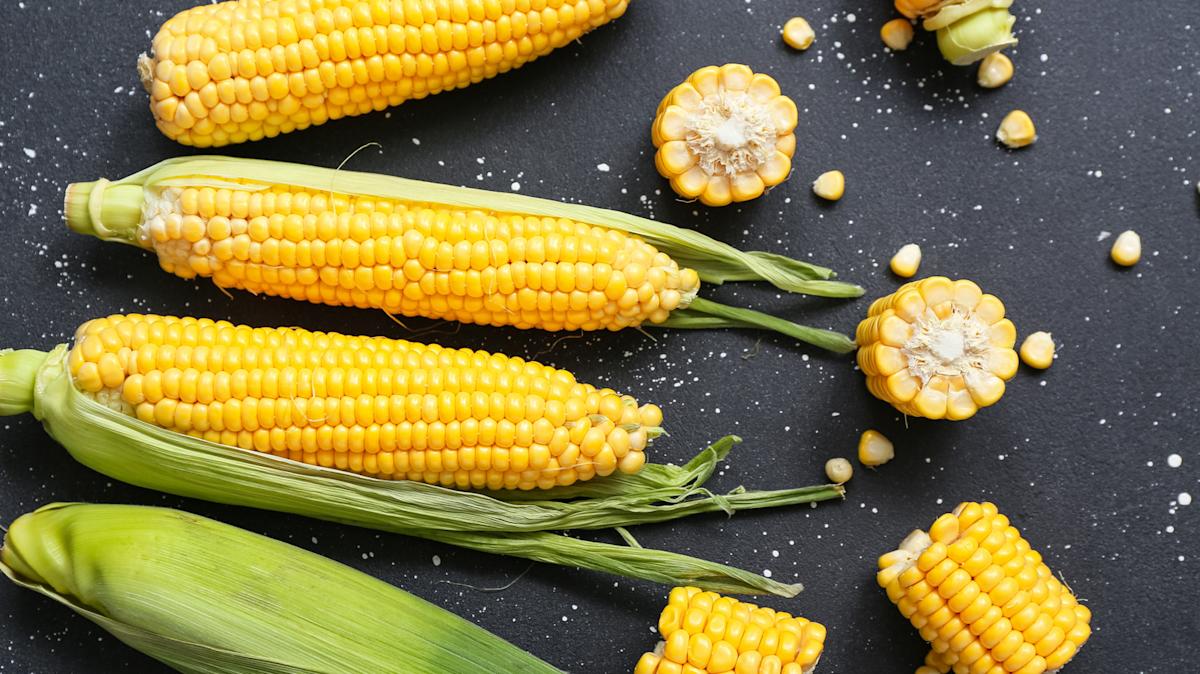
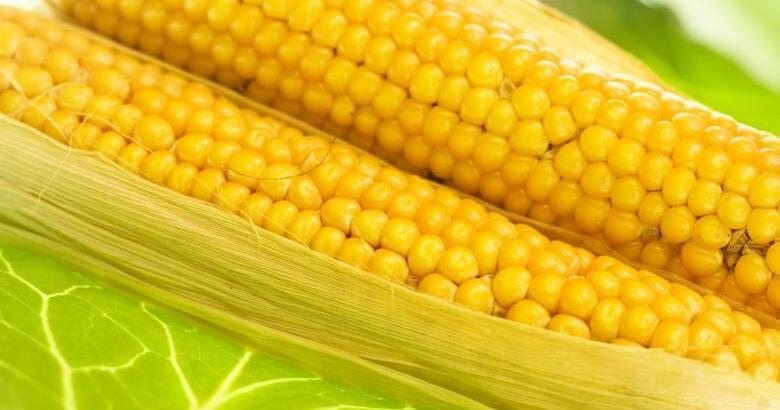
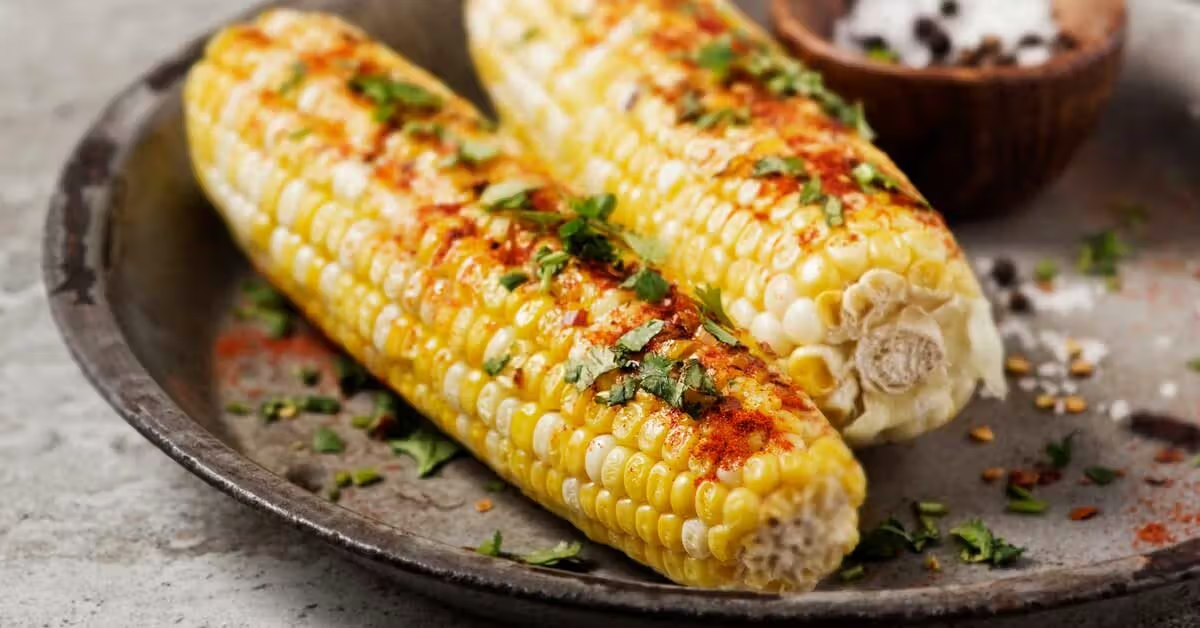
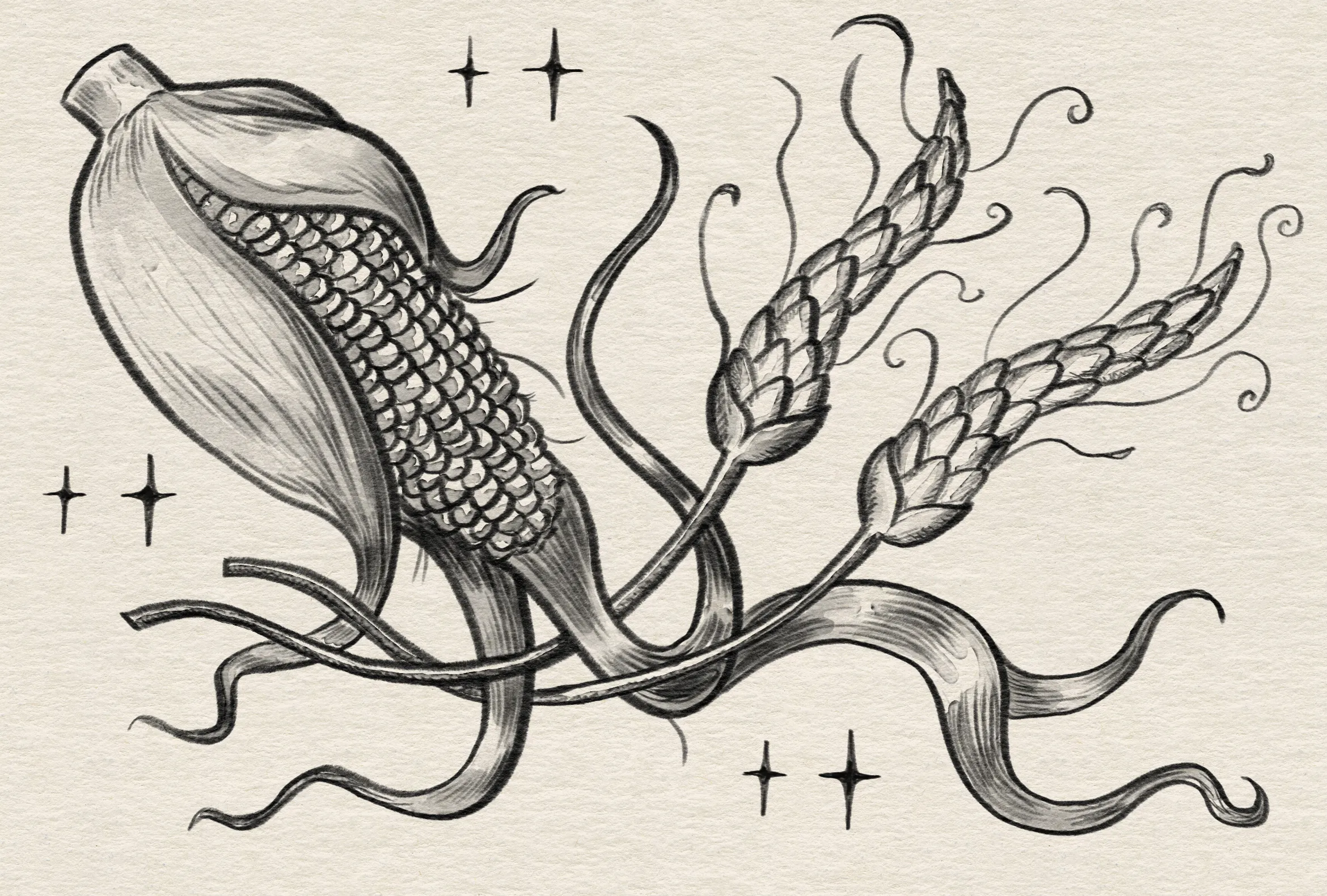
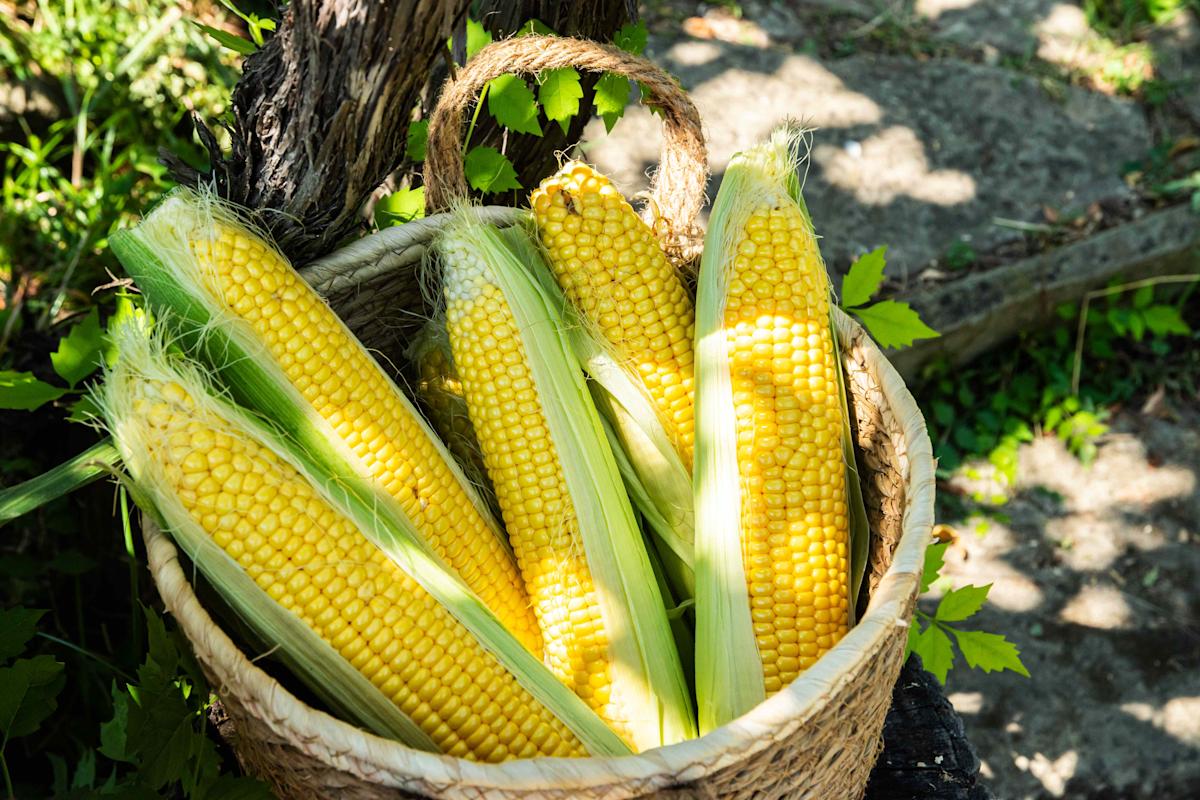
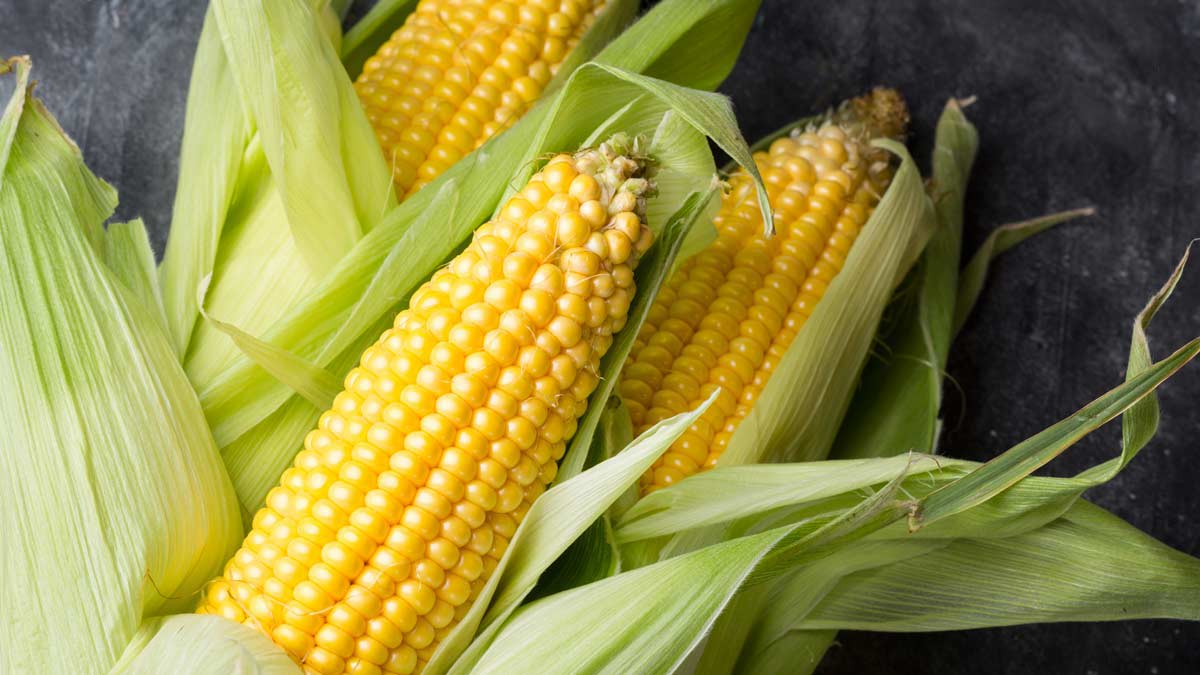
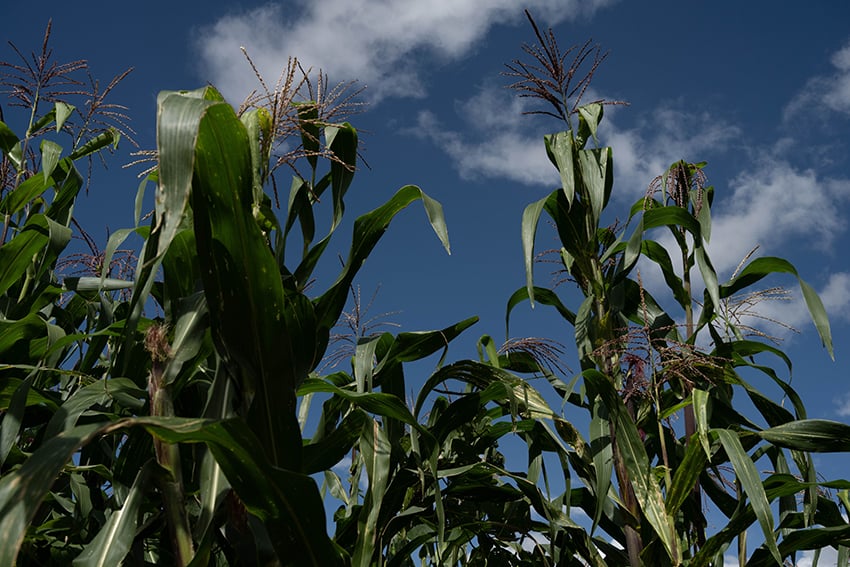
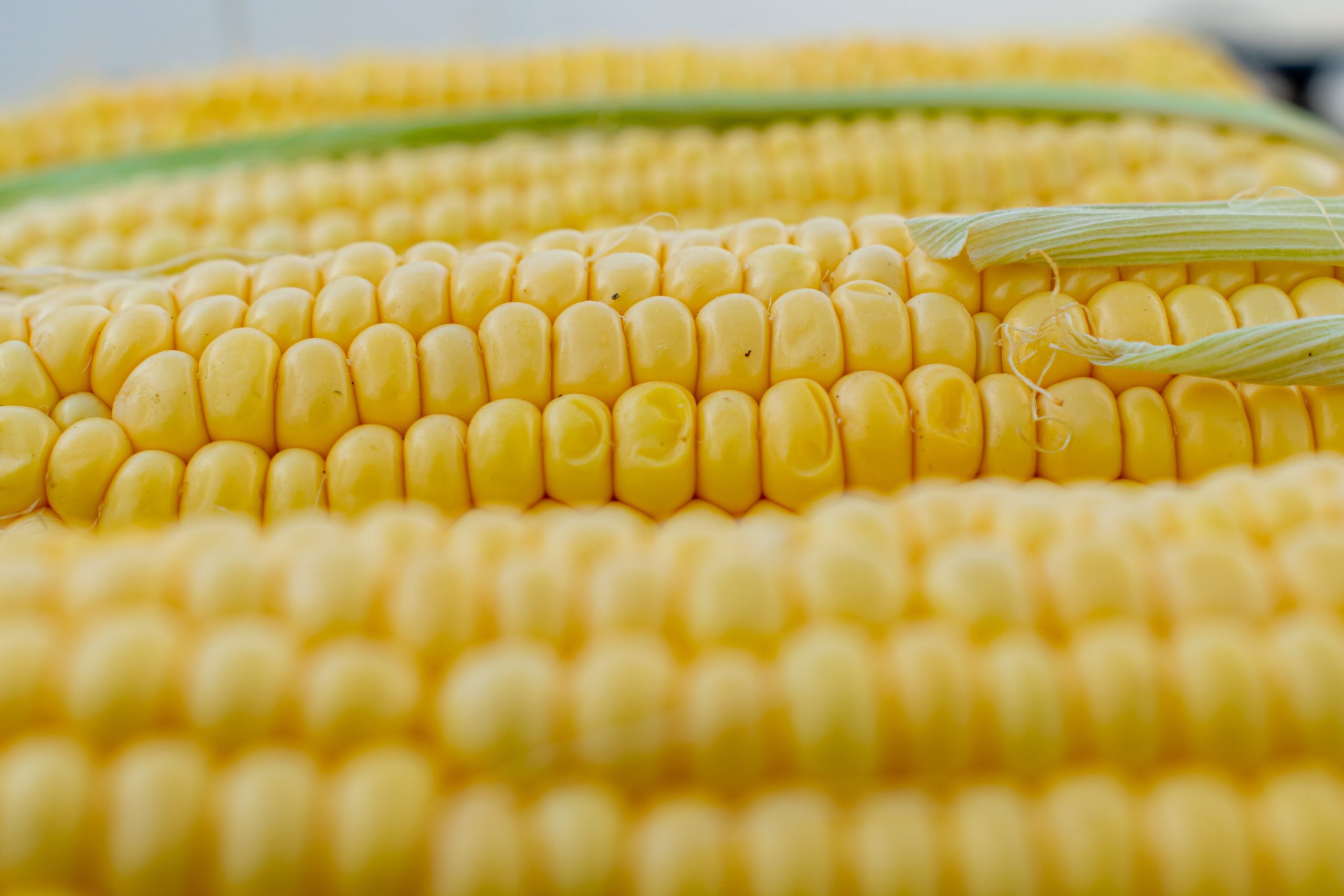
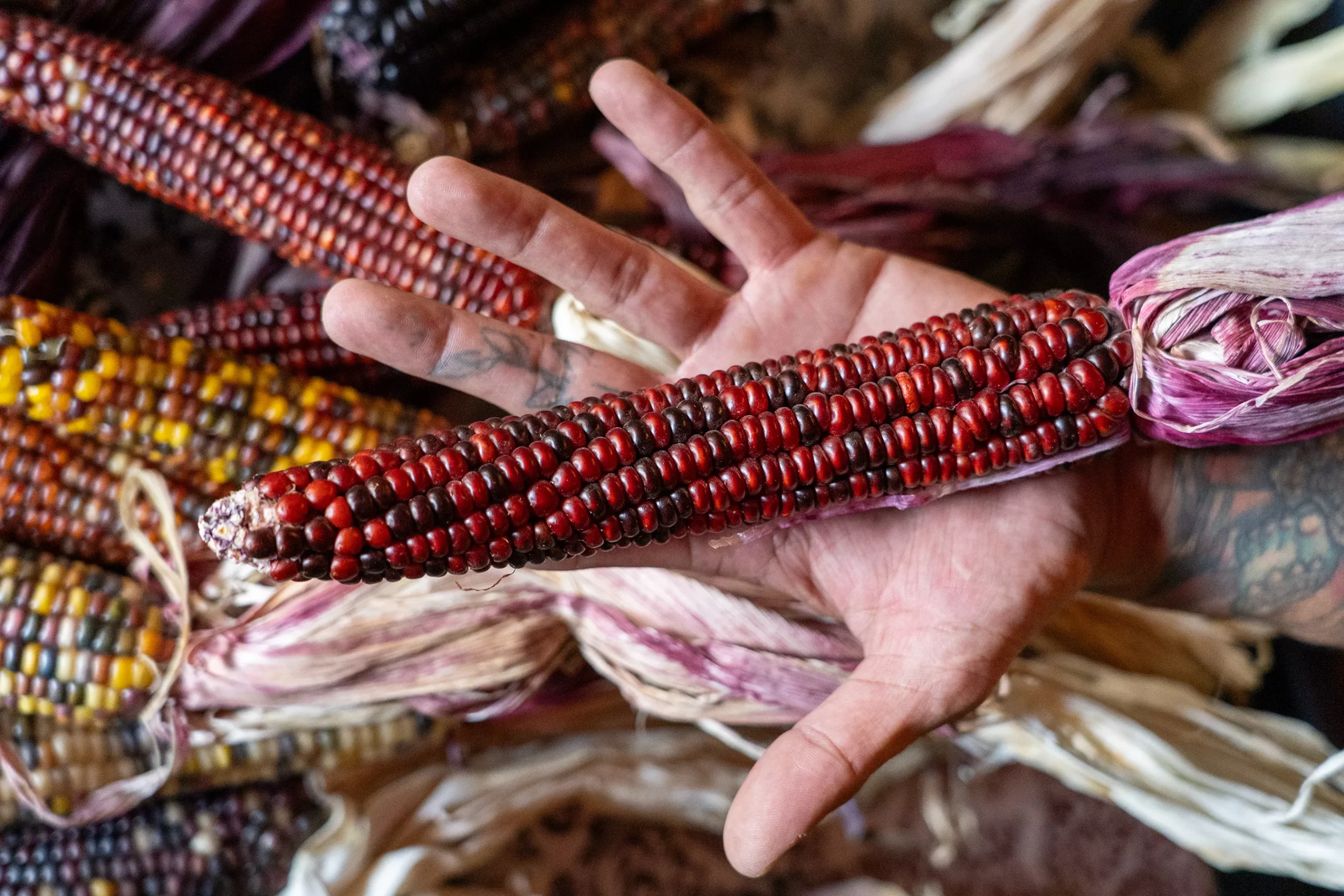
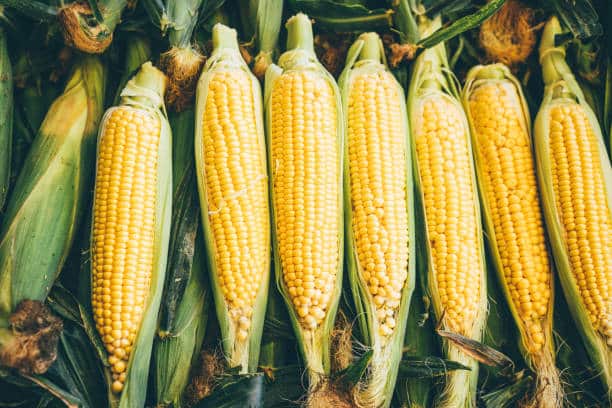
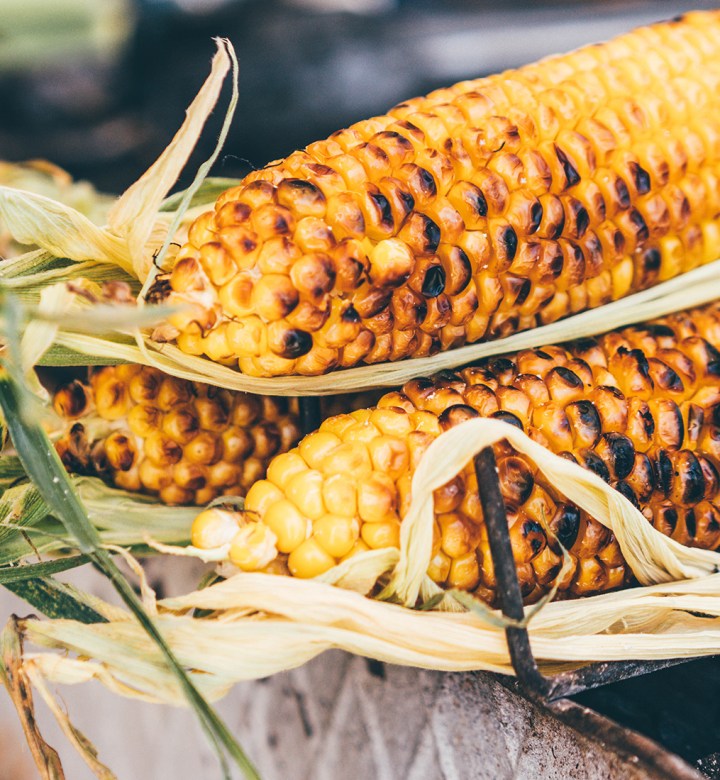
Simplistically, corn plants produce ears when the female flower of the plant, the silk, is pollinated by the top tassel, the male flower, by wind movement through the field. The tassels look like complex braids rising at the top of the plant, and each female flower is the silky hair that leads to each and every kernel of corn. When you clean an ear of corn to cook, realize this: Every niblet was attached to a single silk, which was fertilized by wind drift from the tassels above.
Farmers take blessings as they come. In a year when commodity prices are reaching record-breaking lows, our island decided to simply over-produce, as though that deep soil had a direct connect to political variants and world markets.
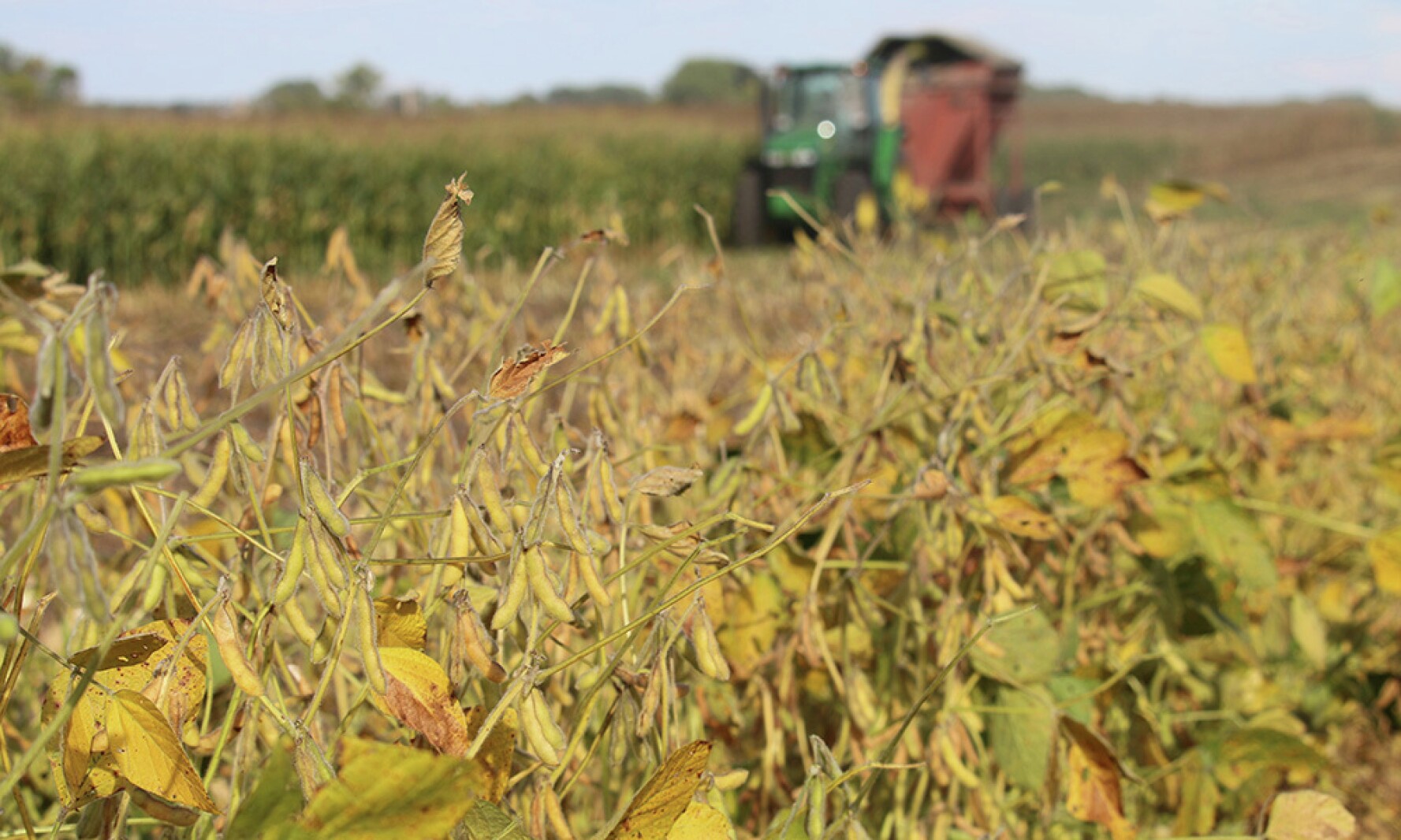
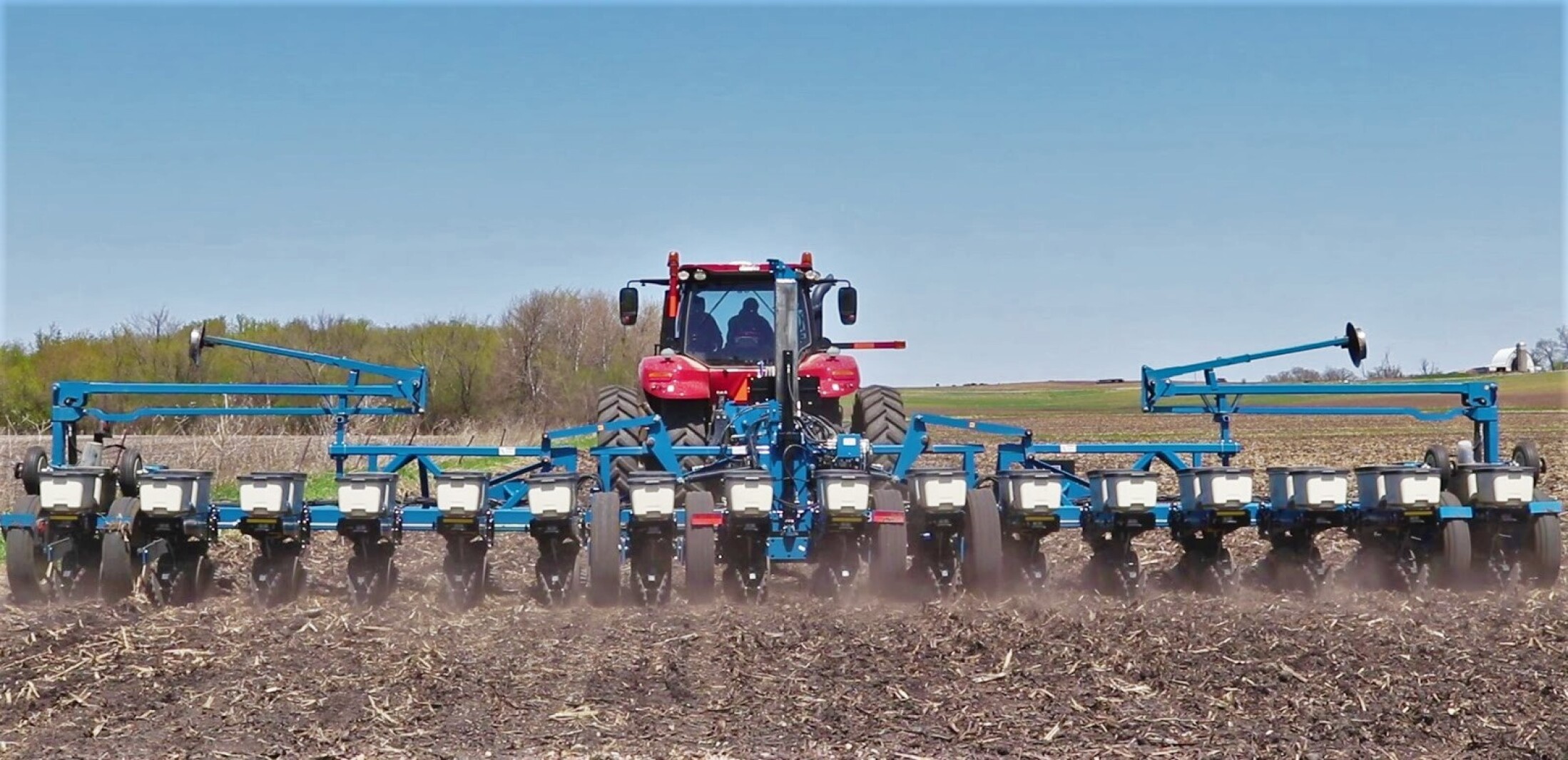
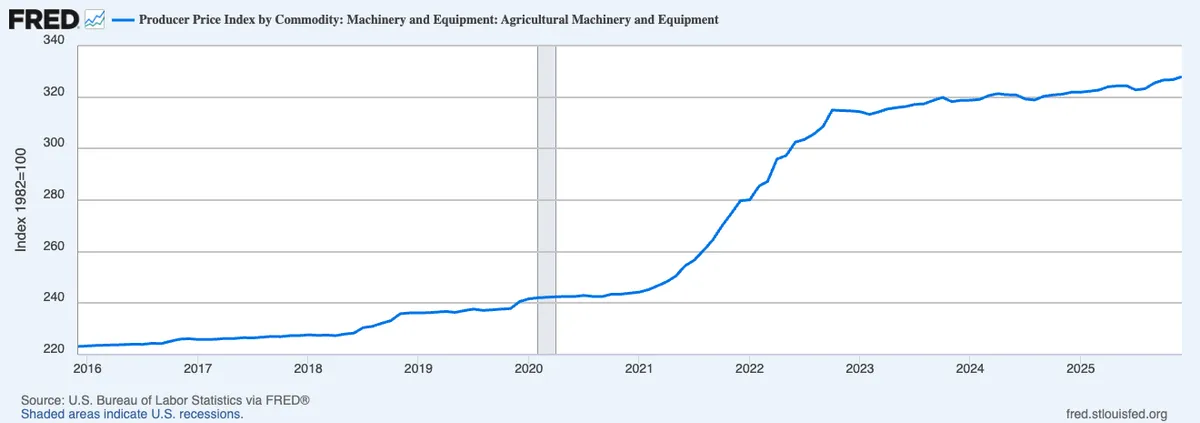
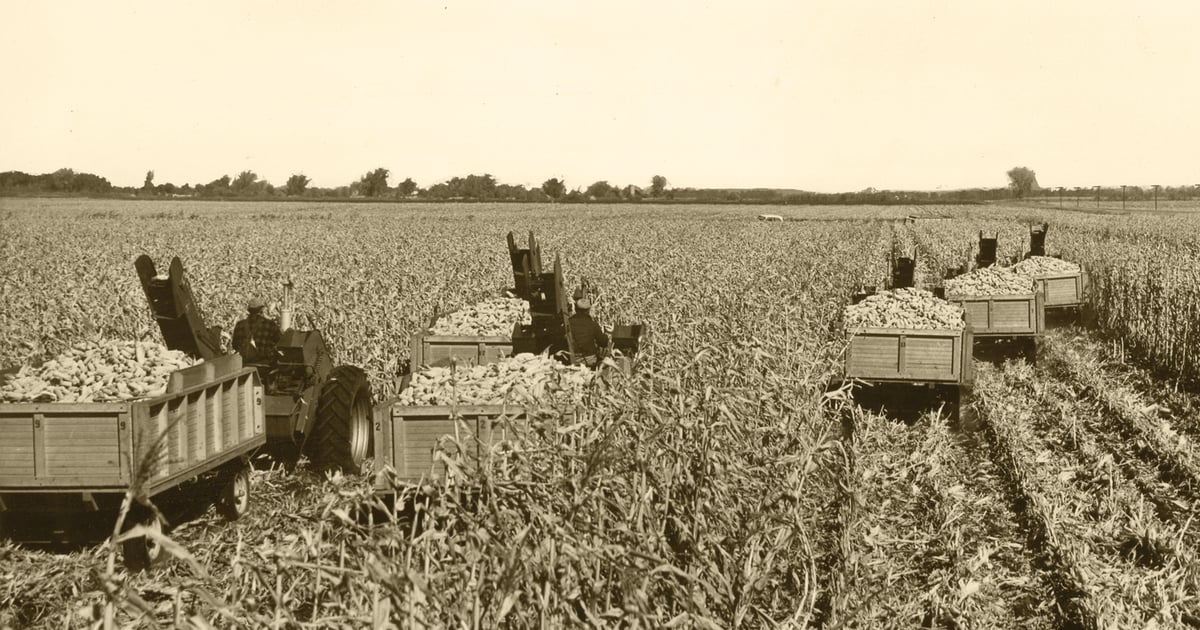
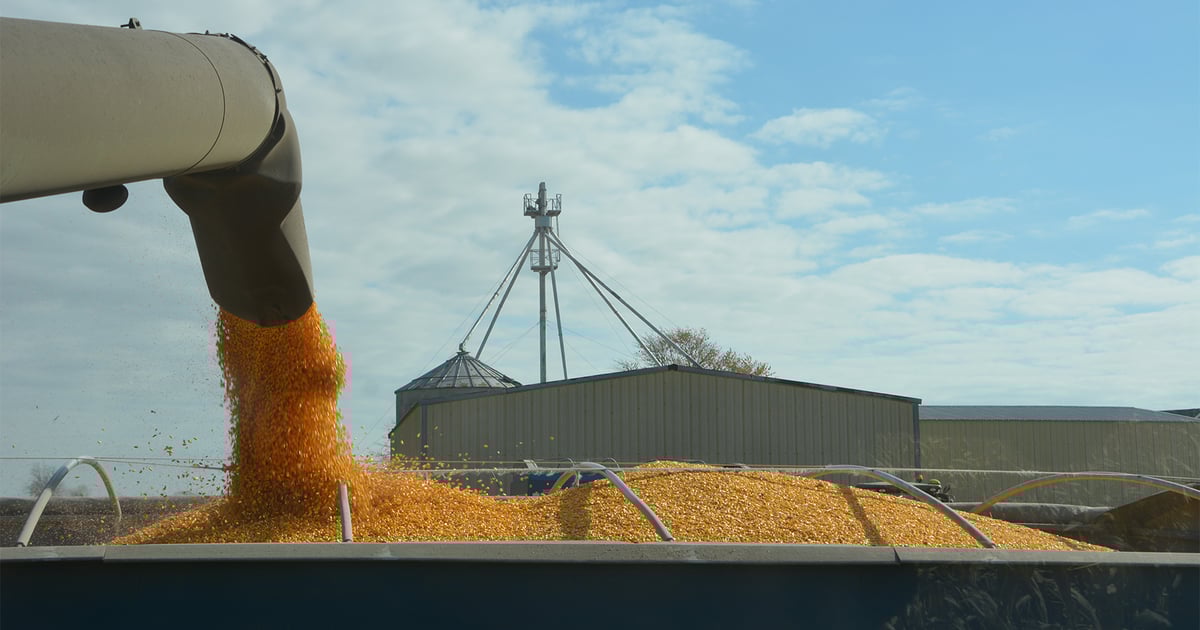
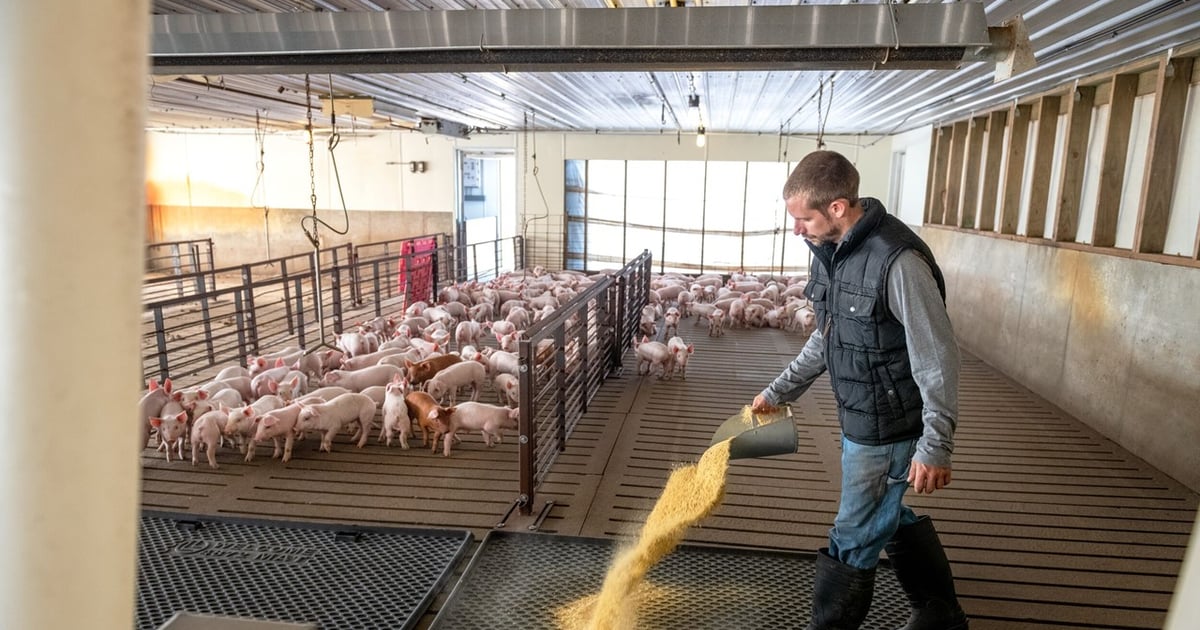
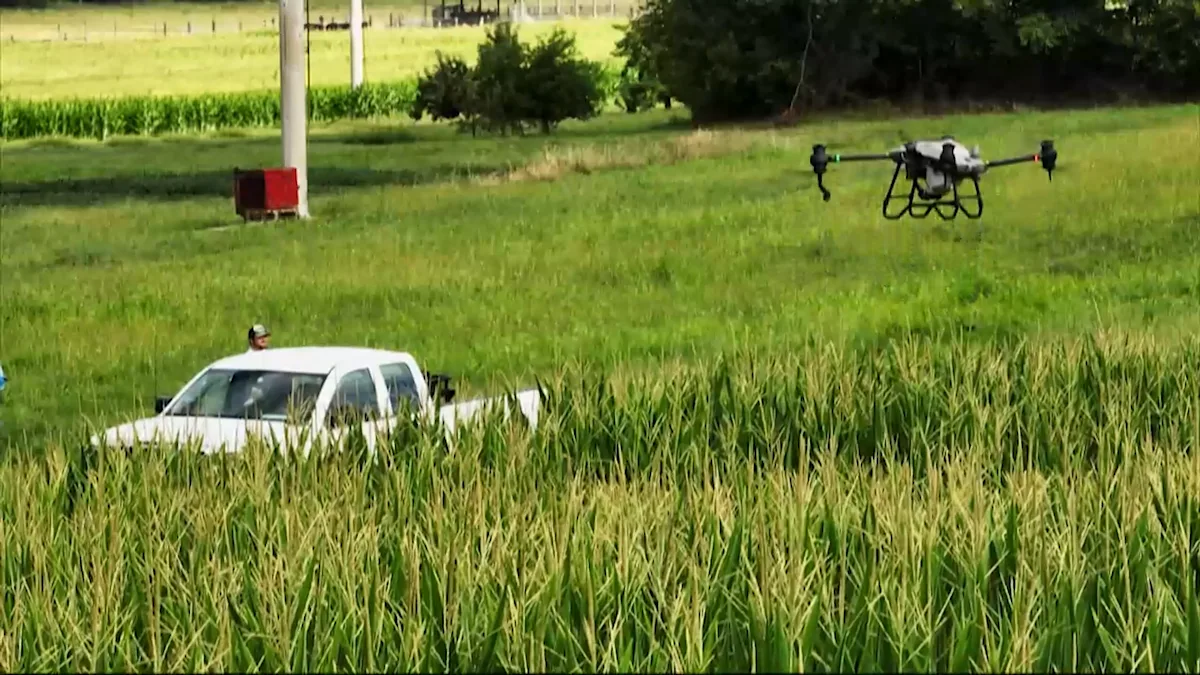
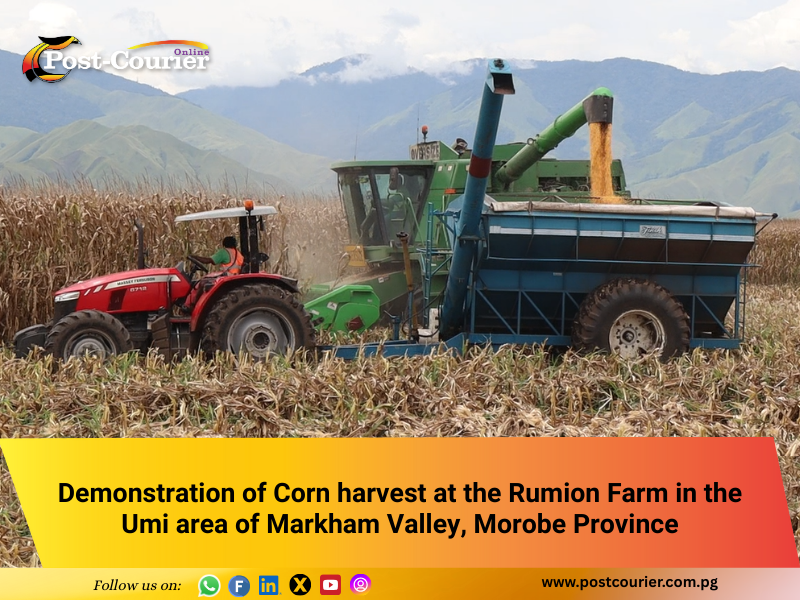
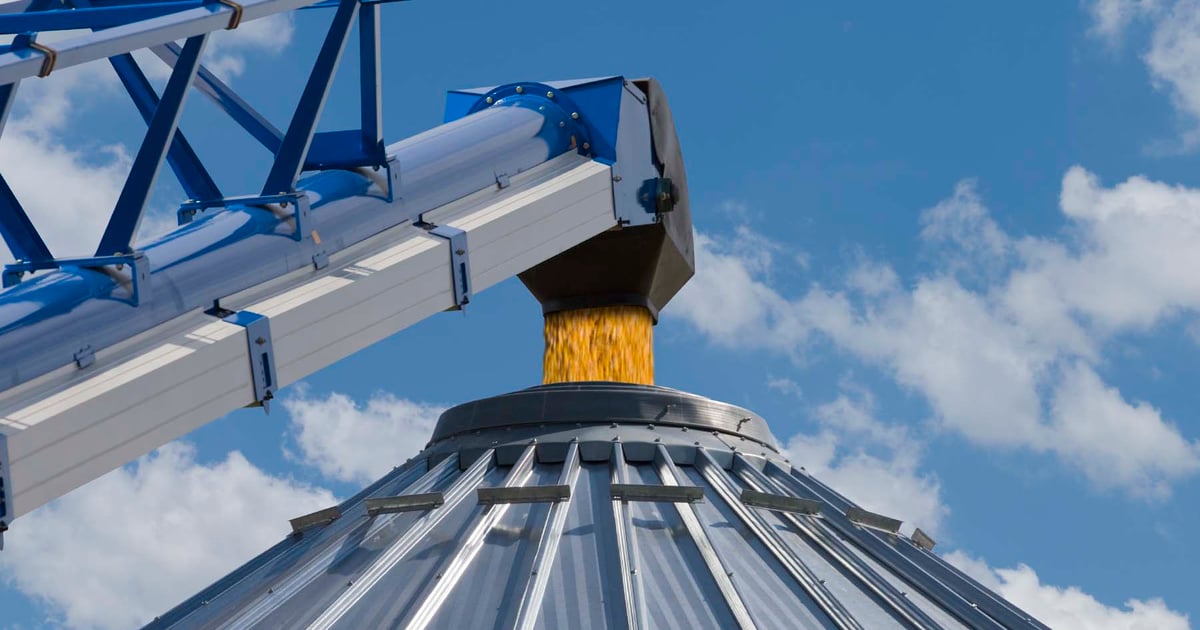
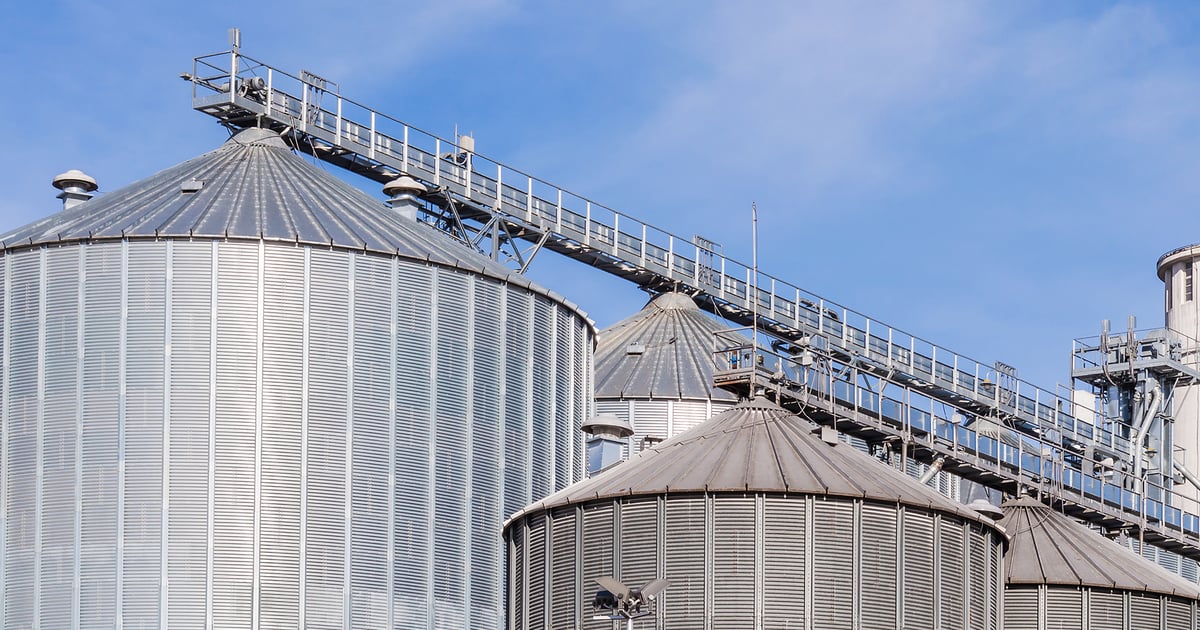
The American farmer today is asked to pay $1 million for equipment to harvest crops selling at 19th century prices. We are not as stressed by these markets, since we sell our corn locally picked and husked to another family farmer on generational soil who raises grass and grain-fed cattle for market. When I hear liberals say they hope all farmers go broke because farm states are typically conservative, or I hear Washington, D.C., voice no concern that huge amounts of acreage linked to family farms will go bankrupt this year, I shrug.
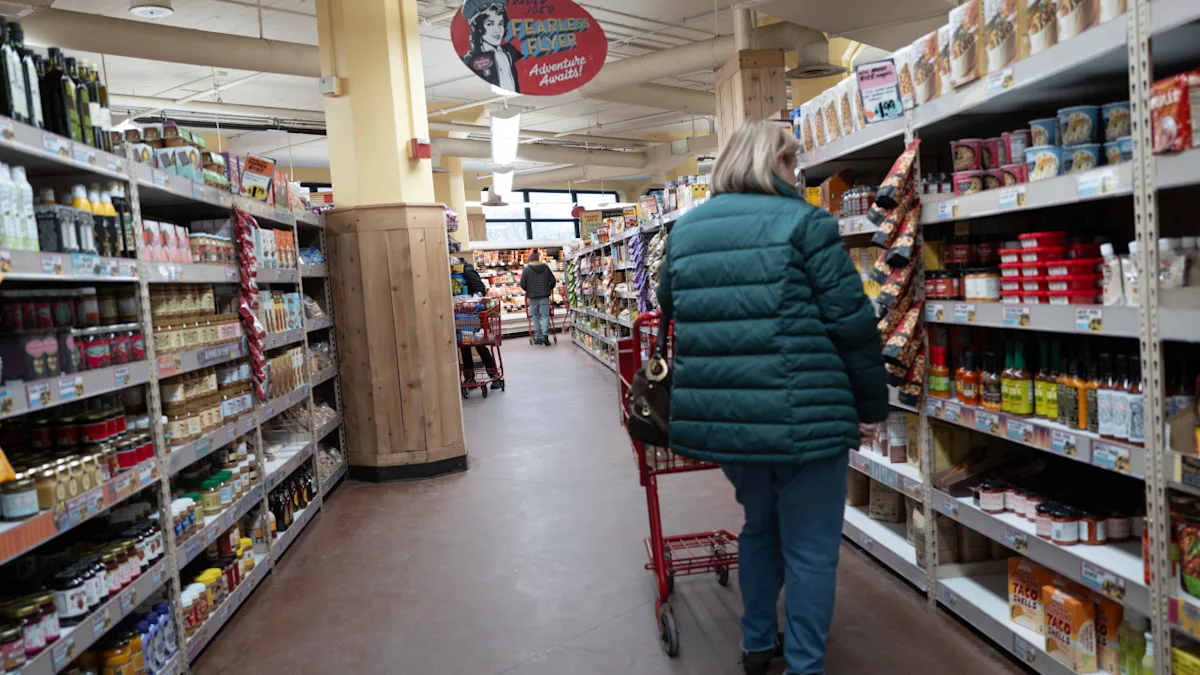
If you live on concrete and buy your food from local supermarkets or an occasional farmers market, the truth will be painful, whichever political trail you choose. This year’s tariffs and low grain prices will doom other families — many young descendants of the hardworking farm families of centuries past. This land will be absorbed into corporate mega-farms, or even sold to foreign investors.
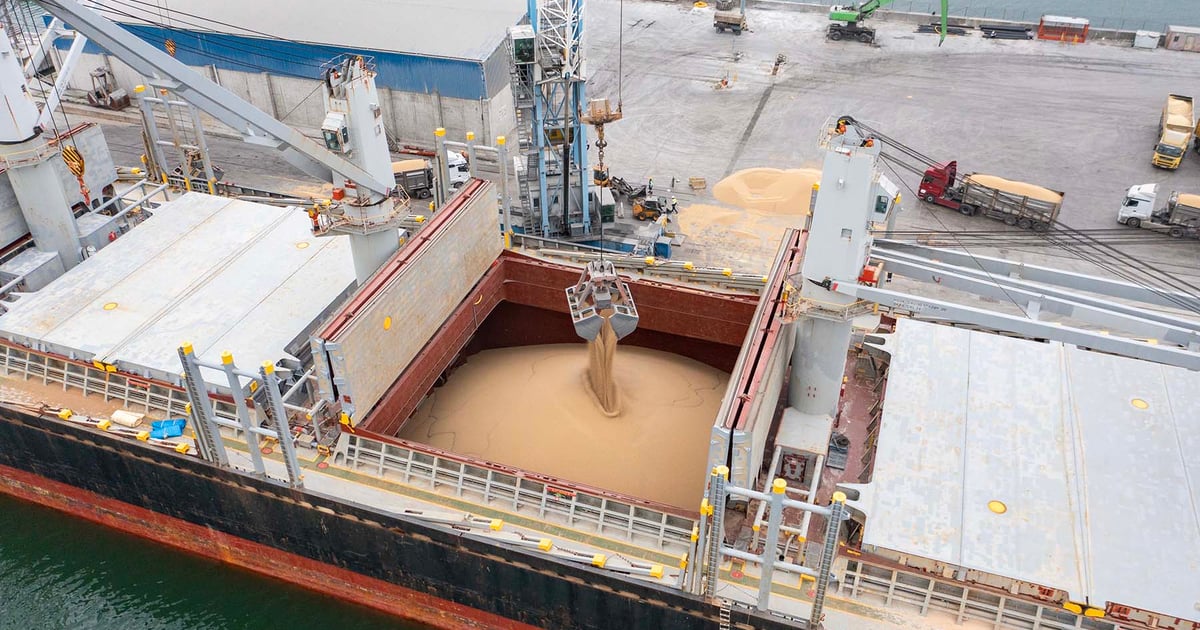
Why should people who live on concrete care? The economics are complex, but American agricultural commodities flowing out from the Gulf or from either coast for years have made up to one-third of America’s always weak export-versus-import numbers. If you were able to read this far, thank a teacher. If your stomach has always been full, thank a farmer. This family who choses to live on dirt will survive, and this year, a failing corn planter and the blessing of God’s abundant rain have made all our hard work and sacrifice satisfying — even if it has not made us enormously wealthy.
I wish the same outcome for all those who depend on America’s vast farm network. This will only happen when our 2% of the population on dirt can continue to serve the other 98% in urban environments.
Marsha Prock is a retired journalism educator and partner in a small farming operation in south-central Missouri.