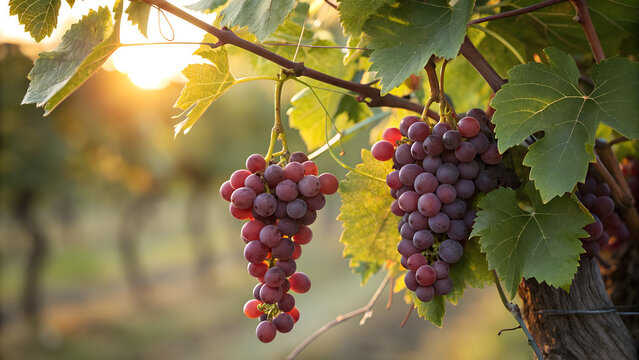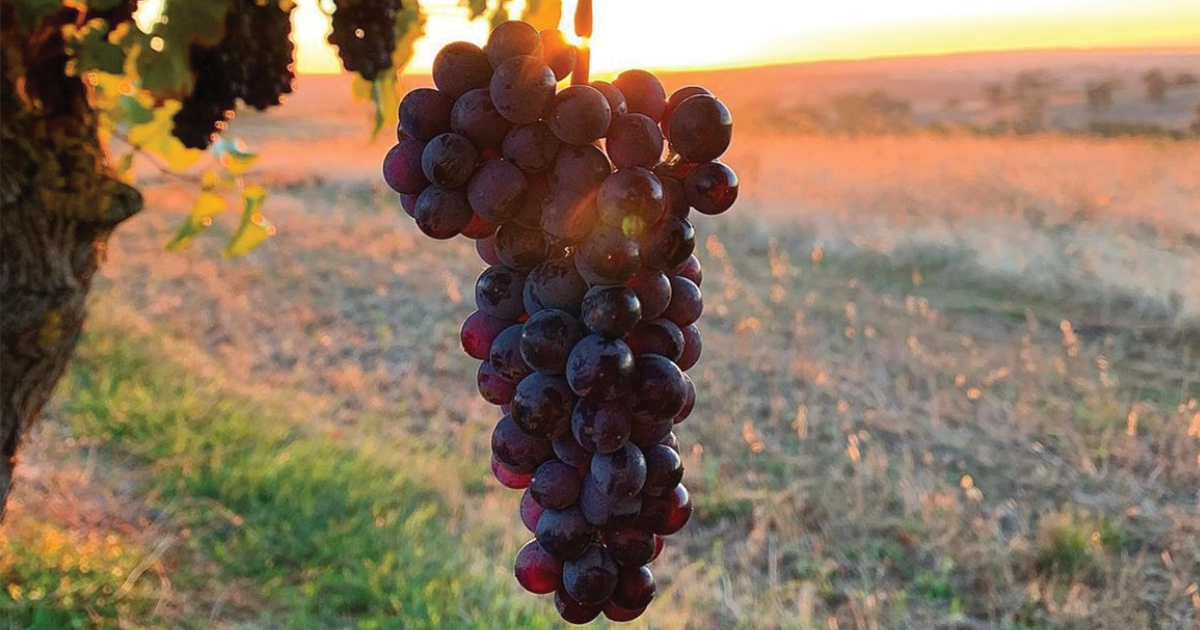

Every fall, at fruit stalls across Italy, small baskets of deep purple grapes appear among apples and figs; their name, uva fragola, literally “strawberry grapes,” sounds harmless, almost playful, yet these fragrant grapes have a curious story. They come from the United States, they helped save European vineyards from disaster, and the wine made from them, once common in Italian homes, is now technically illegal to sell: few foods embody such a mix of admiration, practicality, and…well…rebellion, as much as uva fragola.
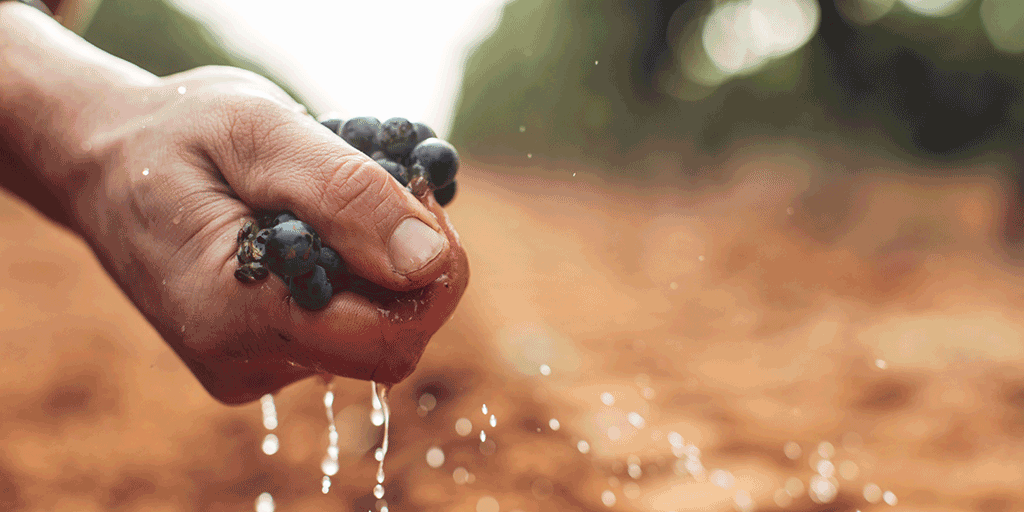
Its story begins far from Italy’s markets, in mid-nineteenth-century Massachusetts, where Ephraim Wales Bull, a farmer from the town of Concord, spent years trying to grow a grape that would survive New England’s cold winters. Imported European vines kept dying, so he turned to local wild varieties, planting and testing more than twenty thousand seedlings in his backyard until one finally proved right: sweet, hardy, and productive. He called it “Concord,” after his hometown, and introduced it in 1849. The fruit quickly spread across America, becoming the base for grape juice, jelly, and the deep-purple church wine that often filled chalices.
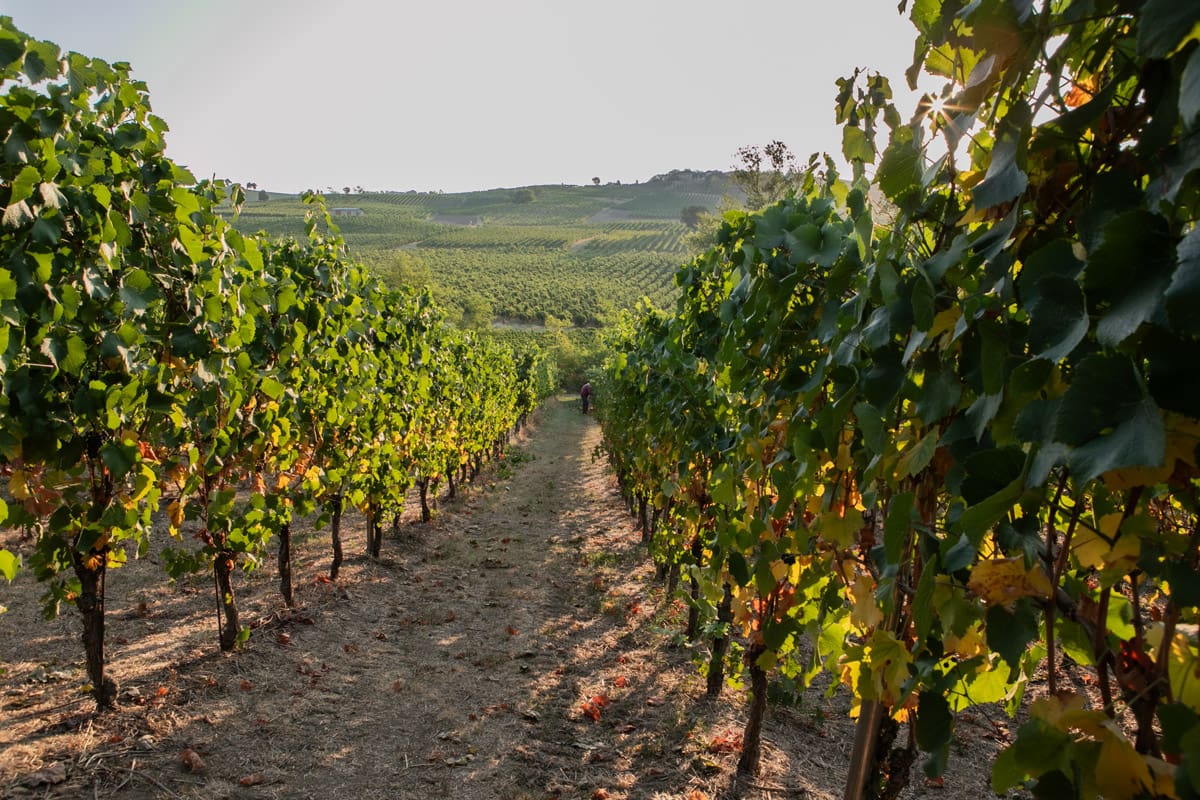
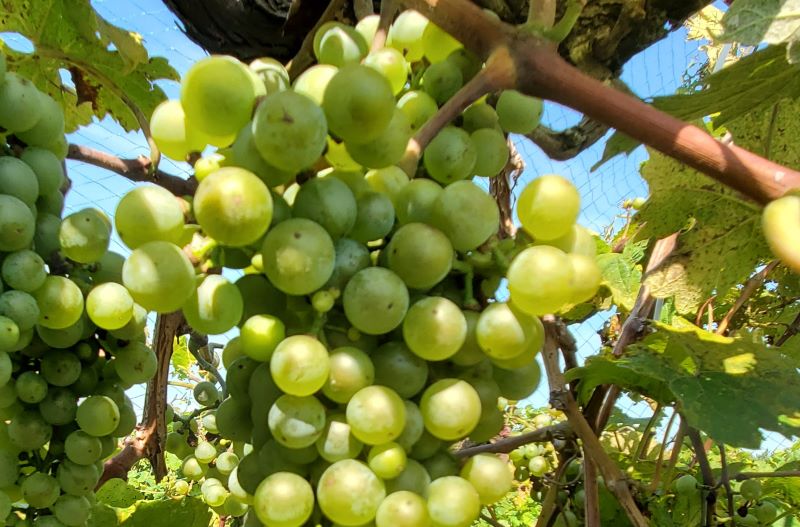
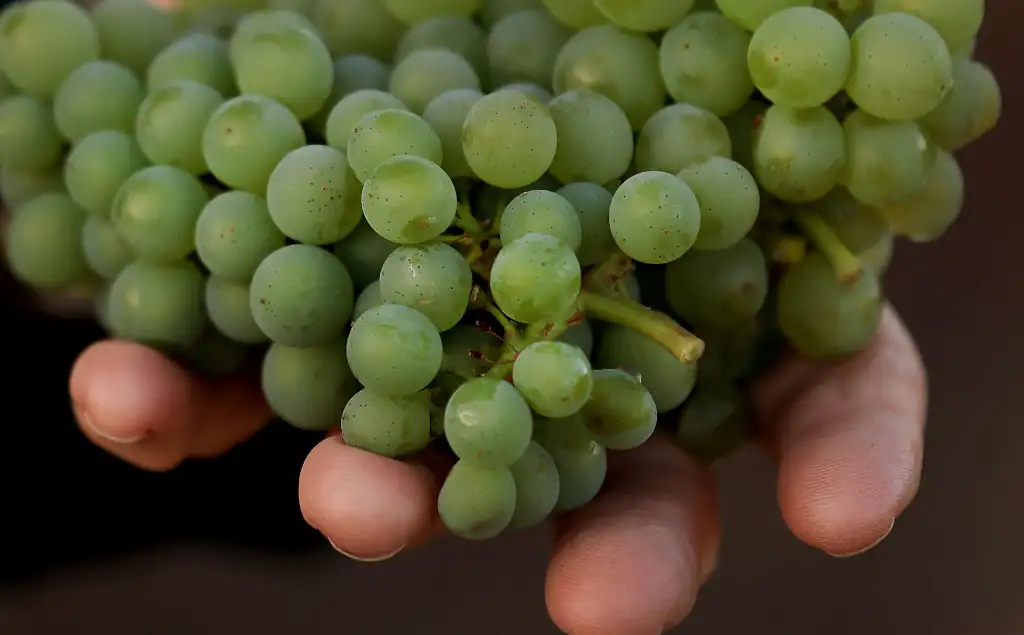
Within a few decades, this same variety and its cousins were heading to Europe for very different reasons. In the late 1800s, vineyards from France to Italy were being destroyed by a microscopic aphid known as phylloxera, an insect that had arrived from America and attacked the roots of Vitis vinifera, the species producing Europe’s traditional wine grapes. The only roots that resisted were those of American vines like Concord, Isabella, and Clinton, so European growers began grafting their vines onto these tougher American rootstocks, saving the wine industry from collapse. Alongside this technical solution, some farmers simply planted the American vines because they were easy to grow, resistant to disease, and tolerant of cold, a very important characteristic in Italy’s colder northern regions. For families who wanted grapes for eating or homemade wine, they were perfect.
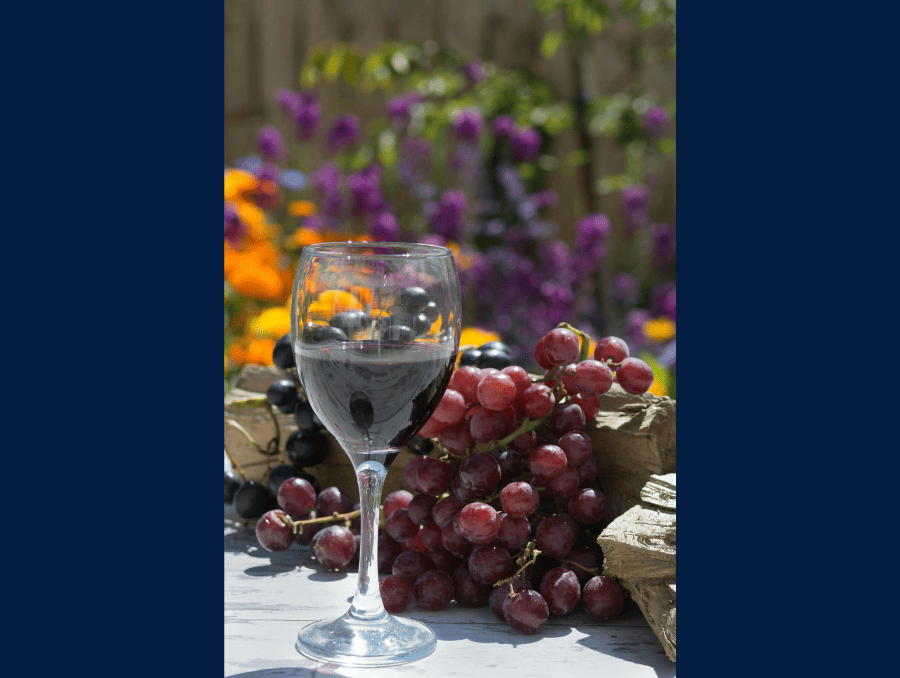
But why do we call Concord grapes uva fragola? The name refers to its sweet, perfumed scent, which reminded people of strawberries (fragole) and comes from methyl anthranilate, a compound that gives Concord its unmistakable “grape candy” flavor. But while in the United States this note came to define grape jelly and soft drinks, in Europe traditional winemakers often found it too intense and described it as volpino (literally “foxy,” but used in Italian with the sense of “too strong”, almost “unrefined”), meaning rustic and unsophisticated. Still, for many Italian households, the grape’s vigor and simplicity mattered more than its pedigree: it grew well on a fence, it produced clusters every year, and its deep color and perfume gave jams, syrups, and desserts a beautifully distinctive late-summer flavor. Moreover, it could also be used to make a simple but well-loved wine, fragolino.

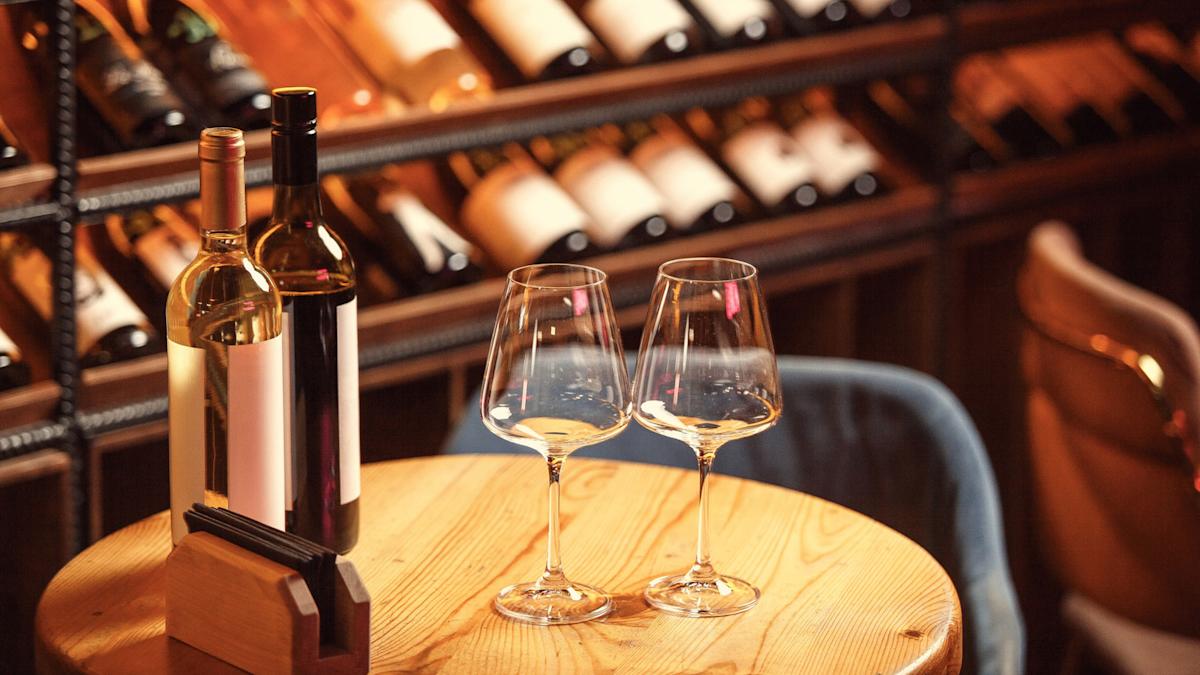
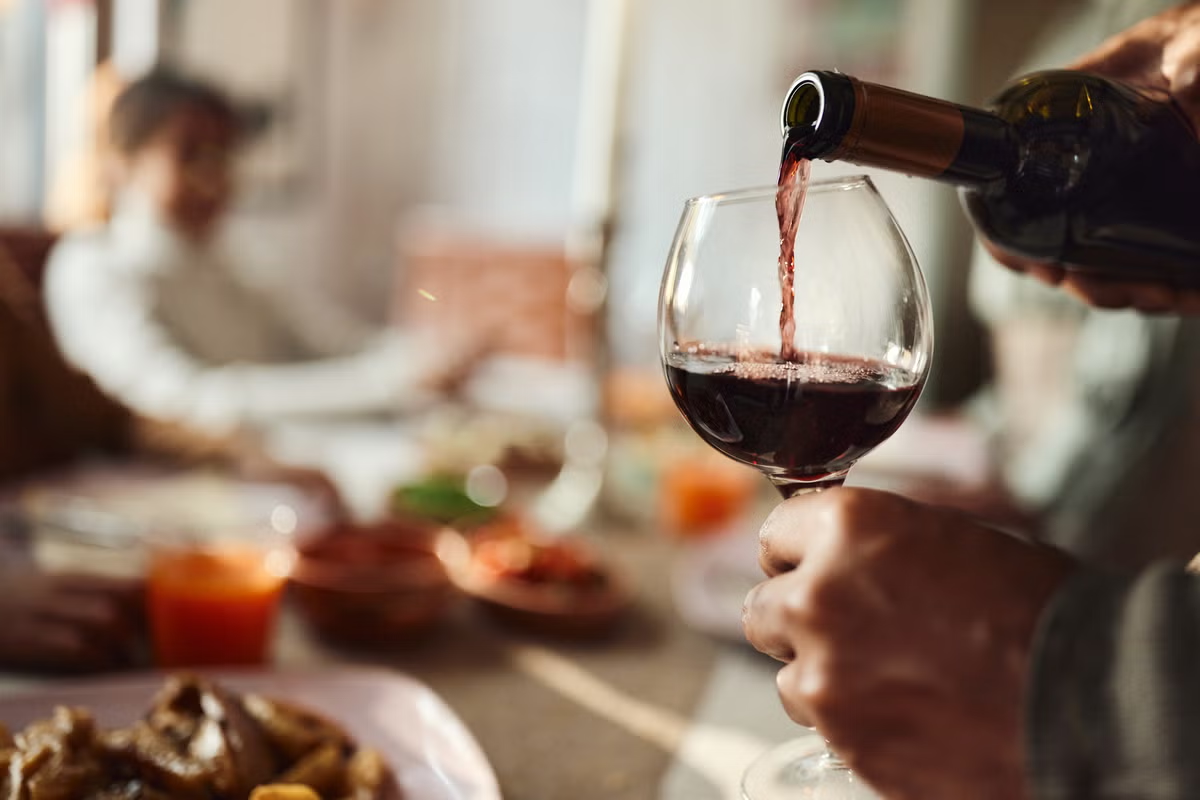
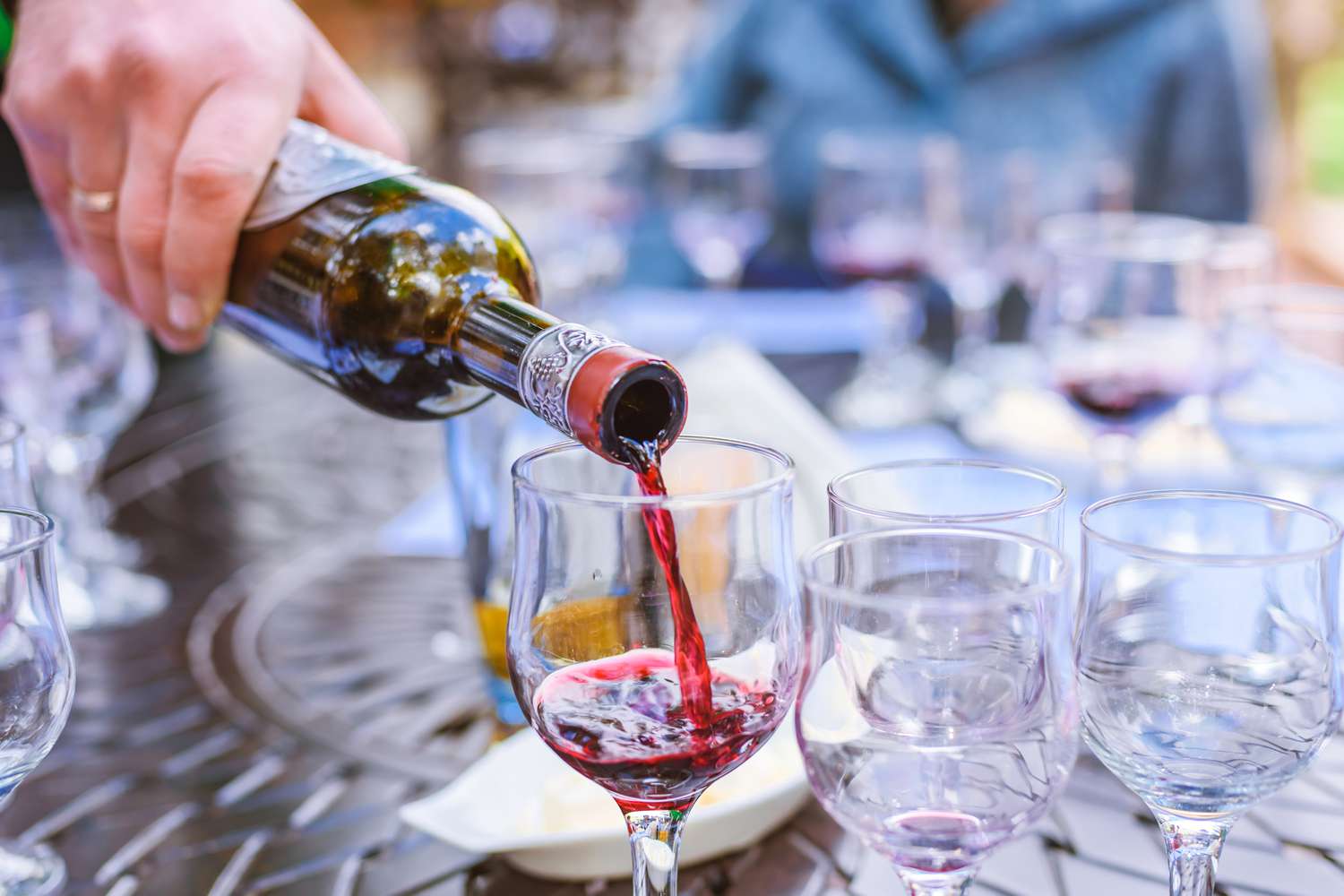
Now, fragolino is a bit of a controversial subject: it is sweet, often lightly fizzy, and instantly recognizable by its aromatic, almost candy-like character; it became a modest local favorite in the twentieth century, poured chilled in summer, homemade by the demijohn, and shared among neighbors. The problem is that Italian law, and later European Union regulations, do not recognize it as wine: since the 1930s, Italy has required that all commercial wine come from Vitis vinifera, the classic European grape species, but uva fragola, like the Concord and Isabella varieties it descends from, belongs instead to Vitis labrusca. Anything made from it may be delicious, but it cannot legally be sold as wine.
Early bans cited potential health risks, arguing that fermentation of these grapes could produce higher levels of methanol if handled incorrectly, but modern producers consider that justification exaggerated, and believe the real motive was economic and cultural, namely, protecting the image of European viticulture from what officials viewed as a rustic, sweet, and overly fragrant competitor.
For decades, this rule pushed fragolino into a gray zone between folklore and law: people kept making it at home, and some small producers bottled it quietly for local sale, but officially it was no longer a wine. By the 1980s, when tourists began seeing bottles labeled “Fragolino” in souvenir shops, most of them were drinking something else entirely: regular wine flavored with sugar and artificial strawberry essence. That commercial version, still sold today, bears little resemblance to the genuine homemade drink that once filled Italian kitchens. The original fragolino survives mostly in memory and in private cellars, a symbol of self-made tradition that never fully disappeared.
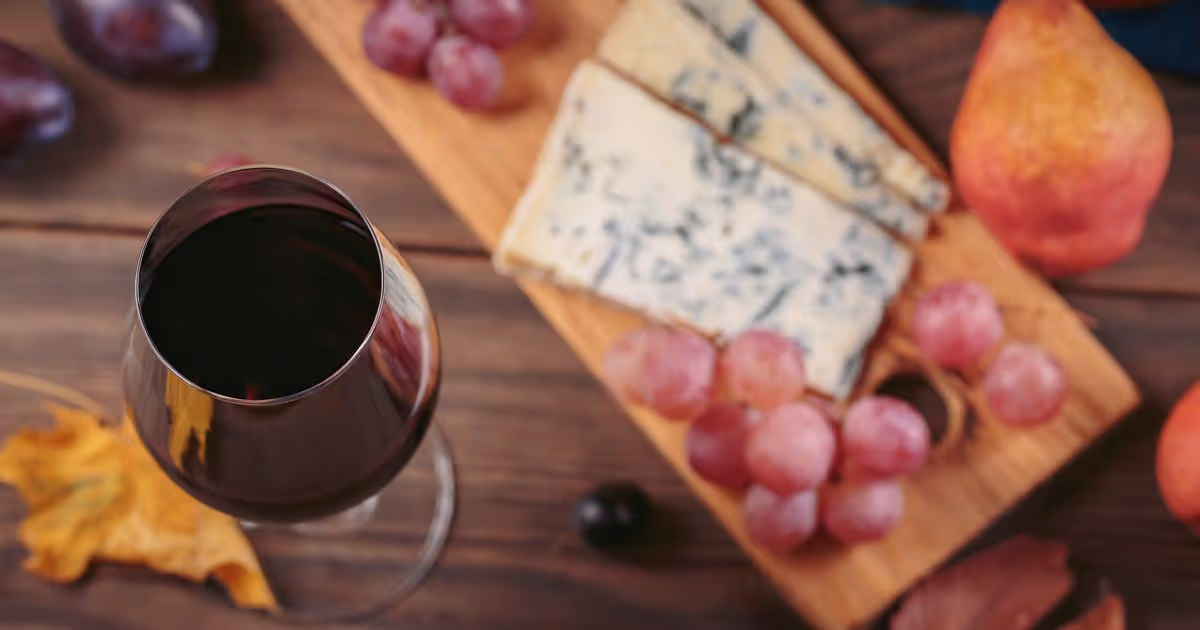
Despite its status as an outsider, uva fragola remains common in Italian markets, with many families buying it for eating or cooking, its scent alone enough to mark the shift from the hot season into fall. These grapes make excellent jam and crostata filling, thanks to their natural pectin, and some cooks reduce their juice into a syrup for desserts or to glaze meat; recipes circulate online showing how to make non-alcoholic mosto cotto or grape sorbet, both great ways to keep their flavor intact.
Seen from today’s perspective, the journey of uva fragola says much about how foods travel and adapt: a nineteenth-century experiment in Massachusetts turned into a survival tool for European vineyards and then into a nostalgic backyard tradition in Italy. Each culture shaped it to its needs: Americans built an industry of juice and jelly; Italians used it for family wine and seasonal sweets. Even the legal ban, while frustrating to some, probably helped this grape keep its charm.
There is also some irony in the fact that the same fruit symbolizes two opposite food identities: in the United States, Concord grapes represent efficiency and modernity –pasteurized juice, convenience, and national brands; in Italy, uva fragola evokes the informal, slightly rebellious spirit of homemade production. Yet the link between them is strong and clear, because both reflect the persistence of a flavor people instinctively enjoy, even when experts dismiss it as unsophisticated.
Ogni autunno, sui banchi di frutta in tutta Italia, piccoli cesti di uva viola scuro compaiono tra mele e fichi; il loro nome, uva fragola, suona innocuo, quasi giocoso, eppure quest’uva profumata ha una storia curiosa. Proviene dagli Stati Uniti, ha contribuito a salvare i vigneti europei dal disastro e il vino che se ne ricava, un tempo comune nelle case italiane, ora è tecnicamente illegale da vendere: pochi alimenti incarnano un tale mix di ammirazione, praticità e… beh… ribellione, quanto l’uva fragola.
La sua storia inizia lontano dai mercati italiani, nel Massachusetts di metà Ottocento, dove Ephraim Wales Bull, un contadino della città di Concord, trascorse anni cercando di coltivare un’uva che potesse sopravvivere ai freddi inverni del New England. Le viti europee importate continuavano a morire, così si rivolse alle varietà selvatiche locali, piantando e testando più di ventimila piantine nel suo cortile finché una finalmente si dimostrò quella giusta: dolce, resistente e produttiva. Lo chiamò “Concord”, dal nome della sua città natale, e lo introdusse nel 1849. Il frutto si diffuse rapidamente in tutta l’America, diventando la base per il succo d’uva, la gelatina e il vino da chiesa dal colore viola intenso che spesso riempiva i calici.
Nel giro di pochi decenni, questa stessa varietà e i suoi cugini si diressero verso l’Europa per ragioni molto diverse. Alla fine del 1800, i vigneti dalla Francia all’Italia venivano distrutti da un afide microscopico noto come fillossera, un insetto arrivato dall’America che attaccava le radici della Vitis vinifera, la specie che produceva le uve da vino tradizionali europee. Le uniche radici che resistevano erano quelle di viti americane come Concord, Isabella e Clinton, così i viticoltori europei iniziarono a innestare le loro viti su questi portainnesti americani più resistenti, salvando l’industria vinicola dal collasso. Oltre a questa soluzione tecnica, alcuni agricoltori piantarono semplicemente le viti americane perché erano facili da coltivare, resistenti alle malattie e tolleranti al freddo, una caratteristica molto importante nelle regioni settentrionali più fredde d’Italia. Per le famiglie che desideravano uva da tavola o vino fatto in casa, erano perfette.
Ma perché chiamiamo l’uva Concord “uva fragola”? Il nome si riferisce al suo profumo dolce e profumato, che ricordava le fragole e deriva dal metil antranilato, un composto che conferisce al Concord il suo inconfondibile sapore di “caramella all’uva”. Ma mentre negli Stati Uniti questa nota è diventata sinonimo di gelatina d’uva e bevande analcoliche, in Europa i viticoltori tradizionali la trovavano spesso troppo intensa e la descrivevano come “volpino”, ovvero rustico e poco sofisticato. Eppure, per molte famiglie italiane, il vigore e la semplicità dell’uva contavano più del suo pedigree: cresceva bene su una siepe, produceva grappoli ogni anno e il suo colore intenso e il suo profumo donavano a marmellate, sciroppi e dessert un sapore di fine estate deliziosamente caratteristico. Inoltre, poteva anche essere utilizzata per produrre un vino semplice ma molto apprezzato, il fragolino.
Ora, il fragolino è un argomento un po’ controverso: è dolce, spesso leggermente frizzante, e immediatamente riconoscibile per il suo carattere aromatico, quasi caramellato; divenne un modesto vino locale nel XX secolo, servito freddo d’estate, fatto in casa in damigiana e condiviso tra vicini. Il problema è che la legge italiana, e le successive normative dell’Unione Europea, non lo riconoscono come vino: dagli anni ’30, l’Italia richiede che tutto il vino commerciale provenga da Vitis vinifera, la classica specie di uva europea, ma l’uva fragola, come le varietà Concord e Isabella da cui discende, appartiene invece alla Vitis labrusca. Qualsiasi cosa fatta con essa può essere deliziosa, ma non può essere legalmente venduta come vino. I primi divieti citavano potenziali rischi per la salute, sostenendo che la fermentazione di queste uve avrebbe potuto produrre livelli più elevati di metanolo se gestita in modo improprio, ma i produttori moderni considerano tale giustificazione esagerata e ritengono che il vero motivo fosse economico e culturale, ovvero proteggere l’immagine della viticoltura europea da quello che i funzionari consideravano un concorrente rustico, dolce e eccessivamente profumato.
Per decenni, questa norma ha spinto il fragolino in una zona grigia tra folklore e legge: la gente ha continuato a produrlo in casa e alcuni piccoli produttori lo hanno imbottigliato silenziosamente per la vendita locale, ma ufficialmente non era più un vino. Negli anni ’80, quando i turisti iniziarono a vedere bottiglie con l’etichetta “Fragolino” nei negozi di souvenir, la maggior parte di loro beveva qualcosa di completamente diverso: vino normale aromatizzato con zucchero ed essenza artificiale di fragola. Quella versione commerciale, venduta ancora oggi, ha poca somiglianza con la vera bevanda fatta in casa che un tempo riempiva le cucine italiane. Il fragolino originale sopravvive principalmente nella memoria e nelle cantine private, simbolo di una tradizione artigianale mai del tutto scomparsa.
Nonostante il suo status di outsider, l’uva fragola rimane comune nei mercati italiani, con molte famiglie che la acquistano per mangiare o cucinare, il suo profumo da solo basta a segnare il passaggio dalla stagione calda all’autunno. Quest’uva è un ottimo ripieno per marmellate e crostate, grazie alla sua pectina naturale, e alcuni cuochi ne riducono il succo in uno sciroppo per dessert o per glassare la carne; online circolano ricette che mostrano come preparare il mosto cotto analcolico o il sorbetto d’uva, entrambi ottimi modi per mantenerne intatto il sapore.
Vista dalla prospettiva odierna, la storia dell’uva fragola la dice lunga su come gli alimenti viaggiano e si adattano: un esperimento del XIX secolo nel Massachusetts si trasformò in uno strumento di sopravvivenza per i vigneti europei e poi in una nostalgica tradizione da cortile in Italia. Ogni cultura la plasmò in base alle proprie esigenze: gli americani crearono un’industria di succhi e gelatine; gli italiani la usavano per il vino di famiglia e i dolci stagionali. Persino il divieto legale, sebbene frustrante per alcuni, probabilmente contribuì a mantenere il fascino di quest’uva.
C’è anche una certa ironia nel fatto che lo stesso frutto simbolizzi due identità alimentari opposte: negli Stati Uniti, l’uva Concord rappresenta efficienza e modernità – succo pastorizzato, praticità e marchi nazionali; in Italia, l’uva fragola evoca lo spirito informale e leggermente ribelle della produzione artigianale. Eppure il legame tra loro è forte e chiaro, perché entrambi riflettono la persistenza di un sapore che le persone apprezzano istintivamente, anche quando gli esperti lo liquidano come poco sofisticato.