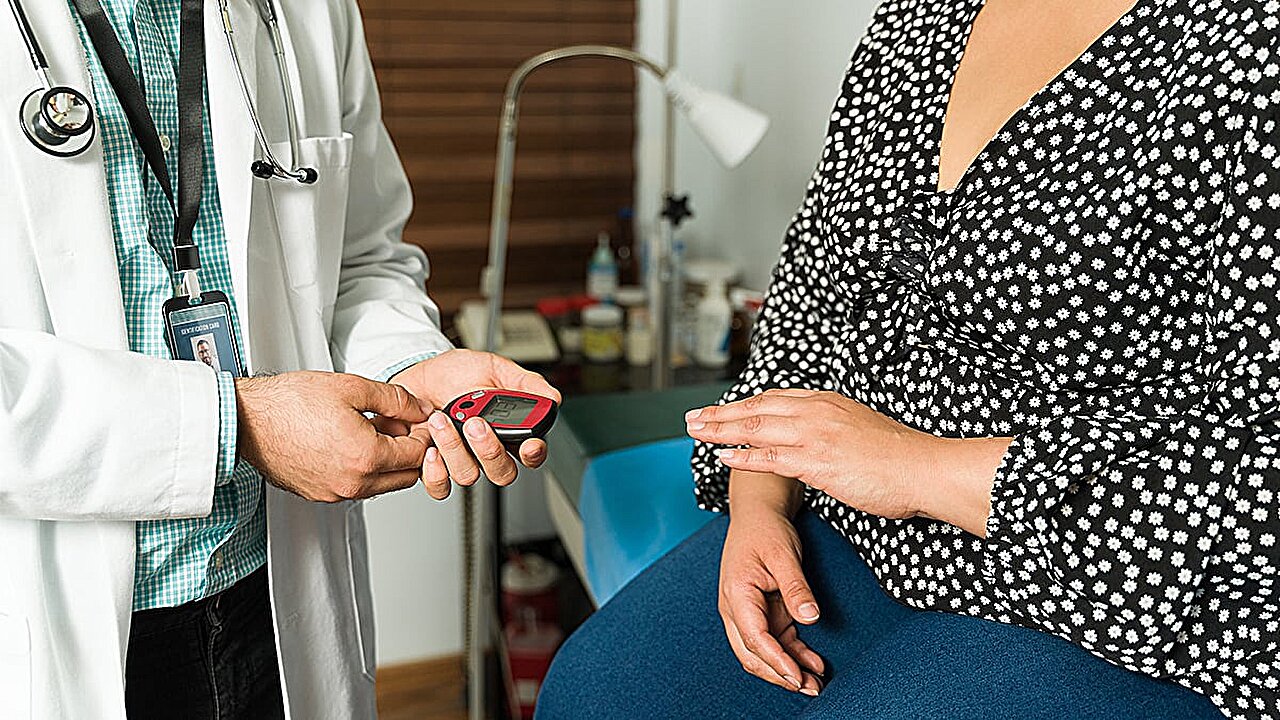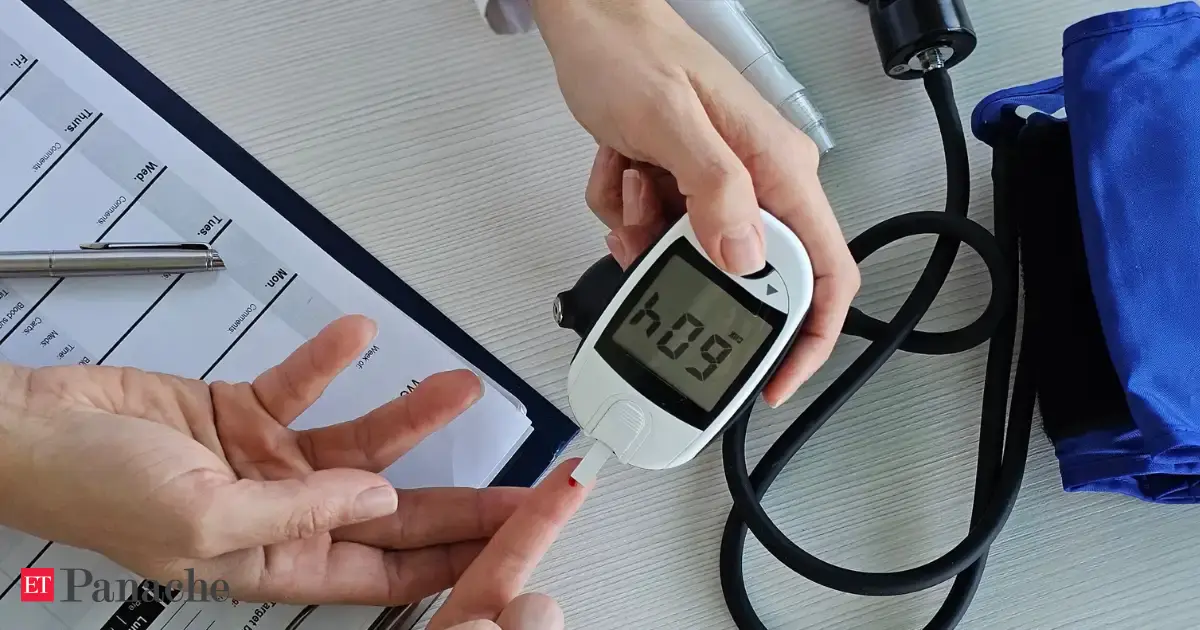

When you treat your patient with diabetes, they may share incidents where they experience unexpected and sudden changes in their blood sugar levels. This can be scary for patients, and helping them understand the reasons behind these spikes or drops in blood sugar can help them better manage their diabetes. Below are some guidelines you may want to consider.
Blood Sugar Levels Differ in People With Diabetes

For people with diabetes, the body has difficulty regulating blood glucose because of insulin deficiency in type 1 diabetes or a combination of insulin resistance and relative insulin deficiency in type 2 diabetes, said Scott Isaacs, MD, adjunct assistant professor of medicine at Emory University in Atlanta, and president of the American Association of Clinical Endocrinology.
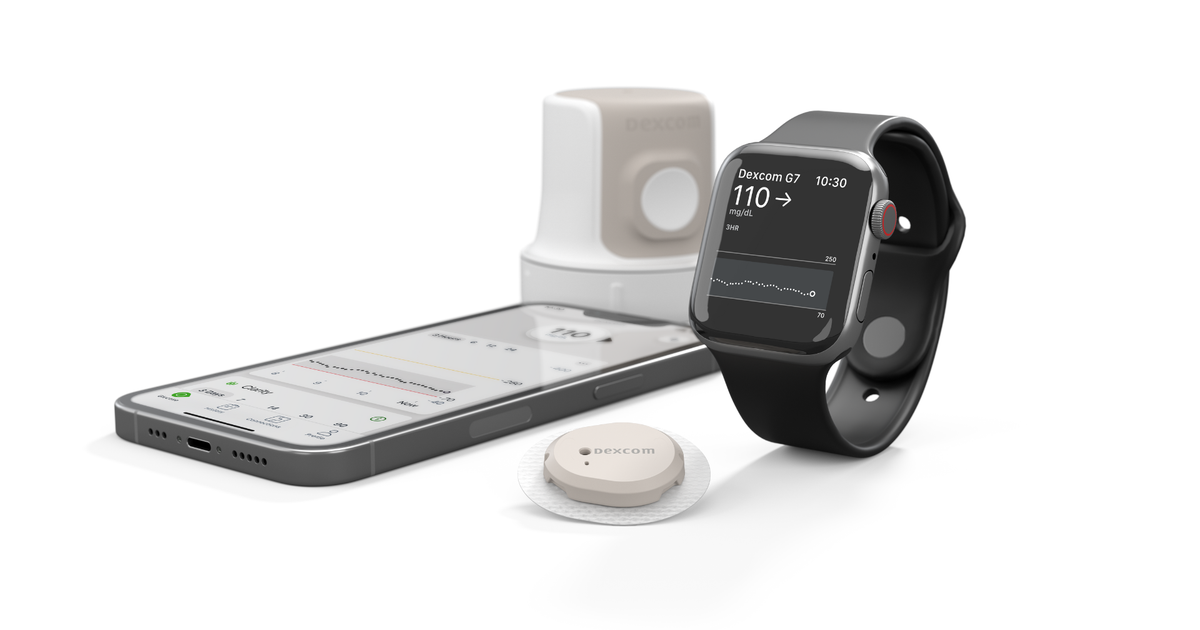
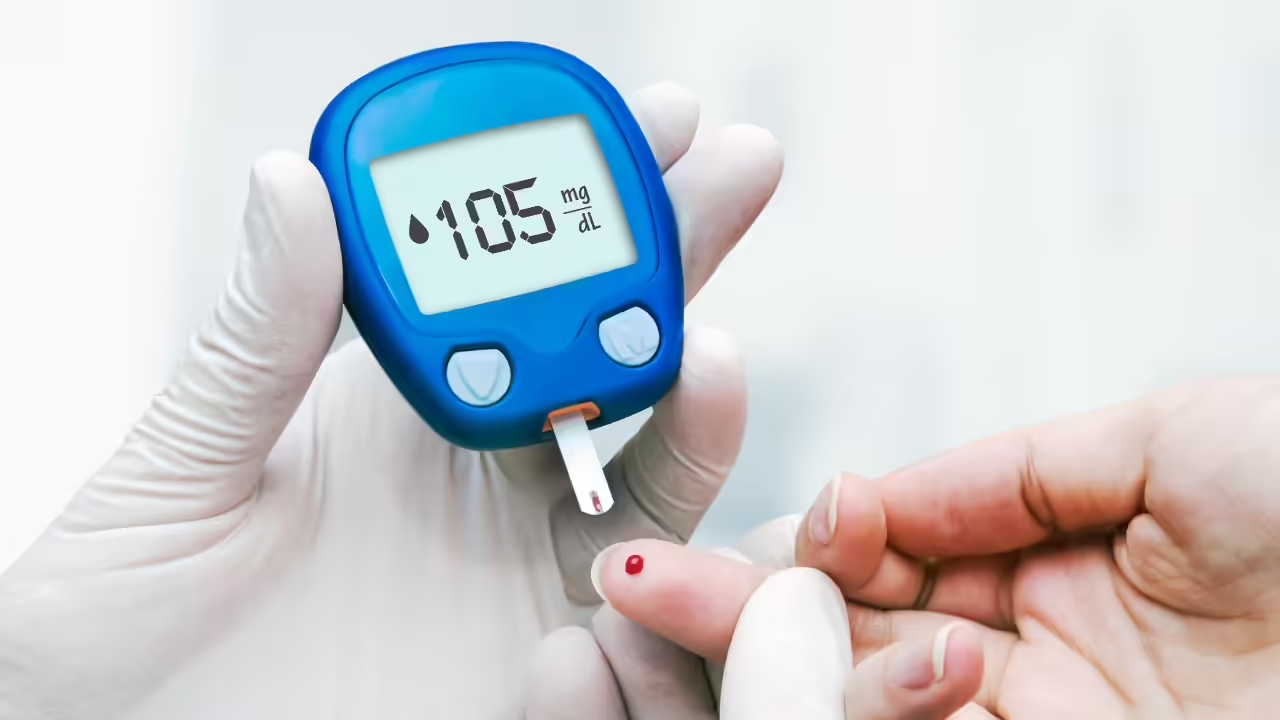
“Sudden changes in blood sugar, even with excellent self-management, are common and often multifactorial,” said Isaacs. Self-monitoring and using tools such as continuous glucose monitors (CGMs) help with early recognition and action. “Primary care providers play an important role in guiding patients to understand and anticipate glucose fluctuations and partnering on personalized strategies.”
Early in diabetes, blood sugar levels often spike higher than normal after meals (postprandial hyperglycemia), but patients can also begin to have abnormalities in fasting glucose. This leads to more pronounced and variable fluctuations compared to those without diabetes, Isaacs said.
Consistently elevated or rapidly fluctuating glucose levels increase the risk for both short-term symptoms and long-term complications.
“Over time, uncontrolled blood sugar can damage small blood vessels in the kidneys, eyes, nerves, and larger vessels that supply the heart and brain,” he said. Maintaining optimal glucose control may prevent organ damage, plus it may reduce the risk for heart attacks, strokes, and other vascular complications, according to the American Heart Association.
How Does a CGM Help?
CGMs provide real-time tracking of blood glucose, which helps prevent sudden highs and lows and safeguards insulin dosing.
“For those not using insulin, CGMs can still offer insight into glucose trends and immediate feedback on how lifestyle, nutrition, and medications affect blood sugar,” Isaacs said.
However, for some patients, frequent data and alarms may cause unnecessary stress or anxiety about normal fluctuations within an acceptable range. Multiple studies have shown that CGMs can improve glycemic control and patient engagement, but their use should always be individualized based on clinical need and patient preference, Isaacs said.
Patient Precautions to Manage Sudden Changes
When patients with diabetes notice sudden changes in blood glucose (either highs or lows), this can be a signal that something new is affecting glucose control.
“Hidden infections such as urinary tract infections, respiratory or sinus infections, and even dental infections are common culprits that can raise or lower blood sugar through systemic inflammation and stress hormone release,” cited Isaacs. “Other possible triggers include new medications, dietary changes, stress or stress-related eating, variations in physical activity, and disrupted sleep patterns.”
If no clear cause for the change is found, patients should promptly contact their physician.
Clinicians can evaluate underlying issues, such as infection, medication side effects, or other new illnesses, that may require treatment.
“Occasionally, these fluctuations reflect the natural progression of diabetes or changing medication or insulin requirements,” Isaacs said.
In these cases, changing glucose patterns present an opportunity for primary care providers to reassess a treatment plan, lifestyle habits, and medication regimen together with the care team to promote long-term stability and health, he said.
Instruct patients with diabetes to seek immediate medical attention if they develop symptoms of severe hypoglycemia, such as confusion, passing out, or seizures. These can be life-threatening. Persistent or extreme hyperglycemia (> 300 mg/dL despite correction efforts) requires urgent care, especially if with dehydration or severe illness, Isaacs said.
Warning signs of diabetic ketoacidosis, including nausea, vomiting, abdominal pain, rapid breathing, or a fruity odor on the breath, also require emergency evaluation, according to Mayo Clinic. Also, patients who can’t keep fluids down, display signs of significant dehydration, or are feeling severely ill should contact their primary care doctor or go to the emergency room.
Surprising Causes of Sudden Blood Sugar Changes
You may want to discuss these issues, factors, and mechanisms with your patients with diabetes.

Dehydration. This may cause a spike in sugar. “If there is less fluid content, then there is the same amount of sugar left, but more concentration in the body, so it may spike the sugar level. We recommend that patients stay fluid hydrated,” said Jennifer Cheng, DO, chief of endocrinology at Hackensack Meridian Health’s Jersey Shore University Medical Center in Neptune, New Jersey.
Nose spray. Certain nasal sprays, such as Flonase or fluticasone, have steroids in them and may cause a spike in the sugars, Cheng said.
Gum disease. Gum disease is a risk factor for hyperglycemia. “Since it may harbor infections and those infections cause higher sugars, patients with diabetes are at high risk of worsening gum disease,” she said.
Hot weather. Soaring temperatures may add to the risk for dehydration, which may worsen the spike in sugars. “To help mitigate the effects of hyperglycemia and hypoglycemia, patients with diabetes should take measures to stay fluid hydrated and have snacks to mitigate the hypoglycemia that may occur,” Cheng said.
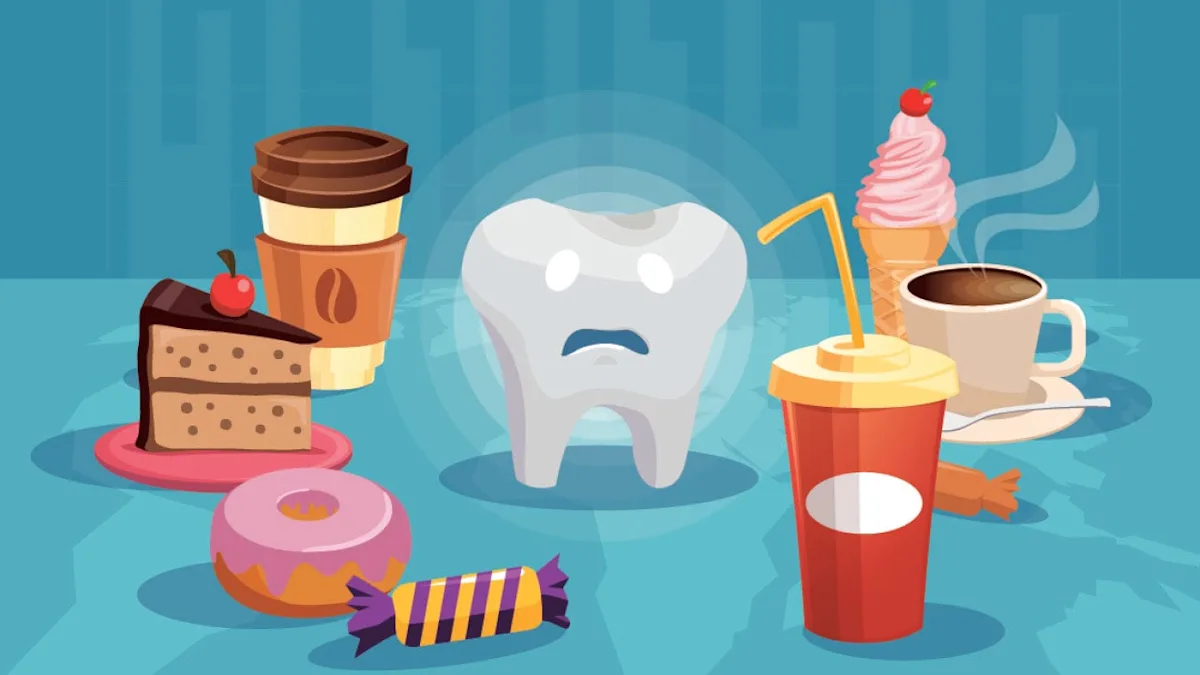
Specific food choices. Remind patients to be mindful of certain foods. “High-carbohydrate foods may cause spikes in sugar, including cookies, cakes, and pasta,” Cheng said. “Also, hard liquors, such as vodka, may cause a drop in sugar.”
Sun exposure or sunburn. Any of these acute stressors may cause a spike in blood sugar. “The sunburn causes pain, which increases the cortisol, and that may increase the sugar, causing a spike,” added Cheng.
Coffee or caffeine in general. Caffeine may cause a slight spike in blood sugar, but it is the milk and regular sugar that typically cause the largest spike in blood sugar for patients, noted Cheng.
Poor sleep and prolonged sleep loss. Lack of sleep or prolonged sleep loss can cause a spike in blood sugar, and prolonged sleep apnea may cause recurrent hyperglycemia due to cortisol surges, said Cheng.
Skipping meals. Lack of food in the system may cause low blood sugar.
Can Doctors Help Patients Become Self-Reliant in Their Care?
Doctors can empower patients to be part of their care.
“Patients are in control of what they put in their mouths and how they change their diets,” said Cheng. “Patients can use the new technologies, such as continuous glucose monitors, as teaching tools to see how their daily lives, including their exercise, foods, and drinks, affect their blood sugar.”
Isaacs and Cheng reported no disclosures.