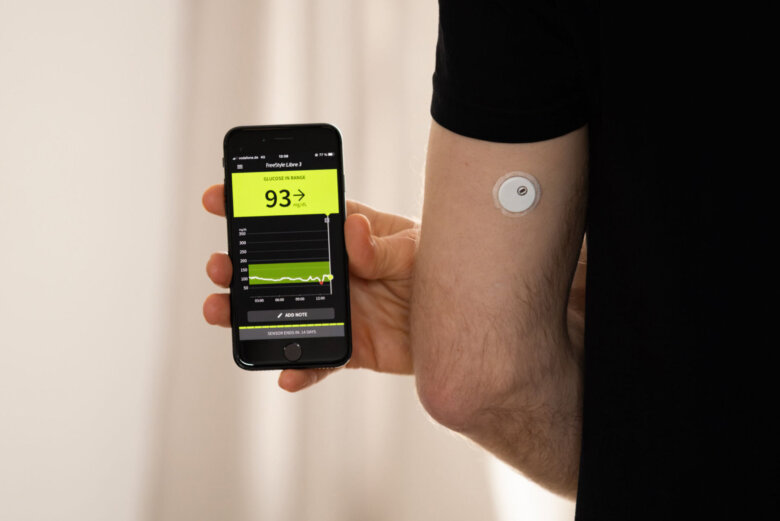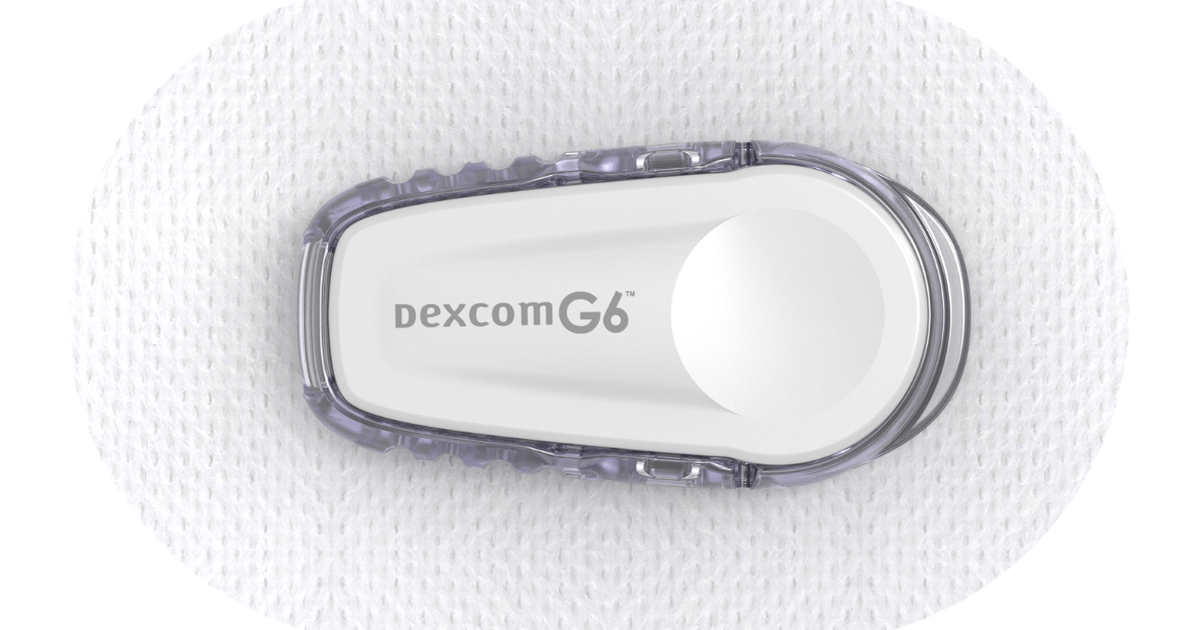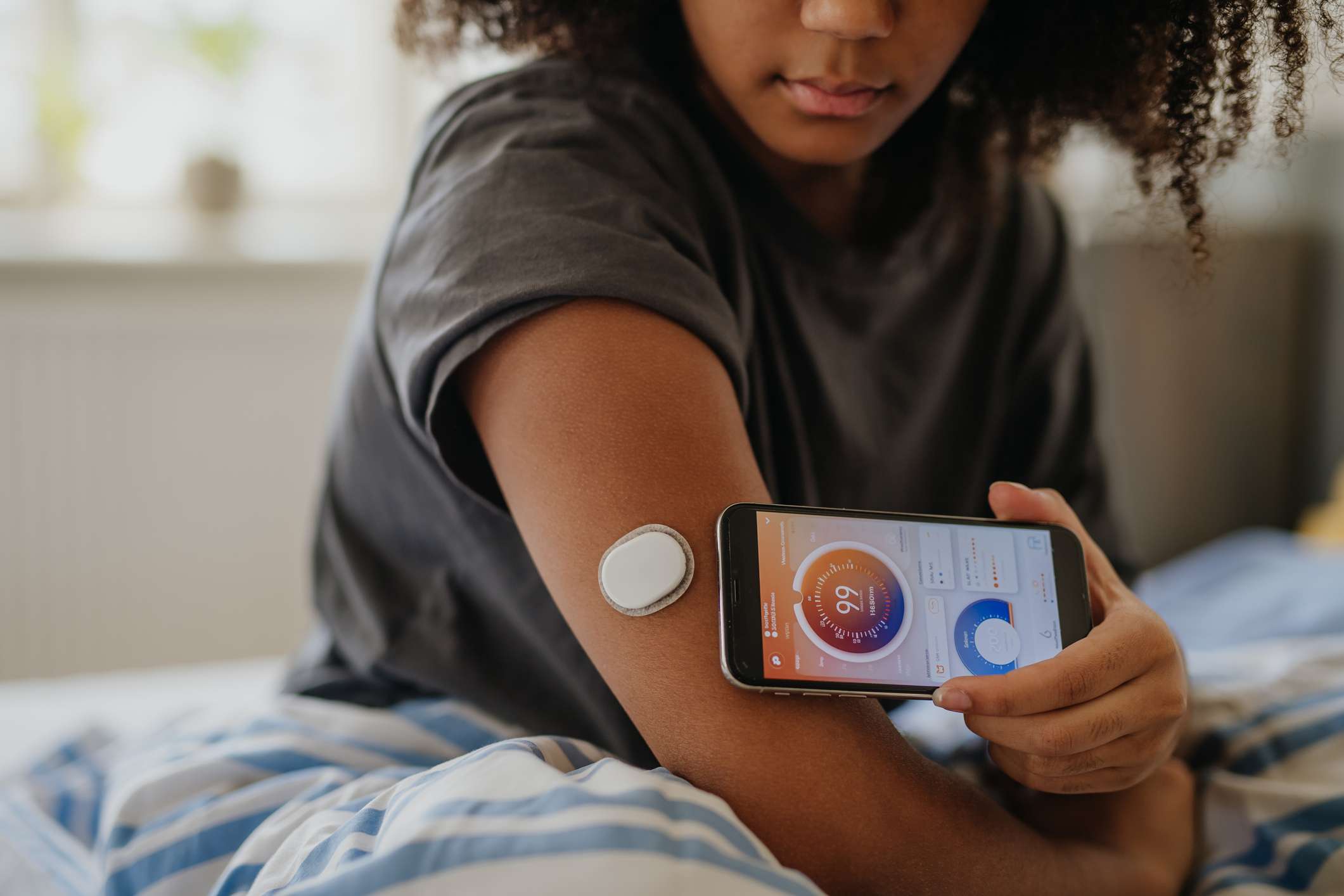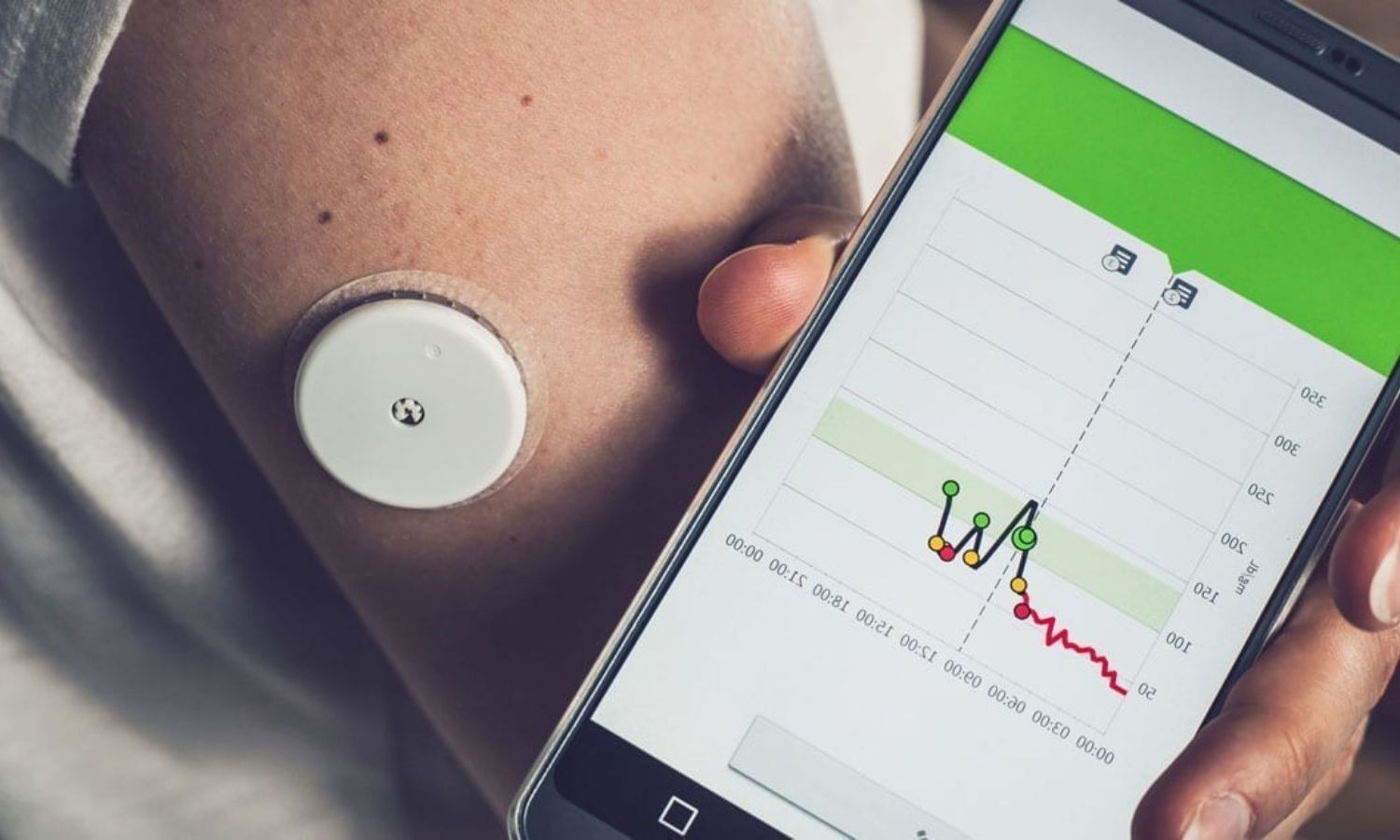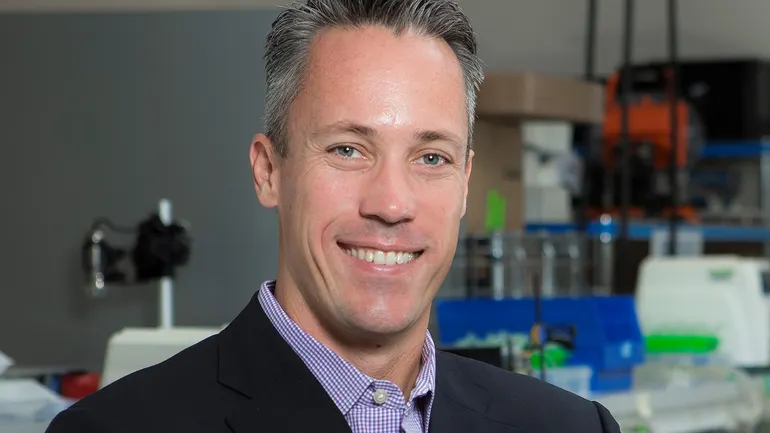
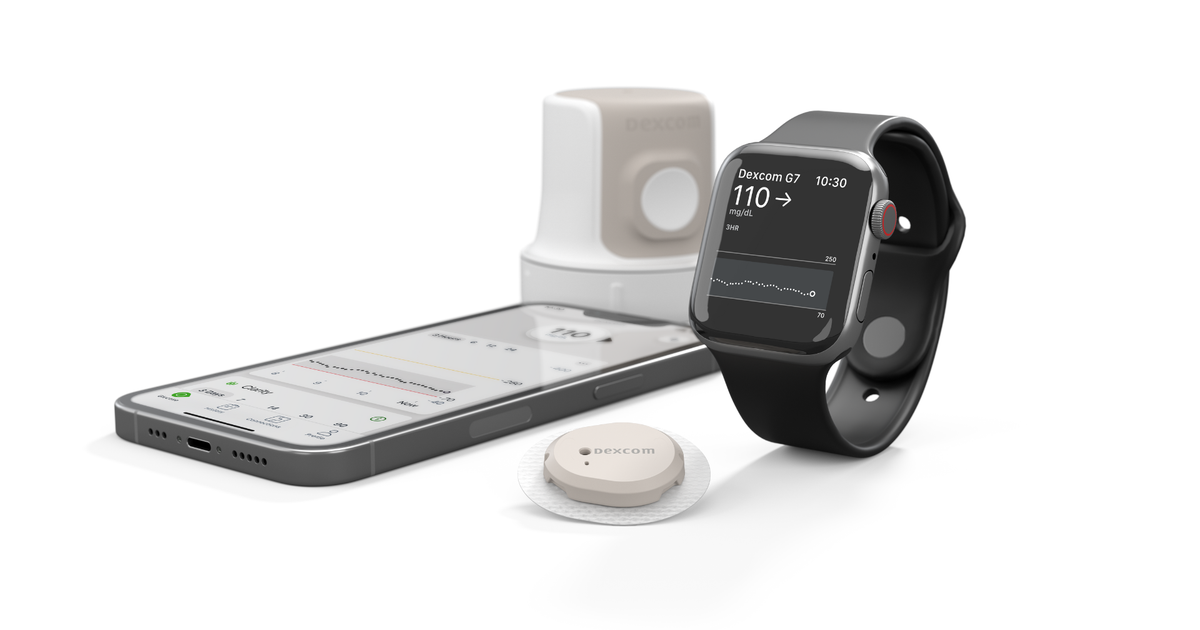
Dexcom is already working on its G8 sensor for continuous glucose monitoring (CGM). But before you get too excited, the product is still a couple of years out, CEO Jake Leach told MD+DI during the J.P. Morgan Healthcare Conference.
Each time Dexcom launches a new generation of its CGM system, it’s important to the company that it raises the bar on performance and user experience, Leach said. So, G6 was a significant enhancement from G5, and the G7 sensor was a meaningful step up from G6. So, he said, G8 is going to be another big improvement in the experience around accuracy, reliability, performance, size, and connectivity.
“There’s a lot there that’s all packed into a whole new wearable,” Leach said.
Scale is another important consideration when launching a new generation of Dexcom’s CGM, he said.
“We’re contemplating the scale that we’ll have even five years from now,” Leach said. “So, when it comes to how we manufacture the products and how it all comes together, that’s an important part of the plan. … You’ve got to make it work at scale, high quality, high volume.”
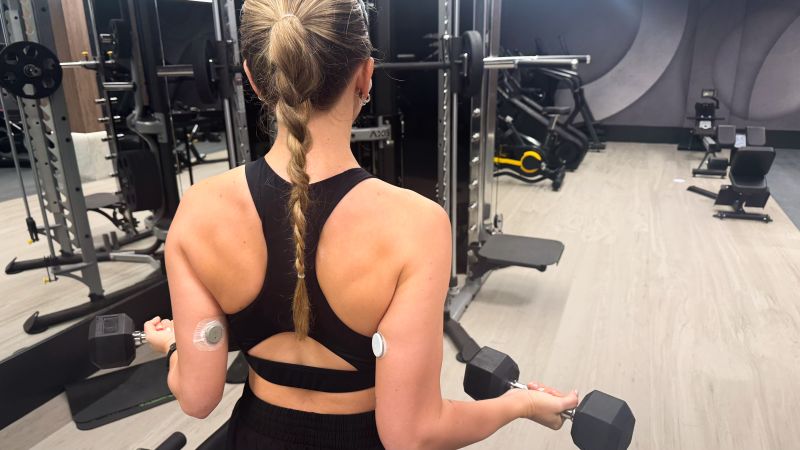
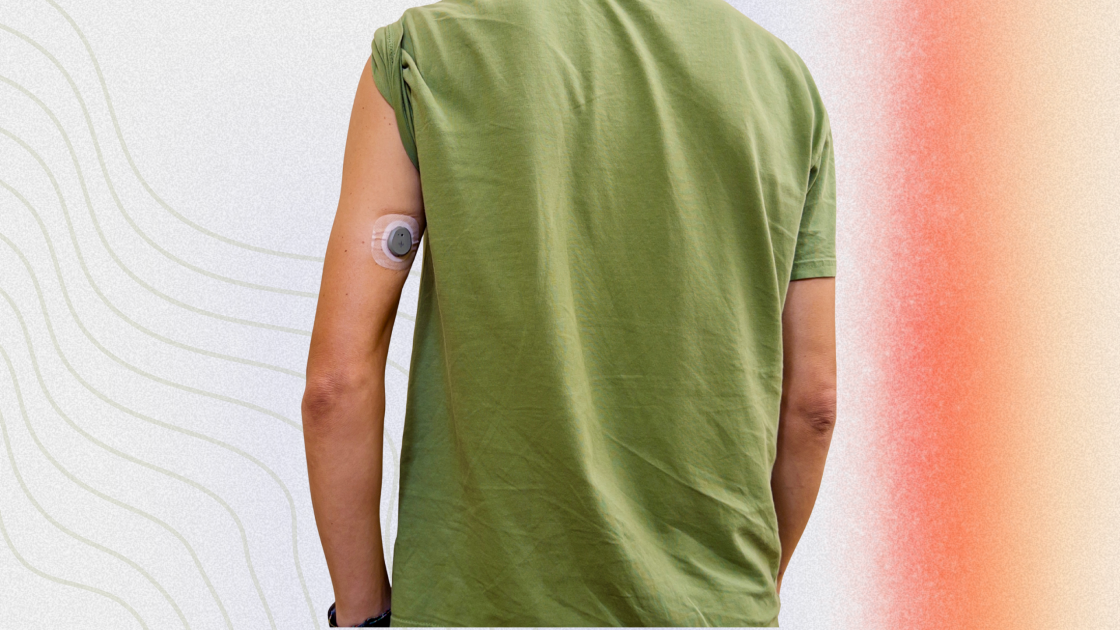
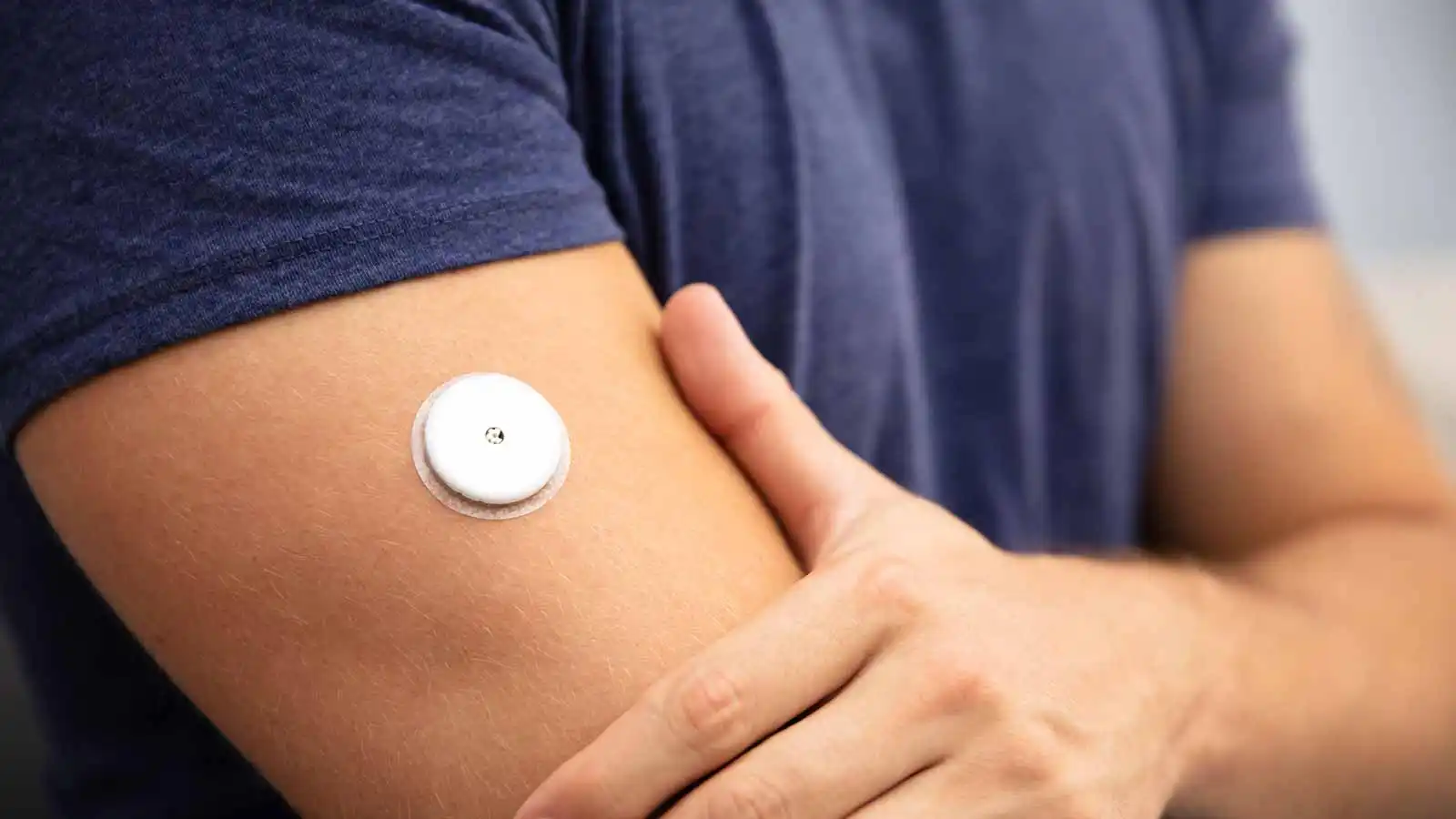
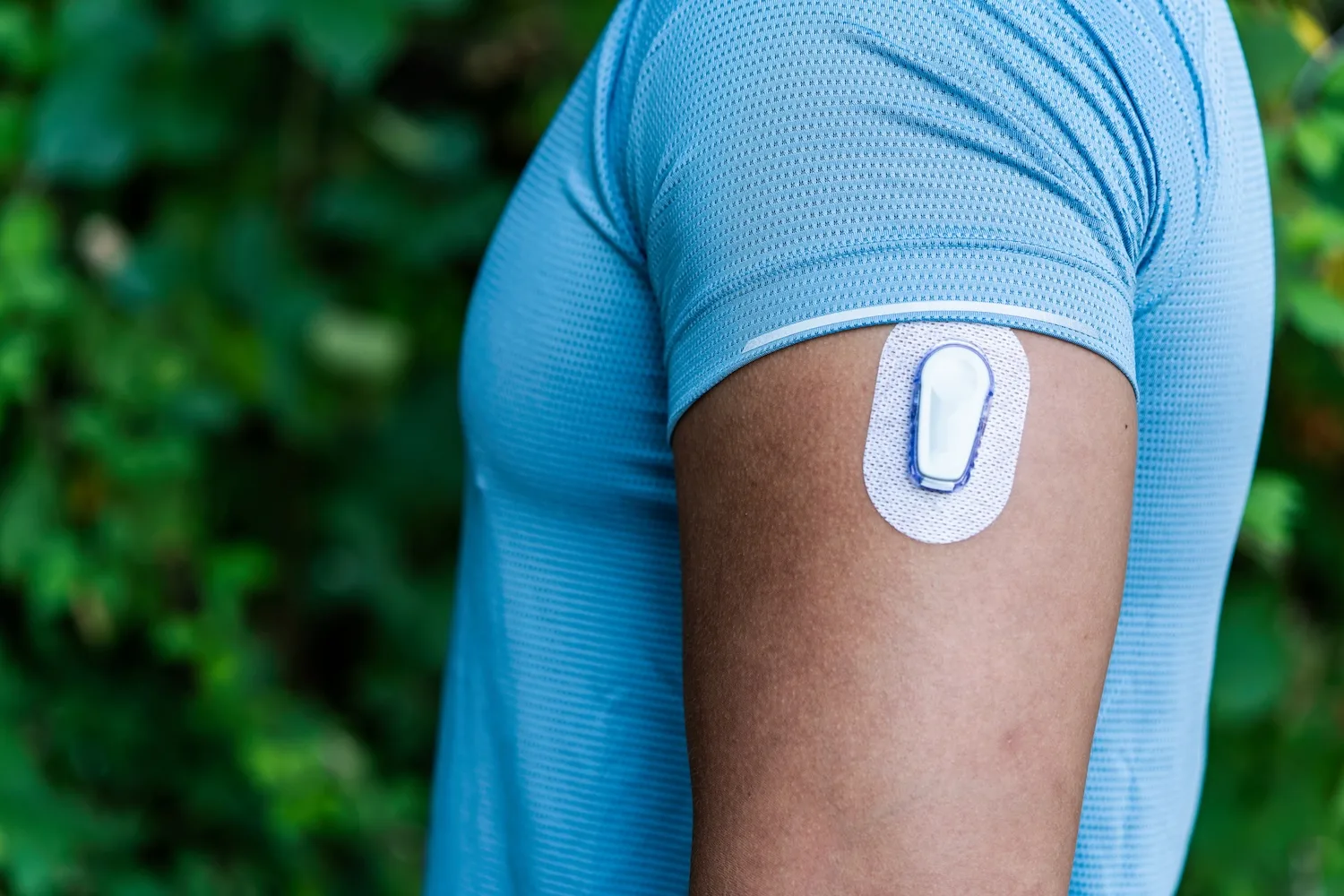
Leach said the G8 sensor will be 50% smaller than its predecessor, thanks to advancements in the electronics used in the device as the industry continues to move toward miniaturization.
“The product is driven a lot by the size of the battery, the size of the antenna, and the electronics that are in the device, and so we’ve been able to shrink all of those using the latest in silicon and power energy technologies and implementing it all into the G8 hardware,” Leach said.
‘CGM helps make the invisible visible’
Dexcom is looking to develop more clinical evidence across gestational diabetes, hospital settings, and prediabetes to help expand coverage for these populations. But consumers don’t have to wait for the G8 sensor to come out for that, Leach said, as all of those markets can be addressed with the G7 technology.
“But we do feel that G8 gives us further opportunity for growth in those areas and particularly gestational diabetes. Today CGM should be the standard of care for any pregnant mother impacted by gestational diabetes, which is about 10% of the pregnancies in the U.S.,” Leach said. “It is a technology that is proven with much better outcomes for both the mother and the baby. We’ve got a number of studies that we’ve published recently that show the reduction in the NICU admissions, high birth weights, emergency C-sections … there are actually really dramatic improvements there. So, we do feel like this is a technology that people should be using today.”
The same can be said of hospital settings, he said, and Dexcom is working on getting a product approved for hospital patients who could benefit from continuous glucose monitoring.
As for prediabetes, Leach said Dexcom’s over-the-counter Stelo CGM can easily come into play for that patient population.
“I’d like CGM to become the standard of care for anybody diagnosed with prediabetes because so much of it is just learning more around diet, activity, sleep, stress, all those things, and how they’re impacting your glucose,” Leach said. “It’s kind of unfortunate that when someone is diagnosed with prediabetes today, they’re not given a lot of tools. … CGM is an amazingly powerful tool to help someone.”
CGM can help prediabetes patients reverse that diagnosis simply by learning more about the factors that impact their glucose levels, he said.
“CGM helps make the invisible visible,” Leach said.
Another way Dexcom is working toward reaching more people who could benefit from using a CGM is through insurance coverage. That means both working to expand coverage to more patient populations, such as people living with diabetes who are not insulin dependent, but also educating more people who don’t yet realize their insurance will pay for a CGM.
“So, it would be important for folks that are interested to talk to their doctor about it,” Leach said.