You’re reading the leadoff story of a special issue of Wallaces Farmer that centers on this year’s 100th anniversary of Pioneer. Founded in 1926, the company was initially the Hi-Bred Corn Co. “Pioneer” was added to the name in 1935 to differentiate it from other companies and reinforce it as a hybrid corn leader. Today, Pioneer is the global flagship seed brand of Corteva Agriscience.
Over the course of a year, we planned, assigned and wrote stories, as well as sorted through a treasure trove of photos generously supplied by Corteva Agriscience.
The issue’s impact didn’t really hit me until late September, when I visited the Wallace Farm near Orient, Iowa, to photograph the birthplace of Henry A. Wallace, one of the Pioneer brand’s founders. With the pressure of meeting various deadlines, I planned to quickly snap several scenes of the house and then return to my desk.
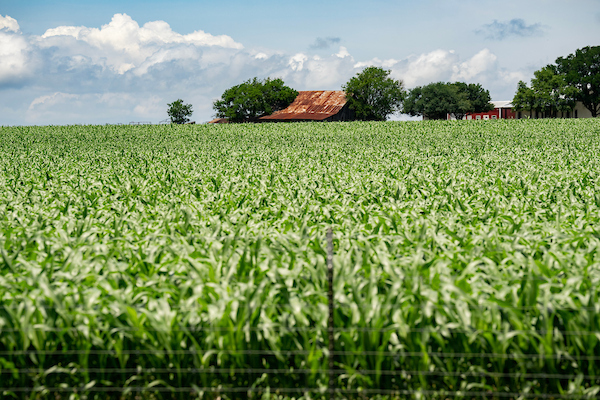
While taking the photos, I saw the surrounding bin-busting crops ready for harvest, which were flanked by the farm’s native grasses dancing in the late-afternoon light. I was serenaded by chirping crickets amid the hum of adjacent windmills. It then hit me that I was walking the same ground that was traversed over a century ago by Wallace — the famed corn breeder, Wallaces Farmer editor, USDA secretary and U.S. vice president.
“You know what,” I said to myself, “I’m not really that busy. I’m just going to sit and watch the sunset and take all of this in.”
And I did.
The granary flyer
Growing up on my family’s South Dakota farm, I’d often climb up a ladder in our granary to check the condition of stored wheat. Each time, I’d pass a 1938 government grain storage flyer signed “H.A. Wallace.” I never gave much thought to the signature until I interviewed for a Wallaces Farmer field editor position based in the Dakotas and Minnesota in 1987.
“That’s the guy!” I realized as I prepared for an interview with my predecessors, Wallaces Farmer editors Monte Sesker and Frank Holdmeyer. All of us — along with Rod Swoboda, who’s written stories for this issue — can tell you of the awe we have felt serving in the same editorial position that Henry A. Wallace once held.
It revolves around the sense of history that John Madden, the video-game impresario, football announcer and football coach, once commented on during an interview. To truly understand an industry, it’s vital to know its history, he said.
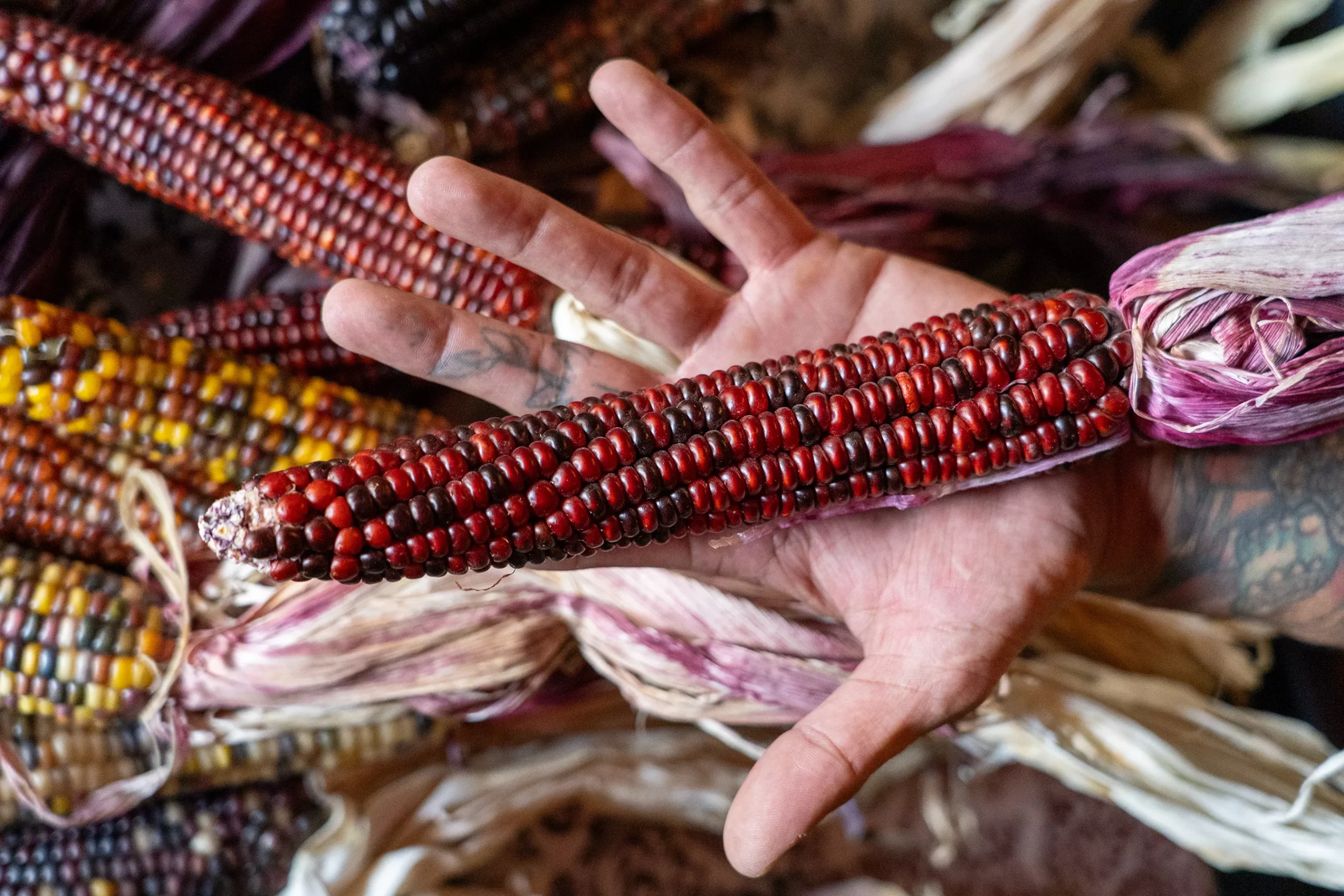
In his case, it was football. In this issue, it’s agriculture, particularly corn. Unlike football, corn’s history spans back 10,000 years, when Native Americans began improving an ancestor of corn, teosinte. Over time, open-pollinated varieties were developed that resembled modern corn plants.
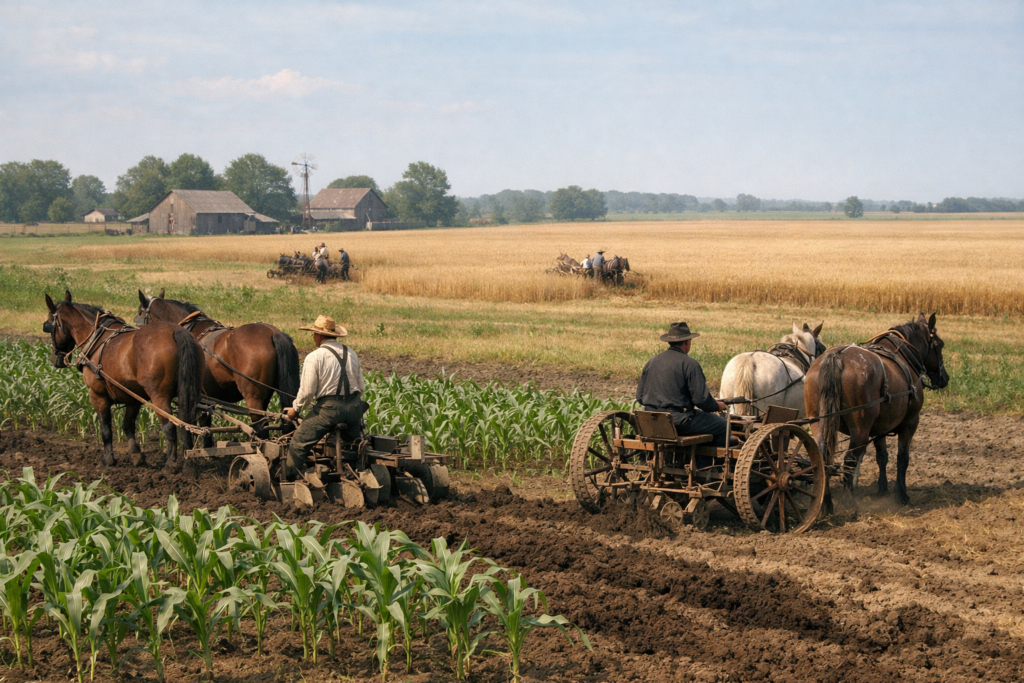
Well, almost. That’s when folks such as Wallace and others worked to hybridize corn. That revolutionized U.S. agriculture — as much as tractors did in replacing horses or herbicides did in controlling weeds. Maybe even more.
I was stunned to learn that average U.S. corn yields hovered between 20 and 30 bushels per acre from the Civil War’s end until the mid-1930s. That’s around 70 years with zero yield improvement. Wallace and others discovered that hybridizing corn could break through this yield barrier.
The science behind hybrid corn, though, was only part of the challenge that Wallace and early Pioneer folks faced. Marketing was another. How do you persuade farmers who never had to pay for corn seed suddenly to buy it?
It’s a great story about how science, entrepreneurship and marketing all converged to create a complete conversion to hybrids by U.S. corn farmers by the 1940s.
Peering into the future
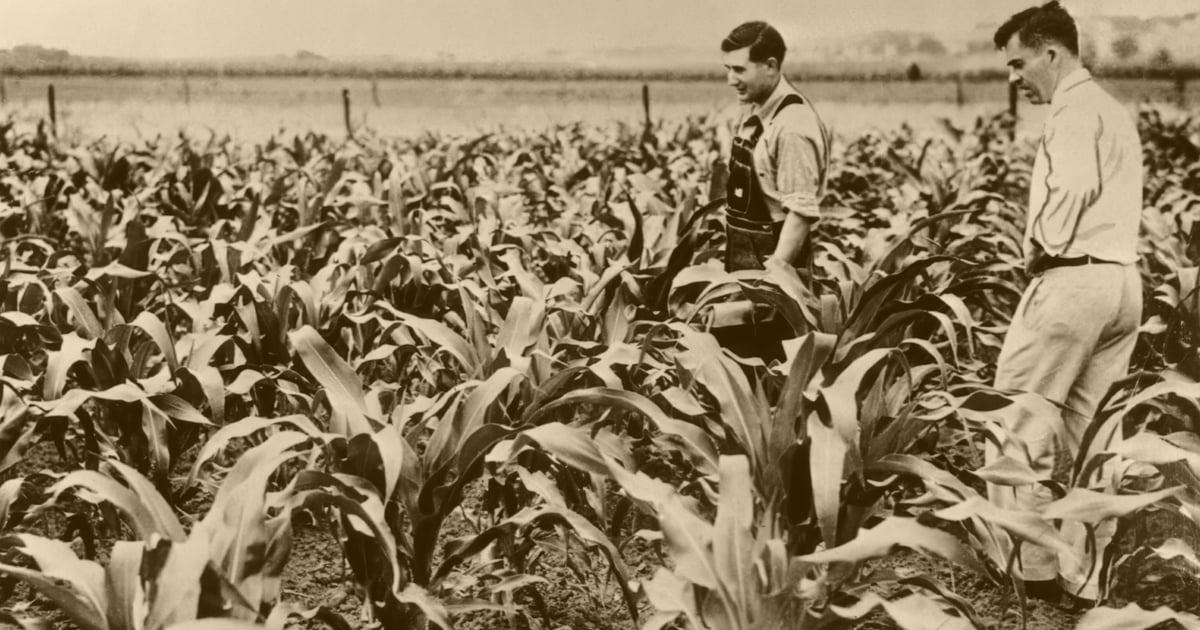
Lisa Lynd, Farm Progress design director, and I considered several covers for this issue. We settled on the one that leads off this story of Wallace and famed Pioneer corn breeder Raymond Baker evaluating a corn plot during the company’s early years.
There’s more, though. One can almost imagine them looking past the corn plot, past the merits of hybrid corn, into all the innovations that have since occurred and into the future technologies that will happen.
I bet they’d be pretty happy.
Enjoy the issue!