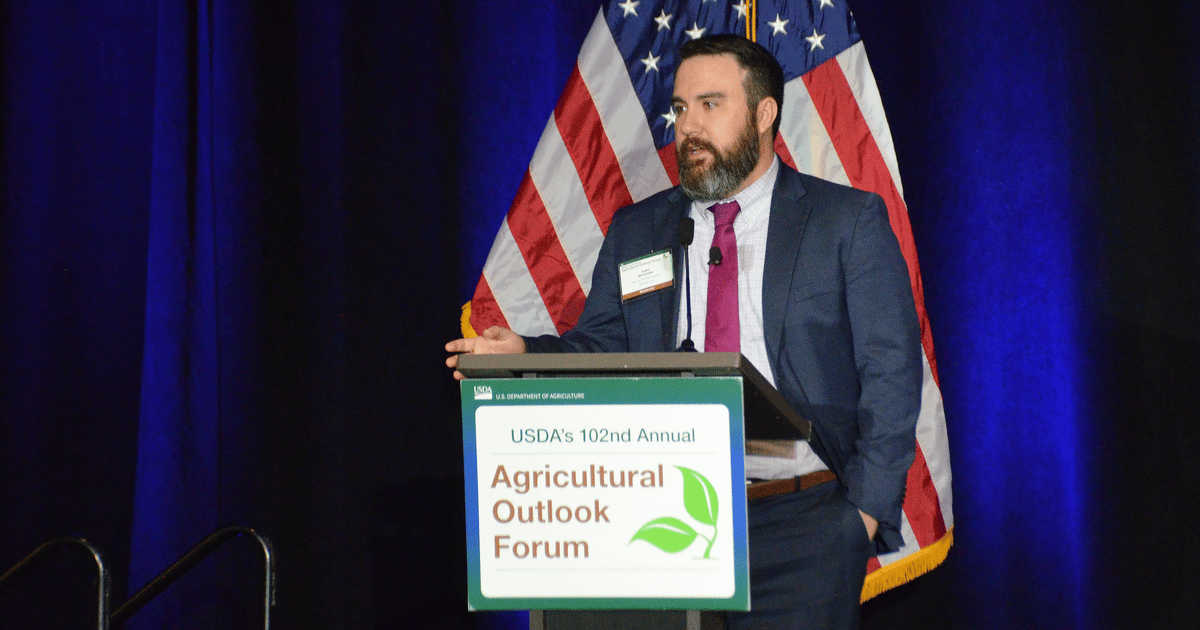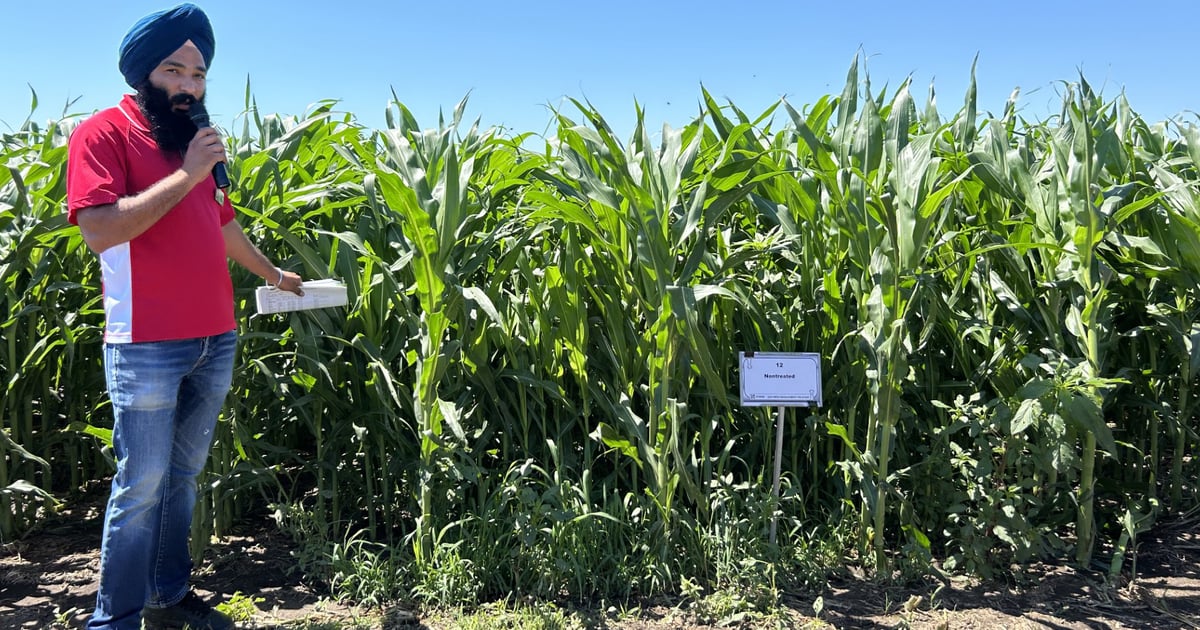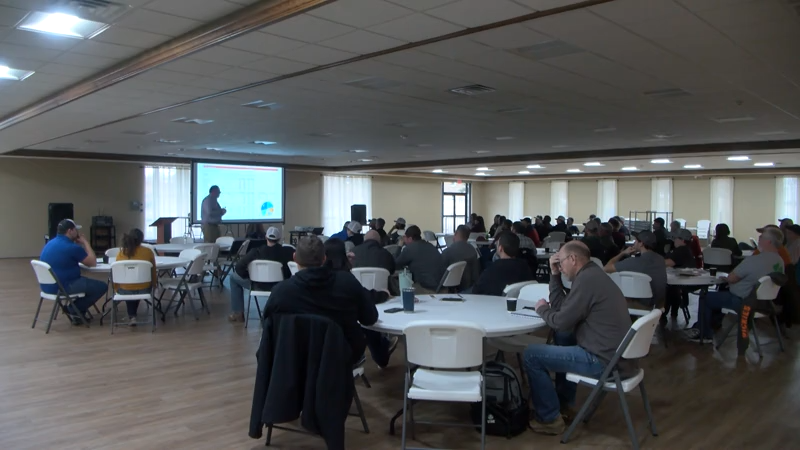
I penned this article the day after our 2026 Weed Science Tour in southern Georgia. Twenty-six grower meetings reaching more than 1,170 folks. For an assortment of reasons, not every grower attends local county production meetings.
One of the topics that I discussed at these grower meetings was ryegrass control in field corn. An arduous task for most especially since glyphosate-resistance, GR, in this weed has recently been confirmed in Georgia. In 2025, my phone blew up with requests for information about how to control this troublesome weed.
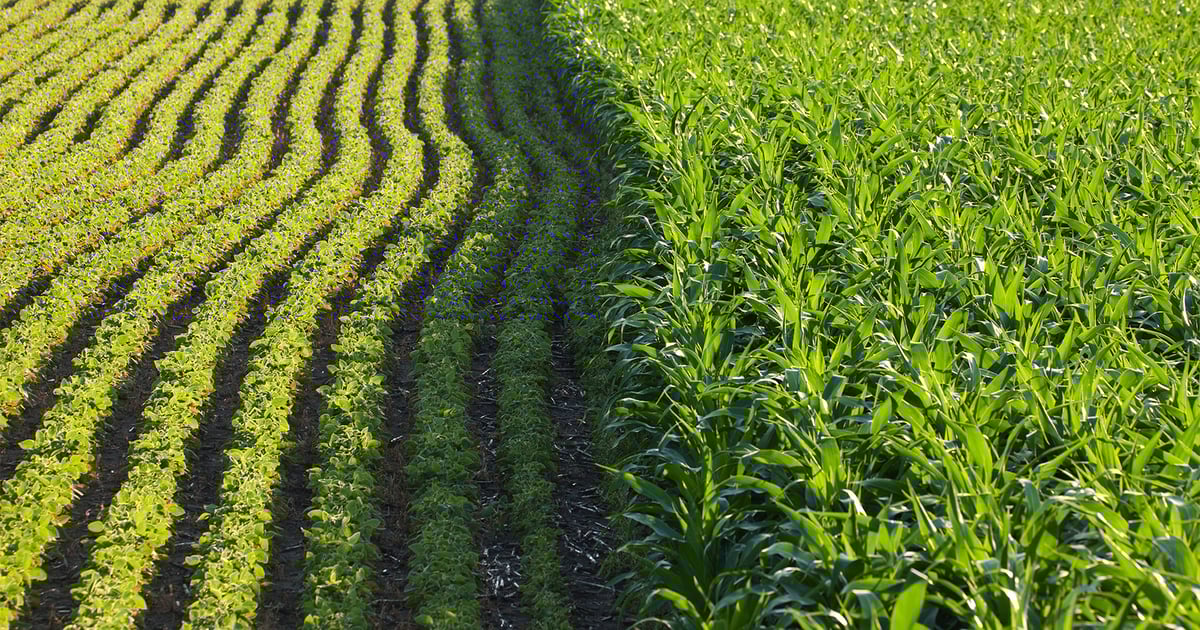
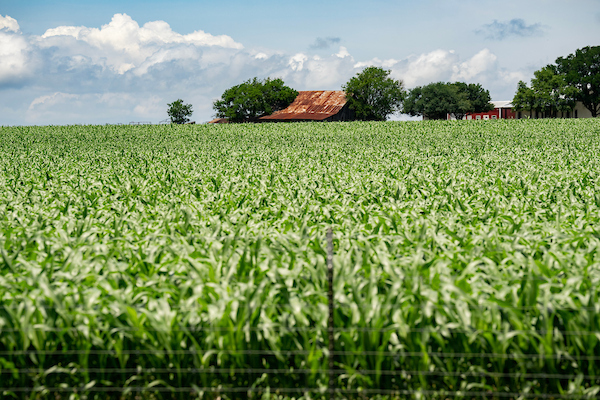
Let me start by saying that controlling a GR-resistant grass weed in a grass crop like field corn is quite a challenge.
In fact, most options in field corn are FAIR at best. Also, scary to me are the facts that ryegrass produces an abundance of seeds, or 20,000 to 45,000 seeds per plant, can easily and rapidly develop herbicide resistance and is commonly planted for winter grazing.
If ryegrass is becoming a problem in your corn fields, here are the few available options:
-
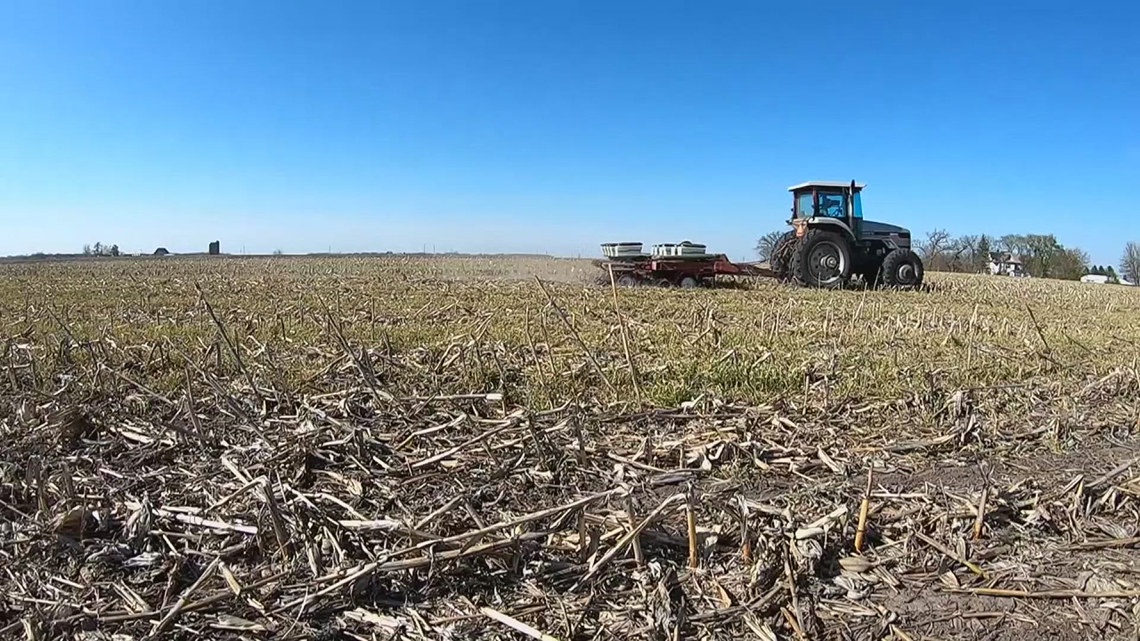
Ryegrass does not like tillage. So, this is always a choice for growers with an open mind.
-
Prior to planting, split applications of Gramoxone (paraquat), about 7 days to 14 days apart, can be used to help knockdown this weed.
-
Postemergence (POST) options include products such as Accent Q (nicosulfuron), Steadfast Q (nicosulfuron + rimsulfuron), and Revulin Q (nicosulfuron + mesotrione). Remember that these herbicides cannot be used if Counter (terbufos) was applied in-furrow for nematode/insect control and on ALS-sensitive hybrids.
-
Growers have had reasonable success using POST applications of Liberty (glufosinate). However, large temperature fluctuations (cold to warm) in at that time of the year can often reduce the effectiveness of Liberty.
-
Enlist field corn hybrids can be treated with POST applications of Assure II (quizalofop), but historical resistance to this mode of action is a concern. Better adapted Enlist field corn hybrids are now available for the Southeast.
If ryegrass continues to get out of hand in the Southeast, growers might have to start following the Mid-South’s lead by using fall tillage and/or herbicide applications. Growers in that region have been using fall applications of products such as Command (clomazone), Dual Magnum (s-metolachlor), and Zidua (pyroxasulfone) to help manage ryegrass for quite a while now.
Ryegrass needs to be on everybody’s radar. It is exceedingly difficult to control and can easily develop herbicide resistance in just a couple of years. We cannot afford to let this one get out of hand.
As always, good weed hunting!