Welcome to Nigeria, welcome to Gboko, a land of grains and cereals.
I visited this state, popularly referred to as the food basket of the nation and within the rich agricultural belt of Benue, I encountered a bowl of corn grits that carried more than flavour, it carried history, nutrition, and quiet versatility. I observed that the grits were mostly served as a beloved breakfast dish.
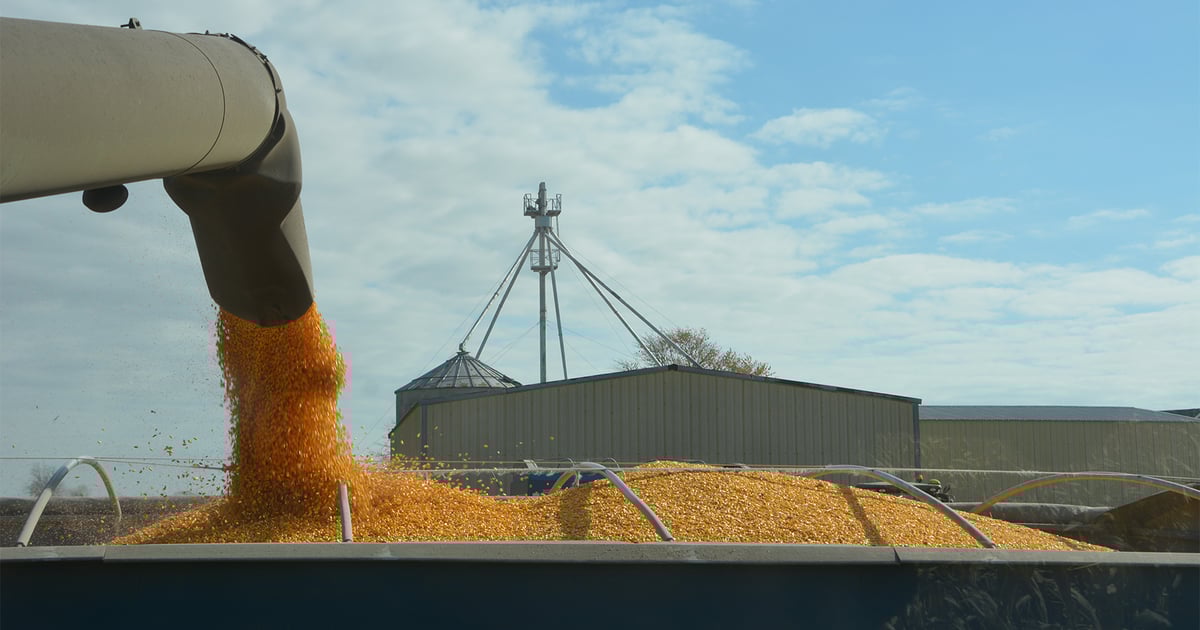
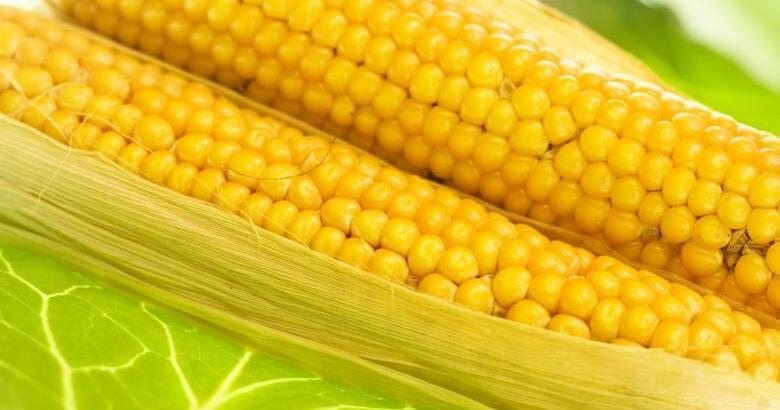
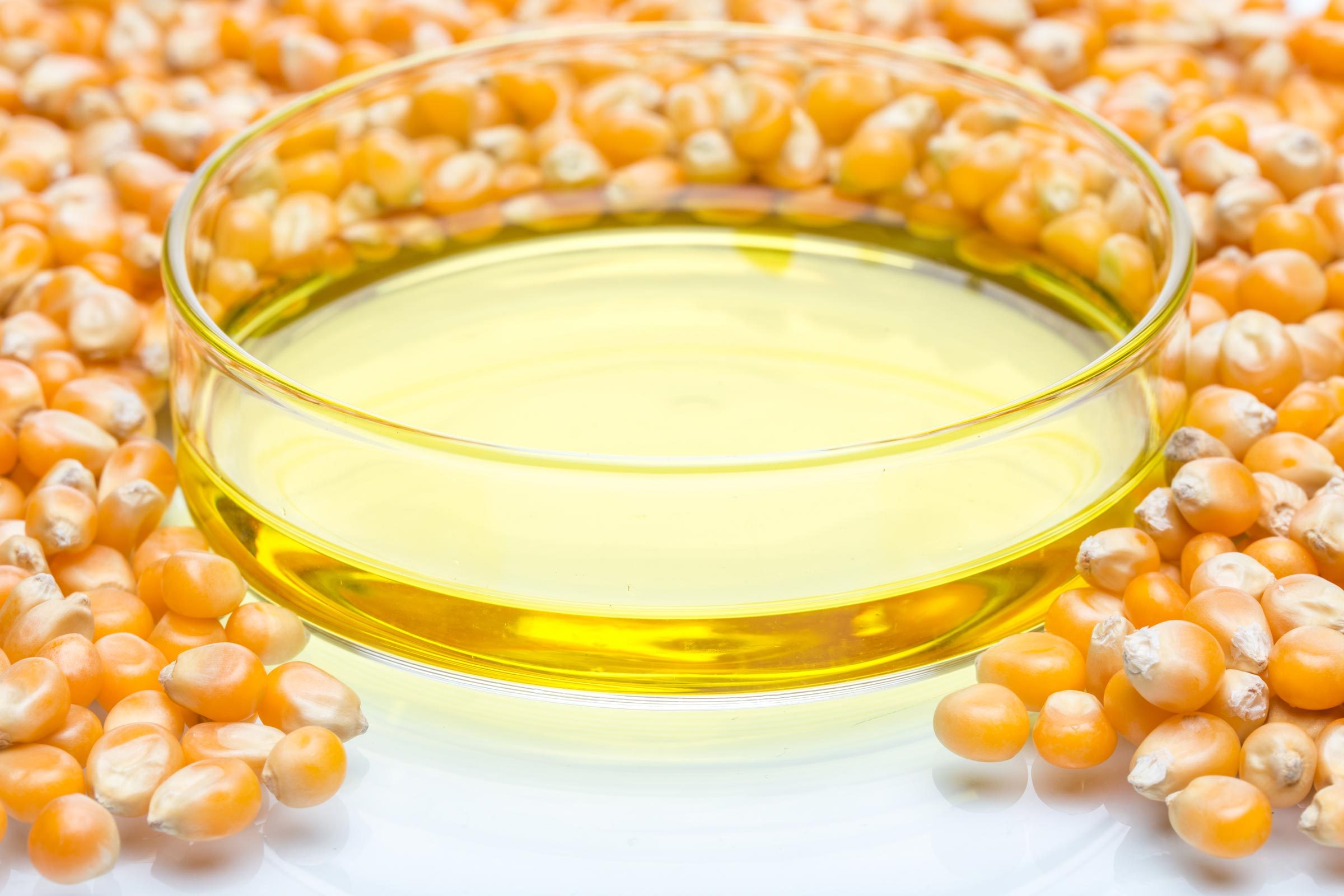
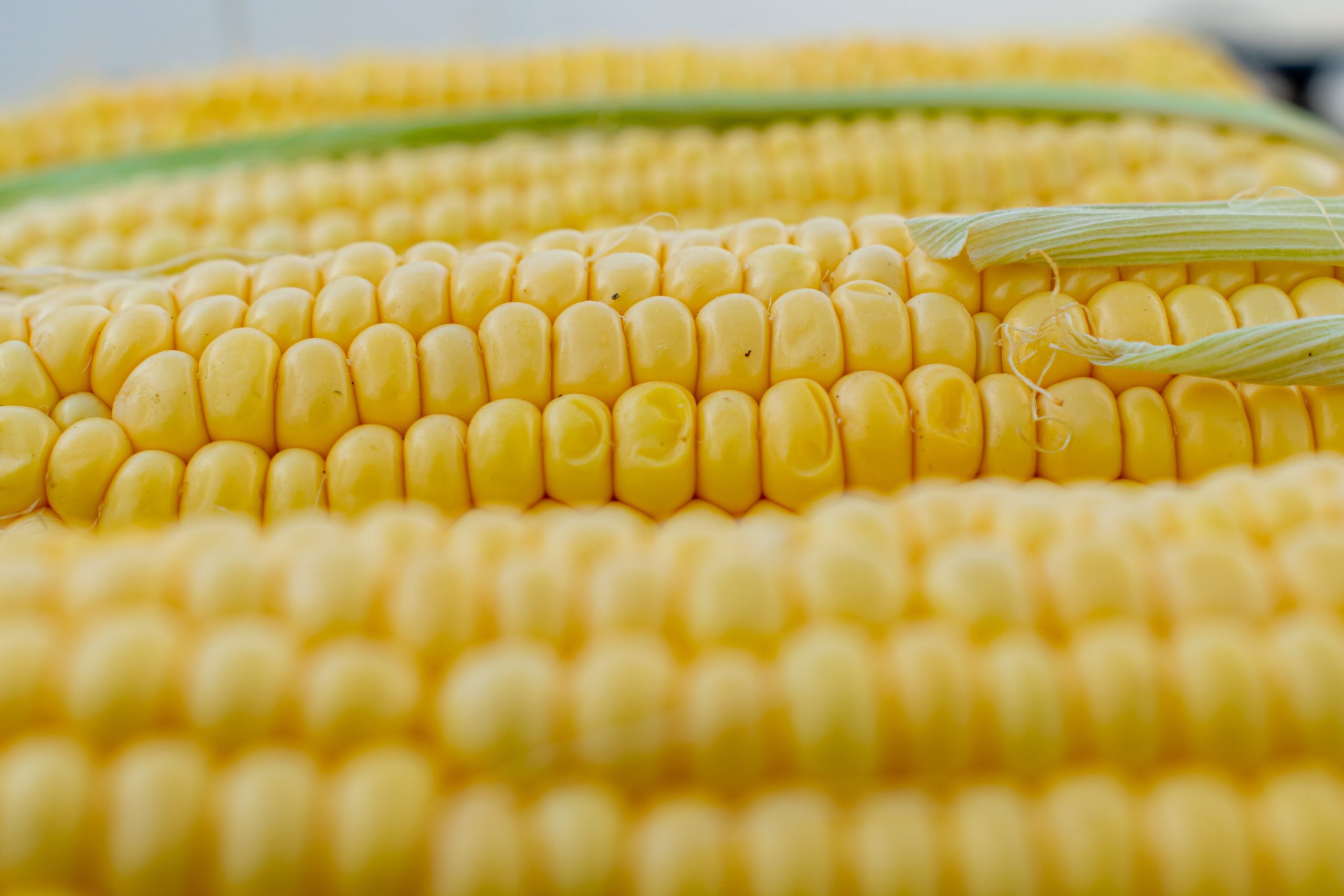
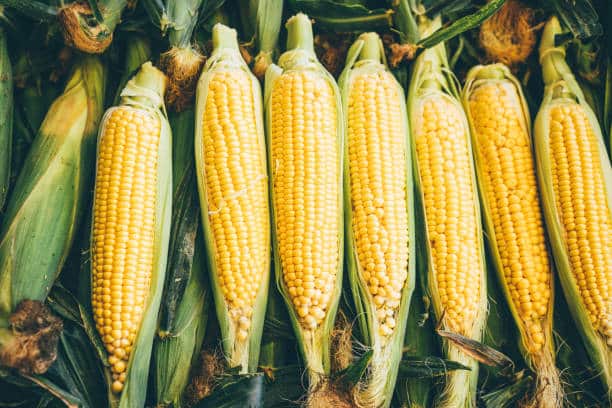
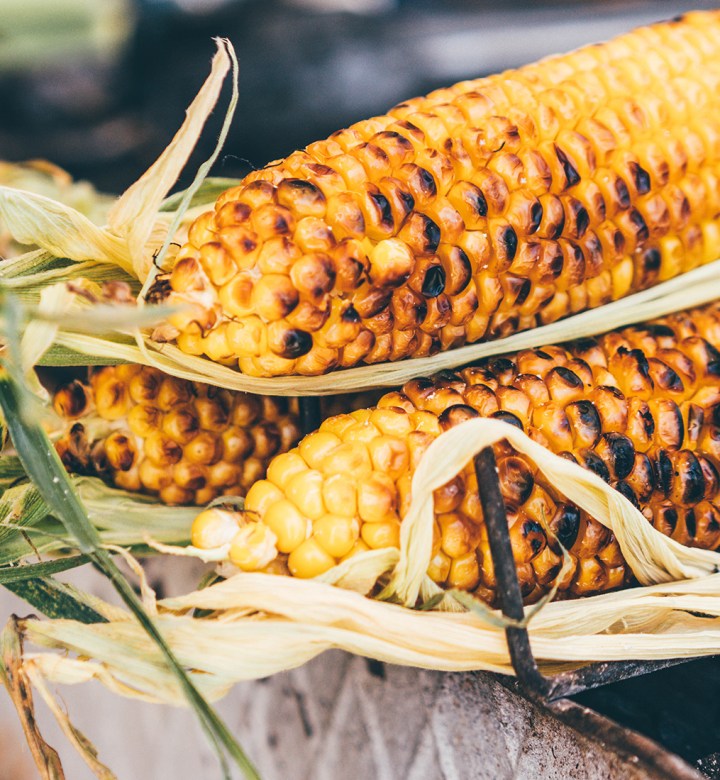
Corn grits are a staple porridge made from coarsely ground dried corn or hominy, maize. They remain an important yet often under-recognized food product in Nigeria’s agricultural and culinary landscape. Produced by milling dried maize kernels into coarse granules, corn grits occupy a unique position between finely milled corn flour and whole maize grains.
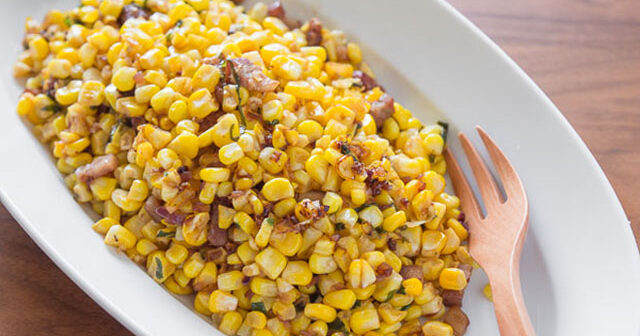
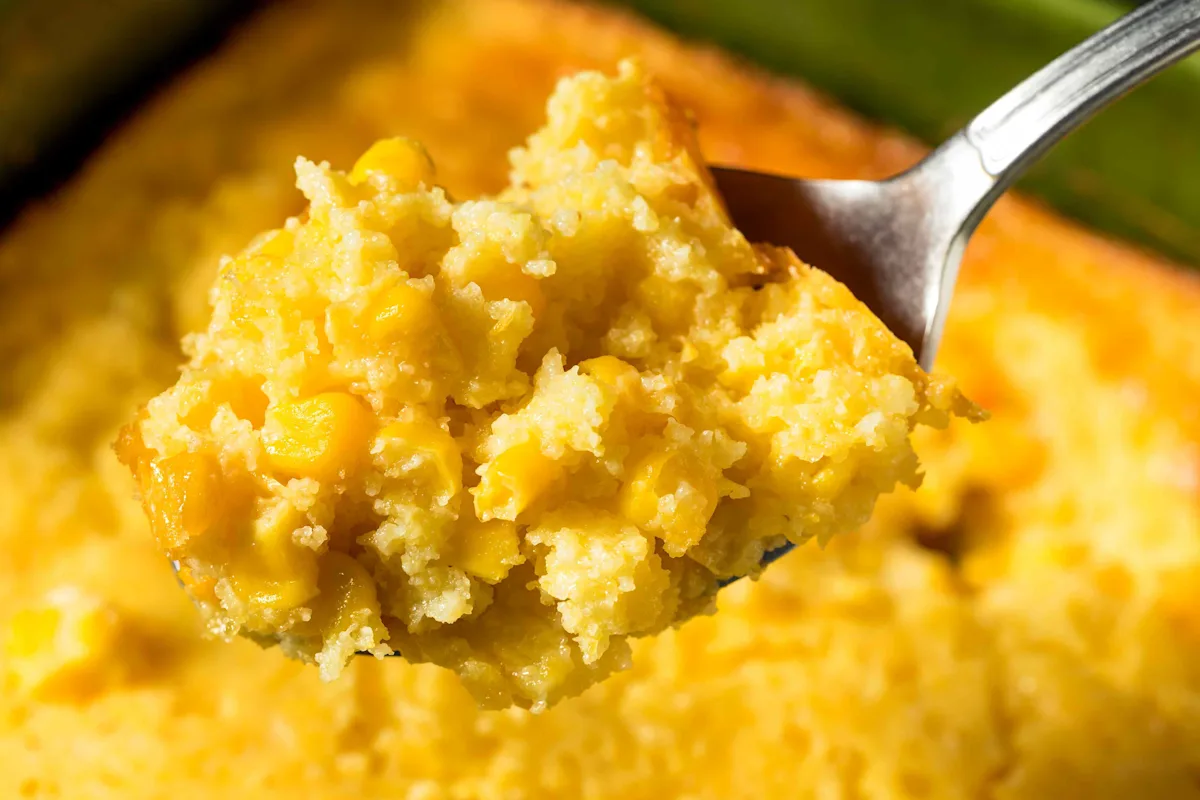
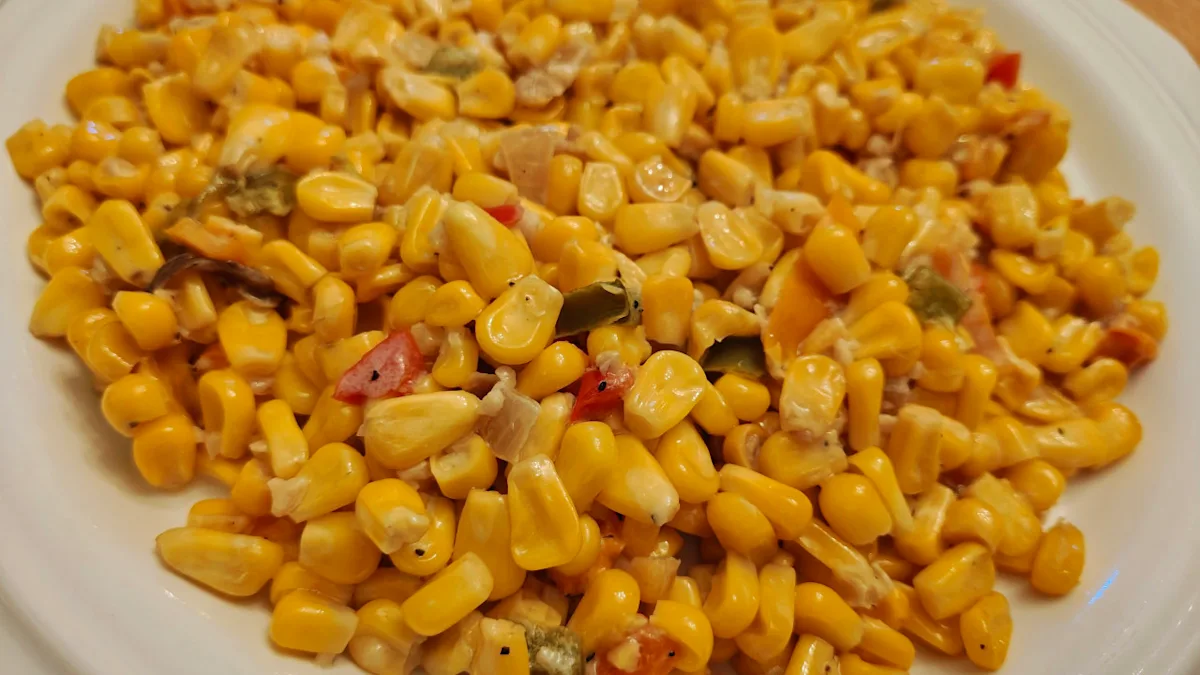
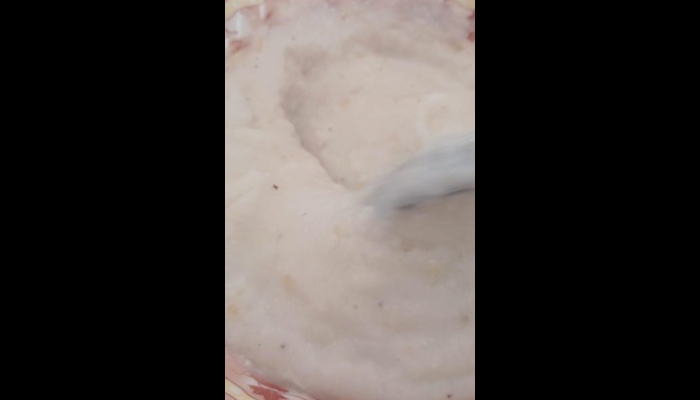
When boiled gently, they transform. The coarse grains soften into a creamy, comforting consistency, thick yet smooth, hearty yet delicate. In Gboko, the porridge I tasted was warm and satisfying, each spoonful revealing the earthy character of maize, carefully milled and patiently simmered. Grits are typically cooked in water or milk. The result is a creamy base that can be endlessly customised.
In many Nigerian communities, corn grits are known by different indigenous names. Among the Yoruba, the food is commonly associated with Egbo, a traditional meal prepared from cracked maize. In some northern parts of the country, similar cracked maize preparations are linked with foods made from Masara, the Hausa word for maize. Among the Igbo, maize is generally referred to as Ọka, and cracked or processed maize products are often described within local maize-based dishes.
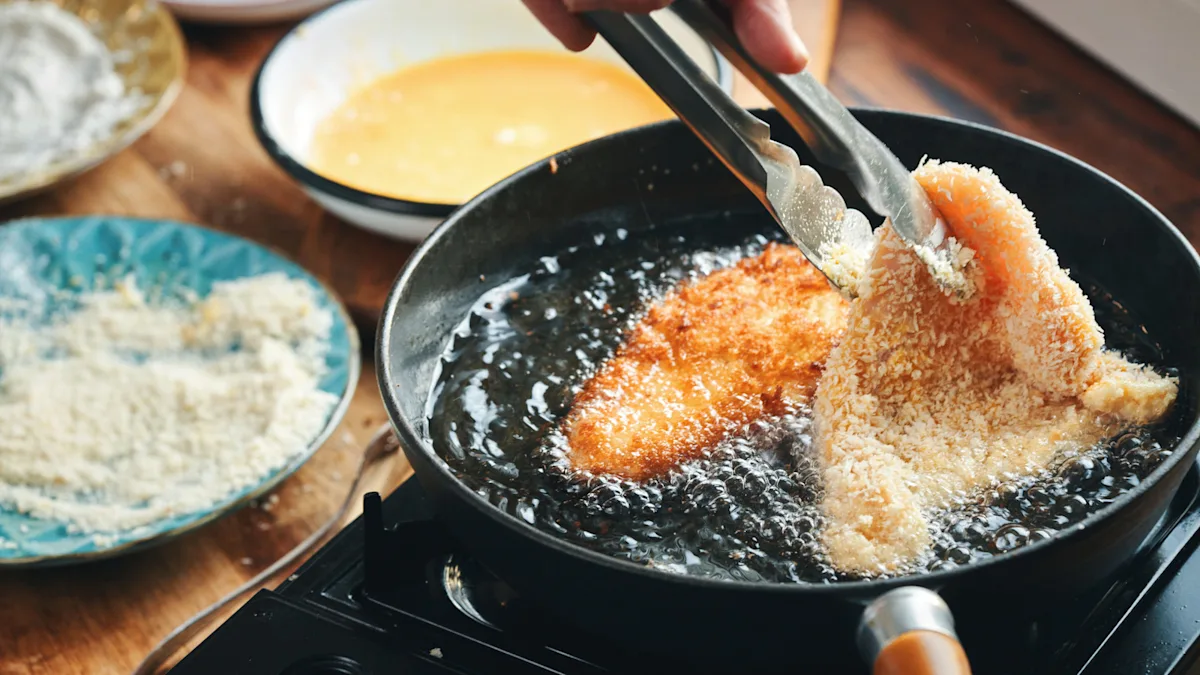
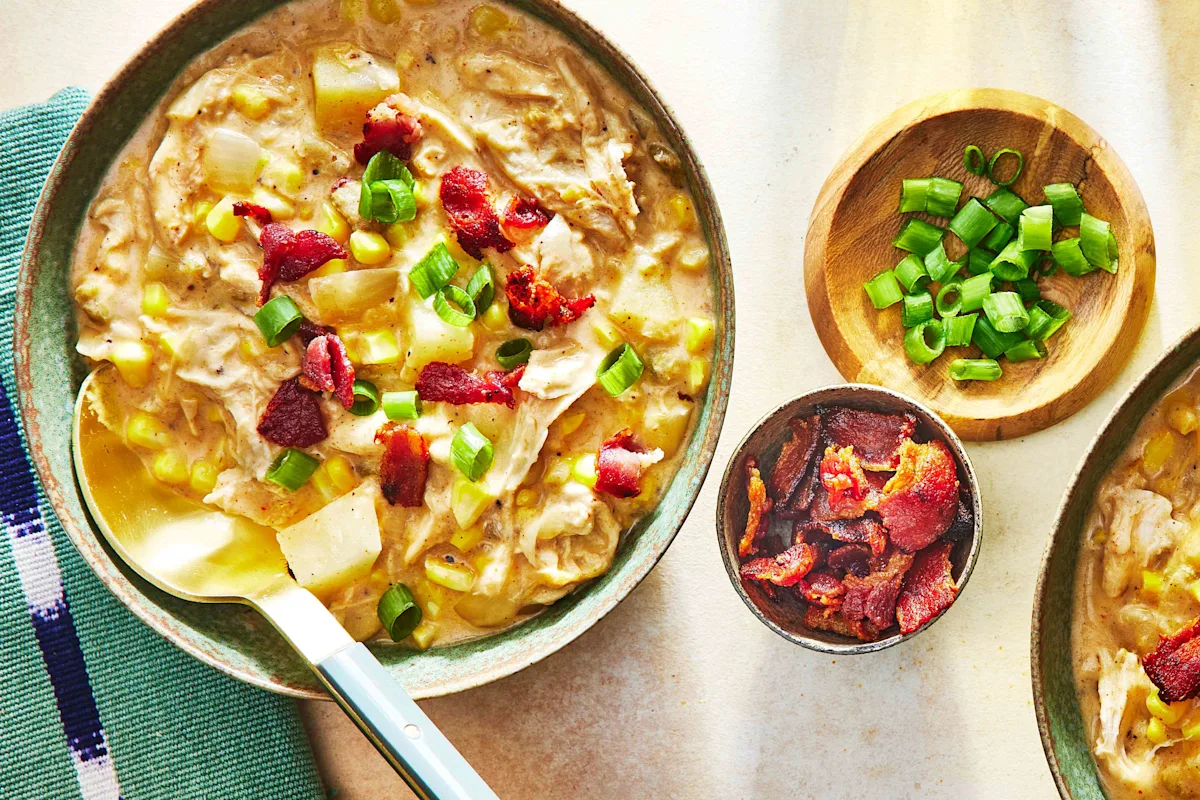
It is however important to note that grits have found expression in many maize-growing cultures across the world. From the USA to Europe, Asia and many parts of the earth. In the Southern United States, grits are commonly served savoury, much enriched with cheese, crisp bacon, or even shrimp in the iconic “shrimp and grits” combination. Yet beyond breakfast, their adaptability shines. Once cooled, grits can be sliced and fried. They can serve as a thickener in soups and stews. They can stand as a side dish accompanying vegetables or protein.
Well, in Gboko, the version I tasted spoke less of embellishment and more of essence, allowing the grain itself to lead. Nutritionally, corn grits are more than comfort food. They are rich in iron and B vitamins, including niacin, thiamin, riboflavin, and folate, as well as sessential nutrients that support energy metabolism and overall health. They also contain antioxidants that contribute to cellular protection. In maize-producing regions like Benue, grits represent an affordable and nourishing staple that connects agriculture directly to daily sustenance.
Understanding grits also requires distinguishing them from similar foods. Though both derived from dried corn, grits are much coarser than cornmeal, giving them their characteristic texture. They are often compared to polenta, but polenta typically comes from a different corn variety and results in a firmer, less creamy consistency. They are however sometimes mistaken for cream of wheat , yet that dish is made from ground wheat (farina), not corn.
Storage, too, reflects the grain’s natural qualities. Grits are usually kept in a cool, dry place in airtight containers. In the same vein, the stone-ground varieties, prized for their fuller flavour and higher natural oil content, are best stored in the refrigerator or freezer to prevent spoilage. As I finished that bowl of corn delicacy in Gboko, I realized that corn grits represent something quietly powerful.
• They are grain made generous.
• They stretch modest ingredients into nourishment.
• They bridge continents, from Southern American kitchens to many African kitchens, including Nigerian maize fields.
• They demonstrate how one crop can shape culture in multiple geographies.
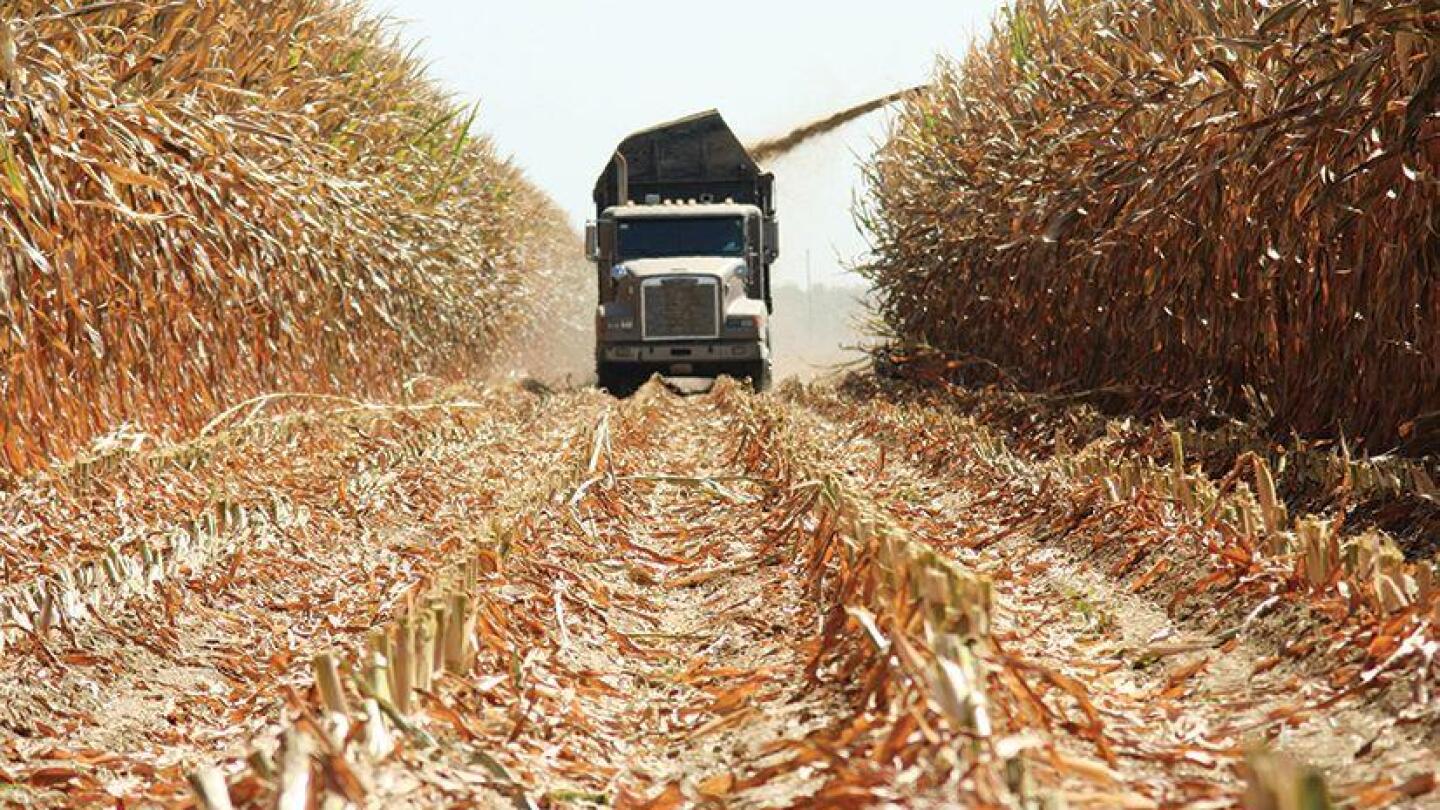
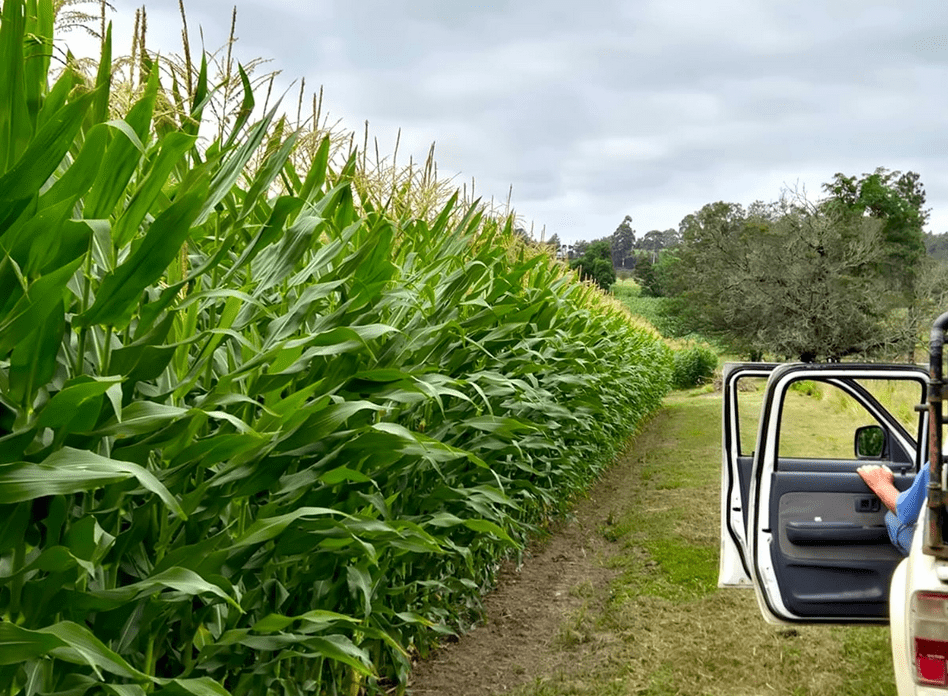
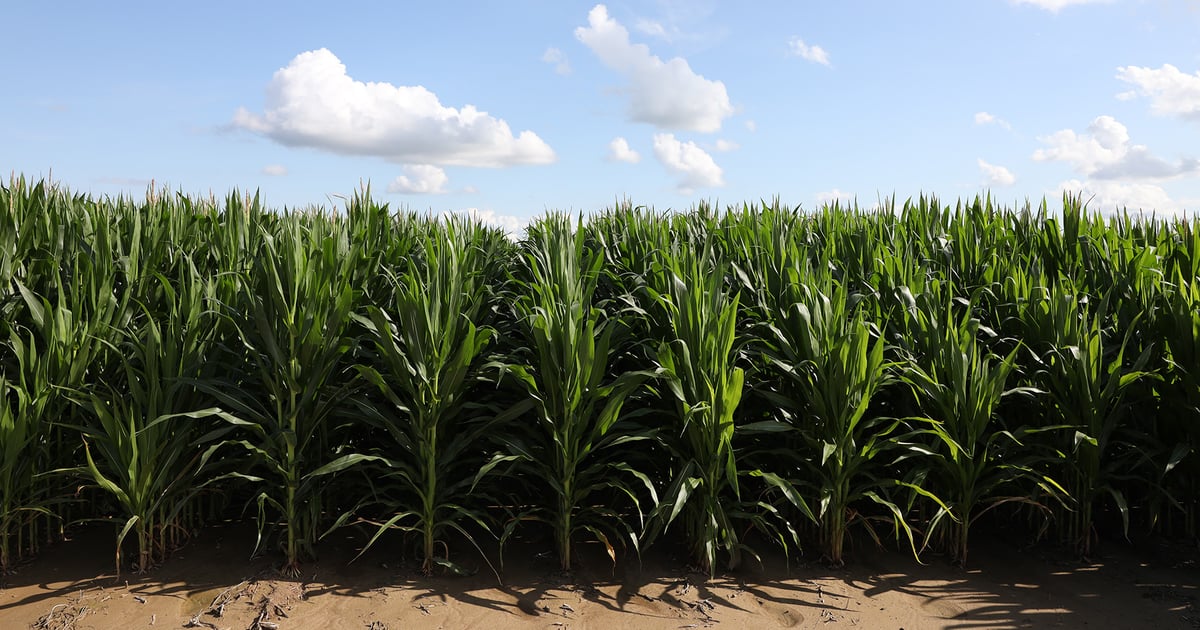
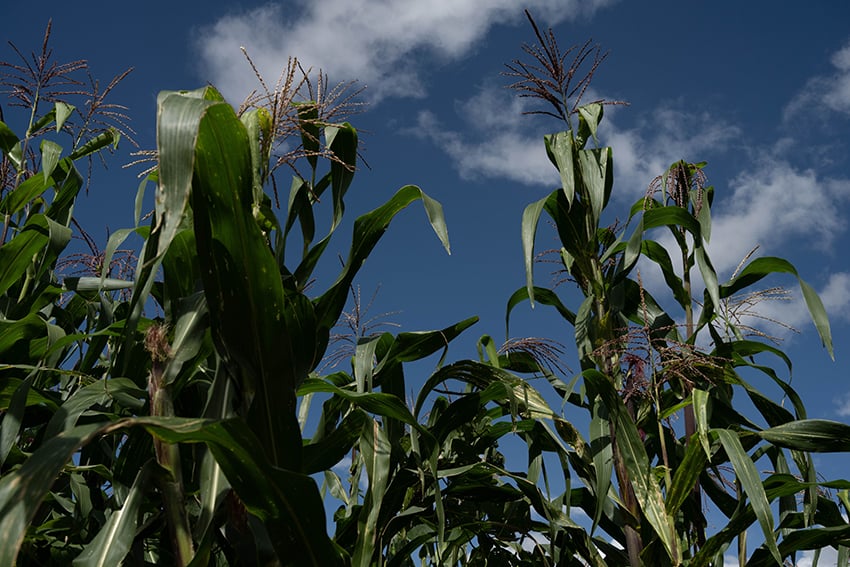
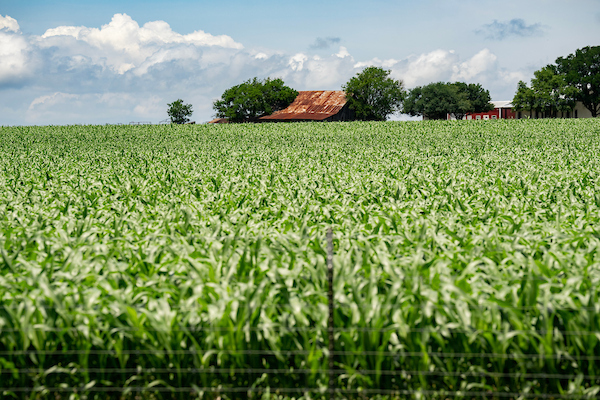
In Benue, where maize thrives under the sun, corn grits feel less like an imported idea and more like a familiar expression of the land’s abundance.
Corn grits as special, the most profound meals are not the most elaborate.
They are the ones that begin with grain, water, and patience —and end with satisfaction.
For a food practice or tradition to qualify for the UNESCO Intangible Cultural Heritage (ICH) List, it must represent living cultural traditions, knowledge, and community practices passed from generation to generation. Corn grits as the traditional foods made from cracked maize in Nigeria have several characteristics that make them strong candidates within the broader framework of Nigerian culinary heritage.
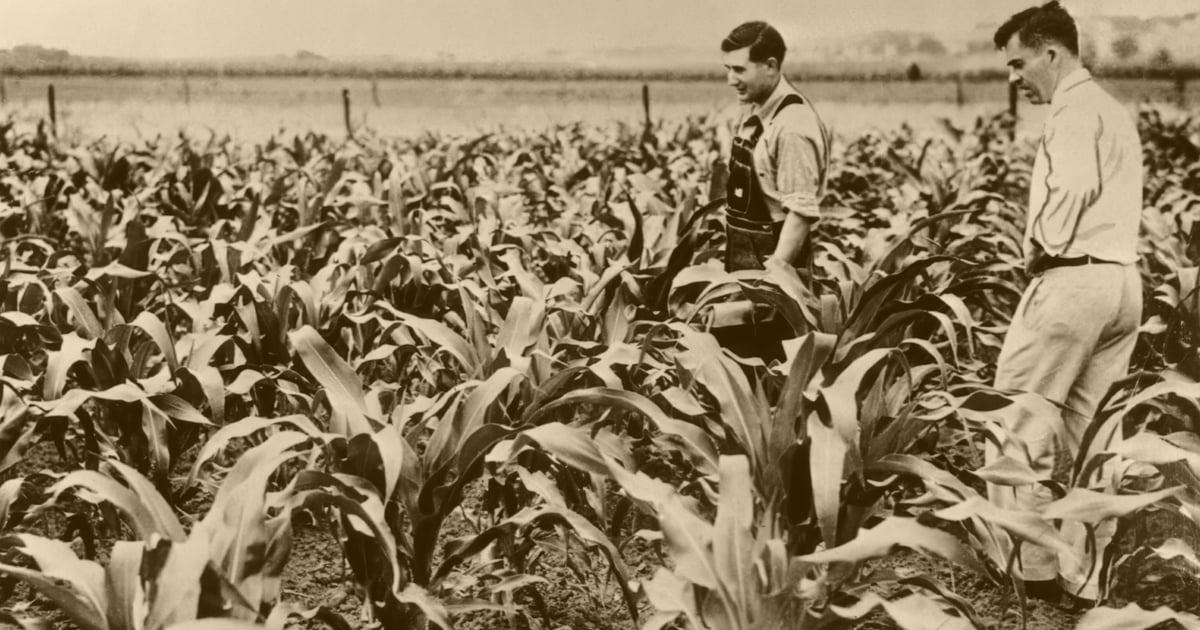
Corn-based dishes prepared from cracked maize are cultural and traditional delights that are rooted in historical heritage, been part of local diets for generations. These foods are tied to traditional farming, community cooking methods, and local food identity, making them more than just ingredients; but rather a representative of cultural continuity.
Nigeria is one of Africa’s largest maize producers. Corn grits therefore connect agriculture, food culture, and rural livelihoods even as this value qualifies the grain for UNESCO values and traditions.
Corn grits also qualify for the UNESCO ICH list because they reflect the relationship between communities and their environment, including indigenous farming practices.
As a potential for cultural preservation, documenting corn grits as an indigenous cracked maize porridge, helps to preserve indigenous culinary knowledge, promote the beauty of the Nigerian food globally and this would ultimately support even the culinary cultural education of the next and younger generations.