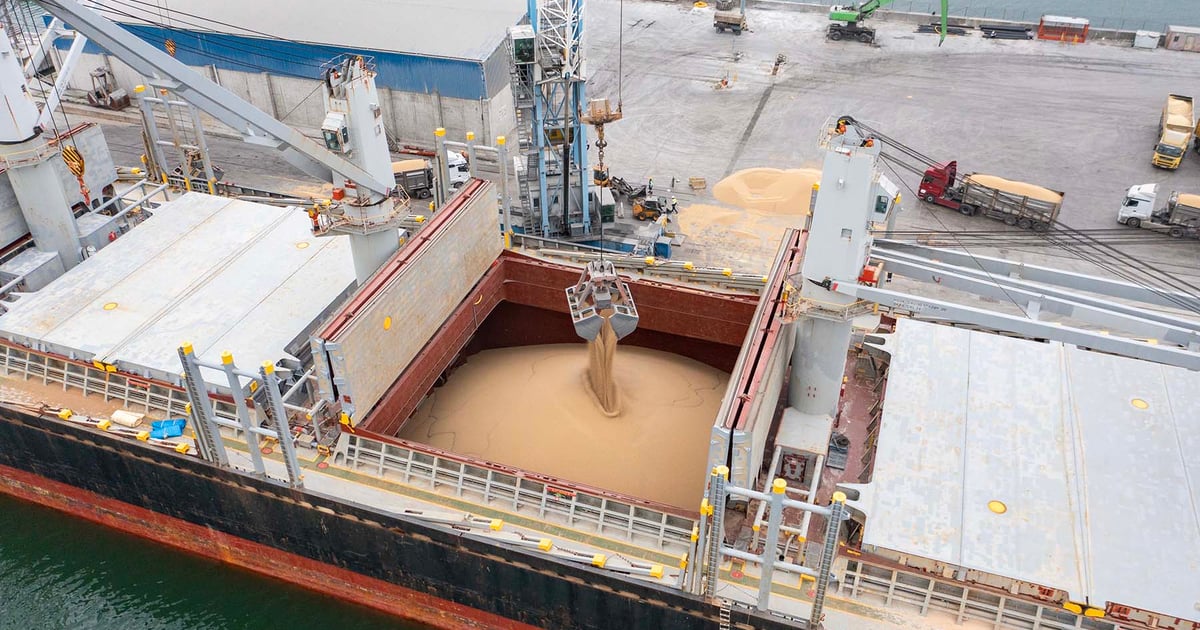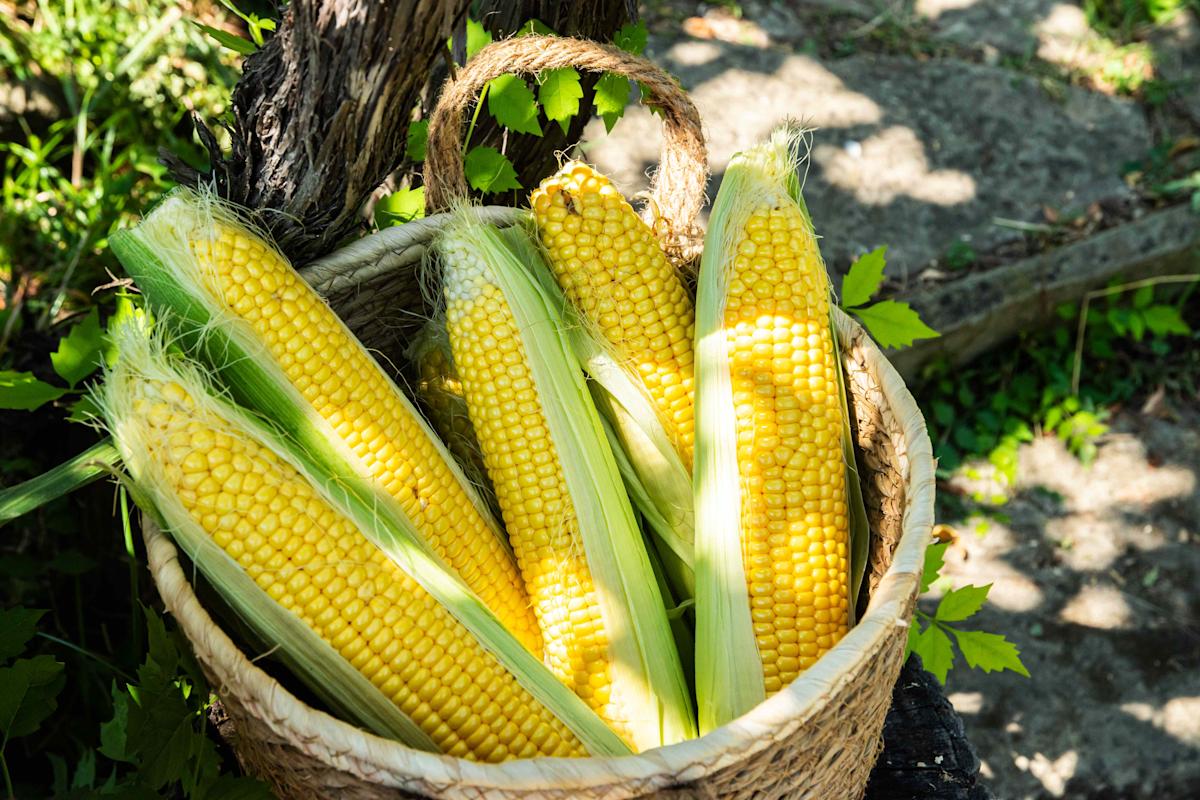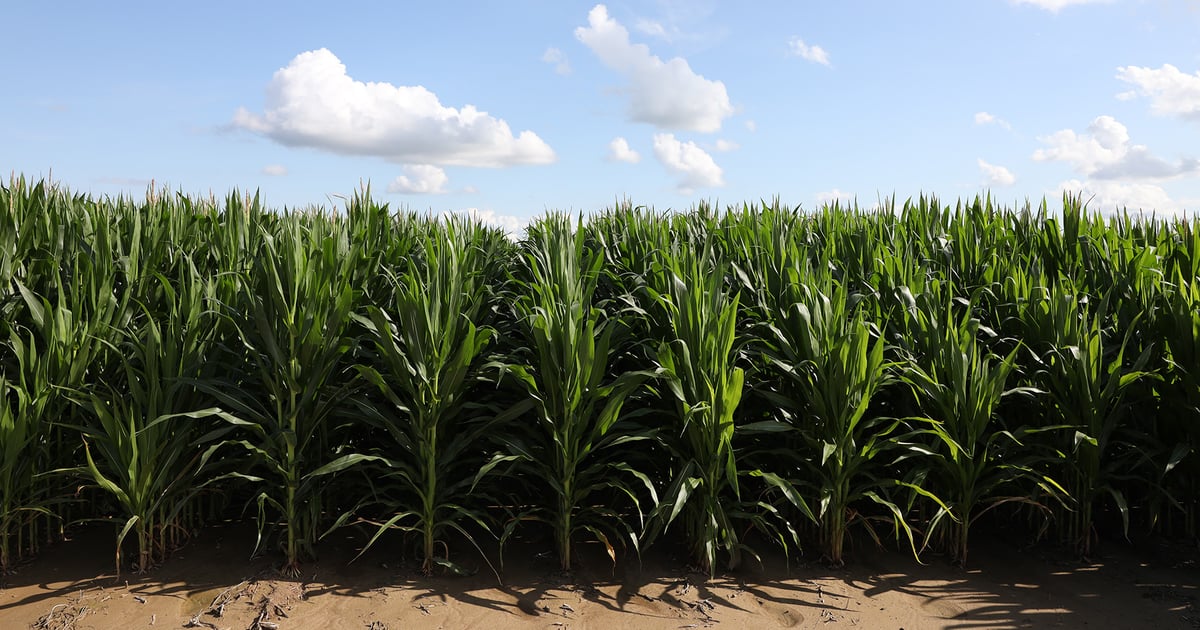

Corn and wheat ended higher Tuesday with soybeans lower.Livestock were mixed with cattle extending Monday’s gains and hogs setting back.
Corn and Wheat Follow Energy Markets
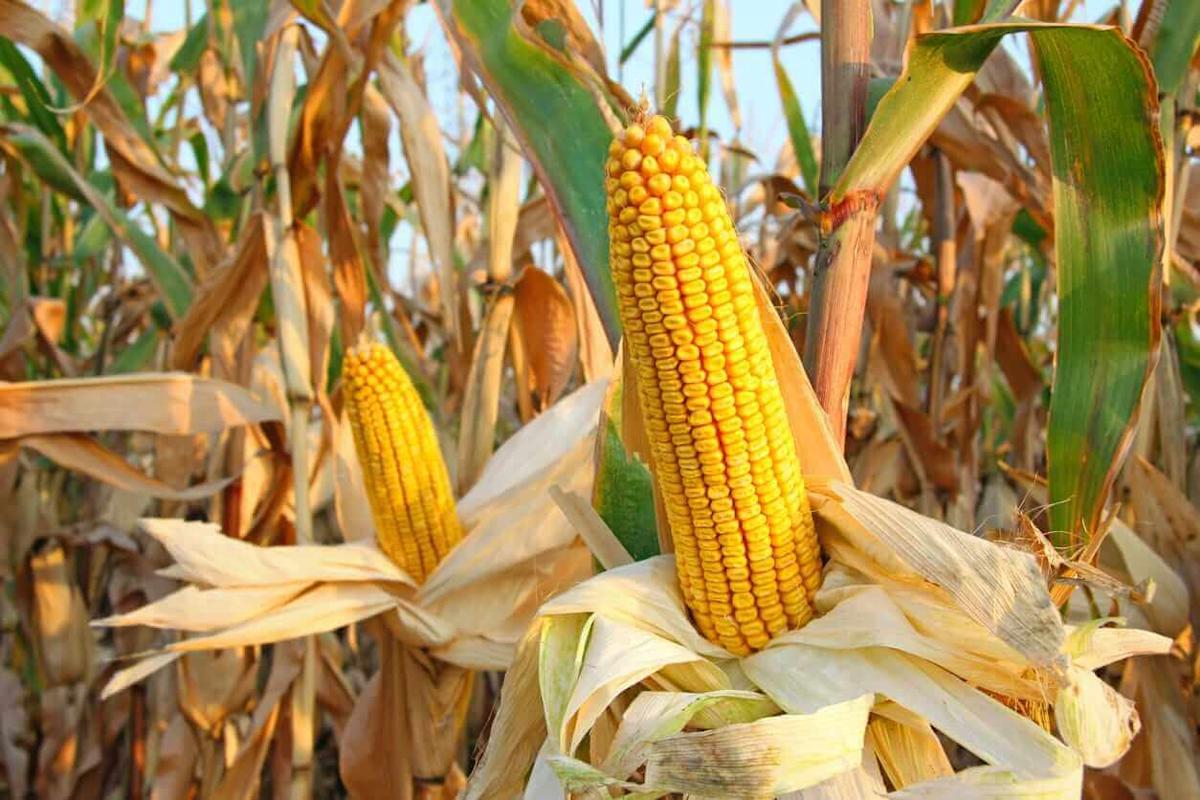
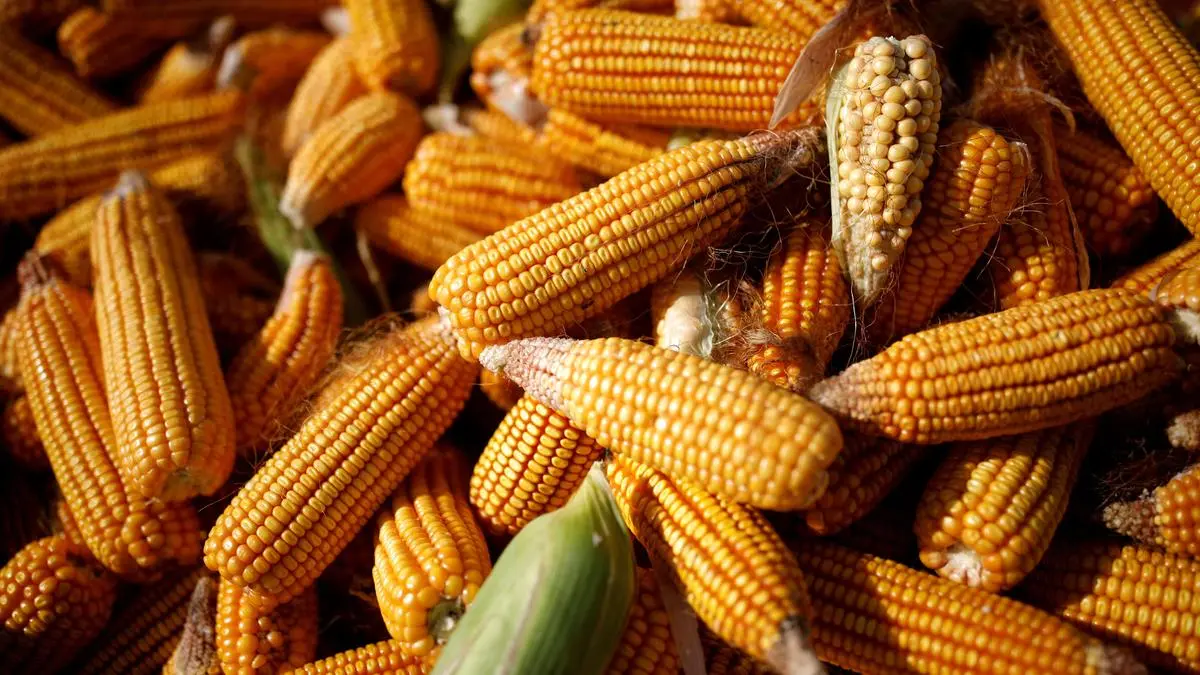
Corn and wheat reversed early pressure to close higher in tandem with the higher crude oil market.Mike Zuzolo with Global Commodity Analytics says the markets were also adding risk premium tied to weather.
“With the energy markets we’re just getting an understanding of how much demand rationing we’re going to have to do in the energies. And this is going to continue to spillover, I think, into the corn and into the wheat complex,” he says.
He says the correlation with grains and both crude oil and the natural gas market has been unleashed.“ I told clients last week, the genies are out of the bottle. The genie for the energy market and needing to ration demand and the genie in terms of the weather market when it comes to the wheat side of the equation.”
Adding Risk Premium
Wheat is also adding risk premium tied to the weather as the winter wheat crop continues to show a degradation of the production potential.
“I think it’s going to be really tough at this stage to get above 50 bushels an acre on a national average in the wheat,” he says.
He thinks the wheat market needs to ration demand due to supplies possibly tightening.
Inflation Play?
The funds have added to their long position in the grains since the Iran war began, especially in the corn market.So is this part of a longer term inflation play?
Zuzolo says no. “I don’t think it’s inflation. Unfortunately, I was hoping it would be. I was hoping it’d be more of a demand inflationary play, but I think the Federal Reserve kind of wrecked that party last week by what they said and now what the trade is thinking.Instead of rate cuts, we’re looking at rate hikes.”
He says the gold market has been an excellent indicator. of how the inflationary mindset has changed since the Fed came out last Wednesday.
“And we’re starting to see that 10-year U.S. bond yield jump up towards 4.5%. That’s a no-go gauge for me, as far as investment flows on inflation in terms of commodity bullishness, “ he explains.
Lower Corn Acreage
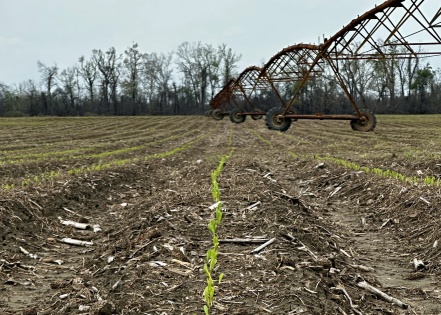
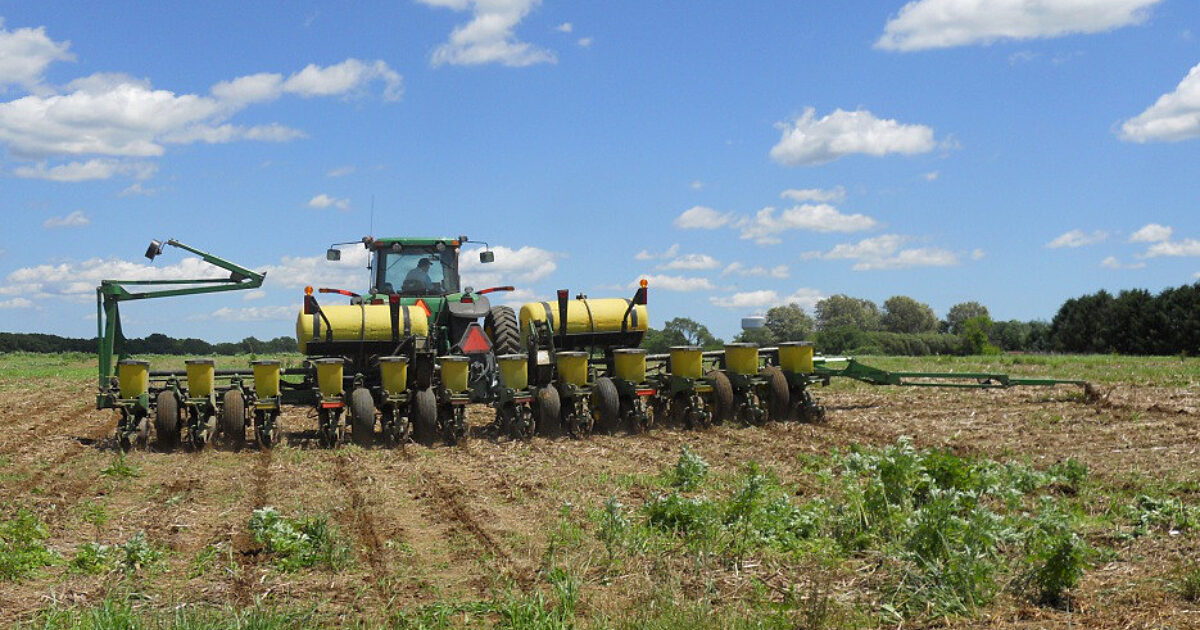
With risk premium being added to corn and wheat are those market also concerned about losing acres, especially with fertilizer prices rising?
Zuzolo says I think they just have started to.“My biggest fear about the corn market and wheat is if we’re going to go lower it’s probably going to be due to beans. And that’s where the acreage base comes in at the end of the month.”
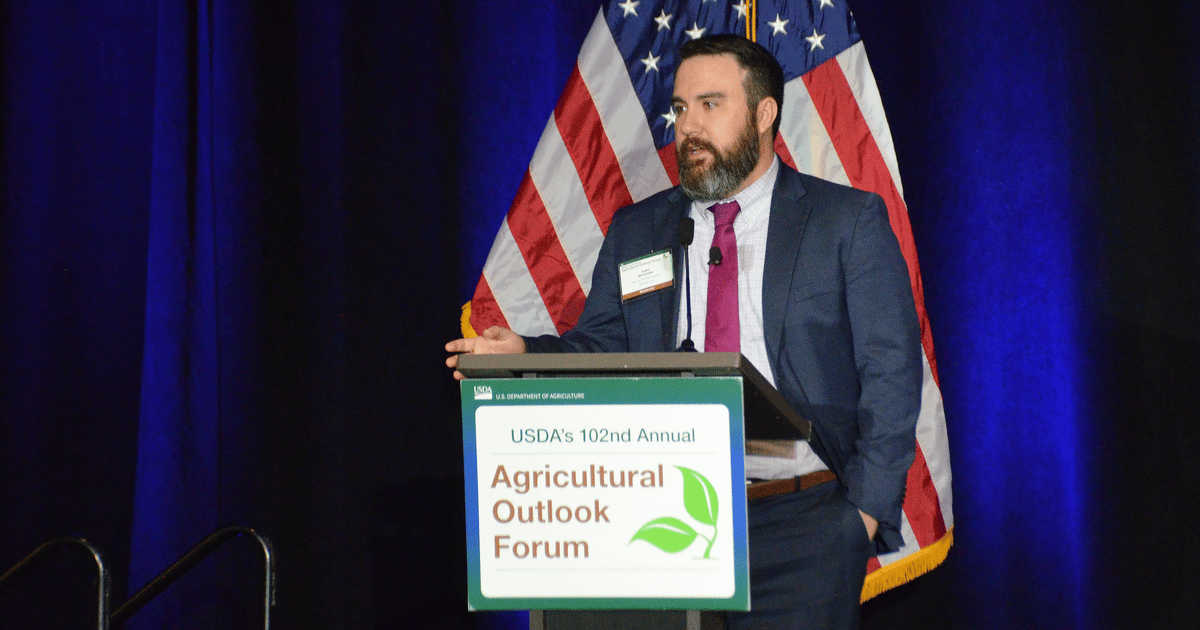
He thinks if USDA does show a bigger soybean acreage base than the Ag Outlook Forum the longs may exit in the soybean complex.
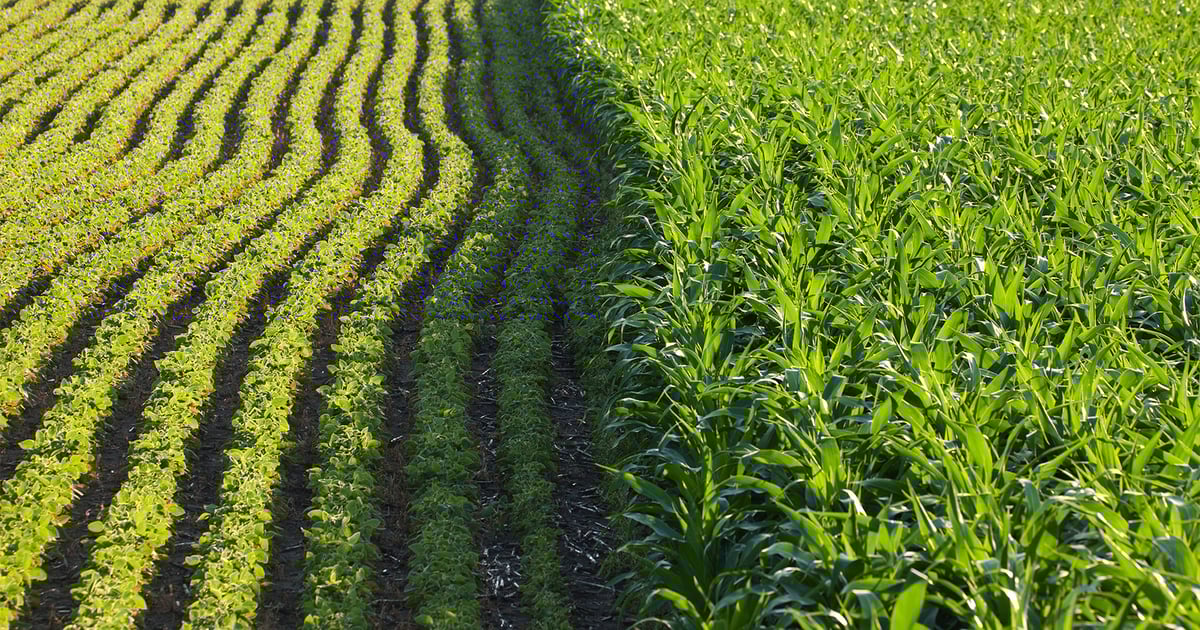
His acreage estimate on soybeans is 87 million, with corn at 93.5 million.
“In 2022 and 2024 we came in with 87.5 and 87.2 million and in those two years we’re swinging and rotating back to beans on almost a 99 million corn acreage base.So, I don’t know how we can get out from under that kind of a bigger number when it comes to what we’re dealing with, with the diesel, with the chemical, with the fertilizer. It’s either going to be a bigger corn acreage number on a much lower yield, or I think a bigger bean acreage number.”
Soybeans Fall as China Takes Brazil Beans
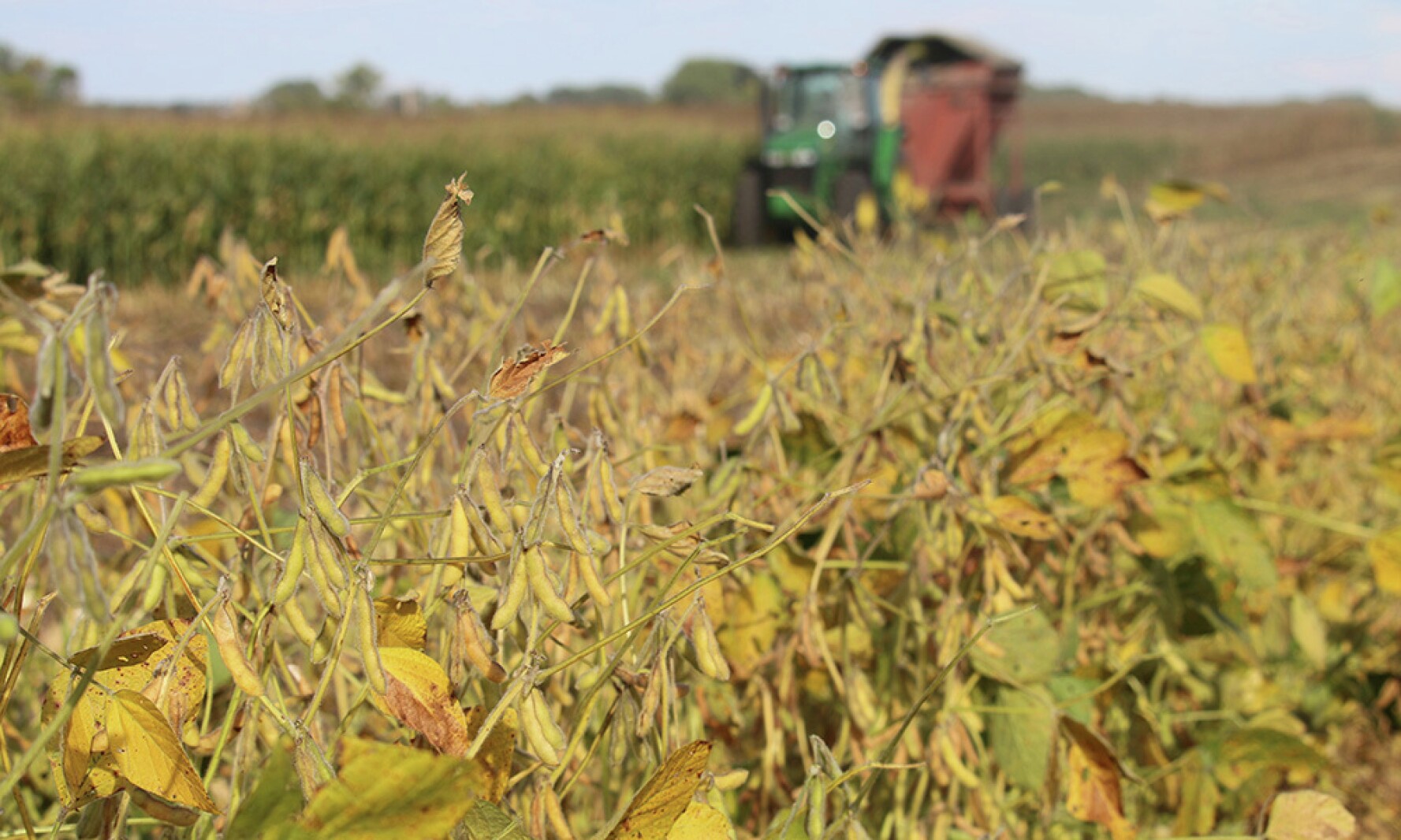
Soybeans were lower Tuesday and saw bear spreading as Zuzolo says China and Brazil have worked out their phytosanitary issues so Brazil beans can once again move.
This may indicate China will not be back in the market for any old crop U.S. soybeans.
Zuzolo says, “I think we’re running out of runway at this point, unfortunately, and we’re still, what, $35 to $45 a ton more expensive than Brazil at this stage of the game?So, putting back on top of our carryover for old crop another 100 to 120 million bushels would not surprise me as we go through the course of May, June if we don’t get any of this business and we don’t see the offset on the domestic biofuel demand.”
While there are some quality issues with the Brazilian soybean crop, Zuzolo thinks the trade is pretty comfortable with the size in the 177 MMT or 178 MMT range.
“If China still takes that lower quality bean, that kind of confirms to me that they’re not going to come shopping to us unless we’re going to be cheaper.”
If that is the case the $11.40 support on the front month beans will be crucial support.If that is taken out the market could lose $1 in a hurry.
“So, $9.40, $10.40 and $11.40 these are three major horizontal support and resistance lines that i think we need to keep an eye on,” he adds.
RVOs Announced Soon
EPA Administrator Lee Zeldin said Monday the Renewable Fuels Standard RVOs would be announced by the end of March for 2026 and 2027.
There has been speculation they might be released on Friday at the Celebration of Ag at the White House, but much of that is already priced into the market.
“One of the news wires said on Tuesday that did not see much change in the final numbers and what has been proposed is what we’re going to see. So based upon that, if that’s correct, we’ve got pretty much everything dialed in at this stage of the game.”
Cattle Higher Again
Live and feeder cattle futures closed mostly higher again on Tuesday with higher boxed beef values and steady to slightly higher cash supportive.
“I mean it’s one of those markets where we have not seen any kind of pullback on the beef demand and consumption,” he says.
Feeders the Leaders
Zuzolo is also excited about feeders returning to their leadership role.
“So, feeders rallying, and I think that’s mainly due to the weather and due to the drought conditions and those Nebraska wildfires. I can kind of sense a change. in how the market was looking at things. And even in light of the break in the equities markets, that seemed to impact the live cattle more than it did the feeder cattle.”
Running Into Resistance
He says feeders have been stronger than in February but may be getting close to hitting chart resistance.
“With March coming off the board at the end of this week and April taking over, I really would like to see us go after that $381 high in lead month futures for feeders and really change the monthly charts from a double top to a breakout. And I think that’s almost necessary at this point in time,” he adds.
He thinks that is possible since because numbers are tighter than indicated in the latest Cattle on Feed Report.
“There’s something not matching up here with the idea that we’ve got essentially 11.6 million head-on feed, the same as last year, but we’re still down 10% on slaughter. Something’s going to have to give here, and I’m hoping that the fundamentals and the cash market kind of lead us up in the futures.”
Hogs Ready for Recovery?
Hogs have seen liquidation by the funds following cash and with apprehension ahead of the USDA Hogs and Pigs Report, but is due for a recovery.
“It seems to me that this market has been playing it very wisely, waiting for news on China, waiting to see what the cattle market does, waiting to see what the retail sector looks like for the pork side of the equation. Some of the earnings reports that came out like for Smithfield this week look really, really strong on the pork side. So I think we could be poised for another move back to the upside, some short covering. If we stay below 100% on that kept for breeding and stay below 101% on the all hogs and pigs for March, that gives the market a chance to trade higher into the early part of summer.”