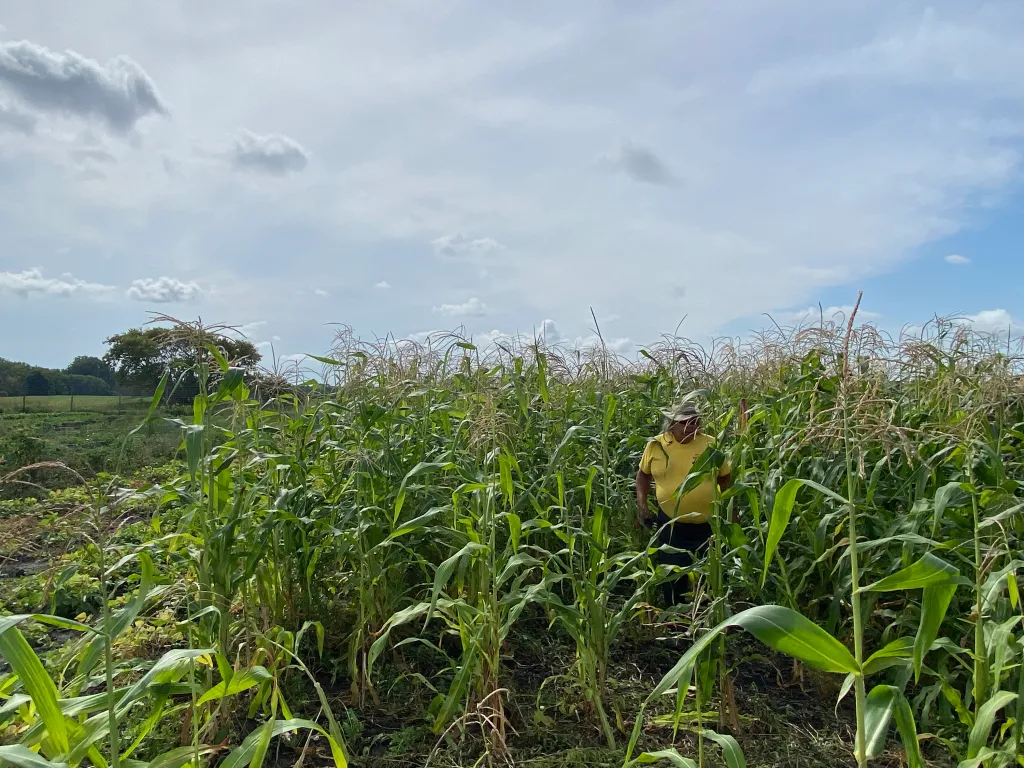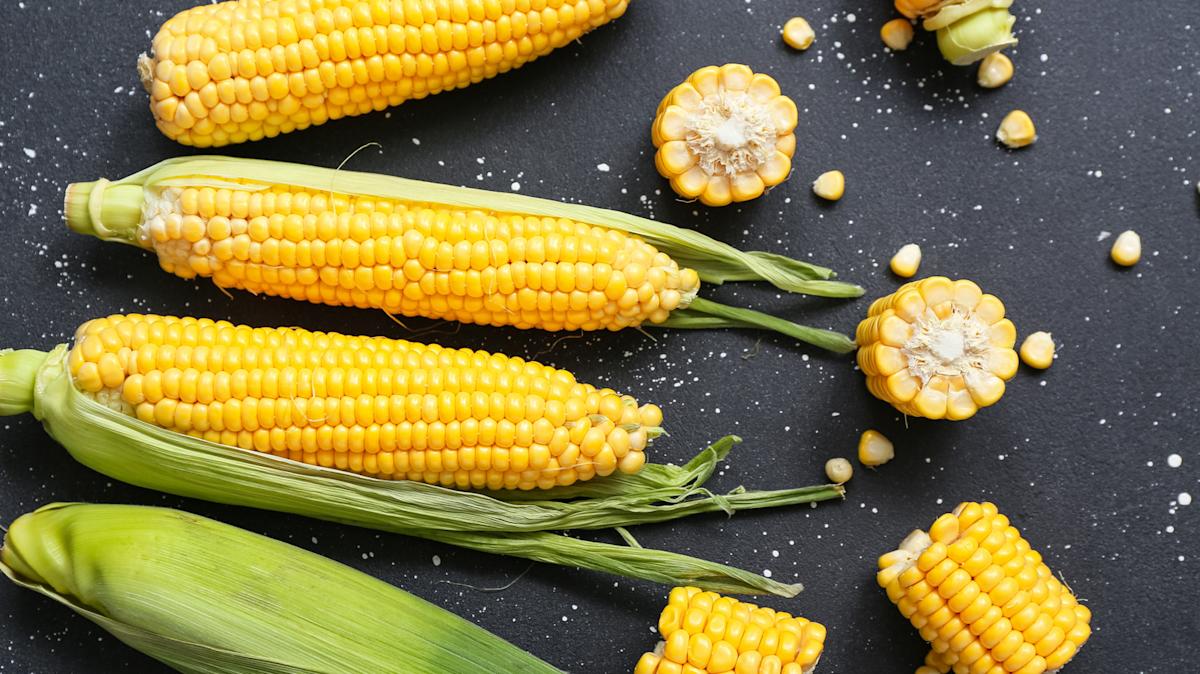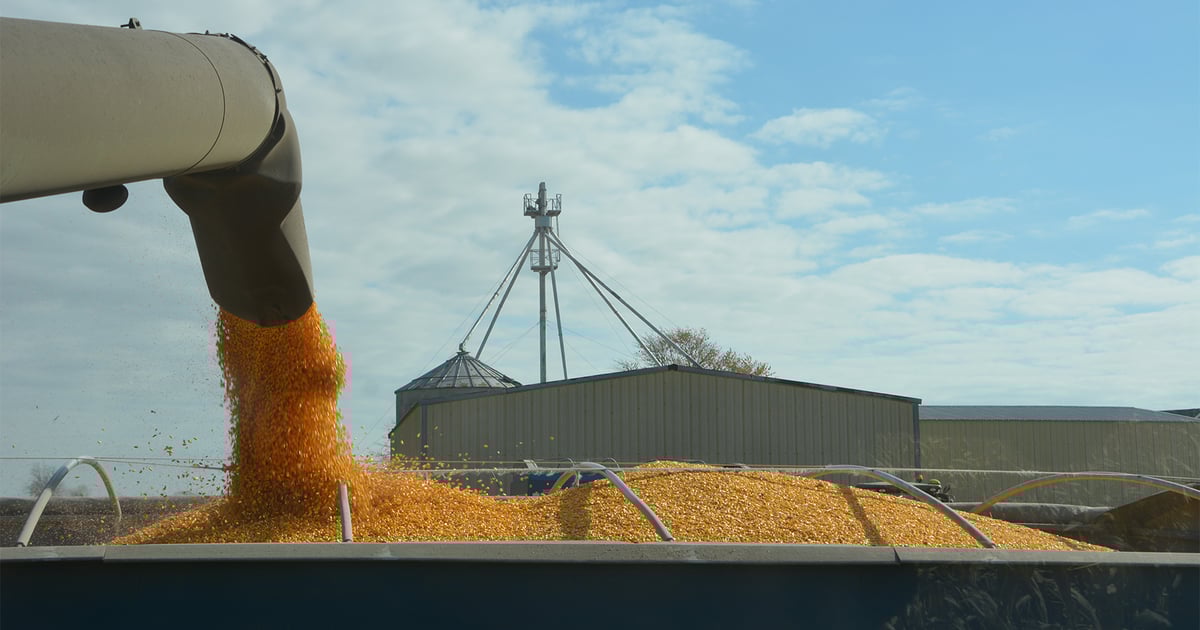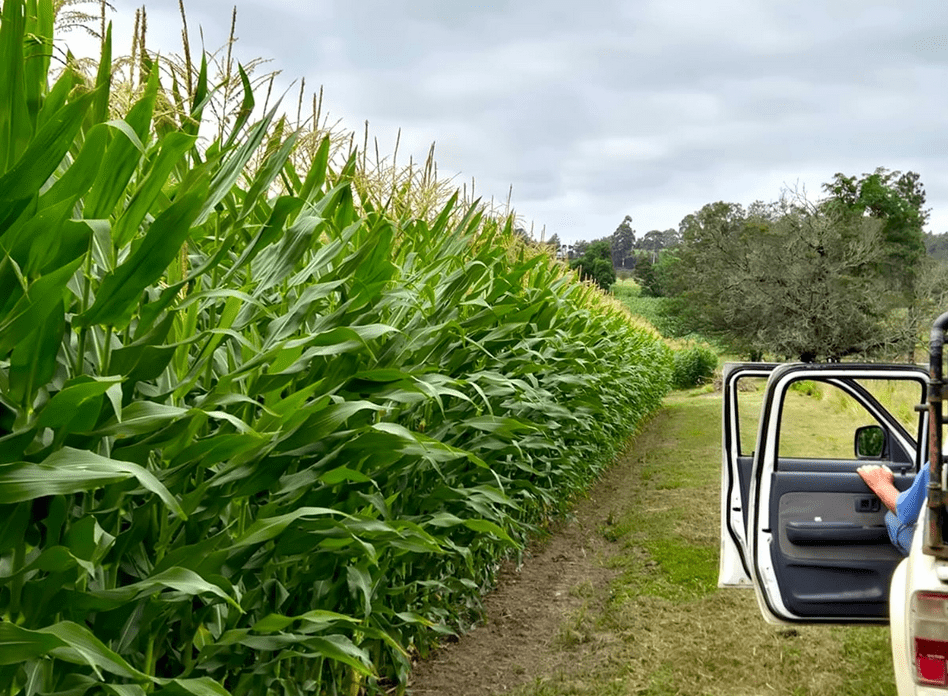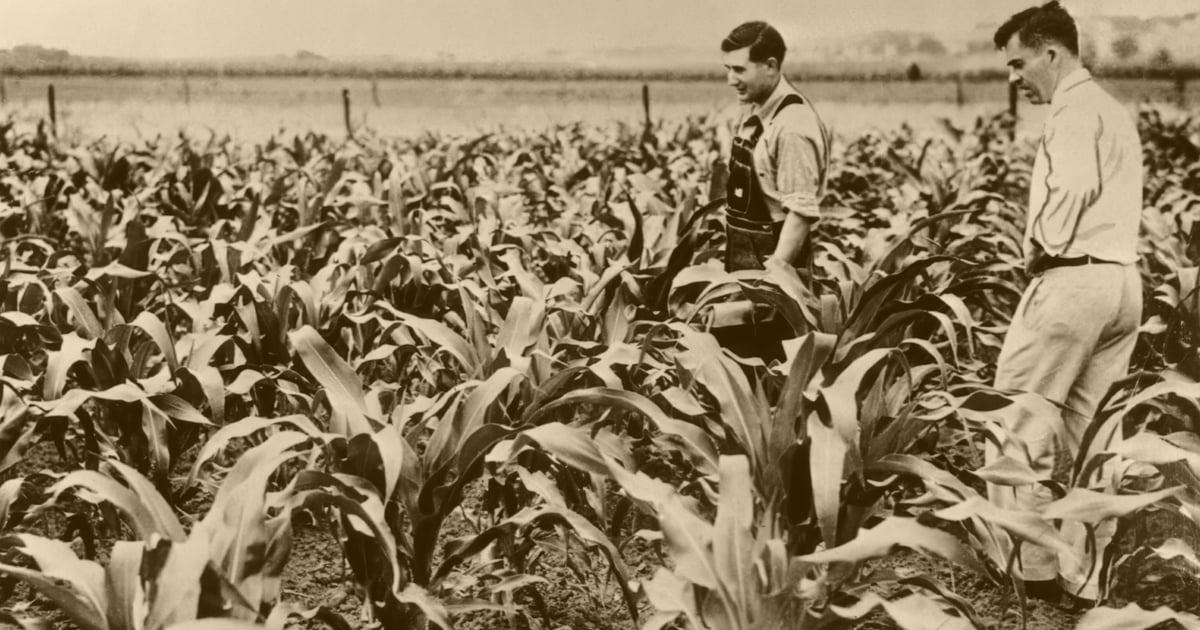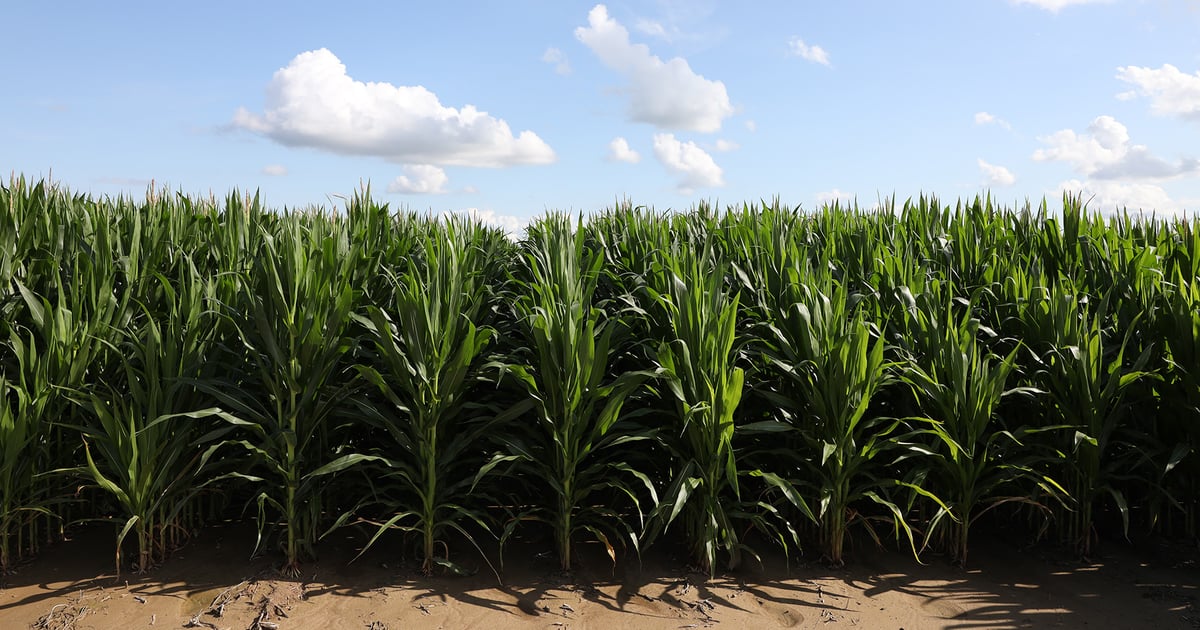
Iowa farmers were on track for a record 216 bushels of corn per acre in 2025 — a figure that dwarfed what farmers harvested 100 years ago before plant pioneers changed everything.
At $4.35-per-bushel corn, that’s $940 per acre in gross revenue — compared with maybe $100 per acre with the varieties these pioneers first launched. The average gross revenue per acre for Iowa from 1920 to 1940 was $23.59.
Consider the progression: In the 1920s, U.S. farmers averaged 25 bushels per acre. By 1950, hybrids pushed that to 40 bushels. Today, Iowa farmers routinely hit 200-plus bushels. That’s an improvement that transformed agriculture from subsistence to business.
Changing times
It’s well known that big yields were first fueled by hybrid-corn makers like Henry A. Wallace. But in the 1900s, it was an unknown New York botanist named George Shull who was the spark that led to Wallace’s hybrid creation.
Shull studied Gregor Mendel — the father of modern genetics — to learn how traits get passed from one generation to the next. He self-pollinated individual corn plants over several generations to create pure, or inbred, lines.
“He was frustrated because he couldn’t reproduce Mendel’s law. But what he also discovered is that some of the crosses of inbred lines were more productive than the variety he started with,” said Thomas Hoegemeyer, a retired Nebraska-based plant breeder. “And that was the first idea of making hybrid corn as we know it today.
“It’s one of the big moments in hybrid corn.”
Shull crossed two pure inbred lines to produce a hybrid offspring. But while crossing two inbred lines resulted in high-yield corn, the yield from the parent inbred lines themselves was insufficient to make the process practical for commercial-scale seed production.
He had hit a brick wall.
Enter Donald Jones, a geneticist with the Connecticut Ag Experiment Station. Jones used four different inbred corn lines to produce two initial single crosses. The seeds from these two single crosses were then grown and crossed with each other to create the final double-cross hybrid seed. This double-cross technique produced enough vigorous seed for commercial sale, making hybrid corn a practical reality.
Shull’s and Jones’ research sparked the attention of Wallace, editor-in-chief of his family’s newspaper, Wallaces Farmer, in Iowa. Wallace had experimented with plant breeding in college, conducting his own yield test and winning first place in a local corn yield contest.

SHULL’S DISCOVERY: George Shull, a New York botanist, discovered that some of the crosses of inbred lines were more productive than the variety he started with. This helped lay the foundation of today’s hybrid corn. (Harry S. Truman Library)
“Wallace recognized the importance of Donald Jones’ work,” said Lance Gibson, Corteva Agriscience agronomy training manager. “Taking two single crosses, crossed to make a double cross, allowed you to get more and higher-quality seed.”
With encouragement from Wallace, Iowa State College launched the Iowa Corn Yield Test in 1920 to help Iowa farmers use performance data to select the best corn seed for their farms. In 1924, Wallace’s new hybrid, Copper Cross, a cross between inbreds created from two open-pollinated varieties, won the Iowa State Yield Test. Wallace had an Iowa seed company produce seed and sell it to farmers.
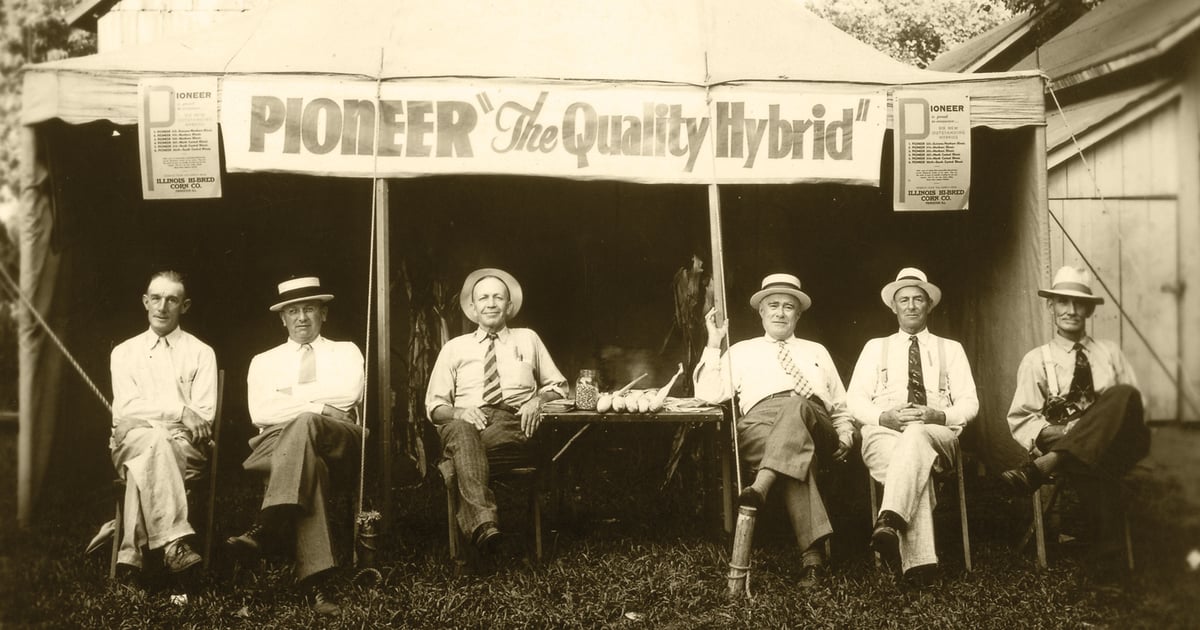
Now, with his newspaper as his platform, he began to write about scientific advancements as well as his own trials with hybrid corn. By 1926, recognizing hybrid corn as “transformational technology,” Wallace launched the Hi-Bred Corn Co. (later Pioneer Hi-Bred).
“He had started a breeding process looking for his own inbreds, and that’s been part of the company’s vision — to have hybrids with their own genetics in them,” Hoegemeyer said.
Wallace’s Iowa base wasn’t accidental. Iowa’s combination of research infrastructure, ideal growing conditions and farmer willingness to adopt new technology made it the perfect testing ground — competitive advantages Iowa farmers still enjoy today.
Hybrids solved farmers’ problems
Wallace began selling double crosses, but the Great Depression hit, grinding hybrid corn adoption nearly to a halt. Struggling farmers were trying to feed themselves and saving seeds to use for years to come. Why buy seed when you could plant your own?
But seed companies remained undaunted. Pioneer and others worked out deals to sell seed cheap, promoting the yield advantage. A horrible drought helped sales, as the new hybrid technology proved more drought-tolerant than open-pollinated varieties.
That drought tolerance wasn’t just about survival — it was about consistent income. Hybrids gave farmers predictable yields even in tough years, making farming a business instead of a gamble.
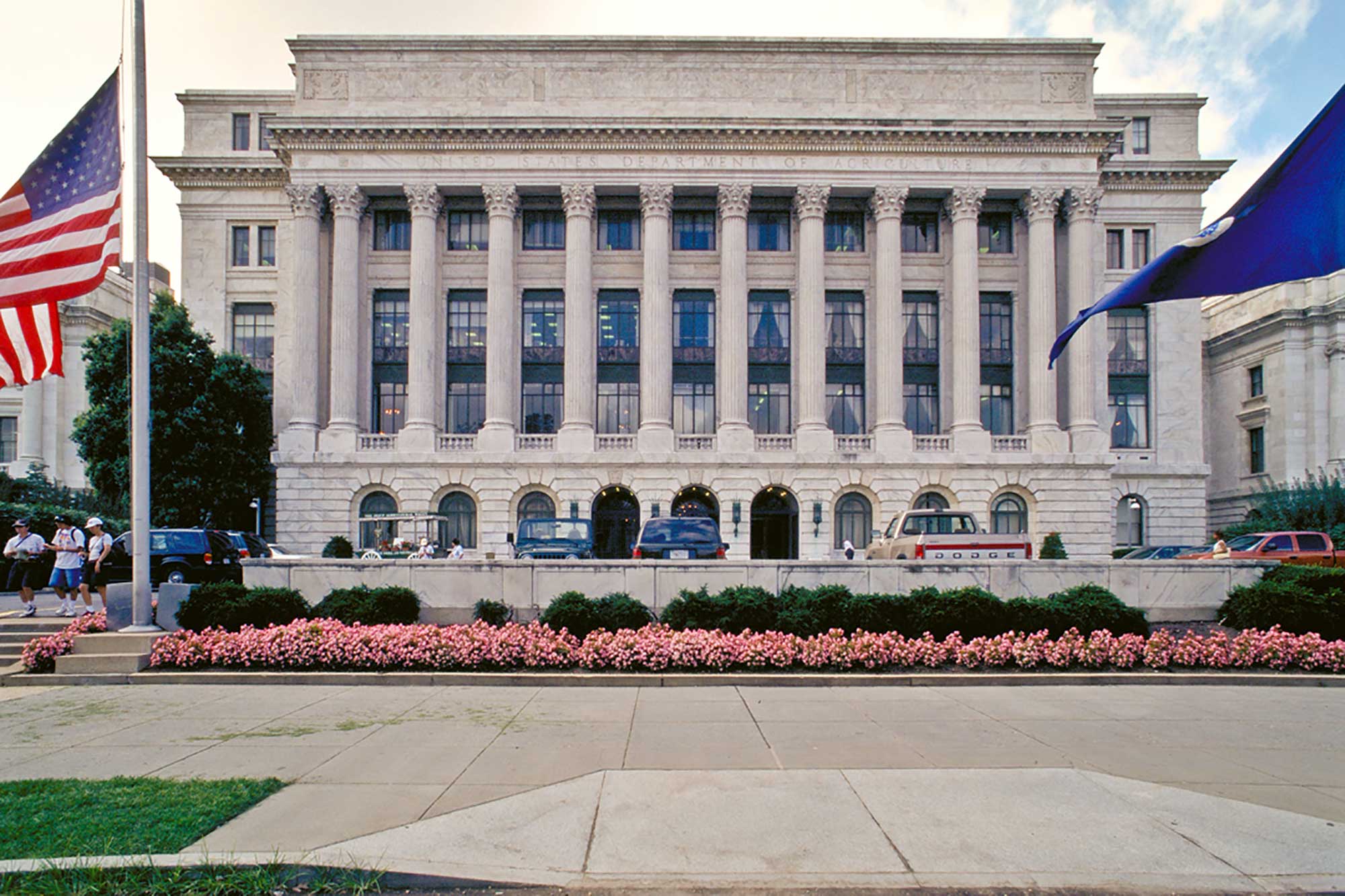
When Wallace became USDA secretary in 1933, he used his position to promote hybrid corn as a way to get agriculture out of the Depression. Almost a quarter of the U.S. population engaged in farming at the time. He authorized USDA to provide money to land-grant universities for extensive corn breeding research.

INNOVATION: Henry A. Wallace (left) shows his grandfather, Henry Wallace (also known as Uncle Henry), kernels from a cross-fertilization corn-breeding project in 1913. (courtesy of Corteva Agriscience)
Thanks to an idea by Wallace, land grants would do genetic research and inline development, and recommend hybrids made from these lines. Universities had what was called “foundation seed groups,” which increased the lines and made the parental single crosses. Then, they would recruit successful farmers to make hybrids for their neighborhood.
“That’s why you had a gazillion little seed companies around the Midwest, including Iowa, which would produce these,” Hoegemeyer said. “The difference with Pioneer was they kept making their own inbred lines and doing their own genetic research to make better hybrids.”
War created modern seed industry
By the 1940s, the seed companies were taking off, led by a group of entrepreneurs — with Pioneer the largest and most forward-thinking. Hybrids became a critical part of the war effort.
“We lost a lot of farm boys to the Army,” Hoegemeyer said. “They needed to do things to increase productivity down on the farm, and these hybrids would do it.”
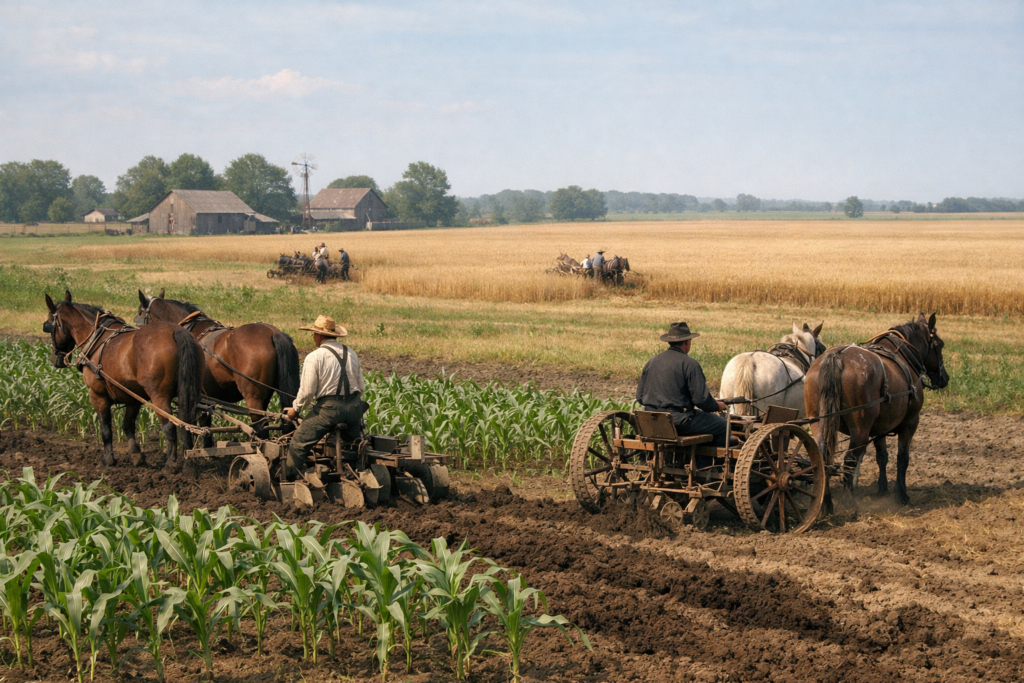
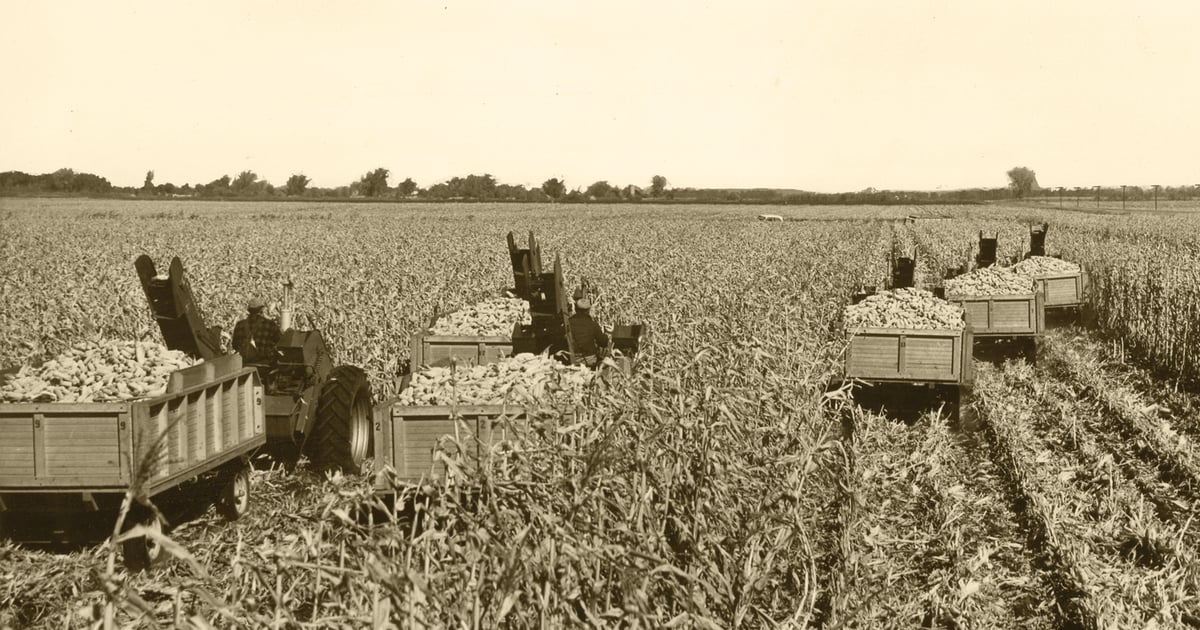
Farmers adopted hybrids not just for better yield but also standability. Although mechanical corn pickers were available in the 1920s, adoption was slow due to their high cost. Most corn was still being picked by hand with a horse and wagon.
“They would start picking as soon as corn got dry enough to keep,” Hoegemeyer said. “If they were done by Thanksgiving, it would be a small miracle.”
Hybrid corn tended to stand up better than open-pollinated varieties, thanks to breeding selection.
“The measure of a man was picking about 100 bushels a day,” he said. “If half the corn plants were broken and ears on the ground, you’d be doing thousands of deep-knee bends every day from October through the first half of December.”
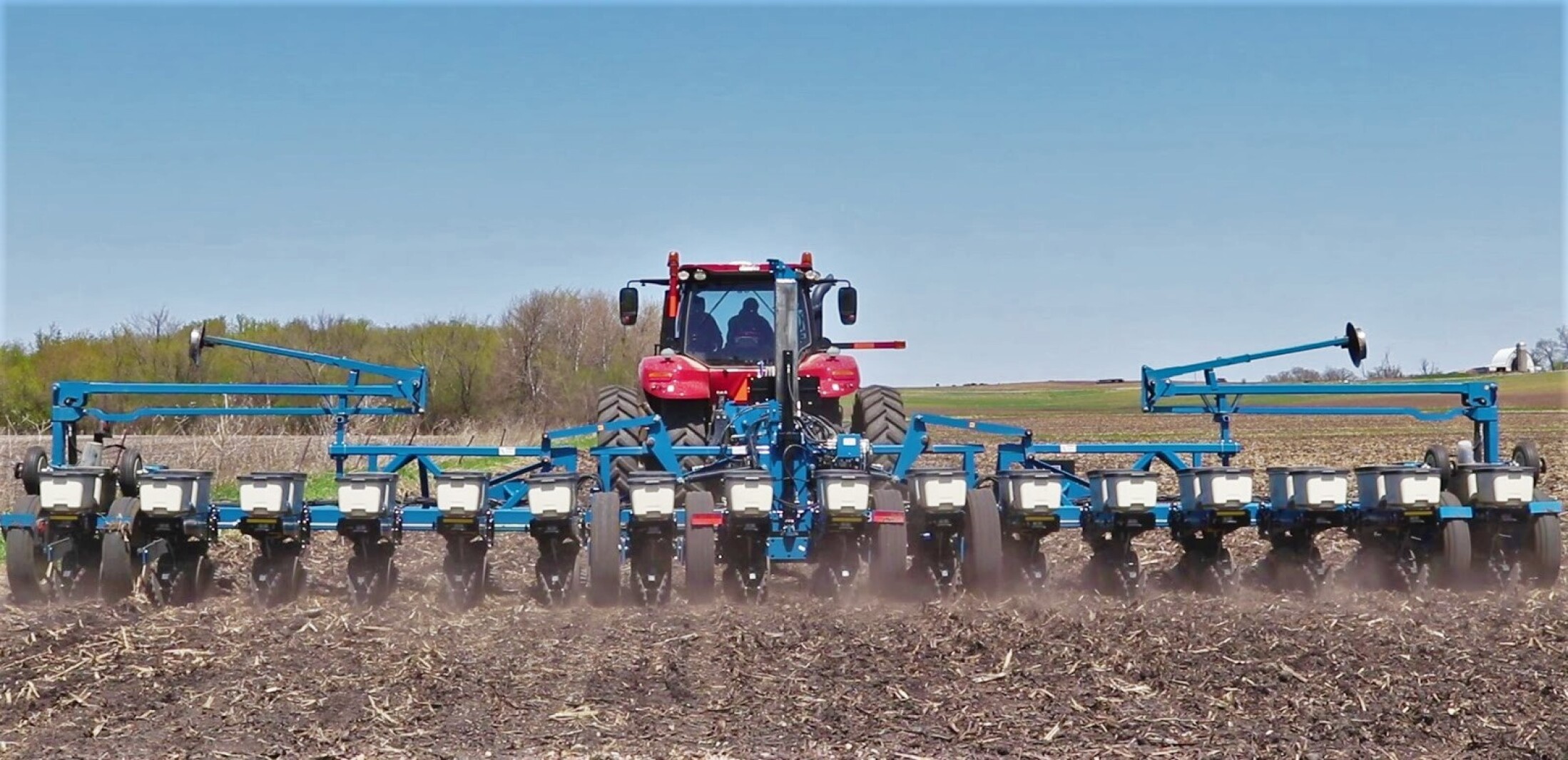
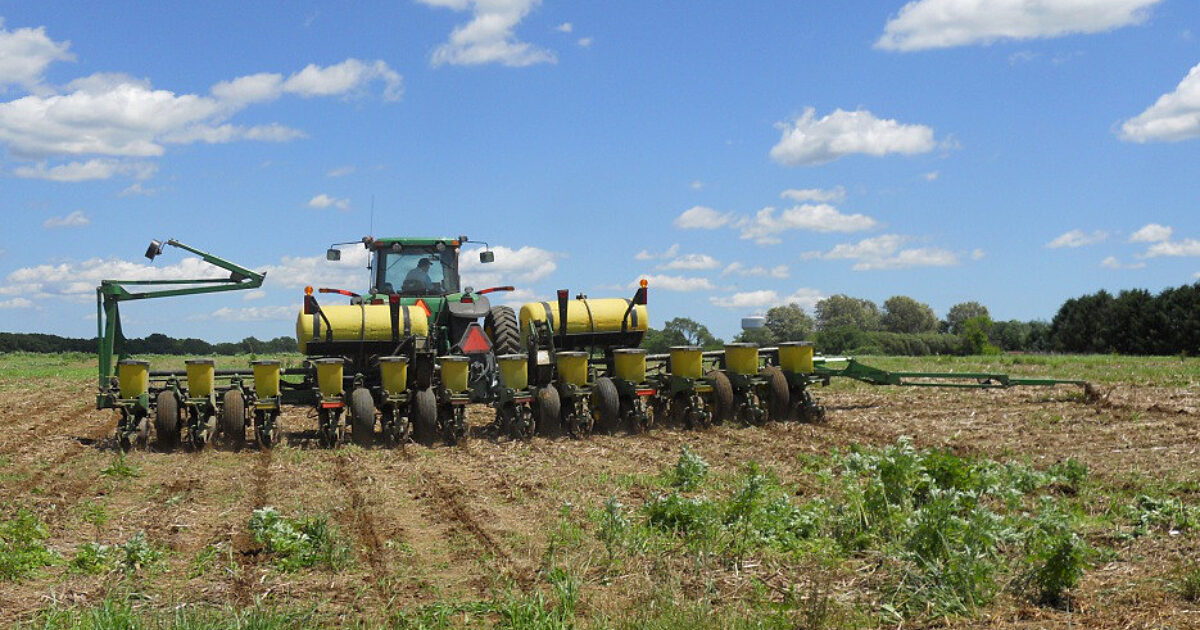
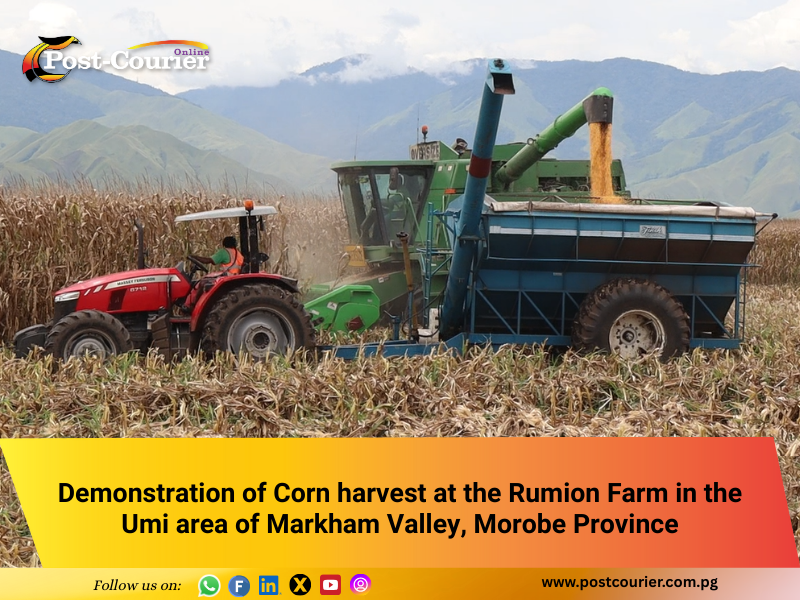
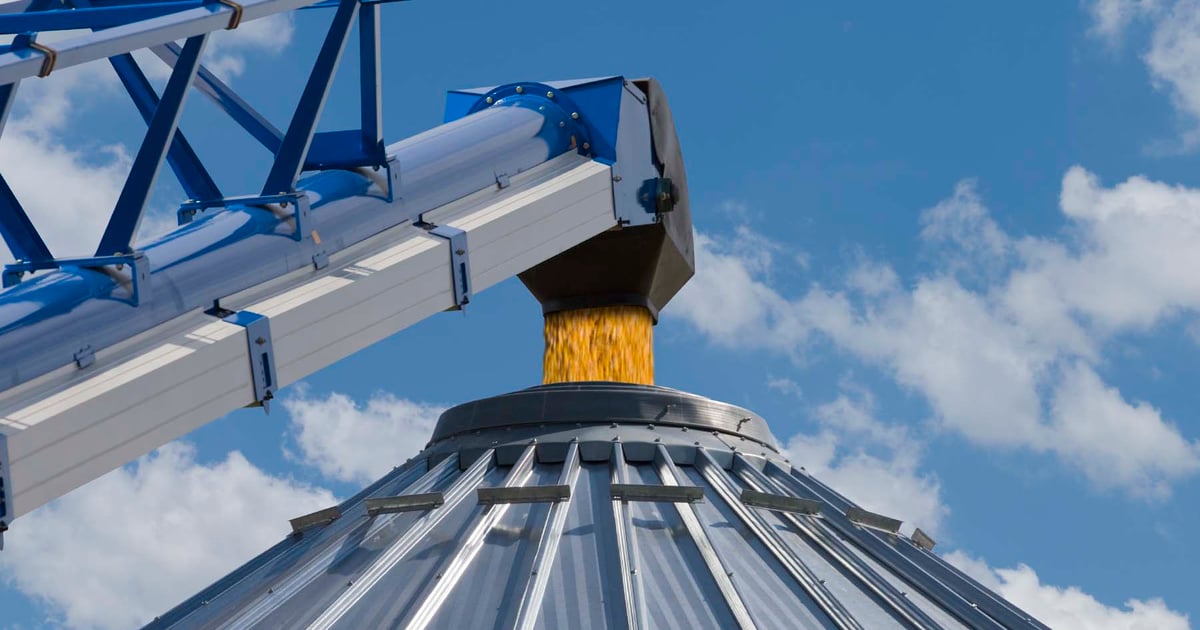
An economic boom followed World War II. Tractors and pickers begin to replace hand labor, dramatically increasing farm size just as hybrids took off. Munitions plants left over from the war were converted to fertilizer production, and farmers began to see bigger yields from higher nitrogen rates. Grain storage technology allowed farmers to harvest higher-moisture corn earlier in the season.
Meanwhile, breeders began breeding for useful traits like insect and disease resistance. They began to see breakthroughs in agronomics, physiology and plant breeding.
Sure enough, the national yield count at USDA began ticking higher.
“Science really drove those higher yields from the ’50s through the ’80s,” Hoegemeyer said.
The hybrid revolution that Shull, Jones and Wallace started never ended. Today’s corn breeders are still using their methods to develop varieties that help farmers manage risk, maximize yield and stay profitable.
“Every seed you plant carries their legacy — and your operation’s future,” Hoegemeyer said.