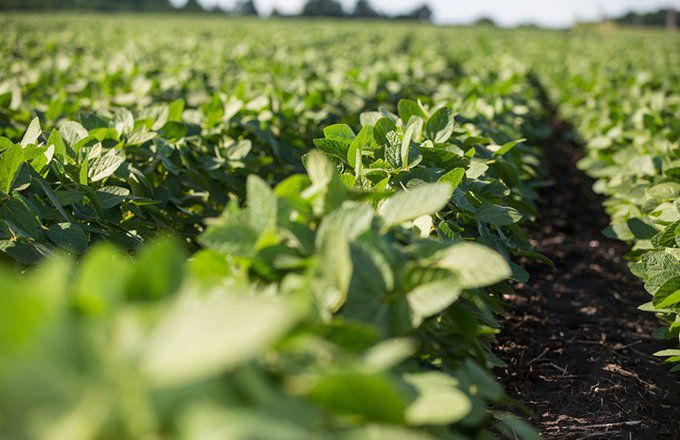
A study recently conducted by researchers at Iowa State University divided average input costs by average yields to get the cost per bushel of soybeans from 1975 through 2025. In 1975, a farmer paid $4.58 per bushel. That number rose to about $6 per bushel through the 1980s and 1990s and was $11.15 per bushel in 2025. From 1990 through 2025, the cost per bushel increased 87%.
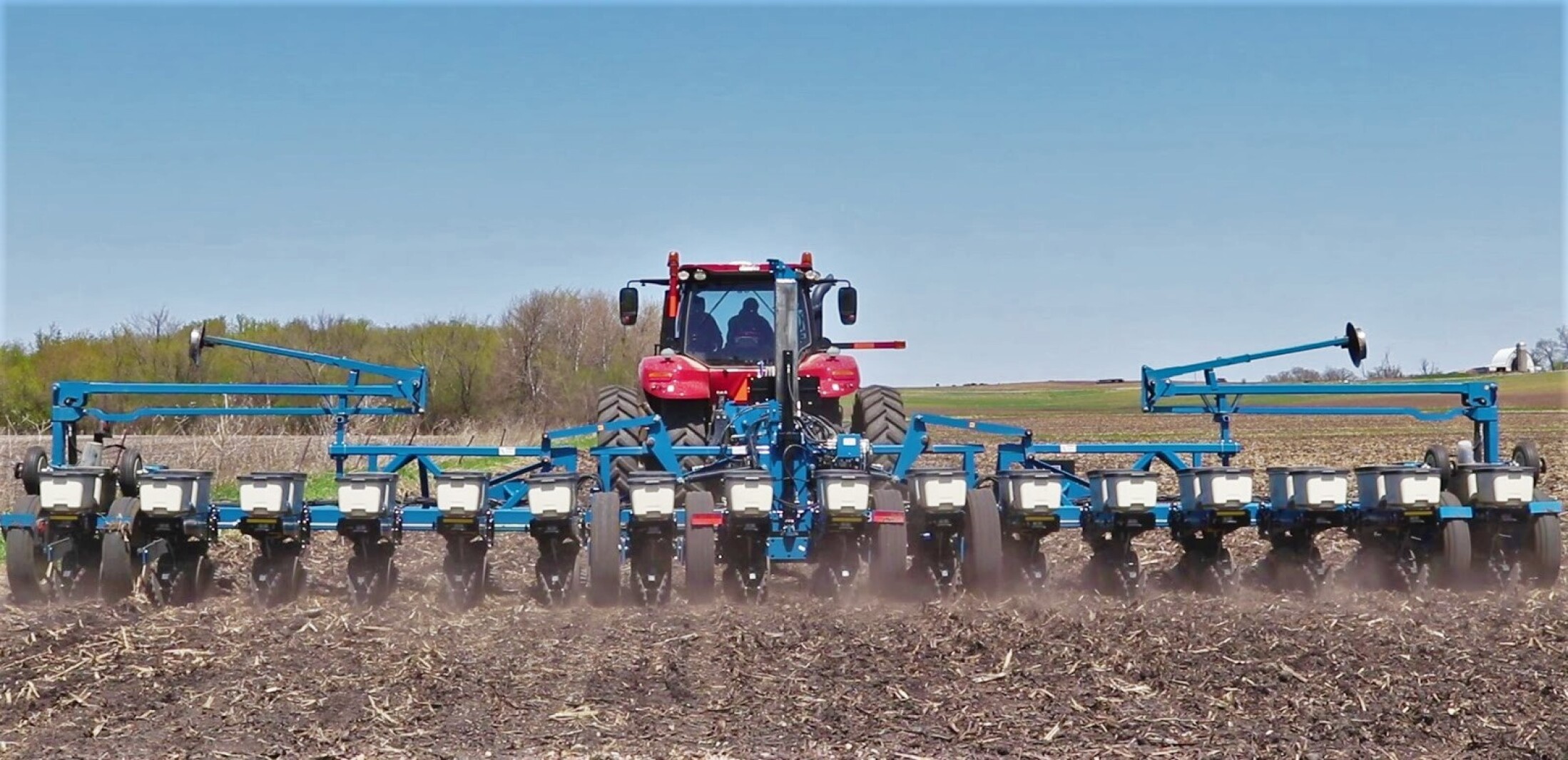
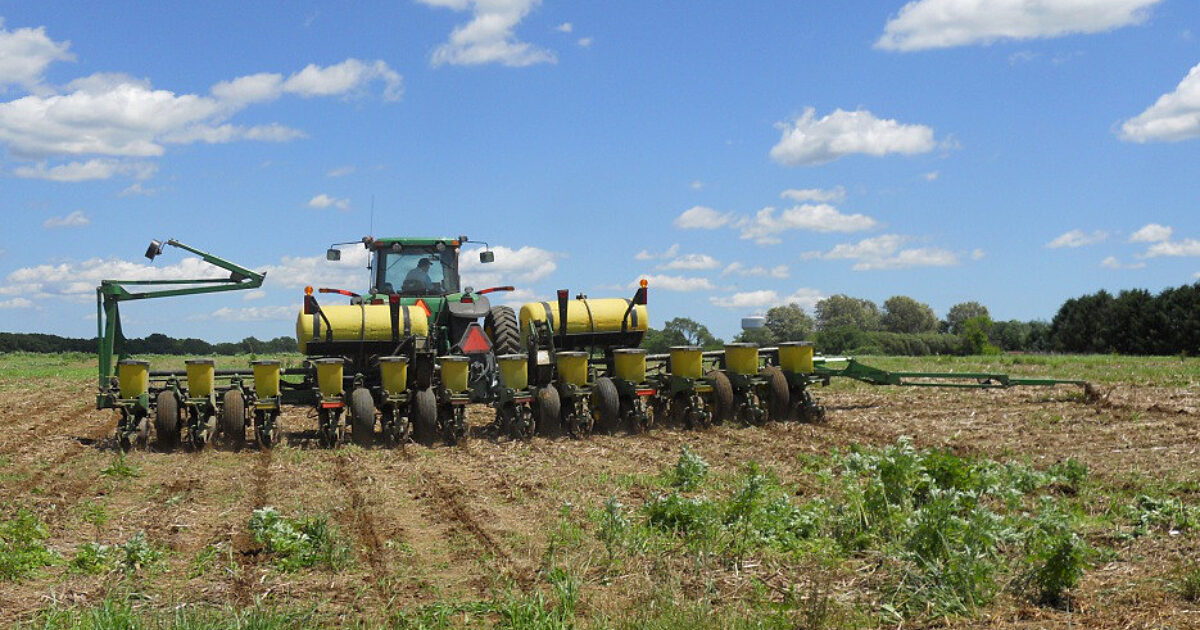
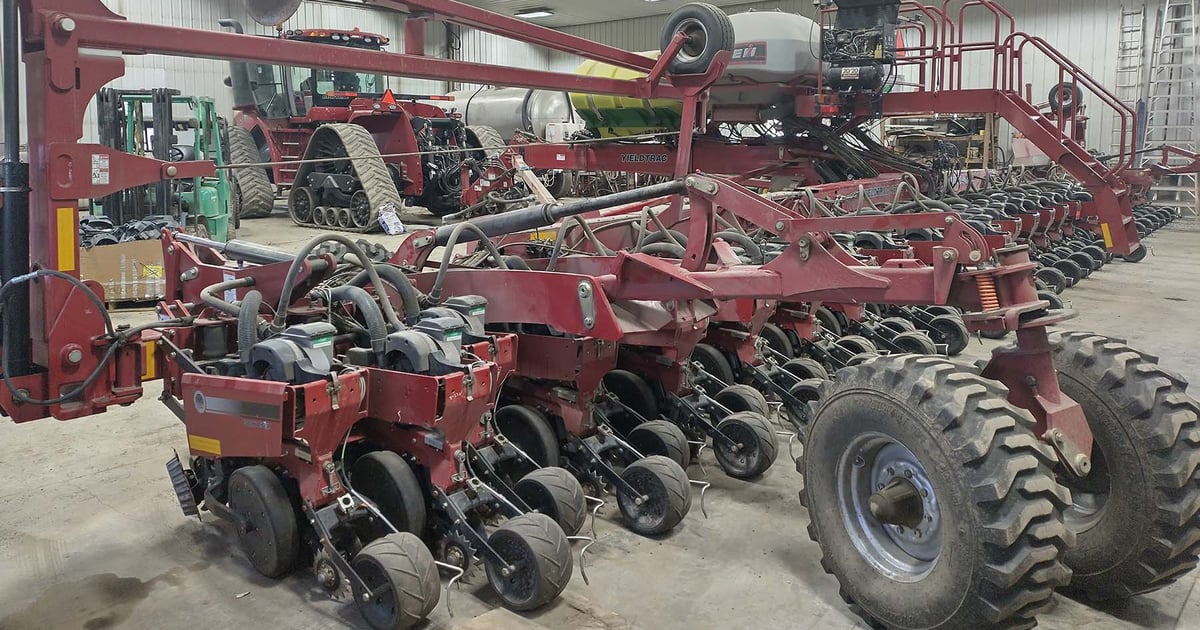
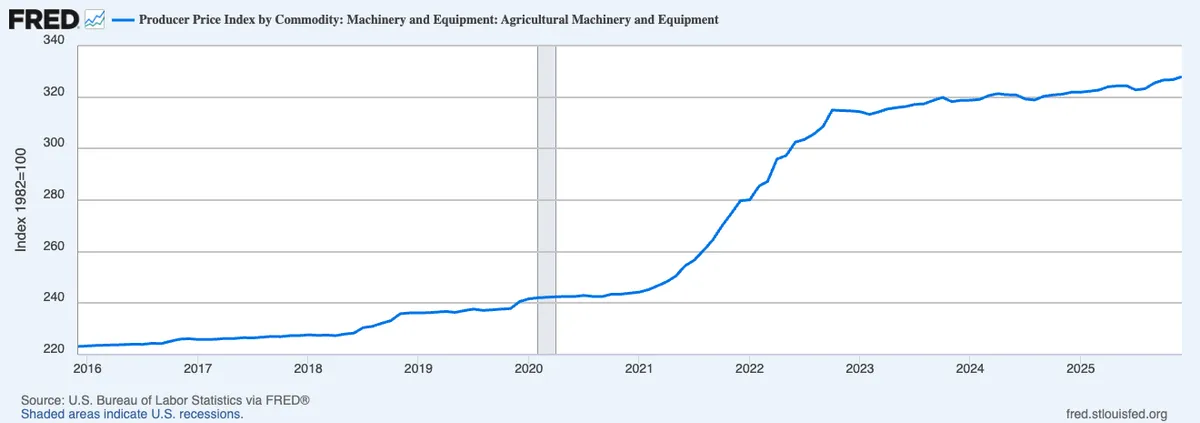
The biggest increases in costs came in machinery, which jumped 163% from 2005 to 2025, followed by seeds/chemicals, 138% increase, and labor, 132% increase.
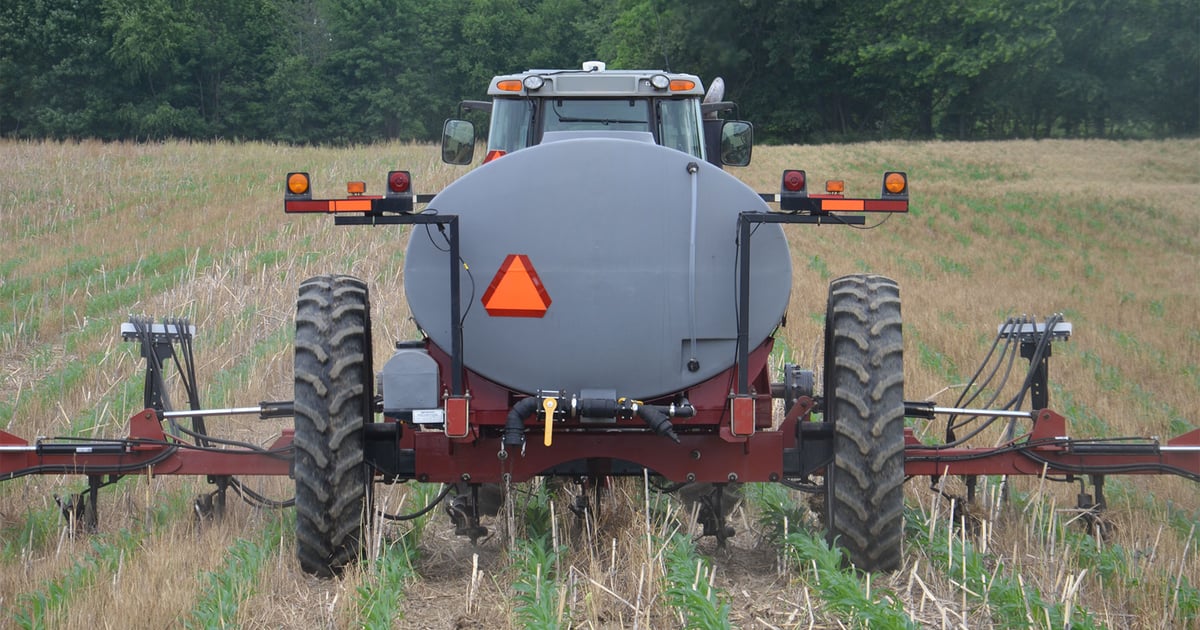
One of the most consequential costs each year is fertilizer, and those inputs — anhydrous ammonia, urea and nitrogen — have risen dramatically over time.
This is especially true for fertilizer costs as the ongoing conflict between the United States/Israel and Iran has significantly risen prices.
Gary Schnitkey, of the Department of Agriculture and Consumer Economics at the University of Illinois, has studied the fertilizer issue over time. His research indicates ammonia costs were fairly stable from the 1970s through the 1990s but jumped significantly in the early 2000s, from about $250 per ton to about $700 a ton. Prices reached $800 in 2014 before falling in 2016.
From 2008 through 2020, urea and nitrogen costs rose nearly 40%. Prices leveled in the early years of this decade before rising again from 2024 to 2025, with ammonia increasing 6%, urea 10% and nitrogen 20%.
Ben Brown, an agriculture economics specialist with University of Missouri Extension, noted chemical costs — herbicides and pesticides — are changing because of the seeds farmers are planting. Improvements in genetically modified seeds allow farmers to use pre-emergent herbicides that previously would kill soybeans and corn, thus lowering or eliminating the need for post-emergent herbicide applications. However, over time, those tolerances change.
“Chemical costs are increasing, but this is partially because the industry is having to apply more chemicals per acre to get the same level of weed and pest control,” he explained.
Many producers rent at least a portion of the acres they farm, and the costs to do so have risen as well.
From 2010 through 2024, the rental price per acre for corn increased 46%, from $112 per acre to $163. Soybean acres increased 54%, according to University of Missouri Extension. Farmland with access to irrigation did not increase as much, percentagewise, but cost more in general — $200 per acre in 2017, compared to $218 per acre in 2024.
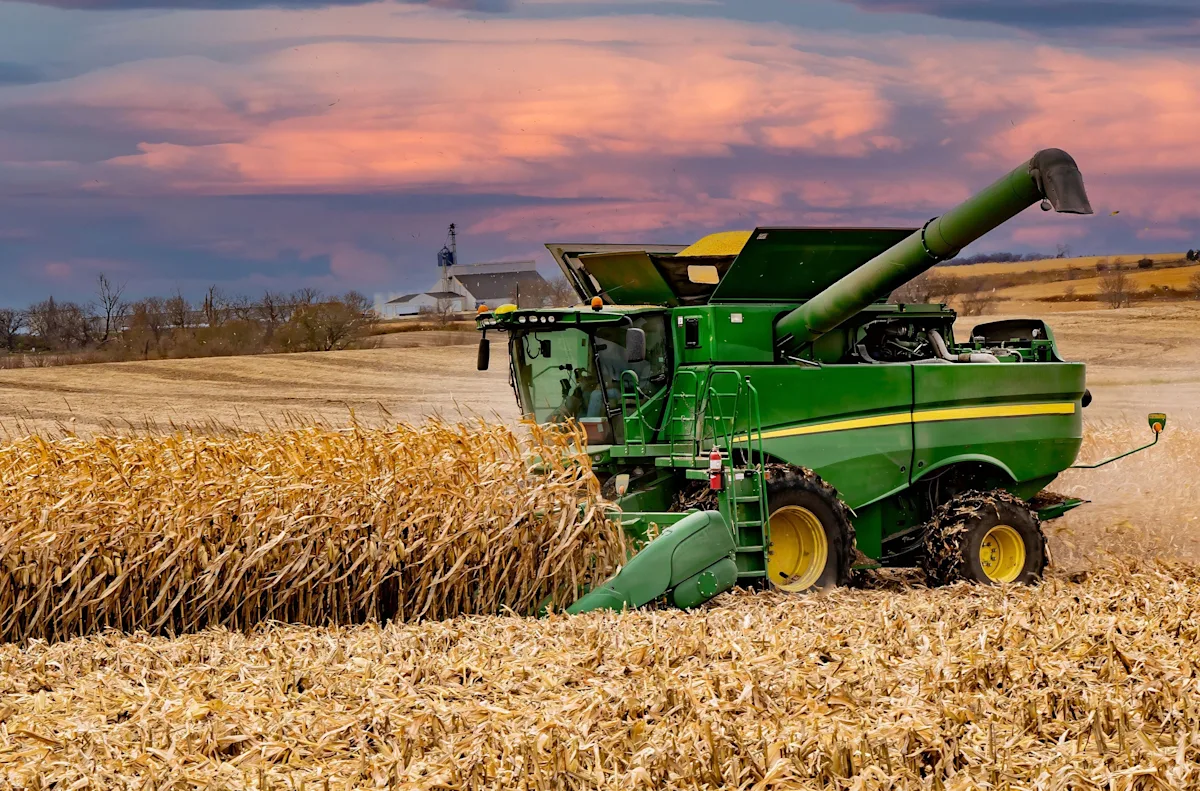
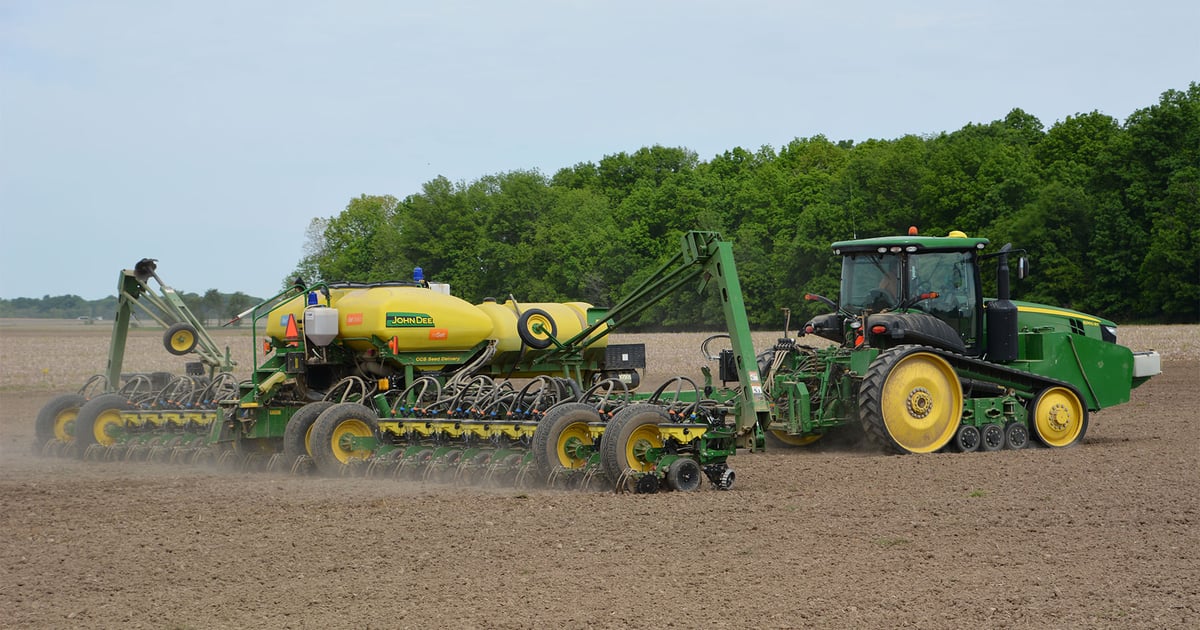
With technological advances and supply chain issues lingering since the pandemic, equipment costs are an ongoing issue. But not all the news is bad for farmers.
“We are seeing prices for used equipment fall,” Brown said. The prices of new equipment may also come down, but it will be offset with lower production volumes, which has already started with the announced layoffs at John Deere, Case IH and Ag Co.”
On the horizon
What does the future hold for Southeast Missouri farmers, economically?
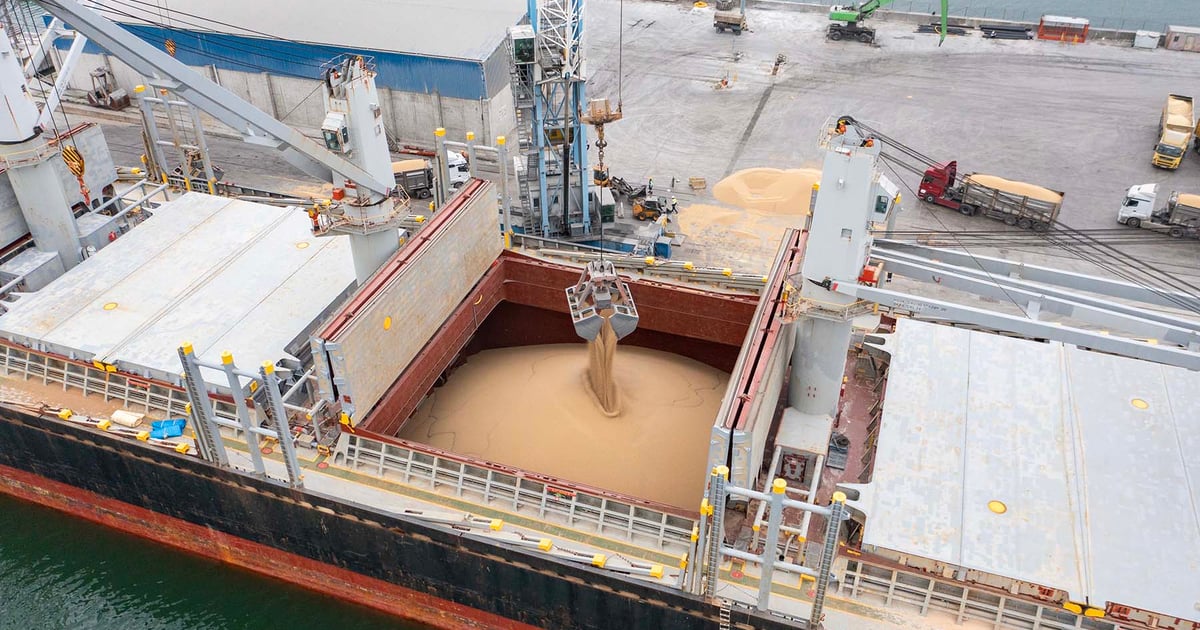
Specifically, Brown said an ongoing trade dispute with China, brought on by U.S.-imposed tariffs, has suppressed Chinese purchases of U.S. soybeans and made Brazilian soybeans more attractive in that market, which in turn has prompted more production in Brazil.
“What we are seeing is a larger price wedge between U.S. soybeans and Brazilian soybeans. While we can shift global trade around for a while, we would expect to see Brazil increase soybean production, which they have,” he explained. “The retaliatory tariffs in response to our tariffs on their products have increased global production, which then suppresses prices.”
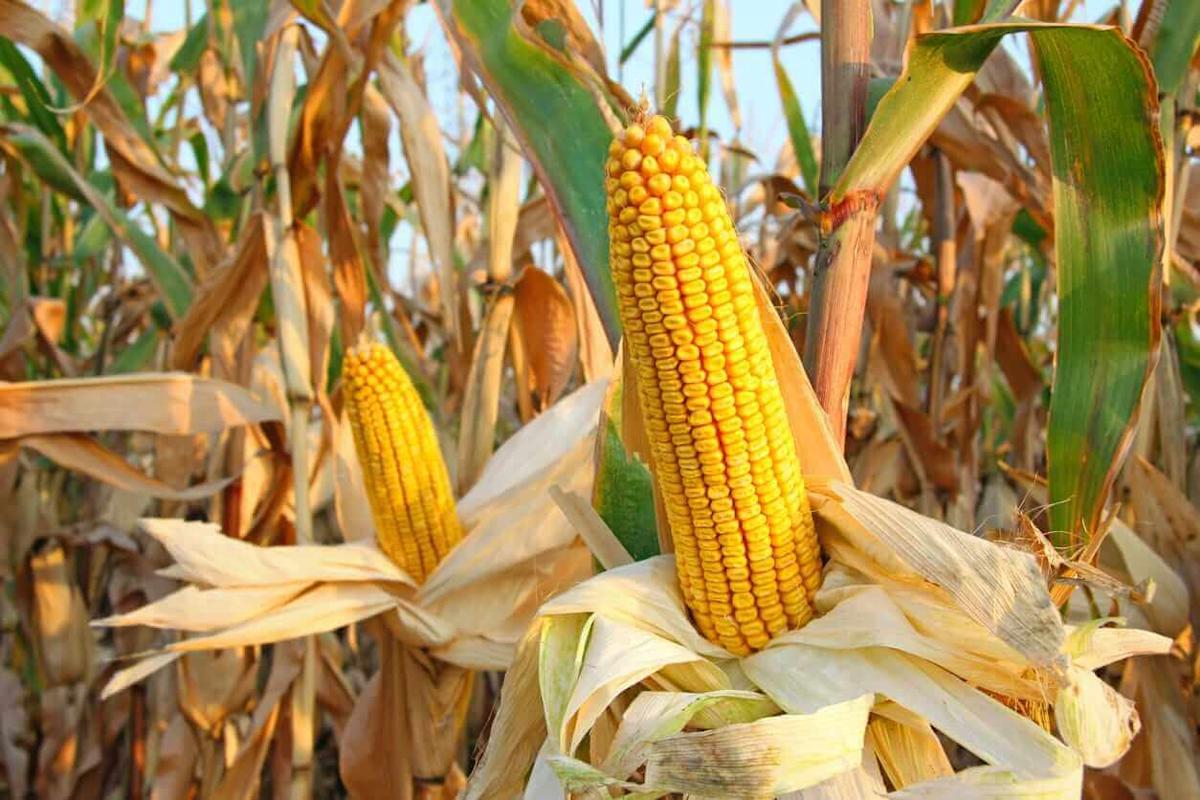
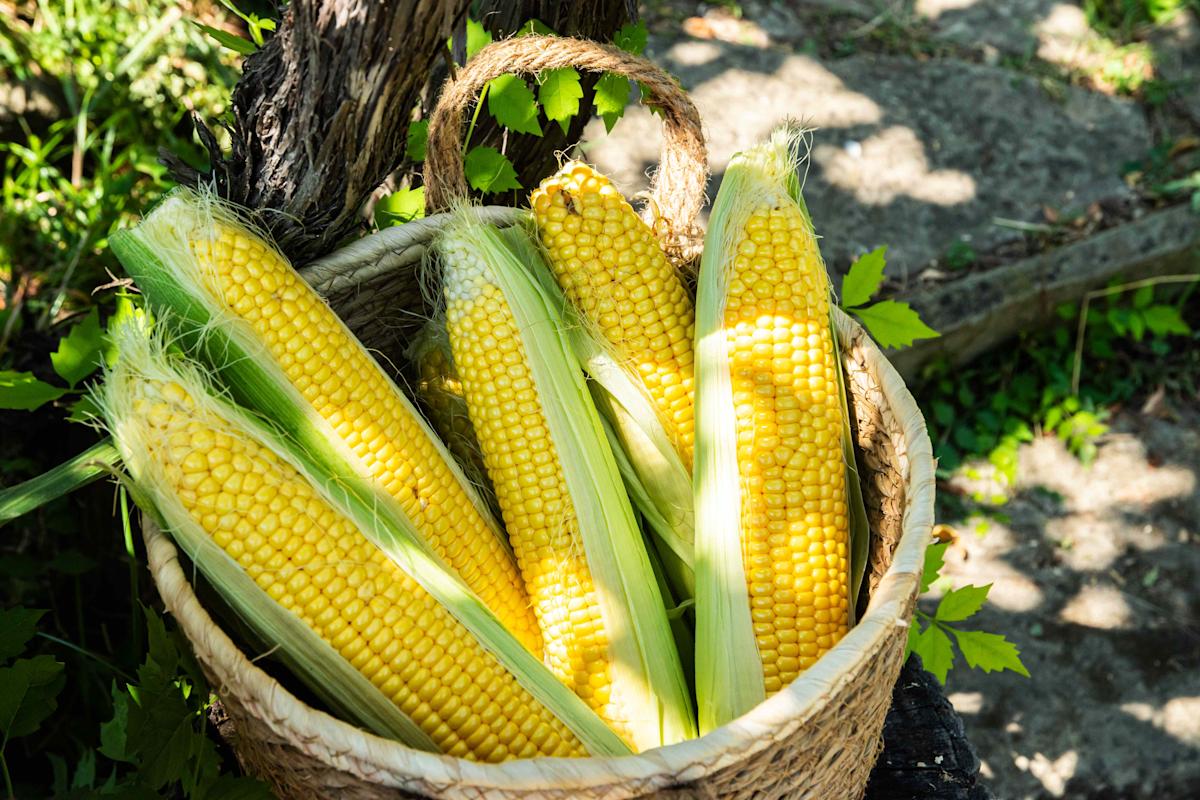
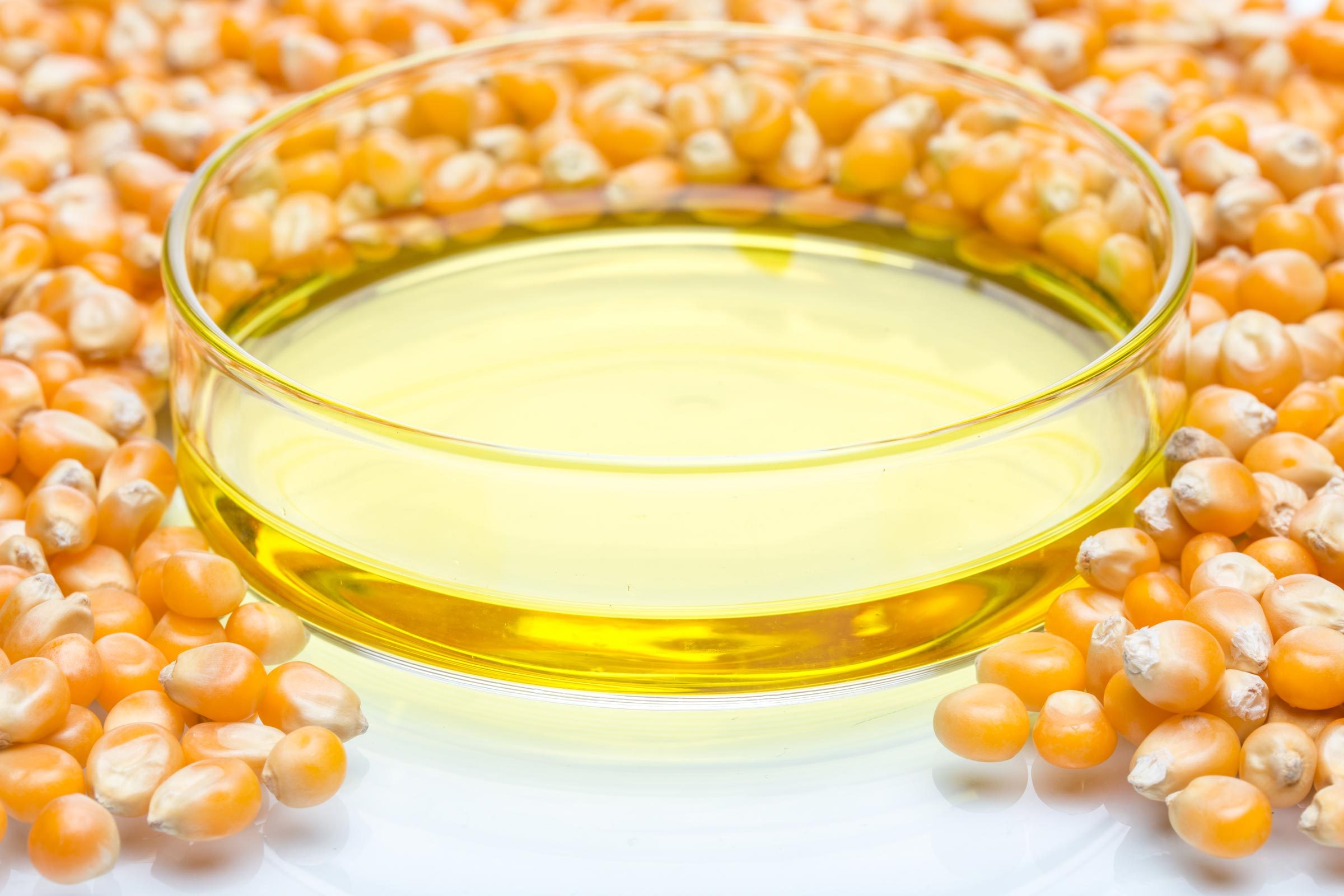
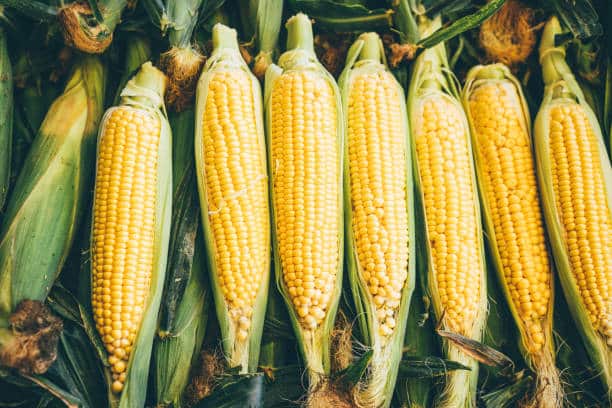
To improve financial conditions for farmers, Brown said expanding U.S. biofuels would help. The federal government’s existing ethanol program accounts for more than 40% of the U.S. corn crop annually. Raising ethanol percentages in fuel would increase that figure.
“The provisions for the Renewable Fuel Standard announced last fall were supportive to the sector, but they remain just proposals at this point. Year-round availability of E15 would also help increase demand,” he said.